Some of the biggest moments in history started at a family dinner table. Brothers and sisters often shared dreams, skills, and stubborn determination that pushed the world forward.
From flight to fairy tales to fast food, sibling partnerships have shaped how people live, learn, and play. Here are fourteen sets of siblings whose teamwork left a lasting mark.
1. Wilbur and Orville Wright
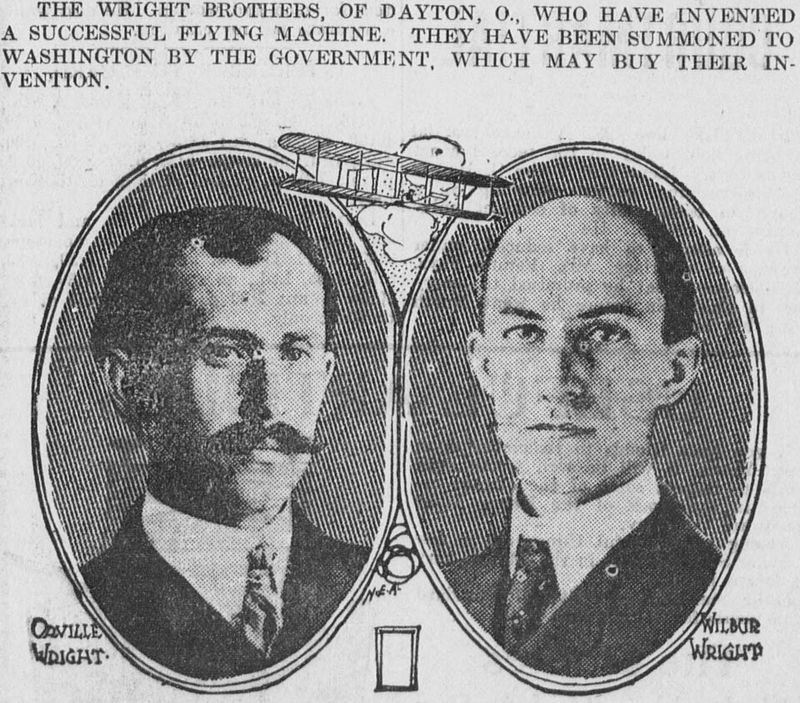
Two bicycle shop owners from Ohio figured out what the world’s top scientists could not. Wilbur and Orville Wright spent years studying birds, building kites, and testing wings in a homemade wind tunnel.
On December 17, 1903, near Kitty Hawk, North Carolina, Orville flew their powered airplane for twelve seconds. It was the first controlled, sustained flight by a machine heavier than air.
Later flights that same day lasted longer, with Wilbur covering 852 feet in nearly a minute.
Their real secret was control. Instead of just building a strong engine, they invented a way to steer the aircraft by twisting the wings, which became a base for modern flying.
The brothers never married and shared nearly every decision, patent, and idea.
Fun fact: they flipped a coin to decide who would try the first flight, and Wilbur won but crashed slightly. Orville took the next turn.
2. Jacob and Wilhelm Grimm
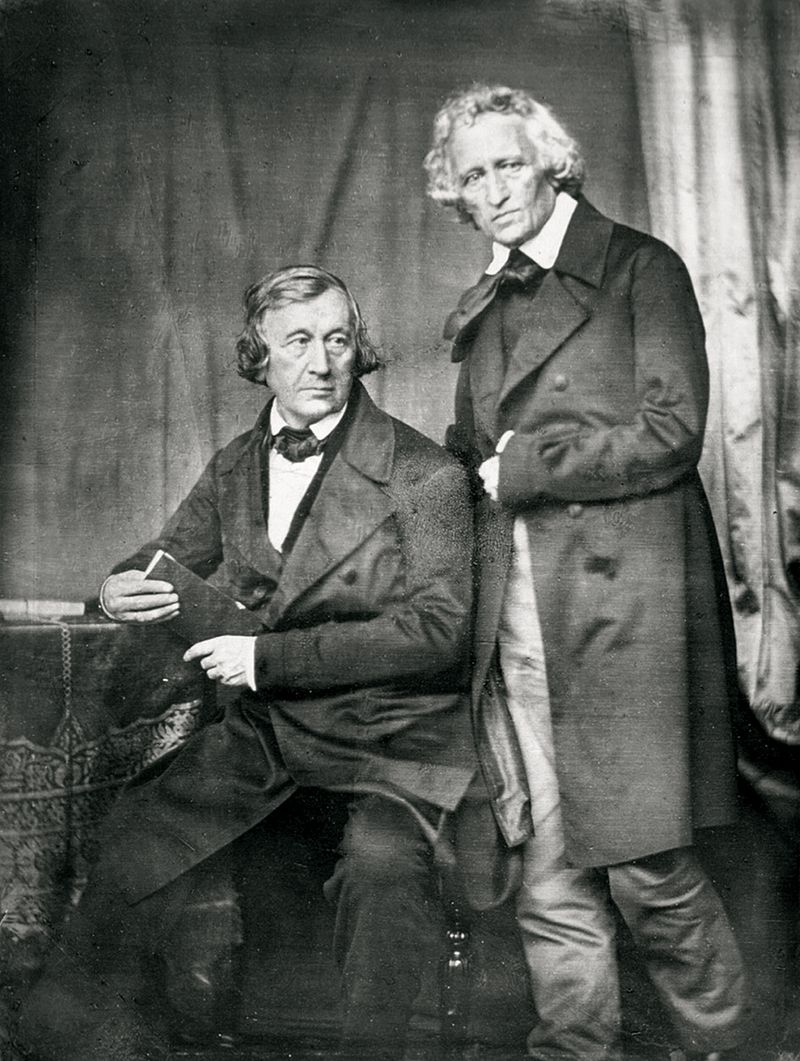
Long before movies retold them, Cinderella, Hansel and Gretel, and Snow White lived only in spoken stories. Jacob and Wilhelm Grimm, two German brothers, set out to write them down before they were forgotten.
Their first collection of Children’s and Household Tales appeared in 1812. Over many editions, it grew into one of the most widely read books in the world.
The tales were softened over time, but they still carry the feel of old village storytelling.
The brothers were also serious scholars. They began work on a huge German dictionary, and Jacob formulated Grimm’s Law, which explains how certain sounds changed across related languages.
So the same pair who gave bedtime stories to millions also helped build the modern study of language. Their partnership showed that folk culture deserved careful attention.
3. Irène and Ève Curie
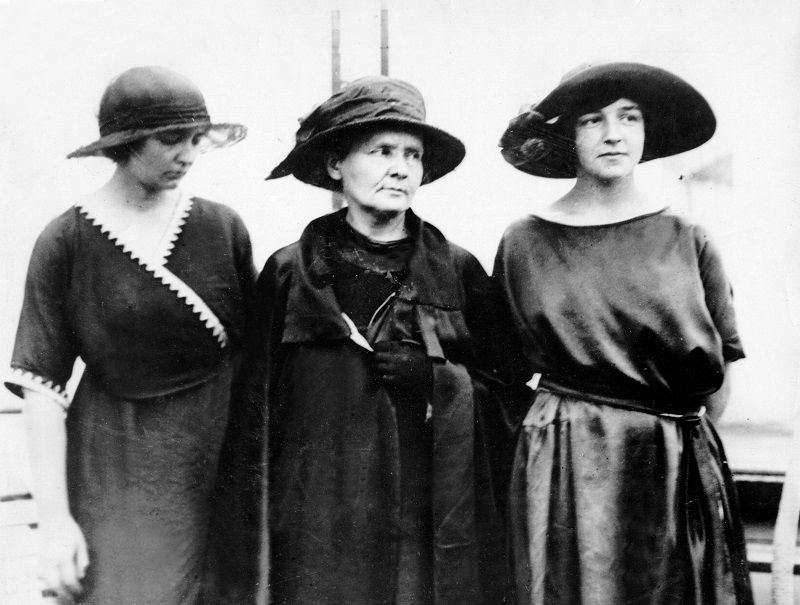
Growing up with Marie and Pierre Curie as parents meant science was part of daily life. Yet the two daughters chose very different paths and both made a real difference.
Irène Joliot-Curie became a chemist and, with her husband Frédéric, discovered artificial radioactivity in 1934. That work earned them the Nobel Prize in Chemistry in 1935 and opened doors for medicine, including cancer treatment.
Ève Curie took another road. She became a writer and pianist, and wrote a well-known biography of her mother.
During World War II she traveled widely, speaking up for the Free French cause.
Later she worked with UNICEF and supported international efforts to help children. Her husband, Henry Labouisse, led UNICEF when it received the Nobel Peace Prize in 1965.
Together, the sisters carried a famous family name into both laboratories and global aid work.
4. Susan B. Anthony and Mary Stafford Anthony
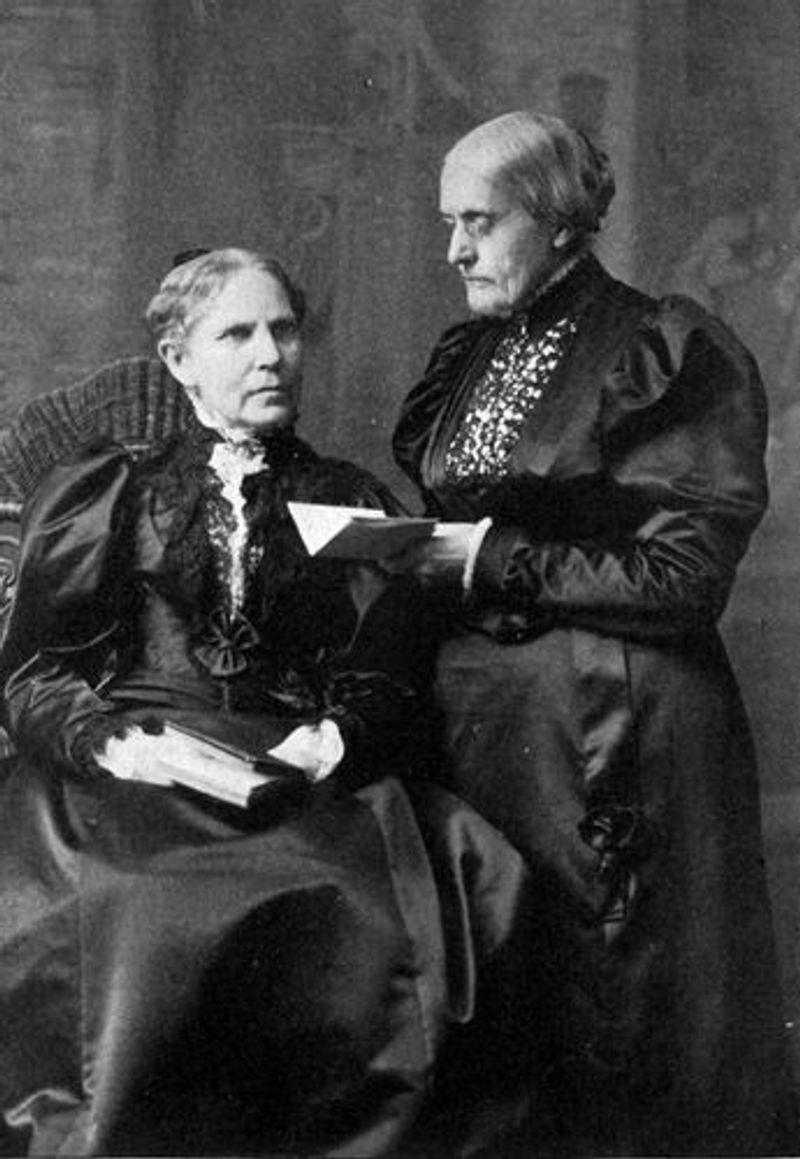
Picture a Quaker family in upstate New York where debates about fairness were as common as supper. Susan B.
Anthony grew up there, and her sister Mary stood beside her through many of her campaigns.
Susan is the name most people remember. She traveled, lectured, and organized for women’s right to vote for more than fifty years.
In 1872 she was arrested for casting a ballot in Rochester.
Mary, a teacher and later a school principal, supported the cause in quieter ways. She fought for equal pay for women educators and served as a steady partner, even sharing a home with Susan in her later years.
Mary also took part in suffrage work and helped lead Rochester’s women’s rights efforts. Neither sister lived to see the Nineteenth Amendment pass in 1920, but their persistence helped make it possible.
5. Christabel and Sylvia Pankhurst
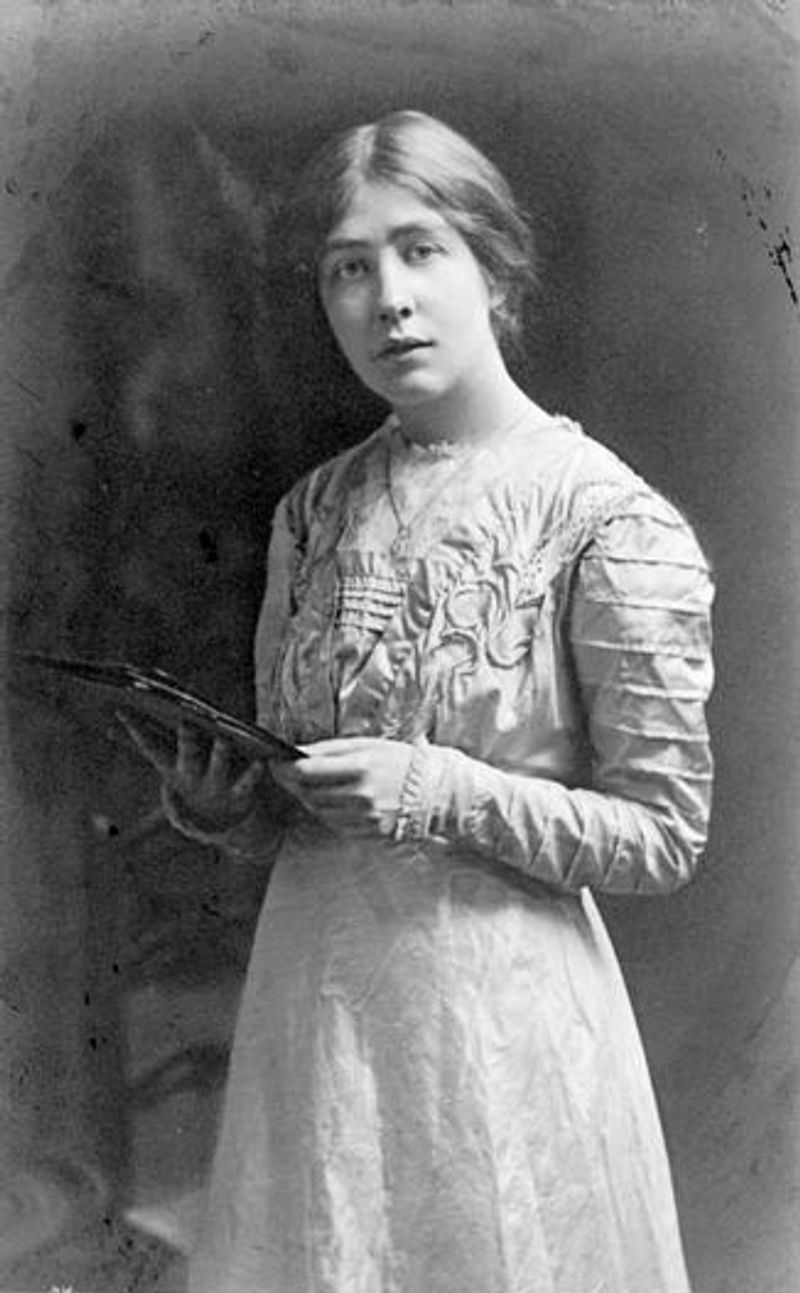
Raised in a household where politics was the family business, Christabel and Sylvia Pankhurst learned early how to organize a protest. Their mother, Emmeline, founded the Women’s Social and Political Union in 1903.
Christabel became a leading strategist for the group. She helped shape its bold tactics, which included marches, hunger strikes, and confrontations with authorities.
Her efforts kept the issue in newspapers across Britain.
Sylvia, an artist, designed banners and badges for the movement. Over time she turned toward poverty relief and worked with poor families in London’s East End.
She believed voting rights should go hand in hand with help for working people.
The sisters later disagreed on strategy and politics, and the split was painful. Still, both pushed Britain closer to the Representation of the People Act of 1918 and the full vote for women in 1928.
6. John and Charles Wesley
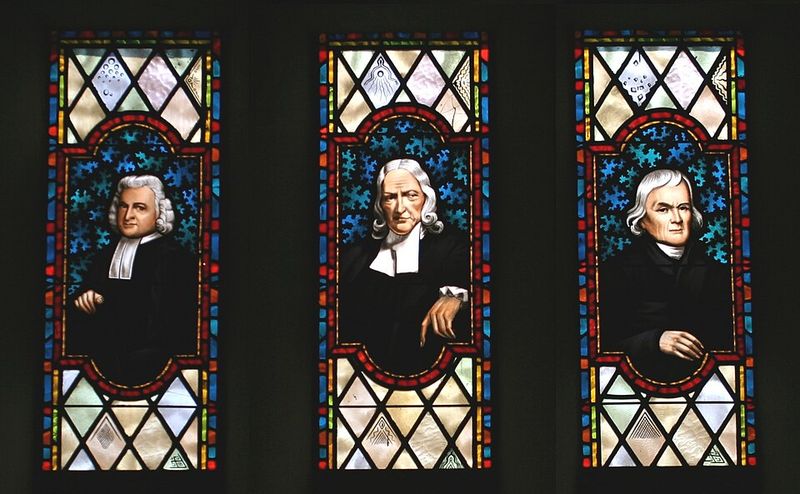
Hymns still sung in churches today were written by one of these brothers, and the preaching style behind them was shaped by both. John and Charles Wesley met at Oxford in the 1720s, where they formed a small group nicknamed the Holy Club.
Members followed a strict schedule of prayer, Bible study, and service to the poor. Critics mocked them as Methodists because of their methodical habits, and the name stuck.
John became the organizer and traveling preacher, riding thousands of miles on horseback to reach ordinary workers. Charles wrote more than six thousand hymns, including Hark!
The Herald Angels Sing.
Together they sparked a revival within the Church of England that grew into the Methodist movement. It spread across Britain and North America, shaping Protestant worship, education, and charity work for centuries to come.
7. Caroline and William Herschel
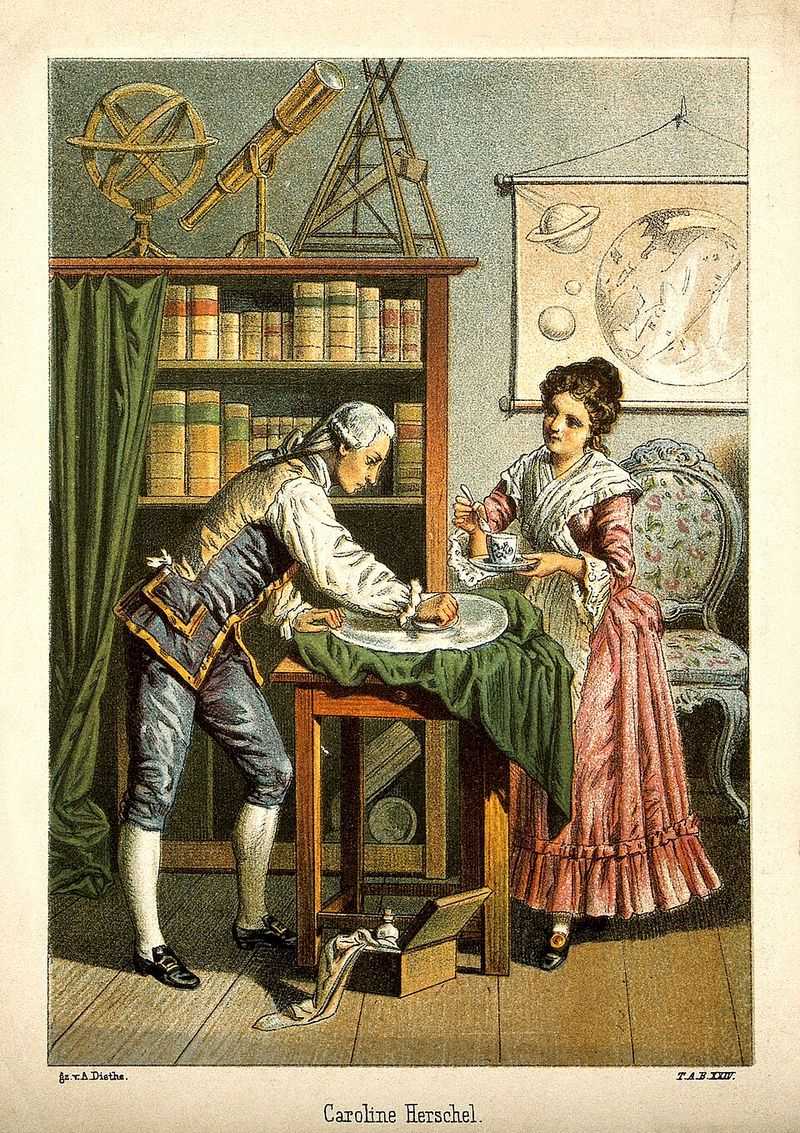
Night after night, a brother and sister swept the sky from their back garden in England. William Herschel built powerful telescopes himself, and his sister Caroline served as his assistant, recorder, and later a respected astronomer.
In 1781, William spotted a new object that turned out to be a planet, Uranus. It was the first planet found with a telescope, and it made him famous almost overnight.
Caroline discovered several comets and added new objects to star catalogs. She also corrected and organized earlier star records, a task that required patience and sharp math skills.
In 1828, the Royal Astronomical Society awarded her its gold medal, and she was later made an honorary member. Together the siblings expanded what people knew about nebulae, double stars, and the shape of the heavens.
8. Auguste and Louis Lumière
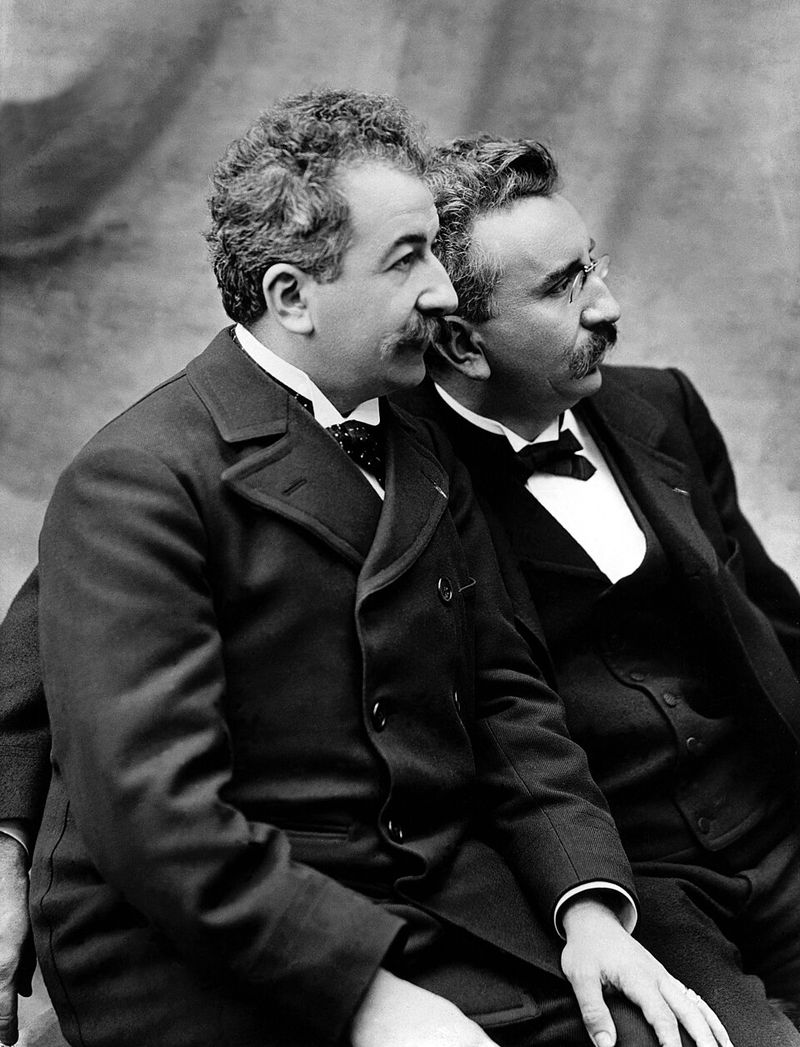
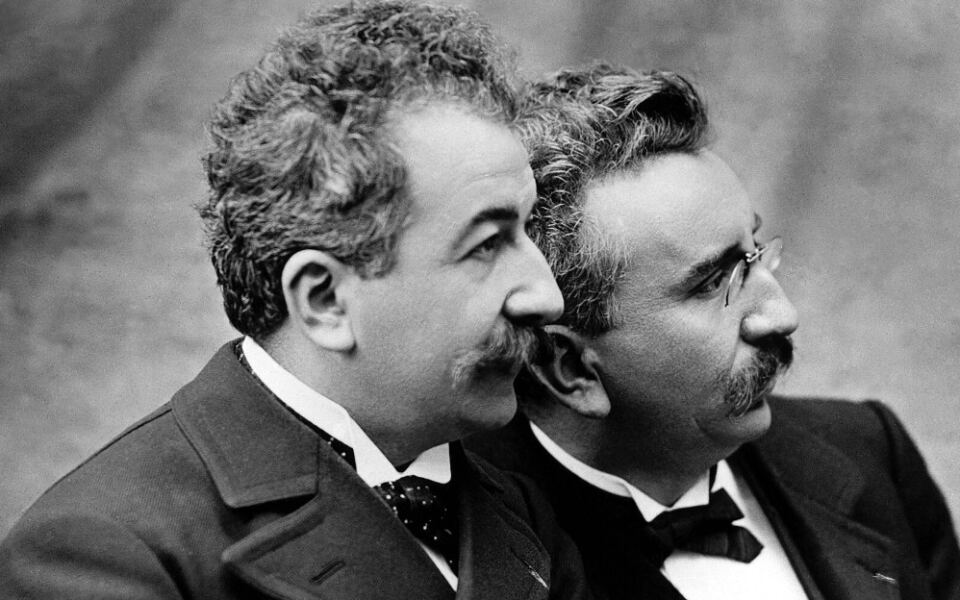
On December 28, 1895, a small crowd gathered in a Paris basement cafe and paid a franc to watch moving pictures on a screen. The show was run by Auguste and Louis Lumière, sons of a photographic plate manufacturer in Lyon.
Their invention, the Cinématographe, worked as a camera, a film developer, and a projector in one light box. That made it easy to carry and use almost anywhere.
Their short films were simple, such as workers leaving a factory or a train pulling into a station. Yet audiences were amazed, and some stories say viewers flinched as the train approached.
The brothers sent camera operators around the world, helping spread cinema as a public experience. Later Louis returned to photography and developed early color processes, while Auguste explored medical research.
9. John and Robert Kennedy
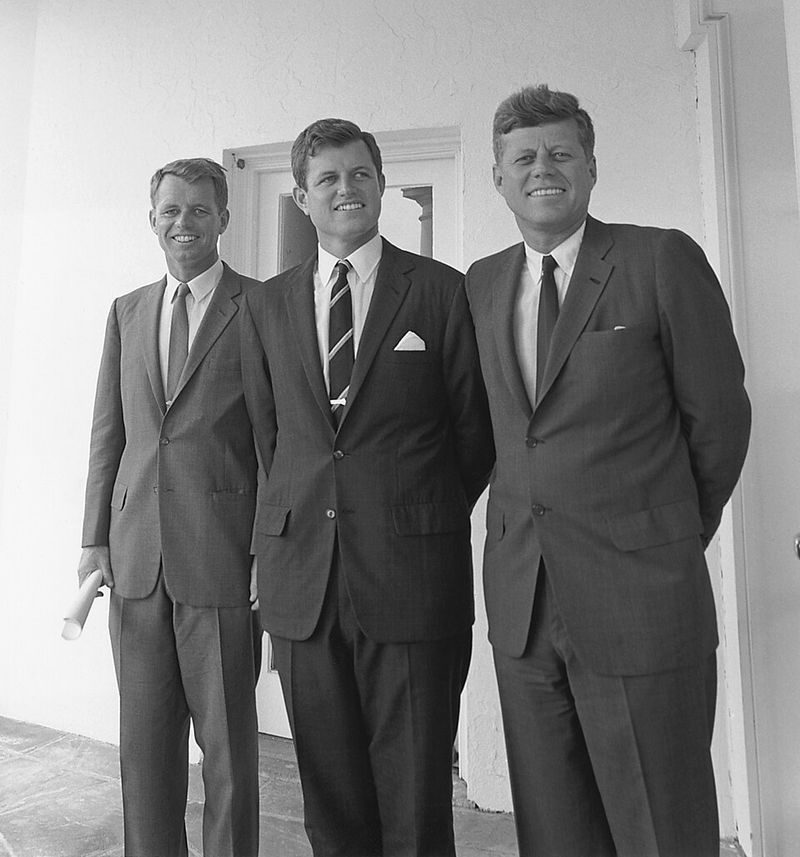
When President John F. Kennedy picked his younger brother Robert as attorney general in 1961, it raised eyebrows.
It also created one of the closest political partnerships in American history.
During the Cuban Missile Crisis in October 1962, Robert was a trusted voice in secret meetings. The brothers helped steer the standoff with the Soviet Union toward a peaceful agreement instead of war.
At home, the Justice Department under Robert took on civil rights cases, school integration, and voting rights protections. In June 1963, John gave a major televised speech calling civil rights a moral issue.
After John’s assassination in 1963, Robert became a senator from New York and ran for president in 1968. He was assassinated that June.
Their short careers still influence how Americans think about public service and leadership.
10. Frederick and William Banting
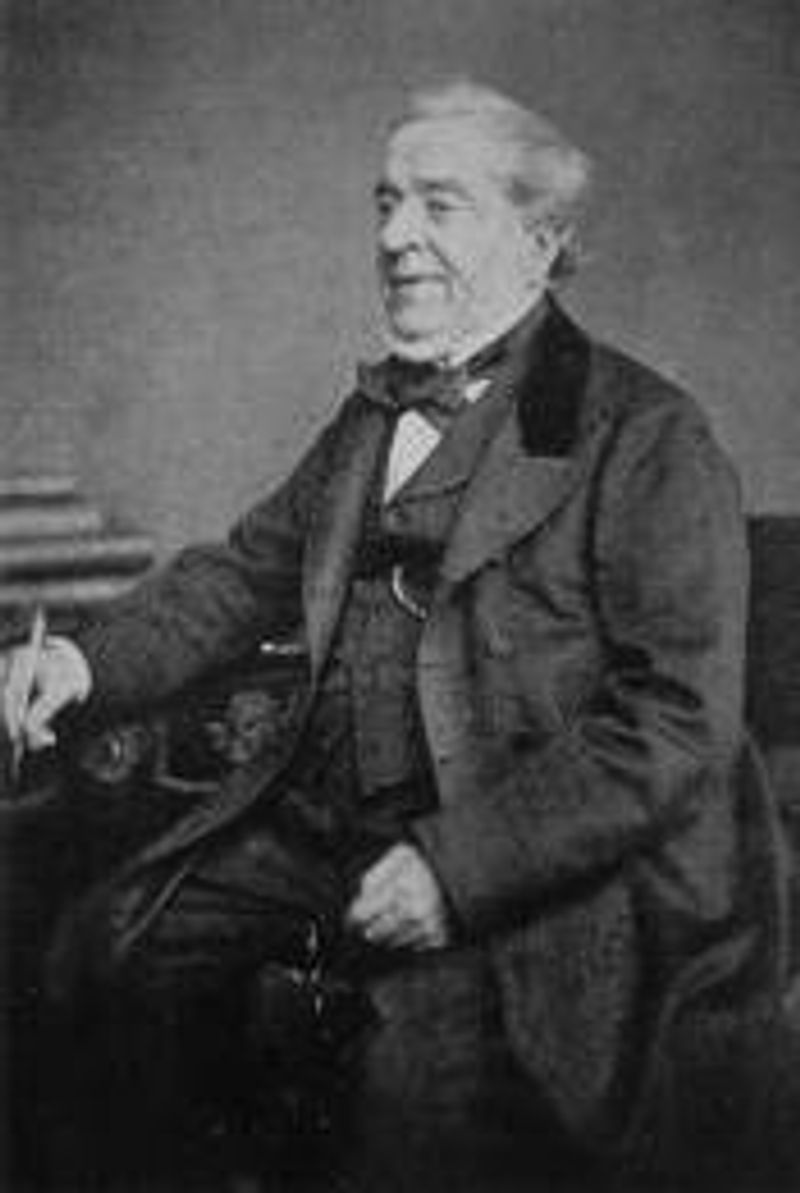
History books sometimes get mixed up, so here is a quick correction. There is no known sibling team named Frederick and William Banting that changed history.
The famous name is Frederick Banting, a Canadian doctor.
In 1921, Banting began research at the University of Toronto with a student assistant named Charles Best. They worked in the lab of John Macleod, and biochemist James Collip later helped purify the extract.
Their work led to insulin, a treatment that gave people with type 1 diabetes a chance to live. Before insulin, the disease was often a death sentence, especially for children.
Banting and Macleod received the 1923 Nobel Prize in Physiology or Medicine. Banting shared his prize money with Best, and Macleod shared his with Collip.
So while this entry is not a sibling duo, it shows how teamwork can change medicine.
11. Sarah and Angelina Grimké
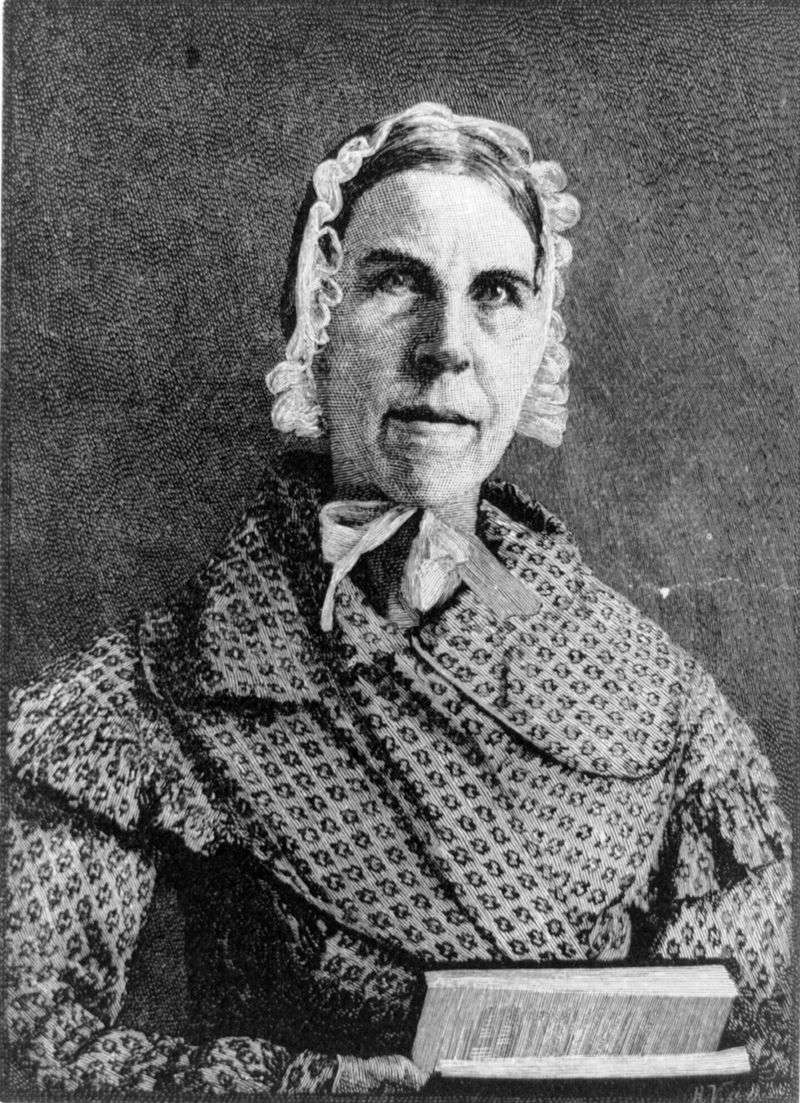
Born into a wealthy slaveholding family in Charleston, South Carolina, Sarah and Angelina Grimké chose to leave everything behind. They moved north and joined the Quakers, speaking out against the system that had made their family rich.
Angelina wrote An Appeal to the Christian Women of the South in 1836, urging women to oppose slavery. Sarah wrote letters on the equality of the sexes, which became early texts of the women’s rights movement.
They lectured to mixed crowds of men and women, which shocked many people at the time. Critics attacked them, yet they continued, arguing that abolition and women’s rights were linked.
Their personal experience gave their words force. They later supported the family of their Black nephews, the sons of their brother Henry and an enslaved woman, showing their beliefs in action.
12. Emily and Elizabeth Blackwell
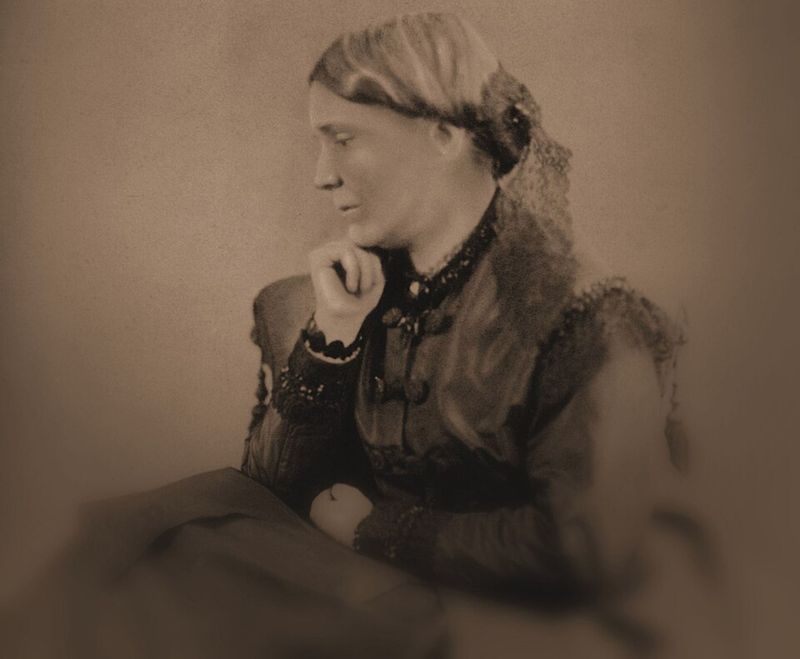
Elizabeth Blackwell once said that the idea of becoming a doctor was first met with laughter. In 1849, she became the first woman in the United States to earn a medical degree, graduating from Geneva Medical College in New York.
Her younger sister Emily followed, graduating from Western Reserve in Ohio in 1854 after being turned away from several schools. She then trained further in Europe, including time with prominent surgeons.
In 1857, the sisters opened the New York Infirmary for Indigent Women and Children, staffed by women. It gave patients care and gave women a place to train and practice.
Later they founded the Woman’s Medical College of the New York Infirmary in 1868. Emily became its dean and a respected surgeon.
Together they proved that women could succeed in medicine and helped open that door for others.
13. Michael and Janet Jackson
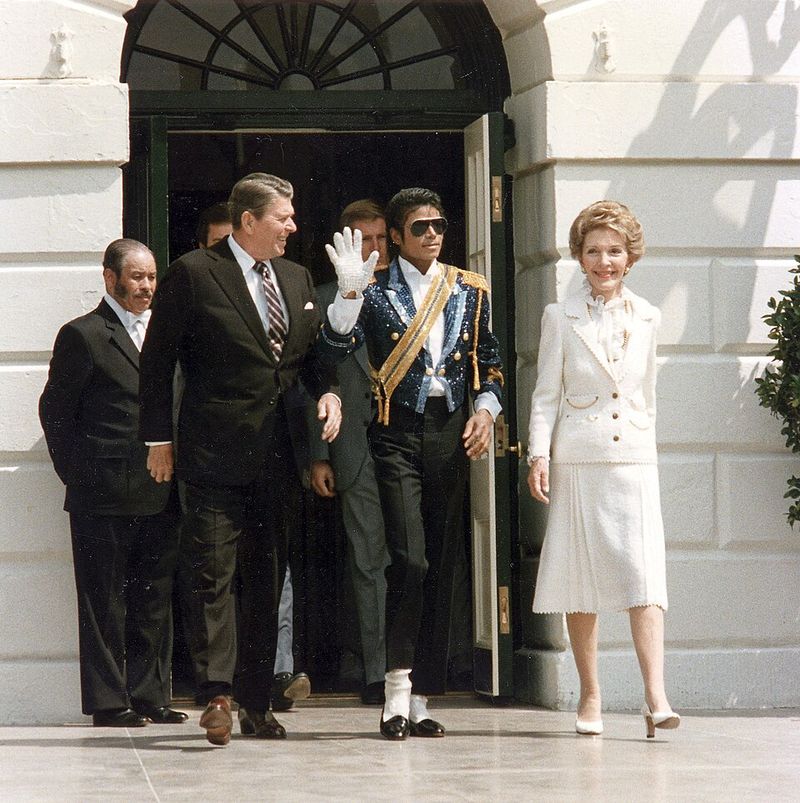
Few families have filled arenas the way the Jacksons did. Michael Jackson rose from the Jackson 5 to become a solo star, while his younger sister Janet built her own path.
Michael’s 1982 album Thriller became one of the best-selling albums ever. His music videos, especially Thriller and Beat It, helped turn short films into a major art form, and his dance moves became famous worldwide.
Janet broke out with the 1986 album Control, taking charge of her own sound and image. Her Rhythm Nation project mixed catchy beats with messages about social change, and her tours set high standards for stage production.
In 1995, the siblings recorded the duet Scream, with a costly futuristic video. Their combined influence can still be seen in pop performances, choreography, and how artists connect with fans around the globe.
14. Venus and Serena Williams

Public courts in Compton, California, were where it all started. Venus and Serena Williams practiced there as kids, coached by their father, Richard, and mother, Oracene.
Venus turned professional in 1994 and won her first Wimbledon title in 2000. Serena claimed her first major at the 1999 US Open and eventually won 23 Grand Slam singles titles, the most in the Open Era.
Together they won 14 Grand Slam doubles titles and four Olympic gold medals in doubles. Their power and athleticism changed how the game was played.
Off the court, Venus pushed Wimbledon to award equal prize money to women, a change that arrived in 2007. Both sisters have also spoken about fair treatment, and their success has inspired a new generation of players from many backgrounds.
Share this story