Centuries ago, a group of remarkably tough men hauled heavy canoes and hundreds of pounds of cargo on their backs across 8.5 miles of rugged Minnesota wilderness, all to avoid a stretch of dangerous rapids on the Pigeon River. That trail, worn into the earth by thousands of footsteps, still exists today.
Few places in the United States connect visitors so directly to that kind of raw, physical history. The story of who walked this trail, why they walked it, and what they carried is one of the most fascinating chapters in North American exploration.
The Trail That Launched a Fur Trade Empire
Long before roads or railroads crossed northern Minnesota, one dirt path changed the economic direction of an entire continent. The Grand Portage trail stretches 8.5 miles through dense boreal forest, connecting Lake Superior to the Pigeon River inland waterway system.
Voyageurs, the French-Canadian paddlers who powered the fur trade, used this trail every summer as a bypass around the unnavigable rapids on the Pigeon River. They carried birchbark canoes, fur bales, and trade goods on their backs, sometimes making multiple trips back and forth across the full length.
The physical demand was extraordinary. A single cargo pack weighed around 90 pounds, and many men carried two at a time.
The trail earned its name from the French phrase meaning “the great carrying place,” and every step of it was earned the hard way.
Grand Portage National Monument: Where the Story Lives
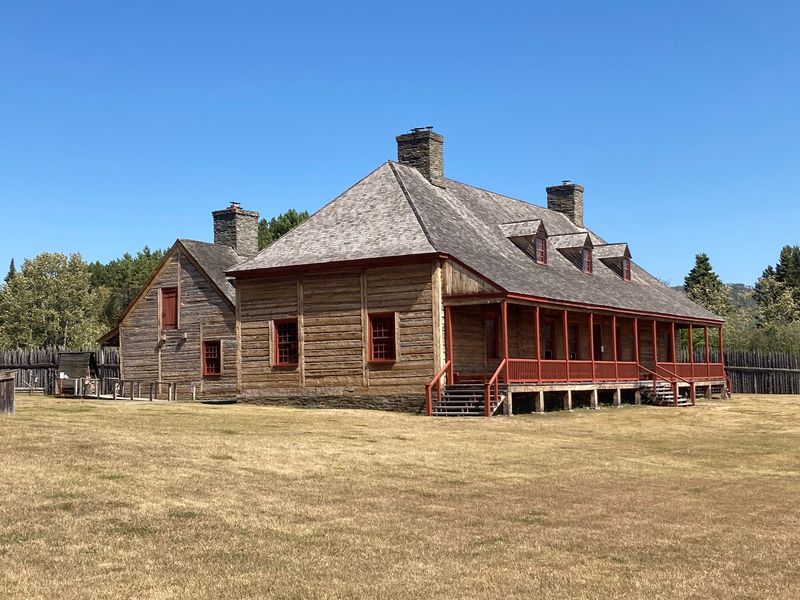
Grand Portage National Monument sits at 170 Mile Creek Rd, Grand Portage, MN 55605, right at the northwestern tip of Lake Superior in the far northeastern corner of Minnesota. The moment you pull into the parking area, the scale of the surrounding landscape makes everything feel a little more serious.
This is not a polished theme park version of history. The site preserves and interprets the actual location where the North West Company operated one of its most important fur trade depots during the late 18th century.
Real events happened on this exact ground.
The monument is a joint project between the National Park Service and the Grand Portage Band of Lake Superior Chippewa, which gives the site a depth and authenticity that most historic parks simply cannot match. That partnership shapes everything from the exhibits to the interpretation of events.
The Reconstructed Fort That Pulls You Back in Time
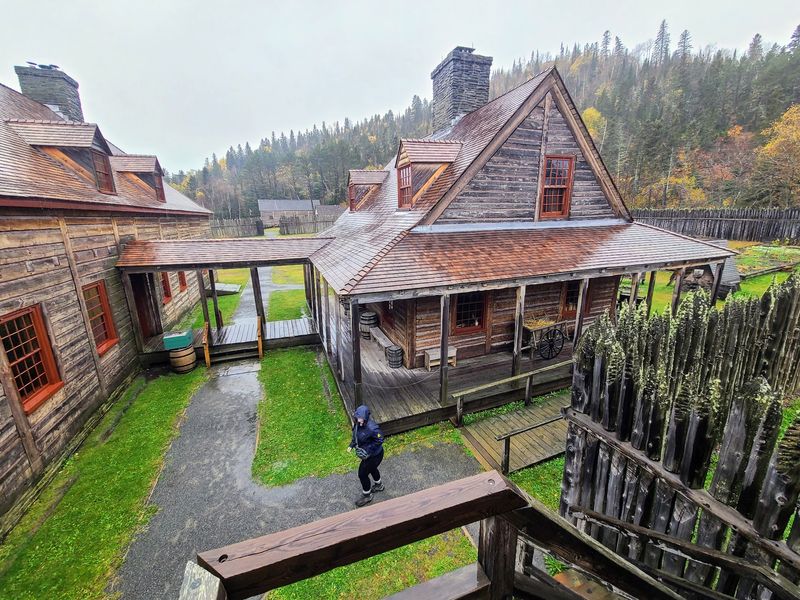
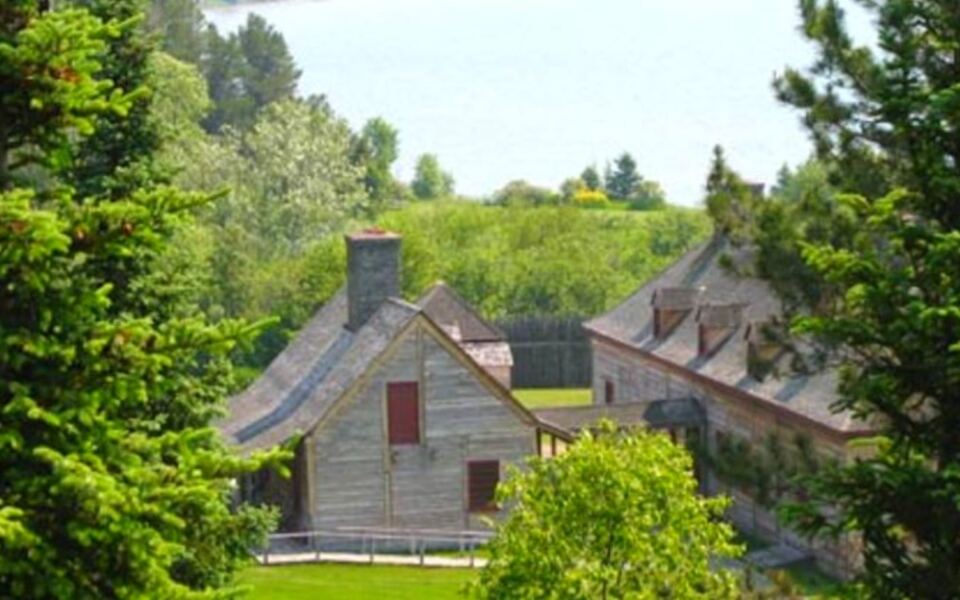
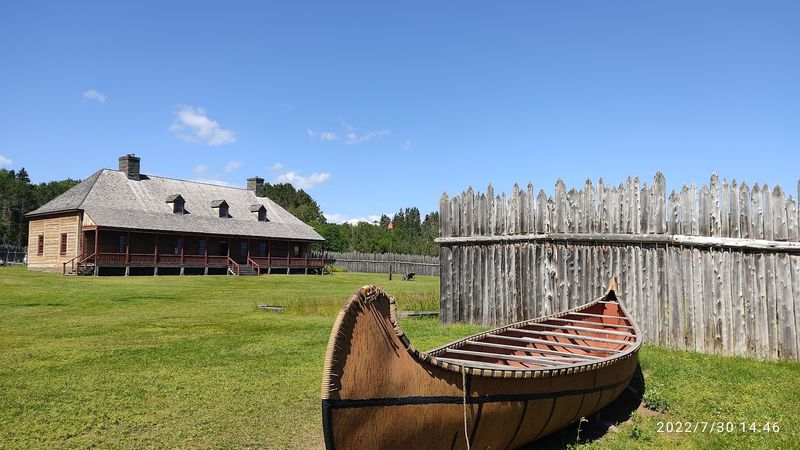
Walking through the wooden gates of the reconstructed North West Company depot feels genuinely different from reading about it in a textbook. The fort is a full-scale reconstruction built on the original footprint of the 18th-century trading post, using period-appropriate materials and construction methods.
Inside the palisade walls, you find log buildings that once served as the Great Hall, a kitchen, a warehouse, and other working structures. During the summer season, costumed interpreters bring these spaces to life by demonstrating period cooking, tool use, and daily routines that would have been common in the 1790s.
One visitor described watching interpreters prepare historical recipes inside the actual kitchen building as one of the most memorable moments of the trip. That kind of hands-on living history is rare, and the monument delivers it with a level of care and accuracy that makes the experience genuinely absorbing.
The Voyageurs Who Made the Portage Possible
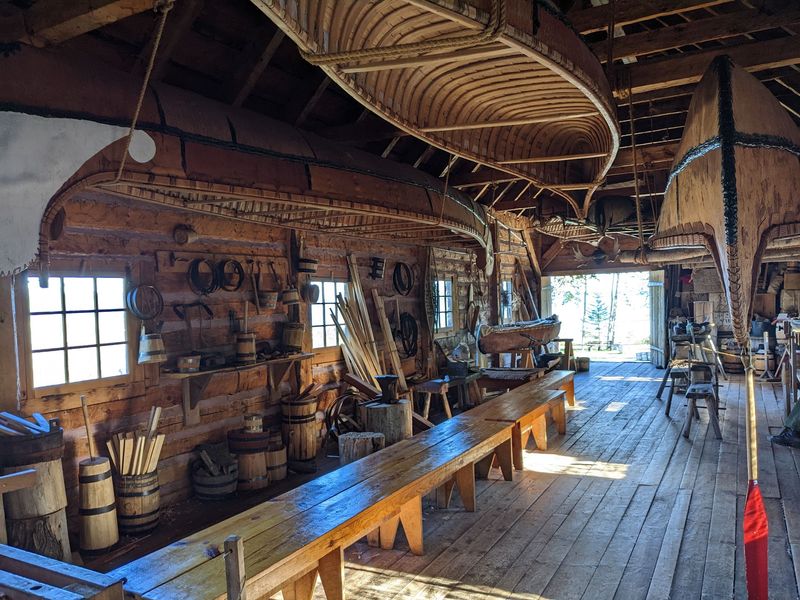
The men who carried canoes across this trail were not casual hikers. Voyageurs were professional paddlers hired by fur trading companies to transport goods across thousands of miles of North American waterways.
They were typically short in stature but extraordinarily strong, built for endurance rather than speed on land.
At Grand Portage, these men would arrive by canoe from Montreal, offload their cargo, carry everything across the 8.5-mile trail, and reload into smaller canoes for the journey into the interior. The work happened every summer during the brief trading season, and the pace was relentless.
What makes their story so compelling is the culture they built around the work. Songs, storytelling, and a fierce sense of camaraderie kept morale alive across brutal working conditions.
The monument does an excellent job of honoring the human side of their experience, not just the economic history they helped create.
The Ojibwe Connection That Runs Through Everything
The Grand Portage Band of Lake Superior Chippewa, part of the broader Anishinaabe people, did not simply witness the fur trade from the sidelines. They were central to it.
Without their knowledge of the land, waterways, and trapping methods, the entire enterprise would have collapsed within a season.
The monument reflects this reality throughout its exhibits and programming. The partnership between the National Park Service and the Grand Portage Band means that Indigenous perspectives are woven into the interpretation rather than added as an afterthought.
That distinction matters enormously.
Visitors learn that the Anishinaabe people still live and govern in this region today, making the site a story of continuity rather than just the past. The exhibits trace relationships between Indigenous communities and European traders with honesty and nuance, covering both cooperation and the tensions that emerged over time.
It is history told with full context.
The Visitor Center That Packs In a Lot
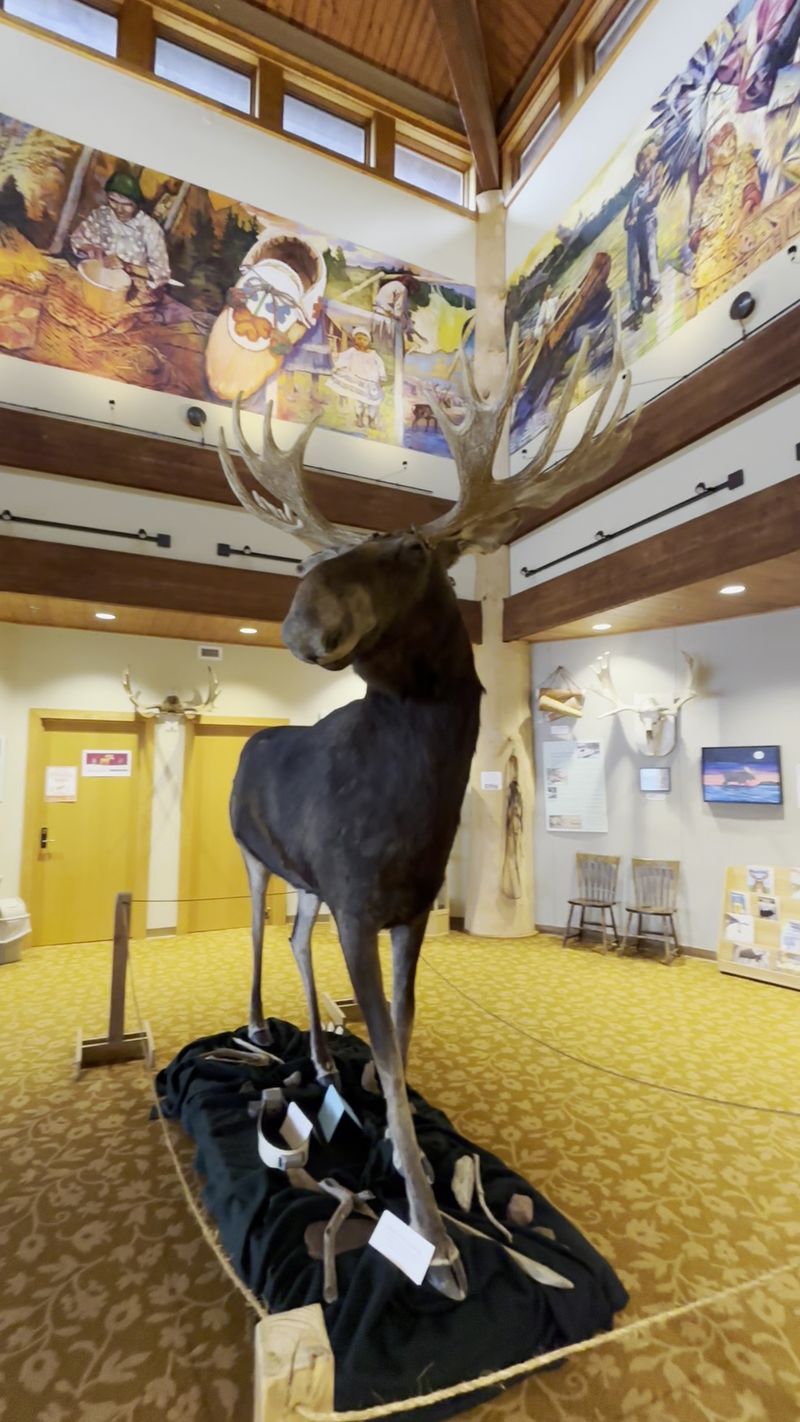
The visitor center at Grand Portage National Monument consistently earns praise for managing to cover an impressive range of history within a compact, well-organized space. The curators made smart choices about what to include and how to present it, and the result feels complete rather than crowded.
A short film shown in the theater room provides an excellent orientation to the site and its history. Most visitors say the film alone is worth the stop, running approximately 20 minutes and covering the fur trade era, the portage trail, and the Indigenous communities of the region with clarity and visual impact.
On the second floor, a dedicated gallery focuses on moose, the iconic wildlife of northern Minnesota’s boreal forest. The mounted moose display tends to stop visitors in their tracks simply because of its size.
The gift shop near the entrance carries a solid selection of books and souvenirs related to the site’s history.
Walking the Portage Trail Today
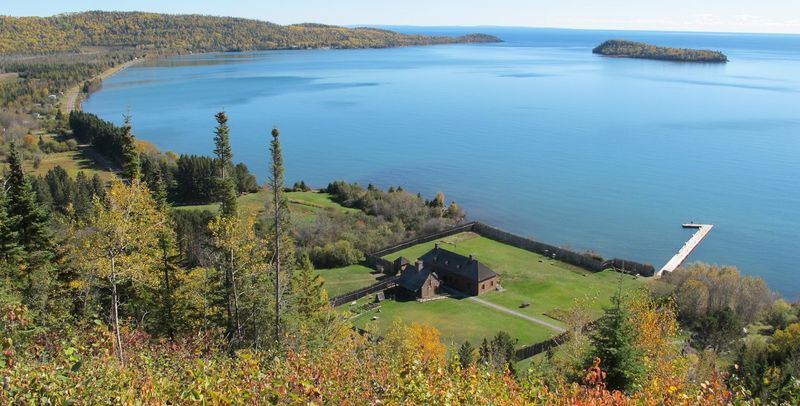
The actual 8.5-mile Grand Portage trail is still walkable today, and it follows much of the same route that voyageurs used centuries ago. The trail passes through boreal forest, crosses streams, and climbs through terrain that quickly explains why the men who worked this route were in exceptional physical shape.
Most casual visitors do not complete the full trail in a single day trip, but shorter sections near the monument are accessible and rewarding. The loop trail behind the main fort building offers scenic views and a taste of the landscape without requiring a full backcountry commitment.
The trail also passes near Mount Rose, a prominent hill along the route that provides views over the surrounding forest and Lake Superior on clear days. Wildflowers bloom along the path during summer months, adding color to a route that already carries a strong sense of historical weight with every step.
Lake Superior Views That Stop You Cold
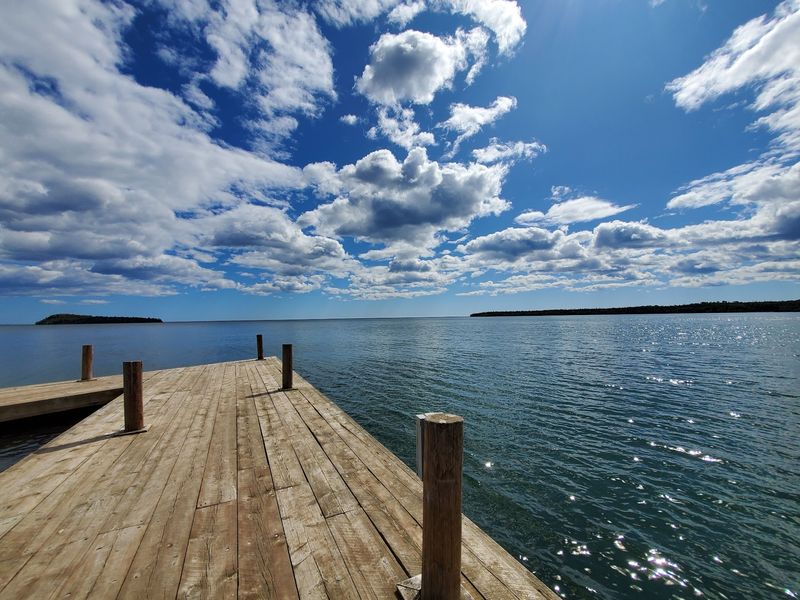
Grand Portage National Monument sits right on the shore of Lake Superior, and the views from the site are genuinely striking. Lake Superior is the largest of the Great Lakes by surface area, and standing at the water’s edge here gives you a real sense of its scale.
On clear days, the horizon looks more like an ocean than a lake.
The dock near the fort extends out over the water and makes for a peaceful spot to stand and think about the thousands of canoes that once arrived here loaded with furs from the interior. The combination of historical context and natural scenery is hard to beat.
Several visitors have noted that the lakeside setting alone would make the stop worthwhile, even without the history. The water reflects the surrounding forest and sky in a way that changes throughout the day, making early morning and late afternoon particularly good times to linger near the shore.
Living History Interpreters Who Actually Know Their Stuff
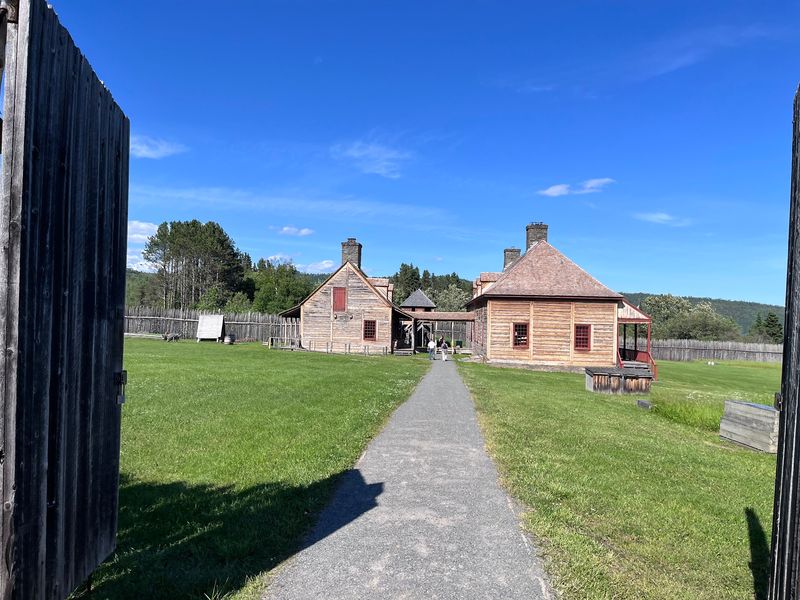
One of the most talked-about elements of a visit to Grand Portage National Monument is the quality of the living history interpreters stationed throughout the site. These are not people reading from scripts.
They engage visitors in genuine conversation about the fur trade era, the portage trail, and the daily lives of the people who lived and worked here.
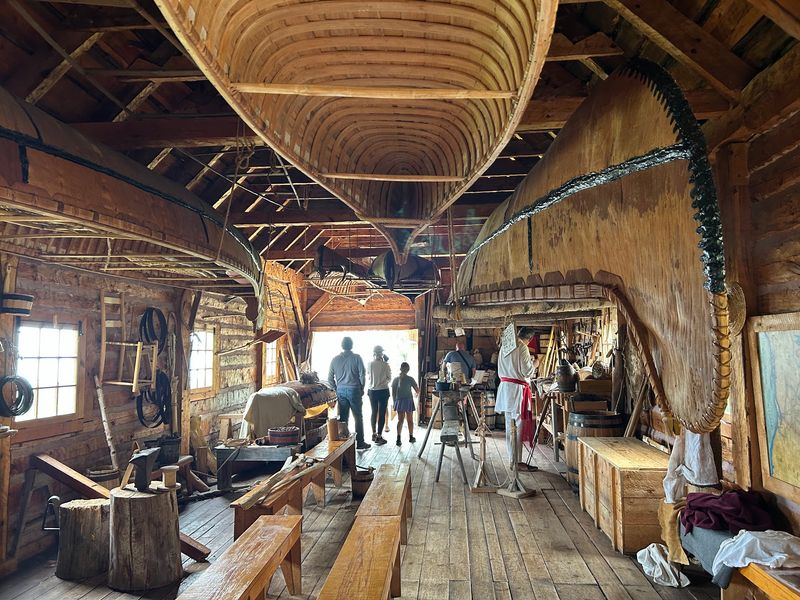
Interpreters dressed in period clothing demonstrate tasks like cooking, tool use, and canoe maintenance inside and around the fort buildings. The level of detail they bring to these demonstrations reflects serious research and real enthusiasm for the subject matter.
The Junior Ranger program, facilitated by volunteers and rangers on site, gives younger visitors a structured way to engage with the history through activities and a workbook. Kids who complete the program are sworn in as Junior Rangers in a small ceremony that tends to be one of the highlights of a family visit.
The North West Company and What It Built Here
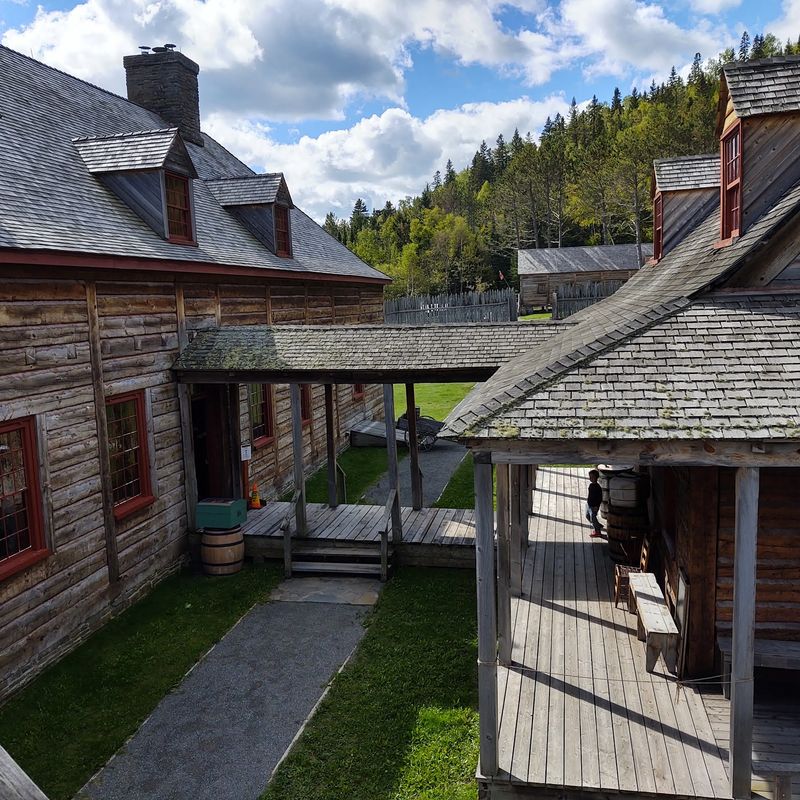
The North West Company was one of the dominant fur trading enterprises in North American history, and Grand Portage served as its most important inland depot during the height of the fur trade in the late 1700s. Every summer, company partners and their brigades of voyageurs converged on this spot for what was called the Rendezvous.
During the Rendezvous, furs brought from the interior were exchanged for trade goods that had arrived from Montreal. Business was conducted, accounts were settled, and plans were made for the coming year.
For a few weeks each summer, this remote shoreline became one of the busiest commercial hubs in North America.
The North West Company eventually relocated its depot north to Fort William, in present-day Ontario, Canada, around 1803. That move effectively ended Grand Portage’s role as a major trading center, but the monument preserves the memory of what the site once was with remarkable thoroughness and respect.
A Free Experience Worth More Than the Price of Admission
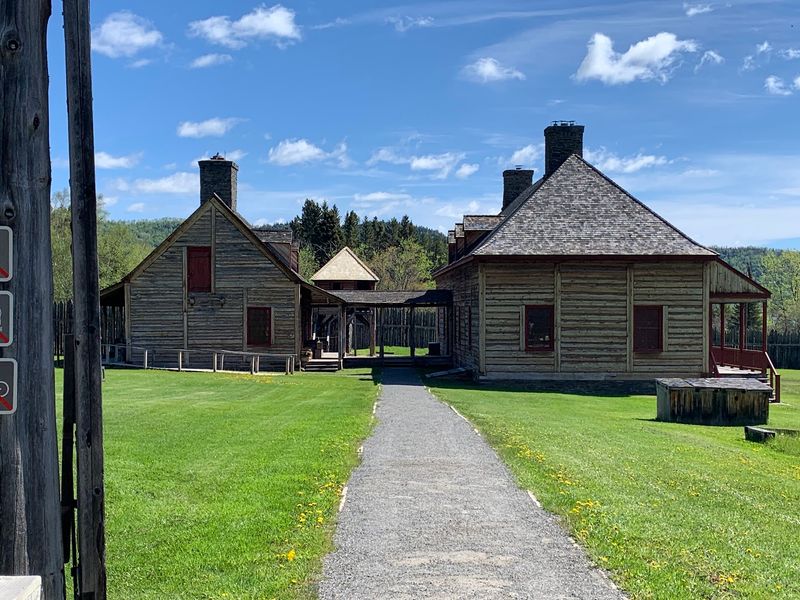
Grand Portage National Monument does not charge an entrance fee, which makes it one of the more surprising deals along Minnesota’s North Shore. The combination of a well-curated visitor center, living history demonstrations, a reconstructed fort, lake views, and access to the historic trail is genuinely impressive for a free site.
Donations are welcomed and matter for a place like this, which operates with the kind of care and attention that reflects real investment in preservation and education. The gift shop offers a range of books, maps, and locally relevant souvenirs that make for meaningful keepsakes without feeling generic.
Passport book holders can get their books stamped at the visitor center, which is a small but satisfying ritual for National Park enthusiasts working their way through the system. The monument is open daily from 9 AM to 5 PM, making it an easy addition to any North Shore itinerary without requiring an early start.
Why This Place Stays With You After You Leave
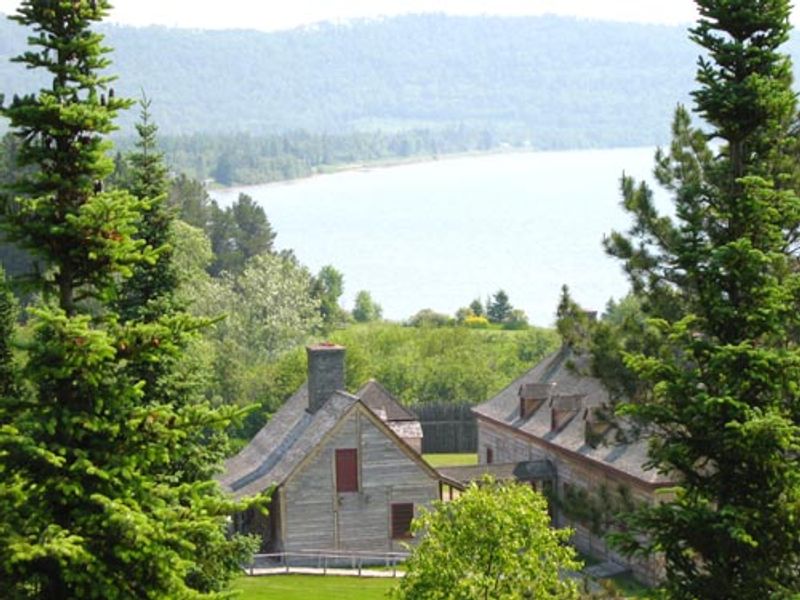
There are historic sites that feel like obligations and historic sites that feel like discoveries. Grand Portage National Monument falls firmly into the second category.
The combination of landscape, living history, Indigenous partnership, and genuine storytelling creates something that lingers in the memory longer than most places of its kind.
Visitors who stop here on their way up the North Shore often describe it as the unexpected highlight of the trip. The history is specific enough to be fascinating but presented in a way that makes it accessible to visitors of all ages and backgrounds.
That balance is harder to achieve than it looks.
The surrounding area of Minnesota’s North Shore offers additional reasons to extend the visit, with state parks, waterfalls, and scenic drives within reach. But Grand Portage itself is worth the drive on its own terms, as a place where a remarkable chapter of North American history is preserved, honored, and genuinely brought to life.
Share this story