Tucked away in the far southeastern corner of Oklahoma, there is a museum that most road-trippers speed right past without a second glance. That turns out to be a serious mistake.
Behind its unassuming walls sit fossils stretching back tens of thousands of years, Native American artifacts spanning multiple cultures, and the skeletal cast of Oklahoma’s very own official state dinosaur. Once you step inside, the outside world has a funny way of disappearing entirely.
Where the Museum Sits and What It Guards
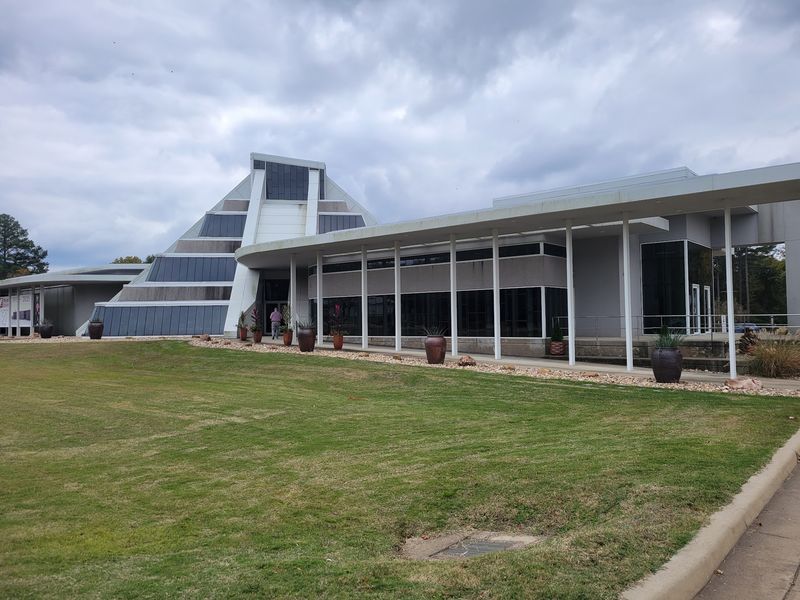
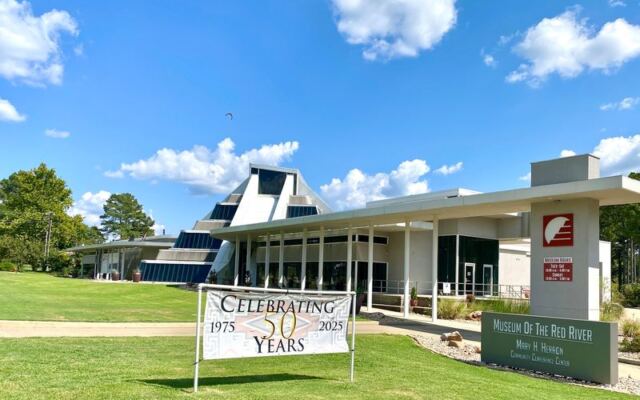
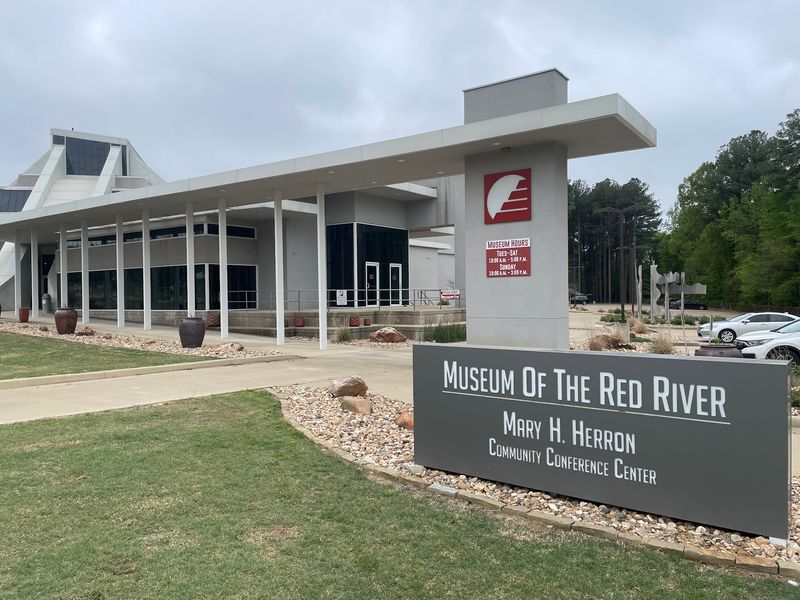
Idabel, Oklahoma is not the kind of town that usually makes it onto road-trip bucket lists, but that is exactly what makes finding this place feel like such a genuine discovery. Nestled at 812 E Lincoln Rd, the Museum of the Red River sits quietly in McCurtain County, one of the greenest and most biologically rich corners of the state.
The surrounding landscape is lush, forested, and almost feels more like the Deep South than the Oklahoma most people picture.
The museum draws visitors from Beavers Bend State Park nearby, making it a natural pairing with a cabin weekend or a float-trip getaway. Families, history enthusiasts, and curious wanderers all tend to find their way here eventually.
Many visitors admit they drove past it multiple times before finally stopping, and almost every single one of them says stopping was absolutely worth it.
From the outside, the building gives little away. A paper guide is available at the entrance to help navigate the winding layout of rooms and exhibits inside.
The collection it shelters, however, spans cultures, continents, and geological eras in a way that feels genuinely unexpected for a small-town museum in southeastern Oklahoma.
The Fossil Collection That Started Everything
Long before the museum had walls, the land around McCurtain County was already telling a story measured in tens of thousands of years. The fossil record embedded in and around the Red River corridor is remarkable, and the museum has built much of its identity around preserving and presenting that ancient timeline.
Visitors regularly mention being struck by just how deep the history here actually runs.
Fossils recovered from the region represent creatures and ecosystems that existed long before recorded human history in North America. The collection gives tangible shape to time periods that are otherwise almost impossible to imagine.
Standing next to specimens that predate civilization by thousands of years has a way of quietly rearranging your sense of scale.
Staff members are known for going out of their way to show visitors particularly interesting fossil pieces up close, answering questions with genuine enthusiasm rather than scripted answers. One guide, mentioned warmly by multiple visitors, made a point of bringing fossil specimens directly to families so children could see the details clearly.
For anyone with even a passing curiosity about prehistoric Oklahoma, the fossil holdings here offer far more than the modest exterior of the building ever suggests.
Acrocanthosaurus – Oklahoma’s Official State Dinosaur
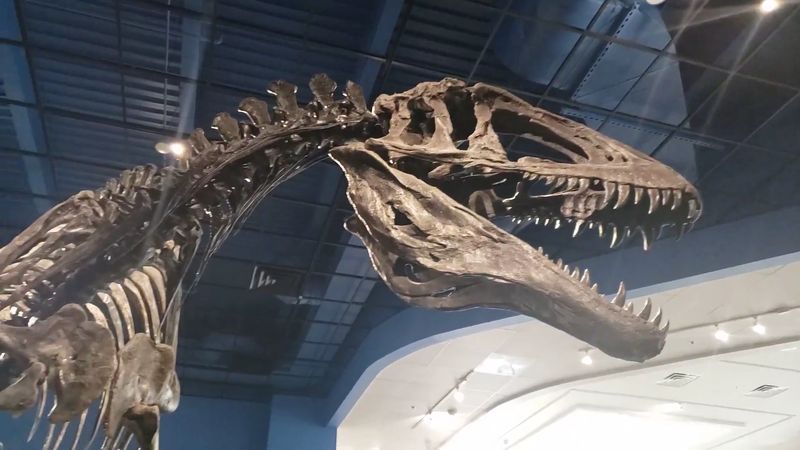
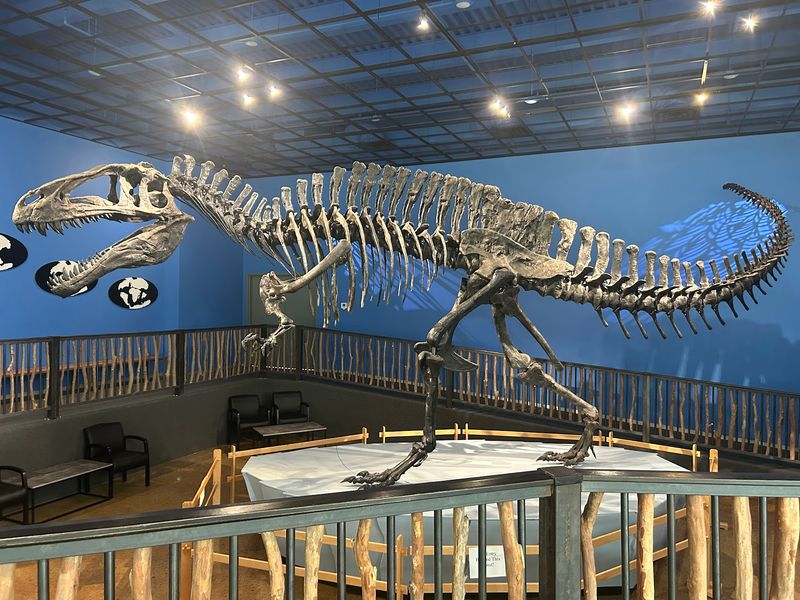
Few things stop a room cold the way a massive dinosaur skeleton does, and the centerpiece of the fossil gallery here earns every bit of that reaction. The museum displays a cast of the Acrocanthosaurus atokensis, a large predatory dinosaur that roamed what is now Oklahoma roughly 110 to 120 million years ago.
The species was discovered right here in McCurtain County, and it holds the official title of Oklahoma State Dinosaur.
The sheer scale of the cast is what catches most visitors off guard. Families with young children consistently name it the highlight of their visit, and even adults who came primarily for the cultural artifacts find themselves lingering in this section longer than planned.
The dinosaur exhibit manages to be both scientifically grounded and genuinely thrilling at the same time.
Knowing that this creature actually walked the land beneath your feet adds a layer of local pride that a generic dinosaur exhibit simply cannot replicate. The museum staff is happy to share details about the original discovery and what the species tells paleontologists about the prehistoric ecosystems of the region.
Visitors who ask questions tend to walk away with a much richer understanding of why this particular find matters to Oklahoma’s scientific heritage.
Native American Artifacts Spanning Centuries of Craft
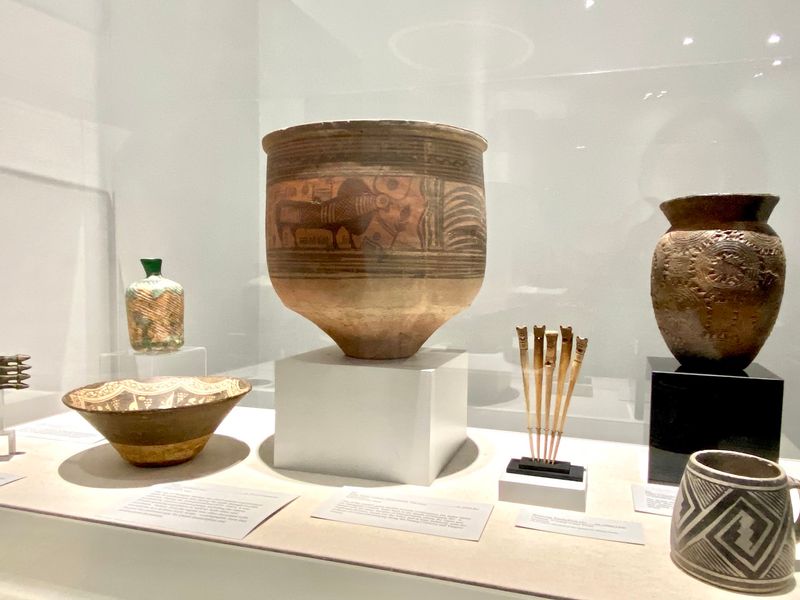
Arrowheads are easy to take for granted until you see a collection assembled with this level of care and variety. The museum’s Native American artifact holdings are frequently described by visitors as exceptional, with drawers and cases filled with points of different sizes, materials, and cultural origins that span a remarkable stretch of human history in the region.
Pottery, woven baskets, and ceremonial objects round out a collection that feels both scholarly and deeply human.
The breadth of the artifact holdings goes well beyond local tribes. Pieces from multiple Indigenous cultures are represented, giving the collection a scope that surprises many first-time visitors who expected something more narrowly focused.
A Spanish helmet is also part of the collection, a reminder that the history of this region is layered with contact, conflict, and exchange across very different worlds.
Visitors with an interest in archaeology tend to spend considerable time in this section, while families often find that the artifacts spark genuine curiosity in children who might not have expected to be interested. The museum presents these objects with context and respect, framing them as the sophisticated creations of skilled artisans rather than simple relics.
The woven basket collection alone is described by some visitors as one of the most impressive they have ever encountered.
A Room Full of Masks From Around the World
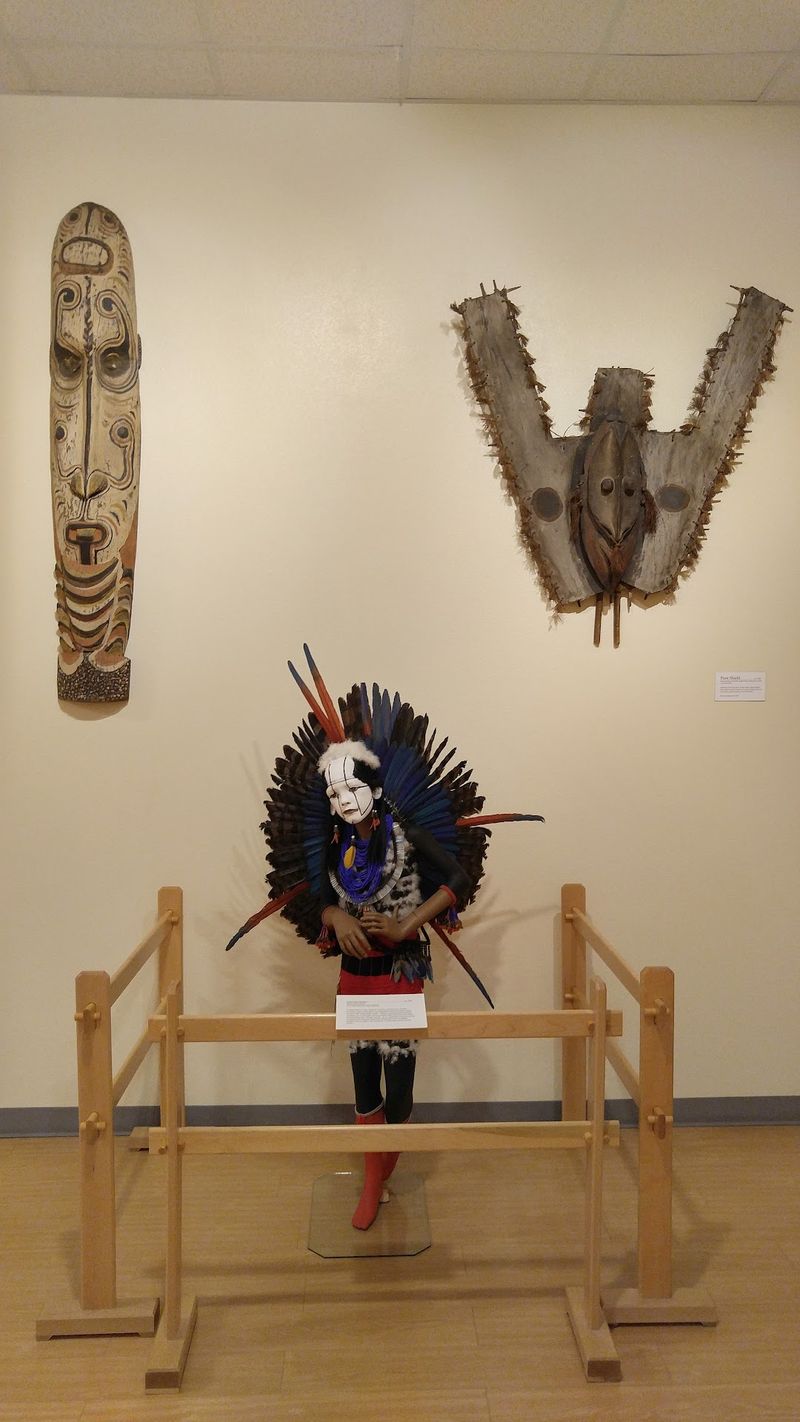
Somewhere between the fossil hall and the Native American pottery cases, visitors encounter something they rarely see in a regional Oklahoma museum: an entire room dedicated to masks from cultures spanning the globe. The collection is eclectic, colorful, and quietly thought-provoking in a way that catches many visitors by surprise.
Masks from traditions most people have never encountered sit alongside more familiar ceremonial forms, creating a conversation across continents without a single word.
The room works because it does not try to explain too much. Each mask carries its own visual weight, and the cumulative effect of seeing so many cultural expressions gathered in one space is genuinely humbling.
Visitors who mention this section tend to describe it as one of the more unexpectedly moving parts of the whole museum experience.
Collections like this one reflect the broader ambition of the museum, which has always drawn from donors and contributors well beyond the immediate region. The result is an institution that manages to feel both deeply local and surprisingly global at the same time.
For anyone who wanders in expecting a narrow slice of Oklahoma history, the masks room tends to be the moment when the full scope of the collection finally clicks into place.
The Learning Center Built for Young Explorers
Keeping a group of young children engaged in a museum for more than twenty minutes is genuinely one of the harder challenges a family outing can present. The Museum of the Red River seems to understand this problem well, because the dedicated learning center it has built for younger visitors is one of the most consistently praised features in the entire building.
Parents and grandparents alike mention it as a highlight that kept kids happily occupied well beyond expectations.
Weaving activities, dinosaur toys, puzzles, coloring stations, and craft projects fill the room with enough variety to hold attention across a wide age range. One visitor brought eight children ranging from infants to preteens and reported a surprisingly calm, engaged afternoon.
The hands-on format lets kids interact with concepts from the exhibits in a way that sticks far better than reading a label ever could.
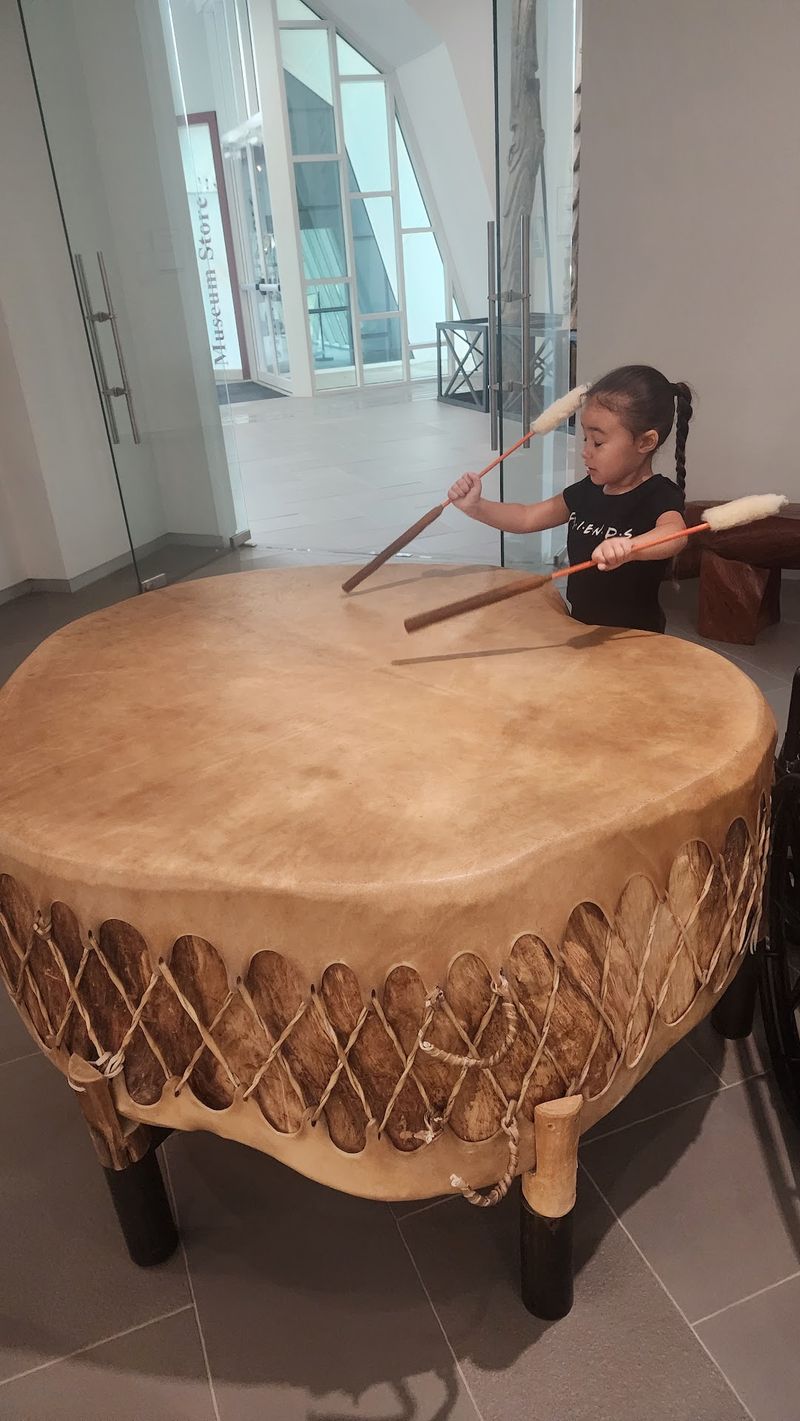
A drum available for children to play adds an auditory dimension to the learning experience, connecting the cultural exhibits upstairs to something kids can physically feel and produce. The craft room also offers weaving projects tied to the textile traditions represented in the broader collection.
For families planning a visit, the learning center alone makes the trip worthwhile, turning what might be a passive museum walk into an active afternoon of discovery.
Rotating Exhibits That Keep Every Visit Fresh
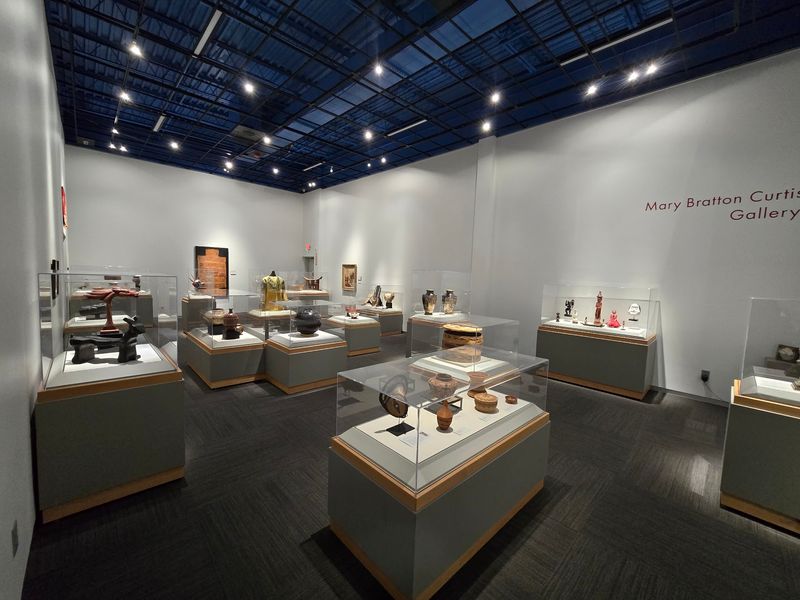
One of the quieter secrets about the Museum of the Red River is that the collection is never quite the same twice. Major exhibits rotate on a roughly nine-week cycle, meaning that a visitor who came in spring and returns in summer will likely encounter entirely new displays alongside the permanent holdings.
For locals and repeat visitors, this rhythm transforms the museum from a one-time stop into something worth returning to regularly.
The rotating format keeps the staff energized and gives the institution a sense of ongoing momentum that static collections often lose over time. Visitors who noticed this feature in passing and mentioned it online were met with enthusiastic confirmation from the museum itself, which actively encourages repeat visits.
The model also allows the museum to showcase pieces from its broader collection that would not otherwise have dedicated floor space.
Regional art, traveling cultural exhibits, and thematic installations have all cycled through the galleries over the years. The result is a museum that rewards curiosity and punishes the assumption that you have already seen everything it has to offer.
For anyone who lives within a reasonable drive of Idabel, treating the Museum of the Red River as a seasonal destination rather than a single-visit checkbox is genuinely the smarter approach.
The Gift Shop and Outdoor Murals Worth Slowing Down For
Gift shops at small regional museums tend to follow a predictable script: a few postcards, some branded keychains, and maybe a magnet or two. The shop at the Museum of the Red River breaks that pattern in a way that genuinely surprises visitors.
A large selection of books, handcrafted items, and culturally relevant souvenirs gives the space real substance, and more than a few visitors have mentioned buying gifts there specifically to support the museum’s ongoing mission.
Outside the building, a set of outdoor murals painted on the back exterior wall adds a playful bonus to the visit. The murals are designed as immersive backdrops, sized so that visitors can stand in front of them and appear to be part of the painted scene.
Families and solo travelers alike tend to spend a few extra minutes back there taking photos before heading to their cars.
Small details like these reflect a thoughtful approach to the visitor experience that goes beyond simply filling rooms with objects. The museum has clearly considered what makes people want to linger, share their visit with others, and come back again.
The combination of a genuinely useful gift shop and a fun exterior photo opportunity turns the end of a museum visit into something that feels complete rather than abrupt.
Free Admission and the Community Support Behind It
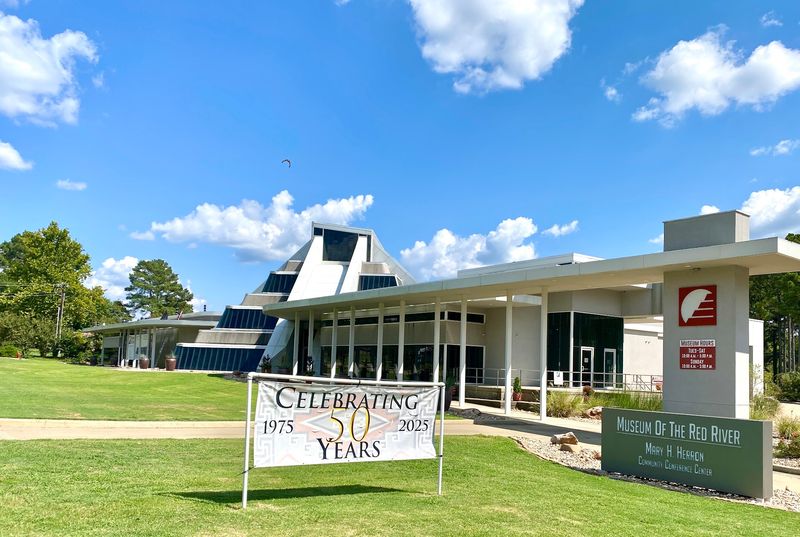
Free admission at a museum of this caliber is not something most visitors expect, and the reaction when people realize there is no entry fee is almost universally one of pleasant disbelief. The quality and volume of what the museum offers, from fossils and dinosaur casts to global artifact collections and an interactive children’s center, would justify a ticket price at many comparable institutions.
Here, the doors simply open and the collection is yours to explore.
The museum’s free-access model is made possible through the support of corporate partners, primarily local small businesses in the McCurtain County area that fund educational programming and keep operating costs manageable. Visitors who appreciate this arrangement are actively encouraged to make a donation before leaving or to support the mission through gift shop purchases.
The museum is transparent about where its support comes from, which gives the free admission policy a community-rooted meaning that feels genuinely different from a simple marketing decision.
Staff members are described consistently as kind, knowledgeable, and welcoming, offering brief overviews at the start of visits and staying available to answer questions throughout. The friendliness of the front desk and gallery staff is mentioned in visitor accounts almost as often as the exhibits themselves.
In a place that charges nothing for entry, the warmth of the people inside might be the most generous thing on offer.
Planning Your Visit to the Museum of the Red River
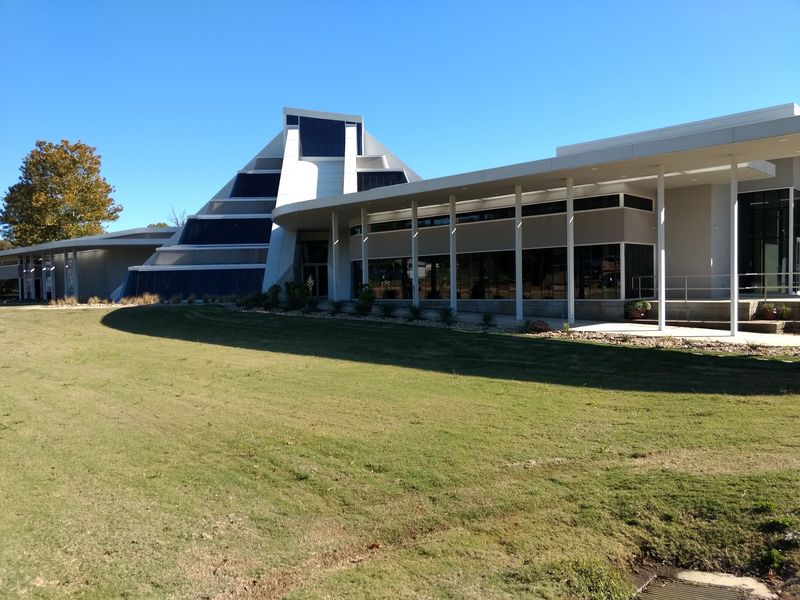
Getting to Idabel requires a bit of commitment, which is probably part of why the museum stays as overlooked as it does. Situated in the far southeastern corner of Oklahoma near the Texas border, the drive is most naturally combined with a trip to Beavers Bend State Park or a float on one of the nearby rivers.
The surrounding scenery is genuinely beautiful, and the journey itself tends to feel like a reward rather than a chore.
Hours run Tuesday through Saturday from 10 AM to 5 PM, with Sunday hours from 10 AM to 3 PM. The museum is closed on Mondays.
A paper guide is available at the entrance to help navigate the winding layout, which visitors recommend picking up before setting off through the galleries. Calling ahead at 580-286-3616 or checking the website at museumoftheredriver.org is a good idea if you are planning a longer trip specifically around a visit.
The museum suits families with children of almost any age, solo history enthusiasts, couples looking for something low-key and genuinely interesting, and anyone passing through southeastern Oklahoma who wants to add unexpected depth to their road trip. With free admission, a rotating collection, and a staff that clearly loves what it does, the Museum of the Red River earns its place on any Oklahoma itinerary without having to try very hard at all.
Share this story