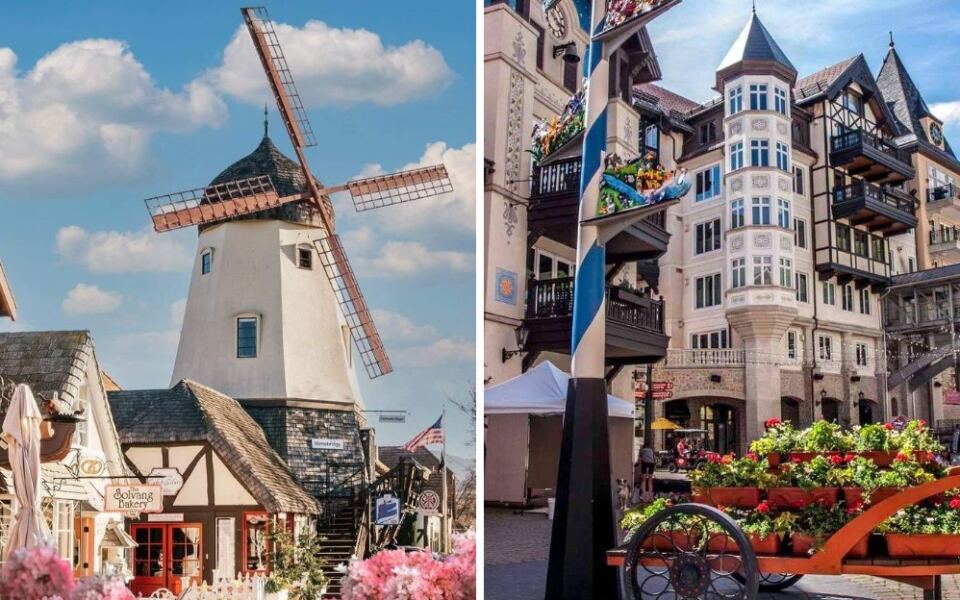
You do not need a passport to find cobblestone streets, Alpine architecture, and old-world charm. Across the United States, certain towns and neighborhoods carry a European spirit that feels genuine, not just decorative.
Some were built by immigrant communities who refused to leave their culture behind, while others were deliberately redesigned to capture a specific European identity. Whether you are drawn to Bavarian villages, Scandinavian waterfronts, or Spanish colonial history, these 12 American destinations will make you feel like you have traveled much farther than you actually have.
Leavenworth, Washington
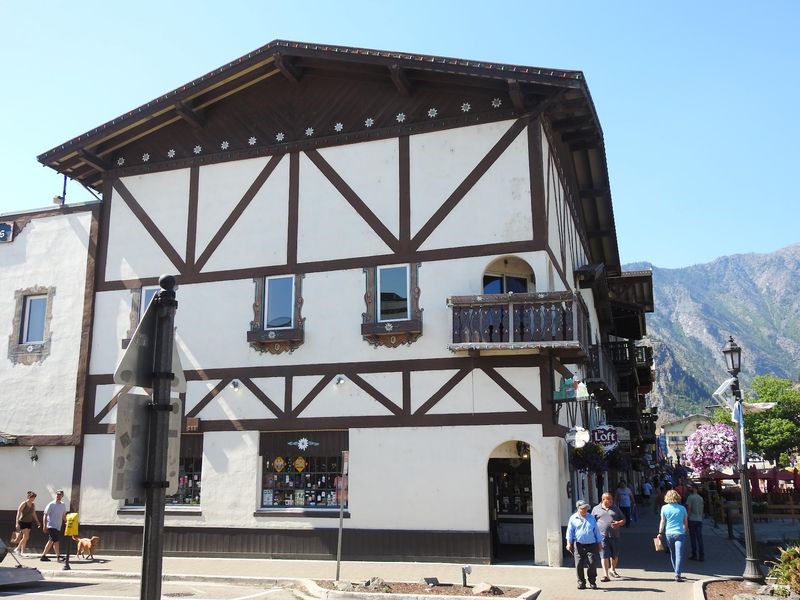
Snow-dusted rooftops, chalet facades, and the smell of bratwurst drifting through mountain air – Leavenworth does not ask you to use your imagination very hard. Tucked beneath the Cascade Mountains in central Washington, this town reinvented itself in the 1960s as a full Bavarian village after its timber and railroad economy collapsed.
The transformation was bold, and it worked remarkably well.
Every building downtown follows strict Alpine design guidelines, complete with decorative timbering, flower boxes, and Germanic signage. German restaurants, beer halls, and bakeries fill the compact center, giving visitors plenty of reasons to slow down and stay awhile.
Festivals run nearly year-round, with Oktoberfest and the Christmas Lighting Festival drawing the biggest crowds.
Winter is when Leavenworth truly earns its European reputation. Snow covers the surrounding peaks and rooftops, creating a scene that looks pulled from a postcard of the Bavarian Alps.
The mountain geography makes the architecture feel believable rather than forced, which is exactly what separates Leavenworth from lesser European-themed towns across the country.
Solvang, California
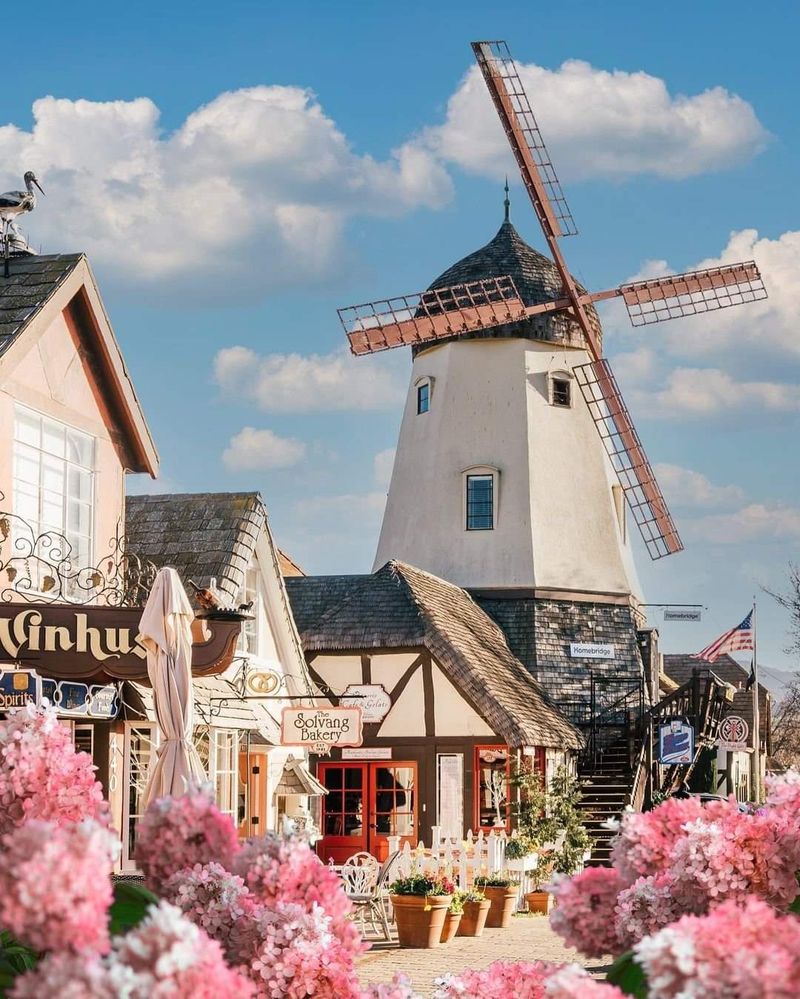
Windmills in California? Absolutely.
Solvang wears its Danish identity with zero apology and maximum charm. Founded by Danish immigrants in 1911, this small Santa Barbara County town has grown into one of the most distinctive cultural destinations on the West Coast.
The moment you arrive, half-timbered facades, spinning windmills, and the scent of fresh pastries make the setting perfectly clear.
Bakeries selling aebleskiver, the round Danish pancake balls dusted with powdered sugar, are practically on every corner. Street names like Copenhagen Drive and Atterdag Road reinforce the Scandinavian atmosphere, while specialty shops stock everything from Danish ceramics to hand-knitted sweaters.
The local Hans Christian Andersen Museum adds a literary layer to the cultural experience.
What makes Solvang especially enjoyable is how the surrounding Santa Ynez Valley wine country complements the town’s character. After exploring Scandinavian bakeries and boutiques, visitors can head into the hills for world-class Pinot Noir tastings.
The Mediterranean climate feels nothing like Denmark, but the cultural authenticity built over more than a century makes Solvang feel genuinely rooted rather than merely themed.
New Orleans, Louisiana
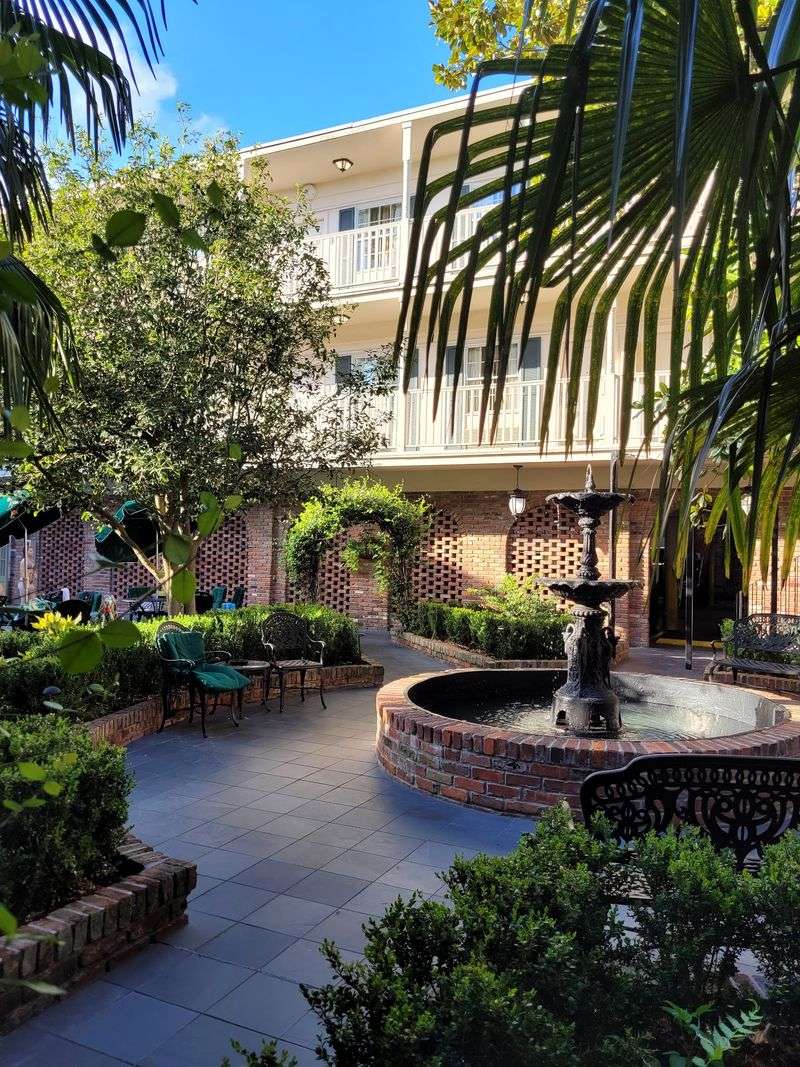
Here is a fun historical twist: the neighborhood called the French Quarter is mostly Spanish architecture. Major fires in 1788 and 1794 destroyed much of the original French colonial city, and Spanish-era rebuilding introduced stucco walls, enclosed courtyards, tiled roofs, and the elaborate wrought iron balconies that define the district today.
France gets the credit, but Spain did most of the construction.
Walking through the Vieux Carre feels like moving through layers of European history stacked on top of each other. Catholic churches anchor street corners, narrow blocks push buildings close together, and shaded courtyards hide behind heavy wooden doors.
The pedestrian energy, outdoor cafe culture, and street musicians give the neighborhood a liveliness that mirrors cities like Seville or Lisbon more than any typical American downtown.
New Orleans also preserves European food traditions with exceptional seriousness. Creole cuisine blends French, Spanish, African, and Caribbean influences into something entirely its own.
Beignets, cafe au lait, and proper French bread connect the city to its colonial roots in ways that go well beyond architecture. Few American cities carry their Old World DNA this visibly or this deliciously.
St. Augustine, Florida
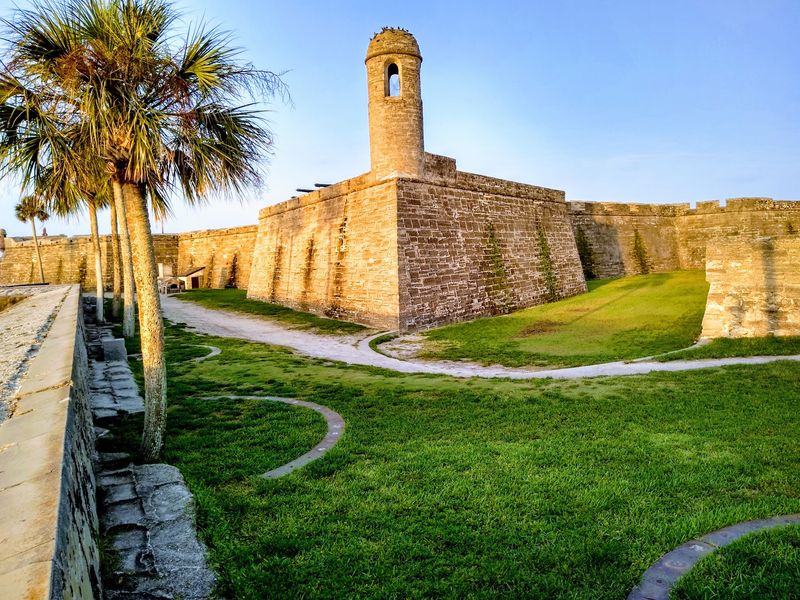
The oldest continuously occupied European-established settlement in the continental United States is not in Virginia or Massachusetts. St. Augustine, Florida, was founded by Spain in 1565, beating Jamestown by more than four decades.
That head start gave the city centuries to accumulate Spanish colonial architecture, fortifications, and urban traditions that still shape its character today.
The historic district is built from coquina, a local shellstone that gives the buildings a warm, sandy texture unlike anything found in northern cities. The Castillo de San Marcos, a massive Spanish fort overlooking the waterfront, stands as one of the best-preserved colonial military structures in North America.
Narrow streets, hidden courtyards, and centuries-old churches fill the blocks surrounding it.
Horse-drawn carriages clop through the old town while visitors explore the Gonzalez-Alvarez House, considered Florida’s oldest surviving Spanish colonial residence. The combination of genuine colonial history, walkable streets, and waterfront scenery makes St. Augustine feel far removed from the typical Florida beach town.
Travelers looking for real European history on American soil will find more of it here than almost anywhere else in the country.
Vail, Colorado
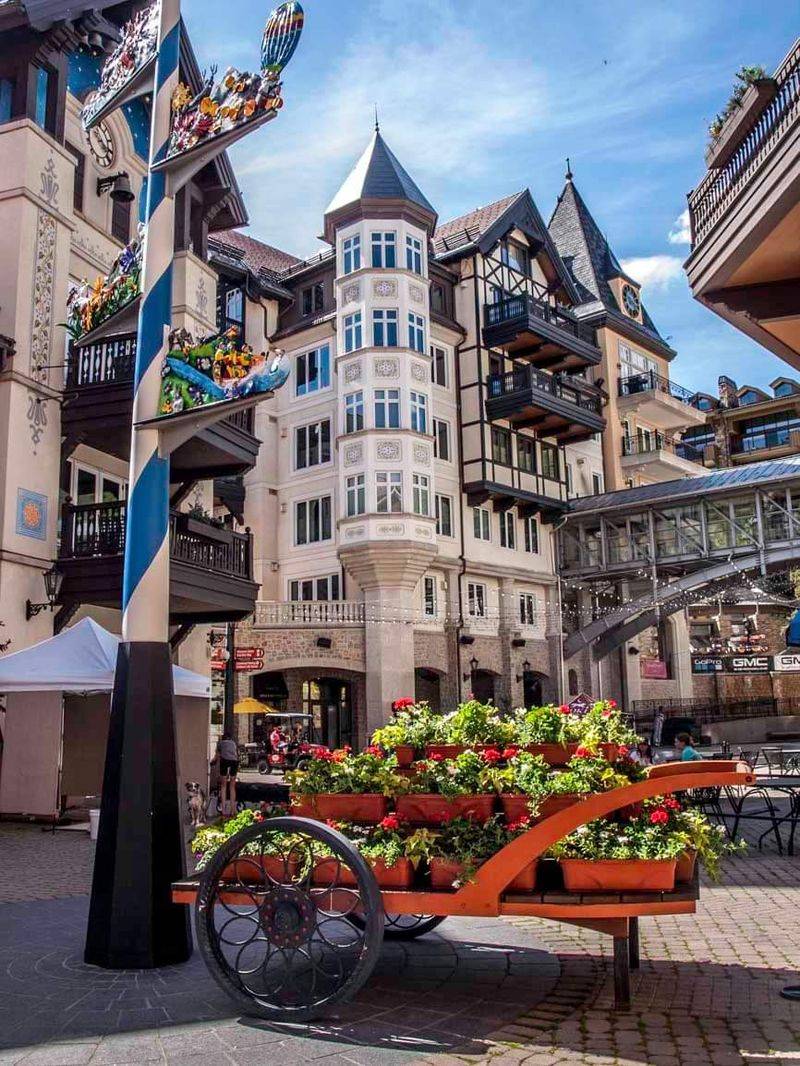
Vail was designed from scratch in the early 1960s, and its architects made a very deliberate choice: build it to look like an Austrian ski resort. The result is a pedestrian village where cobblestone-style lanes pass chalet-inspired buildings beneath some of the most dramatic mountain scenery in North America.
No cars, no strip malls, just mountains and Alpine architecture in every direction.
Vail Village forms the original heart of the resort, with boutiques, restaurants, and cafes lining its narrow walkways. Nearby Lionshead continues the mountain-village atmosphere with a slightly more modern approach.
The apres-ski culture, which involves warming up with food and drinks after a day on the slopes, mirrors traditions found in Austrian and Swiss resort towns like Kitzbuhel and Zermatt.
What separates Vail from purely decorative European-themed towns is the geography. The surrounding Rocky Mountains provide the same kind of high-altitude, snow-covered drama that makes real Alpine villages feel so striking.
When the snow is deep and the peaks are catching afternoon light, Vail’s European design language stops feeling like a design choice and starts feeling like a natural response to the landscape around it.
Helen, Georgia
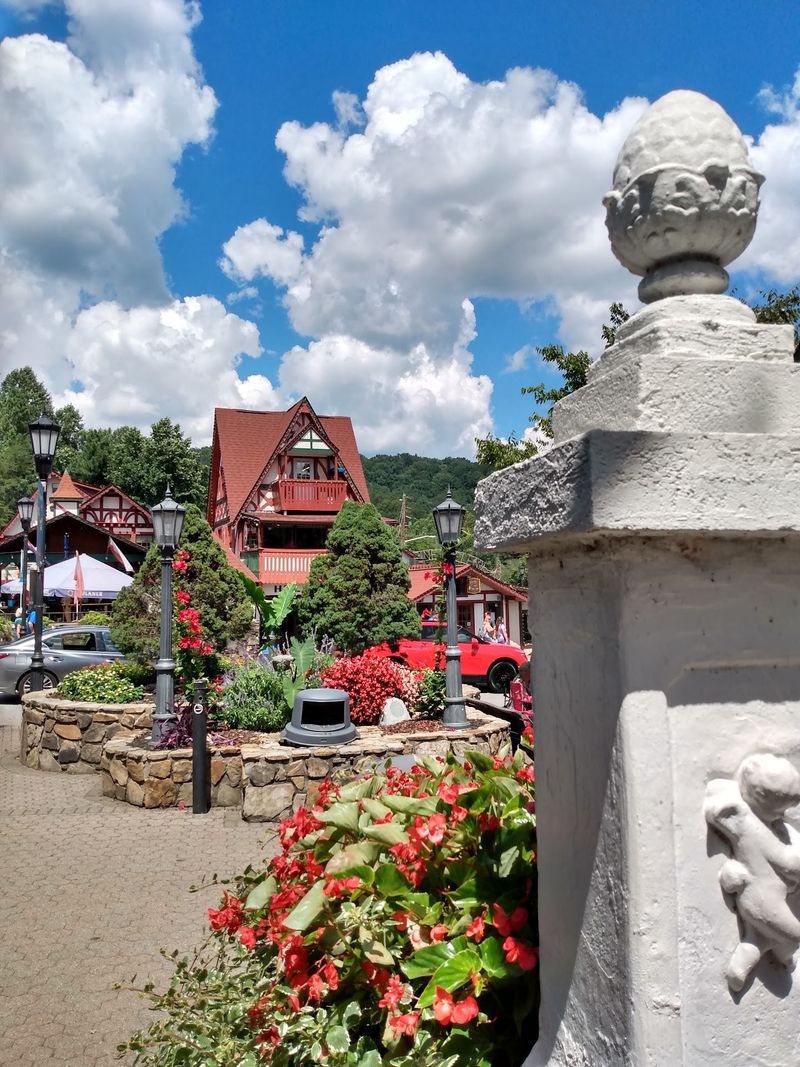
Before 1969, Helen was a struggling lumber town with very little to offer tourists. A local businessman and a retired artist changed that by proposing something unexpected: rebuild the entire downtown as a Bavarian Alpine village.
The idea sounded outrageous, but the town went for it, and the transformation became one of the most successful small-town reinventions in American history.
Today Helen’s compact center is packed with steep colorful rooftops, decorative timber framing, cobblestone-style walkways, and German restaurants serving bratwurst and pretzels beside the Chattahoochee River. Oktoberfest runs for weeks each fall, drawing visitors from across the Southeast for beer, polka music, and traditional food.
The festival atmosphere alone can feel like a genuine slice of Central Europe transplanted to the American South.
The surrounding Blue Ridge Mountains do a lot of heavy lifting here. Wooded hills, river scenery, and misty mornings give Helen a natural backdrop that makes its Alpine architecture feel surprisingly at home.
The town openly compares itself to German towns like Bamberg and Lindau, and while those comparisons are ambitious, the combination of themed design and mountain geography makes the claim feel at least partially earned.
Hermann, Missouri
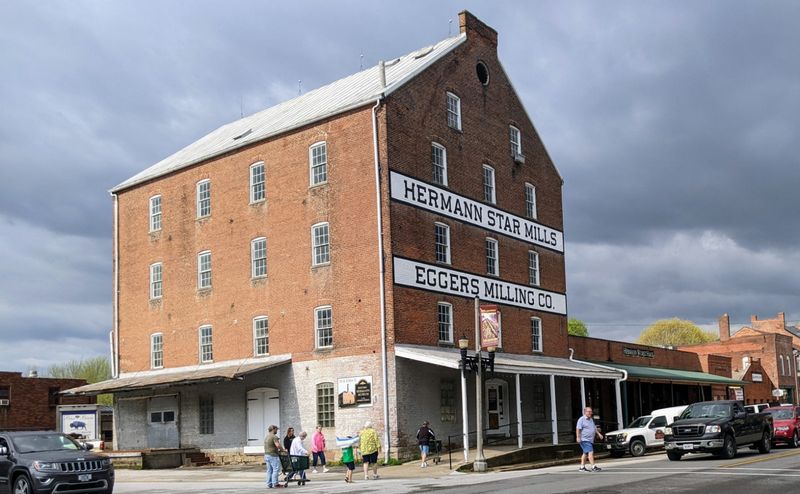
Hermann did not decide to become a German town. It was built as one from the very beginning.
German immigrants founded the community along the Missouri River in 1836 with a specific mission: create a settlement where German language, culture, and traditions could survive and thrive on American soil. Nearly two centuries later, that mission is still visibly intact.
Nineteenth-century brick buildings line the sidewalks in a dense, walkable pattern that feels more like a Rhineland market town than a typical Midwestern Main Street. The surrounding hills support vineyards that have been producing wine since the 1840s, giving Hermann a landscape connection to Germany’s famous wine regions that feels genuinely earned rather than invented.
Missouri Wine Country now draws visitors from across the region.
German food, festivals, and cultural institutions remain central to life in Hermann rather than being reduced to decorative window dressing. The town’s Maifest and Oktoberfest celebrations fill the streets with traditional music, food, and community spirit.
For travelers who want European character rooted in actual immigration history rather than a 1960s tourism makeover, Hermann delivers an authenticity that is harder to find than most people expect.
Fredericksburg, Texas
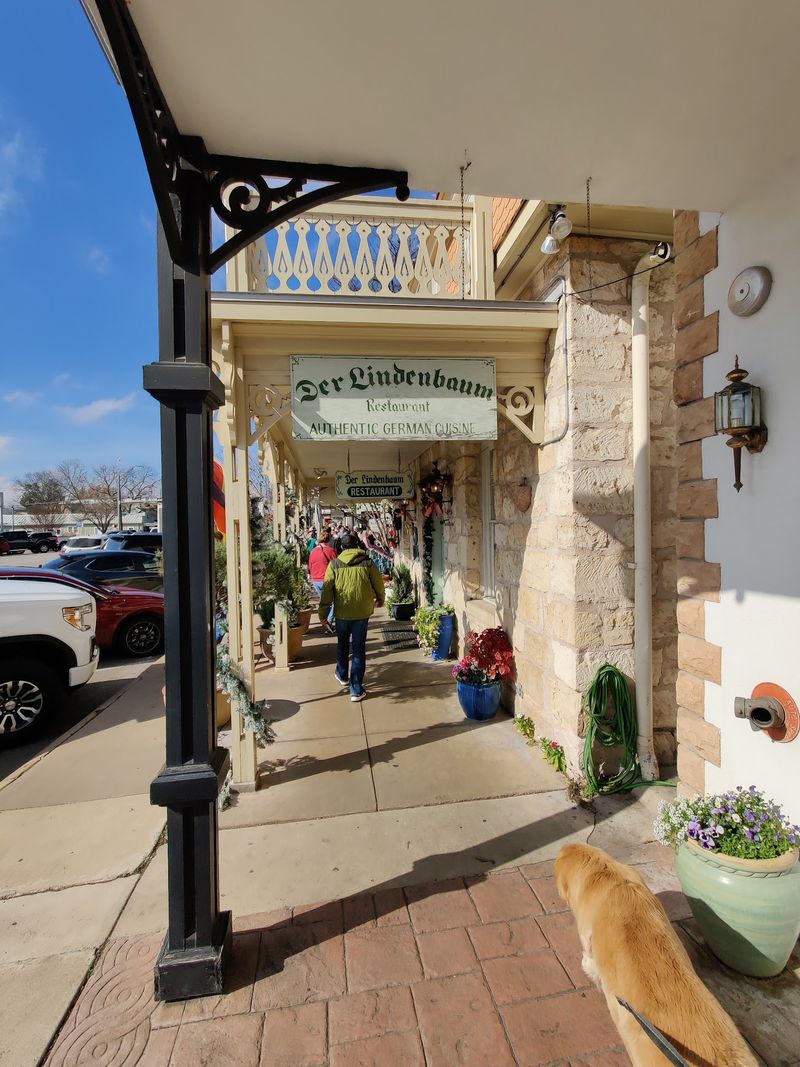
Everything about Fredericksburg makes more sense once you know that a German immigration organization called the Adelsverein founded it in 1846. The group was specifically trying to transplant German culture to Texas, and they succeeded in ways that are still unmistakably visible on Main Street today.
Limestone buildings, Germanic street names, and old-world food traditions have survived more than 175 years of Texas history.
The Vereins Kirche, an unusual octagonal community building at the center of town, serves as the most recognizable symbol of the German founding. Nearby, historic homes and commercial buildings from the 19th century line the broad main boulevard.
German restaurants serve schnitzel, sausages, and house-baked bread alongside local craft beers, keeping the culinary traditions alive in very practical and delicious ways.
Oktoberfest brings polka bands and enormous crowds to the town square each fall, but the German character of Fredericksburg is not limited to one seasonal festival. The surrounding Texas Hill Country also supports a booming wine industry, with dozens of vineyards producing varieties that thrive in the limestone-rich soil.
The combination of heritage architecture, food culture, and vineyard scenery gives Fredericksburg a European layering that feels genuinely deep-rooted.
Poulsbo, Washington
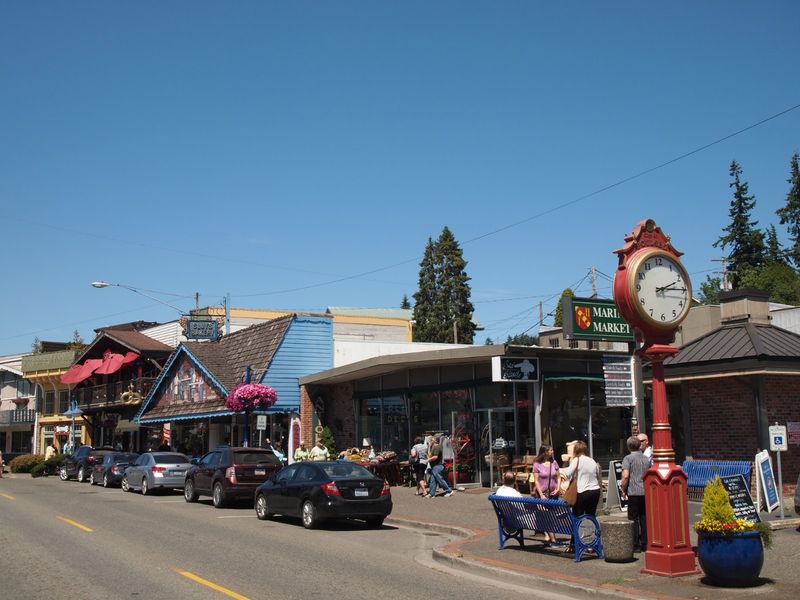
Norwegian fishermen who arrived in Poulsbo during the 1880s reportedly felt like they had found a second home. The fjord-like shores of Liberty Bay, the surrounding evergreen forests, and the Olympic Mountains visible across the water reminded them so strongly of western Norway that many wrote home encouraging others to follow.
That migration shaped everything that came after.
The compact waterfront center today displays Scandinavian-style architecture, Nordic murals painted on building sides, and bakeries selling lefse, krumkake, and other Norwegian pastries. Shops celebrate the town’s maritime and Viking heritage with a cheerful enthusiasm that never quite tips into parody.
The community genuinely identifies with its Scandinavian roots rather than simply marketing them to outsiders.
Viking Fest, held each May to coincide with Norway’s Constitution Day, fills Poulsbo with flags, parades, traditional food, and community celebrations that feel rooted in real cultural pride. The natural setting remains the town’s secret advantage.
Water on one side, mountains in the distance, and dense Pacific Northwest forest surrounding the community create a landscape that requires very little imagination to connect with Scandinavia. Poulsbo earns its nickname of Little Norway more honestly than most European-themed American towns manage to earn theirs.
Frankenmuth, Michigan
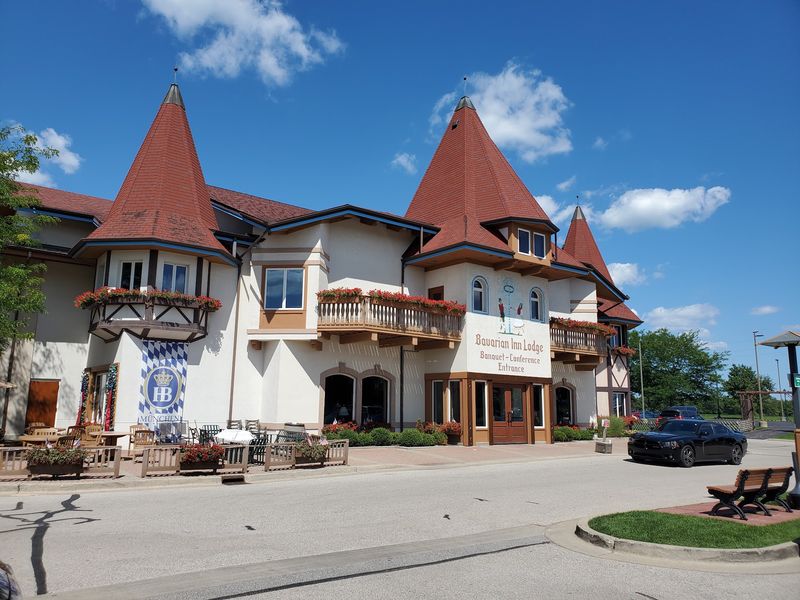
Michigan’s Little Bavaria is not a nickname that Frankenmuth earned by painting a few buildings and adding a pretzel to the menu. German Lutheran missionaries founded the community in 1845 with the specific purpose of spreading Christianity among the Chippewa people, and the German cultural identity they brought with them never faded.
It deepened instead, becoming the foundation for one of Michigan’s most visited small towns.
Bavarian-style architecture fills the downtown, with half-timbered facades, decorative flower boxes, and a covered wooden bridge creating a streetscape that genuinely earns the Alpine comparison. Large family restaurants serving enormous platters of chicken dinners, sausages, and German pastries have become famous well beyond Michigan’s borders.
The Bavarian Inn and Zehnder’s have each fed millions of visitors over the decades.
Frankenmuth hosts the Bavarian Festival each June and Oktoberfest each fall, keeping German traditions visible throughout the year rather than limiting them to a single weekend. The town also claims one of the world’s largest Christmas stores, Bronner’s Christmas Wonderland, which somehow fits perfectly with the overall festive Central European atmosphere.
Behind the tourism infrastructure, the 19th-century German foundations give Frankenmuth’s cultural identity a historical weight that is easy to feel and hard to dismiss.
Beacon Hill, Boston, Massachusetts
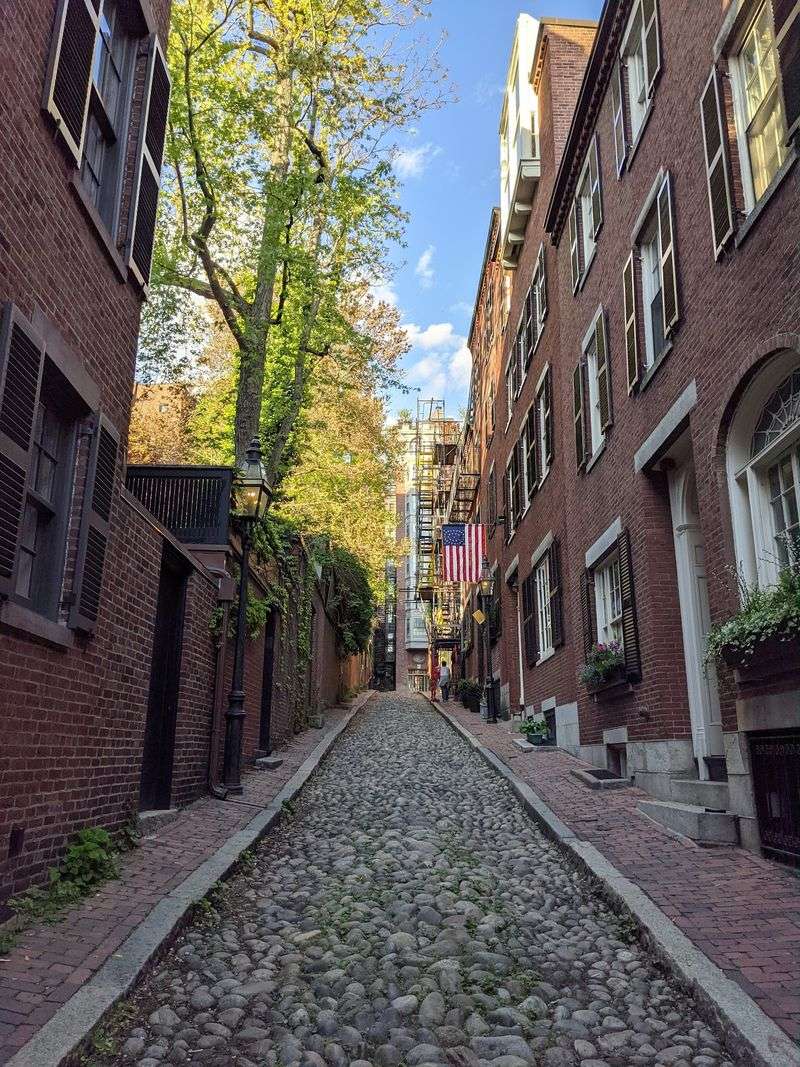
Acorn Street is only about 300 feet long, but it might be the most photographed street in Boston. Cobblestones worn smooth by centuries of foot traffic, tightly packed Federal-era brick townhouses, and iron gas lamps create a scene so evocative of old London or Edinburgh that visitors regularly stop mid-stride just to take it all in.
Beacon Hill does not try to look European. It simply does, because it was built by people who thought in European architectural terms.
The half-square-mile neighborhood developed primarily between the 1790s and the 1840s, long before automobiles reshaped how American cities were planned. Streets follow the natural contours of the hill rather than a rigid grid, creating the kind of winding, surprise-around-every-corner layout that defines so many beloved European neighborhoods.
Small shops, hidden alleys, and centuries-old churches add texture at every turn.
Living in Beacon Hill today means sharing space with history in a very immediate way. The brick sidewalks, the window boxes, the narrow lanes that barely fit two people side by side – all of it developed organically over generations.
The result is an authentically old urban fabric shaped by European architectural traditions, making Beacon Hill feel genuinely historic rather than nostalgically costumed.
Cape May, New Jersey
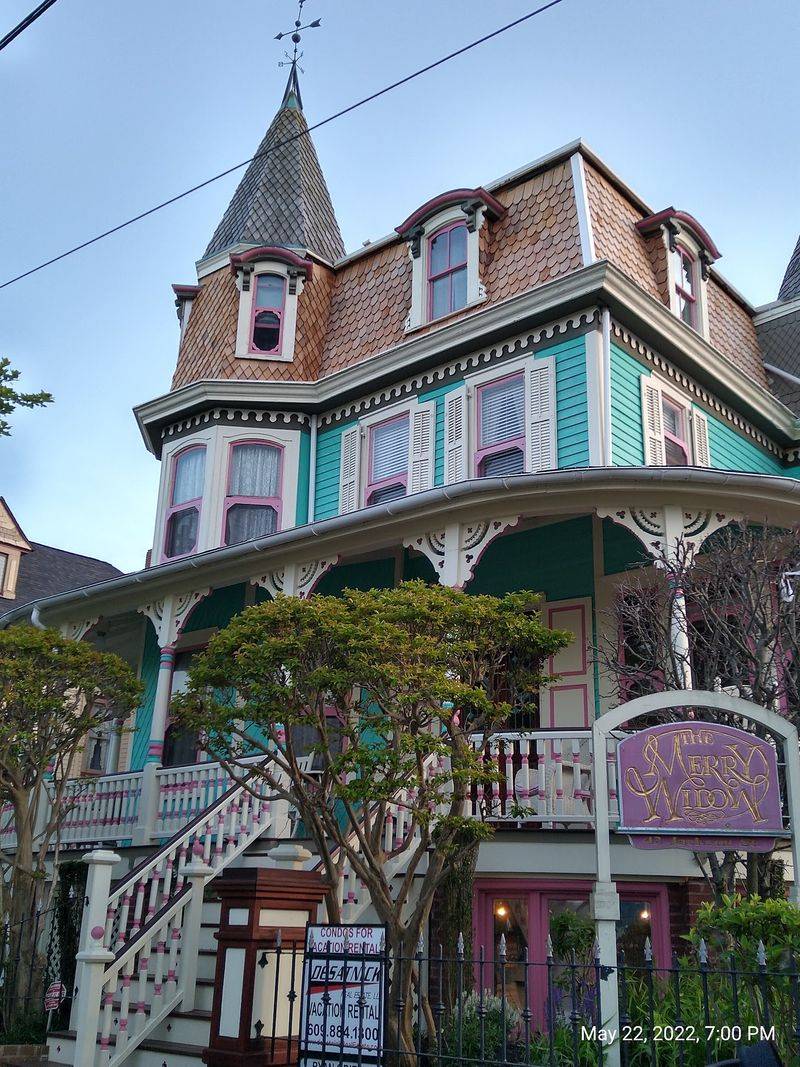
Cape May holds a record that most people do not expect from a New Jersey beach town: it contains one of the largest collections of preserved Victorian architecture anywhere in the United States. In 1976, the entire city received National Historic Landmark designation, which is an honor usually reserved for single buildings or specific sites rather than entire communities.
The whole town is essentially an open-air museum of 19th-century resort design.
Ornate wooden cottages line the streets with porches, towers, decorative gingerbread trim, and paint schemes that would make a Victorian-era English seaside town feel right at home. Washington Street Mall provides a pedestrian shopping experience through the historic center, while traditional bed-and-breakfast inns occupy many of the grand old homes.
The scale is human-sized, walkable, and refreshingly free of the high-rise hotels that dominate most beach destinations.
What gives Cape May its European quality is the combination of architectural density and resort tradition. Victorian seaside towns in England, Belgium, and the Netherlands share the same devotion to ornate wooden structures, promenade culture, and leisurely beach holidays that Cape May has preserved so carefully.
The beaches are beautiful, but the streets running behind them are the real reason this town feels so remarkably different from everywhere else on the Jersey Shore.
Share this story