West Virginia has a quiet habit of holding onto things the rest of the country let go of decades ago. Across the Mountain State, you can still find restaurants where the menu looks like it was written before anyone invented the word “artisanal,” and where the daily special might be liver and onions, creamed turkey over biscuits, or a pepperoni roll stuffed with house sauce and provolone.
These are not places trying to recreate the past as a novelty. They simply never stopped cooking the way they always did.
Some have been feeding the same families for three or four generations. Others earned national recognition while barely changing a thing on the menu.
What they share is a commitment to food that feels increasingly hard to track down: honest, filling, and made from recipes that belong to a specific place and time. Read on to find 12 West Virginia restaurants still serving the kind of food you thought you had to travel back in time to enjoy.
1. Jim’s Steak & Spaghetti House, Huntington, West Virginia
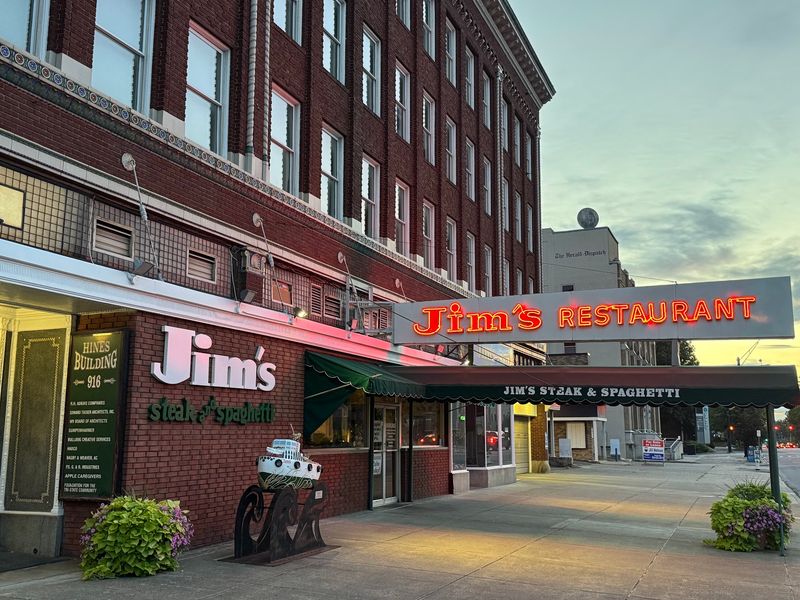
Since 1938, one Huntington restaurant has been quietly proving that you do not need to reinvent a menu every few years to stay relevant. Jim’s Steak and Spaghetti House built its reputation on a straightforward combination: house-made spaghetti sauce from a 1944 recipe, fried haddock sandwiches with homemade tartar sauce, baked ham, cube steak, and slices of pie.
The restaurant started as a dairy store selling cheeseburgers and milkshakes before expanding into the beloved institution it is today. Servers still wear uniforms that echo the original style, and the green vinyl booths have stayed put through decades of change.
In 2019, Jim’s received a James Beard America’s Classics award, the kind of recognition given to restaurants that define a region’s culinary identity rather than follow national trends. Around Mother’s Day each year, the kitchen sells thousands of slices of homemade strawberry pie during its famous Strawberry Pie Week, a tradition that draws diners from well beyond Huntington.
2. Diehl’s Restaurant, Nitro, West Virginia
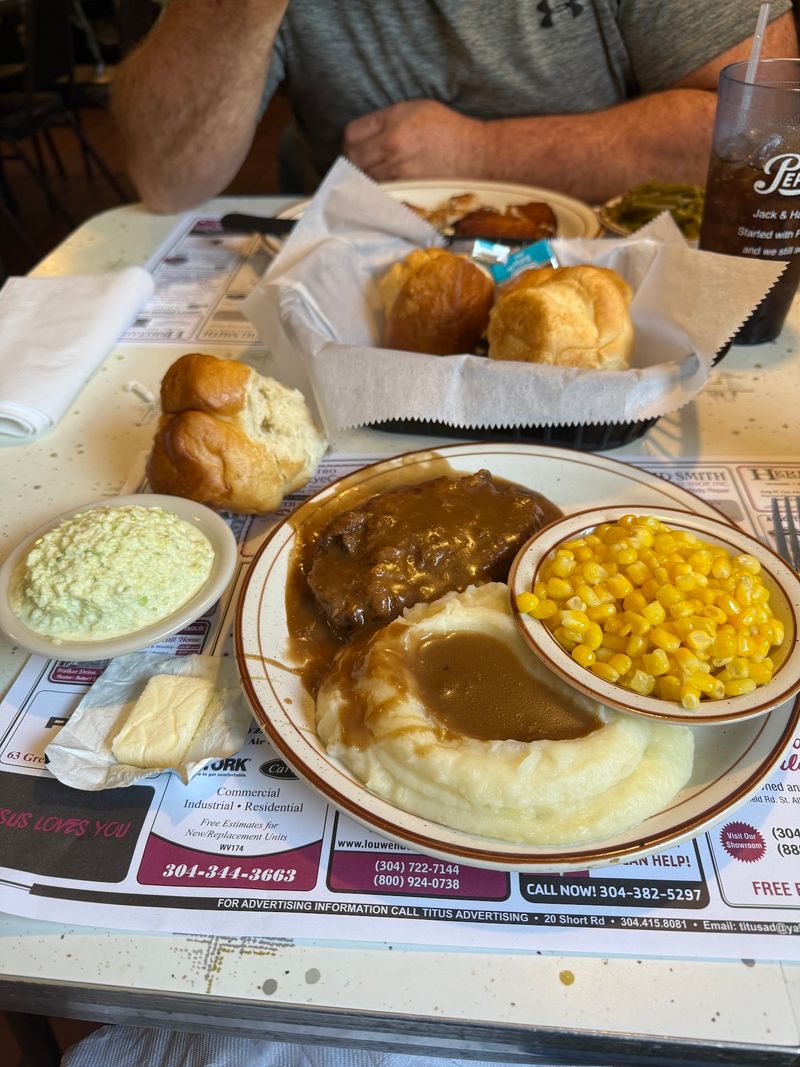
Liver and onions on a restaurant menu is the culinary equivalent of a rare bird sighting these days, but Diehl’s in Nitro has kept it on the board since 1960. The kitchen runs a daily rotation of specials that reads like a greatest-hits collection of mid-century American cooking.
Baked steak and gravy, classic meatloaf, salmon cakes, chicken livers, stuffed peppers, and cabbage rolls appear throughout the week. Each plate comes with the kind of sides that used to be standard everywhere: mashed potatoes, fresh vegetables, warm rolls, and cornbread.
Cream pies handle dessert with the same no-fuss approach that defines everything else on the menu. Diehl’s has stayed close to this uncomplicated formula for more than six decades, which is exactly why it stands out.
Finding a restaurant that still treats baked steak and cabbage rolls as everyday menu items rather than retro novelties is a genuinely uncommon experience in modern dining.
3. Coleman’s Fish Market, Wheeling, West Virginia
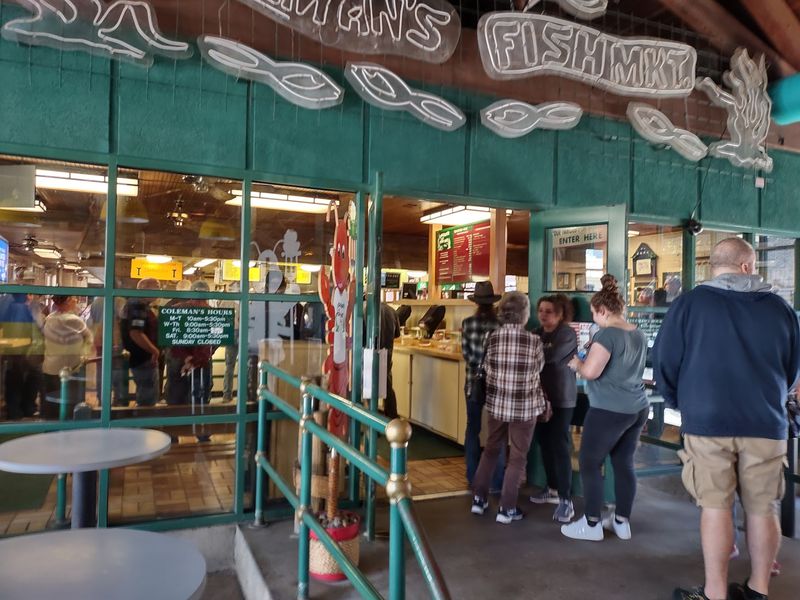
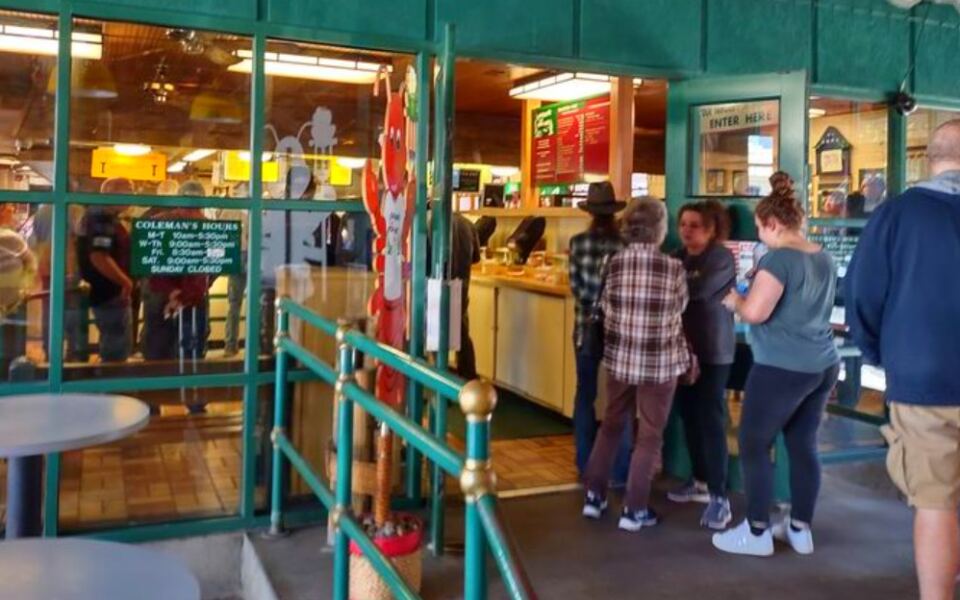
Wheeling’s Centre Market has been around since 1853, and tucked inside its historic walls, Coleman’s Fish Market has been running one of the state’s most satisfying lunch counters for generations. The menu is built around the kind of seafood counter fare that once made market lunches a daily ritual for working people.
The fried fish sandwich is the undisputed star, a straightforward preparation that has never needed updating. Fish fingers, deviled crab, oyster sandwiches, chowder, and oyster stew round out a menu that prioritizes familiar quality over variety.
Coleman’s does not operate as a polished dining room. It functions as a market counter where the transaction is simple: order, wait, eat.
That format is part of what makes it worth a deliberate detour through Wheeling. The combination of an authentic historic market setting and a menu anchored by a genuinely great fried fish sandwich is the sort of experience that gets harder to find with every passing year.
4. Yann’s Hot Dog Stand, Fairmont, West Virginia
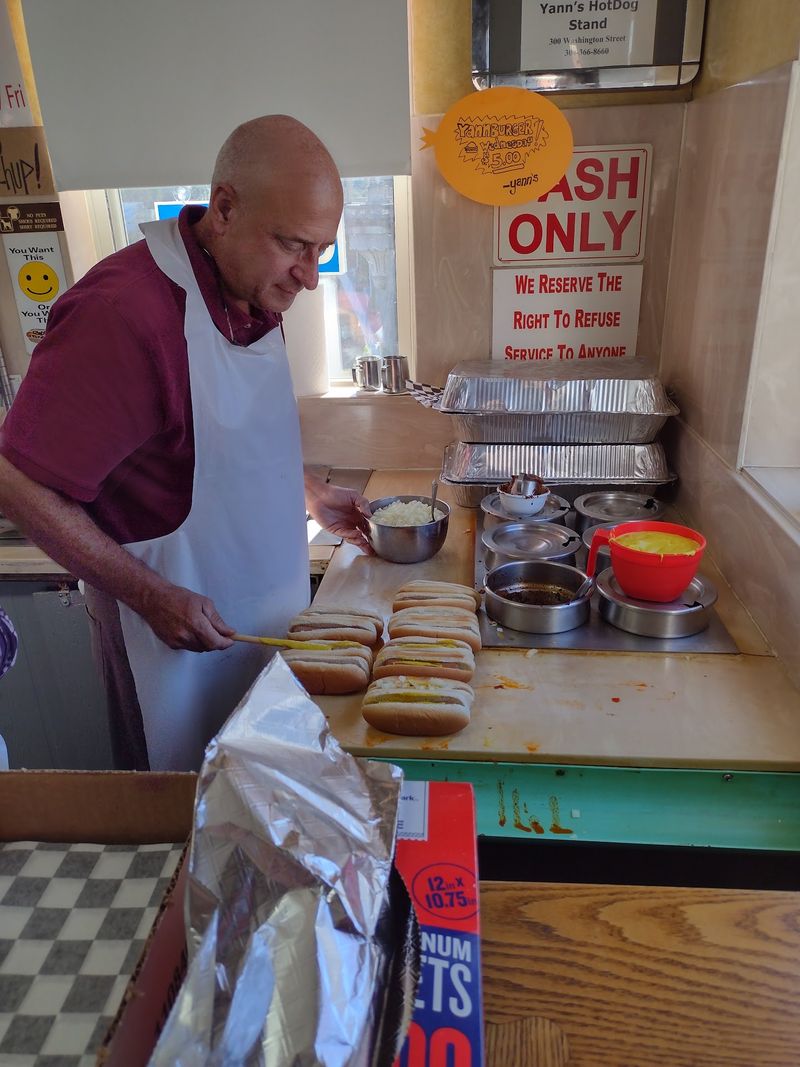
Some restaurants achieve landmark status by doing one thing and refusing to compromise on it. Yann’s Hot Dog Stand on Washington Street in Fairmont has operated on exactly that principle since the business began with the Yann family in 1927.
The menu centers on hot dogs served with mustard, diced onion, and a distinctive spicy sauce that has become the stand’s defining feature. Ketchup is famously not an option, and regulars will tell you that is a feature rather than a flaw.
The stand operates with limited weekday hours, which only adds to its reputation as a place that operates entirely on its own terms.
The small interior, with its few counter stools and no-frills setup, makes the experience feel like a direct connection to the era of neighborhood lunch counters. Yann’s is not trying to attract new demographics or expand its concept.
It is simply doing what it has always done, and Fairmont keeps showing up for it.
5. Colasessano’s Pizza, Fairmont, West Virginia
The pepperoni roll began as practical food for West Virginia coal miners who needed a lunch that could be eaten by hand underground. Colasessano’s in Fairmont, open since 1950, has spent more than seven decades showing how substantial that simple idea can become.
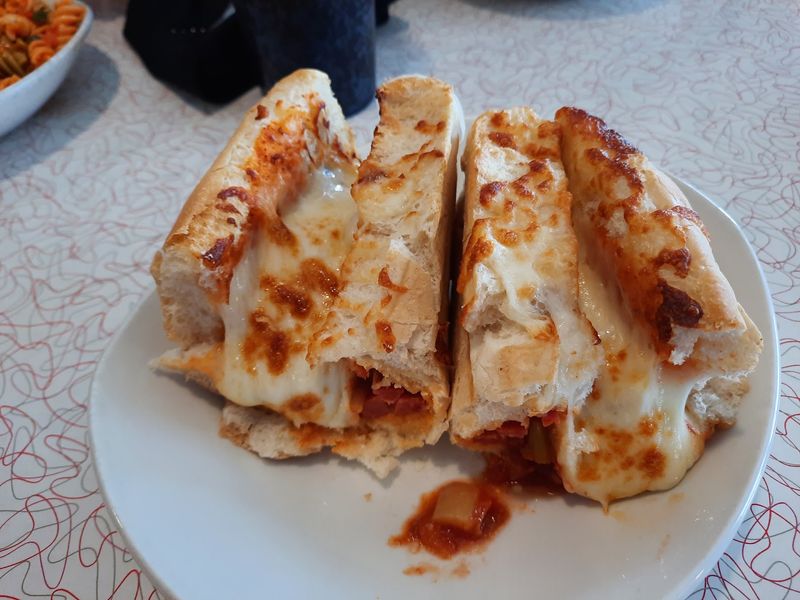
Their signature pepperoni buns are made by baking pepperoni directly into homemade bread dough, then slicing the roll open and filling it with house meat sauce, provolone, and a choice of mild, mixed, hot, or banana peppers before toasting. The result is messy, filling, and deeply regional in the best possible way.
The everything bun captures the full experience in a single order. Colasessano’s also serves pizza, hoagies, and pasta, but the pepperoni bun is what draws people from across the state.
This is a local food tradition that never chased trends and never needed to. Seventy-plus years of consistent business is a more convincing argument than any marketing campaign.
6. Woody’s Restaurant, Fairmont, West Virginia
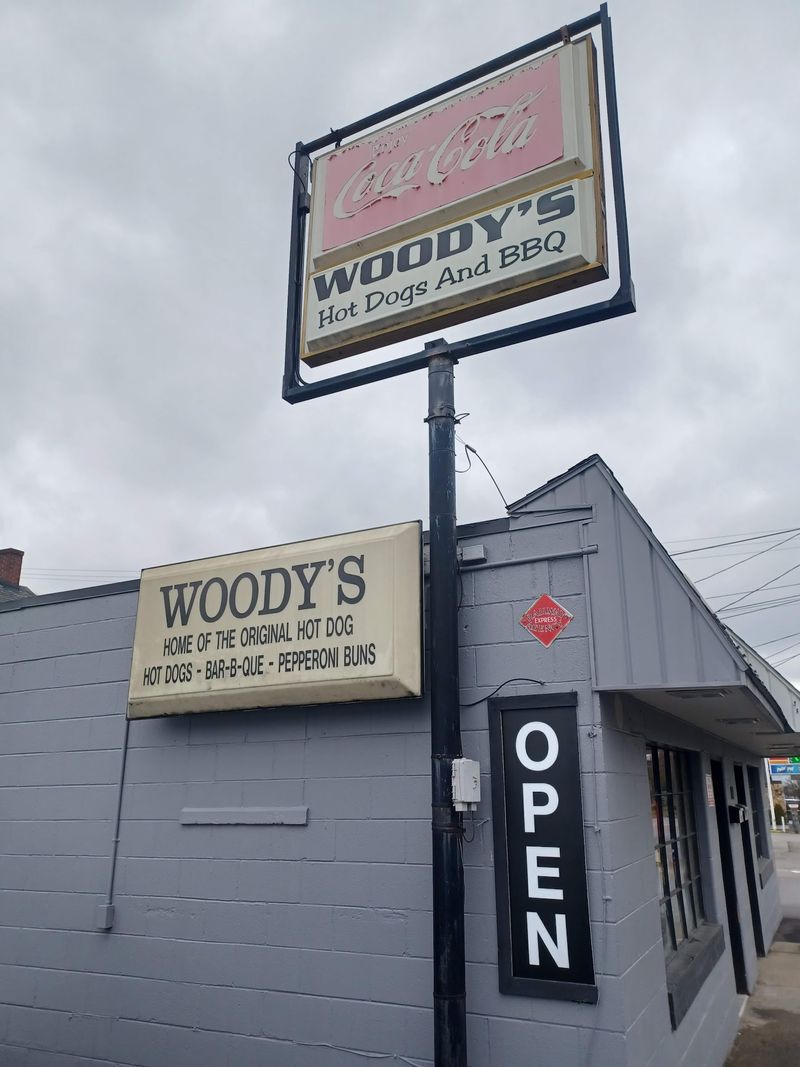
Marion County takes its pepperoni rolls seriously, and Woody’s Restaurant in Fairmont fits naturally into that tradition. Hot dogs with sauce and pepperoni rolls are the headliners here, served in an unpretentious setting that still carries the relaxed energy of a classic neighborhood lunch spot.
There is no attempt to reframe these dishes as elevated comfort food or give them a modern twist. Woody’s serves them the way they have always been served in this part of West Virginia, which is precisely the point.
For visitors wanting to understand what everyday West Virginia food culture actually looks like, Woody’s offers a more honest answer than any restaurant trying to package regional cuisine for a broader audience. The menu reflects the community it serves rather than trends arriving from outside it.
That kind of straightforward local identity is increasingly rare in restaurant dining, which makes places like Woody’s worth seeking out on purpose rather than stumbling across by accident.
7. Farley’s Famous Hot Dogs, Hurricane, West Virginia
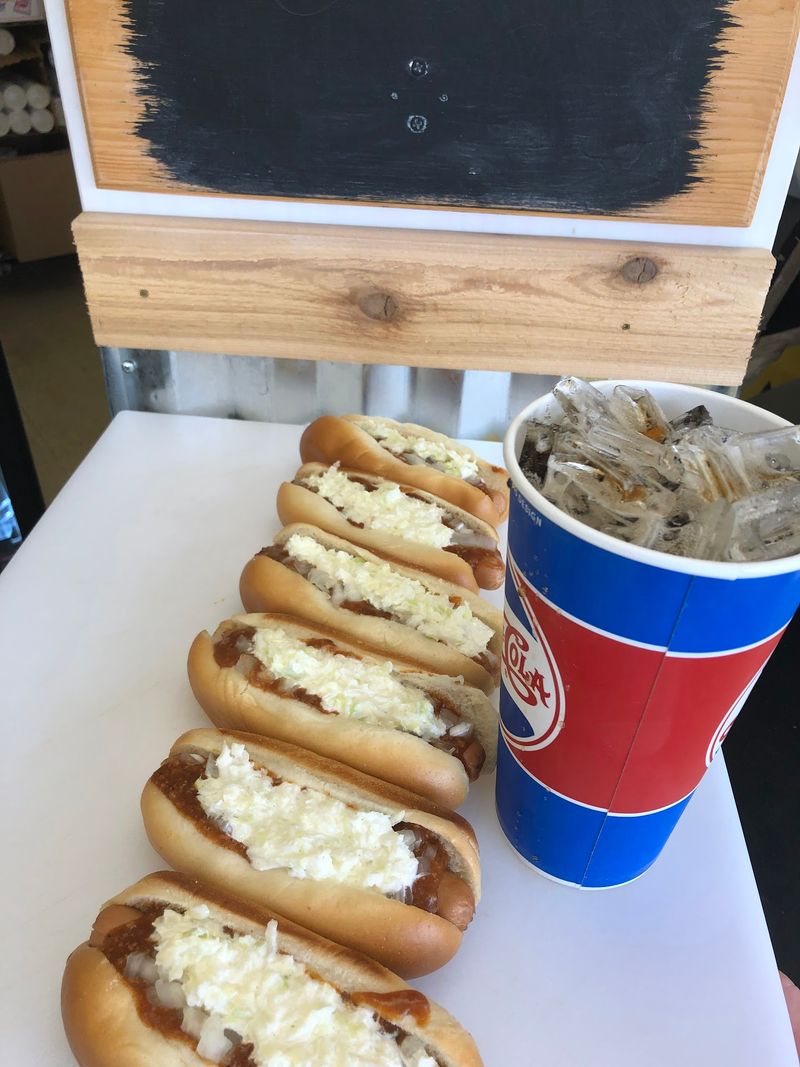
Curb service is one of those dining formats that most people assume disappeared sometime around the invention of the drive-through window. Farley’s Famous Hot Dogs in Hurricane has been offering it since 1968, making it one of the more genuinely nostalgic dining experiences in West Virginia.
The hot dogs come with a house-recipe chili and classic coleslaw, a combination that has kept the restaurant’s loyal following intact for more than five decades. Homemade root beer floats complete the drive-in-era pairing in a way that feels less like a theme and more like a survival.
Burgers, fries, and onion rings fill out a menu that would have looked perfectly at home on any roadside in the 1960s. Farley’s is not performing nostalgia for a crowd that never experienced the original.
It is simply a roadside hot dog stand that kept doing what it always did, and the fact that the format now feels rare makes each visit a little more meaningful.
8. Parkette Family Restaurant, Clarksburg, West Virginia
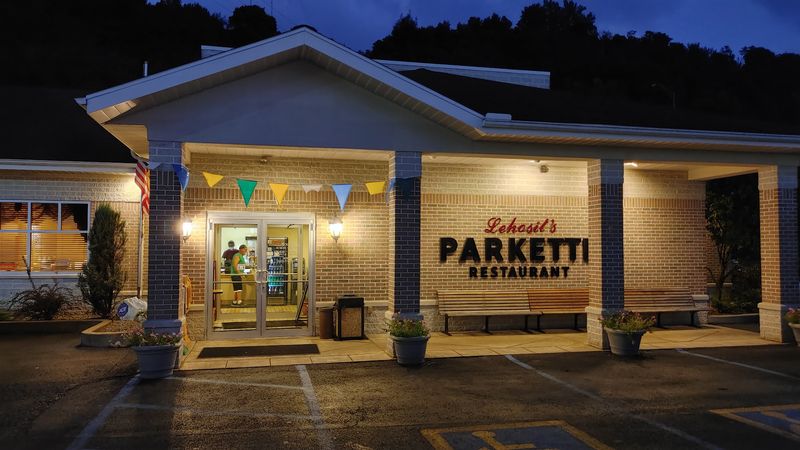
A family restaurant that has been passing down recipes since 1955 is not a common thing to find anymore. Parkette in Clarksburg has kept the Lehosit family’s cooking traditions alive across generations, and the menu reflects that continuity in a way that feels genuinely uncommon.
The ribeye sandwich is the restaurant’s most recognized item, but the broader menu is where the old-fashioned character really asserts itself. Creamed turkey over biscuits, baked steak, hot roast beef sandwiches, fried green tomatoes, and homemade soup share space on a menu that reads like a time capsule of mid-century American family dining.
Finding even two or three of those dishes on the same menu in 2024 would be notable. Finding all of them together, prepared from recipes that have been in the same family for decades, is something else entirely.
Parkette is the kind of restaurant that reminds you how much has quietly disappeared from American dining without anyone making a formal announcement about it.
9. Ritzy Lunch, Clarksburg, West Virginia
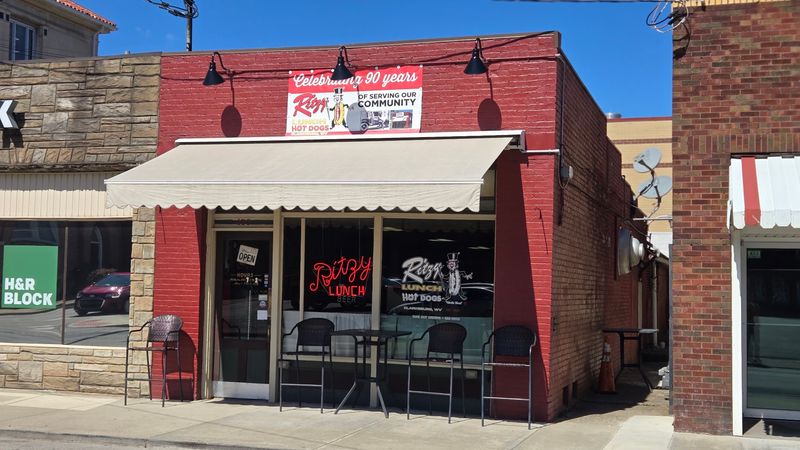
A restaurant that has been operating since 1933 has lived through the Great Depression, multiple wars, and more food trends than anyone could count. Ritzy Lunch in Clarksburg has outlasted them all by staying focused on what it does best: hot dogs, chili, and short-order cooking that never tries to be anything more complicated than it needs to be.
The chili is the foundation of the menu, served on its own or as the essential topping for the restaurant’s famous hot dogs. One standout creation is the Hot Dog Johnny, a deep-fried wiener tucked inside a Hungarian pepper and finished with onions, a local invention that has no equivalent anywhere else.
The chili is popular enough that the restaurant sells it by the pint and gallon for customers who want to take it home. More than nine decades into its run, Ritzy Lunch still provides what downtown lunch counters once provided everywhere: a fast, satisfying, affordable meal with a strong sense of local identity.
10. Muriale’s Italian Kitchen, Fairmont, West Virginia
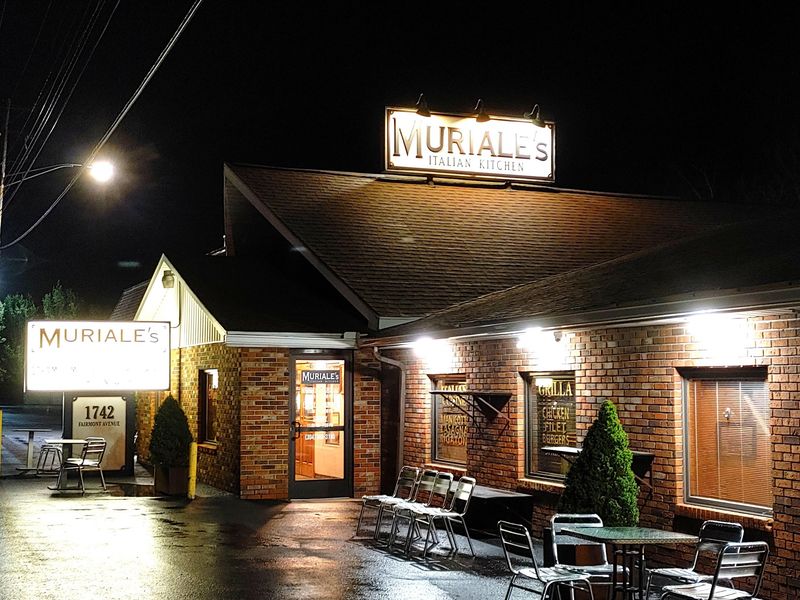
Northern West Virginia has a deep Italian-American heritage rooted in the immigration patterns of the late 19th and early 20th centuries, when thousands of Italian families settled in the region’s mining and industrial communities. Muriale’s Italian Kitchen in Fairmont has been honoring that heritage since 1969.
Pasta and traditional Italian dishes form the core of the menu, prepared from family recipes that the restaurant describes as time-honored rather than updated. The dining room has a welcoming, unpretentious quality that suits the food well.
This is not a place trying to impress anyone with technique or presentation.
What Muriale’s offers instead is continuity: a consistent experience built around the cooking traditions of Italian immigrant families who made West Virginia home. A generous plate of pasta in a restaurant like this carries a sense of occasion that newer concepts rarely replicate with the same authenticity.
After more than fifty years in the same community, Muriale’s has become part of the heritage it celebrates.
11. Peggy’s Home Cookin, Buckhannon, West Virginia
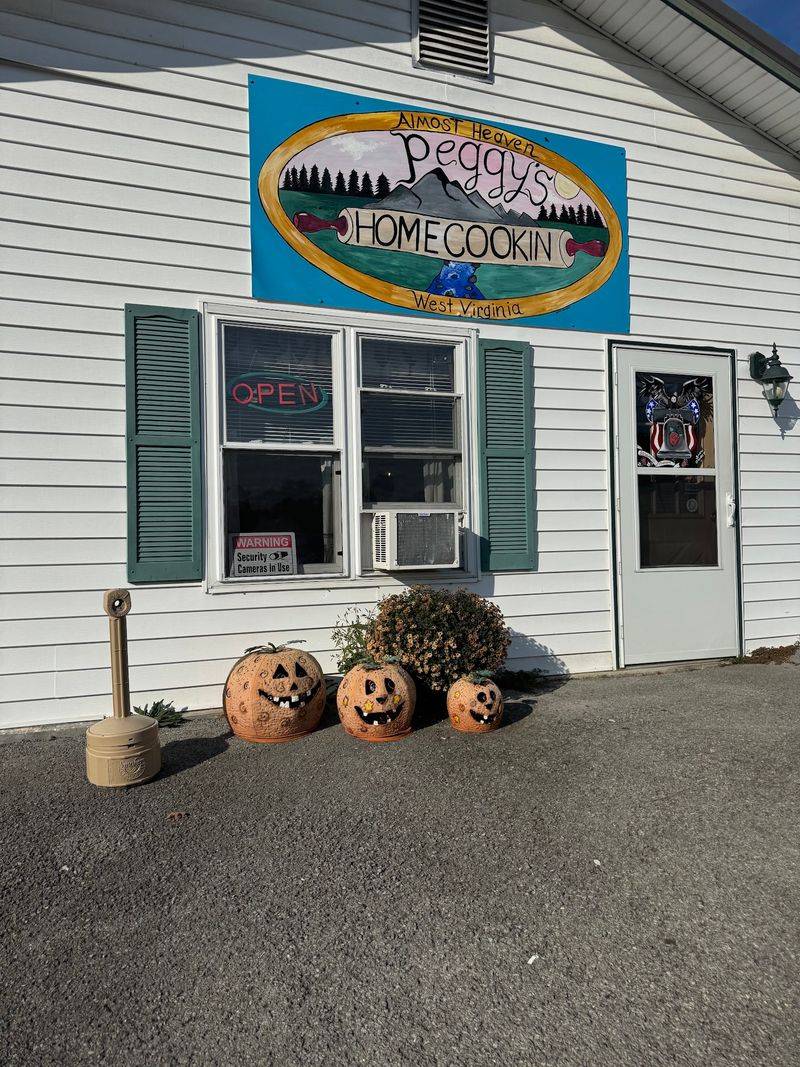
Just outside Buckhannon’s town center, Peggy’s Home Cookin operates with the relaxed confidence of a place that knows exactly who it is cooking for. The menu delivers on the name without any overstatement: hot roast beef sandwiches with mashed potatoes and gravy, Reuben sandwiches, baked steak specials, and country breakfasts built around generous portions.
Homemade pies are a recurring highlight in customer reviews, with graham cracker cream pie and peanut butter pie mentioned frequently as reasons to save room at the end of a meal. The atmosphere is consistently described as casual, quiet, and welcoming, the kind of environment that suits a Tuesday lunch as well as a weekend breakfast.
Restaurants like Peggy’s occupy a specific and increasingly scarce category: the neighborhood home-cooking spot where presentation is never the priority and portion size reliably is. That everyday quality, which once made such places easy to find in small American cities, is now a genuine point of distinction.
Peggy’s earns its reputation by simply continuing to show up and cook well.
12. The Custard Stand Webster Springs, Webster Springs, West Virginia
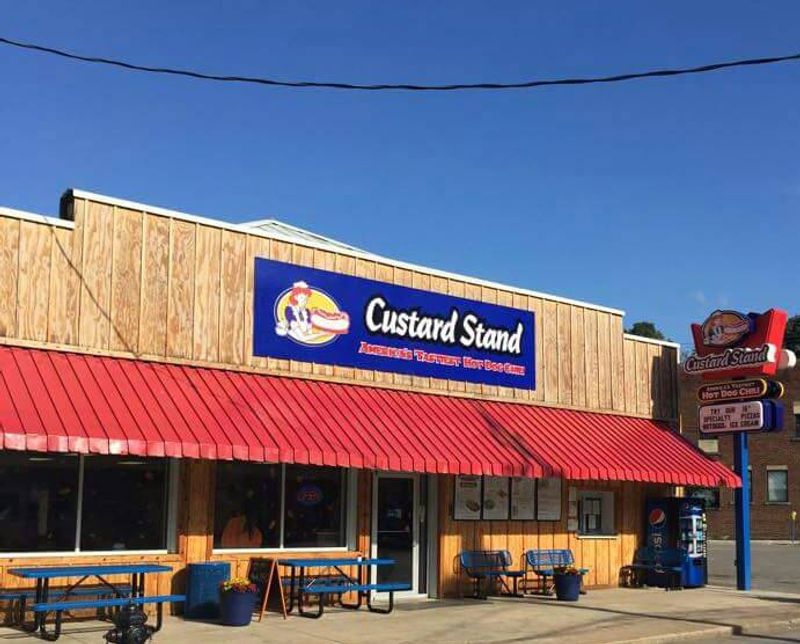
A chili recipe created by a grandfather in the 1920s is the foundation of everything at The Custard Stand in Webster Springs. Dee and Angie Cowger built their business around that family recipe after opening in 1991, and the combination of West Virginia-style chili dogs and frozen custard has proven to be a deeply satisfying one.
The Webster Springs location is the largest of their establishments, offering the most seating and the broadest menu. The chili became popular enough beyond the restaurant that the Cowgers expanded into retail production, placing it in grocery stores across multiple states.
A Shark Tank appearance brought the product to a national audience without changing what made it worth noticing in the first place.
The pairing of a chili dog and a frozen custard cone captures something specific about small-town roadside dining that is genuinely difficult to manufacture. In a state with a proud hot dog tradition, The Custard Stand earns its place by treating both halves of its menu with equal seriousness.
That balance is what keeps people coming back.
Share this story