One Kansas zoo manages to offer rare animals and immersive exhibits without turning the visit into an all-day endurance test. Its compact 26-acre layout lets families see much of the park in just a few hours, with wide paths, clear signage, and plenty of places to slow down along the way.
The animal lineup is far more ambitious than the size suggests. Amur leopards, Malayan tigers, sloth bears, red pandas, gibbons, cheetahs, okapi, and more than 100 other species are spread across themed areas inspired by Asia, Africa, Australia, and the Kansas Plains.
One of the biggest surprises is the newer Expedition Asia trail, where elevated walkways and larger habitats create a more immersive experience for some of the zoo’s rarest animals. The park’s unusual history adds another layer, since the rocky hillside was once considered unsuitable for a cemetery before being transformed into a community zoo.
Where Green Spaces Meet Global Wonders: Location and Setting
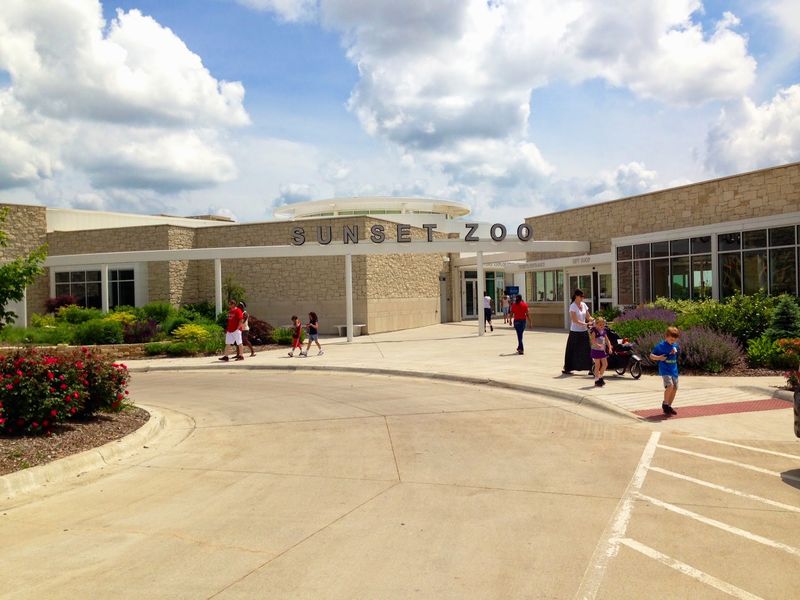
Rocky land that was once turned away by cemetery planners became the foundation for one of Kansas’s most cherished zoological parks. Sunset Zoo sits at 2333 Oak St in Manhattan, Kansas, a city nestled in the scenic Flint Hills region, just minutes from Kansas State University.
The zoo occupies 26 developed acres within a larger 48-acre city-owned tract, and the natural hillside terrain shapes everything about the visitor experience. Paths wind upward and downward, framing views that feel distinctly Kansan even as you stand face to face with animals from Asia, Africa, and Australia.
The blend of cultivated walkways and native landscape gives the park a character that larger, flatter zoos simply cannot replicate. You are never quite sure what is waiting around the next bend, and that sense of discovery starts the moment you arrive at the entrance on Oak Street.
From Rocky Ground to a Roaring Legacy: The Zoo’s Origin Story
The story behind this zoo is the kind that almost did not happen. In either 1929 or 1933, the City of Manhattan acquired land intended for Sunset Cemetery, only to discover that much of the terrain was far too rocky for burial plots.
Rather than abandon the property, city leaders reimagined it as Sunset Park and, soon after, a growing zoo. Early funding came from the Works Progress Administration, and the native limestone structures built during that era still stand today, serving as both functional exhibits and tangible pieces of social history.
A veterinarian named Dr. E.J. Frick from Kansas State University’s School of Veterinary Medicine championed the zoo’s growth for 43 remarkable years, acquiring animals, providing care, and shaping its identity from the ground up.
That founding spirit of resourcefulness and community dedication still runs through every corner of the park today.
The Walkable Layout That Keeps Families Coming Back
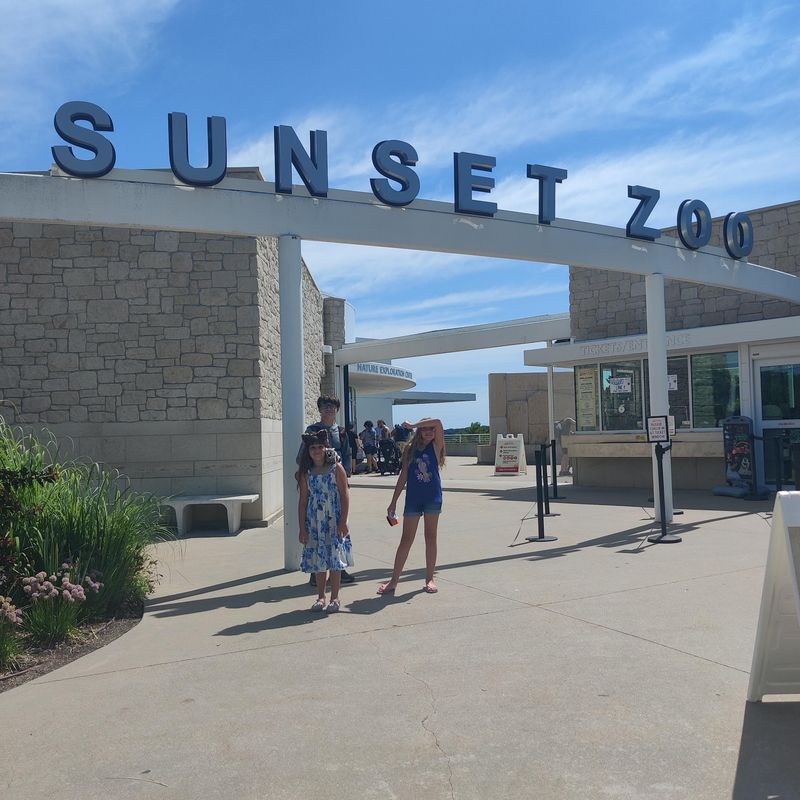
One of the most consistent compliments this zoo receives is how easy it is to navigate. The paths are wide enough for strollers and groups, the signage is clear, and most visitors can comfortably see every exhibit within a couple of hours, making it ideal for families who want a full experience without exhaustion.
The hillside setting does introduce some inclines, particularly near the gibbon exhibit and the entrance to Expedition Asia, but the zoo offers an ADA-accessible route within that newer trail. For anyone who finds the hills a challenge, Guest Services can arrange a ride back to the entrance in a zoo vehicle, a thoughtful touch that removes any barrier to enjoyment.
That combination of compact size and smart design keeps the experience from ever feeling overwhelming. Benches tucked into quieter observation areas let you slow down, watch the animals at your own pace, and actually absorb what you are seeing rather than rushing through.
Rare and Remarkable: The Animals That Set This Zoo Apart
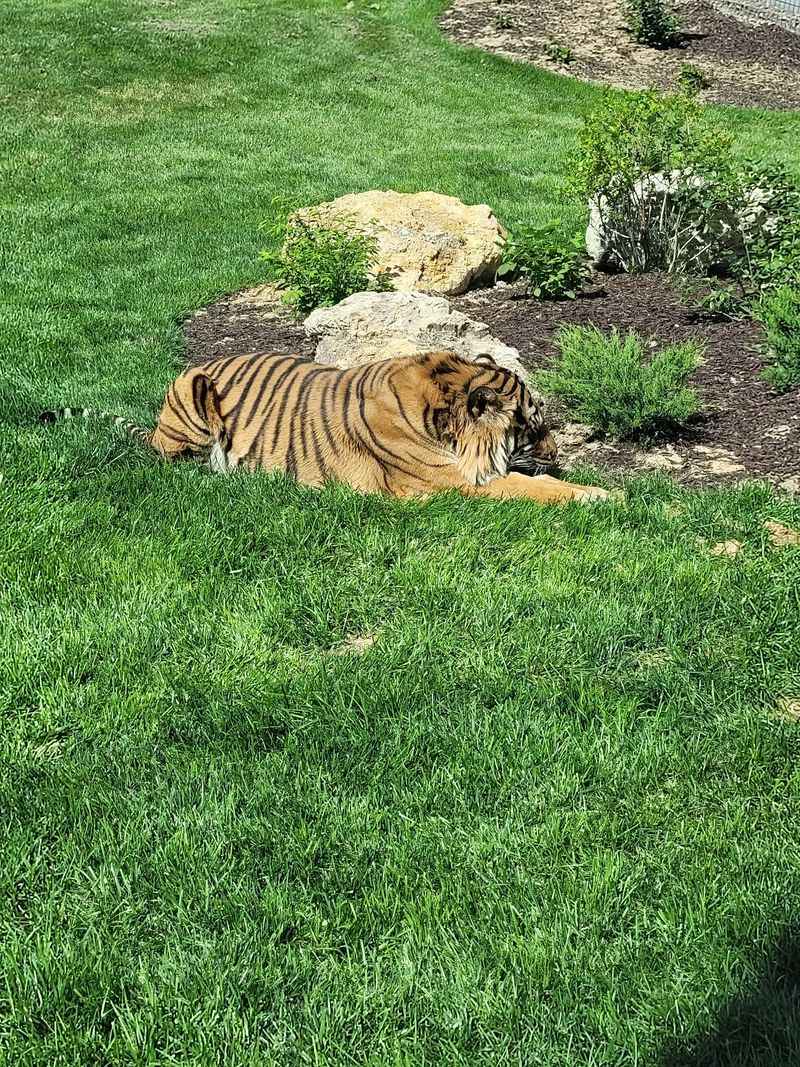
Not every zoo in America can claim an Amur leopard, one of the rarest big cats on Earth, among its residents. Sunset Zoo houses an impressive roster of rare and threatened species that genuinely earns the zoo its reputation for extraordinary animal encounters.
Maned wolves pace their enclosures with elegant, long-legged strides, while Asian small-clawed otters put on energetic aquatic shows near the water’s edge. The primate collection includes chimpanzees, black-and-white colobus monkeys, white-handed gibbons, and ring-tailed lemurs, the latter classified as endangered due to rapid habitat loss in Madagascar.
Beyond the primates, you might encounter Malayan tigers, sloth bears, cheetahs, spotted hyenas, red pandas, giant anteaters, okapi, and Western grey kangaroos, among many others. With over 100 species represented across the grounds, the diversity here is genuinely surprising for a zoo of this scale, and many of these animals play active roles in global Species Survival Plan programs.
Expedition Asia: The Crown Jewel of Recent Expansions
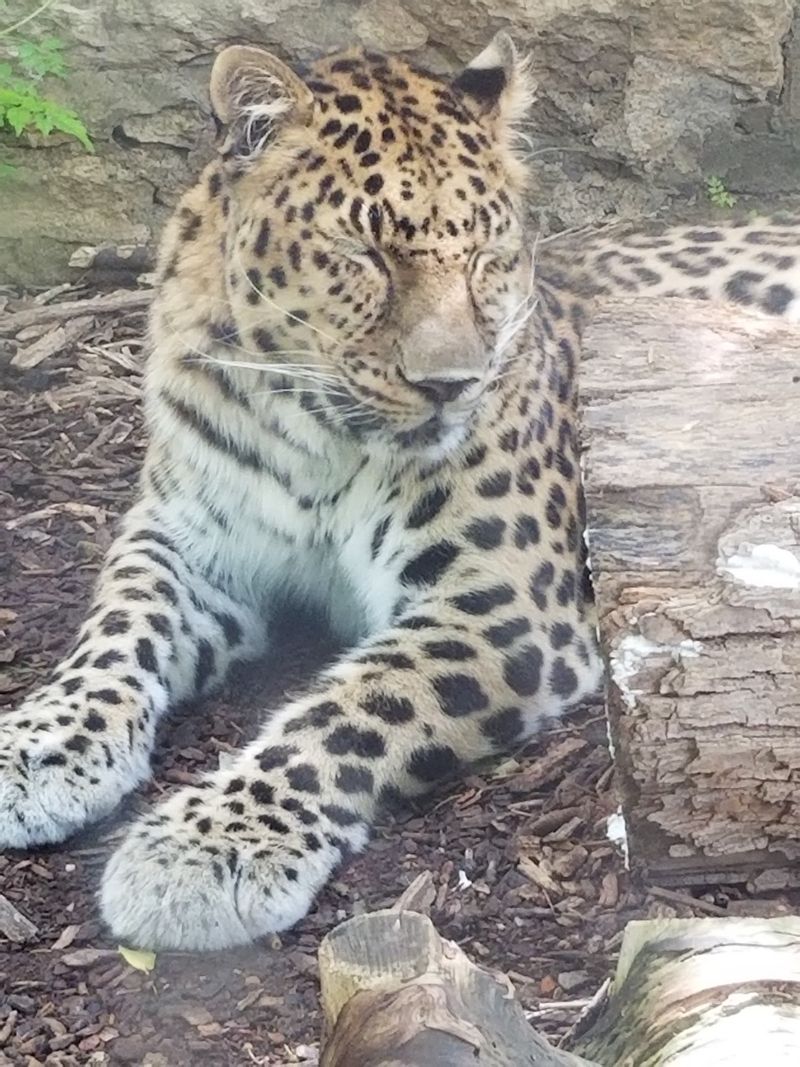
Few additions to a zoo generate as much buzz as a brand-new immersive trail, and Expedition Asia, which debuted in 2022, delivers on every bit of that anticipation. The trail begins with a dramatic gateway that signals a clear shift in atmosphere, drawing you away from the main path and into a richly designed Asian wilderness environment.
Inside, an elevated boardwalk provides universal accessibility while also placing visitors at eye level with animals like sloth bears and Amur leopards during keeper training sessions. The Malayan tiger habitat spans nearly 11,000 square feet, offering panoramic views that make the encounter feel genuinely cinematic.
A clever rotating system allows tigers and sloth bears to swap habitats, keeping both the animals and the visitors on their toes. The Expedition Asia Overlook Pavilion is also available for private events, meaning the trail serves the community in more ways than one.
This expansion represents the zoo’s boldest statement yet about its future direction.
Themed Trails That Transport You Across Continents
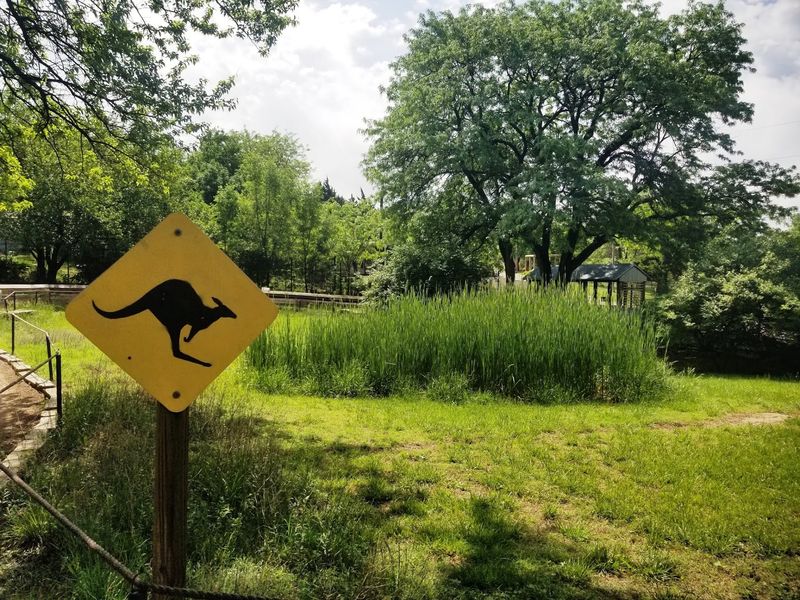
Beyond Expedition Asia, the zoo organizes its animal residents into a series of distinct thematic trails that give each section its own personality. The African Trail, the Australian Walk-About, the Kansas Plains area, and the Trails of South America each offer a noticeably different visual and ecological feel.
The Australian Walk-About is a particular crowd-pleaser, where Western grey kangaroos graze and emus roam with an air of casual confidence that makes you feel like you have wandered onto the wrong continent. The Kansas Plains section grounds the experience in local ecology, a reminder that the Flint Hills region has its own remarkable wildlife story to tell.
The Nature Exploration Center ties these trails together as a central hub for learning, housing smaller species like domestic ferrets and common boa constrictors alongside multi-purpose classrooms. Moving from trail to trail feels like flipping through chapters of a globe-spanning story, each one vivid and distinct from the last.
AZA Accreditation and the Science Behind the Care
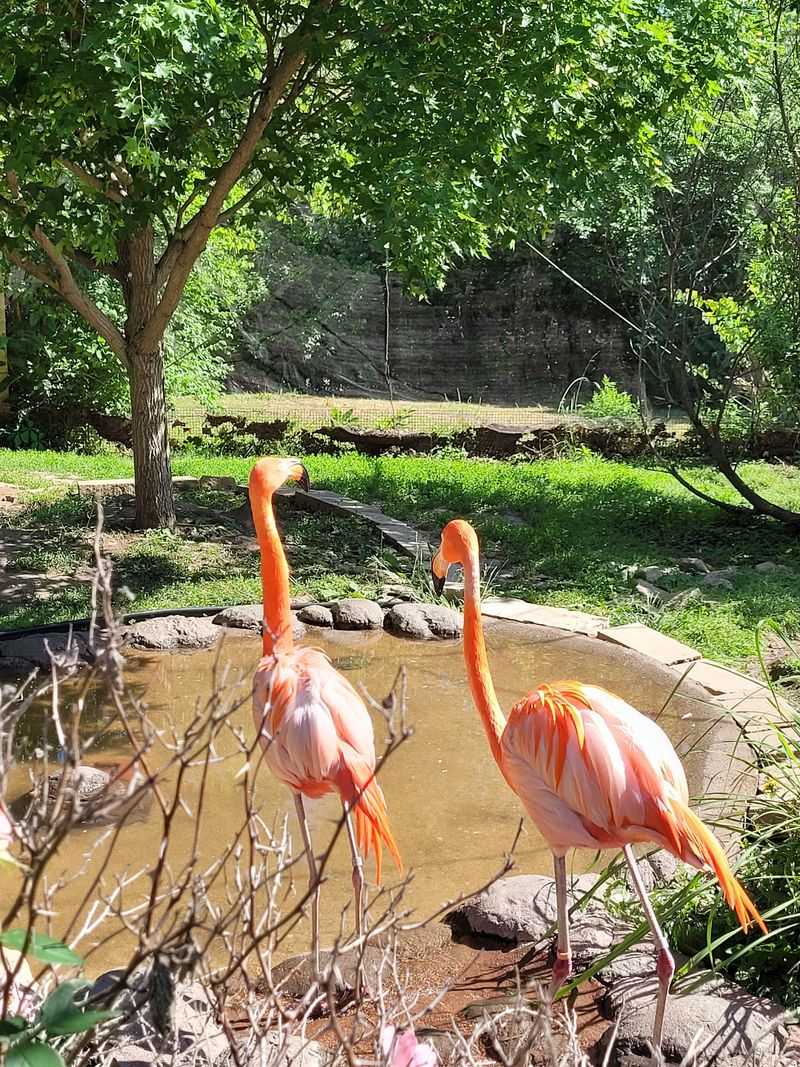
Earning accreditation from the Association of Zoos and Aquariums is no small achievement. Sunset Zoo has maintained its AZA status since 1989, a distinction that requires meeting rigorous standards for animal care, staff training, conservation participation, and facility management.
That accreditation is not just a badge on the wall. It connects the zoo to a nationwide network of institutions working collectively on Species Survival Plans, and Sunset Zoo actively participates in 16 of those programs.
These plans coordinate breeding and transfer recommendations across accredited facilities to protect the genetic health of threatened species.
For visitors, AZA membership also unlocks a practical benefit: a Friends of Sunset Zoo membership grants half-price or free admission at more than 150 other accredited zoos and aquariums across the country, including the Topeka Zoo. The zoo’s commitment to accreditation standards means that every exhibit, every keeper interaction, and every habitat improvement is guided by the best available science in animal welfare.
Conservation in Action: From Kansas Fields to Malaysian Forests
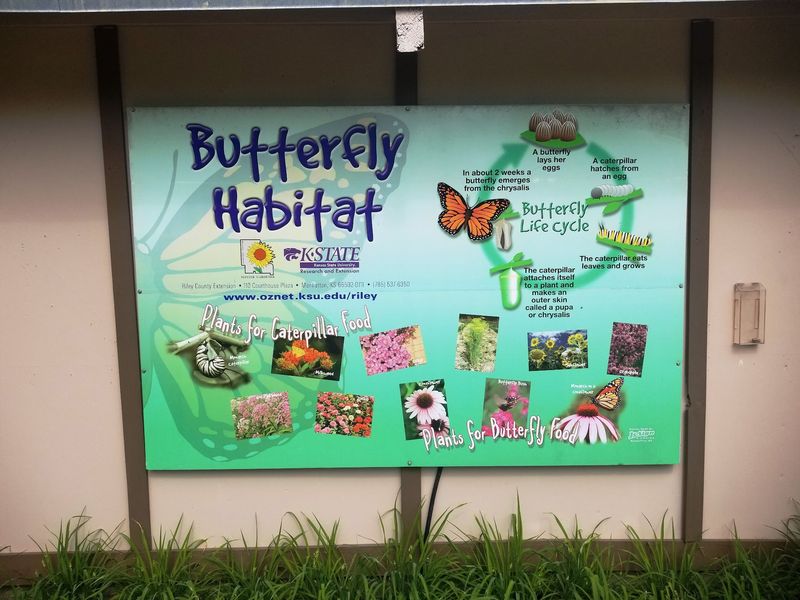
The zoo’s mission, “Inspiring Conservation of the Natural World,” is one of those statements that could easily remain abstract, but here it translates into concrete, measurable action. One of the most locally meaningful projects is the black-footed ferret reintroduction program in western Kansas, a collaborative effort to restore a species that was once considered extinct in the wild.
Each fall, the zoo participates in monarch butterfly tagging, gathering migration data that contributes to broader population research. Pollinator gardens on the grounds support local ecosystems and serve as living classrooms for visitors of all ages.
On a global scale, the zoo supports forest protection efforts for tigers in Malaysia, meaning that a family admission ticket in Manhattan, Kansas, has a direct connection to habitat preservation thousands of miles away. The Friends of Sunset Zoo, a dedicated non-profit, channels community donations into these initiatives, ensuring that local enthusiasm for wildlife translates into real-world conservation outcomes far beyond the zoo’s fences.
Educational Programs That Spark a Lifelong Love of Wildlife
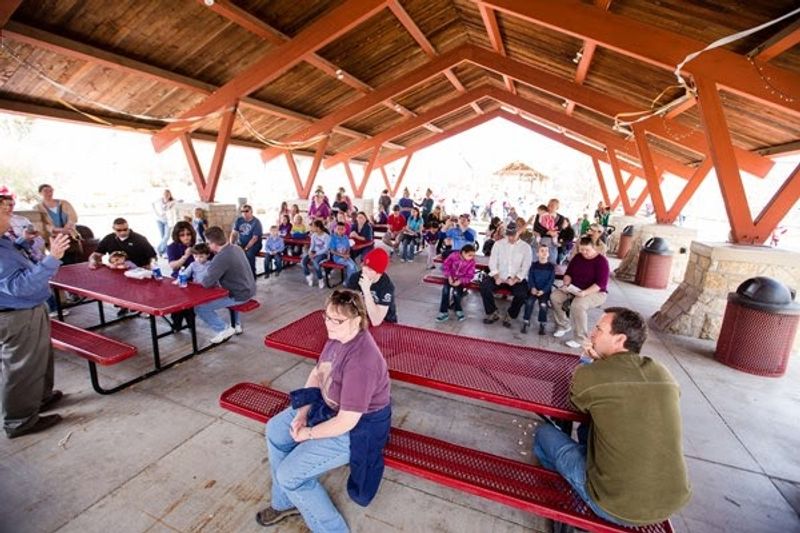
The Animal Tales program is the kind of thing that turns a casual zoo visit into a memory a child carries for years. Combining storytelling with live animal ambassador encounters, it creates an emotional connection between young visitors and the species they are learning about, which is far more effective than reading a sign on a fence post.
Safari Camps take that engagement even further, offering structured outdoor education that blends exploration, hands-on activities, and wildlife science in a format that keeps kids genuinely excited. The Nature Exploration Center provides the classroom infrastructure to support these programs, with multi-purpose spaces designed for interactive learning.
Guided tours cover topics ranging from animal adaptations to the careers available within a zoo environment, opening doors for young people who might not have considered wildlife conservation as a path. The zoo also offers off-site animal visits, bringing the education directly to schools and community events.
Every program here feels purposeful rather than performative.
Special Events and Celebrations That Fill the Calendar

The zoo’s event calendar adds a whole extra dimension to what is already a compelling destination. Earth Day brings the “Party for the Planet” celebration, turning environmental awareness into an interactive, community-wide experience with hands-on booths and activities.
Water Safari offers a cooling afternoon of water-themed fun, complete with a Little Splash Zone for the youngest visitors.
As the leaves turn, the SPOOKtacular event transforms the familiar paths into a festive autumn experience that families look forward to each year. Zoo Late Nights open the gates after hours, offering cooler temperatures and a genuinely different perspective on the animals and their evening behaviors.
Private events add another layer of versatility, with the Nature Exploration Center accommodating nearly 300 guests, and the Expedition Asia Overlook Pavilion and Historic Limestone Pavilion available for everything from corporate gatherings to wedding receptions. The zoo can even be reserved for exclusive after-hours visits, giving groups a truly unique backdrop for any occasion.
Practical Tips for Planning Your Visit

Getting the timing right can make a meaningful difference at this zoo. From April through October, the gates open daily at 9:30 AM and close at 5:00 PM, with exhibits beginning to wind down around 4:30 PM.
Winter hours shift to a 12:00 PM opening, making it a pleasant afternoon outing during the cooler months.
Admission is reasonably priced, with adults paying $11.00 and children ages 3 to 12 paying $9.00; children 2 and under enter free. A Friends of Sunset Zoo membership pays for itself quickly, especially given the reciprocity benefits at over 150 other AZA-accredited institutions nationwide.
Parking is free and plentiful in the main lot across from the ticket booth, with overflow options available on busier days. The Expedition Cafe operates seasonally, and water refill stations are available throughout the grounds.
The zoo is closed on Thanksgiving, Christmas Eve, Christmas Day, and New Year’s Day, so checking the schedule at sunsetzoo.com before heading out is always a smart move.
A Vision for the Future: What the Master Plan Promises
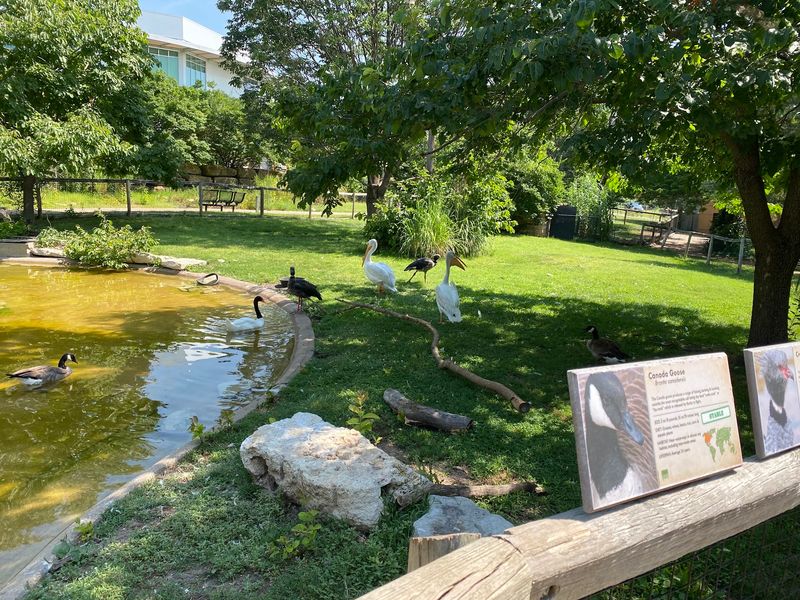
For a zoo with nearly a century of history, the most exciting chapter might still be ahead. A comprehensive master plan guides the institution’s development over the next two to three decades, designed as a living document that evolves alongside changes in accreditation standards and animal care science.
Among the most anticipated additions are a giraffe exhibit with feeding opportunities, a return of lions to the park, a butterfly house, a new children’s adventure area, and an expansive African Savannah exhibit. A carousel and a children’s adventure course are also in the works, generating new revenue to fund the broader expansion without sacrificing the intimate atmosphere that makes the zoo so appealing.
The plan prioritizes larger, more naturalistic habitats, building on the success of Expedition Asia as a model for future development. For a park that began on land too rocky for a cemetery, the trajectory from those humble origins to this ambitious future vision is nothing short of extraordinary, and the best is genuinely yet to come.
Share this story