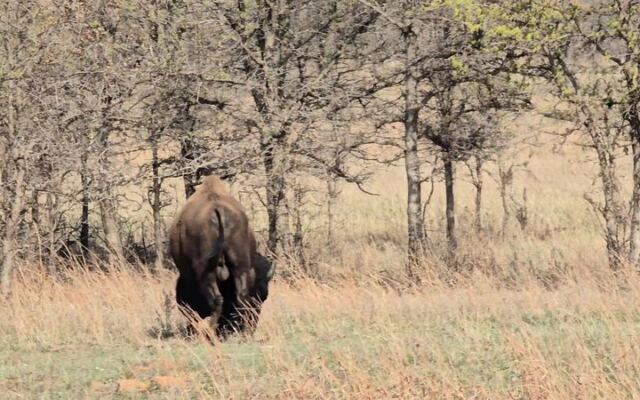
Oklahoma has a way of surprising you when you least expect it, and few surprises hit harder than rounding a bend on a quiet highway and coming face to face with a massive, shaggy bison standing just a few feet from your car window. The Wichita Mountains Wildlife Refuge, tucked near the small town of Indiahoma in southwestern Oklahoma, is one of those places that sounds ordinary on a map but turns into something you talk about for years.
It is a sprawling, ancient landscape where wildlife roams freely and the roads run right through the middle of it all. If you have never driven through a working bison range before, this is your chance.
Where the Refuge Sits and What It Actually Is
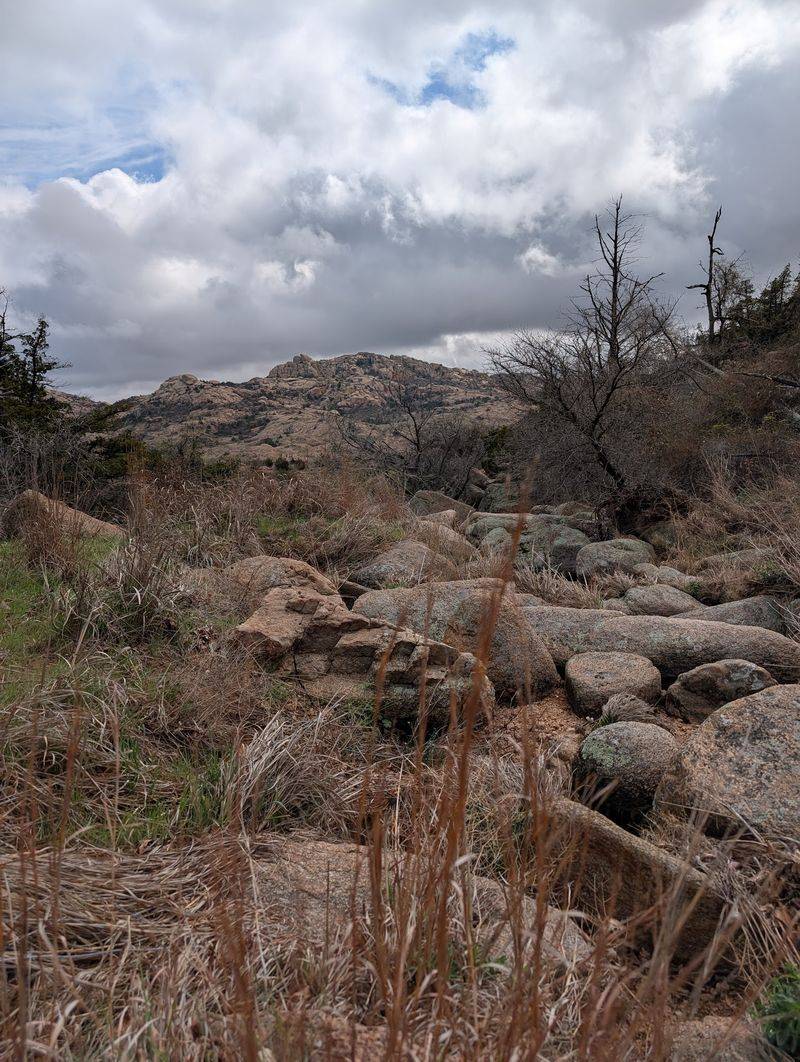
Anchored along Oklahoma State Highway 49 near the small southwestern town of Indiahoma, the Wichita Mountains Wildlife Refuge is one of the oldest federal wildlife refuges in the entire United States. It covers roughly 59,000 acres of granite-studded hills, open prairie, and scattered wetlands, making it one of the most geologically distinctive landscapes in the state.
The refuge sits within the Wichita Mountains range, a cluster of ancient rounded peaks that rise unexpectedly from the surrounding plains. These mountains are among the oldest exposed rock formations in North America, giving the whole area a rugged, almost otherworldly character that feels nothing like the flat Oklahoma stereotype most outsiders carry around.
Managed by the U.S. Fish and Wildlife Service, the refuge was established to protect native wildlife and restore ecosystems that had been stripped bare by overgrazing and overhunting in the late 1800s.
Today it stands as a living example of what careful, long-term conservation can accomplish. Visitors often arrive expecting a quiet nature drive and leave genuinely stunned by the scale and wildness of the place.
The Bison Herd That Defines the Whole Experience
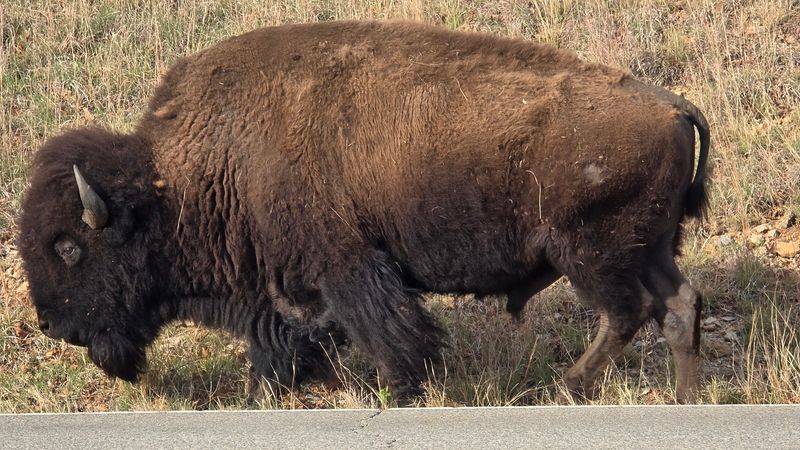
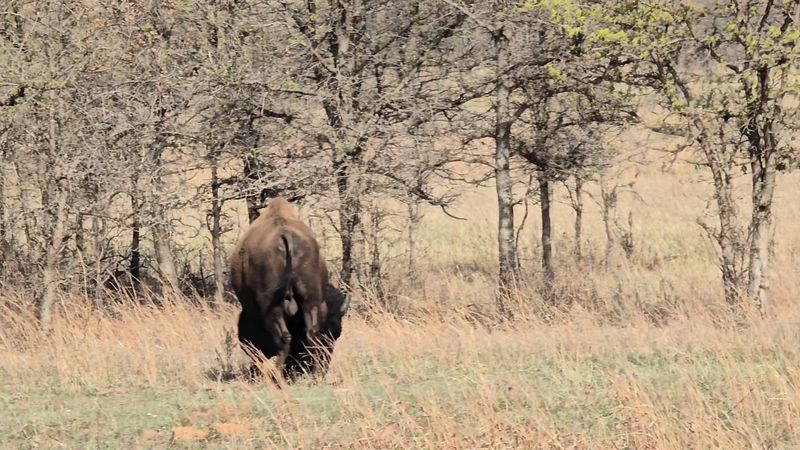
Somewhere around 650 bison roam freely across the Wichita Mountains Wildlife Refuge, and spotting them is not a matter of luck but of patience and timing. These are not penned animals behind a fence.
They wander wherever they please, which means a family of bison might be grazing right beside the road, crossing in front of your car, or wandering through a picnic area like they own the place. Honestly, they kind of do.
The refuge has maintained a bison herd for over a century, tracing its roots back to a small founding group brought in from the New York Zoological Society in 1907. That original herd helped save the American bison from the edge of disappearance, making this place quietly historic in ways most visitors do not fully realize until they read the signs.
One visitor account mentions seeing bison walk directly through a picnic table area, which captures the spirit of the refuge perfectly. There are no guarantees of a sighting, but regulars say the odds are strongly in your favor on almost any visit.
Pulling over and watching a herd graze in the shadow of ancient granite peaks is an experience that feels genuinely wild and completely unforgettable.
Longhorn Cattle Roaming Alongside the Buffalo
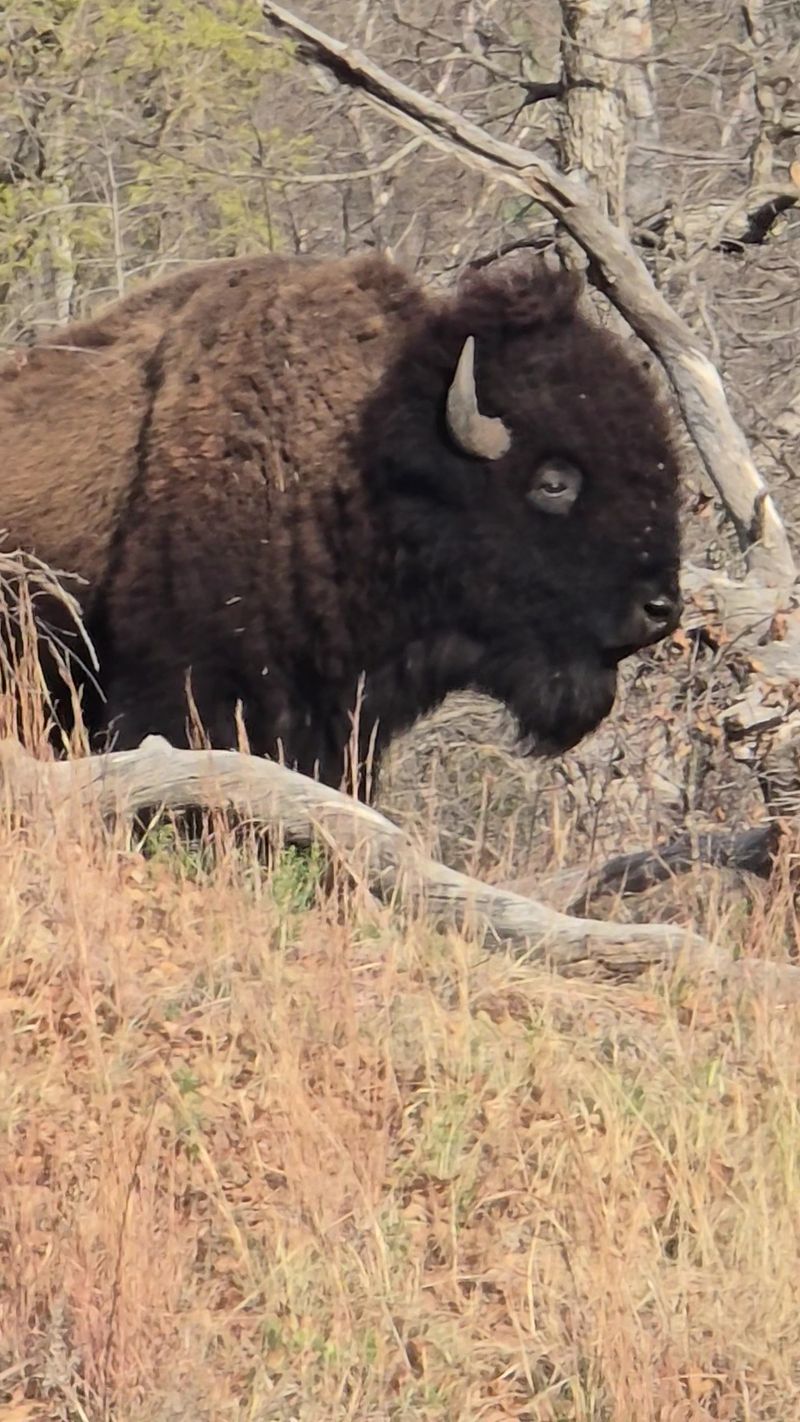
Bison get most of the attention at the Wichita Mountains Wildlife Refuge, but the longhorn cattle herd quietly shares the spotlight in a way that catches many visitors off guard. These are genuine Texas longhorns, with sweeping horns and a lean, sun-weathered look that feels ripped straight from an old cattle drive photograph.
Seeing them graze alongside bison on the same open prairie is a sight that has no easy comparison.
The longhorn herd at the refuge serves a preservation purpose similar to the bison program. Texas longhorns nearly disappeared in the early twentieth century as ranchers shifted to meatier breeds, and the refuge helped maintain a pure breeding population at a time when few others were paying attention.
That effort helped keep the breed alive for future generations.
Both herds wander the same landscape, and on a good day you might spot bison and longhorns within the same field of view, separated only by a stretch of open grass. It is an image that feels almost too cinematic to be real, yet there it is, right off a public Oklahoma highway.
Visitors who come only for the bison often leave talking just as much about those long, sweeping horns.
Prairie Dog Towns Scattered Across the Refuge
Few wildlife spectacles are as purely entertaining as a thriving prairie dog town, and the Wichita Mountains Wildlife Refuge has several of them. These small, barrel-shaped rodents live in sprawling underground colonies and spend their days popping in and out of burrow openings, barking alarm calls at passing cars, and generally going about their busy lives with tremendous enthusiasm.
Prairie dog towns at the refuge can stretch across several acres, with dozens of mounded burrow entrances visible from the road. Slowing down and watching the colony for even a few minutes reveals a surprisingly complex social structure.
Sentinels post up near burrow entrances and sound warnings when anything suspicious approaches, while others forage or groom nearby.
Beyond being fun to watch, prairie dog colonies play a significant ecological role in the refuge. Their burrows aerate the soil and provide shelter for other species, including burrowing owls that often take over abandoned tunnels.
The whole interconnected system is a working example of how a healthy grassland ecosystem functions when left relatively undisturbed. For families with kids, the prairie dog towns tend to become an unexpected highlight of the visit, easily rivaling the bison for sheer entertainment value.
Hiking Trails Through Ancient Granite and Open Sky
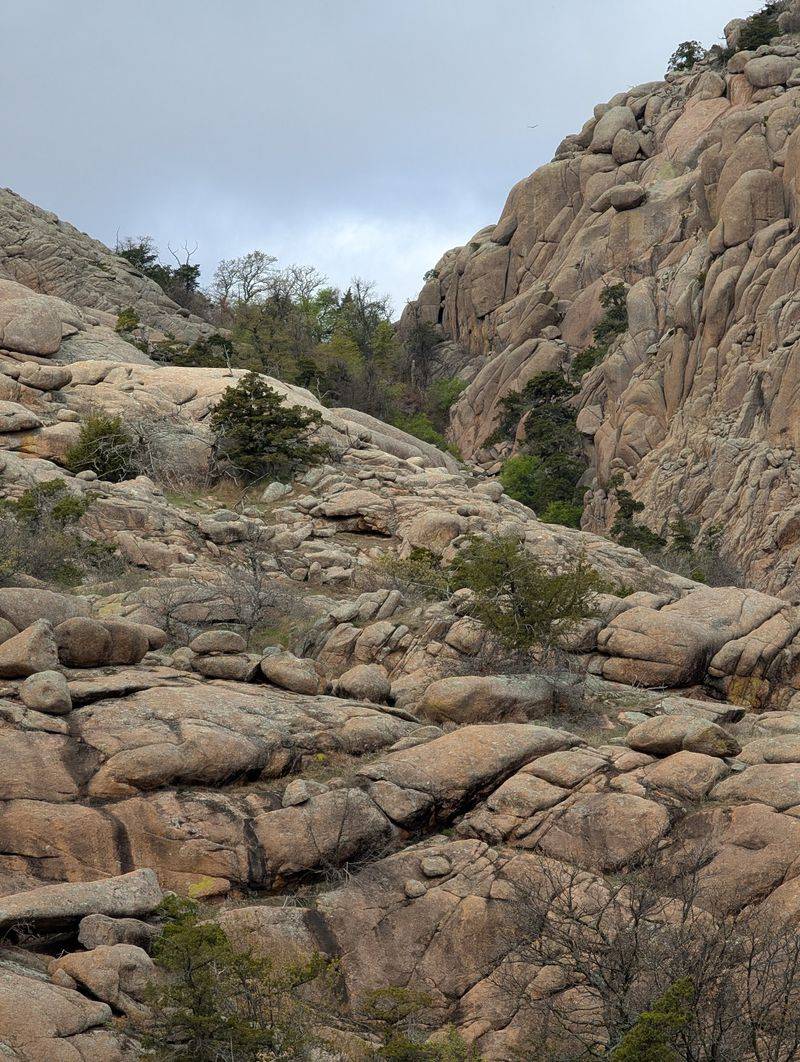
Pulling off the main refuge road and hitting a trail on foot changes the experience completely. The Wichita Mountains offer a network of hiking paths that range from short, accessible walks to longer climbs up granite formations with sweeping views across the Oklahoma plains.
The terrain is rocky, raw, and genuinely beautiful in a way that rewards hikers who take their time.
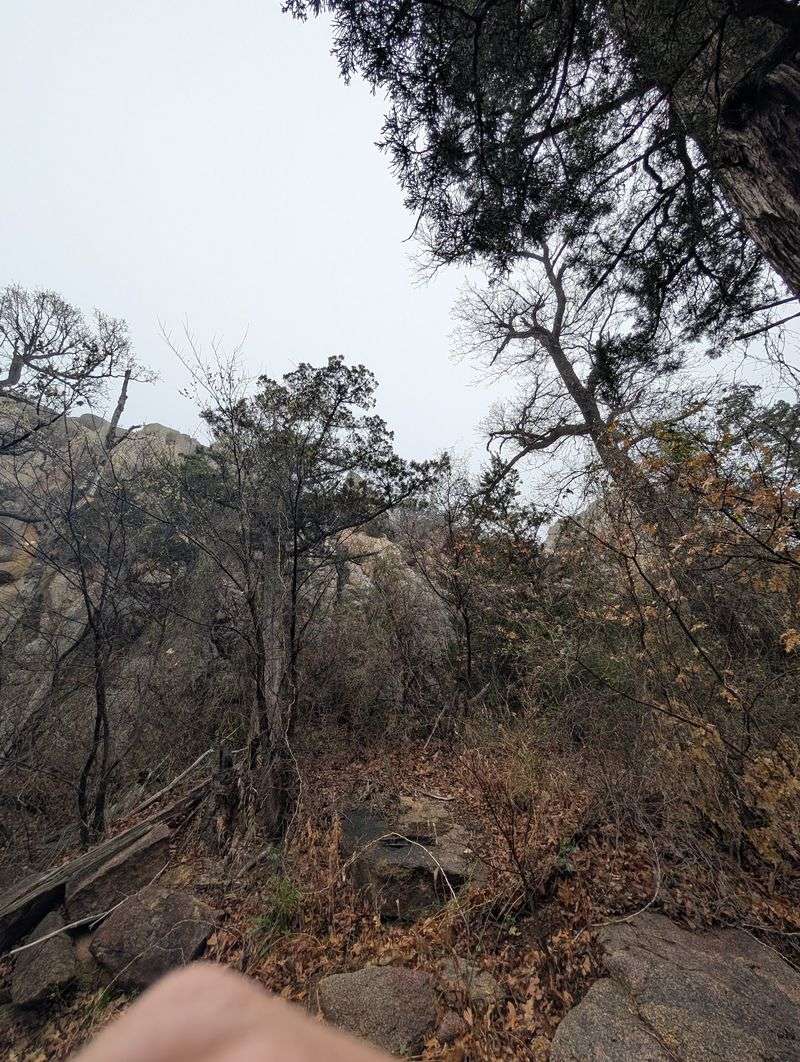
Mount Scott, one of the most popular destinations in the refuge, offers a paved road to its summit, but the hiking trails that wind through the surrounding boulders give a much more intimate sense of the landscape. The granite itself is striking, massive rounded formations in shades of pink and gray that catch the light differently depending on the time of day.
Wildlife encounters on the trails are common and unpredictable. Deer, wild turkey, and the occasional elk have all been spotted by hikers moving quietly through the refuge.
The open grassland sections between rocky outcrops offer long sightlines, which means you often see animals before they see you. Mornings and late afternoons tend to bring the most activity, and the light during those hours makes the granite glow in a way that is genuinely hard to photograph but impossible to forget.
Fishing, Picnicking, and Slowing Down on Purpose
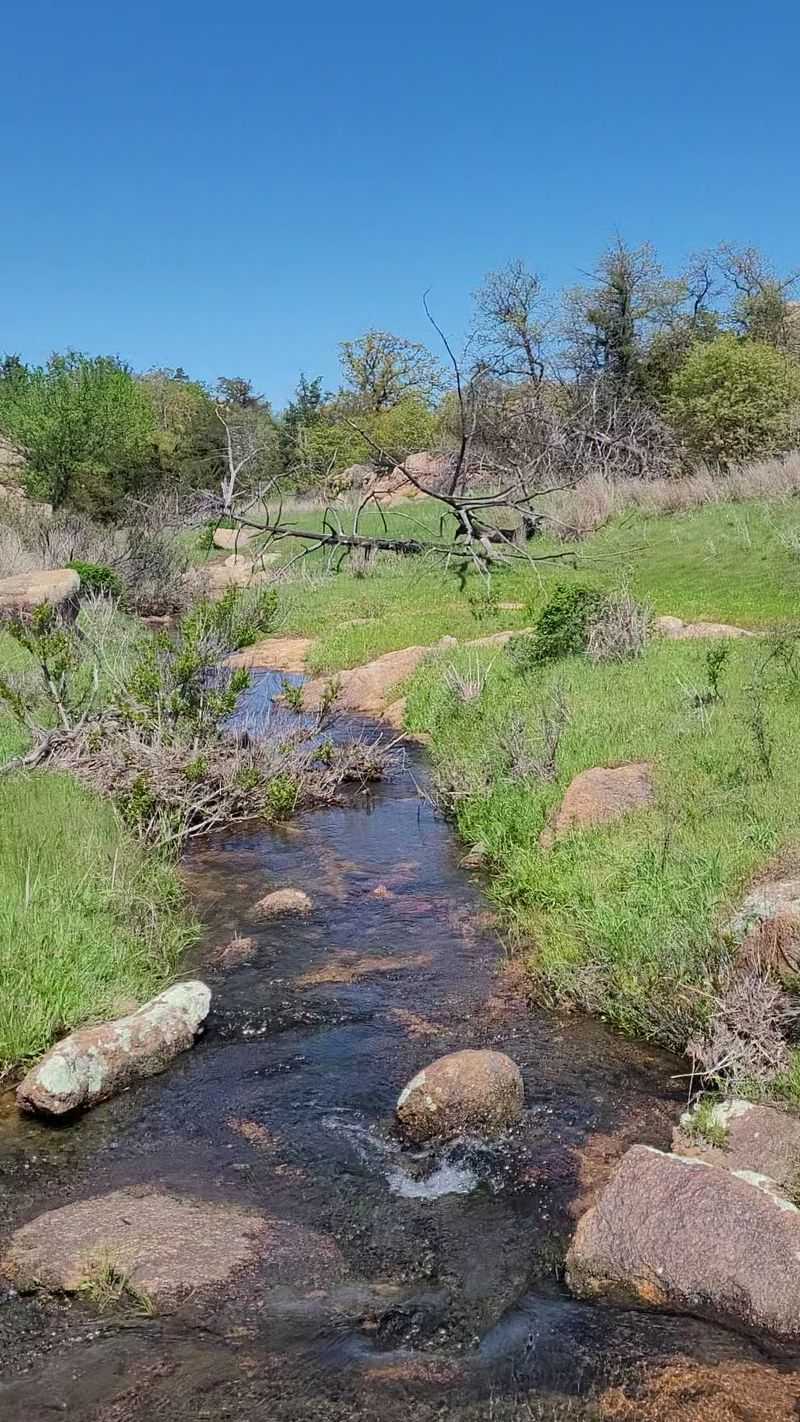
Not every visit to the refuge needs to involve a long hike or a wildlife safari. Several lakes and streams within the refuge offer fishing opportunities, and the calm, rocky-shored waters attract anglers looking for a quiet morning away from crowded public lakes.
The setting alone makes casting a line here feel different from anywhere else in the state.
Picnic areas are scattered throughout the refuge and offer shaded spots to eat, rest, and watch the landscape do its thing. The catch, of course, is that bison have been known to wander directly through these areas.
One visitor account describes watching bison stroll casually past picnic tables, which is either thrilling or slightly alarming depending on your comfort level with large animals. Keeping a respectful distance is always the right call.
The slower pace of a picnic or fishing trip actually suits the refuge well. Sitting still for an hour near a lake or in a grassy clearing gives wildlife a chance to forget you are there, which often results in sightings that a fast drive-through would never produce.
Elk, deer, and various bird species frequently appear when visitors settle into the landscape rather than racing through it. The refuge rewards patience in every season.
Who Belongs Here and When to Show Up
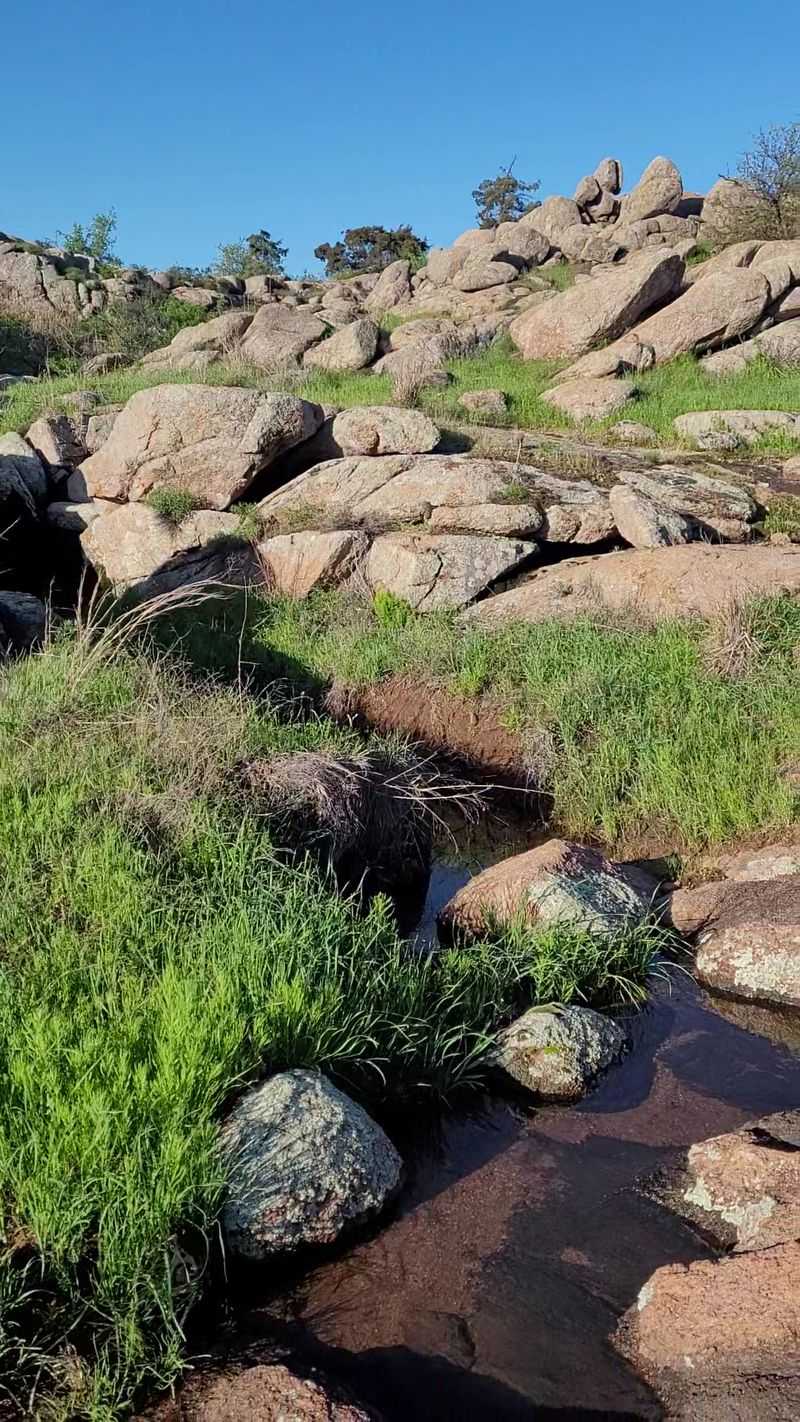
The Wichita Mountains Wildlife Refuge works for an unusually wide range of visitors, which is part of what makes it such a reliable Oklahoma day trip. Families with young children love the drive-through wildlife experience because it requires no special gear and delivers immediate, visible payoff.
Kids who spot a bison from the car window tend to react with the kind of genuine, unscripted excitement that no theme park can manufacture.
Photographers and outdoor enthusiasts find the refuge equally rewarding, with dramatic granite formations, open skies, and unpredictable wildlife creating constantly changing compositions. Serious hikers can push into longer trail systems, while casual visitors are perfectly content driving slowly and stopping whenever something interesting appears near the road.
Timing matters more than most people realize. Early mornings and evenings bring the most wildlife activity, with animals more likely to be near roads and water sources during cooler parts of the day.
Spring and fall offer the most comfortable temperatures for hiking, while summer visits work best if you arrive early and plan to be back in your car before midday heat peaks. Winter visits can be surprisingly rewarding too, since the sparse vegetation makes wildlife easier to spot against the open landscape.
Getting There, Road Hours, and What to Know Before You Go
Finding the Wichita Mountains Wildlife Refuge is straightforward once you know to follow Oklahoma State Highway 49, which runs directly through the refuge near Indiahoma in southwestern Oklahoma. The main visitor center sits along this corridor and offers maps, wildlife information, and helpful orientation for first-time visitors.
Cell service can be spotty inside the refuge, so downloading a map before you arrive is a smart move.
One important detail that catches some visitors off guard: the refuge roads close at night. Gates go down after dark, so planning your visit around daylight hours is essential.
Arriving close to closing time and getting locked in is a real possibility if you lose track of the hour, so check current gate times before heading out. Visitor center staff can provide up-to-date schedules.
Entry to the refuge is generally free for drive-through visitors, which makes it one of the most accessible wildlife experiences in the entire state. Some specific recreation areas may have separate fee structures, so checking the U.S.
Fish and Wildlife Service website ahead of time covers that base. Bringing water, sunscreen, and sturdy shoes prepares you for any direction the visit takes.
The refuge sits roughly an hour from Lawton, making it an easy and very worthwhile half-day or full-day Oklahoma road trip.
Share this story