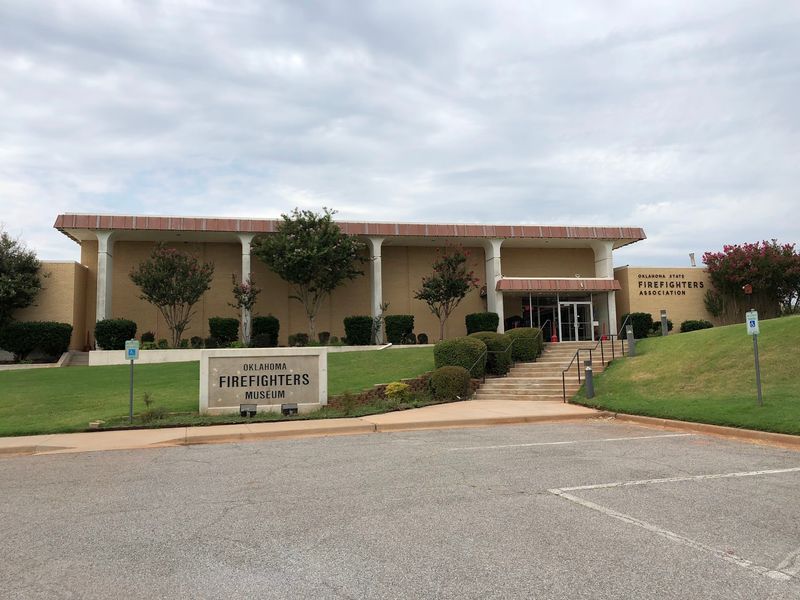
Somewhere in Oklahoma City, tucked inside a building that looks like an ordinary warehouse from the outside, sits one of the most surprisingly captivating museums in the entire state. Most people drive right past it without a second glance, completely unaware of what is waiting inside.
Behind those walls you will find rows of gleaming, restored fire trucks spanning centuries of firefighting history, and yes, you really can climb up and sit behind the wheel of some of them. Whether you are a history lover, a curious road-tripper, or a parent looking for something genuinely memorable to do with your kids, this place has a way of leaving everyone a little wide-eyed.
The Oklahoma Firefighters Museum and Its Surprising Scale
Pull up to 2716 NE 50th Street in Oklahoma City and you will likely do a double take. From the outside, the building reads more like an industrial storage facility than a celebrated museum, which makes the moment you step through the front door all the more rewarding.
The sheer volume of firefighting history packed inside is genuinely jaw-dropping.
Opened in 1969, the Oklahoma Firefighters Museum has been quietly preserving the legacy of American firefighting for well over five decades. The collection spans equipment dating all the way back to the 18th century, making it one of the most historically rich repositories of its kind in the region.
Visitors regularly walk in expecting a modest display and walk out shaking their heads in pleasant disbelief.
The museum is operated under the Oklahoma State Firefighters Association, which means the passion and institutional knowledge behind it run deep. Staff members are often active or retired firefighters themselves, and that firsthand connection to the material comes through in every conversation you have while wandering the floor.
This is not a place built by outside curators guessing at what matters. It was built by the people who lived it.
Antique Fire Engines That Stop You Cold
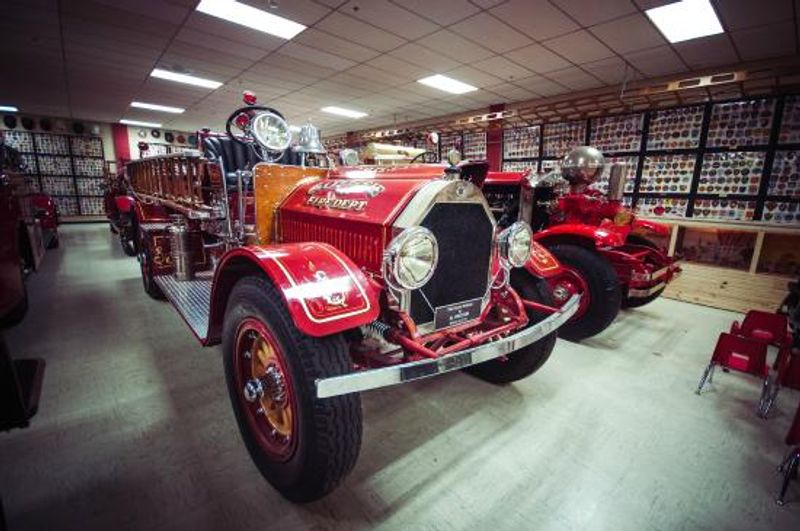
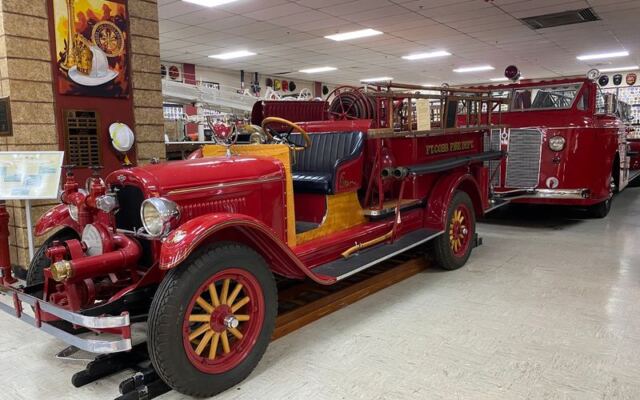
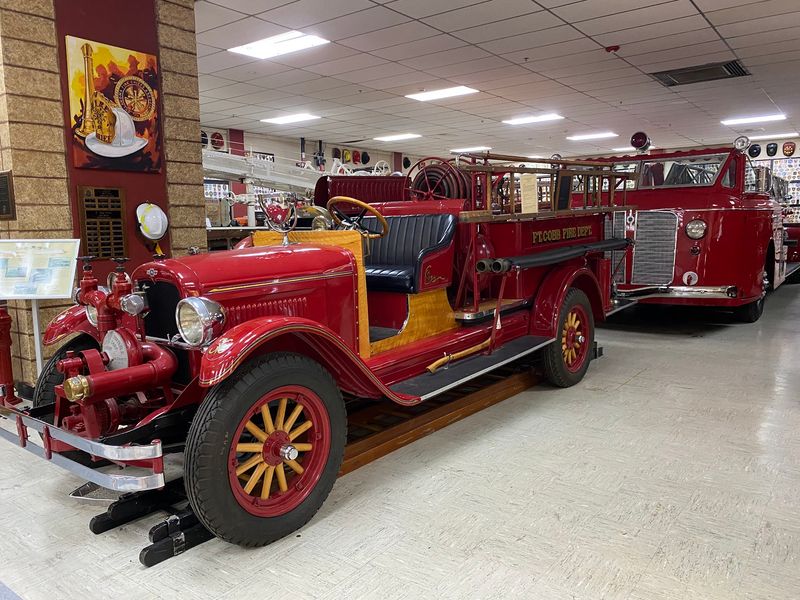
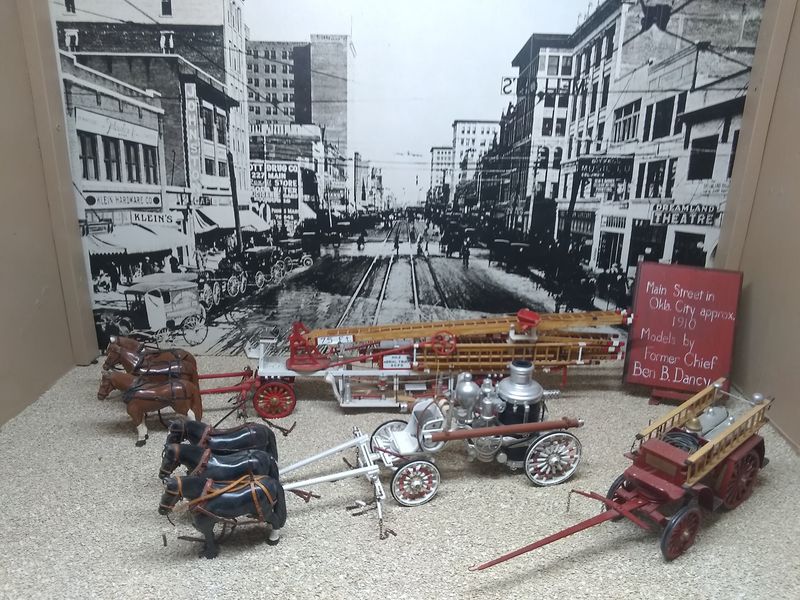
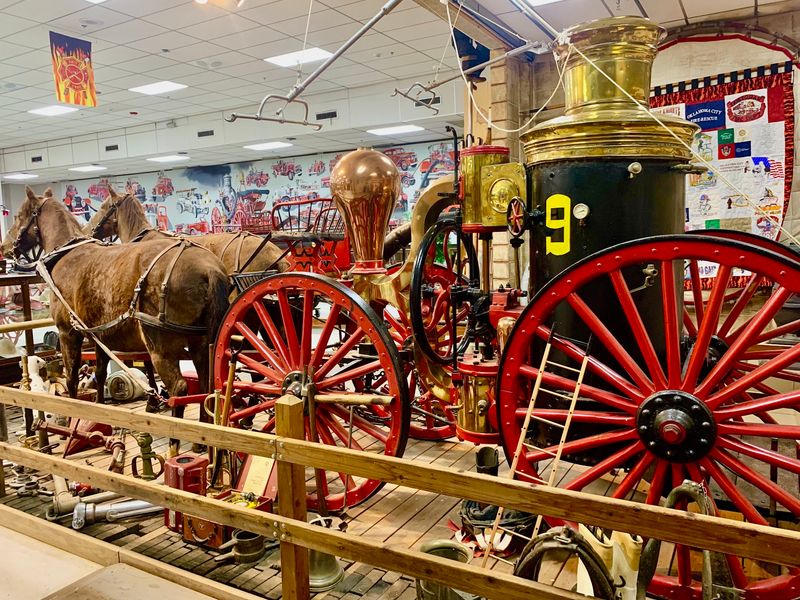
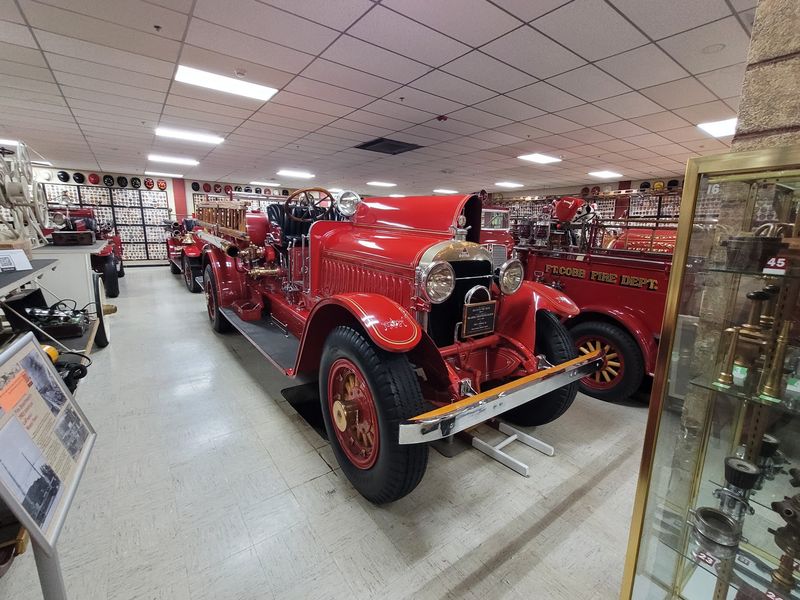
Nothing quite prepares you for the moment you round the corner and see them lined up: row after row of antique fire engines, each one polished to a mirror shine and restored with obvious devotion. Visitors consistently describe the collection as enough to knock your socks off, and that reaction makes complete sense once you are standing in front of one of these century-old machines.
The engines range from hand-drawn carts and early pump rigs to full-scale ladder trucks, covering a remarkable sweep of technological evolution. Seeing how firefighting equipment transformed from simple wooden-wheeled carts to motorized behemoths tells a story about human ingenuity and the relentless drive to protect communities.
Each piece carries its own quiet weight of history.
Some reviewers have noted they would love even more written information posted alongside the individual engines, and that is fair feedback worth keeping in mind. Even so, the visual impact of seeing so many beautifully preserved machines gathered in one place is hard to overstate.
These are not dusty relics shoved into a corner. They are centerpiece-quality restorations treated with genuine reverence, and spending time with them feels more like visiting an art gallery than a storage room.
Sitting Behind the Wheel of a Real Fire Truck
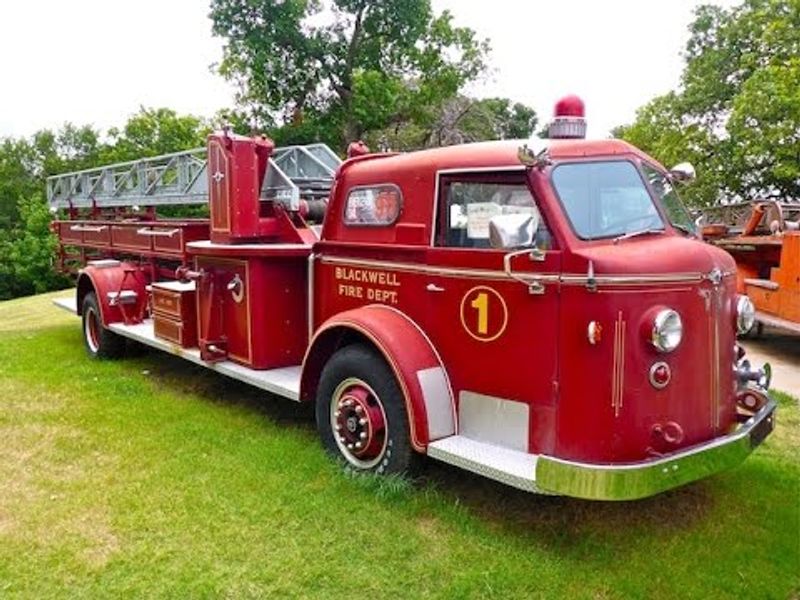
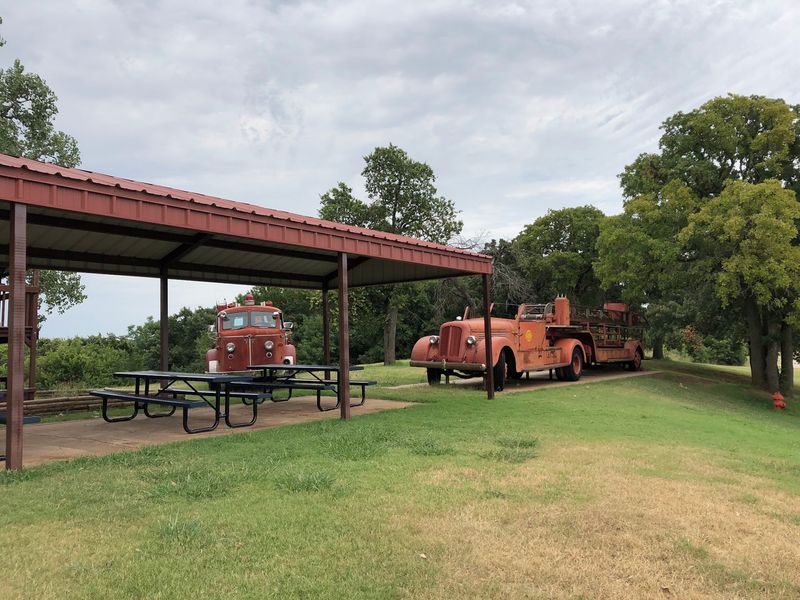
Arguably the most talked-about feature of the whole visit is the opportunity to actually climb up into a fire truck and sit behind the wheel. Outside the museum entrance, several historic fire engines are positioned specifically for this purpose, and the experience carries a kind of simple, electric joy that is hard to replicate anywhere else.
Kids absolutely lose their minds over it, but adults are not immune either. There is something about gripping that oversized steering wheel and looking out over the long hood of a vintage rig that connects you to a feeling most people have not had since childhood.
Photo opportunities abound, and the outdoor engines make for genuinely memorable snapshots rather than the usual tourist-trap selfie.
The indoor fire trucks are a no-touch, no-climb zone, which is completely understandable given their pristine restoration condition. But the outdoor access more than compensates for that boundary.
Families have described the outdoor truck area as an unexpected highlight, and some visitors say the kids talked about it for days afterward. If you are bringing young ones, budget extra time for this part because nobody is going to want to leave in a hurry once they are up in that cab.
The Massive Patch Collection Covering the Walls
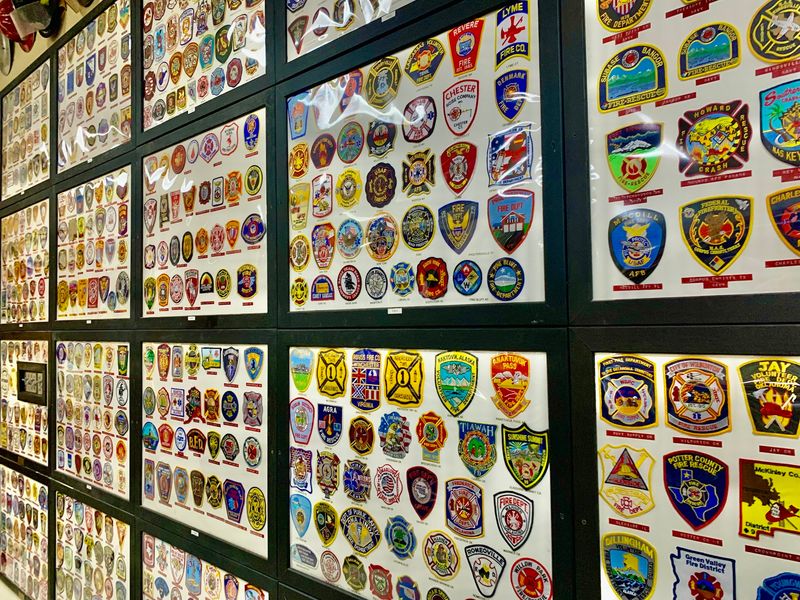
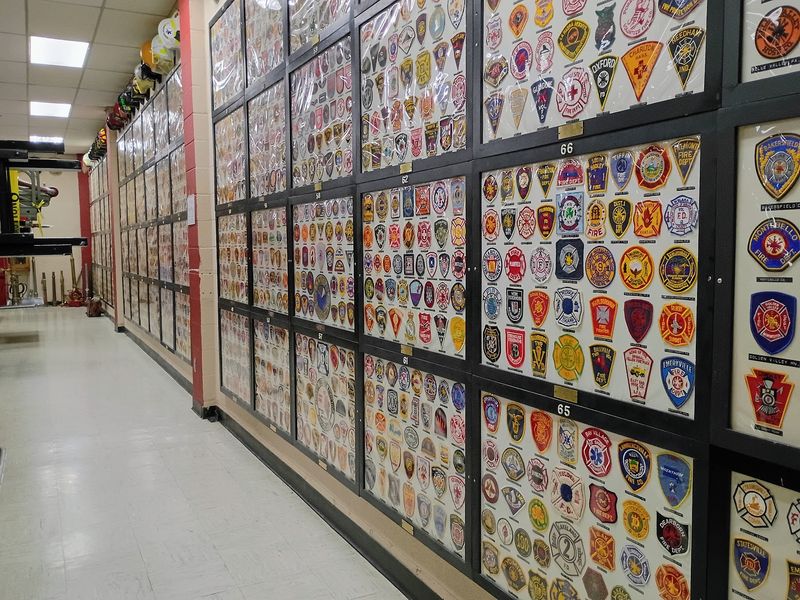
One of the most visually striking and personally resonant features of the museum is the enormous collection of firefighter patches covering the walls from floor to ceiling. With thousands of patches representing fire departments from across the United States and around the world, scanning the display becomes a surprisingly emotional experience for many visitors.
People routinely search the collection for their hometown department patch, and finding it tucked among the thousands of others carries a nostalgic punch that nobody quite anticipates. A visitor from Austria was delighted to find a patch from home and later mailed additional patches from Austrian departments to add to the collection.
That kind of ongoing, international participation speaks to how genuinely beloved this display has become.
A printed catalog is available that lists the source of each patch, which is a thoughtful touch for out-of-towners hoping to track down their local department’s contribution. The museum also participates in challenge coin exchanges with visiting firefighters, trading a coin for a department patch, which adds a living, growing dimension to what could otherwise be a static display.
This wall is not just decoration. It is a constantly evolving record of firefighting communities from around the globe, and it earns its own dedicated stretch of time during any visit.
The Ticker Tape Fire Alarm System and Historic Call Boxes
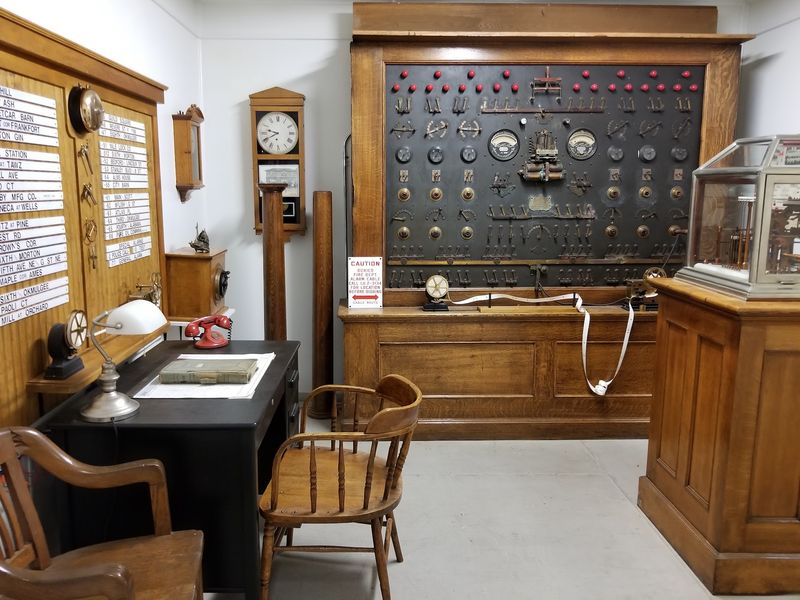
Scattered among the fire engines and uniforms are some genuinely fascinating pieces of communication history that most visitors do not expect to find. The ticker tape machine used to report fire locations is one of the most talked-about individual exhibits in the building, and for good reason.
Watching a demonstration of how fire calls were once transmitted through a city gives you a vivid sense of how different emergency response looked before radio and digital dispatch.
The museum cannot run the machine live during regular visits, but a QR code posted nearby links to a video showing it in full operation. Visitors say the video is absolutely worth scanning and watching on the spot.
The combination of the physical machine and the footage creates a surprisingly immersive moment that pulls you back into the early days of organized firefighting.
The fire call box displays are equally interesting, tracing the evolution of how ordinary citizens summoned help before telephones were common. These cast-iron street boxes, once mounted on corner poles throughout American cities, represent a chapter of urban infrastructure that most people have completely forgotten.
Seeing them up close, with explanatory placards detailing how they worked, rounds out the museum experience with a layer of civic history that goes well beyond the trucks themselves.
Uniforms, Hoses, and a Century of Firefighting Gear
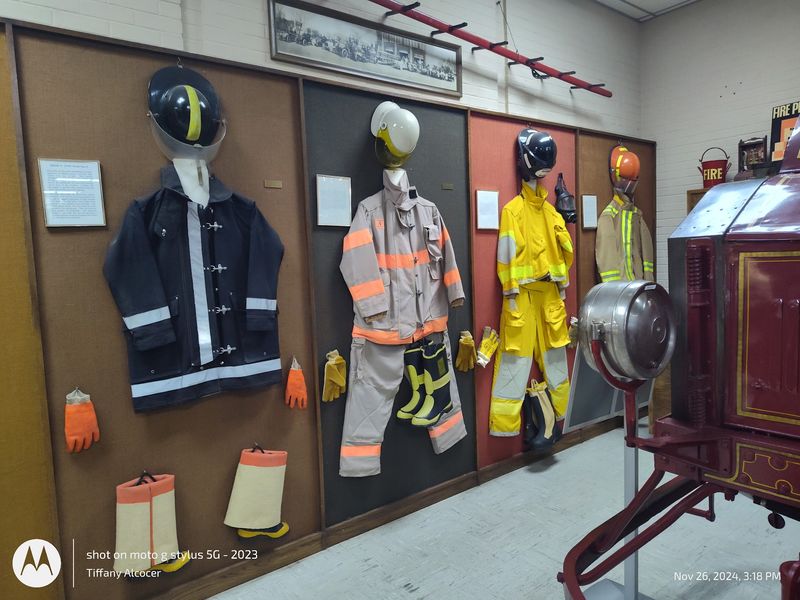
Beyond the trucks and patches, the museum holds an impressive spread of firefighting equipment and personal gear spanning centuries of service. Antique uniforms hang alongside early helmets, breathing apparatus, and the kind of pull hoses that firefighters once dragged by hand through city streets.
Laid out together, these objects map the physical demands and evolving technology of a profession that has always required extraordinary courage.
The progression from early leather buckets and hand pumps to modern protective gear is genuinely fascinating to trace. Each decade brought new materials, new designs, and new understanding of what firefighters actually needed to survive the environments they worked in.
The museum presents this arc clearly, letting visitors absorb the history at their own pace without feeling rushed or lectured.
Firehouse memorabilia fills the spaces between the larger exhibits, creating a layered, almost archaeological quality to the experience. Artifacts appear around every corner, from antique nozzles and axes to framed photographs and departmental insignia.
Visitors who take the time to read the posted information alongside each display report that a single visit can easily stretch to two hours or more. The depth of the collection rewards curiosity, and the more questions you bring with you, the more satisfying the whole experience becomes.
The Fallen Firefighter Memorial
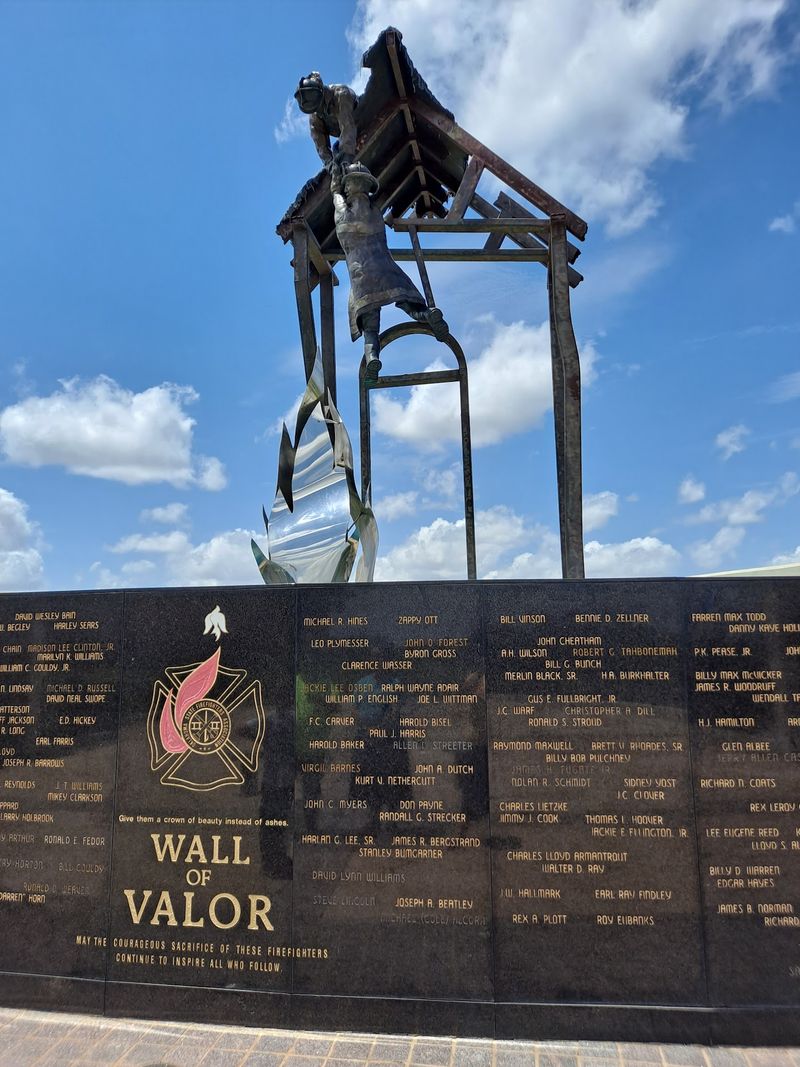
Outside the main building, set apart from the playground and the climbable trucks, stands a memorial dedicated to Oklahoma firefighters who lost their lives in service. Visitors consistently describe it as a quiet, meaningful stop that adds real emotional depth to an already rich visit.
The memorial features a wall of names and a fountain that surprises many guests who do not notice it at first glance.
Several reviewers have called the fountain beautiful and somewhat hidden, giving the whole memorial area an atmosphere of peaceful discovery. Stumbling upon it while the kids are playing nearby or while walking back to the car creates one of those unscripted, reflective moments that stays with you long after the visit ends.
The contrast between the joyful energy of the trucks and playground and the stillness of the memorial space gives the museum a genuine emotional range that elevates it beyond a simple attraction.
Spending even a few minutes at the memorial feels worthwhile regardless of whether you have a personal connection to the fire service. Honoring the people represented there costs nothing but a moment of your time, and the setting makes that easy to do.
The outdoor area is free to access, meaning anyone can pay their respects without purchasing a museum ticket, which is a gracious and generous policy.
The Knowledgeable Staff Who Make It Personal
A museum is only as good as the people who bring it to life, and by that measure the Oklahoma Firefighters Museum punches well above its weight. Staff members here are routinely described by visitors as exceptionally knowledgeable, warm, and genuinely enthusiastic about sharing what they know.
One docent named Lance has been specifically mentioned for delivering tours that manage to be both entertaining and deeply informative at the same time.
The kind of engagement you get here is different from the scripted narration you might encounter at a larger institution. Questions are welcomed and answered with real depth, tangents are encouraged, and the conversation tends to flow naturally from exhibit to exhibit.
That informal, personal quality is part of what makes the museum feel like a discovery rather than an obligation.
Staff have also been known to offer complimentary return tickets when circumstances cut a visit short, and the general ethos of the place seems to be one of genuine hospitality rather than transactional gate-keeping. Most visitors leave having had at least one meaningful conversation with someone on staff, and those exchanges are frequently cited as highlights of the trip.
When the people running a museum clearly love what they are protecting, that feeling transfers directly to everyone who walks through the door.
The Kids Area, Playground, and Outdoor Picnic Space
Families with younger children will be relieved to know that the museum has put real thought into keeping the little ones happy alongside the history-loving adults. Inside, a dedicated kids area offers themed coloring pages, crayons, simple toys, and building bricks to keep small hands busy while parents linger over exhibits.
It is a practical touch that makes longer visits genuinely manageable for families with toddlers and early elementary-age kids.
Outside is where things really open up. A playground sits adjacent to the museum entrance, surrounded by roughly five shaded picnic tables that make the grounds feel like a proper destination rather than a quick stop.
Several reviewers have called the outdoor area an unexpected gem, noting that the combination of the playground, the picnic space, and the climbable fire trucks creates a ready-made afternoon outing all on its own.
The outdoor area is free to access, so even families who are not purchasing museum tickets can enjoy the playground and the exterior fire truck displays. That kind of open-access generosity is relatively rare and makes the museum a genuinely community-friendly destination.
Parents of energetic kids who need to burn off steam between exhibits will find the outdoor setup particularly well-suited to the natural rhythm of a family visit.
The Gift Shop and Souvenir Options
Tucked into the museum space is a modest gift shop that offers a selection of firefighter-themed souvenirs at prices visitors consistently describe as reasonable. Miniature fire trucks, patches, small Lego kits, and other collectibles line the shelves, making it easy to leave with something tangible to remember the visit by.
The shop is not enormous, but it is well-curated and feels appropriate to the scale of the museum as a whole.
For firefighting enthusiasts or collectors, the shop can be a genuine treat, offering items that are harder to find in generic tourist stores. The patch selection in particular aligns nicely with the museum’s broader theme, giving visitors a chance to take home a small piece of the collection they just spent time admiring.
Kids tend to gravitate toward the miniature trucks, which are priced accessibly enough to make saying yes a fairly easy parental decision.
Staff in the gift shop area are generally helpful and willing to point out items of interest, and the overall atmosphere stays consistent with the warm, welcoming tone of the rest of the museum. If you are a fan of challenge coins or fire department memorabilia, asking staff about trading or purchasing options is worth a conversation.
The shop rewards a few extra minutes of browsing before you head back out into the Oklahoma sunshine.
Who Will Love This Museum Most
Age eight to seventy, as one visitor memorably put it, and everyone loved it. That line says a lot about how broadly this museum manages to connect with different kinds of visitors.
History buffs will find plenty to study, young children will be captivated by the sheer size of the trucks, and parents will appreciate that the visit generates genuine excitement rather than reluctant participation.
Firefighters and former fire service members have a particularly meaningful experience here. The museum offers half-price admission for firefighters, which is a small but significant gesture of respect.
Many come specifically to search the patch wall for their own department’s contribution or to engage in the challenge coin exchange, and those personal connections make the visit feel personal in a way that generic tourism rarely does.
Road-trippers passing through Oklahoma City will find the museum a satisfying detour that takes roughly ninety minutes to two hours at a comfortable pace. It is not the kind of place that demands a full day, but it delivers more than its footprint suggests.
Visitors who go in with low expectations consistently come out recommending it to friends and family, which is perhaps the most honest endorsement any attraction can earn. Curiosity is the only prerequisite for a good time here.
Hours, Admission, and Getting There
Planning your visit is straightforward once you know the schedule. The Oklahoma Firefighters Museum is open Tuesday through Saturday from 9 AM to 4:30 PM.
The museum is closed on Sundays and Mondays, so midweek and Saturday visits are your windows. Arriving right at opening on a Saturday tends to result in a quieter, more relaxed experience, as the crowds build later in the morning.
Admission is priced accessibly, with adult entry running around six dollars. Firefighters receive a discount at roughly half the standard adult rate, which is a welcome acknowledgment of the community the museum was built to honor.
The outdoor grounds, including the memorial and the playground, are free to visit regardless of whether you purchase a ticket to the interior exhibits.
The museum sits at 2716 NE 50th Street in Oklahoma City, and parking is available on-site. For questions about group visits or special events, the museum can be reached by phone at 405-424-3440, and additional information is available through the official website at osfa.info.
Local libraries have also been known to offer free passes to members, so checking with your library branch before you go is worth a quick call. The museum is handicap accessible throughout the interior, with the exception of the outdoor picnic area.
Why This Museum Deserves a Spot on Your Oklahoma Road Trip
Oklahoma has no shortage of roadside surprises, but the Oklahoma Firefighters Museum earns its place among the state’s genuinely unmissable stops. What makes it stand out is not any single exhibit but the cumulative effect of everything gathered under one roof: the trucks, the patches, the memorial, the staff, the outdoor access, and the sheer span of history on display.
Together, those elements create something that feels far larger than the building itself.
International visitors have made the trip specifically to see the collection, with guests from Europe noting that the patch display alone justified the detour. That kind of global pull is unusual for a museum of this size and price point, and it speaks to the depth of what has been assembled here over more than five decades of dedicated collecting and preservation.
For Oklahoma locals, the museum is the kind of place worth revisiting as it continues to grow. Expansion plans have been mentioned, including adding more engines and developing additional interactive spaces for younger visitors.
Returning to see what has changed is a reasonable excuse to make the trip more than once. Whether you are chasing history, looking for a family-friendly afternoon, or simply curious about what is hiding behind that warehouse exterior, the Oklahoma Firefighters Museum consistently delivers more than anyone expects.
Share this story