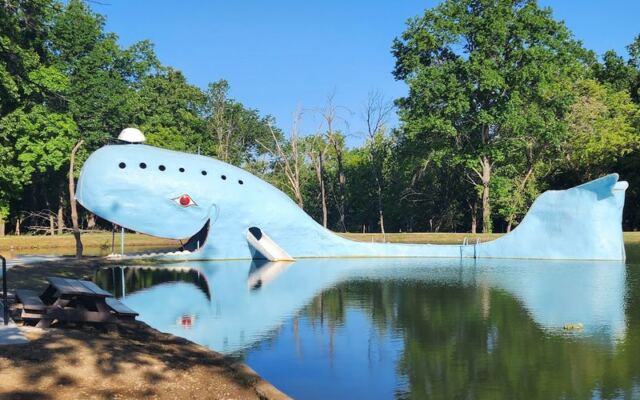
Oklahoma has a way of hiding its most unforgettable surprises right along the open road, and this one is genuinely hard to believe until you see it with your own eyes. Tucked beside a quiet pond just off the Mother Road, a massive concrete creature waits for the curious travelers bold enough to pull over.
Most people blow right past without realizing what they are missing, and that is honestly their loss. Once you lay eyes on this legendary roadside landmark, you will completely understand why generations of road-trippers keep coming back.
Location and What You Are Actually Looking At
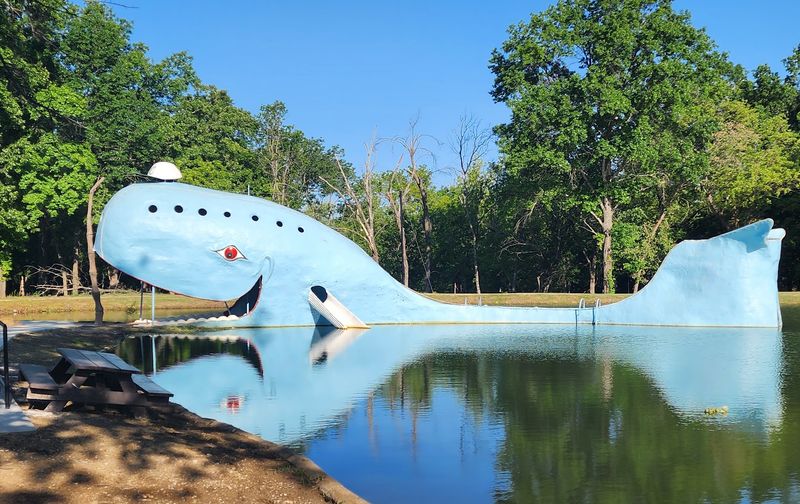
Sitting beside a small, peaceful pond just off old Route 66 in Catoosa, Oklahoma, the Blue Whale is exactly what it sounds like: a massive concrete sculpture of a whale painted a vivid shade of blue, rising out of the water like something from a dream. At first glance, it looks almost too surreal to be real, and that reaction is pretty much universal among first-time visitors.
The whale stretches out over the pond with its open mouth facing the water, giving it a playful, almost cartoonish character that immediately puts a smile on your face. It sits in a grassy area with picnic tables nearby, framed by trees and open Oklahoma sky.
The setting feels wonderfully unhurried, like a place that exists outside of time.
Catoosa is a small town northeast of Tulsa, and the Blue Whale sits right along the historic highway that made America famous for road-tripping. You can spot it from the road if you know to look, but many travelers roll past without a second glance, missing one of the most genuinely charming stops on all of Route 66.
The Story Behind the Sculpture
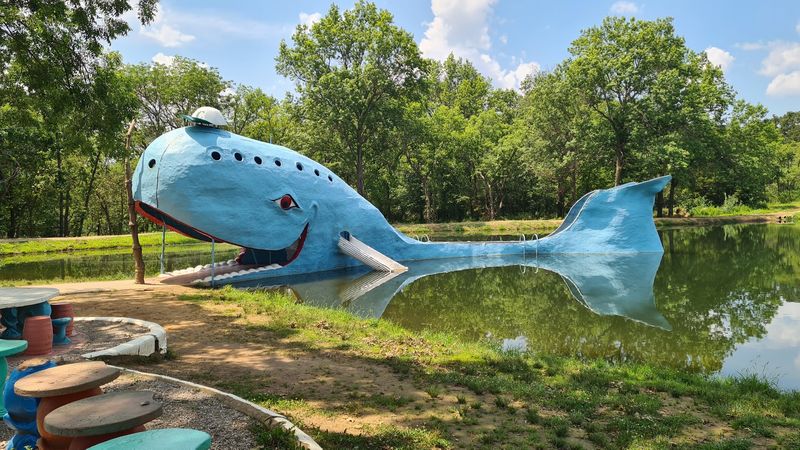
Few roadside attractions come with a backstory as warm and personal as this one. According to a sign on the property, the Blue Whale was built as an anniversary gift, which makes the whole thing feel less like a tourist attraction and more like an enormous labor of love sitting right in the middle of Oklahoma.
That origin story gives the whale a sentimental quality that sets it apart from the typical roadside curiosity. Knowing that someone built a giant concrete whale for someone they loved adds a layer of charm that no marketing campaign could manufacture.
Visitors who read the sign often linger a little longer, looking at the sculpture with fresh appreciation.
Over the decades, the Blue Whale grew from a private family treasure into a beloved community landmark and eventually an internationally recognized stop on Route 66. People from across the United States and from countries around the world make a point of stopping here, drawn by its quirky fame and the genuine warmth of its origin.
The story has a way of sticking with you long after you have driven away.
The Whale Up Close
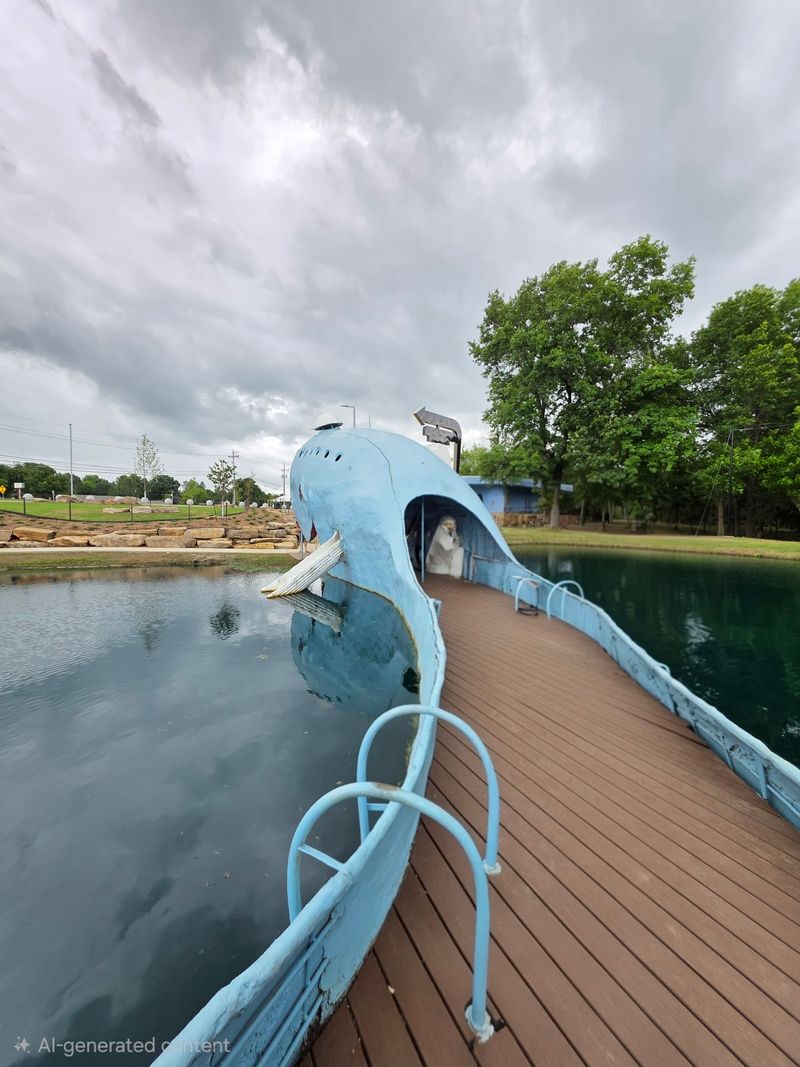
Getting up close to the Blue Whale is a completely different experience from spotting it from the road. The sheer scale of the thing hits you the moment you walk toward it, and suddenly the photos you have seen online do not quite capture how wonderfully absurd and delightful it actually is in person.
You can walk right out onto the whale itself, climbing up and standing on its back for a view of the surrounding pond and grounds. The structure is solid concrete, painted that unmistakable shade of blue that photographs beautifully in almost any light.
The open mouth gapes toward the water in a way that feels both goofy and majestic at the same time.
Visitors tend to spend a surprising amount of time just exploring the sculpture from every angle, posing for photos, and marveling at the craftsmanship involved in building something this large by hand. Kids especially love scrambling around on it, and adults who grew up visiting the whale often feel a wave of nostalgia wash over them the moment they are standing beside it again.
The tactile, hands-on nature of the attraction is a big part of its lasting appeal.
The Pond and Its Residents
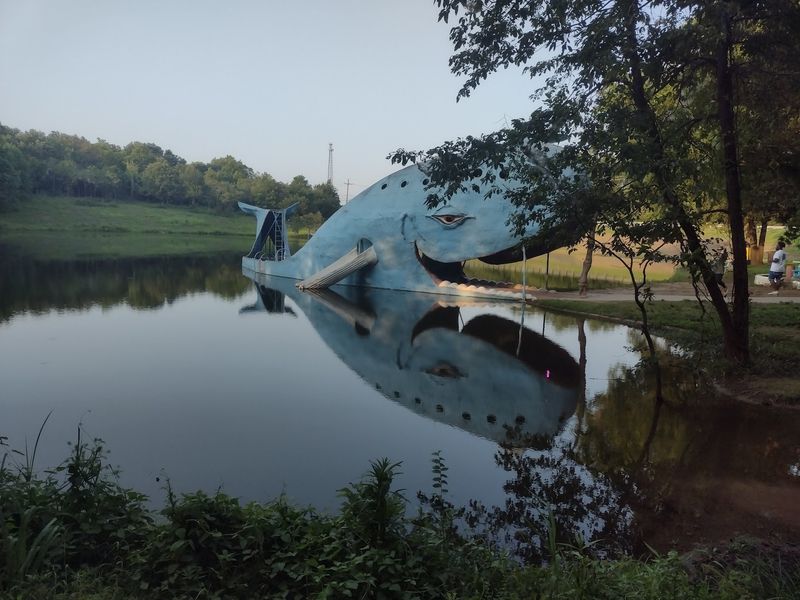
The pond surrounding the Blue Whale is more than just a scenic backdrop. It is home to fish and turtles that have become minor celebrities in their own right among regular visitors.
Bringing food to toss into the water is one of those simple pleasures that ends up being a highlight of the whole stop.
Visitors mention that you can buy fish food at the gift shop on-site if you forget to bring your own, which is a thoughtful touch that keeps the experience accessible for spontaneous drop-ins. Watching the fish and turtles crowd toward the surface when food hits the water is genuinely entertaining for all ages, and kids tend to absolutely love it.
One reviewer mentioned that their young grandson loves fishing at the whale and meeting people from all over the world who stop here, which paints a lovely picture of how this small pond creates unexpected connections between strangers. The water adds a calming, natural element to what could otherwise feel like a purely novelty stop, giving the whole place a relaxed, unhurried atmosphere that makes it easy to stay longer than you originally planned.
Picnic Area and Grounds
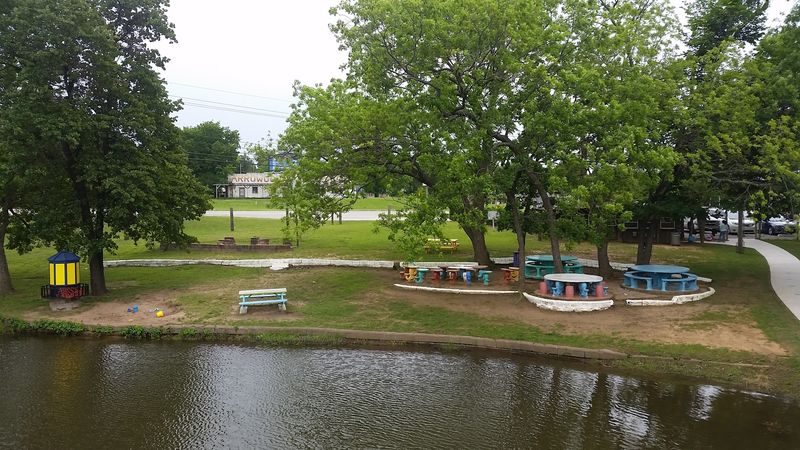
Road trips are always better when you can actually stop and breathe for a moment, and the Blue Whale grounds make that easy. Picnic tables are scattered around the property, giving travelers a genuinely pleasant spot to unpack a lunch, stretch their legs, and soak in the quirky surroundings before getting back on the road.
The grassy area around the pond and the whale is well-suited for a casual break. There is enough open space for kids to run around, and the combination of the water, the trees, and that enormous blue sculpture in the background creates a picnic setting unlike anything else on Route 66.
Visitors regularly mention the picnic area as one of the underrated highlights of the stop.
A walking trail on the property gives you a chance to get a little exercise and see the whale from different perspectives as you circle around. The grounds feel relaxed and low-key, which fits perfectly with the spirit of old Route 66 road-tripping.
Pulling off the highway to sit at a picnic table beside a giant blue whale is exactly the kind of spontaneous, joyful detour that makes a long drive genuinely memorable rather than just something to endure.
The Gift Shop Experience
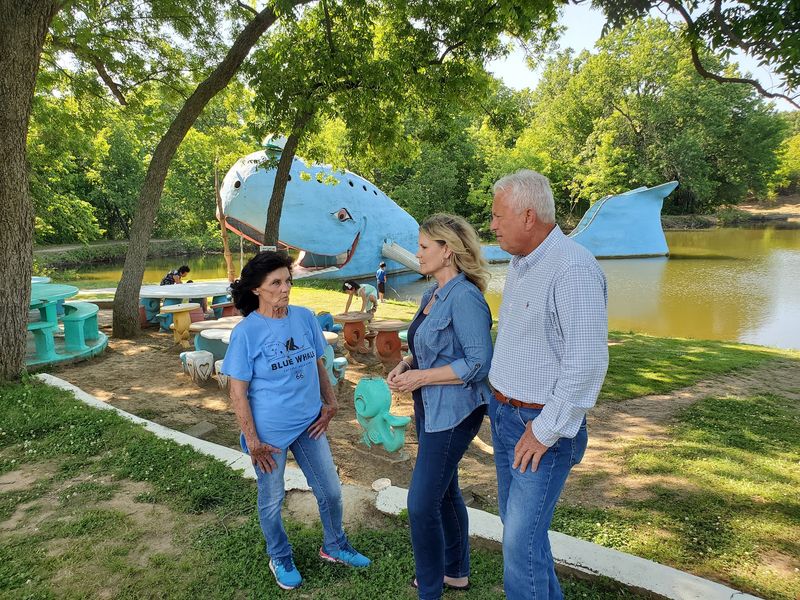
Small gift shops at roadside attractions can go either way, but the one at the Blue Whale has earned consistent praise from visitors over the years. The shop carries a range of blue whale-themed souvenirs including magnets, shirts, and postcards, all of which make for genuinely fun mementos of a stop that most people will want to remember.
The staff have been described repeatedly as friendly and knowledgeable, with at least one team member who reportedly knows a great deal about the local area and the history of the attraction. That kind of personal touch transforms a simple souvenir transaction into a brief, warm conversation that adds to the overall experience of being there.
Fish food for the pond is also available to purchase inside, which is a clever and practical addition to the shop’s inventory. The building itself has been undergoing renovations in recent times, with visitors noting new construction and updates happening on the property.
The gift shop maintains its charming, small-scale character even as improvements are made around it, and it remains a worthwhile few minutes of browsing before you climb back into the car and continue down the highway.
A Swimming Hole with History
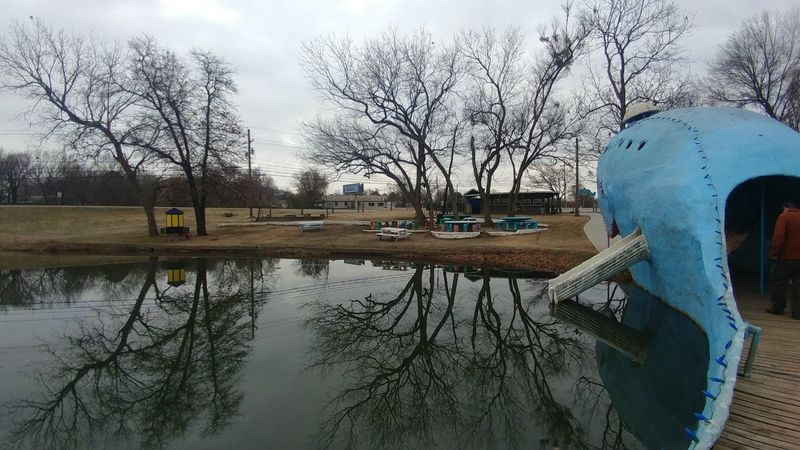
Long before the Blue Whale became an internationally known roadside landmark, it served a much more personal purpose for the families and kids of the Tulsa area. For many Oklahoma natives, the pond beside the whale was a swimming hole, a place to cool off during hot summers and make the kind of childhood memories that stick around for decades.
Some visitors today grew up swimming at the whale and return as adults with spouses or children of their own, eager to share that piece of their personal history. That generational connection gives the place an emotional depth that goes well beyond its novelty value as a quirky roadside attraction.
For a certain generation of Tulsans, the Blue Whale is not just a landmark but a living piece of their childhood.
The swimming history adds a layer of authenticity to the attraction that feels genuinely Oklahoma. This was not built for tourists originally; it was built for love and enjoyed by a community long before the wider world caught on.
That backstory makes every visit feel a little more meaningful, like you are stepping into a piece of real, lived local history rather than a manufactured experience designed purely for the road-trip selfie crowd.
International Appeal Along a Historic Highway
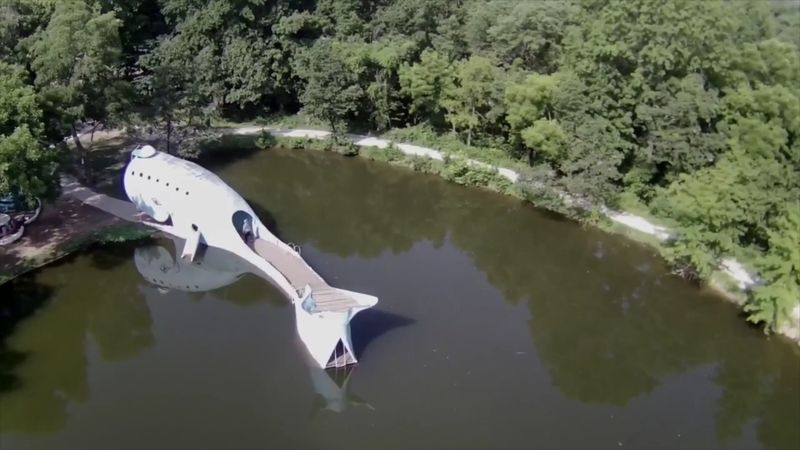
Route 66 draws road-trippers from every corner of the globe, and the Blue Whale of Catoosa has become one of its most talked-about stops among international travelers. Visitors have noted with genuine surprise just how many people from other countries make a deliberate point of stopping here, turning a small Oklahoma pond into an unlikely meeting place for people from wildly different backgrounds.
That international draw speaks to something universal about the whale’s appeal. A giant blue concrete animal rising out of a peaceful pond, built as a gift, free to visit, and completely unpretentious: it translates across cultures without needing any explanation.
People who have never heard of Route 66 until planning an American road trip often cite the Blue Whale as one of their most memorable stops.
The mix of visitors you encounter on any given day can be wonderfully eclectic, ranging from Oklahoma families on a weekend outing to European travelers crossing the country by car for the first time. That variety creates spontaneous conversations and shared moments of delight that you simply do not get at more polished tourist destinations.
The Blue Whale has a democratic, open-arms quality that makes everyone feel equally welcome.
Ongoing Renovations and What to Expect
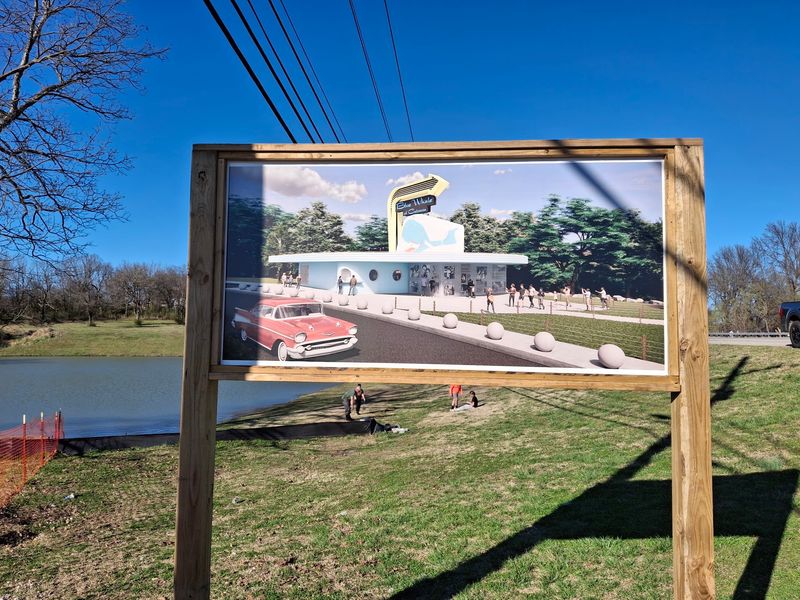
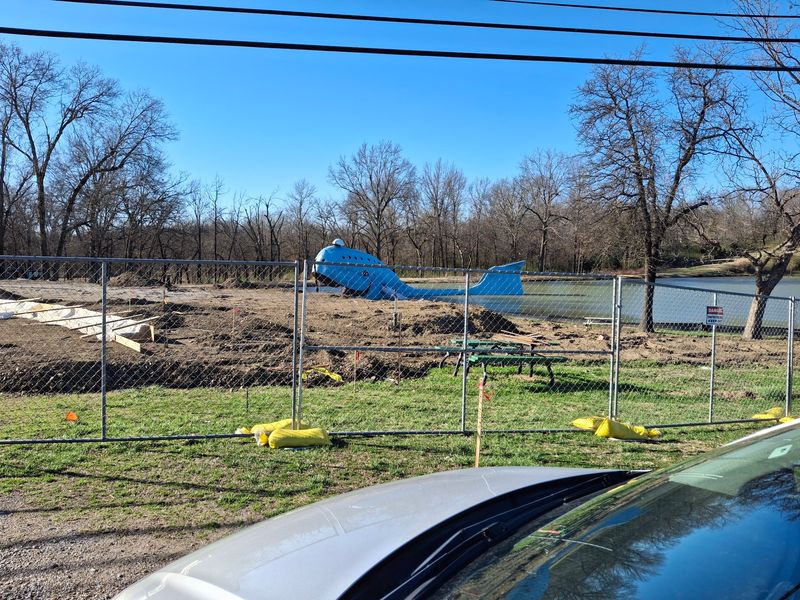
Recent visitors have noted that the Blue Whale site is currently in the middle of significant renovations. As of late 2025, the parking lot, visitor amenities, and surrounding facilities were being rebuilt, with a new building and updated infrastructure taking shape around the beloved sculpture.
The whale itself remains visible and accessible during this period.
The construction is widely believed to be connected to larger Route 66 centennial preparations, with communities along the historic highway investing in upgrades ahead of increased visitor interest. While the active construction site is not exactly the most polished backdrop for photos, the whale itself continues to draw visitors who are happy to navigate around the work zones for a chance to see it.
If you are planning a visit in the near term, it is worth checking current conditions before you go, since the grounds are evolving quickly. Visitors who have stopped during the renovation period still report a worthwhile experience, noting that the whale remains the star of the show regardless of what is happening around it.
Once the new amenities are complete, the site should offer an even more comfortable and welcoming stop than it has in recent years, making future visits even easier to enjoy.
Who Will Love This Stop Most

Families with young kids are probably the most natural audience for the Blue Whale, and the attraction delivers for that crowd in a big way. Children light up at the sight of the enormous sculpture, and the combination of climbing opportunities, pond wildlife, and open green space gives them plenty to do for a satisfying stop without requiring any special preparation or gear.
That said, the whale has just as much pull for adults traveling without kids, particularly those with a fondness for Americana, roadside history, or the kind of offbeat discovery that makes a long drive worth remembering. Photography enthusiasts find endless angles to work with, and history buffs appreciate the layers of story packed into one modest Oklahoma property.
Nostalgia seekers, especially those who grew up in the Tulsa area, often find the visit unexpectedly emotional. Returning to a place that holds childhood memories, and sharing it with someone who has never seen it before, turns a ten-minute stop into something genuinely touching.
The Blue Whale rewards curiosity across every age group and travel style, which is a rare quality in any attraction and a big reason why it keeps pulling people off the highway decade after decade.
Getting There, Hours, and What It Costs
Finding the Blue Whale is straightforward if you are already traveling Route 66 through northeastern Oklahoma. The attraction sits in Catoosa, just a short drive northeast of Tulsa, and it is close enough to the city that it works equally well as a day trip destination or a natural pit stop on a longer cross-country journey.
The surrounding area is easy to navigate, and the site is accessible directly off the historic highway.
One of the most appealing things about the Blue Whale from a practical standpoint is the price: admission is completely free. There is no gate, no ticket booth, and no fee to walk up to the whale, explore the grounds, or enjoy the pond.
The gift shop and any fish food you pick up are optional extras, but the core experience costs you nothing but the time it takes to pull over.
Bathrooms are available on the property during the warmer months, according to visitor reports, which is a genuinely useful detail for road-trippers planning their stops. Parking is available on-site, though the lot has been part of the ongoing renovation work.
The attraction functions as a quick stop if you are pressed for time, but the relaxed atmosphere makes it easy to linger for much longer than you planned.
Share this story