Around the world, some regions and communities have long dreamed of governing themselves separately from the countries they belong to. These separatist movements can reshape elections, spark protests, and even lead to conflict.
From Europe to Africa to the Pacific, the push for self-rule is very much alive today. Understanding these movements helps us see why borders and identity still matter so much in modern politics.
1. Spain – Catalan Independence Movement
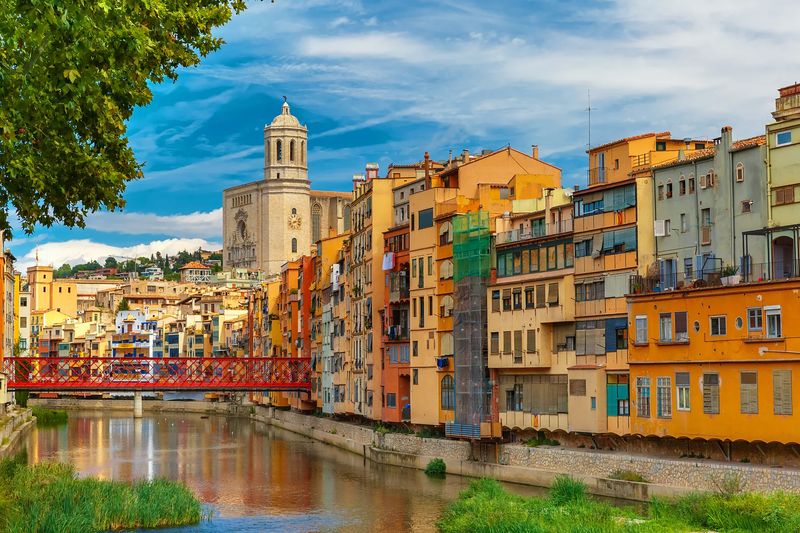
Few political debates in Europe have been as passionate and persistent as the one over Catalan independence. Catalonia, a wealthy northeastern region of Spain, has its own language, culture, and history that stretch back centuries.
Many Catalans believe they deserve the right to decide their own future.
In 2017, the regional government held a controversial independence referendum that Madrid declared illegal. Spanish police clashed with voters, and the images shocked the world.
Several Catalan leaders were jailed or fled abroad, turning them into symbols for the movement.
Even today, independence remains a central issue in both regional and national Spanish politics. Pro-independence parties continue to win seats in the Catalan parliament, keeping the debate very much alive.
Spain has resisted any formal vote, creating a standoff that shows no clear signs of resolution anytime soon.
2. United Kingdom – Scottish Independence Movement
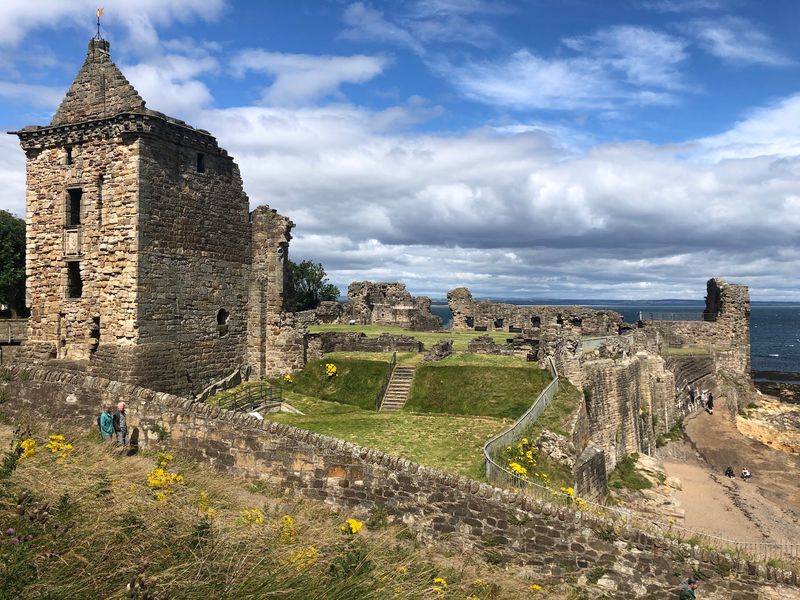
Scotland has been part of the United Kingdom since 1707, but a significant portion of its population believes it would be better off as an independent nation. The Scottish National Party, known as the SNP, has led this charge for decades and currently dominates Scottish politics.
In 2014, Scotland held a legal independence referendum. Voters chose to stay in the UK by 55 percent to 45 percent.
But then Brexit happened. Scotland voted overwhelmingly to remain in the European Union, yet was taken out anyway, reigniting calls for another vote.
The SNP argues that a second referendum, often called IndyRef2, is now justified given the changed circumstances. The UK government in Westminster has so far refused to grant permission for another legally binding vote.
This tension between Edinburgh and London continues to define Scottish politics and British unity on a daily basis.
3. Canada – Quebec Sovereignty Movement
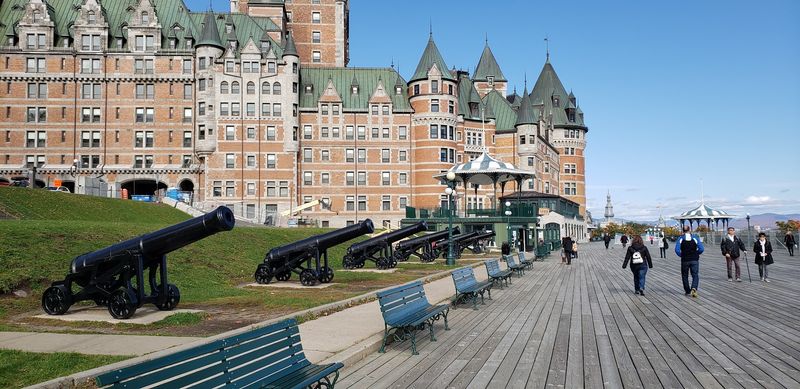
Quebec is Canada’s only majority French-speaking province, and its distinct language and culture have long fueled dreams of independence. The sovereignty movement gained serious momentum in the 1970s under the Parti Quebecois, which first won power in 1976.
Two referendums tested the idea directly. In 1980, Quebecers rejected sovereignty by a wide margin.
The 1995 vote was far closer, with the “No” side winning by less than one percentage point. That razor-thin result showed just how deeply divided the province was.
Today, outright independence is less popular than it once was, but Quebec nationalism still shapes Canadian politics in powerful ways. Debates over language laws, immigration policy, and federal funding regularly pit Quebec against the rest of Canada.
The Bloc Quebecois party continues to win federal seats, reminding Ottawa that Quebec’s distinct identity is never far from the political conversation.
4. Belgium – Flemish Nationalist and Separatist Movements
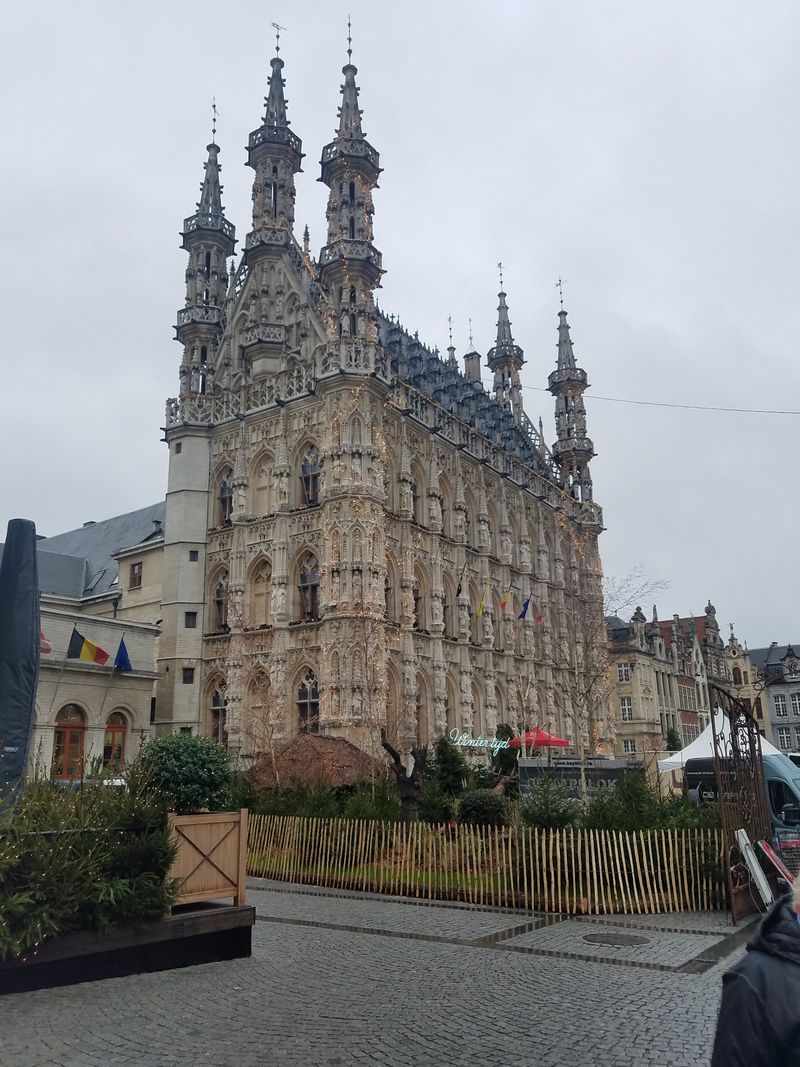
Belgium is a small country with a big identity problem. It is divided between Dutch-speaking Flanders in the north and French-speaking Wallonia in the south, with Brussels serving as a bilingual capital in between.
This linguistic divide has made governing Belgium incredibly complicated.
The New Flemish Alliance, known as the N-VA, is the largest party in Flanders and advocates for greater Flemish autonomy. A more radical party, Vlaams Belang, openly calls for Flemish independence.
Together, they consistently win a large share of votes in regional and federal elections.
Belgium once went 541 days without a federal government after a 2010 election, a world record at the time, largely because of disputes between Flemish and Walloon politicians. That record was later broken by Belgium itself in 2020.
The country functions, but its political system is a constant reminder of just how fragile national unity can be.
5. France – Corsican Nationalism and Independence Movement
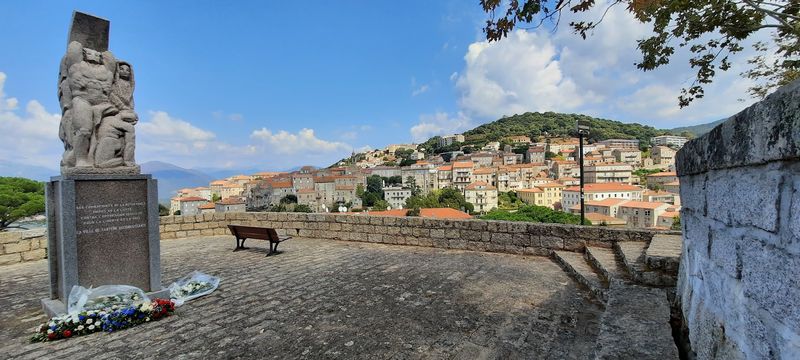
Corsica is a rugged Mediterranean island that has been part of France since 1768, but many Corsicans have never fully accepted that identity. The island has its own language, traditions, and a fierce sense of local pride that has sometimes turned into outright resistance against Paris.
For decades, a militant group called the FLNC carried out bombings and attacks in pursuit of independence. The group declared a ceasefire in 2014, but political nationalism has only grown stronger since then.
Corsican nationalist parties now control the island’s regional assembly.
In recent years, Corsican leaders have pushed for greater autonomy, including official recognition of the Corsican language and special legal status within France. Negotiations with the French government have moved slowly.
A 2022 incident involving the fatal attack on a jailed nationalist leader sparked major protests, putting Corsica back at the top of France’s political agenda.
6. Denmark – Greenlandic and Faroese Independence Movements
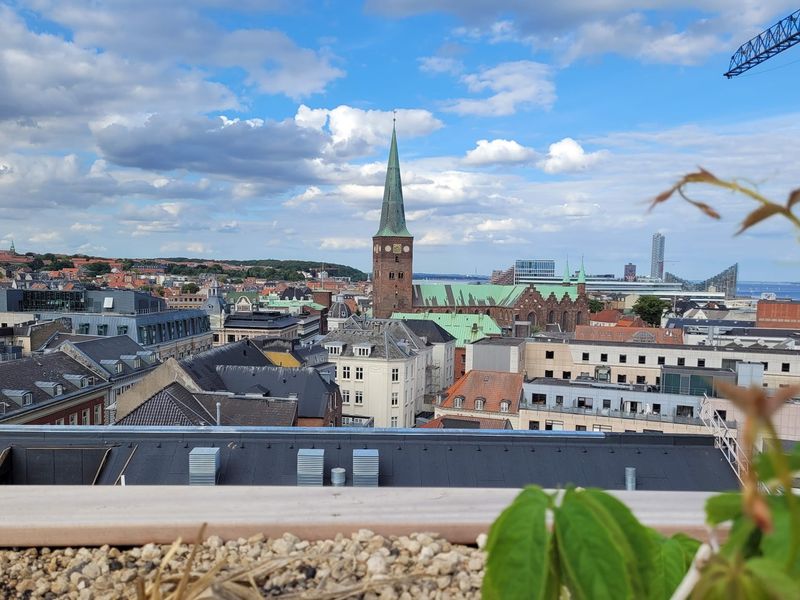
Greenland and the Faroe Islands are both autonomous territories within the Kingdom of Denmark, but each has its own government, language, and growing appetite for full independence. Greenland, the world’s largest island, has been moving steadily toward self-governance for years.
In 2009, Greenland gained self-rule, giving it control over most of its own affairs except defense and foreign policy. The island’s government has openly stated that full independence is its long-term goal, especially as melting Arctic ice opens up new economic opportunities in fishing, mining, and tourism.
The Faroe Islands, a small North Atlantic archipelago, held a non-binding independence referendum in 1946 that narrowly backed independence before being overturned. Today, Faroese political parties remain divided on the issue.
Both territories have attracted international attention, including from the United States, which expressed interest in purchasing Greenland, adding a geopolitical layer to an already complex situation.
7. Serbia – Kosovo Sovereignty Dispute
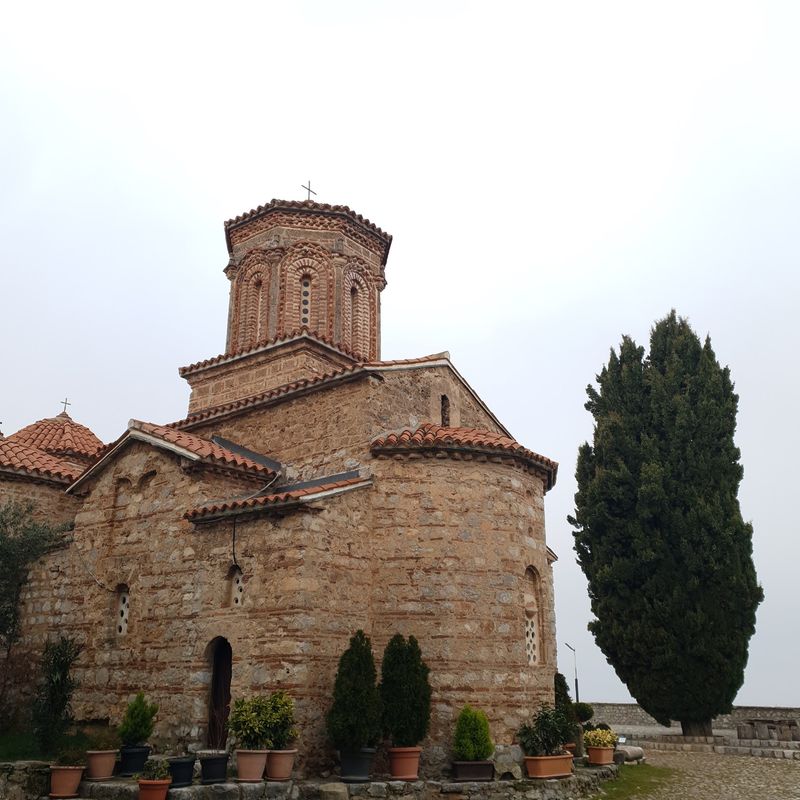
Kosovo declared independence from Serbia in February 2008, but Serbia has never accepted it. To Belgrade, Kosovo remains a sovereign part of Serbian territory and a deeply sacred part of its national and religious identity, home to medieval Orthodox Christian monasteries.
Over 100 countries, including the United States and most of the European Union, have recognized Kosovo as an independent state. But Russia and China, both permanent members of the UN Security Council, back Serbia’s position.
This global split has kept Kosovo in a kind of political limbo for over 15 years.
Tensions regularly flare along the border and within Kosovo’s Serb-majority north, where many residents refuse to recognize Pristina’s authority. The dispute has complicated Serbia’s path toward European Union membership, as Brussels has pushed Belgrade to normalize relations with Pristina.
Progress has been painfully slow, and the standoff remains one of Europe’s most unresolved territorial conflicts.
8. Bosnia and Herzegovina – Republika Srpska Secessionist Politics
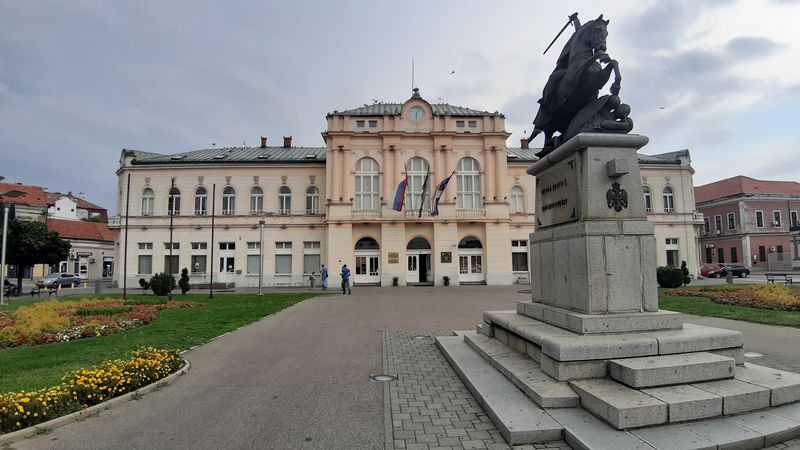
Bosnia and Herzegovina is a country built on compromise after a brutal war in the 1990s. The 1995 Dayton Peace Agreement divided the country into two main entities: the Federation of Bosnia and Herzegovina, and Republika Srpska, the Bosnian Serb-dominated region.
That arrangement has never sat comfortably.
Milorad Dodik, the long-serving leader of Republika Srpska, has spent years pushing the boundaries of that agreement. He has questioned the authority of the country’s central institutions, refused to recognize certain court rulings, and openly discussed the possibility of Republika Srpska breaking away to join Serbia.
His rhetoric has drawn sanctions from the United States and warnings from the European Union. Critics say his actions are deliberately destabilizing a fragile peace.
Republika Srpska’s secessionist politics have made Bosnia one of Europe’s most politically unstable countries, raising fears that the region could slide backward toward conflict if the international community loses its focus.
9. India – Separatist Movements in Kashmir and the Northeast
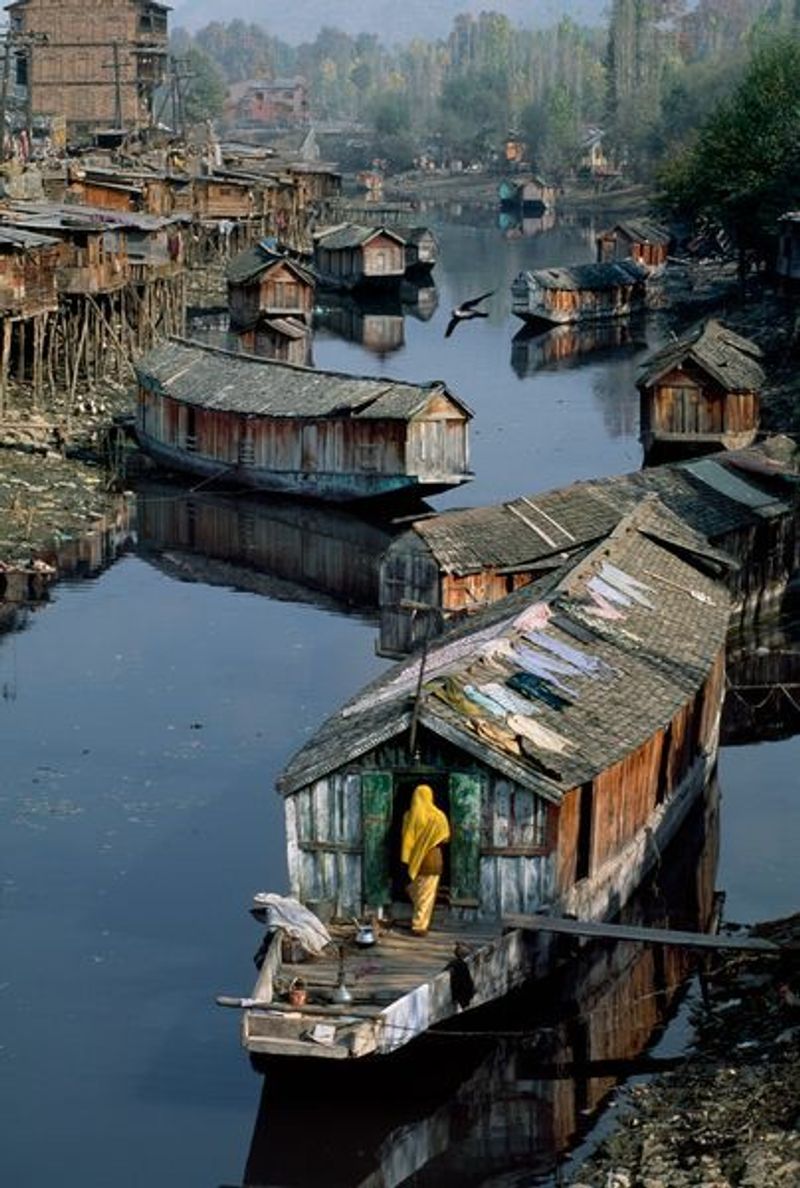
India is one of the world’s most diverse countries, and that diversity has sometimes produced serious political friction. Two regions stand out when it comes to separatist pressure: Kashmir in the north and several states in the northeast, particularly Nagaland and Manipur.
Kashmir has been disputed between India and Pakistan since both countries gained independence in 1947. India controls the majority of the region but faces an armed insurgency that has claimed tens of thousands of lives over the decades.
In 2019, the Indian government revoked Jammu and Kashmir’s special status, a move that sparked both protests and international criticism.
In the northeast, groups like the NSCN in Nagaland have long sought a separate homeland for the Naga people. Peace talks have dragged on for years without a final agreement.
These movements reflect deep questions about identity, autonomy, and whether a vast and diverse nation like India can hold itself together through politics alone.
10. Pakistan – Baloch Separatist Movement
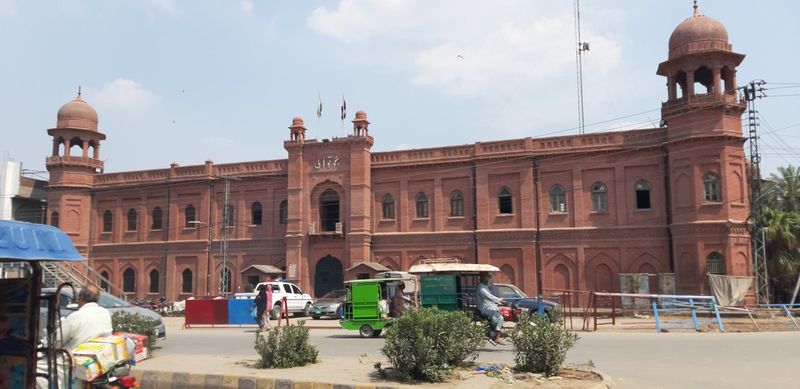
Balochistan is Pakistan’s largest province by area, covering nearly half the country’s landmass, yet it is also the poorest and least developed. Many Baloch people feel that their province’s rich natural resources, including gas and minerals, are extracted for the benefit of others while local communities remain neglected.
Armed Baloch separatist groups have been fighting Pakistani security forces for decades. The conflict has been marked by enforced disappearances, extrajudicial killings, and serious human rights abuses documented by international organizations.
Thousands of families say their relatives have been taken by security forces and never returned.
Pakistan’s government frames the insurgency as terrorism fueled by foreign enemies, particularly India and Afghanistan. Baloch activists say it is a genuine freedom struggle.
The China-Pakistan Economic Corridor, which runs through Balochistan, has added another layer of tension, as Baloch groups see it as further exploitation of their land without meaningful local benefit or consent.
11. Indonesia – West Papuan Independence Movement
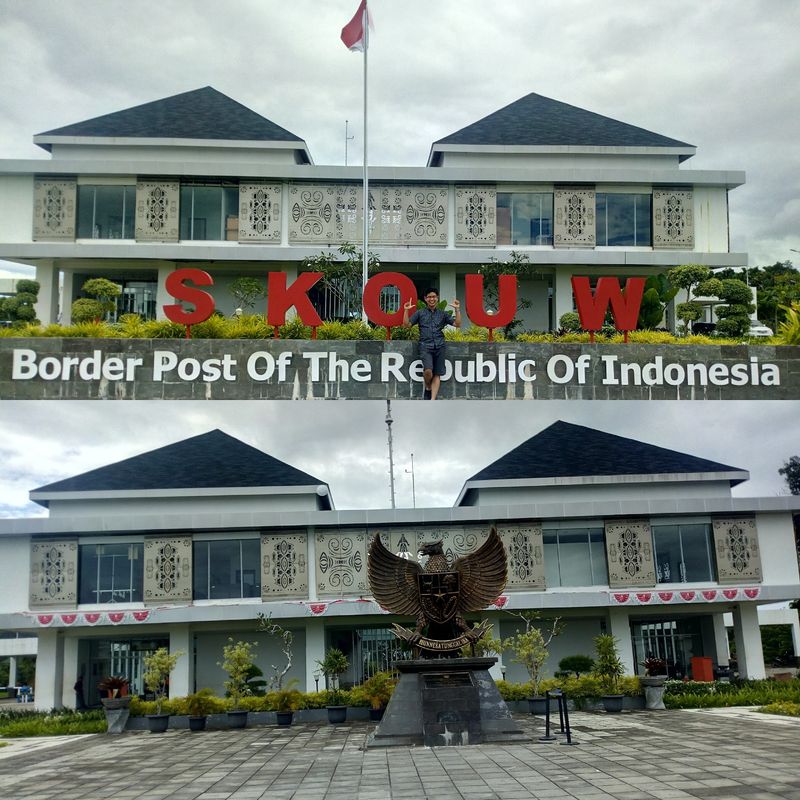
West Papua sits on the western half of New Guinea island and has been part of Indonesia since a disputed 1969 vote known as the Act of Free Choice. Critics, including the United Nations, called that vote a sham because only 1,025 hand-picked representatives participated instead of the general population.
The Free Papua Movement has kept the independence cause alive ever since. Indonesian security forces have maintained a strong presence in the region, and journalists and foreign observers have long faced restrictions on access.
Human rights groups report ongoing abuses, including killings, arbitrary detention, and the displacement of indigenous communities.
Indonesia views West Papua as a non-negotiable part of its territory and has invested in infrastructure projects to demonstrate national integration. Pacific Island nations have increasingly raised the issue in international forums, giving the movement more global visibility.
The situation remains one of Asia’s longest-running and least-reported independence conflicts.
12. Cameroon – Ambazonian Separatist Movement
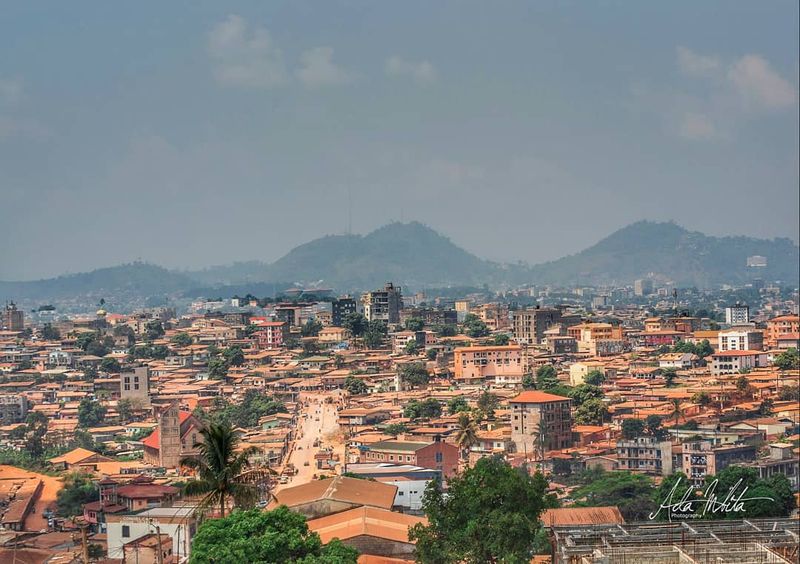
Cameroon is officially a bilingual country, with French and English as its national languages. But English-speaking citizens in the Northwest and Southwest regions have long complained of being sidelined by a French-dominated government.
What began as lawyer and teacher strikes in 2016 quickly escalated into something far more serious.
By 2017, armed separatist groups had declared the independent state of Ambazonia in the Anglophone regions. The government responded with a military crackdown, and the resulting conflict has killed thousands of people and displaced nearly a million more.
Schools have been burned, villages attacked, and humanitarian access severely restricted.
Peace talks have stalled repeatedly, and the crisis has received relatively little international attention compared to other conflicts of similar scale. The Cameroonian government has offered limited dialogue, but separatist leaders demand full independence rather than decentralization.
The Ambazonian conflict remains one of the most underreported humanitarian crises in Africa today.
13. Somalia – Somaliland’s Claim to Independence
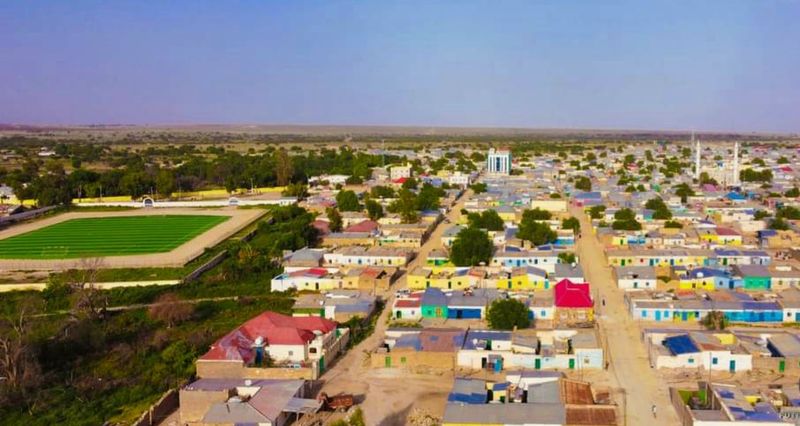
Somaliland declared independence from Somalia in 1991 after the collapse of the Somali state and the end of a brutal civil war. Since then, it has built its own government, military, currency, and passport system.
By many measures, it functions better than the internationally recognized government in Mogadishu.
Despite holding democratic elections and maintaining relative stability in a very unstable region, no country in the world has formally recognized Somaliland as an independent state. The African Union’s principle of not changing colonial-era borders has been a major obstacle, as has Somalia’s firm opposition to any recognition.
In 2024, Ethiopia signed a memorandum of understanding with Somaliland that included potential recognition in exchange for access to a Red Sea port. The deal was later complicated by regional politics, but it briefly put Somaliland in international headlines.
The territory’s long quest for recognition remains one of Africa’s most unique and overlooked political stories.
14. Papua New Guinea – Bougainville Independence Movement
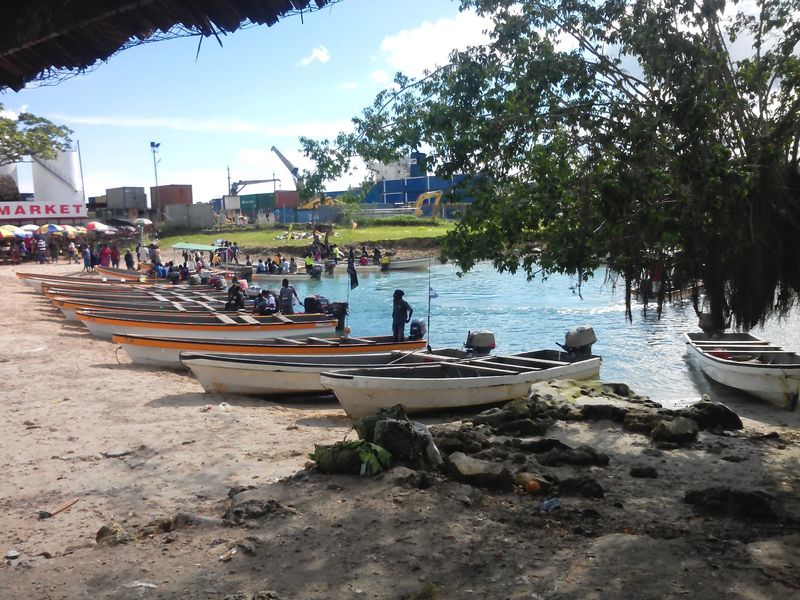
Bougainville is a group of islands in the southwestern Pacific that is part of Papua New Guinea, but its people have long felt culturally and geographically closer to the Solomon Islands. A bloody civil war fought from 1988 to 1998 over the giant Panguna copper mine and political autonomy killed an estimated 15,000 to 20,000 people.
A peace agreement eventually led to a historic moment: in 2019, Bougainvilleans voted in a non-binding referendum on their future. The result was overwhelming, with 98 percent choosing independence over greater autonomy.
It was one of the most decisive votes for self-determination ever recorded anywhere in the world.
However, the final decision rests with Papua New Guinea’s national parliament, which has been reluctant to approve full independence. Negotiations continue, and a target date for resolving the issue has been pushed back multiple times.
The people of Bougainville are watching and waiting with growing impatience for their democratic choice to be honored.
15. Morocco – Western Sahara Independence Dispute
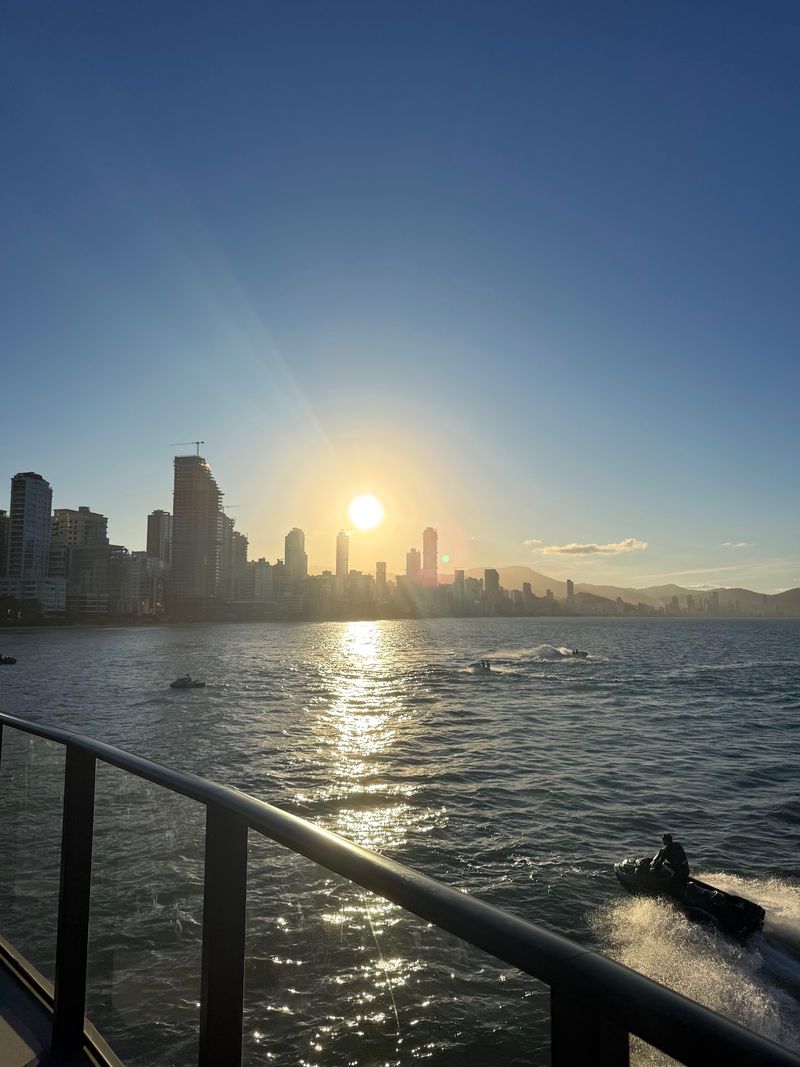
Western Sahara is one of the world’s last major unresolved colonial-era territorial disputes. Spain withdrew from the territory in 1975, and Morocco quickly moved in, claiming the land as its own.
The indigenous Sahrawi people, represented by the Polisario Front, have been fighting for independence ever since.
Tens of thousands of Sahrawi refugees have lived in camps in the Algerian desert near Tindouf for nearly five decades, waiting to return to their homeland. The United Nations has called for a self-determination referendum for decades, but Morocco has consistently blocked any vote that includes independence as an option.
In 2020, the ceasefire that had held since 1991 collapsed when clashes reignited near a buffer zone. The situation drew little global attention despite its serious implications.
Morocco’s control over the territory has gained diplomatic backing from the United States and others, making the path to a free and fair vote increasingly difficult for the Sahrawi people.
Share this story