Somewhere in Oklahoma, tucked along a highway most travelers zoom past without a second glance, sits a small museum that holds a lot more than old photographs and dusty relics. Beyond its modest exterior lies a collection of frontier-era artifacts, a working blacksmith exhibition, and a 19th-century schoolhouse that more than one visitor has described as genuinely haunted.
Whether you are a history enthusiast, a curious road-tripper, or someone who enjoys a good mystery, this place has a way of surprising people who thought they knew exactly what they were walking into. Get ready to discover one of Oklahoma’s most quietly extraordinary stops.
Perry, Oklahoma and the Cherokee Strip Museum
Sitting just off Interstate 35 in Perry, Oklahoma, the Cherokee Strip Museum is the kind of place you might drive past a dozen times before finally pulling over. At first glance, it looks like a modest regional museum, the sort you find in small towns across the Great Plains.
But step through the front doors, and the story changes fast.
Perry itself sits in Noble County and carries a rich identity tied to one of the most dramatic land rushes in American history. The Cherokee Strip Land Run of 1893 saw tens of thousands of settlers racing to claim parcels of land across a six-million-acre corridor, and Perry was born from that very moment of organized chaos.
The museum exists to preserve that story and tell it honestly.
Visitors frequently note that the staff here are genuinely knowledgeable and enthusiastic, willing to walk alongside guests and explain exhibits in detail. For a town of roughly 5,000 people, the depth of history on display is impressive.
Locals and road-trippers alike find themselves spending far longer than planned, drawn in by the layers of frontier life waiting around every corner.
The 1893 Land Run Story at the Heart of the Collection
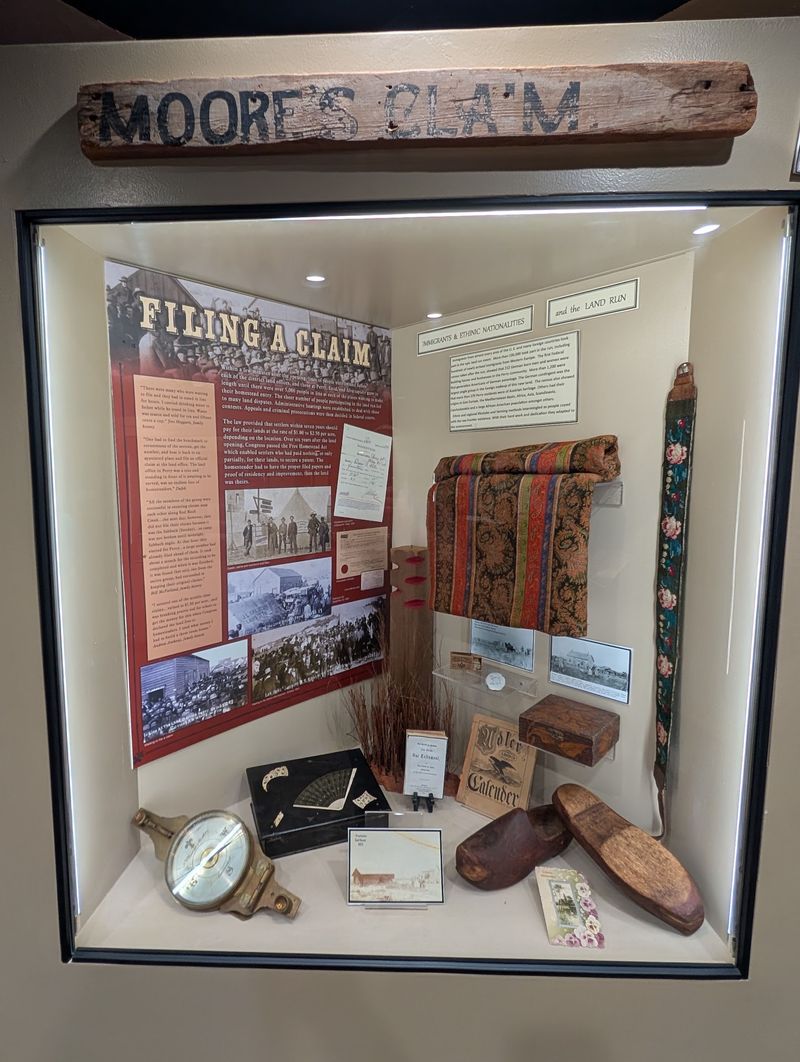
Few events in American history match the raw, breathless energy of the Cherokee Strip Land Run, and the Cherokee Strip Museum has built its entire identity around honoring that moment. On September 16, 1893, over 100,000 hopeful settlers lined up along the Kansas border and, at the sound of a signal, raced south to stake their claims on six million acres of former Cherokee territory.
The museum’s indoor exhibits walk visitors through the social, economic, and cultural forces that made the land run possible. Displays cover local industry, frontier economy, and the everyday realities of life in a brand-new settlement.
A film presentation gives context to the broader sweep of events, helping visitors visualize the scale and urgency of that September afternoon.
What makes these exhibits compelling is how personal they feel. Rather than presenting history as a series of abstract dates, the museum grounds everything in the lives of real people who built homes, businesses, and communities from scratch on the Oklahoma prairie.
Visitors consistently mention leaving with a much deeper appreciation for what early settlers actually endured. The story of the Cherokee Strip is not just Oklahoma history, it is genuinely American history told from the ground up.
Rose Hill Schoolhouse and Its Reputation for the Unexplained
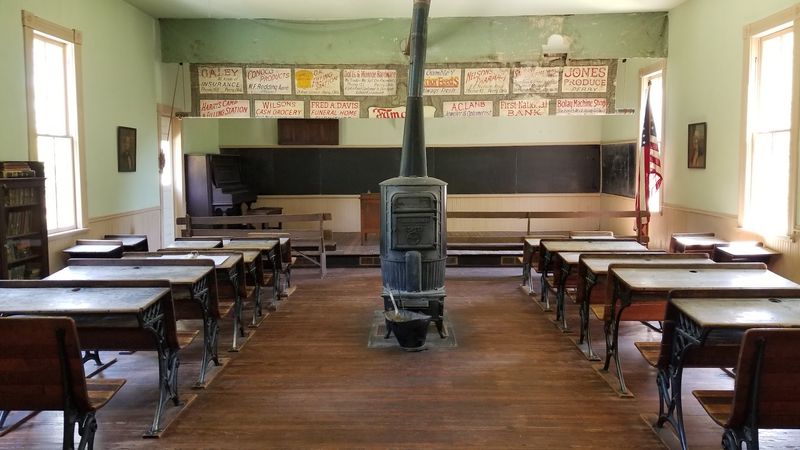
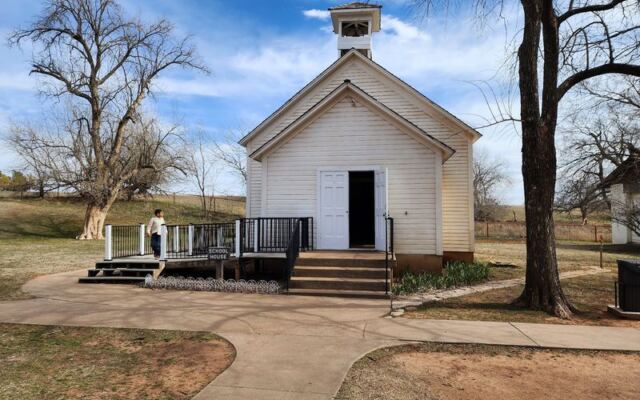
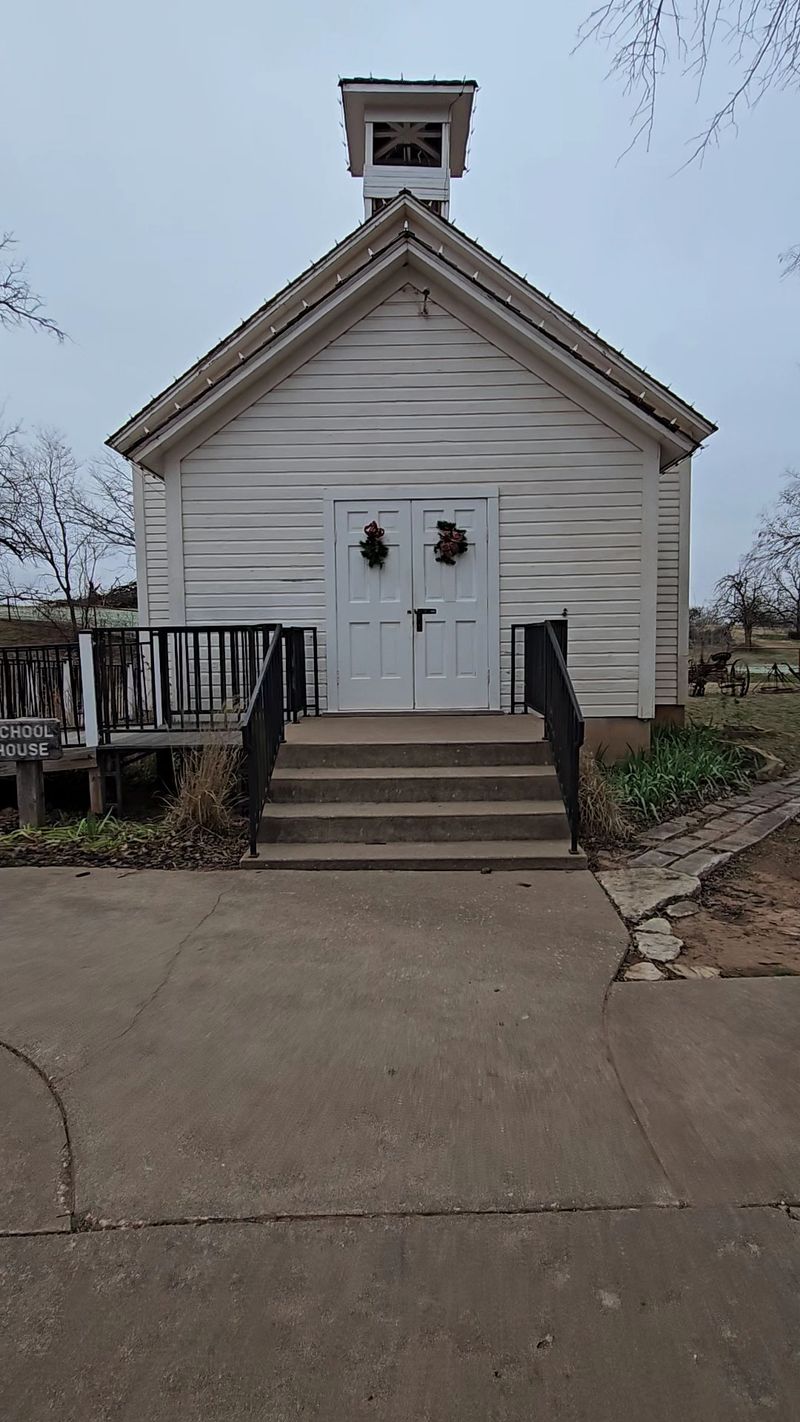
Of all the structures on the museum grounds, the Rose Hill Schoolhouse draws the most attention, and not only because of its age. Built in the 19th century, this one-room wooden schoolhouse stands as a physical relic of frontier education, the kind of place where children of settlers sat on hard benches and learned reading, arithmetic, and penmanship under the watchful eye of a single teacher.
At least one visitor has openly remarked that the schoolhouse feels haunted. The atmosphere inside is difficult to describe without sounding dramatic, but there is something about the low ceilings, the aged wood, and the silence that settles over the room that makes the hair on the back of your neck stand up.
Whether that feeling comes from the building’s age or something less explainable is a matter of personal interpretation.
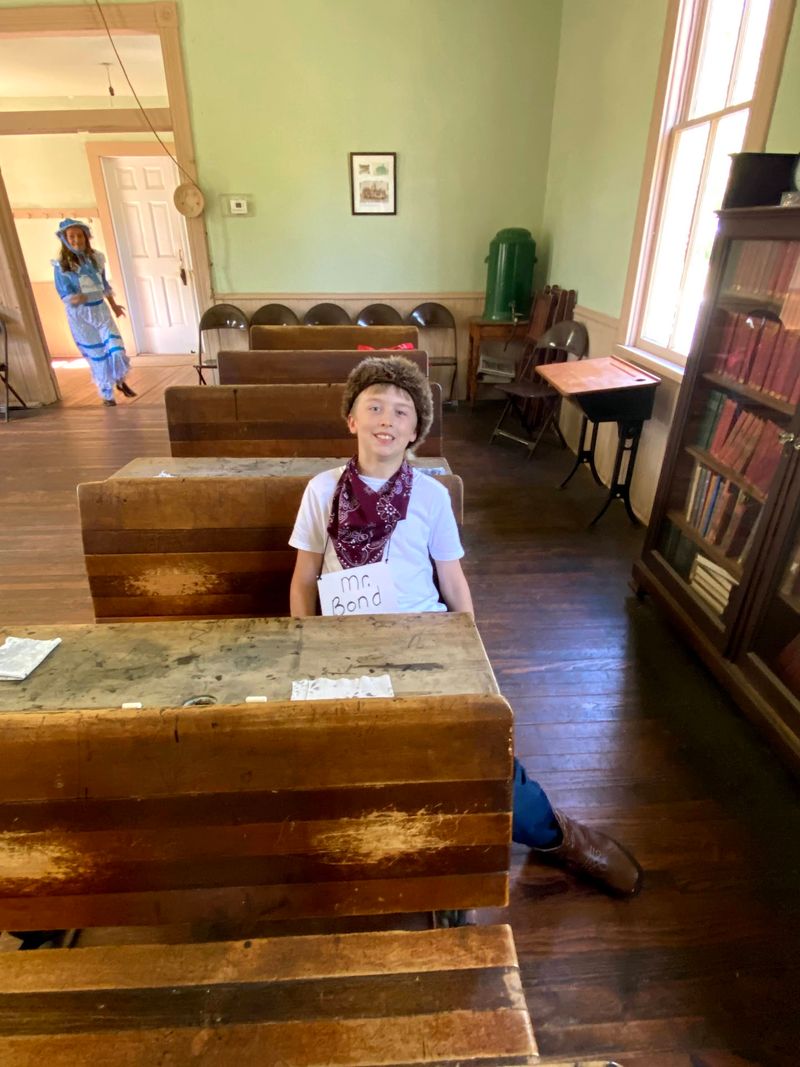
The museum leans into the schoolhouse’s character rather than shying away from it. Homeschool groups and school classes can book a mock school day experience, complete with a costumed teacher who leads students through lessons in the style of the 1890s.
Participants aged 8 through 13 consistently come away calling it one of the most memorable educational experiences they have ever had. The schoolhouse is equal parts charming and unsettling in the best possible way.
The Mock School Day Experience Inside Rose Hill
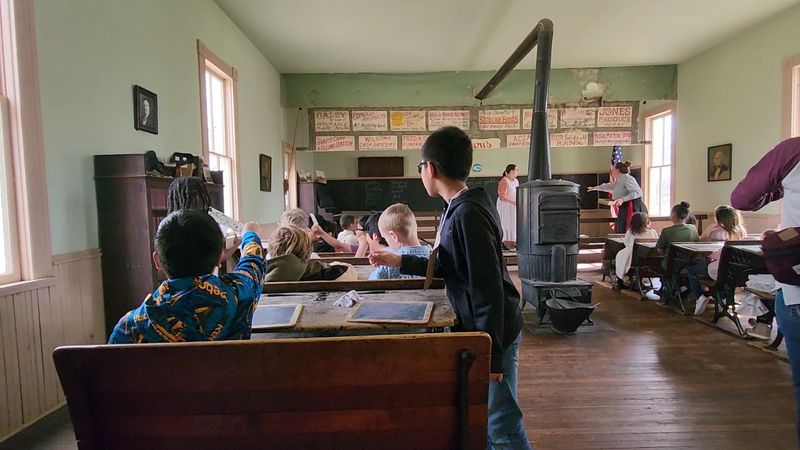
Booking a mock school day at Rose Hill Schoolhouse is one of those experiences that sounds mildly interesting on paper and turns out to be completely unforgettable in person. Groups, particularly homeschool families and field trip classes, can arrange a session where students step back in time and experience a genuine 1890s-style school day from start to finish.
The teacher in charge does not simply narrate history from the front of the room. Students are expected to follow the rules of the era, which means sitting up straight, speaking only when addressed, and completing tasks the old-fashioned way.
The experience is immersive enough that kids aged 8 to 13 genuinely get swept up in it, laughing and learning in equal measure.
Parents and group leaders who have attended report that children remember the experience long after the visit. The combination of hands-on participation and authentic surroundings creates the kind of learning moment that no textbook can replicate.
The teacher leading the session brings deep knowledge of the period and a talent for making history feel alive rather than distant. If you are planning a visit with young people in your group, scheduling this activity in advance is absolutely worth the extra step.
The Blacksmith Exhibition on the Museum Grounds
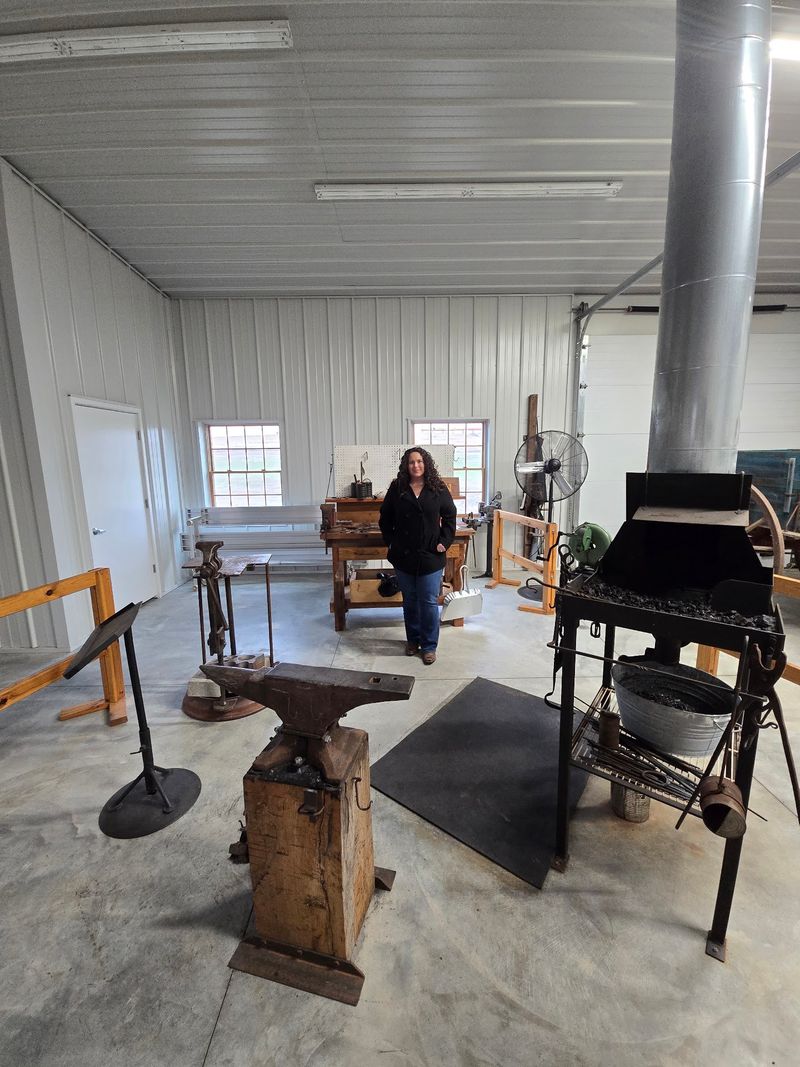
Right alongside the schoolhouse, the museum’s grounds host a blacksmith exhibition that gives visitors a tangible sense of how essential skilled metalwork was to frontier survival. In the 1890s, a blacksmith was not a novelty act but a critical community member, responsible for everything from horseshoes to farm tools to structural hardware for new buildings.
The exhibition at the Cherokee Strip Museum operates as a working demonstration rather than a static display. When the blacksmith is active, visitors can watch the forge heat metal to a glowing orange, hear the ring of hammer on anvil, and see finished pieces take shape in real time.
It is the kind of sensory experience that photographs simply cannot capture.
Because the blacksmith demonstration runs on a schedule that can vary, the museum recommends calling ahead or checking their media channels before visiting specifically for that exhibit. Visitors who have caught it in action consistently describe it as a highlight of the entire trip.
There is something deeply satisfying about watching a centuries-old craft performed by someone who clearly knows what they are doing. For anyone interested in material history and the practical skills that built the American frontier, this exhibition alone makes the stop worthwhile.
Outdoor Grounds Packed with Frontier-Era Buildings and Equipment
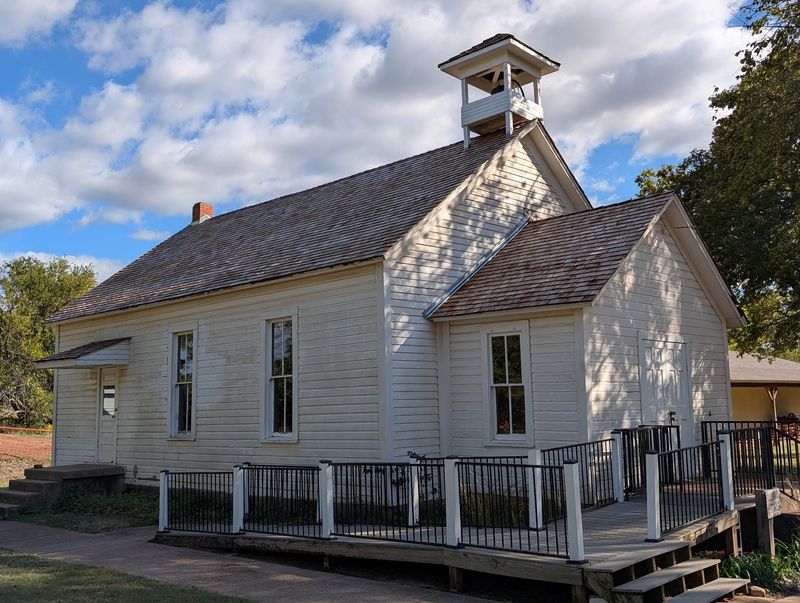
Walking the grounds behind the Cherokee Strip Museum feels a little like stepping into a preserved slice of the 1890s. Several historic structures are scattered across the property, including what appears to be an original building from the land run era, a small church, and a pioneer home that at least one visitor has described with genuine unease as feeling distinctly occupied by something unseen.
Vintage farming equipment and other relics of frontier agricultural life are displayed throughout the outdoor space, giving visitors a sense of just how labor-intensive daily survival was in early Oklahoma. The scale of some of this equipment is striking in person, far more impressive than seeing it in a photograph.
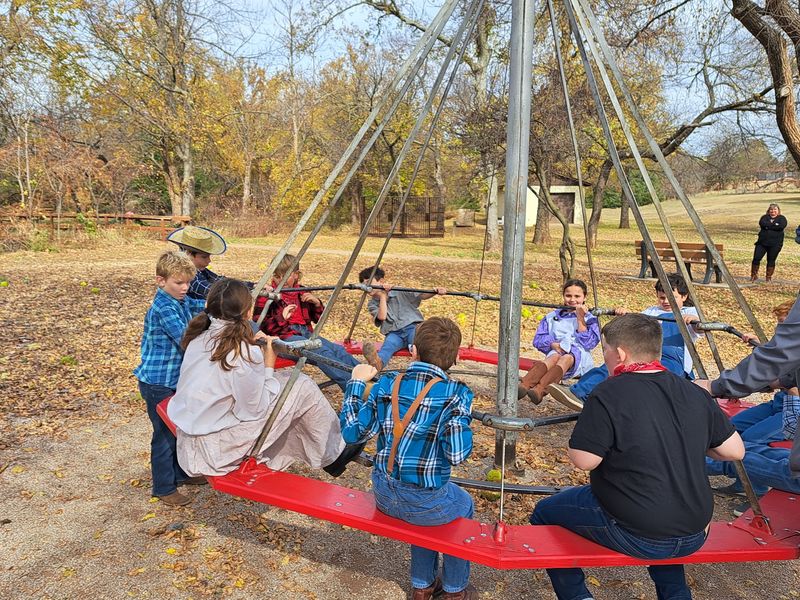
Mature trees shade much of the grounds, making the outdoor portion of the visit comfortable even on warmer days. Families frequently spread out across the lawn while kids explore the old playground equipment, including a merry-go-round that has been on the property for decades.
The grounds are accessible even when the main museum building is closed, which makes the Cherokee Strip Museum a worthwhile stop for travelers who happen to arrive outside regular hours. The outdoor experience alone offers plenty to explore and photograph.
The Sonic Exhibit and Unexpected Local Connections
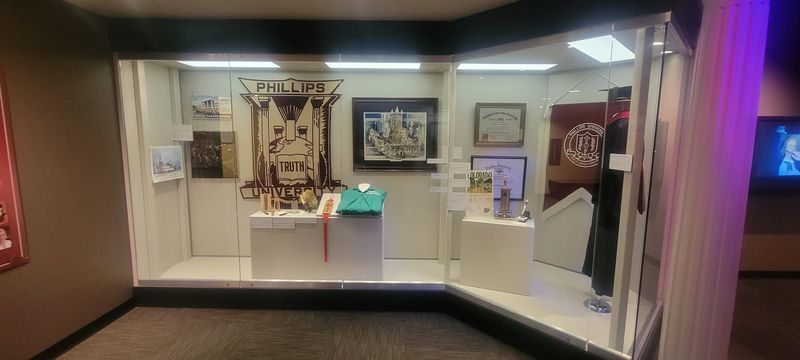
Not every surprise inside the Cherokee Strip Museum involves frontier hardship or eerie schoolhouses. One of the more unexpected delights waiting inside the main building is an exhibit dedicated to Sonic, the iconic American drive-in restaurant chain that traces its roots back to Oklahoma.
For visitors who grew up stopping at Sonic on summer afternoons, the exhibit carries a wave of genuine nostalgia.
Younger visitors who may not connect a fast-food chain to museum-worthy history often find themselves genuinely curious once they see the exhibit’s content. The story of how a small Oklahoma business grew into a nationally recognized brand is a compelling piece of the state’s entrepreneurial heritage, and the museum presents it with the same care applied to its frontier exhibits.
Families with young children specifically mention that kids enjoy this section of the museum, which makes sense given the familiar branding and the fun nature of the subject matter. It serves as a reminder that Oklahoma’s history did not stop with the land run.
The state continued to produce remarkable stories well into the 20th century, and the Cherokee Strip Museum is not afraid to honor those chapters alongside its 19th-century exhibits. Variety like this keeps the visit feeling fresh from room to room.
Friendly Staff and the Personal Touch That Sets This Museum Apart
One thing that comes up again and again from people who have visited the Cherokee Strip Museum is how genuinely welcoming the staff are. This is not a museum where employees sit behind a desk staring at a screen.
Visitors frequently describe staff members who proactively offer to walk through exhibits alongside guests, sharing context and stories that are not written on any placard.
For veterans, there is an added bonus worth knowing about. The museum has been noted to offer free admission to veterans, a gesture that speaks to the institution’s commitment to honoring service alongside preserving history.
Confirming this directly with the museum before your visit is a good idea, as policies can occasionally shift.
The staff’s depth of knowledge about Perry’s local history is particularly impressive. Whether a visitor is curious about the land run, early Oklahoma industry, or the stories behind specific artifacts, the team here tends to have answers that go well beyond the surface level.
For solo travelers, couples, and families alike, that personal engagement transforms what might otherwise be a one-hour stop into a two-hour conversation. Small museums with this kind of human warmth are increasingly rare, and the Cherokee Strip Museum is better for having it.
Picnic Area and Old Playground Equipment Under the Trees
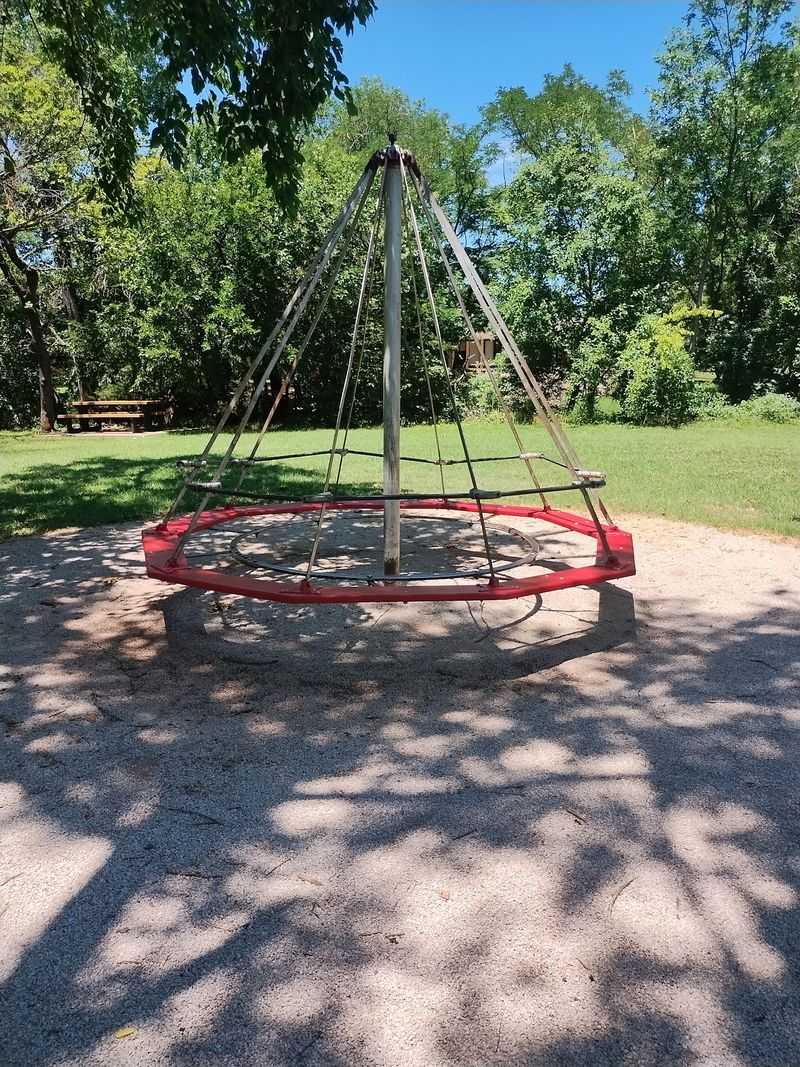
Beyond the history and the occasional chill running down your spine, the Cherokee Strip Museum grounds offer something refreshingly simple: a genuinely pleasant place to slow down and spend an afternoon. A shaded picnic area sits between the main museum building and the historic schoolhouse, sheltered by mature trees that make the space comfortable even when the Oklahoma sun is at full strength.
Old playground equipment, including a vintage metal merry-go-round, sits nearby and has become a favorite with visiting kids. There is something charming about watching children play on the same type of equipment that frontier-era students might have used during their breaks from lessons.
It connects the past and present in a low-key but meaningful way.
Visitors traveling along Interstate 35 often mention the museum as a perfect rest stop that happens to come loaded with history and character. Packing a lunch and spreading out on the grounds is a genuinely appealing option, especially for families who want to give kids room to run between museum segments.
The combination of shaded outdoor space, historic structures, and accessible grounds makes the Cherokee Strip Museum a flexible destination that works for a quick stretch-your-legs stop or a leisurely half-day outing.
Hours, Admission, and Planning Your Visit
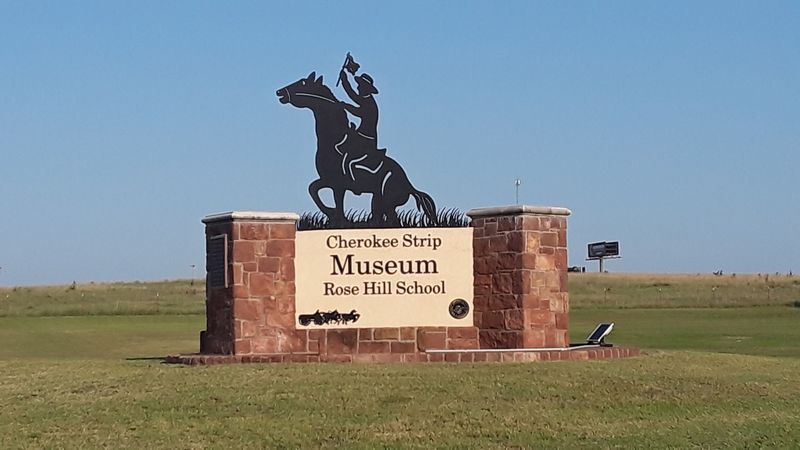
Planning ahead makes a real difference when visiting the Cherokee Strip Museum. The museum is open Tuesday through Friday from 9 AM to 5 PM and on Saturday from 10 AM to 4 PM.
It is closed on Sundays and Mondays, so timing your visit accordingly saves a wasted trip. A small number of visitors have mentioned arriving to find the museum unexpectedly closed, so calling ahead at 580-336-2405 or checking the official website at cherokee-strip-museum.org before you go is a genuinely smart move.
The museum is located at 2617 Fir St in Perry, Oklahoma, right off Interstate 35, making it an easy pull-off for anyone driving through north-central Oklahoma. Admission pricing details are best confirmed directly with the museum, but veterans have been noted to receive free entry, a policy worth asking about when you call.
For groups, especially school classes or homeschool co-ops hoping to book the Rose Hill Schoolhouse mock school day, advance scheduling is essential. The blacksmith demonstration also runs on a separate schedule, so confirming availability for that exhibit is worth a quick phone call.
The outdoor grounds can be explored freely even outside regular hours, which gives spontaneous visitors something worthwhile to see regardless of timing.
Who Will Love This Museum and Why It Stays With You
History enthusiasts will find plenty to engage with here, but the Cherokee Strip Museum is not exclusively for people who already love museums. The combination of an eerie 19th-century schoolhouse, outdoor frontier buildings, a working blacksmith, and genuinely surprising exhibits like the Sonic display creates a visit that appeals across a wide range of interests and ages.
Families with school-age children tend to have particularly strong reactions to this place. The hands-on mock school day, the vintage playground, the open grounds, and the approachable staff all add up to an experience that feels active rather than passive.
Kids who might drag their feet through a traditional museum often find themselves genuinely engaged here.
Road-trippers on Interstate 35 looking for a stop that offers more than a gas station and a fast-food drive-through will find the Cherokee Strip Museum a refreshing detour. Mystery lovers, Oklahoma history buffs, and anyone with a soft spot for underdog destinations that punch above their weight will leave with a full appreciation for what Perry has quietly preserved.
The museum does not shout for attention, but it earns it steadily, one visitor at a time, and that understated quality is exactly what makes it so memorable.
Share this story