Oklahoma has a way of surprising you when you least expect it. Somewhere along a quiet stretch of the old Mother Road, you round a bend and suddenly find yourself face to face with something that stops you cold and makes you reach for your camera before you even park the car.
The Historic Route 66 Bridgeport Bridge is exactly that kind of place, a landmark that photos simply cannot do justice. Come ready to be genuinely amazed.
Where the Pony Bridge Meets the Plains
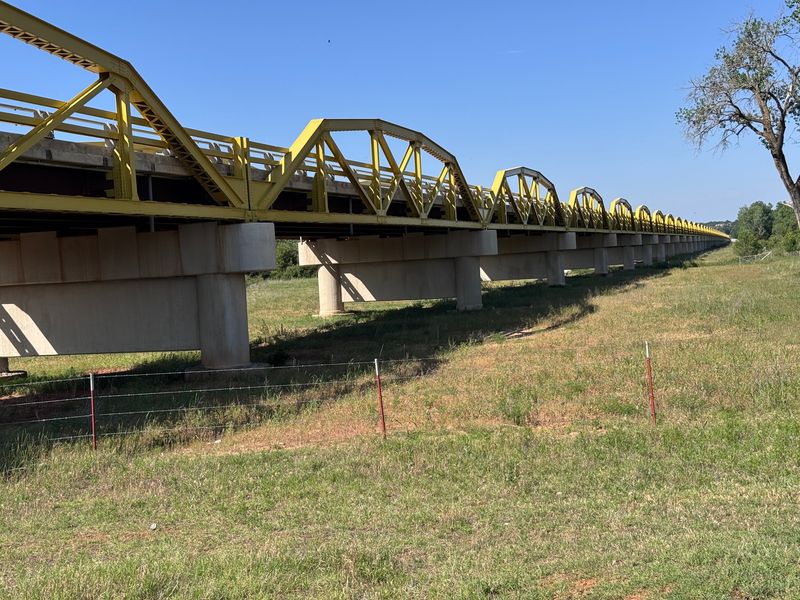
Tucked along US-281 near Hinton, Oklahoma, the Historic Route 66 Bridgeport Bridge sits in a stretch of countryside that feels like it belongs to another era. Locals have called it the Pony Bridge for generations, a nickname that captures both its personality and its enduring place in the community.
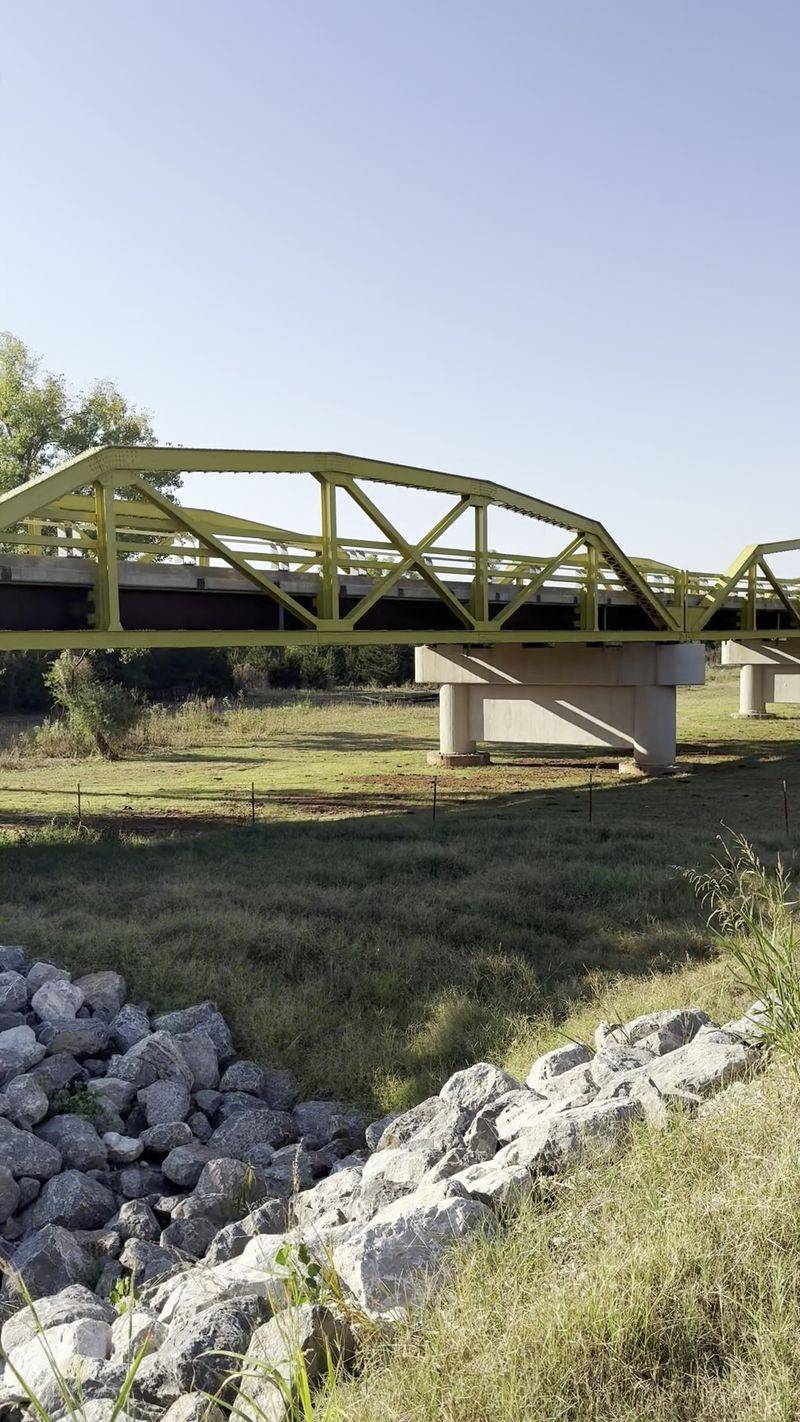
The bridge crosses the wide Canadian River valley, and the moment you approach it, the scale of the structure genuinely catches you off guard. Flat Oklahoma prairie stretches out on either side, making the long row of connected truss spans look almost dreamlike rising from the landscape.
Finding it is straightforward. Travelers heading along the historic Route 66 corridor between Geary and Hinton will encounter the bridge naturally, and the surrounding small towns add extra charm to the journey.
The setting alone makes the detour feel worthwhile before you even set foot near the railing.
A Bridge Born in 1933
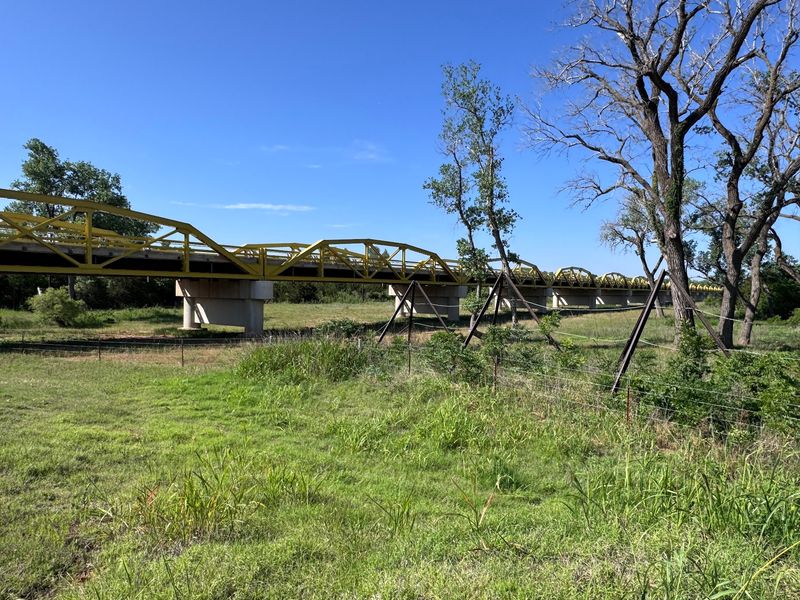
Built in 1933, the Bridgeport Bridge arrived during a period when American infrastructure was both a necessity and a source of national pride. Engineers of that era were designing structures meant to last, and nearly a century later, this bridge proves they succeeded beyond expectation.
Stretching approximately three-quarters of a mile across the Canadian River valley, it was one of the longest bridges on the entire Route 66 corridor at the time of its construction. Travelers heading west during the great migration era would have crossed it with a mix of relief and wonder, knowing a significant river crossing was behind them.
Visitors today often pause to imagine those earlier generations rolling across the same span, carrying everything they owned toward an uncertain future. That emotional weight is still present when you stand on the bridge and look out at the river below.
History has a way of feeling very close here, almost like the steel itself remembers every wheel that ever crossed it.
The Pony Truss Engineering Marvel
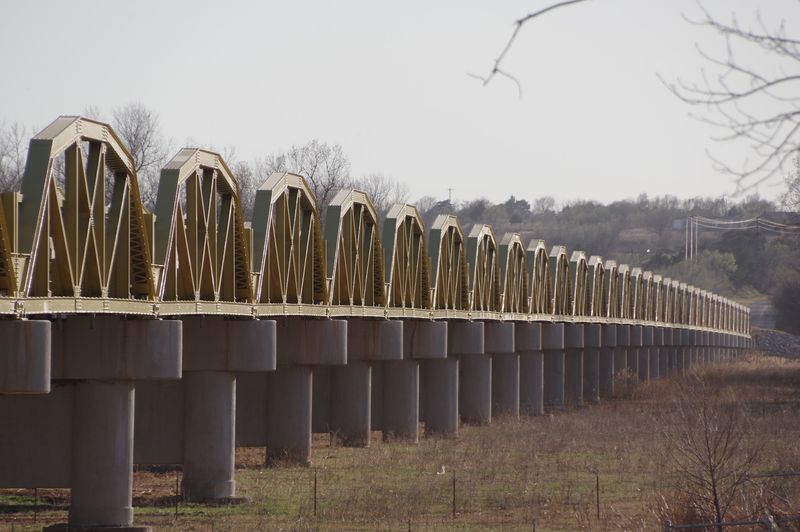
From an engineering standpoint, the Bridgeport Bridge is genuinely impressive. The pony truss design, characterized by open-topped steel frames that line each side of the roadway, was a popular choice in the early twentieth century for balancing structural strength with material efficiency.
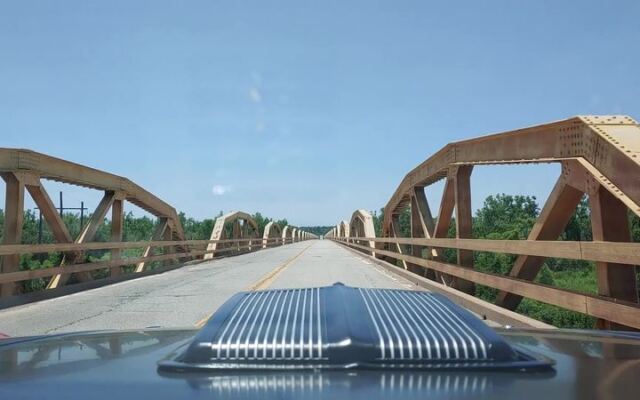
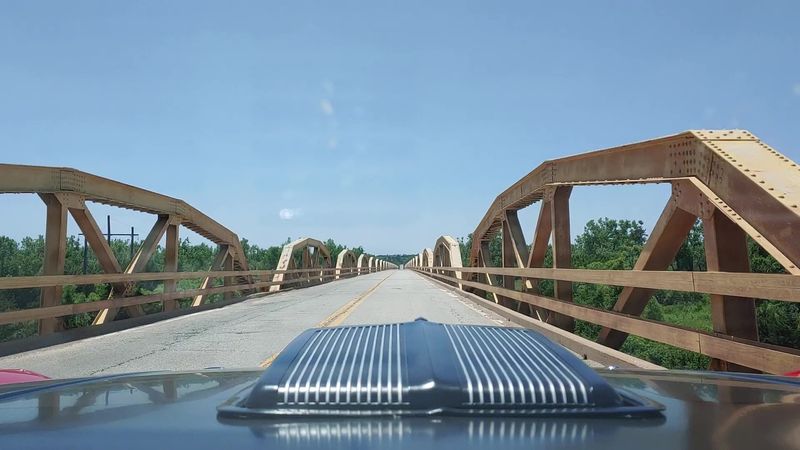
What makes this bridge particularly striking is the sheer repetition of those truss spans. One arch leads to another, and another, creating a visual rhythm that seems to go on forever as you drive or walk across.
Several visitors have noted that the arches appear to stretch endlessly into the distance, an effect that is far more dramatic in person than in any photograph.
The engineering vocabulary here is accessible even to non-engineers. You do not need a background in construction to appreciate the elegance of the design.
The way the steel frames carry weight and distribute load is almost visible to the naked eye, and the bridge communicates a sense of confident, purposeful craftsmanship that modern concrete overpasses rarely achieve. It is a reminder that infrastructure can also be genuinely beautiful.
The Remarkable Restoration Story
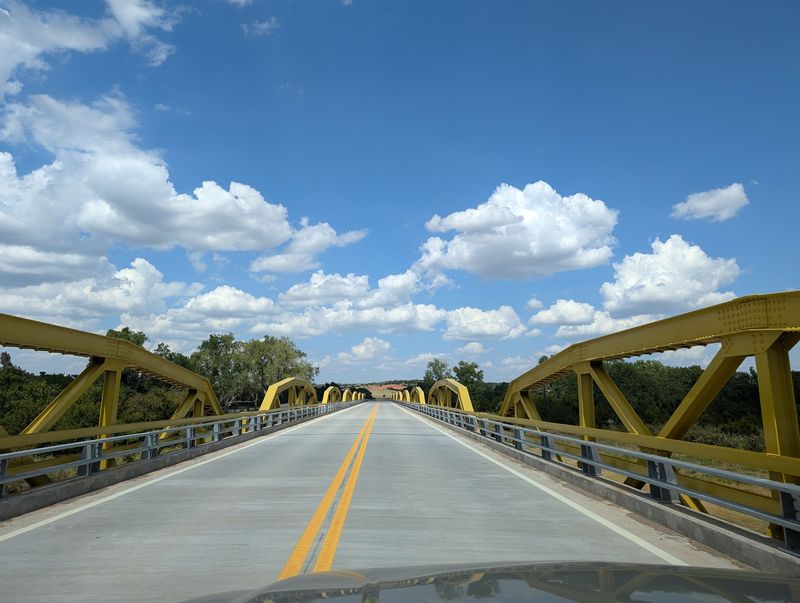
Preserving a 90-year-old bridge is no small undertaking, and the Oklahoma Department of Transportation deserves genuine credit for how they handled this one. Rather than simply replacing the structure, crews worked to retain the historic pony trusses and reattach them to a refurbished bridge deck, keeping the character of the original while meeting modern safety standards.
The original roadbed did require replacement during the renovation process, which updated the surface and widened the crossing slightly. However, the defining visual elements, those iconic steel truss frames that give the bridge its personality, were carefully saved and reinstalled.
Visitors who followed the project closely expressed real relief when the trusses reappeared on the finished structure.
The renovation also included fresh paint, and the bridge now gleams in its characteristic yellow, visible from a distance and unmistakable against the Oklahoma sky. Cyclists can cross the bridge as well, making it accessible beyond just motorists.
The whole effort reflects a broader commitment to honoring Route 66 heritage rather than simply paving over it, and the result speaks for itself every time a traveler pulls off to take a closer look.
The Canadian River Below
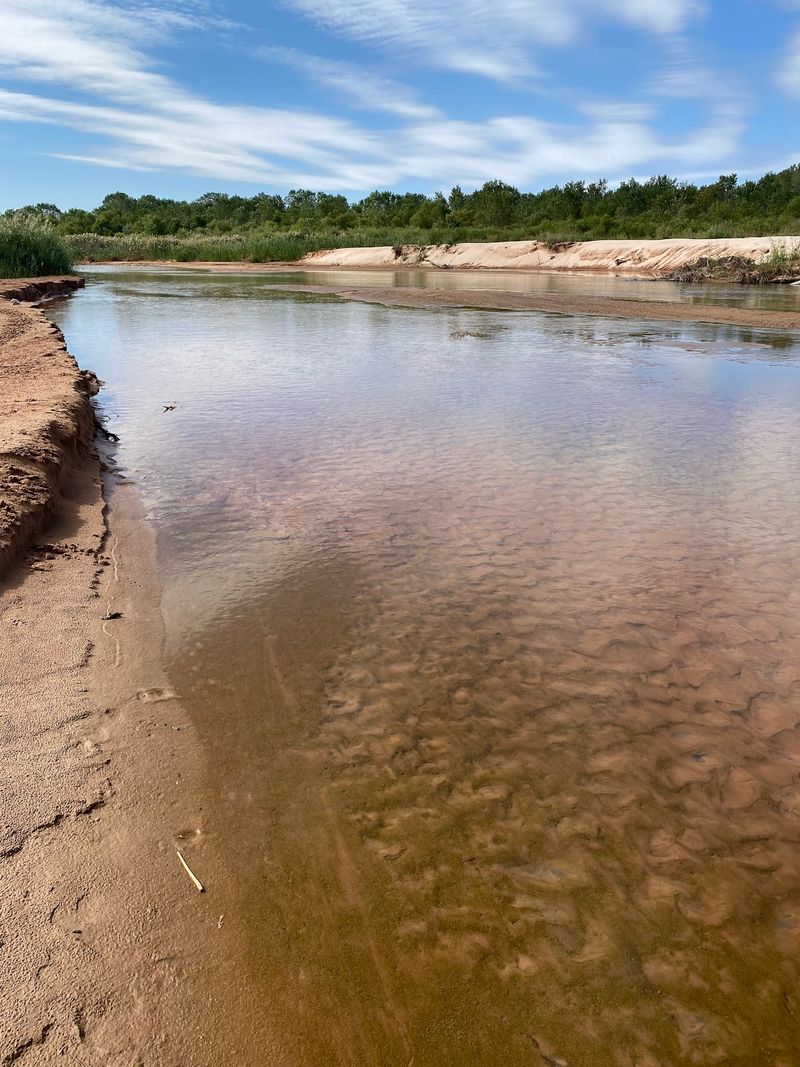
Beneath the bridge, the Canadian River rolls through a wide, shallow valley that has its own quiet beauty. Depending on the season and recent rainfall, the water can run surprisingly clear, catching the light in ways that make the river feel almost luminous from above.
One visitor described crystal clear water running beneath the historic bridge, and that observation resonates with anyone who has paused on the structure to look over the railing. The contrast between the industrial steel overhead and the natural river below creates a visual tension that is genuinely photogenic and surprisingly peaceful.
The Canadian River valley is broad at this crossing, giving the bridge its impressive length and offering sweeping views in both directions along the waterway. On calm days, the reflections of the truss spans shimmer on the surface below, adding another layer of visual interest.
Whether you stop for five minutes or thirty, the river view is a legitimate highlight of the visit, adding a natural dimension to what is already a compelling piece of architectural history.
What Makes the Yellow Color So Iconic
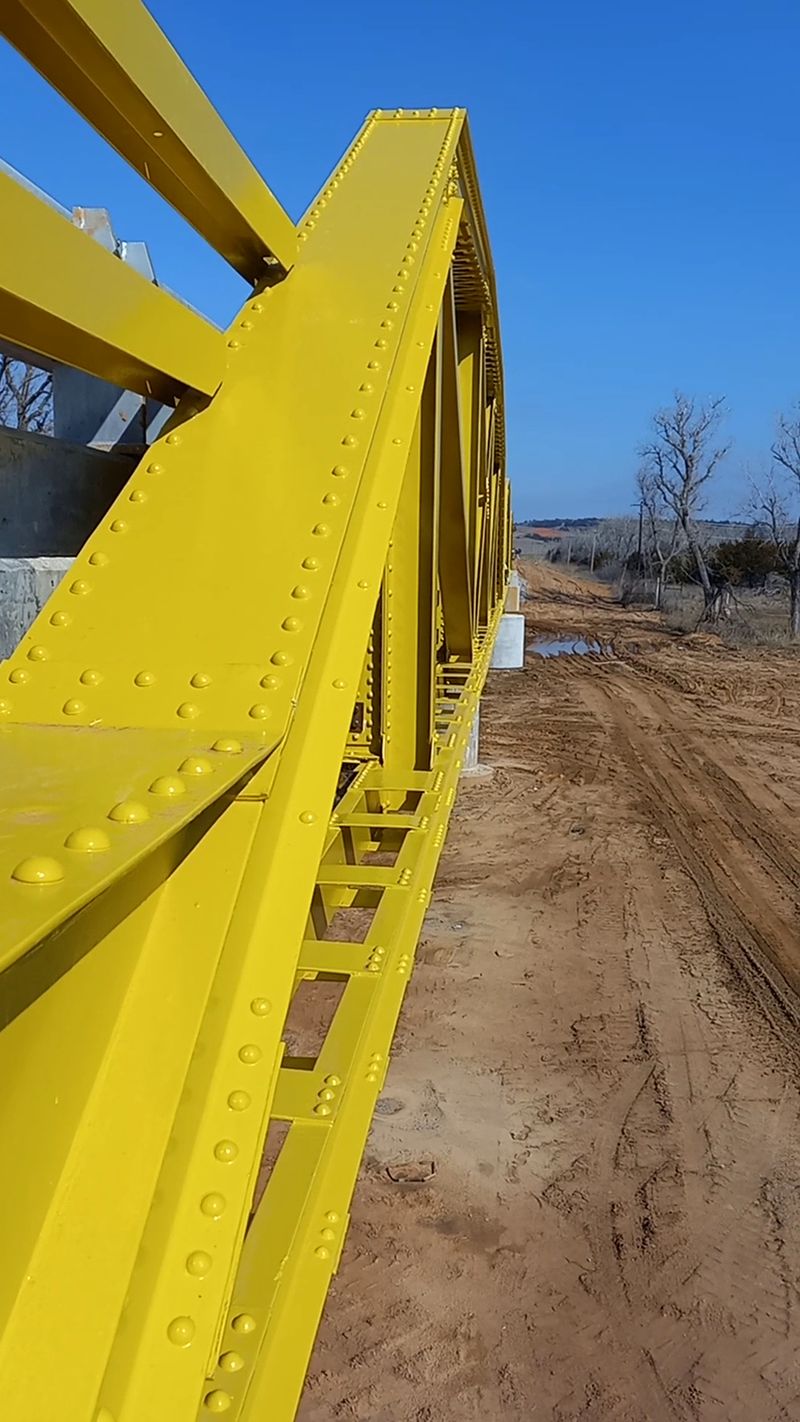
Ask anyone who has seen the Bridgeport Bridge in person, and the color comes up almost immediately. The fresh yellow paint applied during the recent renovation is bold, cheerful, and completely at odds with the weathered, forgotten look that many historic structures carry.
It makes the bridge look proud rather than preserved.
Yellow was chosen to highlight the truss work and make the bridge visible and inviting along the Route 66 corridor. The effect works beautifully.
Approaching from either direction, the bright spans pop against the muted greens and browns of the Oklahoma landscape, signaling that something worth stopping for is ahead.
Photographers particularly appreciate the color because it photographs cleanly in almost any lighting condition. Morning light gives the yellow a warm, golden quality, while midday sun makes the bridge look sharp and vivid.
Even on overcast days, the color holds its own against a pale sky. For a road trip social media post, a family photo, or just a personal memory, the yellow bridge delivers a striking visual that sticks with you long after you leave the Canadian River valley behind.
Driving Across a Piece of Living History
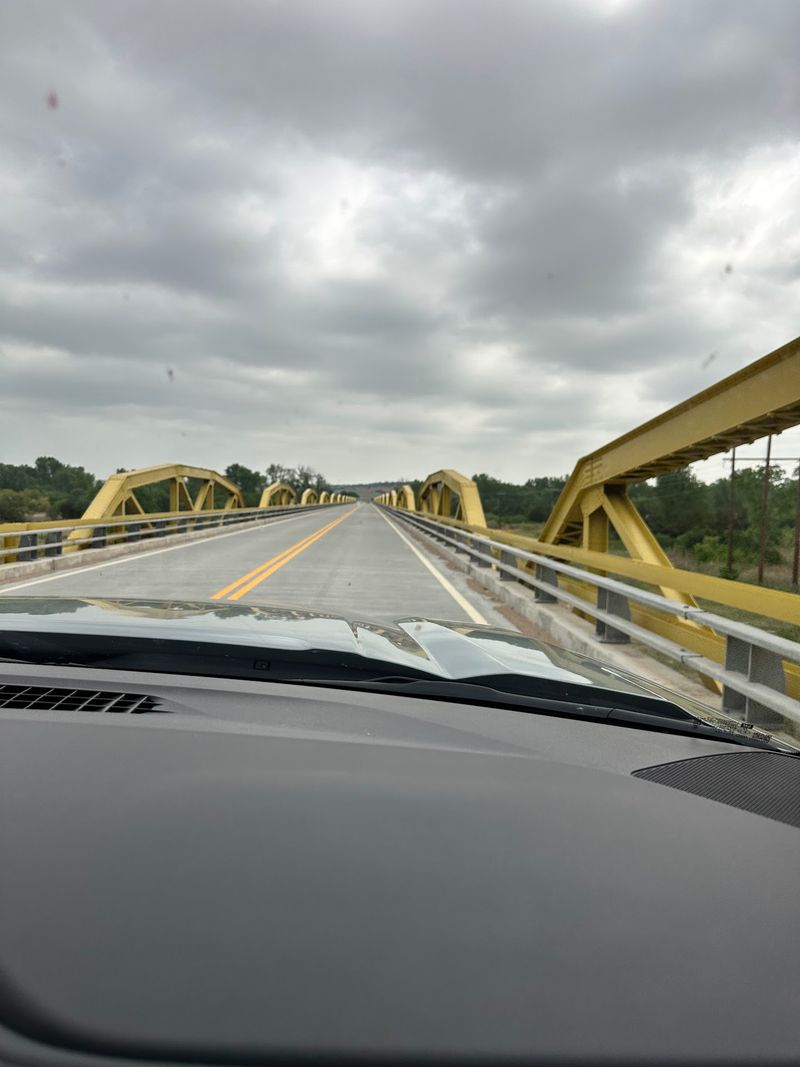
Not every historic landmark can be experienced from the inside of your car, but the Bridgeport Bridge invites exactly that. Rolling across the three-quarter-mile span at a relaxed pace gives you a sense of the bridge’s true scale in a way that standing beside it simply cannot replicate.
The rhythm of the truss spans passing on either side creates a kind of visual drumbeat, a repeated pattern that underscores just how long and deliberate this structure is. Drivers often find themselves slowing down instinctively, not because the road requires it but because the experience rewards a slower pace.
For Route 66 enthusiasts, crossing the Bridgeport Bridge is a direct physical connection to the travelers who used this exact road decades ago. The highway alignment has remained largely unchanged, meaning you are genuinely following the same route that millions of Americans traveled during the mid-twentieth century.
That authenticity is rare on modern road trips, where so much of the original Mother Road has been rerouted or erased. Here, the road and the bridge exist together just as they always have.
The Roadside Pull-Off and Information Signs
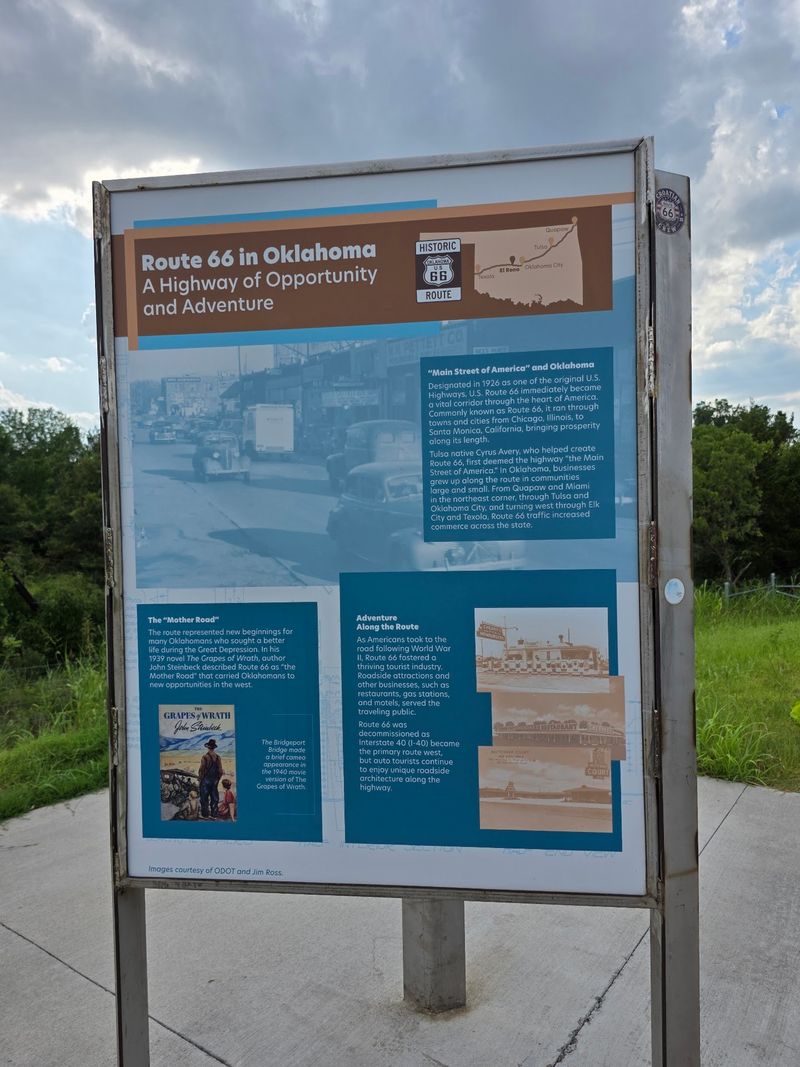
Practical details matter when you are road-tripping, and the Bridgeport Bridge has been thoughtfully set up for visitors who want to stop and soak it in properly. A paved pull-off area sits on the north or eastern side of the bridge, complete with informational signs that explain the history and significance of the structure.
Travelers approaching from the east will find the parking area directly on the right side of the bridge, making it easy to pull in without missing the turn. Those coming from the west need to cross the bridge first, then look immediately to the left for the pull-off.
The layout is straightforward once you know what to expect, and the signs at the stop provide good context for appreciating what you are looking at.
The information panels cover the bridge’s construction history, its Route 66 significance, and the details of the recent restoration effort. Reading through them before or after crossing adds real depth to the visit.
Many travelers skip roadside signage out of habit, but at the Bridgeport Bridge, the panels are genuinely worth a few minutes of your time. They turn a quick photo stop into something closer to a proper history lesson.
How Long the Detour Actually Takes
One of the most common hesitations about stopping at roadside landmarks is the time commitment, and the Bridgeport Bridge makes a compelling case for itself on that front. From Interstate 40, the detour to reach the bridge adds roughly nine minutes to your drive, according to visitors who have made the trip.
That is a remarkably small investment for what you get in return. The route takes you through a genuine slice of original Route 66 alignment both before and after the bridge crossing, giving you a feel for the old highway’s character beyond just the bridge itself.
Small towns along the way add texture to the experience without significantly lengthening the drive.
For anyone on a longer Route 66 road trip or simply passing through central Oklahoma on I-40, the math is easy. Nine minutes for a 90-year-old landmark that visitors consistently describe as one of the best stops on the entire Mother Road is an obvious trade.
The detour does not feel like a detour at all once you are on the old highway. It feels like the right road, the one you should have been on the whole time.
Small Town Treasures Along the Route
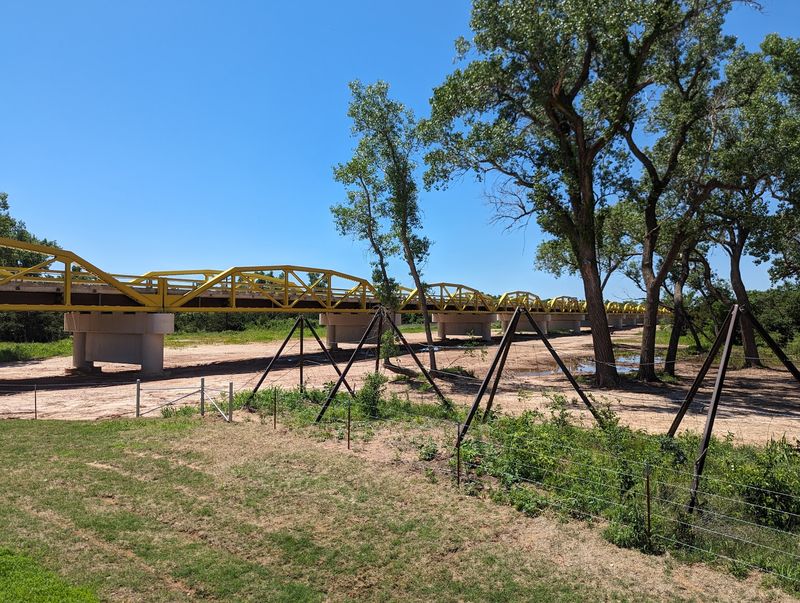
Getting to the Bridgeport Bridge means driving through a corridor of central Oklahoma small towns that carry their own quiet appeal. The stretch of historic Route 66 between Geary and Hinton passes through communities where time seems to move at a gentler pace, and the roadside details reward curious travelers who look closely.
Old storefronts, faded murals, and vintage signage appear along the route, each one a small artifact of the Mother Road’s commercial heyday. None of these towns are major tourist destinations on their own, but together they create a cumulative atmosphere that feels authentically American in a way that highway rest stops and chain restaurants simply cannot manufacture.
Visitors who take the time to explore beyond the bridge itself often come away talking about the whole corridor rather than just the single landmark. The bridge is the anchor, but the surrounding towns are part of the same story.
Route 66 was always about the journey between places as much as the destinations themselves, and this stretch of central Oklahoma captures that spirit honestly and without any artificial polish.
A Landmark for Cyclists and Road Trippers Alike
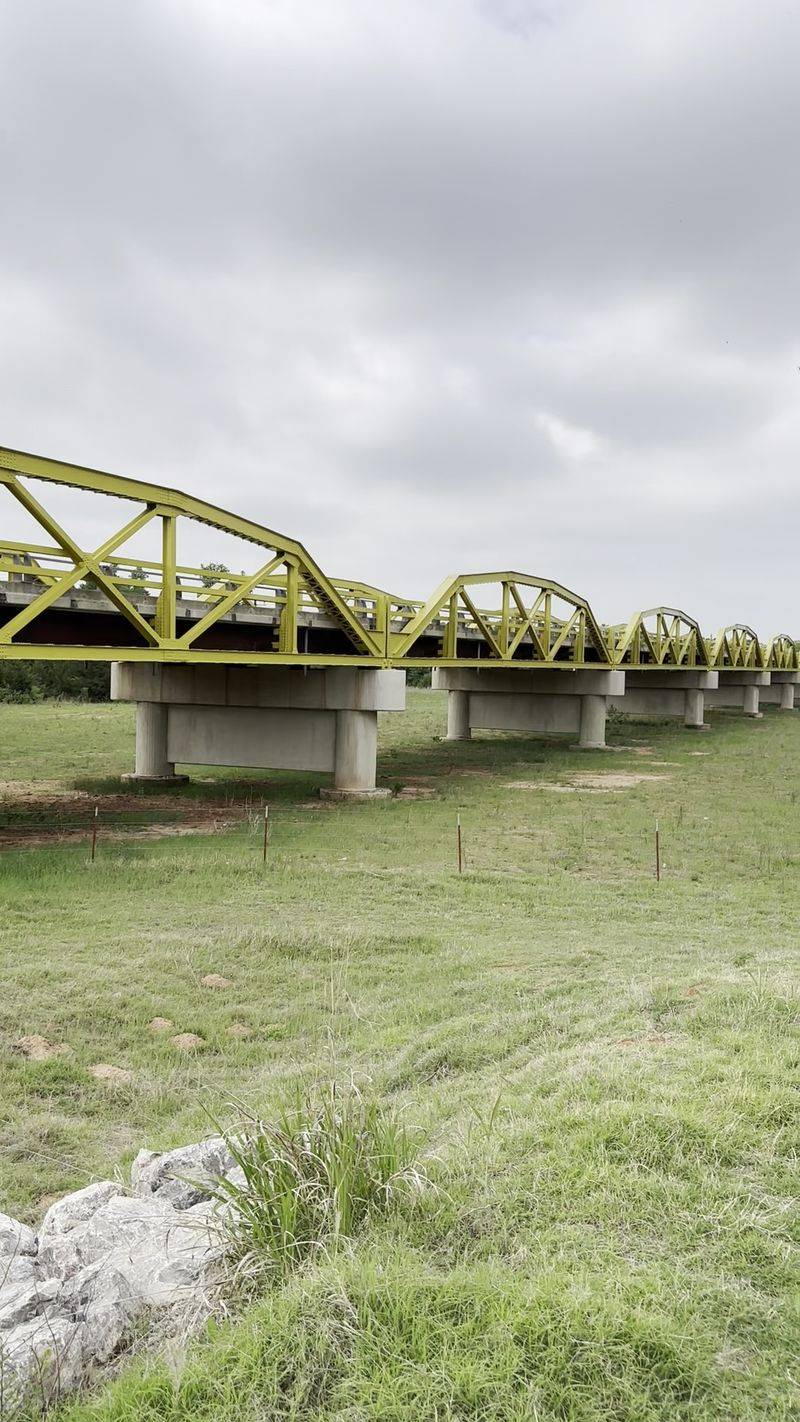
Road trips do not always happen on four wheels, and the Bridgeport Bridge accommodates that reality. Cyclists traveling the Route 66 corridor can cross the bridge, making it accessible to a community of travelers who experience the Mother Road at a much slower and more intimate pace than motorists.
For bicycle tourists, crossing a nearly mile-long historic bridge over a river valley is a genuine highlight. The exposed steel framework on either side, the open views of the Canadian River, and the rhythmic passage of span after span create an experience that is almost meditative at cycling speed.
Several long-distance cyclists who have ridden Route 66 multiple times have named the Bridgeport Bridge among their favorite crossings on the entire route.
Motorists and cyclists share the space respectfully, and the bridge’s width, slightly increased during the recent renovation, helps accommodate both. Whether you arrive by car, motorcycle, or bicycle, the experience of crossing this structure connects you to the same physical route that travelers have used for nearly a century.
That continuity across different modes of travel is part of what keeps the Bridgeport Bridge feeling relevant and alive rather than simply historic.
Photography Opportunities Worth Planning Around
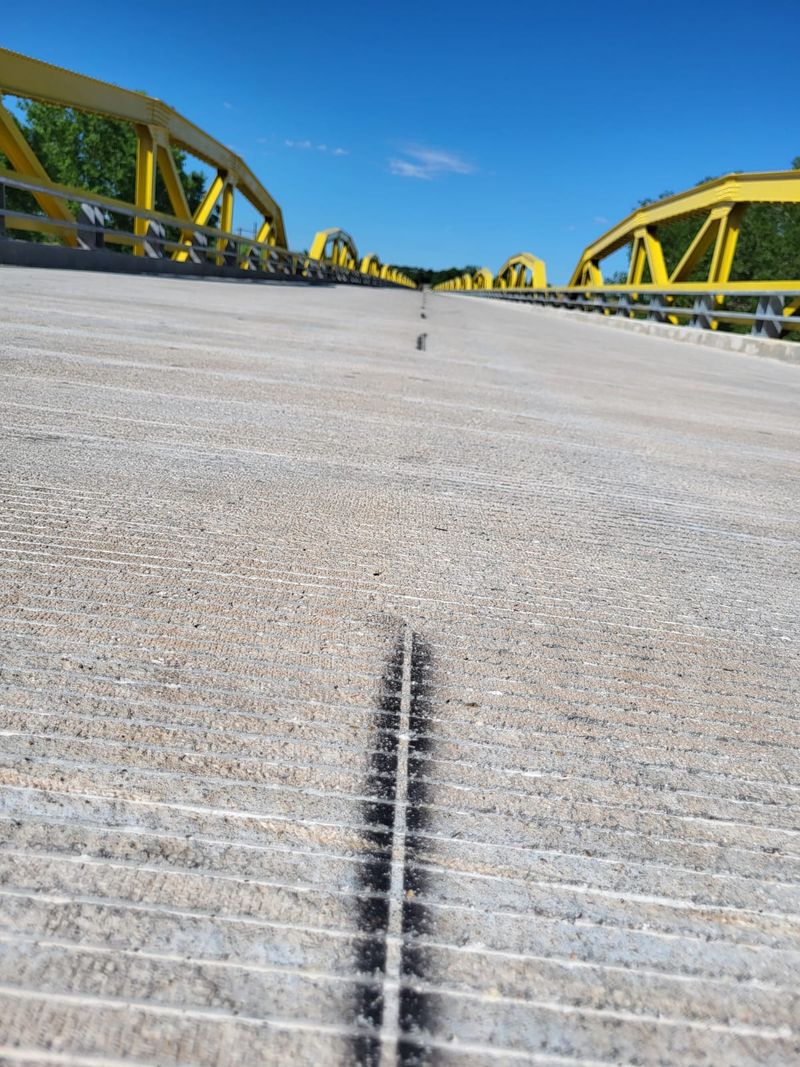
Few roadside landmarks in Oklahoma offer as many distinct photographic angles as the Bridgeport Bridge. The length of the structure means you can capture dramatically different compositions depending on where you stand, from the pull-off parking area, from the roadway itself, or from the riverbanks below if you venture down.
Morning and late afternoon light are particularly rewarding here. The low angle of the sun catches the yellow steel at a warm, raking angle that emphasizes the geometry of the trusses and creates long shadows across the bridge deck.
Midday light works too, especially for sharp, high-contrast shots of the repeating spans against a deep blue Oklahoma sky.
The river below adds compositional depth that many bridge photographs lack. Including the water in a wide shot grounds the structure in its landscape and communicates the real scale of the crossing.
Photographers who arrive with a little time to experiment rather than just a quick snapshot in mind will leave with a genuinely varied collection of images. The bridge rewards patience and rewards those who walk the full length of the pull-off area to find the best angle rather than shooting from the first spot they reach.
Who Will Love This Stop Most
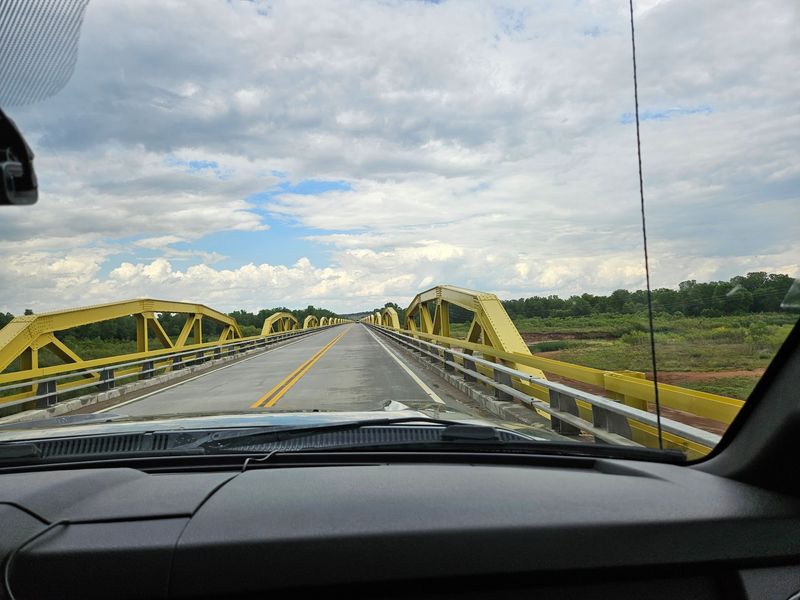
History enthusiasts are the obvious audience for the Bridgeport Bridge, but the appeal stretches well beyond that group. Architecture lovers will find the truss design endlessly interesting, and the bridge offers a hands-on example of early twentieth century engineering that no textbook can fully replicate.
Families traveling with children will find the bridge approachable and engaging. The scale of the structure is genuinely impressive to younger visitors, and the combination of the long crossing, the river view, and the colorful yellow paint gives kids plenty to react to.
Parents often find it easier to explain American history through tangible landmarks like this one than through any classroom lesson.
Route 66 completionists, a dedicated community of travelers working their way through every significant stop on the Mother Road, consider the Bridgeport Bridge an essential checkbox. Motorcycle riders in particular have a long tradition of stopping here, and the bridge has appeared on enough bucket lists and road trip blogs to carry genuine cultural weight.
Casual road-trippers who stumble across it without prior knowledge tend to become instant advocates, pulling out their phones to tell friends about the unexpected find they almost missed.
Why the Bridgeport Bridge Deserves a Spot on Your Oklahoma Itinerary
Some landmarks earn their reputation gradually, through decades of quiet consistency rather than dramatic moments. The Bridgeport Bridge is that kind of place, a structure that has been faithfully connecting communities and travelers across the Canadian River since 1933, and one that now carries the added weight of a thoughtful restoration that honored its original character.
The combination of genuine historical significance, striking visual presence, and easy accessibility makes it a rare find. Most landmarks this interesting require significant effort to reach.
The Bridgeport Bridge sits just minutes from Interstate 40, freshly painted and well signed, ready to be discovered by anyone willing to take a brief detour from the fast road.
Central Oklahoma has plenty of worthy destinations, but few manage to deliver such a concentrated dose of history, engineering, natural scenery, and pure road trip satisfaction in a single stop. The nine-minute detour investment returns dividends that last long after you have rejoined the highway and continued on your way.
Whether you are a first-time visitor to the state or a lifelong Oklahoman who has somehow never made it out to the Canadian River crossing, the Bridgeport Bridge is the kind of place you will want to come back to, and the kind of place you will definitely tell people about.
Share this story