Some places on the Oregon coast look ordinary from the highway, then stop you cold once you actually see them. Perched on a lonely rock far out in the pounding surf, this old lighthouse guards a story most day-trippers never bother to learn.
Getting a good look takes a little effort, a short hike, and maybe a pair of binoculars. But the folks who make the detour walk away feeling like they stumbled onto one of the coast’s best-kept secrets.
A Beacon Marooned Off the Cannon Beach Shore
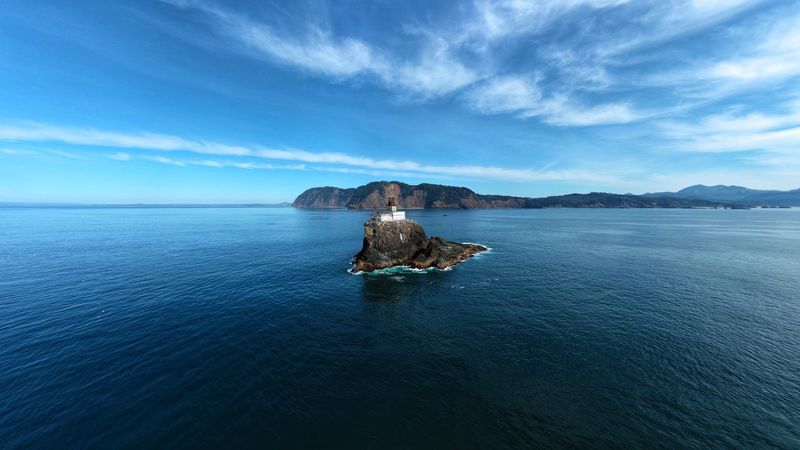
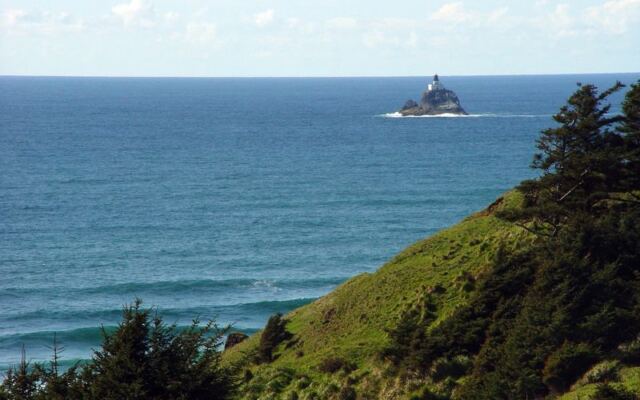
Just past Cannon Beach on Oregon’s northern coast, you’ll find a lighthouse that refuses to sit where you can walk up and touch it. It perches on a bare hunk of rock roughly a mile and a half offshore, completely surrounded by churning water.
Locals and visitors alike know it by its nickname, though the official name is Tillamook Rock Lighthouse. First lit back in 1881, it counts among the earliest beacons ever built along this stretch of coast.
What makes it so unusual is exactly what makes it worth the trip. You cannot drive to it, boat over easily, or stroll across the sand to reach it.
Seeing it clearly becomes a small adventure, and that challenge is half the charm for anyone curious enough to seek it out.
The Nickname Born From Brutal Weather
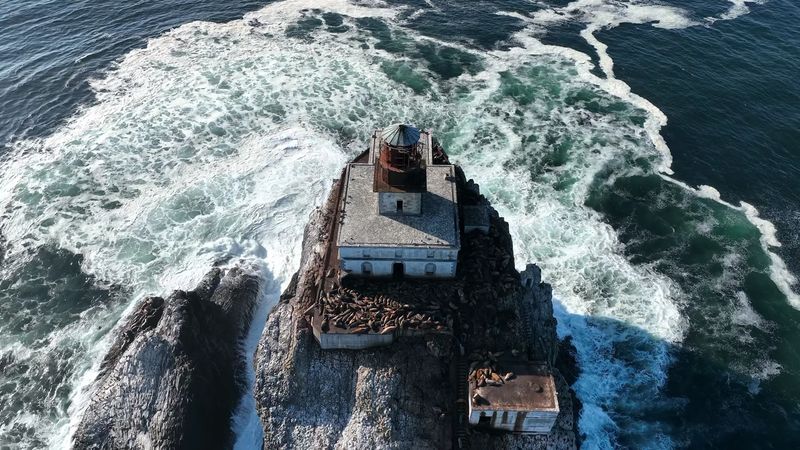
Ever heard of “Terrible Tilly”? That’s the affectionate, slightly ominous nickname this lighthouse earned long ago, and it fits perfectly once you understand what it endured.
Storms out here don’t play nice. Waves have slammed against the rock with such force that they shattered windows and soaked everything inside the structure.
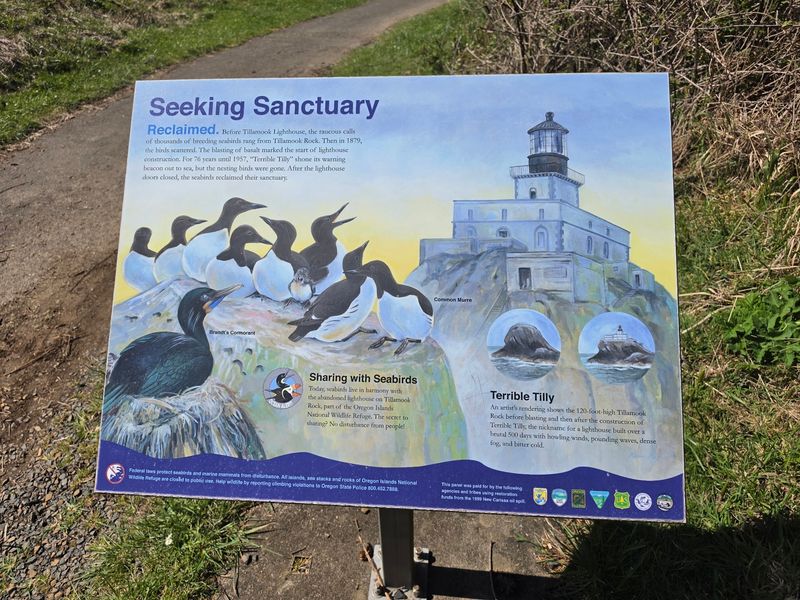
Building it turned into a marathon of setbacks, stretching to 575 days, more than twice the original plan.
Supplies could only arrive by boat, and even that proved risky when the seas turned violent, with some deliveries lost entirely. Visitors who learn this backstory often say it changes how they see the lonely tower on the horizon.
Standing on the bluff, watching the surf batter that isolated rock, you get a real sense of why the name stuck all these years.
Why the Light Went Dark in 1957
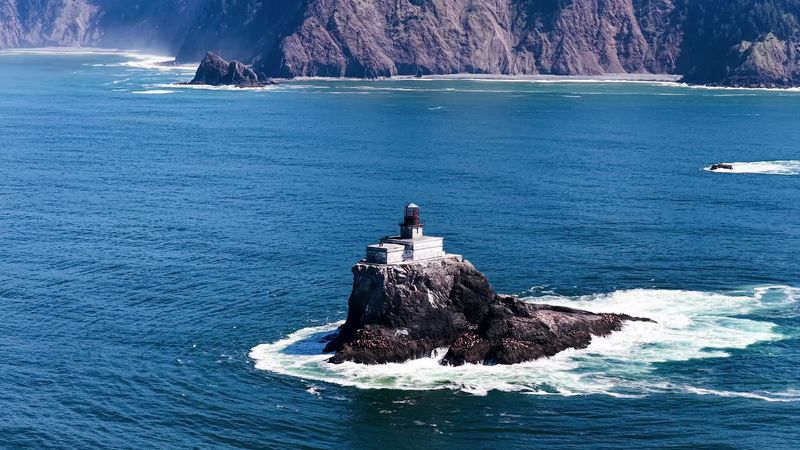
Keeping a light burning on a rock this remote turned out to be nearly impossible over time. After decades of service, the lighthouse was deactivated in 1957, and the reasons were entirely practical.
Reaching the station to maintain it demanded a treacherous commute across unpredictable water. The upkeep costs climbed higher and higher, until running it simply stopped making sense compared to newer navigation methods.
Visitors who dig into the history often mention how the lighthouse “seized service” in the middle of the twentieth century, closing a chapter that had lasted more than seventy years.
Today it stands silent, no longer guiding ships through the fog. Yet that quiet, retired quality is part of what draws curious people in.
There’s something haunting about a beacon that once fought the sea nightly and now simply weathers it in stillness.
The Surprising Second Life as a Resting Place
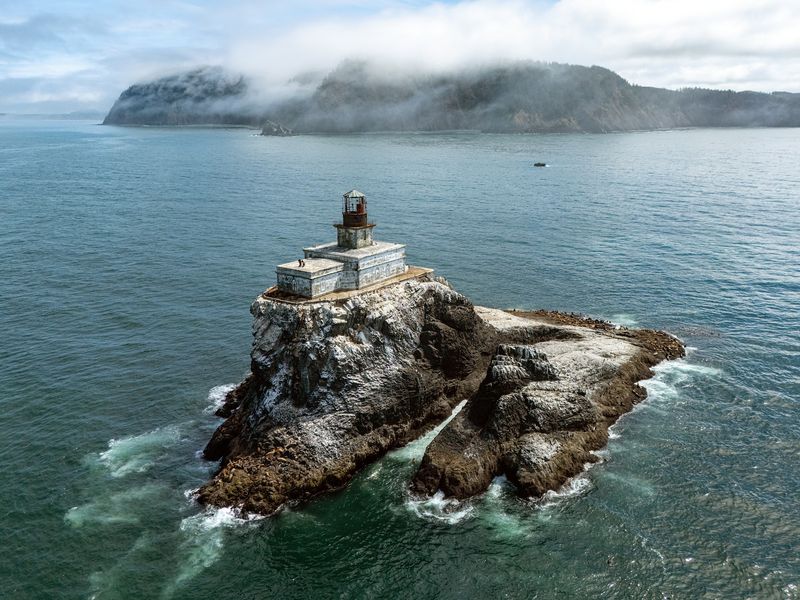
Here’s the quiet secret that makes so many travelers pause. After the light was retired, the old structure took on an unexpected role that most people never guess.
For a time, it served as a columbarium, a place where cremated remains were kept. That detail gives the lonely rock an extra layer of mystery, blending its rugged history with something deeply personal and reflective.
Knowing this, plenty of visitors say the lighthouse feels both eerie and majestic at once, especially when waves pound the base and mist rolls across the water.
It’s the kind of fact that lingers with you long after you’ve left the overlook. A working beacon becoming a peaceful resting spot far out at sea is exactly the sort of story that rewards the curious few willing to learn it.
Movie Magic and the Goonies Connection
Film fans, this one’s for you. The rugged scenery surrounding the lighthouse played a starring role in cinema history, and standing here can make grown adults feel like kids again.
Nearby at Ecola State Park, you can spot the famous sea stack from The Goonies, the one affectionately called “Goonies Rock.” Framed by cliffs and crashing waves, it’s a bucket-list photo for anyone who grew up loving that adventure.
Visitors frequently describe the offshore lighthouse itself as looking like something straight out of a pirate movie, perched dramatically on its own sea-bound island.
Between the cinematic coastline and the moody beacon in the distance, the whole area feels almost scripted. If you’re chasing that surreal, movie-set atmosphere, few spots on the Oregon coast deliver quite like this rocky, wave-battered corner.
Wild Elk Grazing at Ecola State Park
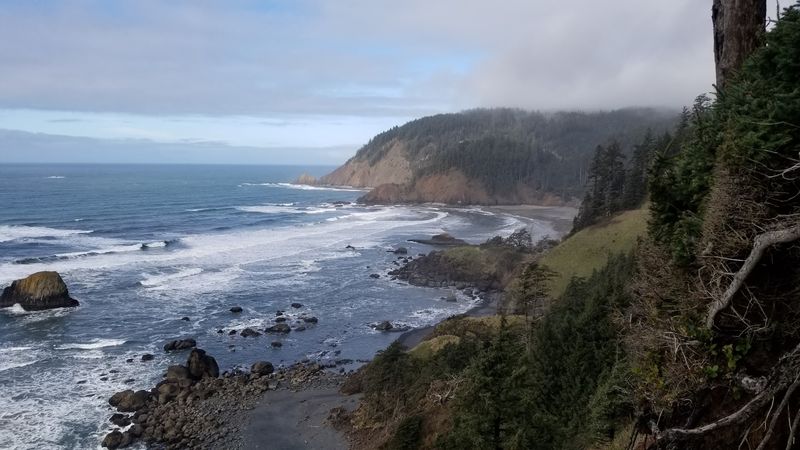
Imagine pulling into a parking lot and being greeted by a herd of wild elk lounging in an open meadow. That’s a real possibility at Ecola State Park, the gateway to the best lighthouse views.
Visitors have shared stories of elk grazing calmly near the parking area, looking completely unbothered by the people nearby. They graze and relax like they own the place, which, honestly, they kind of do.
Spotting these massive, graceful animals adds an unexpected thrill to a lighthouse trip. It’s a reminder that this coast is teeming with life beyond the crashing waves.
Keep your distance and let them do their thing, of course. But snapping a photo of elk in the foreground with the wild coastline behind them?
That’s the kind of memory that makes the detour absolutely worth it.
Choosing the Right Trail to the Overlook
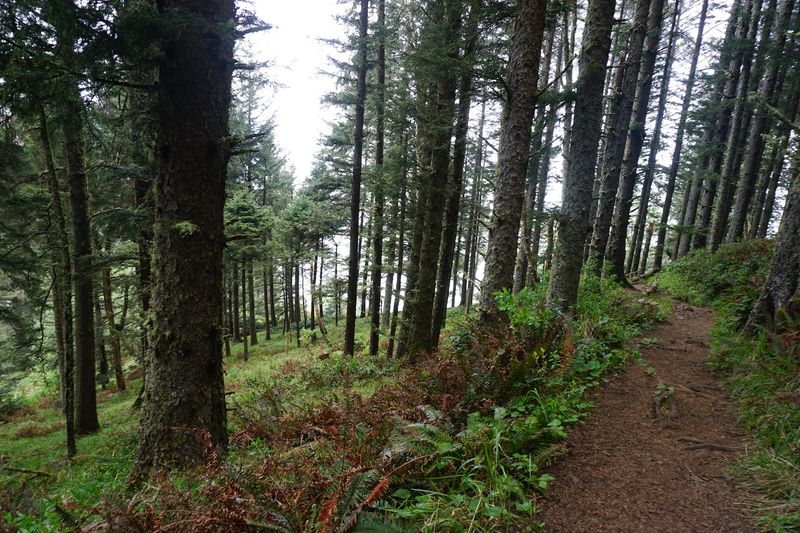
Not all paths to the viewpoint are created equal, and picking the right one saves your legs a lot of grief. Hikers who’ve done it recommend taking the trail to the left on the way up.
The left route offers a more gradual climb and even reveals glimpses of the lighthouse before you reach the main overlook. The path to the right, meanwhile, is nearly all uphill and meant more for driving access.
From the south side, the round trip runs about 3.1 miles, though signage may tell you it’s closer to 2.6 miles.
Trail conditions can vary, staying dry and well-groomed in fair weather but turning muddy after rain. Wearing proper hiking shoes and packing water helps you enjoy the walk instead of just surviving it.
The Longer Hike From the Seaside Side
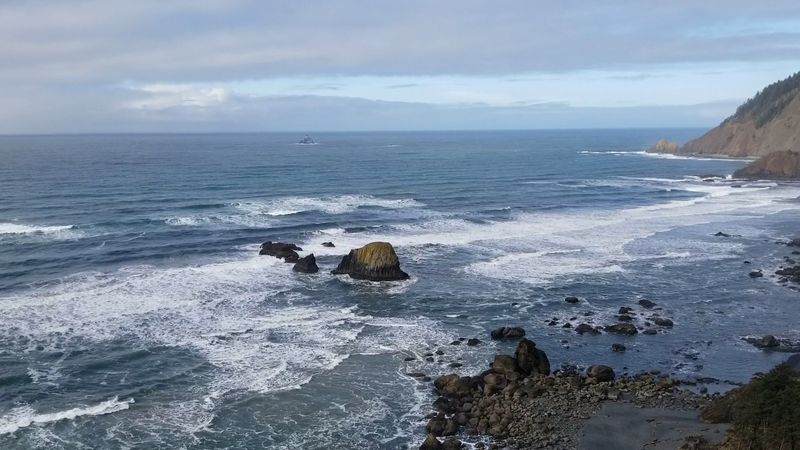
Feeling ambitious? There’s a much longer route that starts from the Seaside side, but be warned, it demands serious commitment.
Hikers report this trail running roughly eight miles round trip, and it tends to get muddy along the way. That’s a big jump from the shorter southern approach, so it’s really for folks who love a proper trek.
The trail system actually stretches all the way back through Tillamook Head, connecting for about seven miles toward Seaside. For dedicated walkers, that means hours of forest, bluffs, and ocean panoramas.
If your goal is simply glimpsing the lighthouse, this isn’t the efficient choice. But if you crave a full day immersed in coastal wilderness, mossy woods, and sweeping views, the Seaside approach delivers an adventure worth every muddy step and tired muscle at the end.
Spotting It Without Any Hike at All
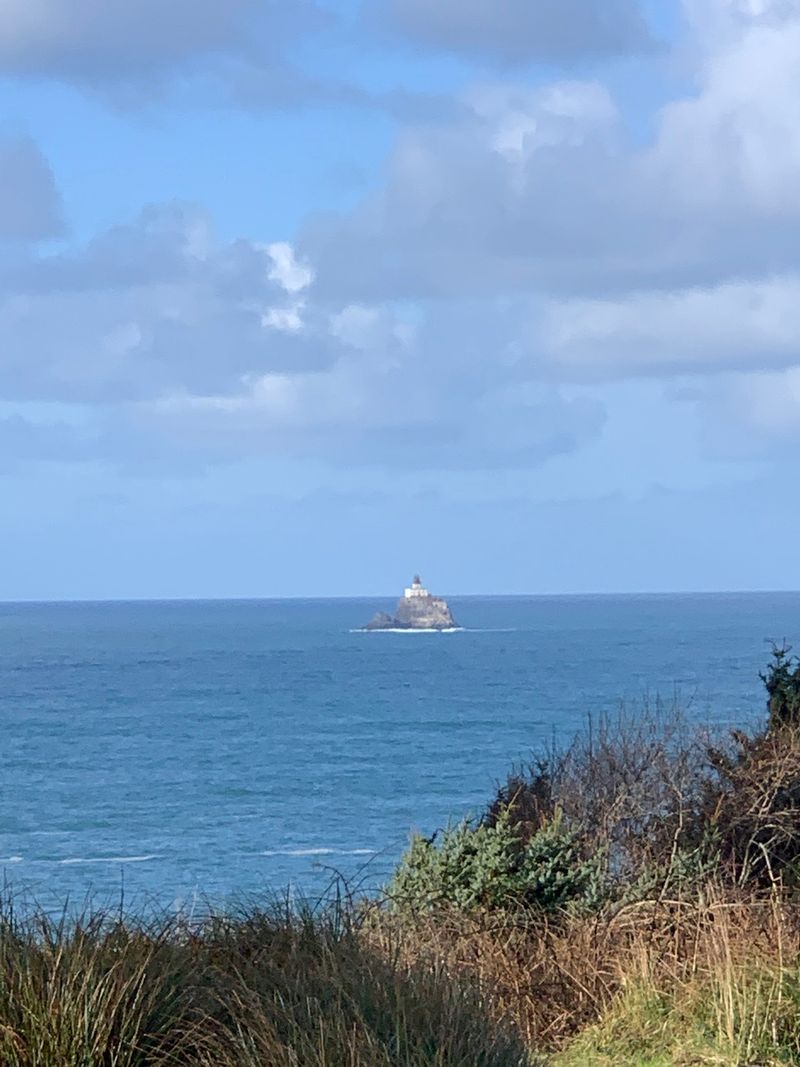
Short on time or nursing a sore ankle? Good news: you don’t actually need to hike to catch a glimpse of this beacon.
Several visitors have shared clever shortcuts. From Ecola State Park, you can drive as far as the road allows, park, and walk about 100 feet through the grass toward the point to spot the lighthouse in all its glory.
Another trick works from Indian Beach at low tide. Walk down to the sand, cross the first shallow stream, then turn and look to your right.
You can even see it in the distance straight from Cannon Beach itself, small but visible. These easier options make the lighthouse accessible to just about everyone, whether you’re a serious hiker or just want a quick, memorable peek at something special.
Sea Lions, Surfers, and Ocean Life
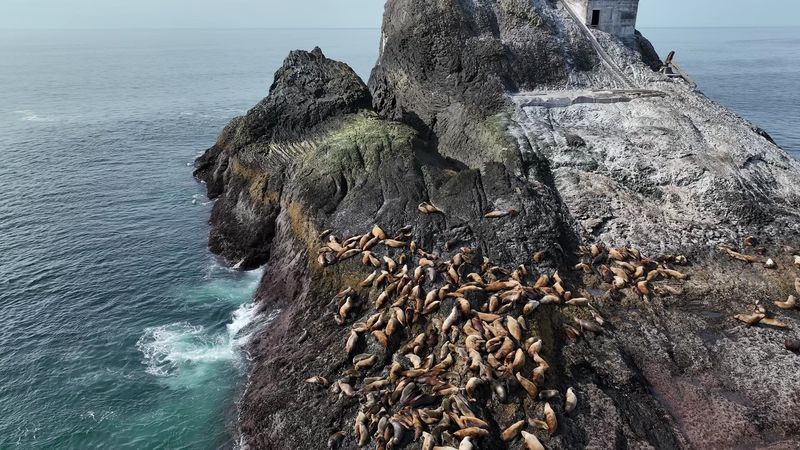
The view out to the lighthouse comes with plenty of company. Look closely and you’ll often catch sea lions basking near the rocks or bobbing in the swells below.
On a good day, the scene includes surfers riding waves offshore, gulls wheeling overhead, and the endless motion of the Pacific. Some viewpoints require only a short quarter-mile stroll to take it all in.
Bring binoculars if you can. They bring the distant lighthouse into sharper focus and help you catch the wildlife that might otherwise blend into the churning water.
It’s a living, breathing coastline, not just a static postcard. Between the marine mammals, the surfers, and the dramatic rock formations, there’s always something moving to hold your attention while you soak up the salty air and thundering surf.
A Picnic Spot With a Front-Row Ocean Seat
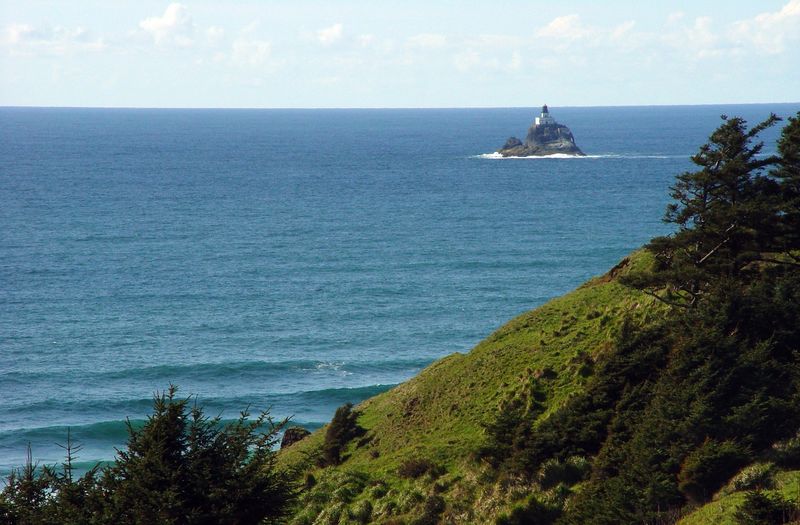
Pack a lunch, because this is prime picnic territory. Visitors regularly settle onto the grassy areas near the viewpoints, spreading out a blanket to enjoy the scenery at a slow pace.
The walk from the entrance to the picnic-friendly spots isn’t too far, making it easy to haul along snacks and a comfy cover to sit on. Folks who’ve done it dream of coming back with more food and just chilling for hours.
With gentle ocean breezes and the distant lighthouse as your backdrop, it’s hard to imagine a more scenic place to eat.
Golden hour here is especially magical, when the sun dips toward the horizon and paints the whole coast in warm light. Lingering with a full stomach and a stunning view?
That’s the Oregon coast at its finest.
Beating the Crowds by Going Off-Season
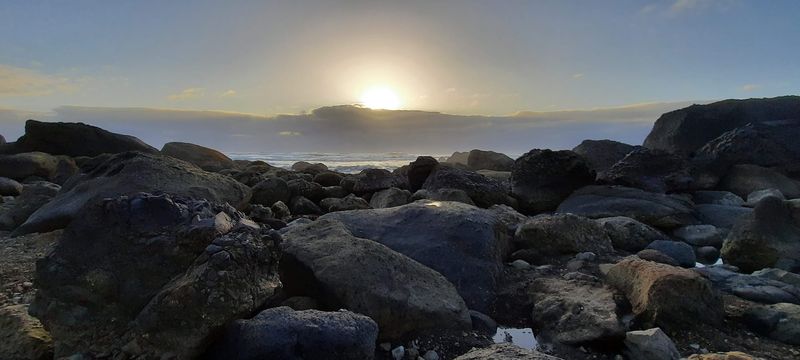
Popularity has a downside, and this spot gets busy. During summer, parking fills up fast, restroom lines stretch long, and even overflow lots can leave you with a hefty walk to reach the views.
Regulars who prefer solitude swear by visiting off-season. One two-day explorer described sitting on rock formations, watching golden hour dip behind the horizon, all without a million other people around.
Oregon’s quieter months bring their own rewards, from moody coastal fog to dramatic storm-watching when the surf really puts on a show.
Going during a weekday or shoulder season means easier parking and a more peaceful experience overall. If crowds aren’t your thing, timing your trip carefully turns a good visit into a genuinely serene one, letting you savor this hidden coastal gem the way it deserves to be enjoyed.
Knowing Before You Go: Views and Realistic Expectations
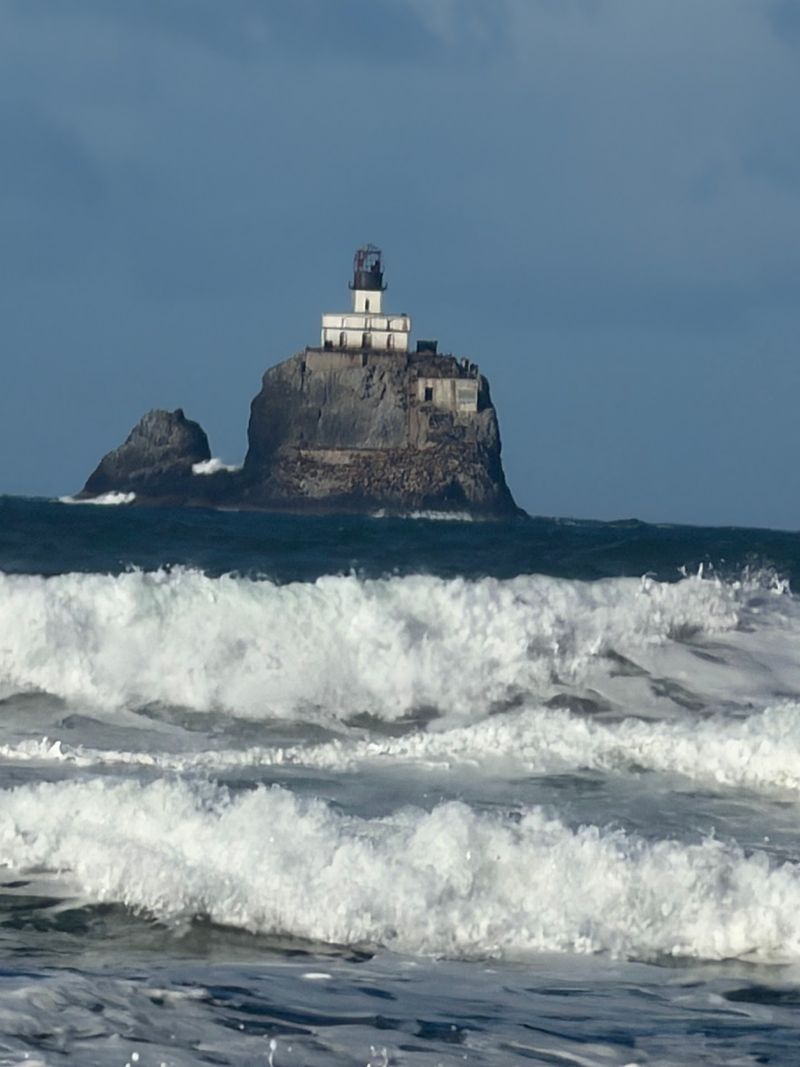
Let’s set honest expectations. Sitting roughly a mile and a half offshore, the lighthouse is genuinely far away, and that surprises some first-timers.
Without strong binoculars, you won’t get a super close look, so anyone hoping to walk right up will be disappointed. There’s no way to reach the rock itself, and the structure sits in aged, unrestored condition.
A few visitors have noted it’s showing wear, wondering how much longer it will stand against the relentless sea.
That said, most people still find the distant, spooky silhouette worth seeing. Knowing what you’re getting into helps.
If you arrive expecting a dramatic offshore beacon perched on a wild rock, rather than a hands-on tour, you’ll leave satisfied. Managing expectations makes the difference between a letdown and a memorable coastal moment.
Is This Detour Worth Your Time?
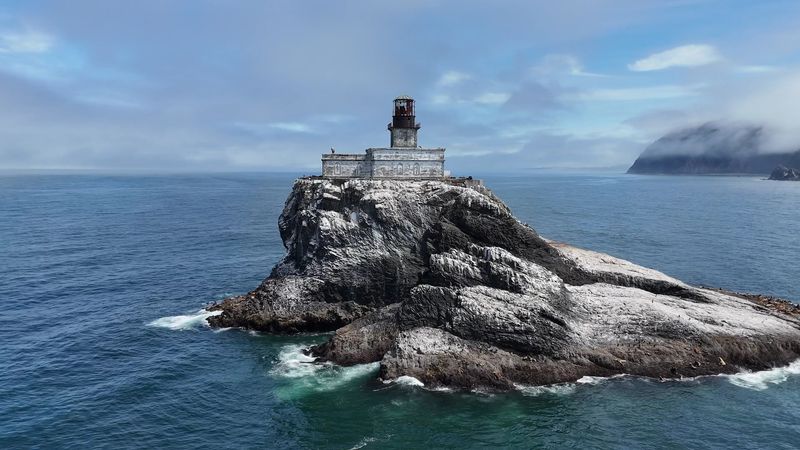
So, should you make the trip? For history buffs, ocean lovers, and anyone charmed by epic rock formations, the answer leans strongly toward yes.
Between the wildlife, the cinematic scenery, and that unforgettable backstory, this corner of the coast has a way of making people feel lucky to be in Oregon. Even those who only stop briefly tend to come away impressed by the views.
Bring hiking shoes, water, and maybe a picnic. Pick your trail wisely, aim for low tide or clear skies, and time your visit to dodge the summer rush.
The lighthouse won’t hand you an easy, up-close experience, and that’s exactly the point. Its quiet secret and hard-earned views reward the curious few willing to detour.
Go see “Terrible Tilly” for yourself, and you’ll understand why it stays with people.
Share this story