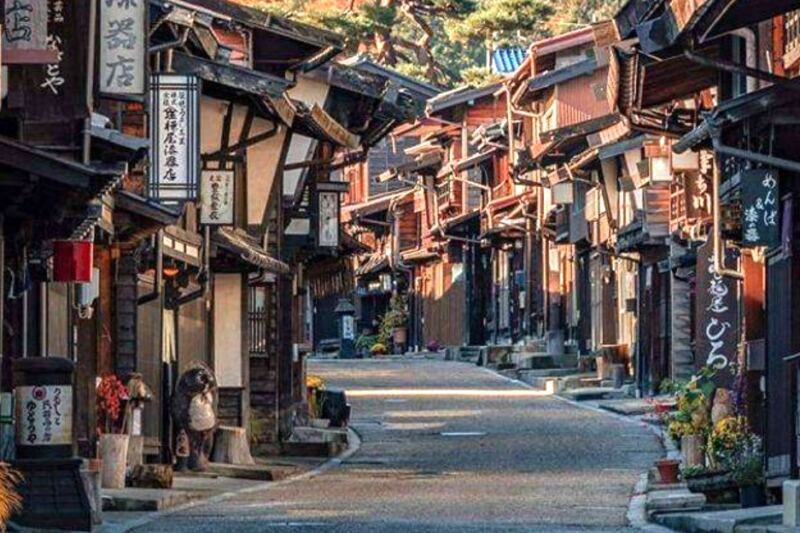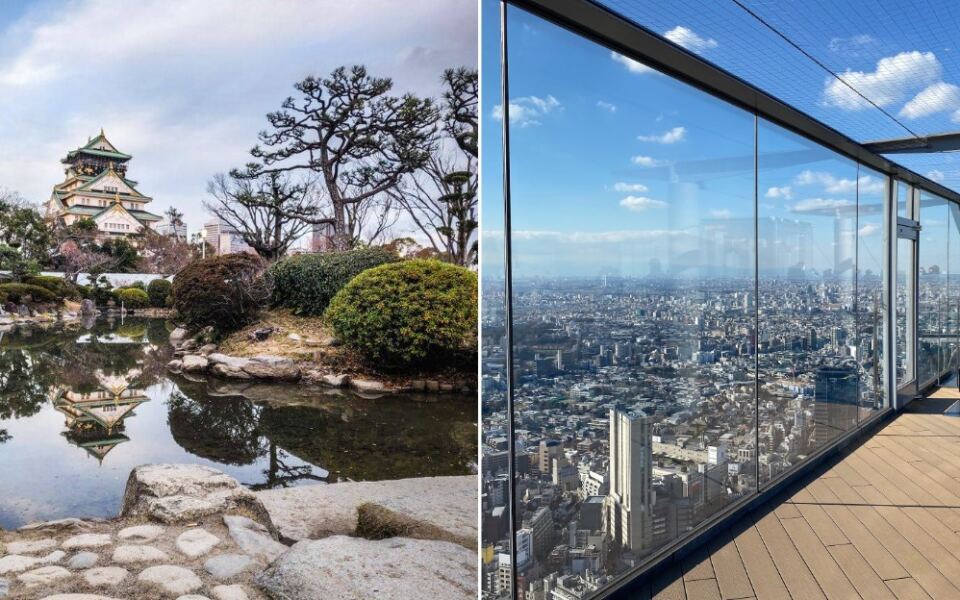
Tokyo is one of those cities that somehow manages to be ancient and futuristic at the exact same time. You can stand in front of a thousand-year-old temple in the morning and ride an elevator to a rooftop observation deck in the afternoon.
Whether you are planning your first visit or your fifth, Tokyo keeps finding new ways to surprise you. This list covers 15 places that give you a real feel for what makes this city so extraordinary, from quiet garden paths beside Tokyo Bay to the organized chaos of Shibuya Crossing.
Each spot brings something different to the table, and together they paint a pretty complete picture of why Tokyo belongs on every serious traveler’s radar heading into 2027.
Sensoji Temple, Asakusa
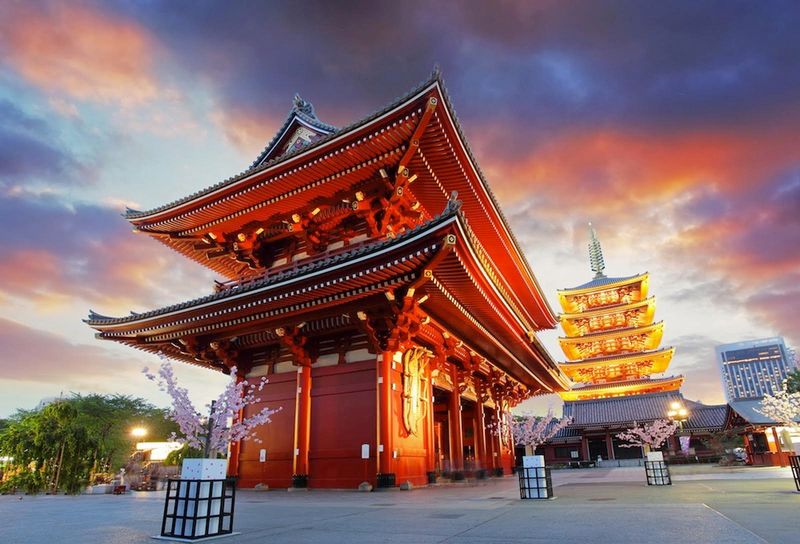
Tokyo’s oldest Buddhist temple has been welcoming visitors since the seventh century, and Sensoji still draws crowds for very good reason. The approach through Kaminarimon Gate sets the tone immediately, with its massive red lantern marking the entrance to one of the city’s most photographed spots.
From there, Nakamise-dori stretches ahead, lined with small shops selling traditional sweets, folding fans, souvenirs, and handmade crafts. It is a lively stretch that rewards slow walkers who take time to browse.
The main hall opens at 6:00 a.m. most of the year, shifting to 6:30 a.m. between October and March. Arriving early is genuinely worth the effort.
Before Asakusa fills with tour groups and day-trippers, the grounds feel calm and almost meditative. Sensoji is free to enter, making it one of the most accessible major attractions in the city for travelers on any budget.
Tokyo Skytree, Sumida
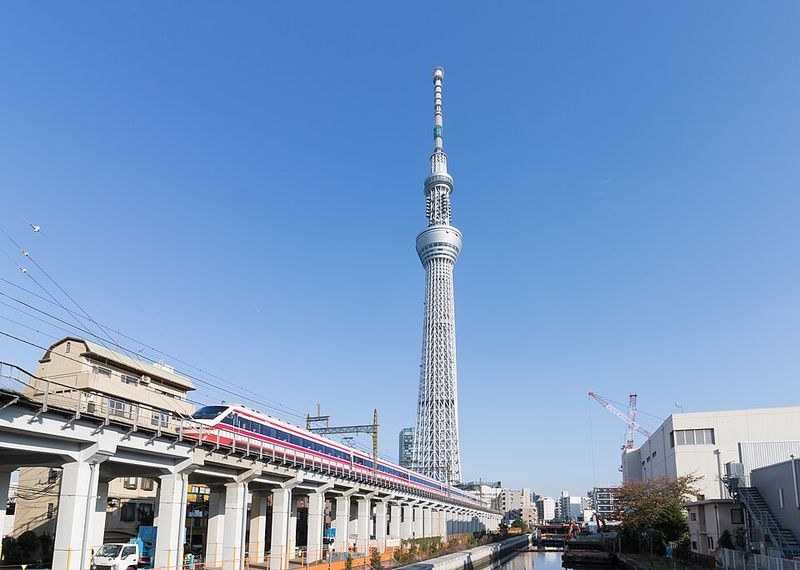
At 634 meters tall, Tokyo Skytree is the tallest structure in Japan and one of the tallest towers in the world. That number alone makes it worth adding to any Tokyo itinerary, but the actual views are what seal the deal.
The Tembo Deck at 350 meters gives you a sweeping look across eastern Tokyo, while the Tembo Galleria climbs even further to around 450 meters for those who want the highest possible vantage point. On clear days, Mount Fuji is visible in the distance.
The attraction operates daily, with evening hours extending well past sunset on most days. This makes it a flexible option whether you prefer bright daytime panoramas or the glittering spread of Tokyo’s illuminated skyline after dark.
The Skytree complex also includes shopping floors, restaurants, and an aquarium at the base, so the visit can easily fill a solid half-day.
Meiji Jingu, Shibuya
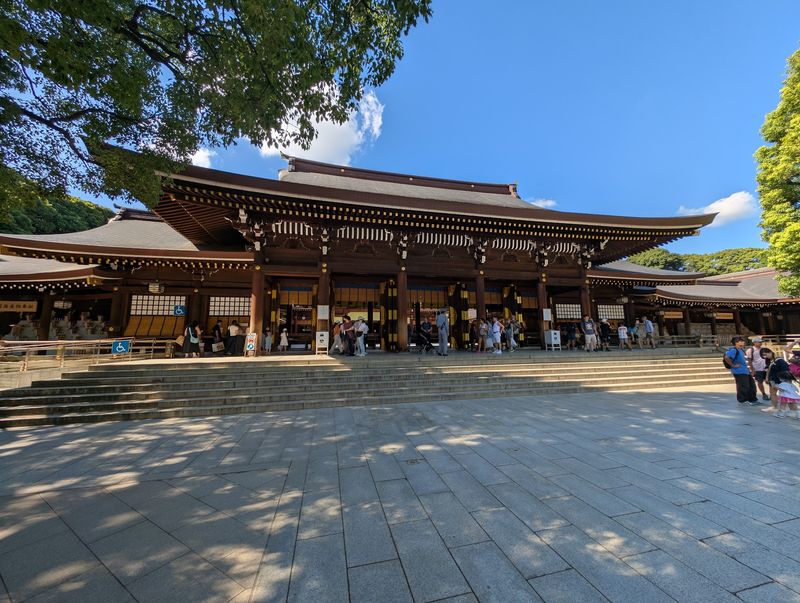
Just a short walk from the noise of Harajuku Station, Meiji Jingu feels like a completely different world. The forested approach leading to the shrine runs for nearly a kilometer, lined with tall trees that block out the city entirely.
The shrine was built in 1920 to honor Emperor Meiji and Empress Shoken, and the grounds cover around 70 hectares of woodland in the middle of one of Tokyo’s busiest districts. That contrast is part of what makes it so striking.
Admission to the main shrine grounds is free, and the shrine opens every day of the year with hours following sunrise and sunset, so they shift with the seasons. Morning visits tend to feel particularly peaceful.
Meiji Jingu also hosts traditional ceremonies throughout the year, so checking the calendar before your visit might reveal something worth timing your trip around.
SHIBUYA SKY, Shibuya
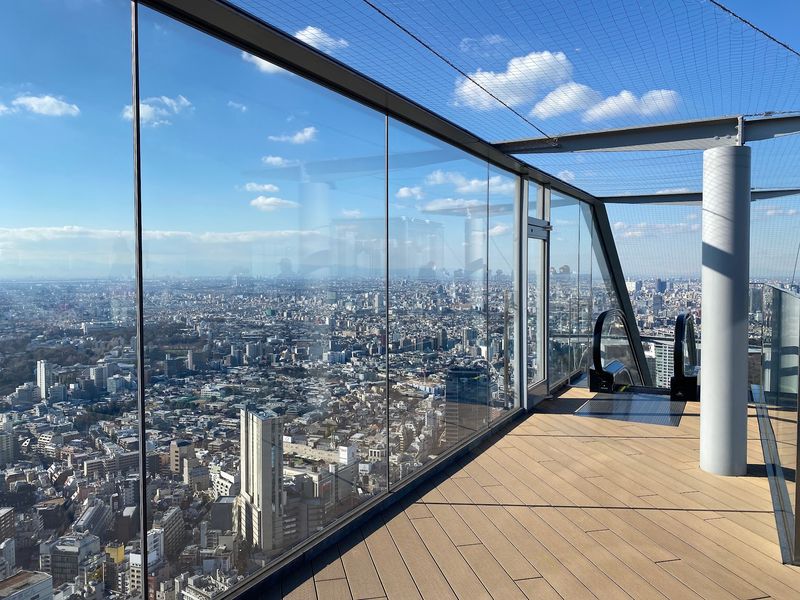
Perched around 229 meters above Shibuya, SHIBUYA SKY offers something that most Tokyo observation decks do not: an open-air rooftop where you can stand outside with nothing between you and the full city panorama.
From up there, the dense web of Shibuya streets, railway lines, and surrounding skyscrapers spreads out in every direction. On clear days, the view extends far beyond central Tokyo.
The indoor viewing areas and interactive exhibits add to the experience before you step outside.
Current operating hours run from 10:00 a.m. to 10:30 p.m., with final admission at 9:20 p.m. Booking tickets in advance is a smart move, especially during peak travel seasons when wait times at the door can stretch significantly.
SHIBUYA SKY sits on top of Shibuya Scramble Square, making it easy to combine with shopping or a meal before heading up.
Shibuya Crossing, Shibuya
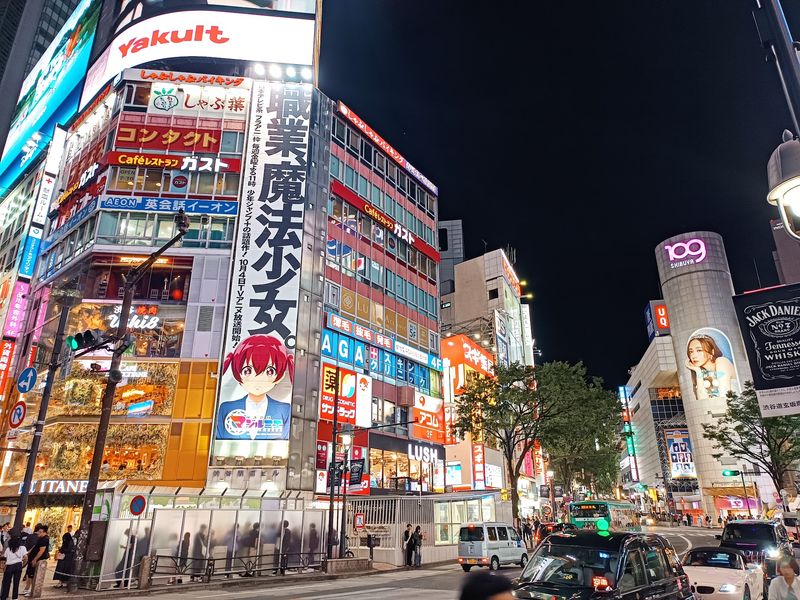
No other intersection on the planet quite matches what happens at Shibuya Crossing when the lights change. Crowds stream across from every direction at once, moving in organized waves beneath massive video screens and neon-lit commercial towers.
There is no entrance fee and no schedule to check because the crossing is simply part of the city. Watching it from street level gives you the full experience of being inside the flow of people.
For an overhead view, several cafes and observation spots nearby offer a bird’s-eye perspective that shows just how many people are crossing at once.
Visiting during daylight helps you appreciate the sheer scale of the intersection and the surrounding architecture. Returning after dark adds a completely different energy, when the screens and signs light up the area in a way that feels distinctly Tokyo.
Either way, Shibuya Crossing earns its reputation as one of the most iconic public spaces in the world.
teamLab Borderless, Azabudai Hills
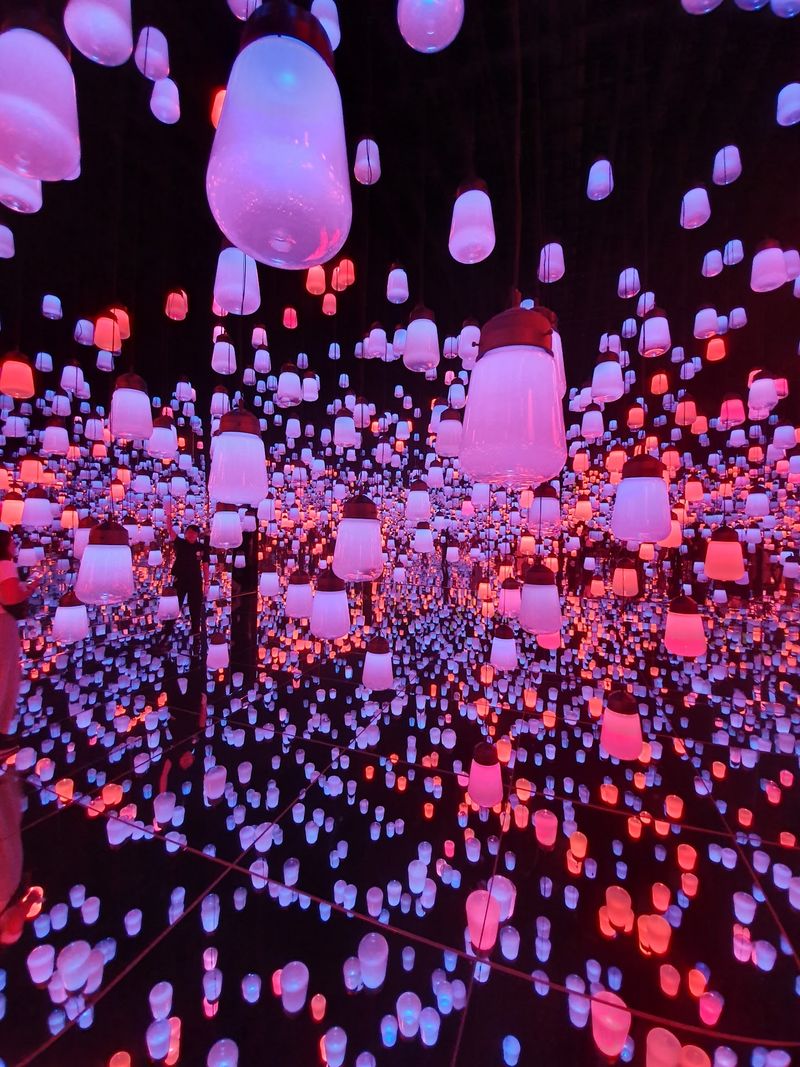
teamLab Borderless is not your typical art museum. The rooms here are not separated by walls or labels.
Instead, digital artworks flow from space to space, responding to visitors and shifting constantly throughout the day.
Light, color, and projected imagery fill entire rooms and spill into hallways, creating an environment where the art feels alive rather than static. After relocating to its current home at Azabudai Hills, the museum has continued adding new works and temporary installations, keeping the experience fresh even for repeat visitors.
Admission is sold for specific entry times, and advance booking is strongly recommended during busy travel periods like summer and major holidays. The museum is particularly popular with younger visitors and families, but the installations genuinely impress across age groups.
Azabudai Hills itself is a relatively new development worth exploring before or after your museum visit, with restaurants, shops, and outdoor spaces filling the complex.
Tokyo Tower, Minato
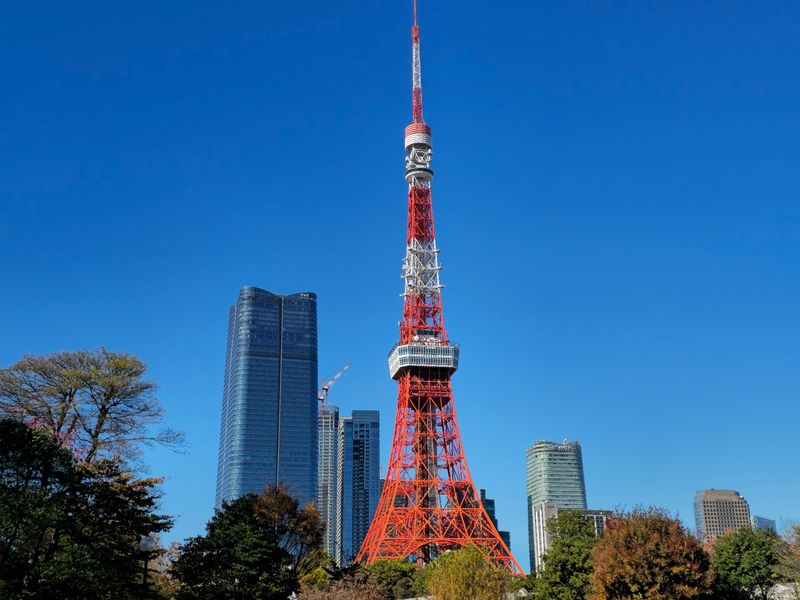
Tokyo Tower has been a fixture of the city’s skyline since 1958, and even with newer observation decks now competing for attention, the red-and-white tower holds its own as one of Tokyo’s most recognizable landmarks.
The Main Deck sits at 150 meters and offers solid views across central Tokyo, while the Top Deck experience reaches 250 meters with a more premium setup that includes floor-to-ceiling glass panels. The tower currently operates from 9:00 a.m. to 11:00 p.m., which makes it one of the later-closing observation spots in the city.
That extended evening window is worth noting for travelers who want to catch both the sunset transition and full nighttime views in a single visit. The surrounding Shiba Park area and nearby Zojoji Temple add extra reasons to spend time in this part of Minato.
Tokyo Tower also lights up in different colors for special occasions throughout the year.
Tsukiji Outer Market, Chuo
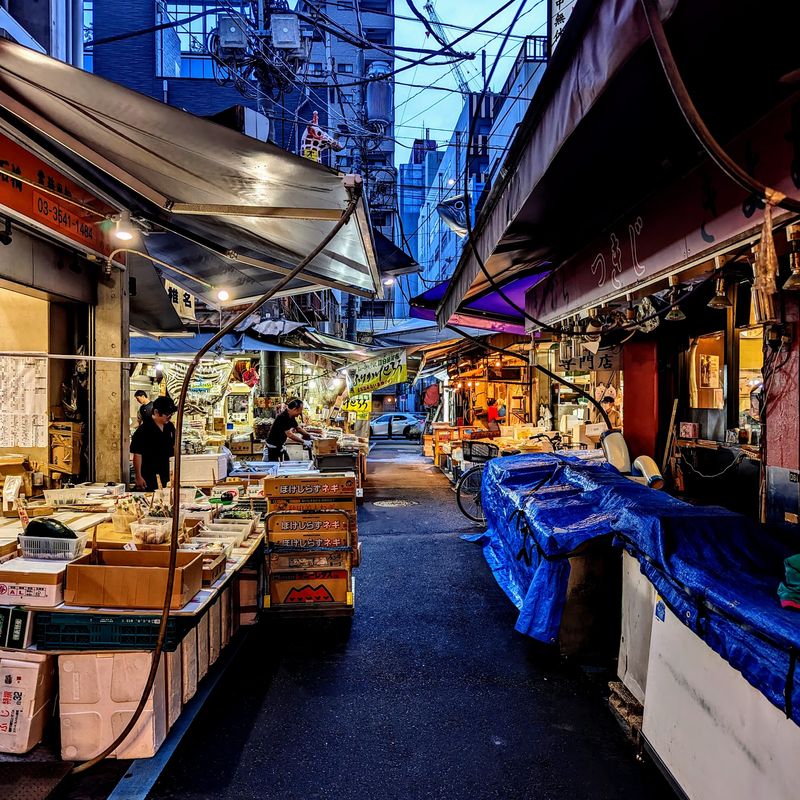
The wholesale fish auctions relocated to Toyosu years ago, but Tsukiji Outer Market has continued operating as one of Tokyo’s most interesting food destinations. The narrow streets still fill with vendors selling fresh seafood, sushi, tamagoyaki, dried goods, specialty tea, knives, and a wide range of Japanese ingredients.
For food-focused travelers, this is one of the most rewarding morning stops in the city. Tamagoyaki on a stick, fresh uni, and grilled scallops are among the items commonly found along the market lanes.
Many stalls operate on a first-come basis, so arriving earlier means more selection.
The general visiting window runs roughly from 9:00 a.m. to 2:00 p.m., though individual vendor hours vary. Most businesses close on Sundays and selected Wednesdays, so planning around those days prevents disappointment.
Tsukiji sits close to Hamarikyu Gardens, making it a natural pairing for a morning that combines food and a relaxed garden walk.
Tokyo National Museum, Ueno
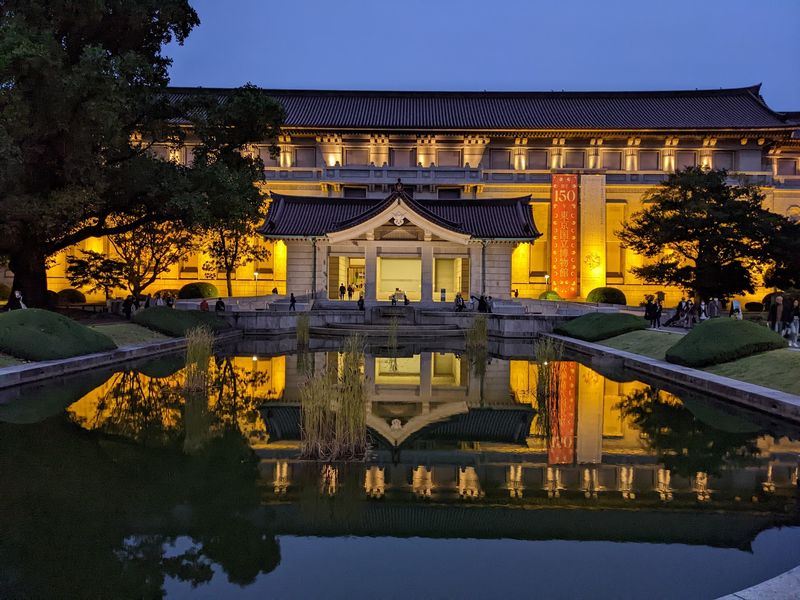
The Tokyo National Museum is the largest art museum in Japan and one of the oldest, with a collection that covers thousands of years of Japanese history and culture. Located inside Ueno Park, it draws serious visitors who want more than a quick look at traditional artifacts.
The collection spans paintings, samurai armor and swords, ceramics, Buddhist sculptures, archaeological pieces, and textiles. Multiple buildings on the grounds each focus on different areas, so a thorough visit takes several hours.
The main Honkan building alone contains dozens of galleries worth working through carefully.
The museum opens at 9:30 a.m., and its published schedule already includes operating dates extending into 2027. Some galleries may undergo partial maintenance closures in early 2027, but the museum itself remains scheduled to operate through that period.
Admission pricing varies by exhibition, and some special exhibitions carry separate fees on top of general admission.
Ueno Zoo, Ueno
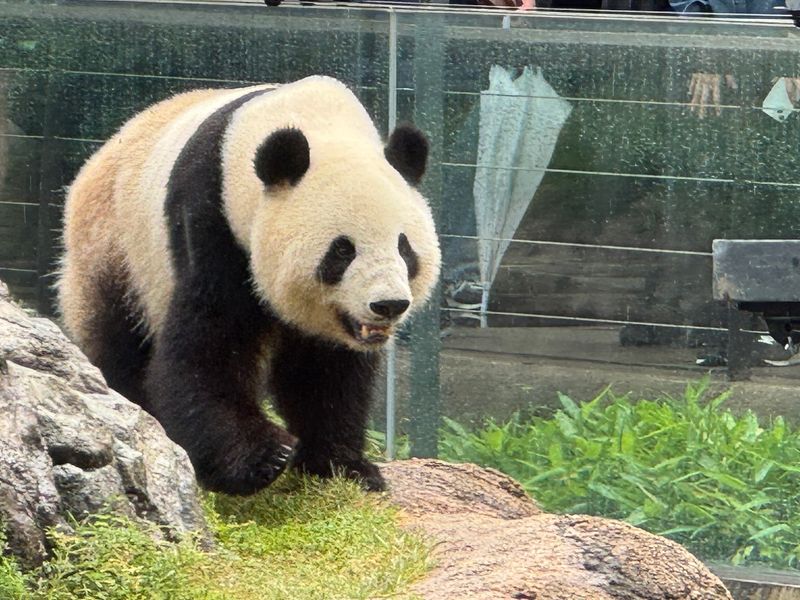
Ueno Zoo holds the distinction of being Japan’s oldest zoo, first opening its gates in 1882. That history alone gives it a certain character that newer zoological parks simply cannot replicate.
It sits conveniently inside Ueno Park, making it easy to combine with a museum visit or a walk through the park’s cherry blossom paths.
The zoo houses a broad range of animals, and its giant pandas have historically been among its most visited residents. Current hours run from 9:30 a.m. to 5:00 p.m., with the zoo generally closing on Mondays, or the following day when Monday falls on certain public holidays.
An operating calendar extending through March 2027 has already been published, confirming the zoo remains open and active into the new year. Families with younger children will find Ueno Zoo a practical and genuinely enjoyable half-day stop that fits naturally into a Ueno-centered itinerary.
Hamarikyu Gardens, Chuo
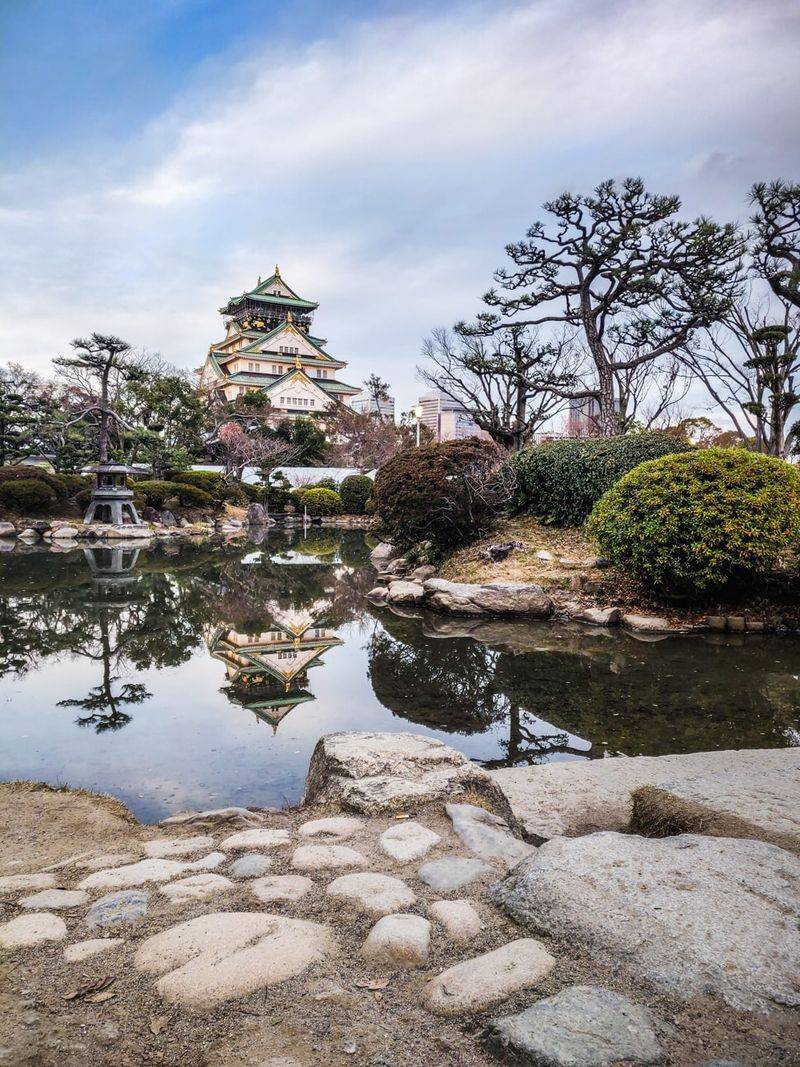
Hamarikyu Gardens pulls off something genuinely rare in central Tokyo: a traditional Japanese landscape garden sitting right beside Tokyo Bay with the city’s modern skyline rising behind it. The visual contrast between ancient garden design and contemporary architecture is one of the most striking sights in the city.
The grounds trace their history to land once associated with the Tokugawa shogunate, and the garden has been open to the public since the post-war period. In 2026, Hamarikyu marked its 80th anniversary as a public park.
Visitors can walk along tidal ponds, cross wooden bridges, pass through pine groves, and explore seasonal flower areas throughout the year.
The garden charges a modest admission fee and sits close to the Sumida River ferry landing, which offers a scenic water route connecting Hamarikyu to Asakusa. Pairing a garden visit with a river ferry ride makes for one of the more relaxed and scenic half-days available anywhere in Tokyo.
Ghibli Museum, Mitaka
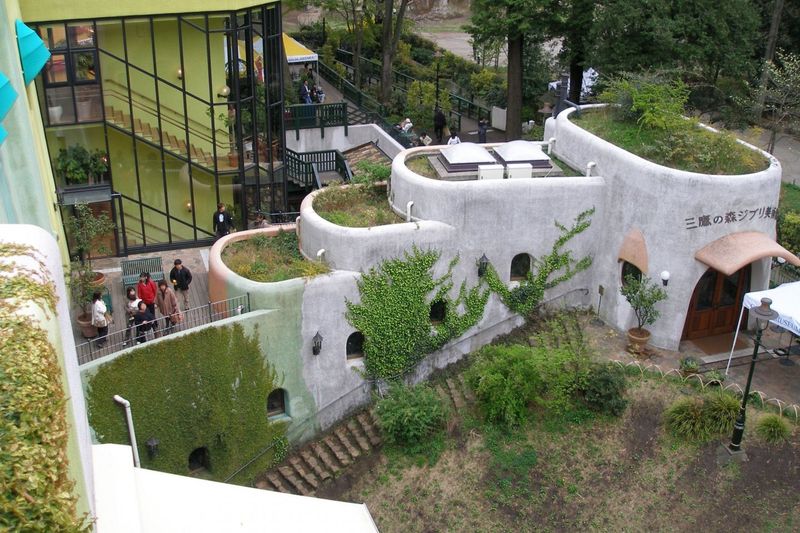
The Ghibli Museum operates on its own terms, and that is exactly what makes it so appealing. There are no conventional exhibit labels guiding you from room to room.
Instead, the building itself becomes part of the experience, with spiral staircases, hidden passages, and rooms designed to feel like they came straight out of a Studio Ghibli film.
Inside, visitors find exhibitions on the animation process, original concept art, and the creative world behind films like My Neighbor Totoro and Spirited Away. A small theater screens original short films exclusive to the museum, and a rooftop garden features a life-size robot soldier from Castle in the Sky.
Museum hours run from 10:00 a.m. to 6:00 p.m., and all tickets must be reserved in advance. The official calendar already shows available dates through March 2027.
International visitors can book through designated ticket channels, and tickets frequently sell out weeks ahead, so planning early is essential.
Akihabara Electric Town, Chiyoda
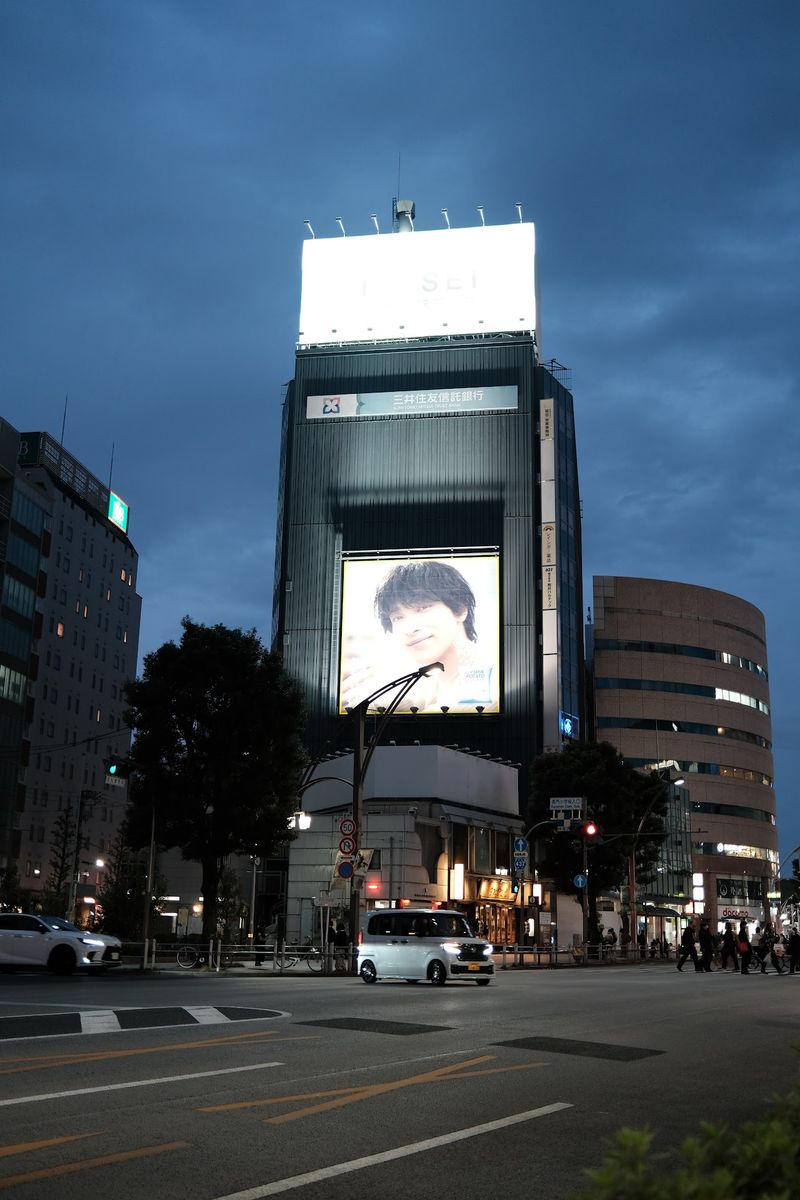
Akihabara has been the nerve center of Tokyo’s electronics and otaku culture for decades, and the neighborhood has only deepened its identity over time. Large multi-story retailers share the streets with tiny specialty shops stacked floor to ceiling with anime figures, retro video games, trading cards, and manga volumes.
For travelers with any interest in Japanese pop culture, this is the most concentrated destination in the city. You can find items here that simply do not appear in mainstream retail spaces anywhere else.
Electronics ranging from the latest gadgets to vintage components fill the bigger stores, while collector-focused shops occupy narrower spaces tucked between the main retailers.
The main shopping streets are most active during afternoons and weekends, when the area gets genuinely busy. Tokyo’s official tourism organization consistently points to Akihabara as the defining center of the city’s anime and gaming culture, a reputation the neighborhood continues to earn with every visit.
Takeshita Street, Harajuku
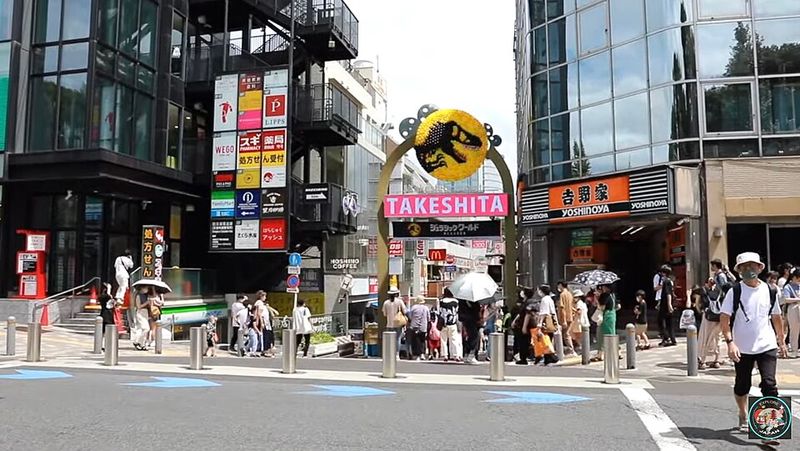
Takeshita Street packs an enormous amount of personality into a roughly 350-meter pedestrian lane. Fashion boutiques, crepe stands, accessory shops, cosmetics stores, and sweet shops line both sides of the street, all competing for attention with colorful displays and creative window setups.
This is ground zero for Japan’s kawaii culture and youth street fashion, where trends move fast and the merchandise reflects whatever direction the scene is heading at any given moment. Even if shopping is not your main goal, walking the street is genuinely entertaining as a cultural observation.
Takeshita Street is free to walk and open daily, with most shops operating from mid-morning into the evening. It sits just a short walk from Meiji Jingu, which makes the contrast between the two stops one of the most interesting back-to-back experiences you can plan in a single Harajuku morning.
The area gets crowded on weekends, so weekday visits move at a more comfortable pace.
Nakamise Shopping Street, Asakusa
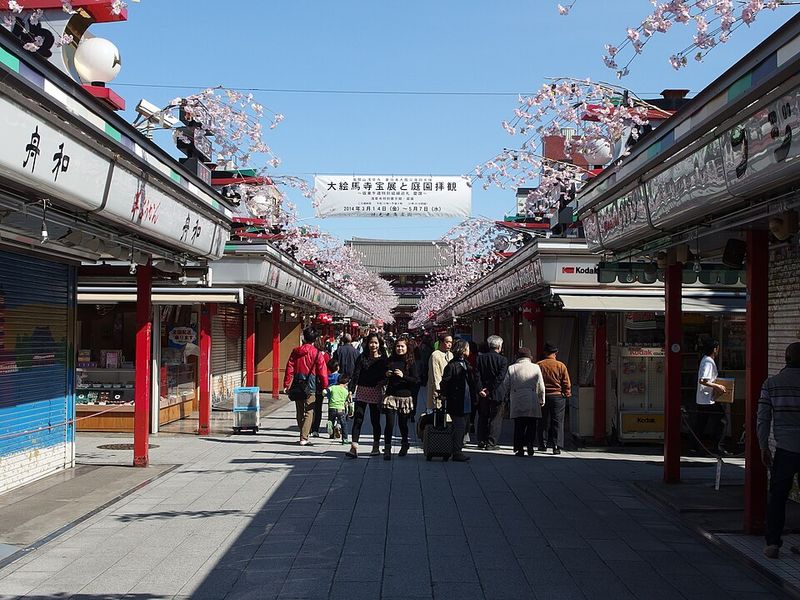
Nakamise has been serving visitors heading toward Sensoji Temple for centuries, and the street has its own story worth paying attention to beyond its role as a temple approach. The roughly 250-meter pedestrian lane connects Kaminarimon Gate to the inner temple complex, with around 90 shops lining the route.
Traditional sweets, folding fans, chopsticks, lanterns, clothing, and Japanese souvenirs fill the storefronts. Some of the family-run shops here have been operating for generations, and the product selection leans toward authentic traditional crafts rather than mass-produced imports.
That distinction matters when you are looking for something worth bringing home.
Combining Nakamise with an early morning visit to Sensoji is one of the easiest ways to experience Asakusa’s older shitamachi atmosphere before the crowds arrive. Many shops open around 10:00 a.m., so arriving at the temple early and walking Nakamise as the street wakes up gives you the best of both experiences in a single visit.
Share this story