Montana delivers plenty of unforgettable experiences without requiring a big travel budget. Historic ghost towns, ancient rock art, dinosaur fossils, fascinating museums, and dramatic landscapes can all be explored for $10 or less.
These 12 affordable Montana attractions prove that some of the state’s most interesting destinations are also among its cheapest. With prices based on standard 2026 admission or day-use fees, each offers a budget-friendly way to experience Montana’s history, geology, and outdoor beauty.
1. Pictograph Cave State Park, Billings, Montana
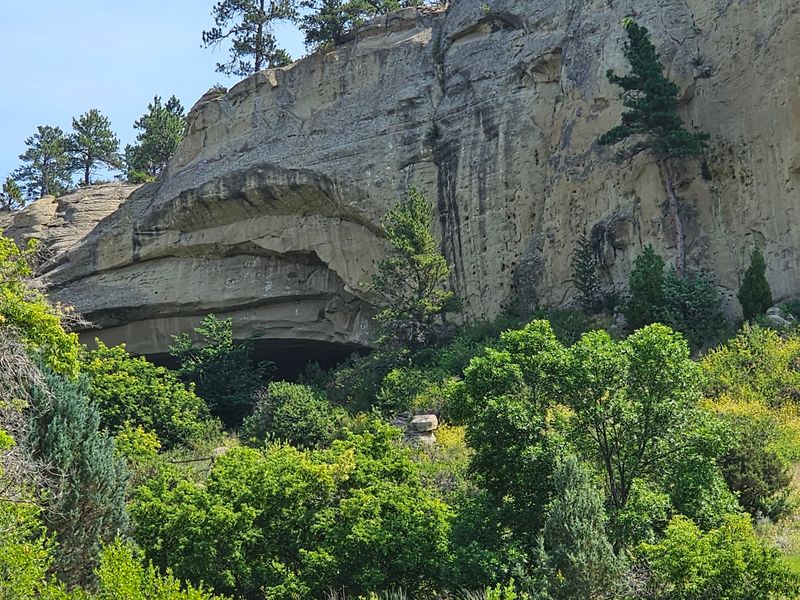
Ancient rock art and a surprisingly easy trail make this one of the most accessible archaeological sites in the entire Northwest. Pictograph Cave State Park sits just a short drive from downtown Billings, yet it preserves evidence of human activity stretching back more than 2,000 years.
Three rock shelters anchor the roughly three-quarter-mile interpretive loop: Pictograph, Middle, and Ghost Caves. The main cave spans approximately 160 feet wide and 45 feet deep, and over 100 painted images appear on its walls, including red rifles and horses that reflect contact with European traders centuries ago.
Excavations in the late 1930s pulled approximately 30,000 artifacts from the site, including stone tools, weapons, and pottery fragments, earning it National Historic Landmark status in 1964. At $8 per vehicle or $4 for walk-ins, this is a genuine archaeological treasure that most visitors can cover comfortably in a couple of hours.
2. Makoshika State Park, Glendive, Montana
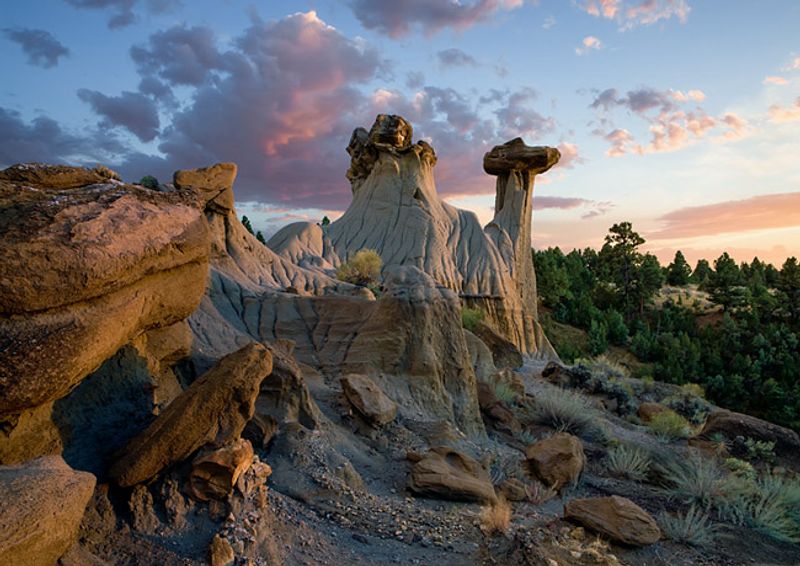
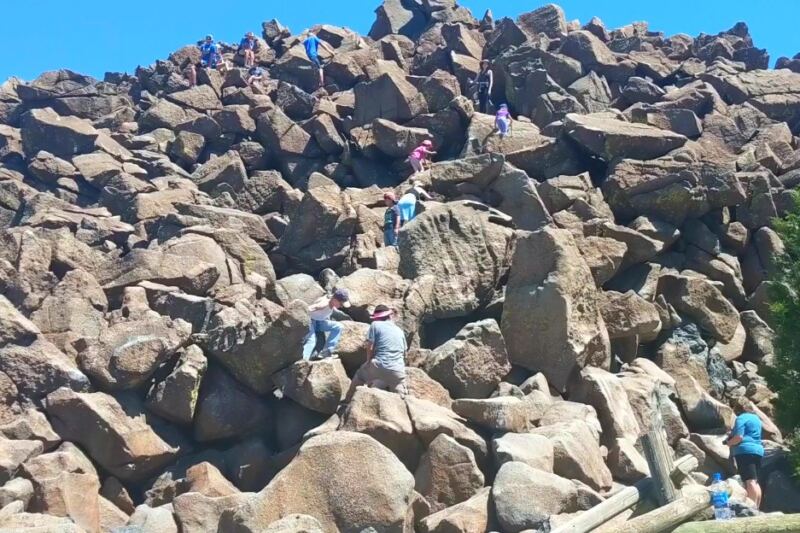
Montana’s largest state park looks like a geologist’s fever dream brought to life across thousands of acres of badland formations near Glendive. The name Makoshika comes from a Lakota phrase meaning “bad land” or “bad earth,” and the terrain earns that label with its maze of eroded buttes, ridges, and gullies.
The geological unit responsible for all of this is the Hell Creek Formation, which is world-famous for producing fossils from the final chapter of the dinosaur age. More than ten dinosaur species have been discovered here, and the visitor center displays a complete Triceratops horridus skull along with Tyrannosaurus rex remains.
Beyond the fossil exhibits, scenic drives wind through the park, hiking trails push deeper into the formations, and a disc golf course adds a recreational twist that few badlands parks can claim. The standard nonresident day-use fee is $8 per vehicle, which covers scenery, hiking, wildlife watching, and genuine dinosaur country all in one stop.
3. First Peoples Buffalo Jump State Park, Ulm, Montana
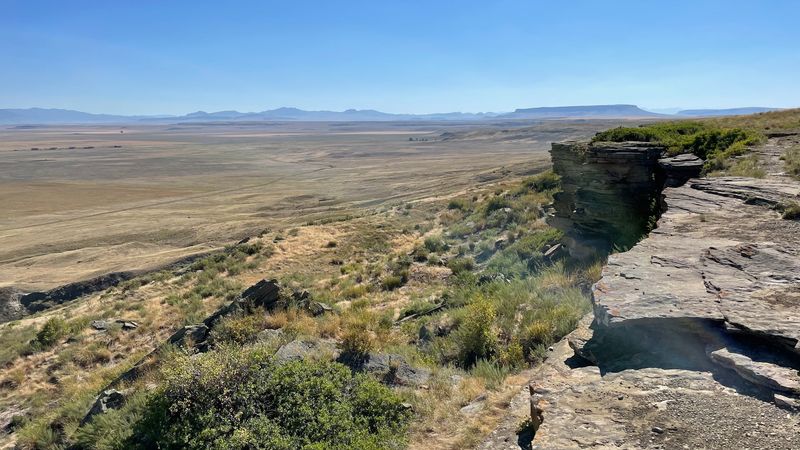
A mile-long sandstone cliff rising from the prairie does not need much decoration to be impressive, but the history behind it makes the site genuinely extraordinary. First Peoples Buffalo Jump is a National Historic Landmark where various Plains tribes, including the Blackfeet, Salish, and Shoshone, organized communal bison hunts for at least a thousand years before Lewis and Clark passed through.
Remnants of drive lines, low fences of twisted vines and stacked rocks used to steer bison toward the cliff edge, still extend more than a quarter of a mile above the 30 to 50-foot drop. Below the cliff, archaeological deposits of compacted bison remains reach an astonishing depth of 18 feet, offering a concrete sense of how frequently and successfully the site was used.
A 6,000-square-foot visitor center provides exhibits on Indigenous tools, hunting techniques, and cultural context. The $8 per vehicle fee also covers access to interpretive trails, a picnic area, and a black-tailed prairie dog town nearby.
4. Miracle of America Museum, Polson, Montana
Some museums are curated. This one is a magnificent, sprawling accumulation that has earned the nickname “The Smithsonian of the West,” and it is not entirely undeserved.
The Miracle of America Museum near Flathead Lake has grown to over 600,000 artifacts spread across 35 to 42 buildings and a 4.5-acre outdoor village.
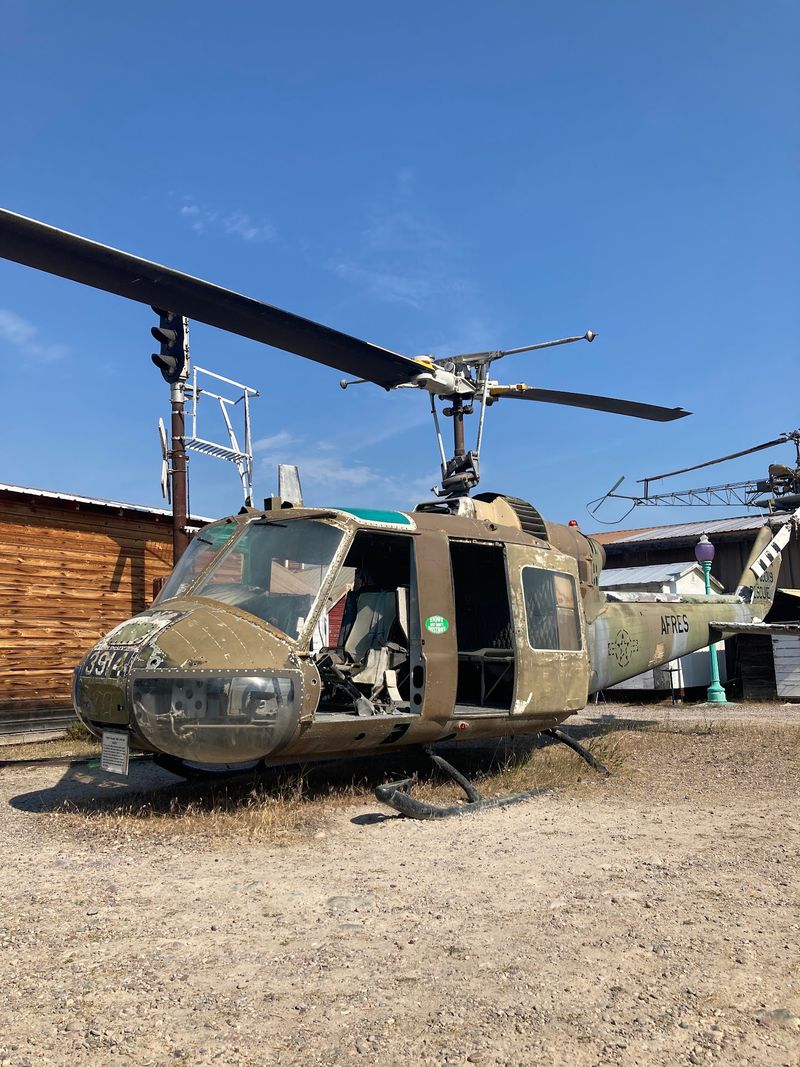
Transportation is a major theme, with more than 70 antique motorcycles, 30 military vehicles, tanks, and a Huey helicopter that children can actually climb. A pioneer village includes a sod-roofed log cabin, a general store, a one-room school, a blacksmith shop, and a barber’s office, each outfitted with period objects.
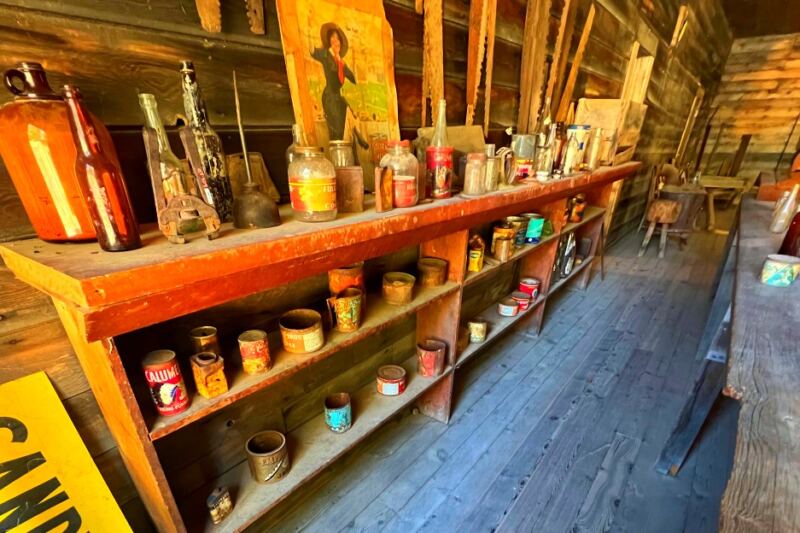
Among the stranger highlights are moonshine stills, Victorian hair art, UFO memorabilia, and a 65-foot logging towboat named Paul Bunyan. Standard adult admission is exactly $10, children ages 2 to 12 pay $5, and the museum is open year-round.
Most visitors find they need far more time here than they originally planned.
5. Giant Springs State Park, Great Falls, Montana
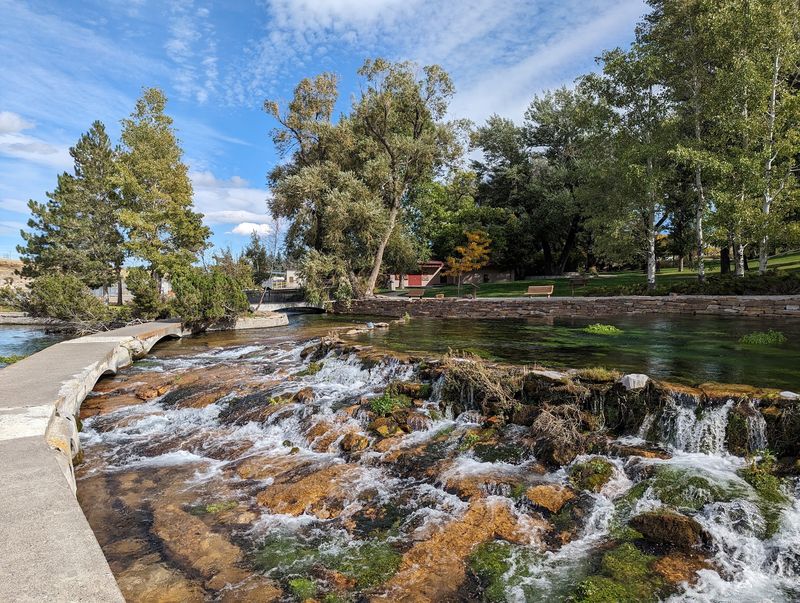
Few natural attractions in the American West can claim the sheer volume of water that Giant Springs produces every single day. More than 156 million gallons surge from the earth here at a constant temperature of 54 degrees Fahrenheit, creating an unexpectedly lush landscape right beside the Missouri River.
Lewis and Clark first documented the spring in 1805 during their difficult portage around the five falls of the Missouri, and the site has drawn curious visitors ever since. The outflow feeds the Roe River, a waterway once recognized by the Guinness Book of World Records as the world’s shortest river at just 201 feet long before it joins the Missouri.
The park supports roughly 80 species of birds, mammals, and reptiles, making wildlife watching a reliable bonus. Visitors can also walk segments of the Rivers Edge Trail, explore a nearby fish hatchery, or picnic by the river.
The nonresident fee is $8 per vehicle or $4 for walk-ins, making it a practical and rewarding stop.
6. Lewis and Clark Interpretive Center, Great Falls, Montana
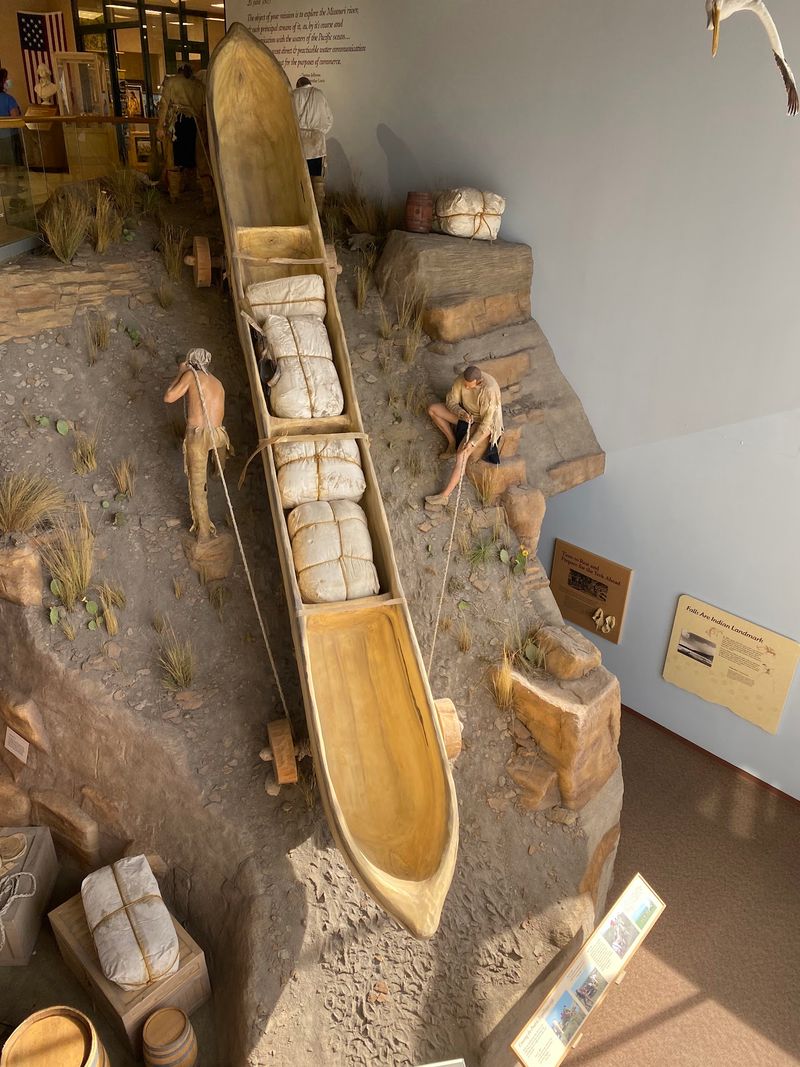
Great Falls is the right place to tell the Lewis and Clark story because the Corps of Discovery spent 33 grueling days here completing an 18-mile portage around the five great falls of the Missouri. That single statistic gives the interpretive center a geographic credibility that other expedition museums cannot quite match.
The facility covers 25,000 square feet in total, with 6,000 square feet dedicated to exhibits that follow the journey from beginning to end. A two-story diorama recreates the scale of the portage, and interactive stations let visitors test their strength by pulling a replica boat against a simulated river current.
Films, ranger-led presentations, and optional audio tours featuring actor-portrayed voices of William Clark and George Shannon add depth to the visit. Scenic walking trails outside provide views of the Missouri River and surrounding native landscapes.
Adult admission is $8, and anyone 15 or younger enters free, making this one of the better family values on the entire list.
7. Chief Plenty Coups State Park, Pryor, Montana
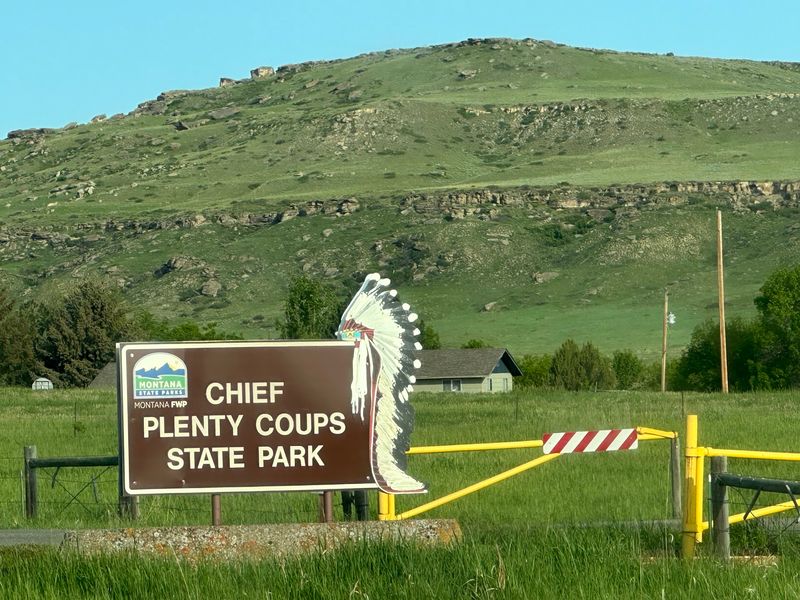
About 40 minutes south of Billings, within the Crow Indian Reservation, this National Historic Landmark preserves the home and farmstead of one of the most significant figures in Apsáalooke, or Crow, history. Chief Plenty Coups, whose name Aleek-chea-ahoosh translates to “many achievements,” was made chief by age 28 and spent decades navigating the complex transition between nomadic plains life and reservation-era realities.
In 1884, he became one of the first Apsáalooke to adopt a settled farming lifestyle, receiving a 320-acre allotment that included a sacred spring he had envisioned during a childhood vision quest. The park now covers 195 acres and includes his original log home, the farmstead, the spring, and a visitor center with exhibits on his life and leadership.
A three-quarter-mile trail follows Pryor Creek through the property, and a picnic area provides a quiet spot to reflect on the visit. The nonresident fee is $8 per vehicle or $4 for walk-ins, offering considerably more historical depth than that modest cost might suggest.
8. Museum of the Yellowstone, West Yellowstone, Montana
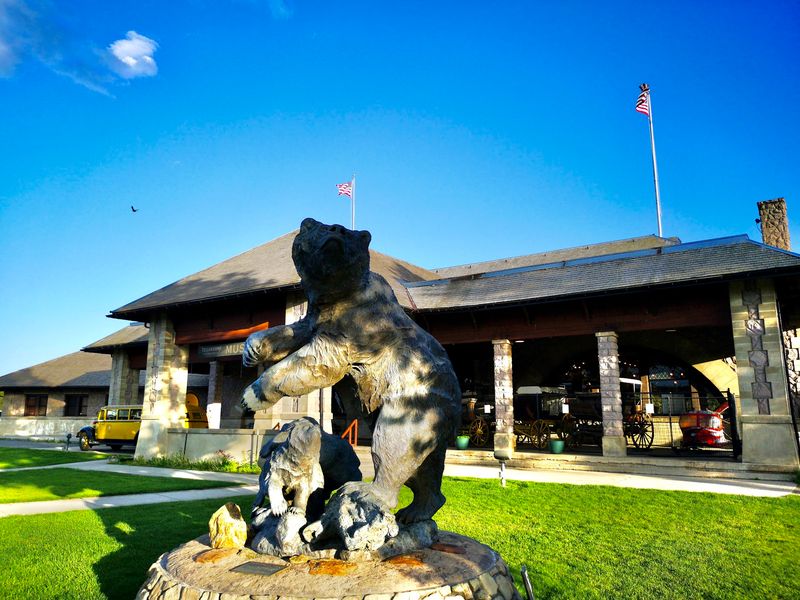
Housed inside the historic Union Pacific Depot in West Yellowstone, this museum covers the history of Yellowstone travel and the growth of the town itself without requiring a national park entrance fee. That is a useful distinction for families watching their budget, since park admission runs considerably higher.
Exhibits trace the evolution of tourism from early stagecoach excursions through the railroad era, which transformed West Yellowstone after 1908, and into the age of the automobile. Special displays cover the dramatic 1959 earthquake and the 1988 Yellowstone fires, both of which reshaped the landscape that visitors see today.
Unique highlights include the story of the “Beanery Queens,” young women who worked as railroad-era waitresses, and the preserved form of “Old Snaggletooth,” a roughly 1,000-pound grizzly bear from the 1960s. Adult admission is $10 and is valid for two consecutive days, including films and special programs.
The museum operates seasonally from mid-May to mid-October, so checking dates before visiting is worthwhile.
9. Bannack State Park, Dillon, Montana
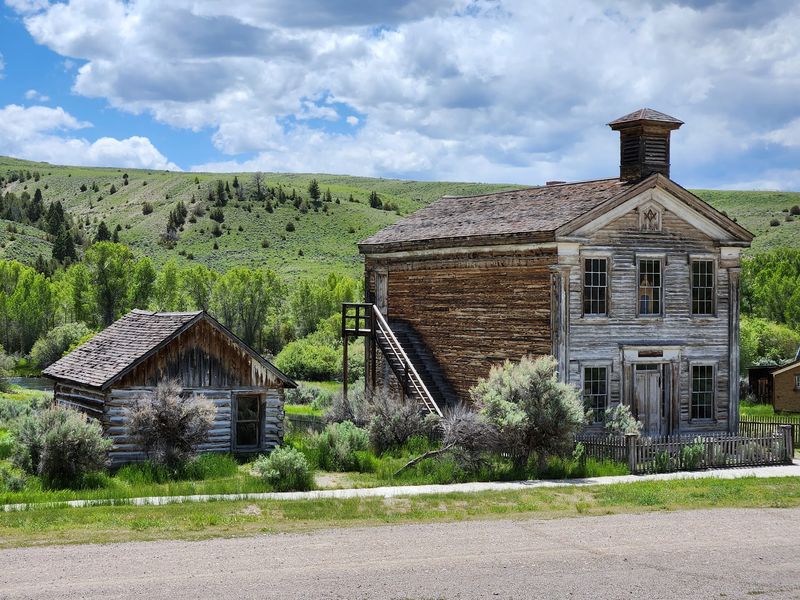
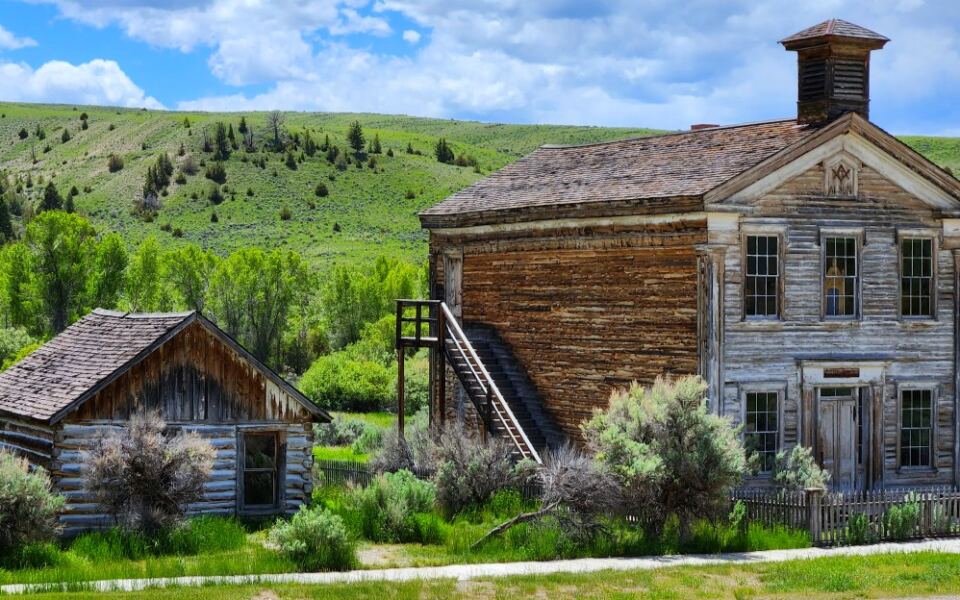
Gold was discovered here on July 28, 1862, and what followed was one of the most dramatic boom-and-bust stories in Montana history. Within a year, Bannack swelled to more than 3,000 residents and became the territory’s first capital, all because of a single creek and a lot of ambition.
Today, more than 50 original log and frame structures still stand along the old main street, preserved rather than reconstructed, which gives the whole place an authenticity that most historical sites simply cannot match. Visitors can walk through the hotel, schoolhouse, church, and even the old gallows without a guided tour getting in the way.
The park is open year-round, and in winter, the frozen dredge pond becomes an ice-skating spot complete with a warming house and loaner skates. For $8 per vehicle, Bannack offers more genuine frontier history per dollar than almost anywhere else in the state.
10. Yellowstone Gateway Museum, Livingston, Montana
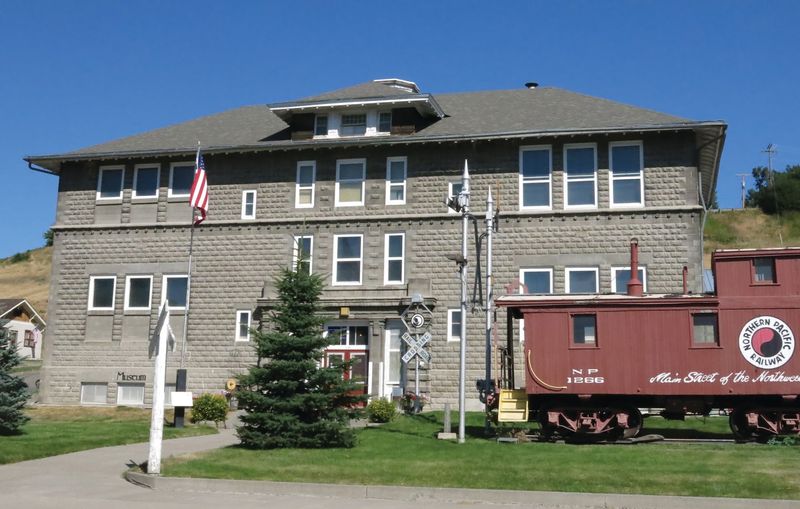
Livingston has functioned as a gateway to Yellowstone since the railroad arrived in the 1880s, and the Yellowstone Gateway Museum captures that long, layered history with a collection that spans more than 12,000 years of human presence in Park County. The museum moved into the historic North Side School building in 1977, and the setting suits the material well.
Permanent exhibitions are organized into clear categories: Pioneers, Transportation, Yellowstone, and Native Cultures. Visitors can follow the story of ranching and rodeo culture, trace the powerful influence of the Northern Pacific Railway, and explore how early communities formed around the park’s booming tourism trade.
Outdoor exhibits add hands-on interest, including a one-room schoolhouse, a working blacksmith’s shop, and an original Northern Pacific Railway caboose with sleeping quarters intact. General admission is $10 for adults, $8 for seniors, and $6 for children ages 6 to 17.
Kids five and younger enter free, making it a practical indoor option when Montana weather decides to be unpredictable.
11. Montana Natural History Center, Missoula, Montana
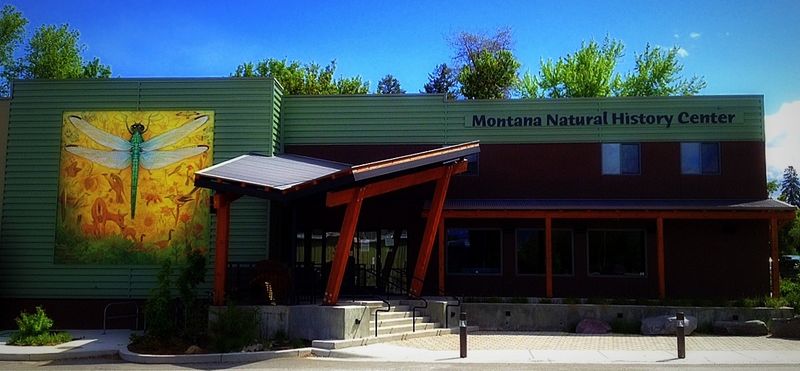
Not every worthwhile museum needs to fill an enormous building to justify the trip. The Montana Natural History Center in Missoula takes a focused approach, using exhibits, educational displays, and hands-on programming to introduce visitors to the state’s landscapes, ecosystems, geology, and wildlife in a way that actually sticks.
One of the standout exhibits covers Glacial Lake Missoula, the prehistoric lake whose repeated catastrophic floods carved much of the region’s dramatic terrain. A Kids’ Discovery Room and a Nature Adventure Garden designed for outdoor play make the scientific content genuinely accessible for younger visitors rather than just theoretically family-friendly.
The center also produces the “Field Notes” radio program on Montana Public Radio and publishes the “Montana Naturalist” magazine, reflecting a commitment to education that extends well beyond its walls. Adult admission is $7, seniors and veterans pay $5, and ages 4 to 18 pay $3.
Children under 4 enter free. The center is open Tuesday through Saturday, so checking the schedule before a special trip is a smart habit.
12. Medicine Rocks State Park, Ekalaka, Montana
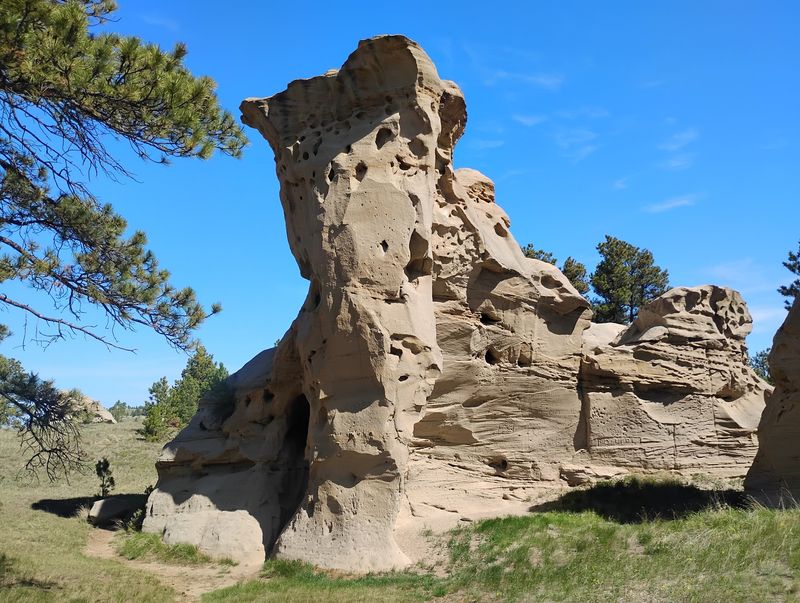
Theodore Roosevelt visited Medicine Rocks in 1883 and called it “as fantastically beautiful a place as I have ever seen,” which is a strong endorsement from a man who had seen quite a lot of the American West. The sandstone pillars here, part of the Fort Union Formation, rise from the rolling southeastern Montana prairie in shapes so odd they genuinely stop people mid-sentence.
Wind and water spent millions of years eroding the softer elements of ancient river deposits, leaving behind columns riddled with arches, caves, holes, and narrow passages that create a landscape unlike anything else on this list. Various Native American tribes, including the Crow, Sioux, and Northern Cheyenne, considered the rocks sacred, and thousands of inscriptions and petroglyphs on the stone reflect centuries of human presence.
The park is open year-round for day use, offering hiking, photography, and wildlife watching for mule deer and pronghorn antelope. Camping costs extra, but exploring the formations during the day stays well within the $10 limit at $8 per vehicle or $4 for walk-ins.
Share this story