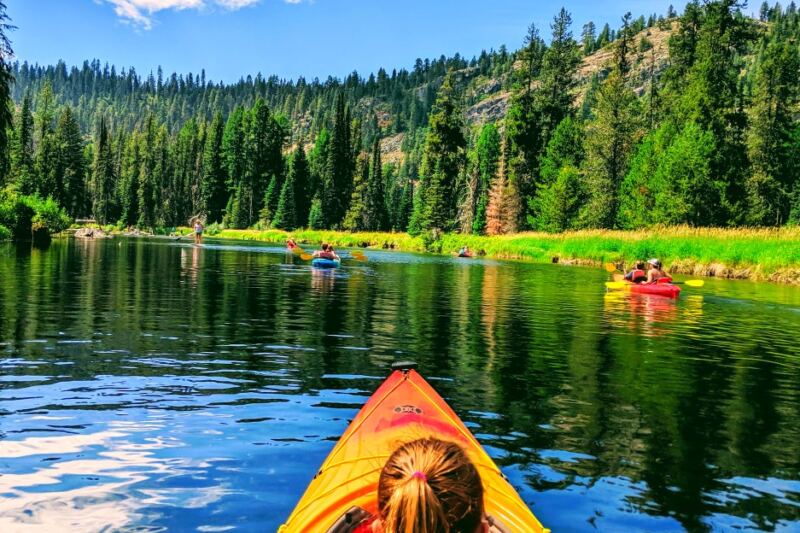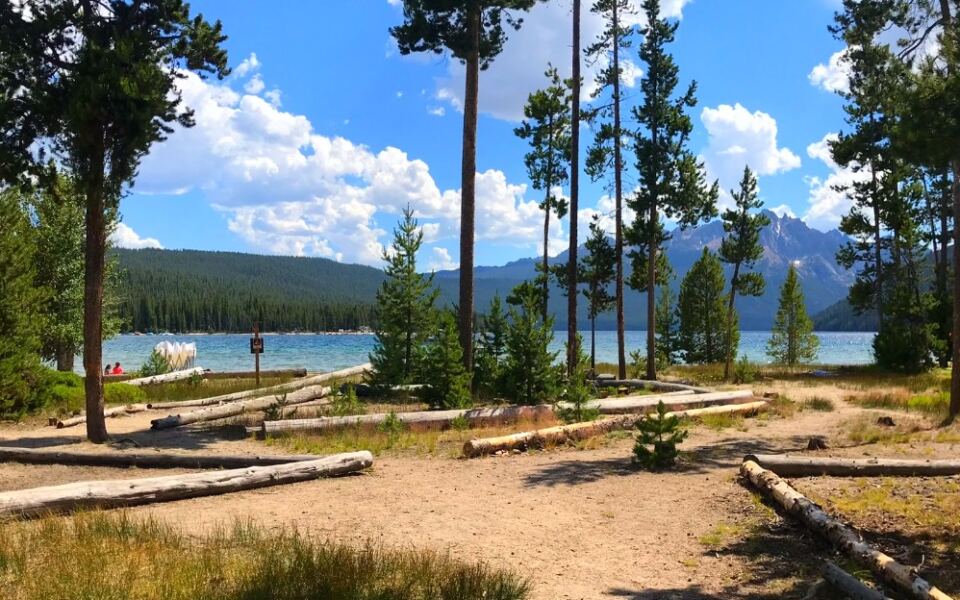
Idaho is one of those states that seems almost unfairly stocked with dramatic landscapes. From the glacier-carved peaks of the Sawtooth Range to a volcanic wasteland that looks borrowed from another planet, the scenery here can stop a person mid-sentence.
The good news is that some of the best views in the state come with a campsite attached. This list covers 12 campgrounds where the surroundings are genuinely worth the drive, the setup time, and the occasional mosquito.
Whether you are a seasoned backcountry camper or someone who considers a level tent pad a luxury, there is a spot here that will make you glad you came. A few of these parks are well known, others fly quietly under the radar, and at least one will make you question whether you accidentally drove onto the set of a science fiction film.
Read on to find your next favorite place to sleep outside in Idaho.
1. Stanley Lake Campground, Stanley, Idaho
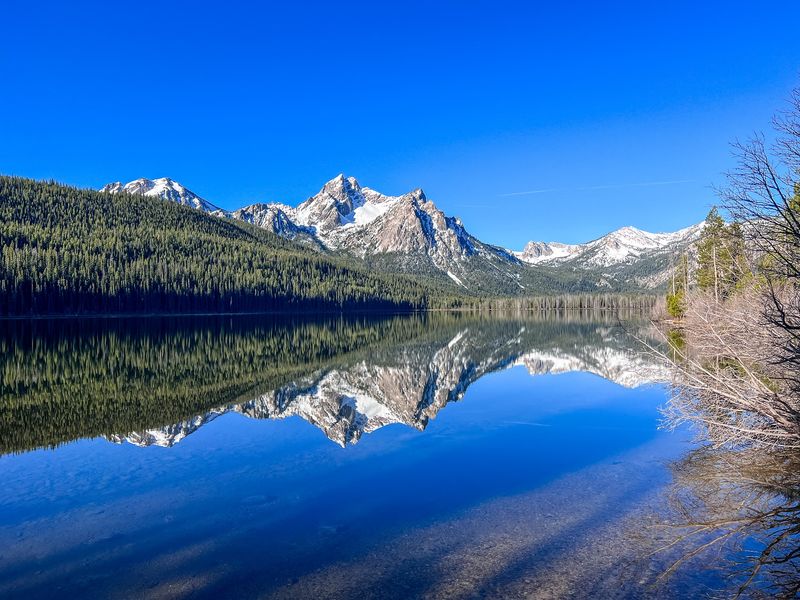
At 6,500 feet above sea level, the views from this campground do not ease you in gently. McGowan Peak rises to nearly 10,000 feet directly behind Stanley Lake, and many of the 17 to 19 reservable sites have a front-row angle on that dramatic backdrop.
A scenic overlook near sites 3 and 4 draws photographers and painters throughout the season, and it is easy to understand why. The Sawtooth Range has a way of making even a quick glance feel like a planned occasion.
Boating, water skiing, kayaking, canoeing, and fishing for rainbow, cutthroat, brook, and bull trout keep active campers occupied. The Idaho Centennial Trail also passes nearby via the Stanley Lake Trailhead, opening up the broader Sawtooth National Recreation Area.
The campground typically runs from mid-May through mid-September, with both reservable and first-come, first-served options available, plus a double site for larger groups.
2. Redfish Outlet Campground, Stanley, Idaho
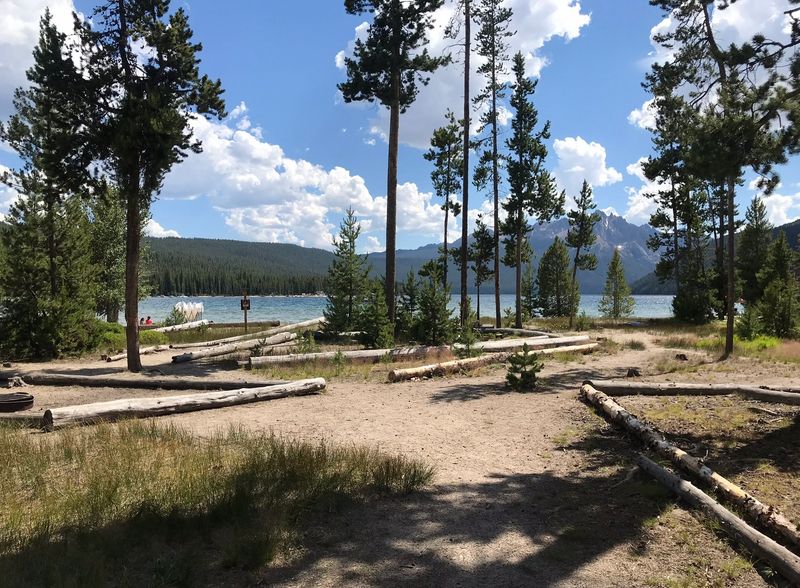
Redfish Lake has been described as one of the most photogenic alpine lakes in the American West, and the Outlet Campground puts campers right at the northern tip of it. With 19 sites, including seven double sites, many look directly toward the lake and the imposing profile of Mount Heyburn.
Paved roads and parking spurs accommodate both tents and RVs up to 35 feet. Flush toilets, potable water, picnic tables, and fire pits are all on hand, with a dump station about a mile away.
The recreation options here are genuinely hard to exhaust. Swimming, boating, water skiing, kayaking, and fishing for rainbow trout and Kokanee salmon fill the days, while trailheads for the Alpine Way, Fishhook Creek, and Bench Lakes routes sit minutes from camp.
The Redfish Lake Visitor Center runs interpretive programs, and the nearby lodge offers a restaurant and lake shuttle. The campground runs from late May through late September.
3. Glacier View Campground, Stanley, Idaho
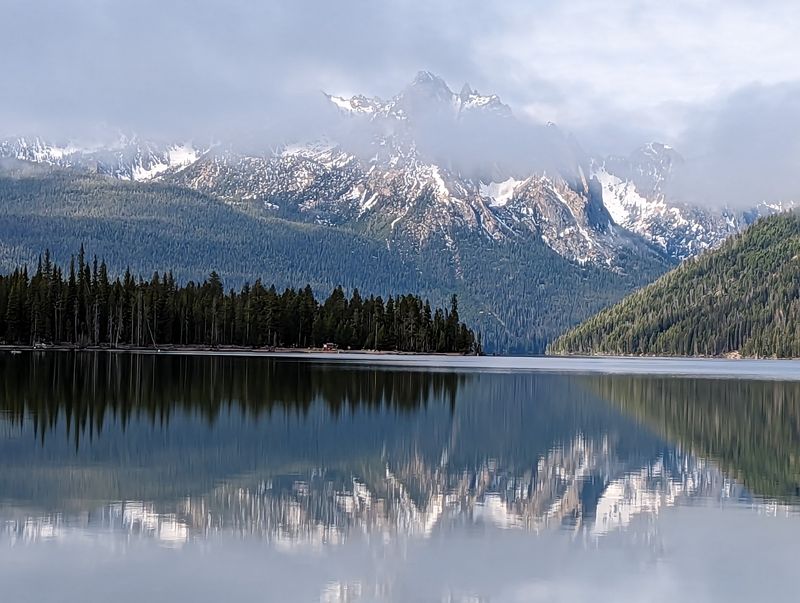
Sixty-four campsites on the north shore of Redfish Lake make Glacier View one of the larger camping areas in the Sawtooth National Recreation Area, but the scale never makes it feel crowded in the wrong way. Nine double sites and a mix of tent and RV-friendly spots give groups and families plenty of room to spread out.
The name is not a marketing stretch. Views from camp extend directly toward the glacier-carved peaks surrounding the lake, including Mount Heyburn, and on calm mornings the water reflects the whole scene back at you.
Sandy beaches with shallow areas make swimming accessible for younger visitors, and the same trailheads that serve the Outlet Campground are equally close here. The Redfish Visitor Center hosts interpretive activities and evening programs a short distance away, and the campground even has two or three small playgrounds.
No hookups are available, but potable water and flush toilets are provided throughout the season.
4. Ponderosa State Park, McCall, Idaho
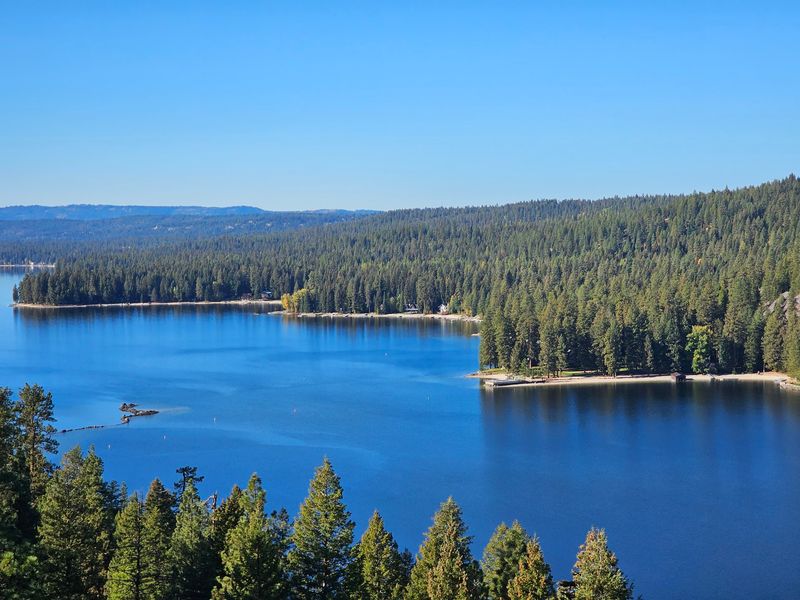
A forested peninsula jutting into Payette Lake gives Ponderosa State Park one of the more enviable positions of any campground in Idaho. McCall sits just outside the park boundary, which means supplies, restaurants, and gear shops are close without compromising the sense of being genuinely surrounded by nature.
Standard and fully serviced campsites are both available, set among mature ponderosa pines that create a pleasant, shaded environment. The park has a distinct ability to shift moods quickly, from a lively lakefront hub to quiet, deep woodland, depending on which trail you take.
Osprey Point delivers panoramic views of Payette Lake and the surrounding mountains that justify the short hike on their own. Fishing, paddling, swimming, and boat moorage fill warm-weather days, while winter converts the trail network into terrain for cross-country skiing and snowshoeing.
An onsite visitor center and interpretive programs add context to the natural and cultural history that shapes this corner of central Idaho.
5. Priest Lake State Park, Coolin, Idaho
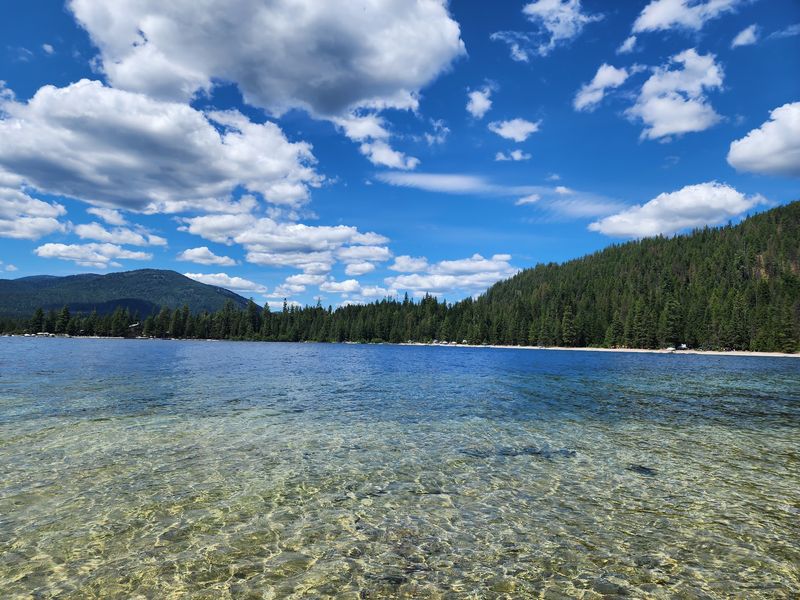
About 30 miles from the Canadian border, Priest Lake State Park covers 755 acres beneath the Selkirk Mountains and borders a lake that runs 19 miles long and more than 300 feet deep. The clarity of the water is remarkable, fed by streams descending from high mountain terrain.
Three park units, Indian Creek, Lionhead, and Dickensheet, each offer access to different sections of the eastern shoreline. Dense forest of cedar, fir, and tamarack surrounds the campsites, and wildlife including moose, black bear, whitetail deer, and bald eagles moves through the area with enough regularity to reward patient observers.
A two-mile thoroughfare connects the main lake to Upper Priest Lake, which is only reachable by foot, mountain bike, or boat, making it a genuine backcountry extension for those who want it. A newer viewpoint trail offers elevated perspectives of the lake and mountains.
In winter, snowshoe rentals at the visitor center keep the park active year-round.
6. Farragut State Park, Athol, Idaho
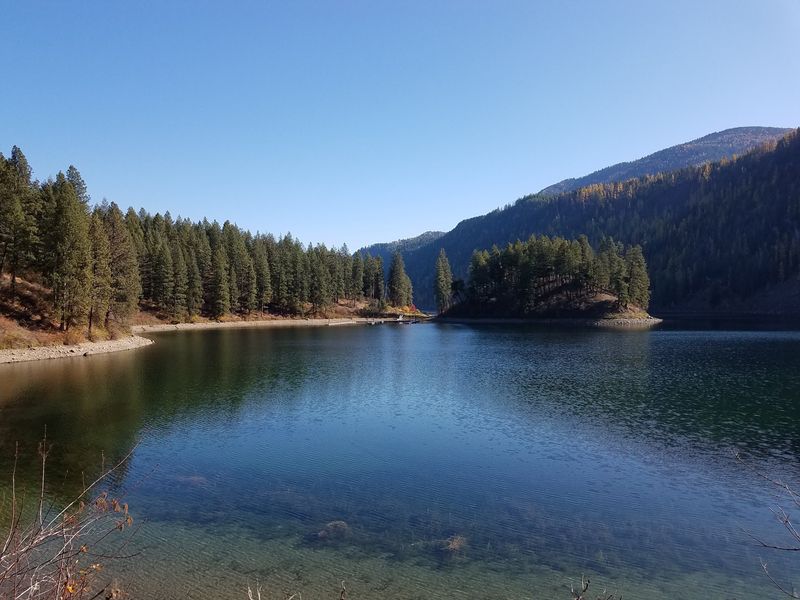
Before it became a 4,000-acre state park, this land served as the Farragut Naval Training Station during World War II, preparing over 293,000 sailors for active duty. The Museum at the Brig, housed in the former confinement facility, keeps that history accessible for visitors who want more than just a campsite.
Lake Pend Oreille, Idaho’s largest lake, forms the park’s eastern edge, and viewpoints overlooking Idlewilde Bay toward Bernard Peak give campers a sense of the scale involved. Between 223 and 265 individual sites, 10 camping cabins, and multiple group camps cover a wide range of preferences, with water, electric, and sewer hookups available at many spots.
Over 40 miles of trails connect the campground to shoreline viewpoints, wooded corridors, and even five 18-hole disc golf courses. Beaver Bay Beach provides a protected swimming area especially suited to families.
A park naturalist leads trail hikes, Junior Ranger programs, and campfire sessions during summer, and cross-country skiing keeps the park lively through winter.
7. Henrys Lake State Park, Island Park, Idaho
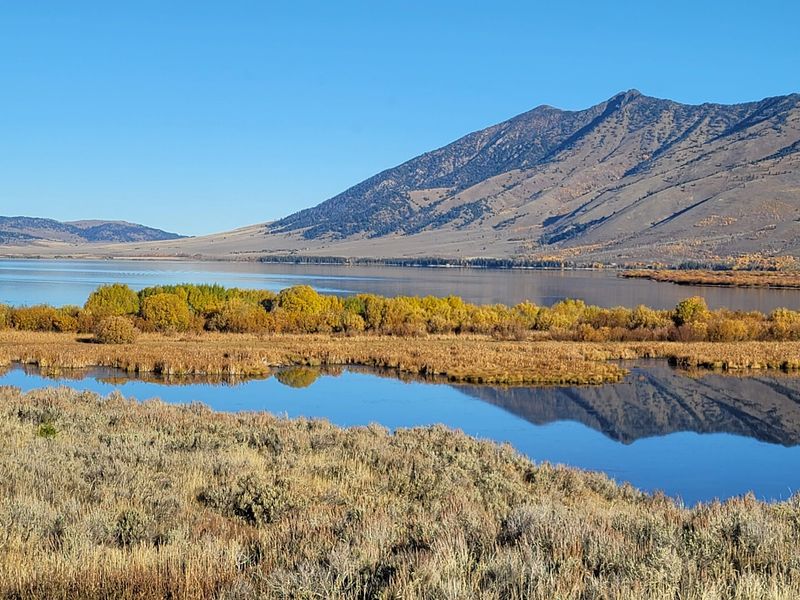
At roughly 6,470 feet in elevation, Henrys Lake State Park sits in a broad alpine basin with the Continental Divide rising on three sides of the water. The openness of the landscape is one of its most distinctive qualities, giving campers long, unobstructed views across the lake and toward the surrounding ridgelines.
Fishing is the headline attraction here, and the lake delivers cutthroat, brook, and rainbow trout reliably enough to draw dedicated anglers from across the region. That said, the scenery has plenty to offer visitors who never pick up a rod.
Moose sightings are common, and wildflowers carpet the surrounding meadows during summer months. The park’s 40 campsites accommodate both tents and RVs, providing a comfortable base near the west entrance to Yellowstone National Park.
Hiking and biking trails wind through the park, and the combination of high-elevation air, wide open skies, and mountain backdrop gives Henrys Lake a peaceful, unhurried quality that is harder to find than it should be.
8. Bruneau Dunes State Park, Bruneau, Idaho
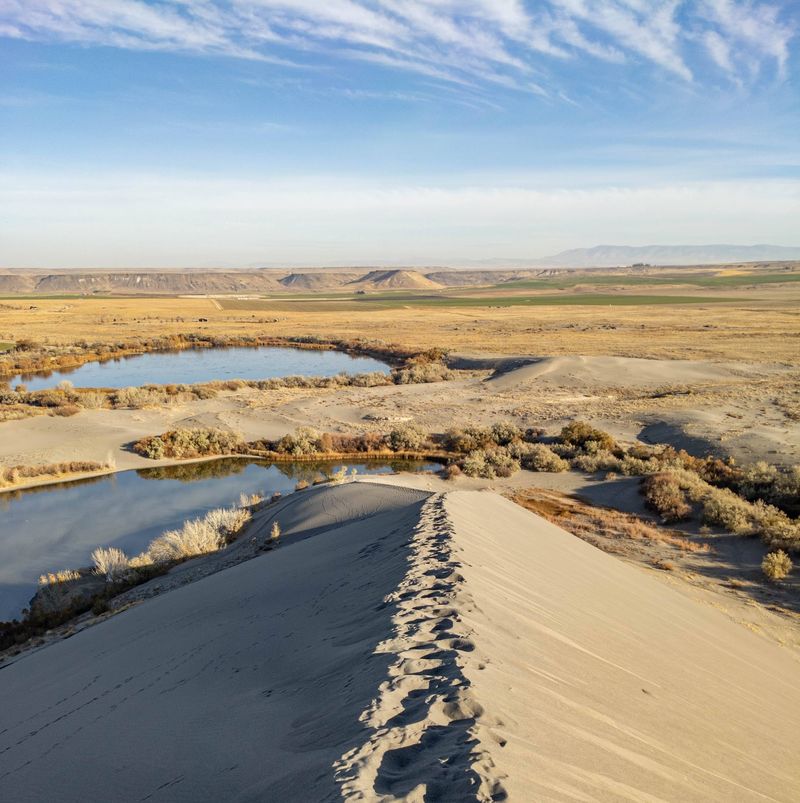
North America’s tallest single-structured sand dune rises 470 feet from the high desert floor of southwestern Idaho, and Bruneau Dunes State Park is built around it. The landscape here looks nothing like the pine forests and mountain lakes that dominate most Idaho camping destinations, which is precisely what makes it worth the detour.
Two camping areas serve different preferences. Broken Wheel Campground offers 48 sites with water and electricity, while the first-come, first-served area provides 35 more rustic spots for those who prefer fewer amenities and more quiet.
Sandboarding down the dunes is a popular daytime activity, and two small lakes at the base of the formations offer fishing. Once the sun sets, the park earns its designation as an International Dark Sky Park, with the surrounding desert providing a wide, light-free horizon ideal for stargazing.
An observatory with a 25-inch telescope opens to the public on Friday and Saturday nights from April through October, adding a genuinely unique evening option to the camping experience.
9. Hells Gate State Park, Lewiston, Idaho
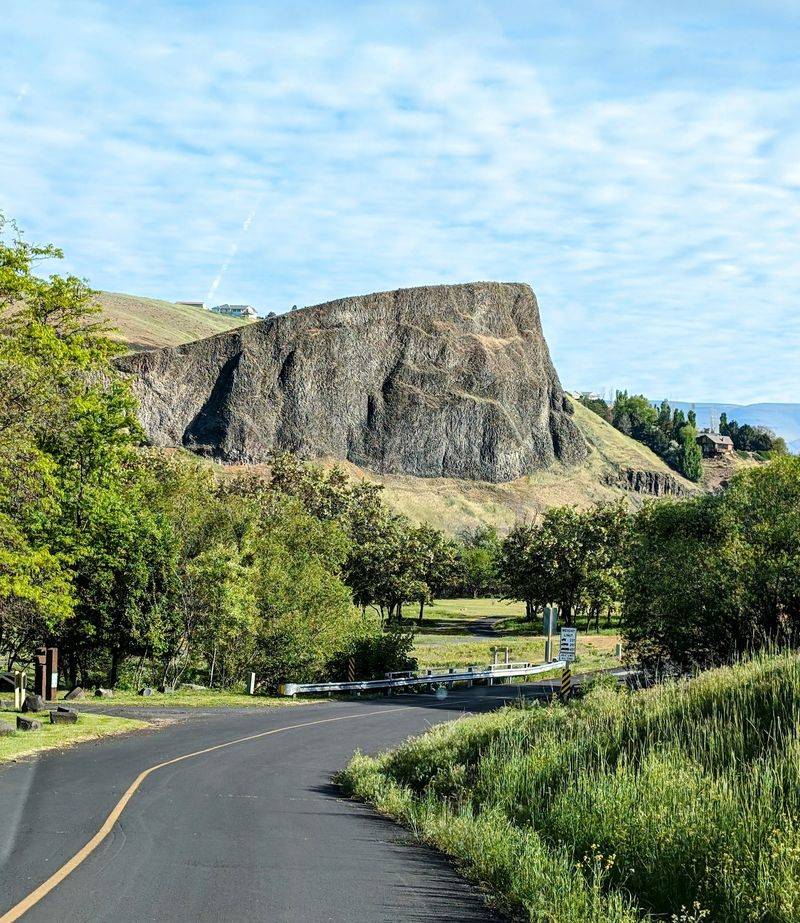
Idaho’s lowest-elevation state park sits right along the Snake River in Lewiston, where grassy campsites and shady trees line a broad, calm stretch of water. The setting is noticeably gentler than the rugged canyon terrain nearby, but basalt formations at the park’s southern end are a quiet reminder of the dramatic geology that defines this region.
Hells Gate functions as the main gateway to Hells Canyon, North America’s deepest river gorge. Jet boat excursions depart from the park’s marina during summer, offering a high-energy way to experience the canyon’s towering walls without a multi-day commitment.
Back at camp, the pace slows considerably. Fishing, boating, swimming at the designated beach, riverside hiking, and picnicking on green lawns create a relaxed waterfront atmosphere.
Wildlife watching adds an extra dimension, with deer, quail, and various bird species regularly spotted around the park. Standard campsites, cabins, and group facilities all available, making it a flexible choice for solo travelers and larger groups alike.
10. Three Island Crossing State Park, Glenns Ferry, Idaho
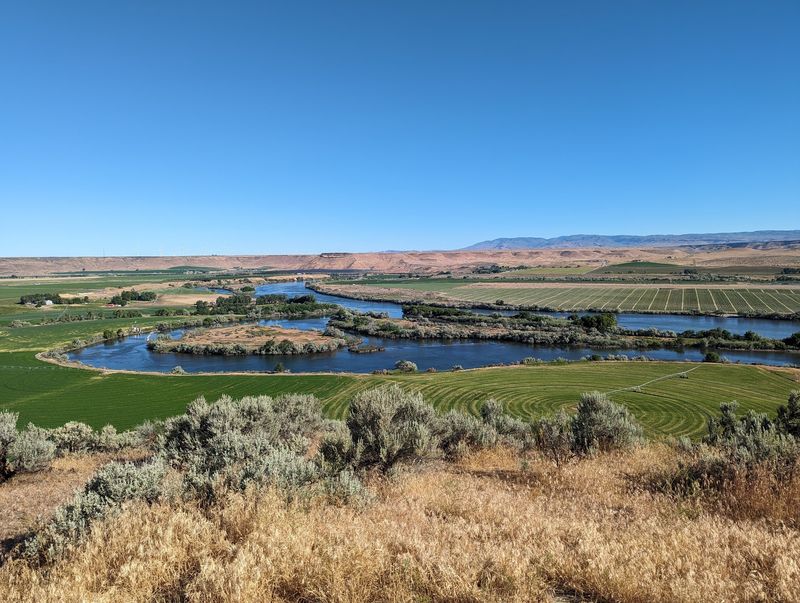
History and scenery overlap in an unusually direct way at Three Island Crossing State Park. Visitors can walk alongside original Oregon Trail wagon ruts and look across the Snake River at the exact spot where emigrants once faced one of the trail’s most difficult crossings.
The park preserves this story thoughtfully, with interpretive displays, a dedicated museum, and seasonal reenactments that bring the 1800s migration to life. Conestoga replicas and period demonstrations give visitors a concrete sense of what the crossing actually involved.
Cottonwood-lined riverbanks and open southern Idaho skies give the park a quiet, reflective atmosphere that suits its subject matter well. Wagon Wheel Campground is reservable year-round, making it accessible beyond the summer rush and useful for travelers passing through on longer road trips.
Riverside hiking, fishing, and birdwatching round out the contemporary recreation options, while the park’s historical programming ensures there is always something worth slowing down for, regardless of the season or the itinerary.
11. Lava Flow Campground, Arco, Idaho
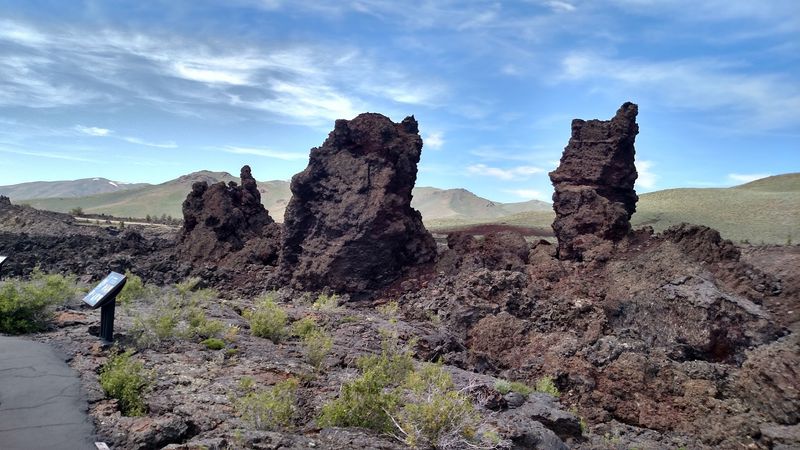
Craters of the Moon National Monument earns its name honestly, and Lava Flow Campground sits right in the middle of the evidence. Black lava rock formations surround the 42 sites, which are arranged between the visitor center and North Crater along the Loop Road, just a quarter mile past the entrance.
The campground operates on a first-come, first-served basis, so earlier arrival generally means better site selection during peak periods. Each site includes a picnic table and charcoal grill, though traditional wood fires are not permitted here.
Potable water and flush toilets are available seasonally from May through October, with vault toilets accessible year-round.
Some pull-through sites can handle larger RVs, though taking big rigs past site 15 is not recommended. Site 34 offers an electrical outlet specifically for medical device use.
The surrounding monument, shaped by volcanic activity between 2,000 and 15,000 years ago, includes five explorable caves and trails like the Broken Top Loop. Its International Dark Sky Park status makes nighttime here genuinely extraordinary.
12. City Of Rocks Campground, Almo, Idaho
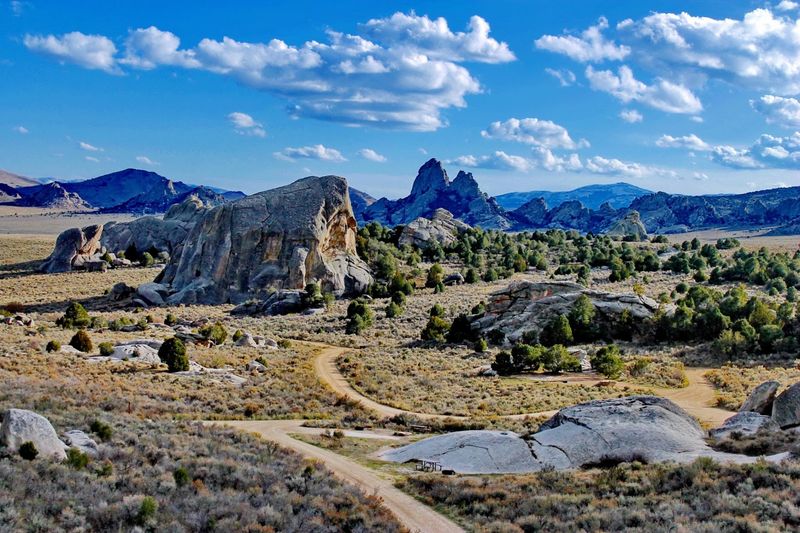
The granite formations at City of Rocks are estimated to be more than 2.5 billion years old, which puts even the most ambitious camping trip into perspective. Towering spires and monoliths define the landscape of this southern Idaho reserve, creating a setting that looks sculpted rather than naturally formed.
Over 60 designated campsites are scattered through the terrain, ranging from more developed spots with fire rings, picnic tables, and vault toilets to secluded primitive backcountry options for those who prefer fewer neighbors. Water is available at select locations within the reserve.
Pioneer inscriptions carved into the granite by Oregon Trail emigrants in the 1800s add a layer of human history to the geological spectacle. Rock climbing is a major draw, with over 600 established routes attracting enthusiasts from across the country.
Hiking and mountain biking trails wind between the formations, and wildlife including deer, elk, and various birds makes regular appearances. Reservations are strongly recommended during peak season to secure a spot in this remarkable natural setting.
Share this story