A bird that stands nearly five feet tall, wears a bright red cap, and dances like it has a stage manager is not something you see every day. Red-crowned cranes do all of that, and they do it across snowy fields, wide marshes, and quiet rivers in Japan, China, and South Korea.
Some of these birds were once down to a tiny handful, and careful feeding programs helped bring them back. Now you can watch them bow, leap, and call to each other in places set up for respectful viewing.
This list covers 12 spots, from a heated nature center with big windows to a border landscape that most travelers never see. You will find real details on the best months to go, what it costs, how to get there, and which rules keep the birds calm.
Bring binoculars, warm socks, and a bit of patience. The cranes tend to run on their own schedule, and that is part of the fun.
1. Akan International Crane Center, Kushiro, Hokkaido, Japan
The story behind this center makes seeing the cranes even more meaningful. In 1950, Sadajiro Yamazaki began feeding cranes in the area, a simple effort that became part of a much larger conservation story.
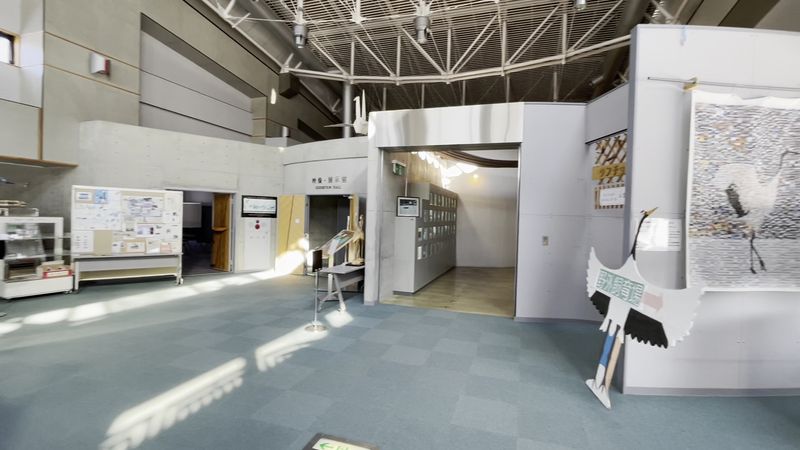
Today, the Akan International Crane Center focuses on conservation, scientific research, and public education. Resident cranes live in semi-natural outdoor enclosures, giving visitors a chance to observe them throughout the year.
Winter brings the biggest spectacle. From November through March, the neighboring Tancho Observation Center opens as wild red-crowned cranes gather at the feeding grounds.
At peak times, as many as 300 cranes may appear. January and February are generally the busiest months, when the snowy landscape also creates the classic Hokkaido crane scene seen in wildlife photographs.
Adult admission costs 480 yen. Buses from Kushiro Airport take roughly 25 to 70 minutes depending on the service, while the journey from JR Kushiro Station takes around 70 minutes.
Allow enough time to watch without constantly checking the clock. Crane behavior changes throughout the day, and sometimes the most memorable moment happens after everyone else has put their cameras down.
2. Tsurui-Ito Tancho Sanctuary, Tsurui, Hokkaido, Japan
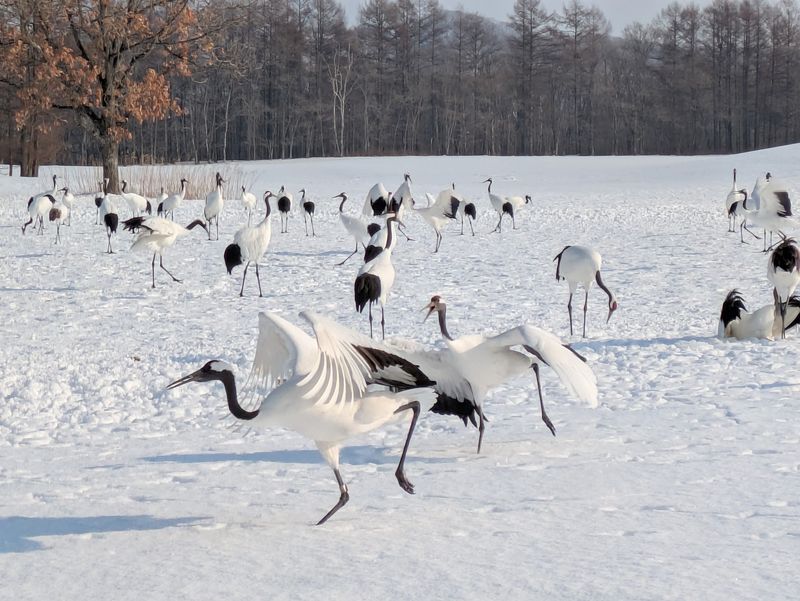
If dancing cranes are at the top of your wish list, aim for mid-February. This is when pairs begin their courtship displays, combining deep bows, loud calls, wing movements, and surprisingly high leaps.
The Wild Bird Society of Japan established this 10-hectare grassland sanctuary in 1987. It has since become one of Hokkaido’s best-known places for winter crane watching.
More than 300 cranes can gather during the busiest part of the season, which generally lasts from late November through mid-March. Against fresh snow, their black-and-white feathers and red crowns stand out dramatically.
You do not have to remain outside in the cold for the entire visit. A heated Nature Center has large windows, spotting scopes, and binoculars, allowing visitors to watch comfortably when Hokkaido’s winter weather becomes too much.
Feeding sessions usually take place around 9:00 AM and 2:00 PM. Arriving ahead of those times gives you a chance to settle in before activity increases.
3. Tsurumidai Crane Observatory, Tsurui, Hokkaido, Japan
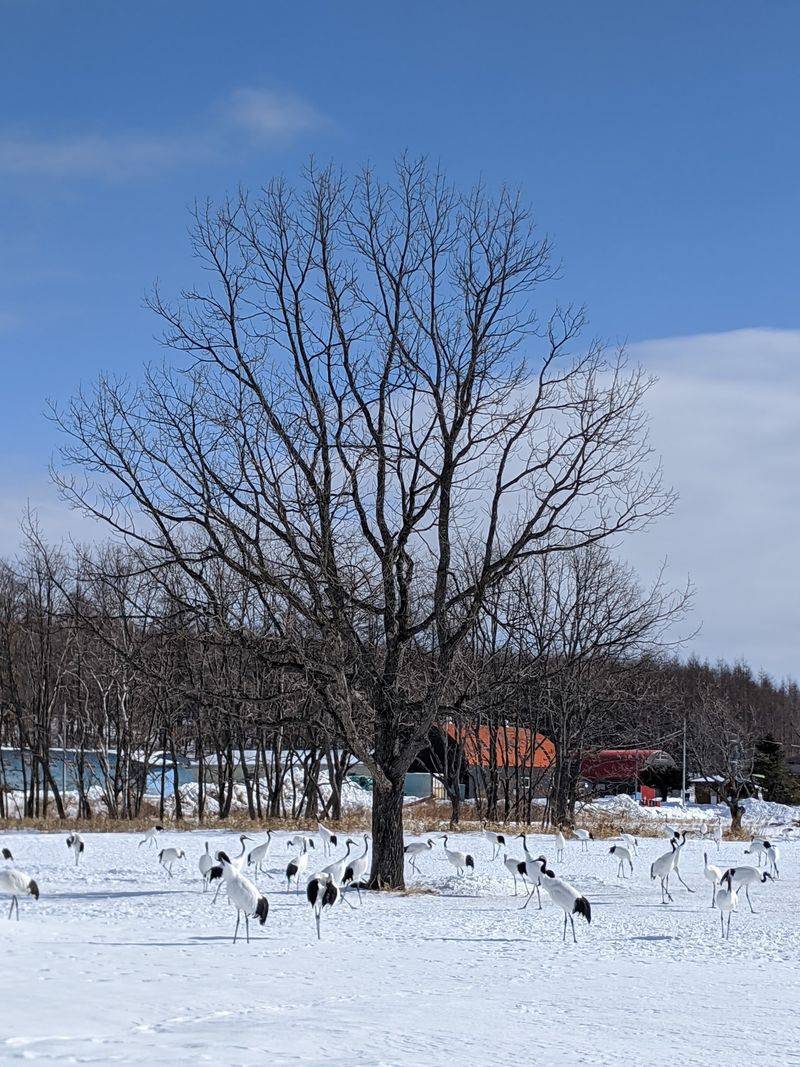
Not every memorable wildlife experience requires hiking boots and a long trek. Tsurumidai sits conveniently beside the road, making it one of the easiest crane-viewing stops around Tsurui.
From November through March, roughly 100 to 200 cranes may gather at the feeding site. The open landscape gives visitors broad views as birds walk, call, feed, and occasionally begin their famous dances.
Feeding generally takes place around 9:00 AM and again near 2:30 PM. Those periods are worth planning around if you want to see the largest concentration of activity.
Admission is free, making Tsurumidai a particularly good addition to a day spent visiting several crane sites. You can stop briefly or stay much longer if the birds are especially active.
Buses from Kushiro Station take around 55 minutes. By car, the observatory is roughly 29 minutes from Kushiro Airport.
4. Kushiro City Red-Crowned Crane Natural Park, Kushiro, Hokkaido, Japan
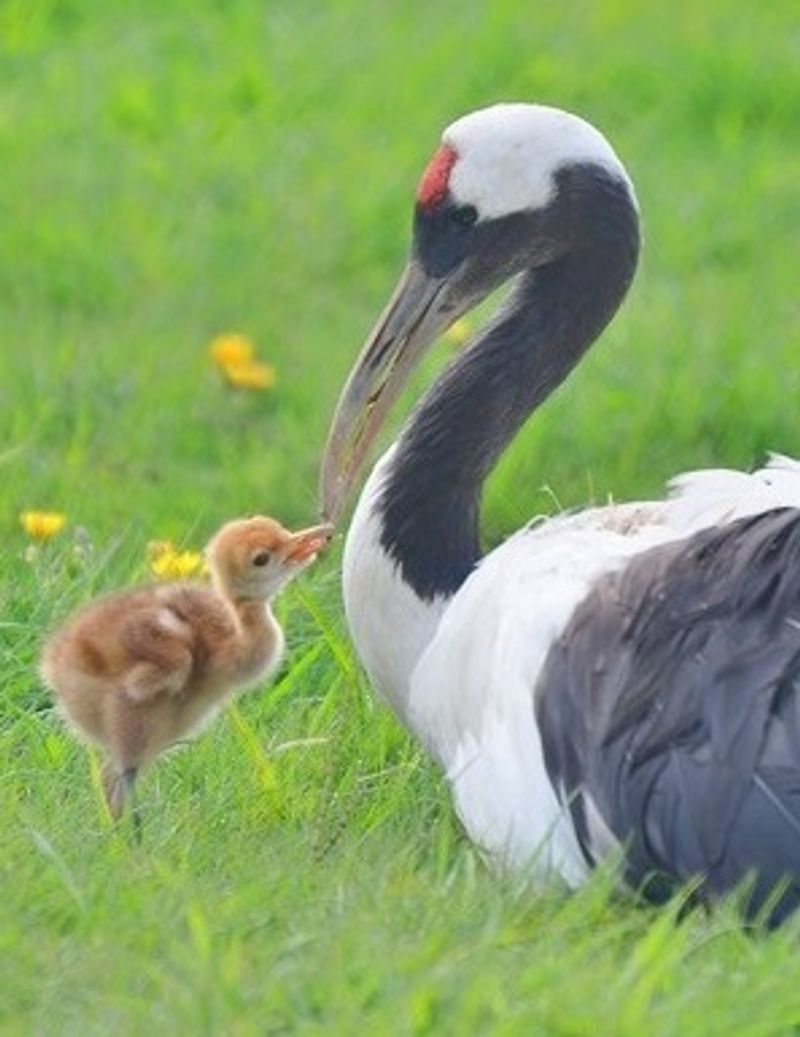
Wild cranes follow the seasons, but this park provides a chance to see red-crowned cranes throughout the year. That makes it a useful option for travelers who cannot visit Hokkaido during the famous winter gatherings.
The park opened in 1958 as part of efforts to protect and rebuild the local crane population. In 1970, it recorded the world’s first successful artificial hatching of a red-crowned crane.
Around 15 resident cranes live in spacious enclosures designed to resemble their natural surroundings. Visitors can observe them at a relaxed pace without waiting for wild birds to appear.
Late spring and early summer bring an extra attraction. From May through July, visitors may see fluffy brown chicks staying close to their watchful parents.
An exhibition room uses photographs and information panels to explain the history of red-crowned crane conservation. The displays help put the birds you see outside into a much broader story.
The park is approximately 10 minutes by car from Kushiro Airport and around 30 minutes from JR Kushiro Station. Adult admission costs 480 yen.
5. Hosooka Observatory, Kushiro, Hokkaido, Japan
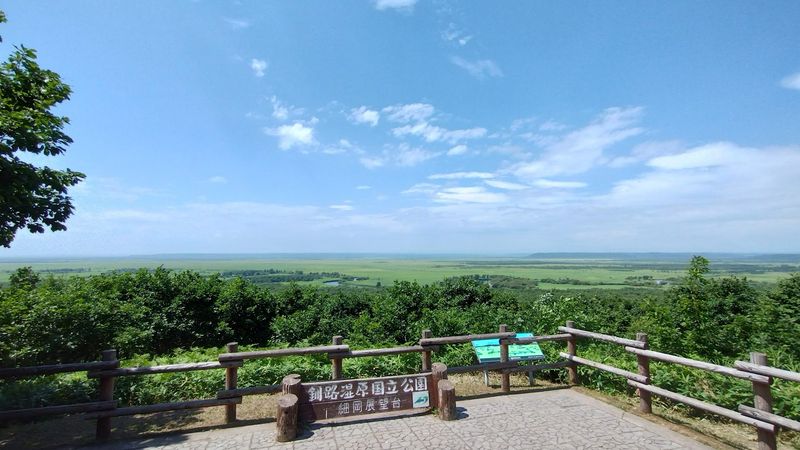
Bring your binoculars and your patience, because this stop is about the big picture.
The elevated viewpoint looks over Kushiro Marsh, Japan’s largest wetland. The S-shaped Kushiro River winds through the reeds, and on clear days the Me-Akan and O-Akan mountains rise in the distance.
Red-crowned cranes may appear, but usually far away. Sunset draws many photographers, so the evening can be busy.
A short walk from the parking area leads to the Hosooka Visitors Lounge. It offers a free resting space, a coffee corner, a souvenir shop, and displays of marsh photographs.
You can walk about 10 minutes from Kushiroshitsugen Station on the JR Senmo line, or drive roughly 15 kilometers from central Kushiro. It is open year-round and free.
6. Onnenai Visitor Center, Tsurui, Hokkaido, Japan
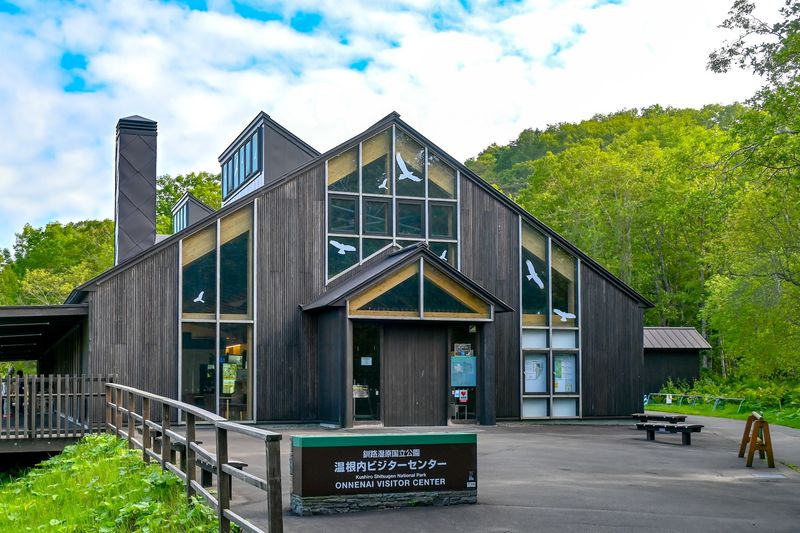
Ground level offers a different kind of crane hunt. A barrier-free wooden boardwalk starts at the center and lets you walk right into the wetland.
Loops range from 0.5 kilometers, about 10 minutes, to 3.1 kilometers, about 60 to 90 minutes. Along the way you pass sphagnum moss bogs and alder forests.
Cranes can be hard to spot here, but their calls sometimes carry across the marsh. Other birds and deer often show up as consolation prizes.
Indoor exhibits explain how Kushiro Marsh formed and how it changes through the seasons. In winter, cross-country skis and snowshoes can be rented for free.
The center is open year-round with seasonal hours and free admission. It is about a 40-minute drive from Kushiro Station.
7. Otowa Bridge, Tsurui, Hokkaido, Japan
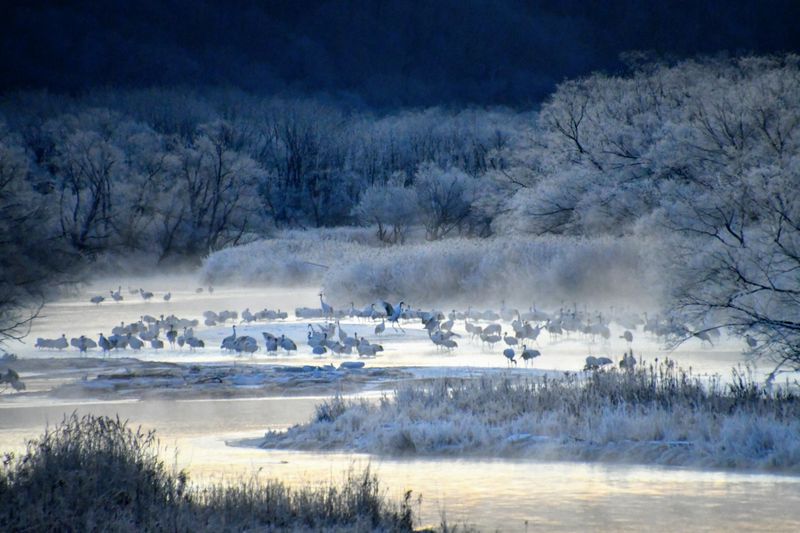
Set your alarm early, because the best view here happens before sunrise.
The Setsuri River stays unfrozen under the bridge thanks to spring-fed water. That gives the cranes a safe nightly roost away from predators.
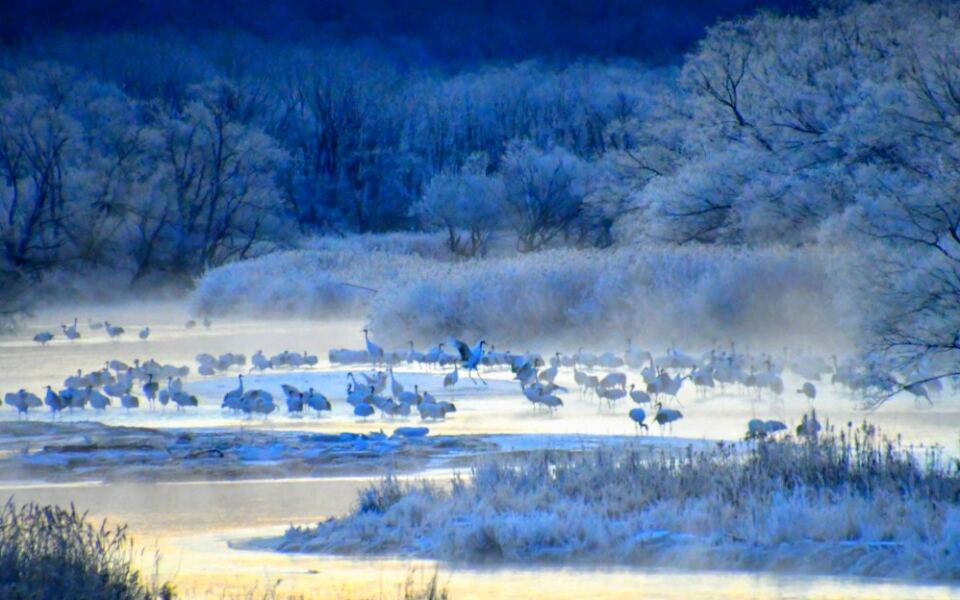
On very cold mornings, mist rises from the water and wraps around the resting birds. Photographers love this scene, and January and February are the prime months.
A dedicated footbridge is set aside for observers, and parking and restrooms are close by. Up to 200 cranes can be seen from mid-October to late March.
Patience pays off, since the birds leave for their daytime feeding grounds once the light grows. Keep voices low and movements slow so the cranes stay relaxed.
8. Kushiro Marsh Observatory, Kushiro, Hokkaido, Japan
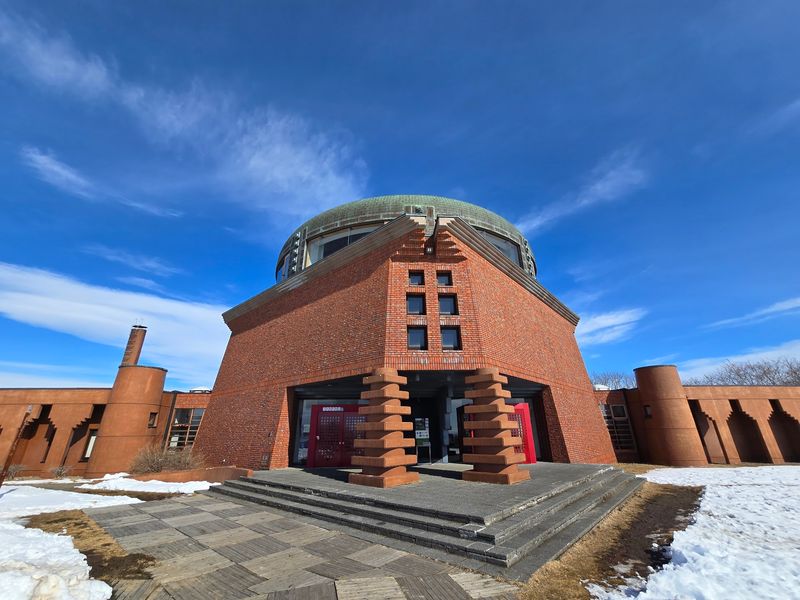
The building itself is a conversation starter, since its three-story design is modeled on yachibozu, the tussock-forming sedge that grows in the marsh.
The third-floor deck and rooftop give sweeping views of the Kushiro River, the Akan Mountains, and parts of Kushiro City. On the second floor, dioramas, wildlife models, and videos explain marsh ecology, including crane nesting behavior.
A 2.5-kilometer boardwalk runs from the observatory through forest to a satellite deck. One section is barrier-free.
Cranes may look like distant specks, but the scale of the wetland explains why the species depends on it.
The first floor, with a shop and restaurant, is free. Upper floors cost 480 yen for adults.
It is about 30 minutes by car from JR Kushiro Station.
9. Zhalong Nature Reserve, Qiqihar, Heilongjiang, China
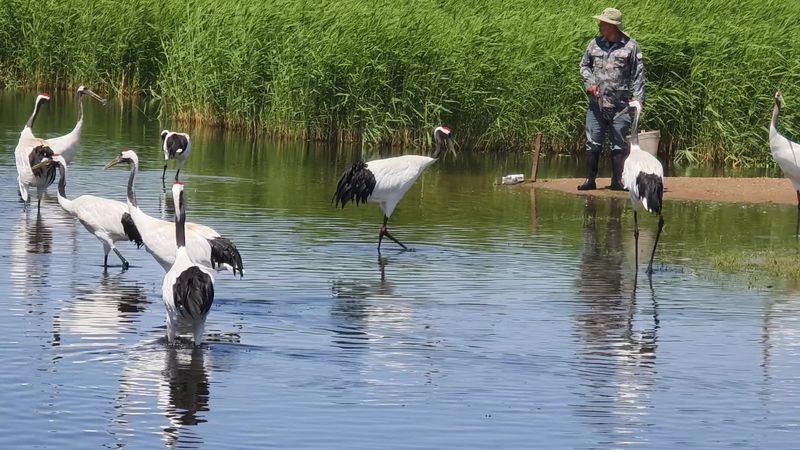
Size sets this reserve apart. Its 2,100 square kilometers of marsh, shallow lakes, and reed beds make it the world’s largest breeding ground for red-crowned cranes.
Founded in 1979, it also serves as a stopover for birds traveling the East Asia-Australasia Flyway.
The main draw is the crane release show. Hand-reared cranes are called from their enclosures and fly low over the viewing platforms.
Show times change with the season, so arrive 30 minutes early to get a good spot.
April and May bring mating dances and fresh green reeds. September and October offer golden reeds and autumn migration.
A Wetland Museum adds context. Stay on boardwalks, keep quiet, and leave drones at home.
From Qiqihar, Bus 306 takes 40 to 50 minutes.
10. Xianghai National Nature Reserve, Baicheng, Jilin, China
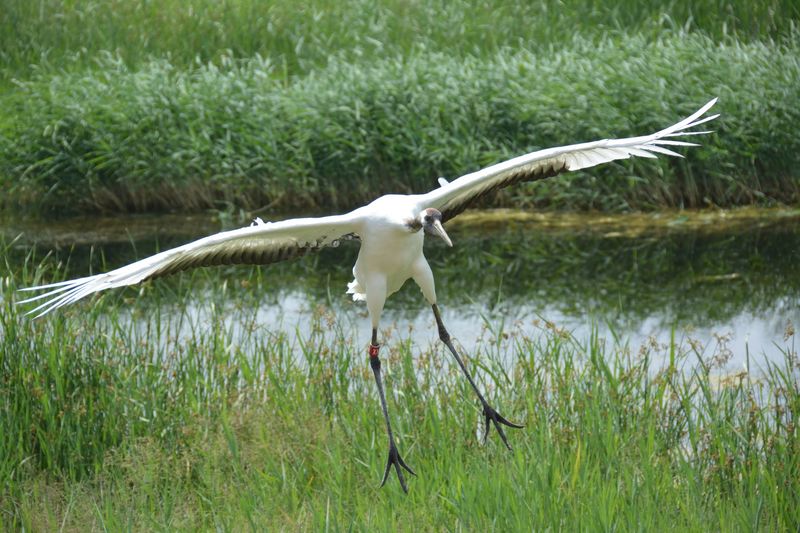
Six of the world’s fifteen crane species have been recorded here, which is a serious bragging right for any wetland.
Founded in 1981 on the Horqin steppe, the reserve mixes lakes, marshes, sandy grasslands, reed beds, and Mongolian elm forests. The Huolin, Emutai, and Taoer rivers run through it.
Besides red-crowned cranes, you may find white-naped, white-headed, and grey cranes. June to September brings summer greenery, while spring and autumn bring migration.
September and October add golden reeds and big flocks.
Climb Lansheng Pavilion for 360 degree views. In summer, boat tours reach into the reeds, and crane releases may happen at 10:00 AM and 3:00 PM.
Take a train to Baicheng Station, then plan to drive, since the reserve is very large.
11. Yancheng National Nature Reserve, Yancheng, Jiangsu, China
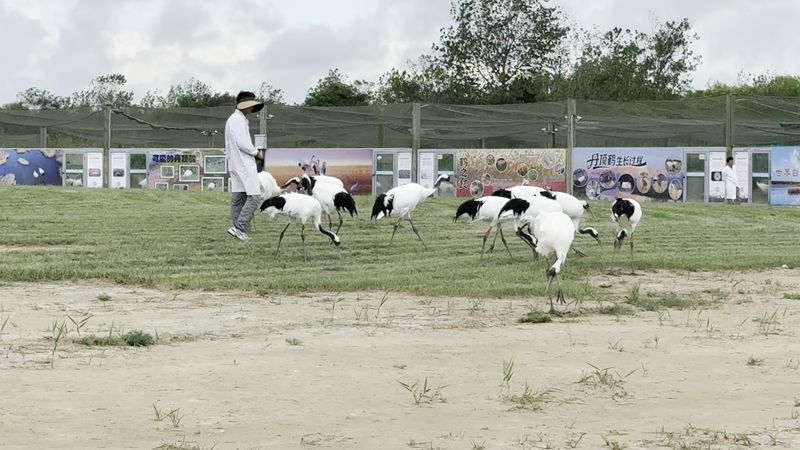
Winter numbers tell the story: about 400 to 600 wild red-crowned cranes arrive here each year between November and March, and 508 were counted in 2023.
The reserve covers roughly 247,260 hectares of coastal mudflats and shoals filled with reeds and wormwood. It is a key stop on the East Asia-Australasia flyway and gained World Natural Heritage status in 2019.
Late December to January gives the best crane viewing. Facilities include the Chinese Red-crowned Crane Museum, Crane Park, and a rescue and breeding center.
An Ecological Eye birdwatching platform offers a fine vantage point.
Public buses and taxis run from Yancheng city center, so getting there is simple compared with many remote crane sites.
12. Cheorwon Peace Observatory, Cheorwon, Gangwon, South Korea
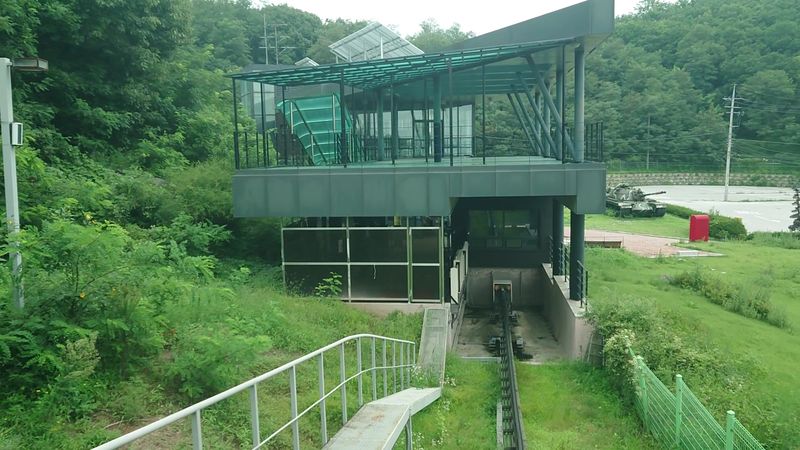
High-powered binoculars here point at two very different sights: wildlife on one side and North Korean villages on the other.
The observatory gives elevated views into the Demilitarized Zone and is a key stop on official DMZ Peace Tours. Around a third of the world’s red-crowned cranes and half of the white-naped cranes winter across this landscape.
Most sightings come from December through February, though the season can stretch from mid-October to March. The untouched land, grain-rich farmland, and unfrozen rivers and reservoirs all help explain why the birds choose it.
Access requires an organized tour. Bring ID such as a passport, and expect photography rules.
The visit blends wildlife watching with a lesson in the region’s history and culture.
Share this story