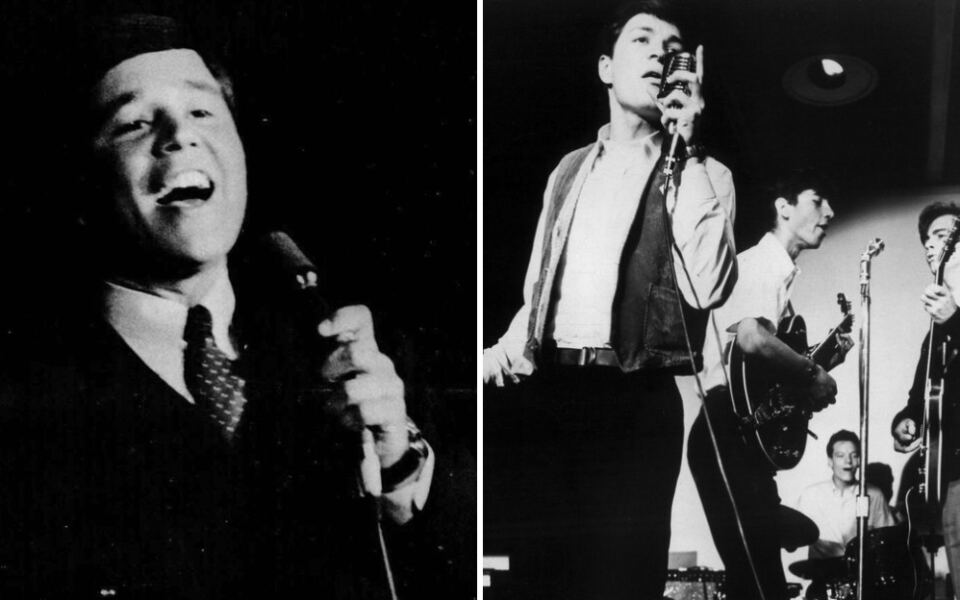
The 1960s gave us a short list of names that every documentary repeats. The Beatles, Dylan, and Hendrix get the spotlight, but the decade’s radio dial was much more crowded than that.
Dozens of singers scored huge hits, appeared on television, and sold millions of records before tastes shifted toward psychedelia and album rock. Some left for the army, some changed genres, and some simply watched their songs become bigger than their faces.
Here is a look at 13 performers whose records you may still know by heart, even if the names have slipped away. You will find chart facts, career turns, and a few surprising details about who sang what.
By the end, you may spot a few voices on your oldies playlist that you can finally put a name to, and you might find a new favorite worth hunting down.
1. Tommy James
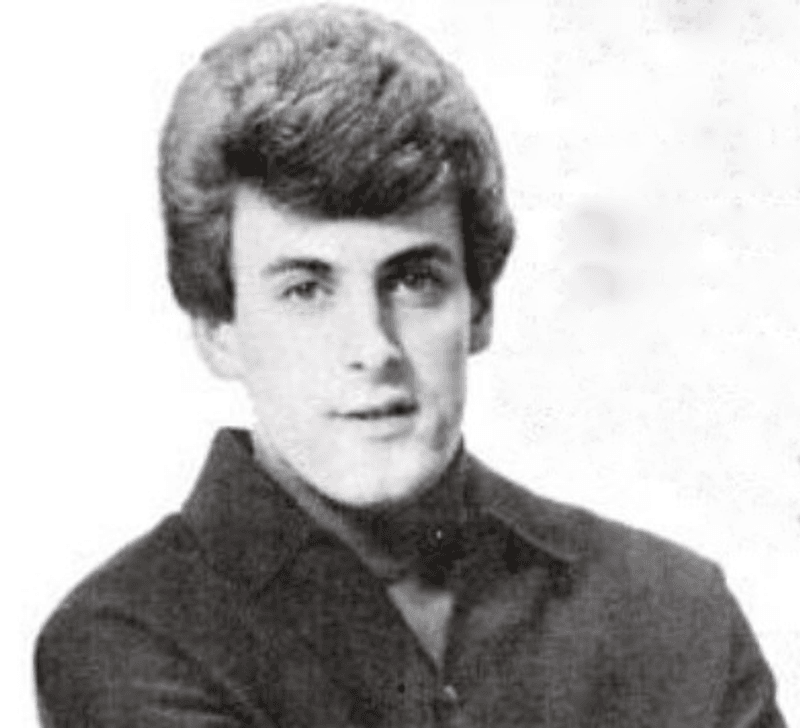
A permanent reservation on American radio sounds like an exaggeration, but Tommy James nearly had one. With the Shondells, he piled up Hanky Panky, I Think We’re Alone Now, Mony Mony, Crimson and Clover, and Crystal Blue Persuasion.
Hanky Panky was first released in 1964. A Pittsburgh DJ rediscovered it, and the 1966 re-release reached No. 1 that July.
Crimson and Clover topped the charts in 1969. Mony Mony reached No. 1 in the UK in 1968, and its title came from the sign atop the Mutual of New York Building in Manhattan.
James changed with the times. The garage simplicity of his first hit gave way to far more ambitious psychedelic production.
His name slipped because his songs outgrew his image. Billy Idol and Tiffany revived two of them in 1987, and Joan Jett took Crimson and Clover into the Top 10 in 1982.
2. Gary Lewis
Having comedian Jerry Lewis as a father guaranteed some early attention. The hits meant Gary Lewis never had to lean on the family name.
Gary Lewis & the Playboys broke through with This Diamond Ring, a No. 1 hit in 1965. Count Me In, Save Your Heart for Me, Everybody Loves a Clown, She’s Just My Style, and Sure Gonna Miss Her followed in quick order.
For a stretch in the middle of the decade, the group was a very steady source of hits.
Then the musical landscape shifted. Lewis entered the U.S.
Army in 1967, just as rock was moving toward psychedelia, heavier instruments, and album-length experiments.
When he returned to recording, the clean-cut pop-rock style that built the group no longer held the same place. His records still sound familiar to people who heard them first time around, even if the name gets mentioned far less today.
3. Mark Lindsay
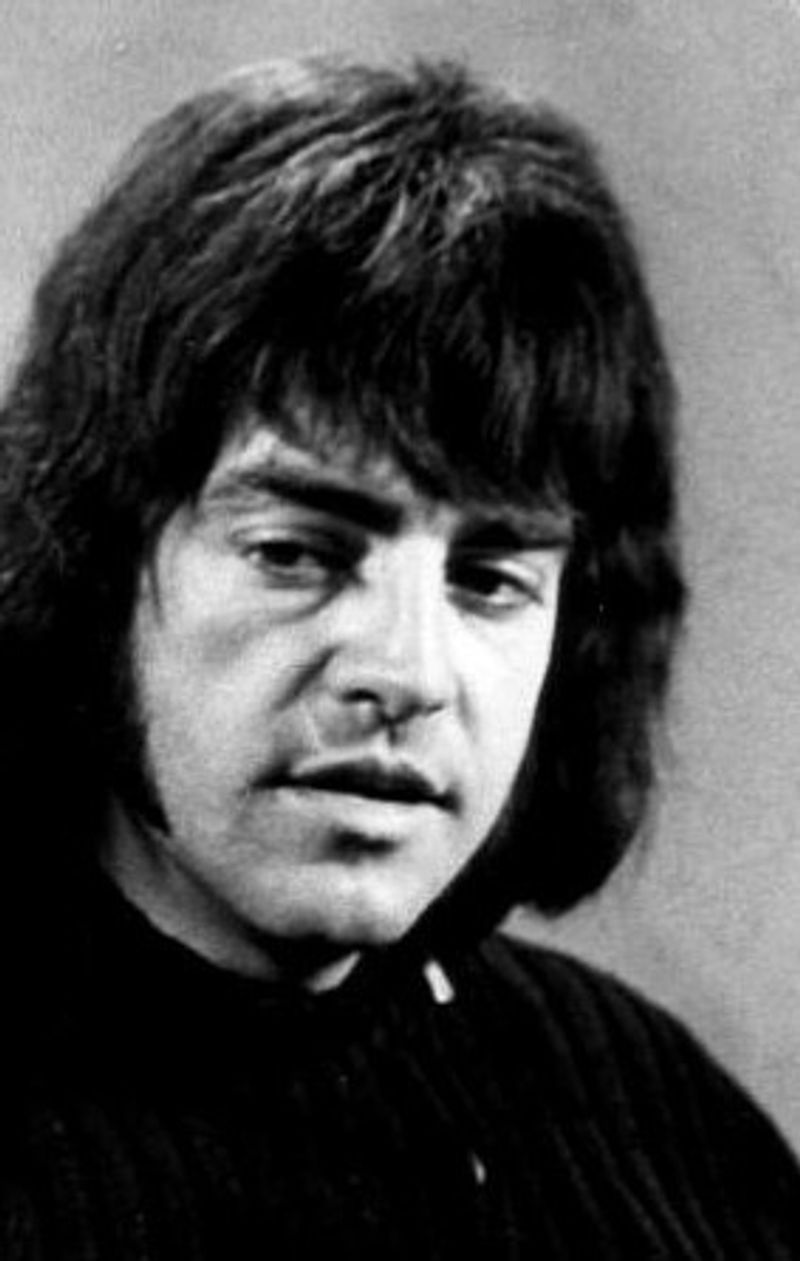
The name may not register right away, but the voice probably will. Mark Lindsay was the lead singer of Paul Revere & the Raiders, one of the most visible American rock bands of the mid and late 1960s.
Kicks, Hungry, Good Thing, Him or Me, What’s It Gonna Be, and Indian Reservation made the Raiders regular hitmakers.
Their appearances on Dick Clark’s television shows put their Revolutionary War-inspired outfits in front of millions of young viewers. Lindsay stood front and center for all of it.
He later launched a solo career and scored a big hit with Arizona around 1970.
Still, Paul Revere’s name stayed on the marquee. Casual listeners often never learned who was actually singing those records.
That makes Lindsay a rare case of a true 1960s star whose voice stayed more famous than his name.
4. Mitch Ryder
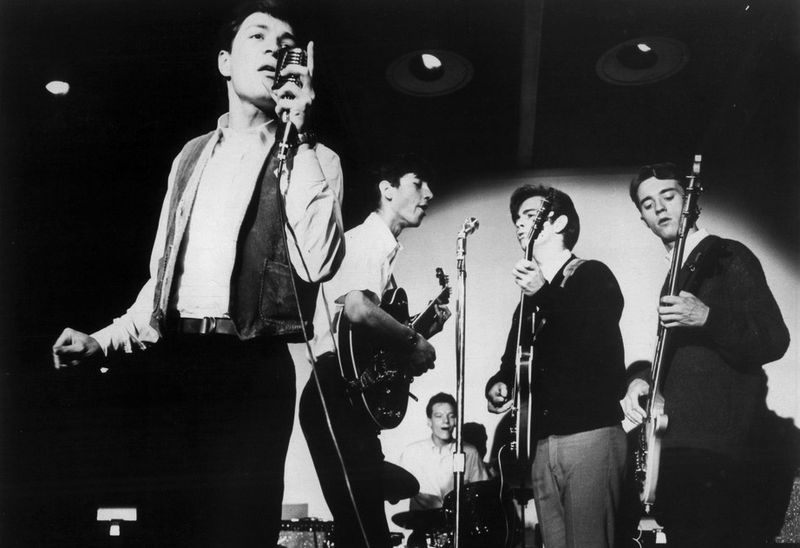
Urgency was Mitch Ryder’s calling card. Backed by the Detroit Wheels, he made some of the hardest-hitting rock and soul records of the mid-1960s.
Jenny Take a Ride, Little Latin Lupe Lu, and Sock It to Me, Baby all made him a notable American rock performer. Devil with a Blue Dress On and Good Golly Miss Molly, released as a medley, reached the Top 5 in 1966.
His sound drew heavily on R&B and soul, but the band played it with garage-rock force. Many of the records feel like they might fly off the track at any second.
Ryder kept recording long after the hits cooled, and he found a loyal audience in Europe.
In America, his mainstream profile shrank. That makes it surprising how seldom his name appears when people list the decade’s great rock vocalists.
5. Lou Christie
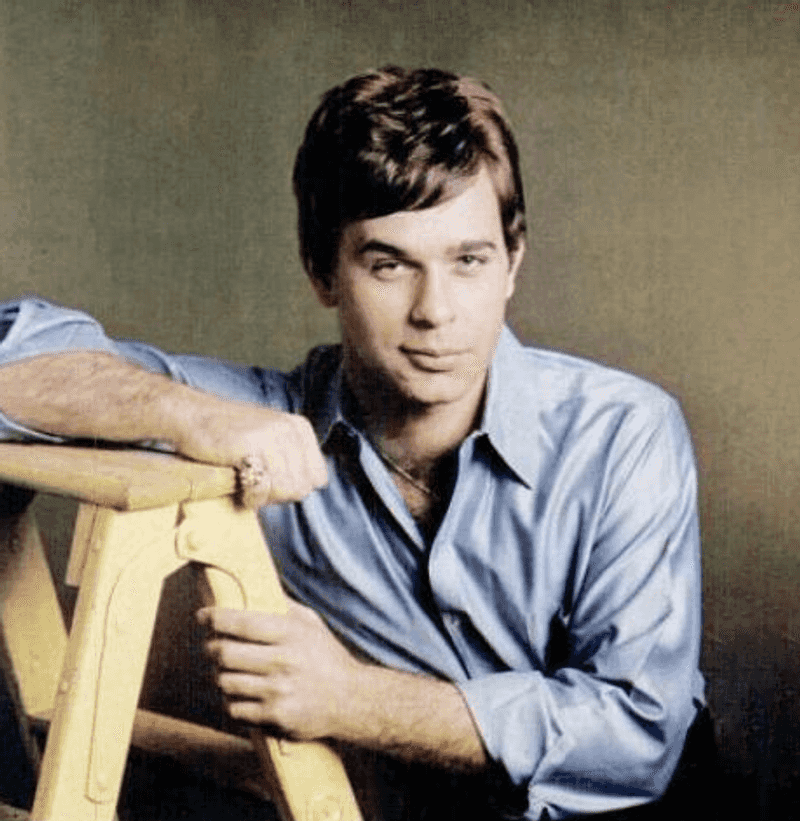
One of the oddest tools on 1960s radio was Lou Christie’s soaring falsetto. Listeners knew it within a few notes.
He first broke through with The Gypsy Cried and Two Faces Have I in 1963. After a break from the charts, he came back with his biggest hit.
Lightnin’ Strikes reached No. 1 in 1966. Its sudden jumps between his normal voice and his high register made it unlike almost anything else on the air.
He followed with Rhapsody in the Rain, which stirred controversy over suggestive lyrics, and some radio stations changed it.
Christie kept making music, but his run of major chart success was fairly short.
Today Lightnin’ Strikes is a staple for oldies listeners. The flamboyant singer behind it is much less visible than many of his peers.
6. Barry McGuire
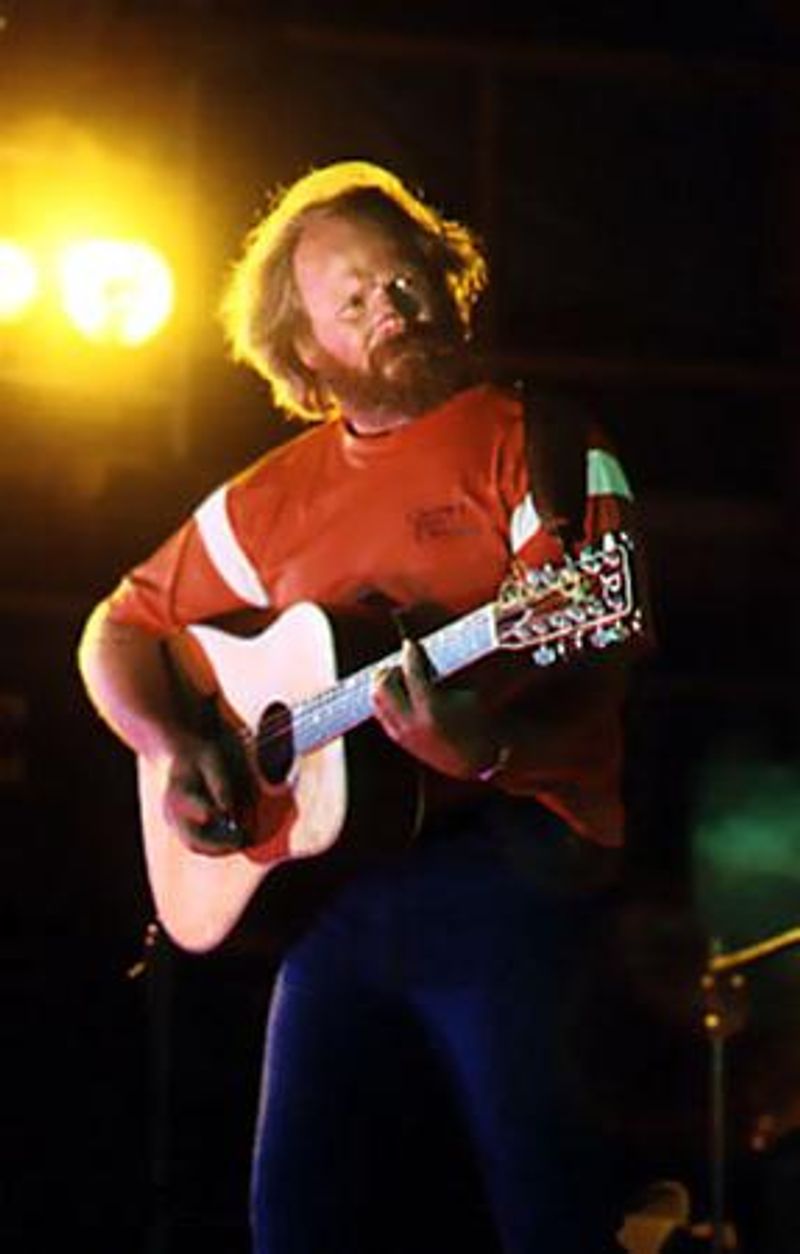
In 1965, Barry McGuire owned one of the most debated records in America. Eve of Destruction was impossible to mistake for harmless pop.
Written by P.F. Sloan, the song tackled war, racial conflict, political frustration, and fear of nuclear weapons.
McGuire sang it in a rough, tired voice that made it sound like a warning rather than polished entertainment.
It hit No. 1 on the Billboard Hot 100.
That should have made him a defining voice of the folk-rock era. Instead, his pop career never produced another hit of the same size.
McGuire later became a well-known performer in contemporary Christian music, which opened a new chapter in his career.
His big record stayed behind as a time capsule. Documentaries still use it, often without telling viewers much about the man who gave it such force.
7. Johnny Rivers
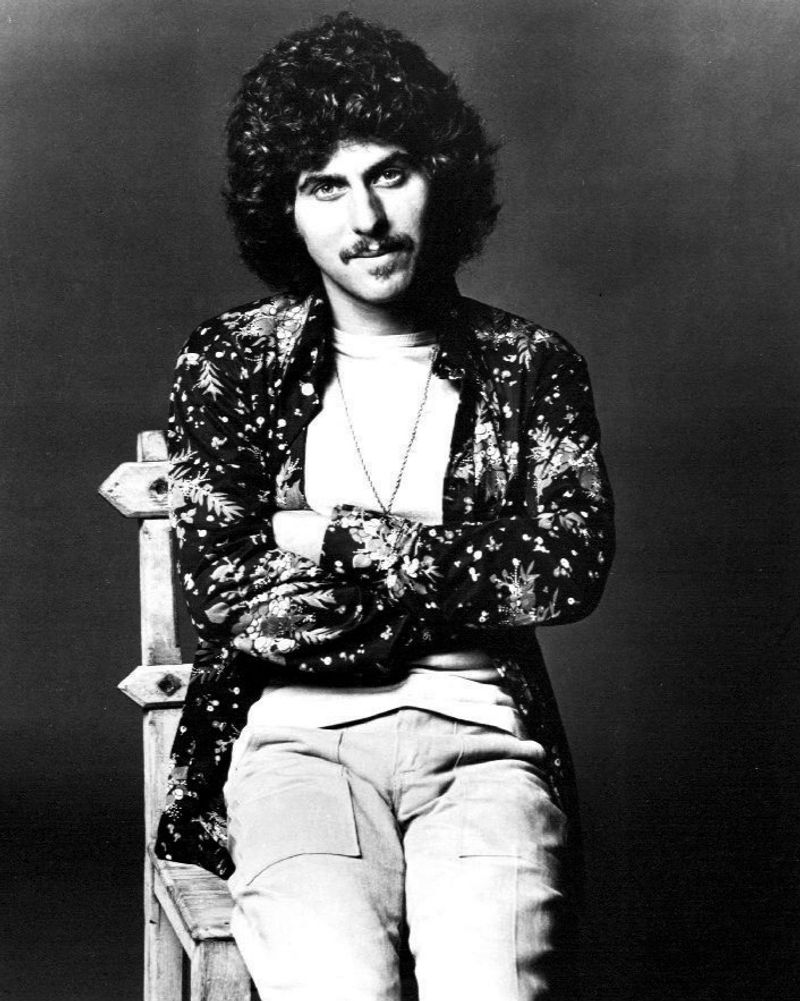
Some careers make a small modern profile especially surprising, and Johnny Rivers is one of them. He was no one-hit wonder.
Memphis, Mountain of Love, Secret Agent Man, Poor Side of Town, Baby I Need Your Lovin’, and Summer Rain all became major 1960s records. Poor Side of Town took him to No. 1 in 1966.
His early rise was tied to the Whisky a Go Go in Los Angeles. His live albums recorded there helped build both his name and the club’s as the Sunset Strip took off.
He moved easily between rock and roll, R&B covers, folk-rock, and polished pop.
That range may have made him harder to label than artists linked to a single movement.
Whatever the cause, he gets less attention than performers with far fewer hits. Play Secret Agent Man, though, and he is hard to forget.
8. Bobby Fuller
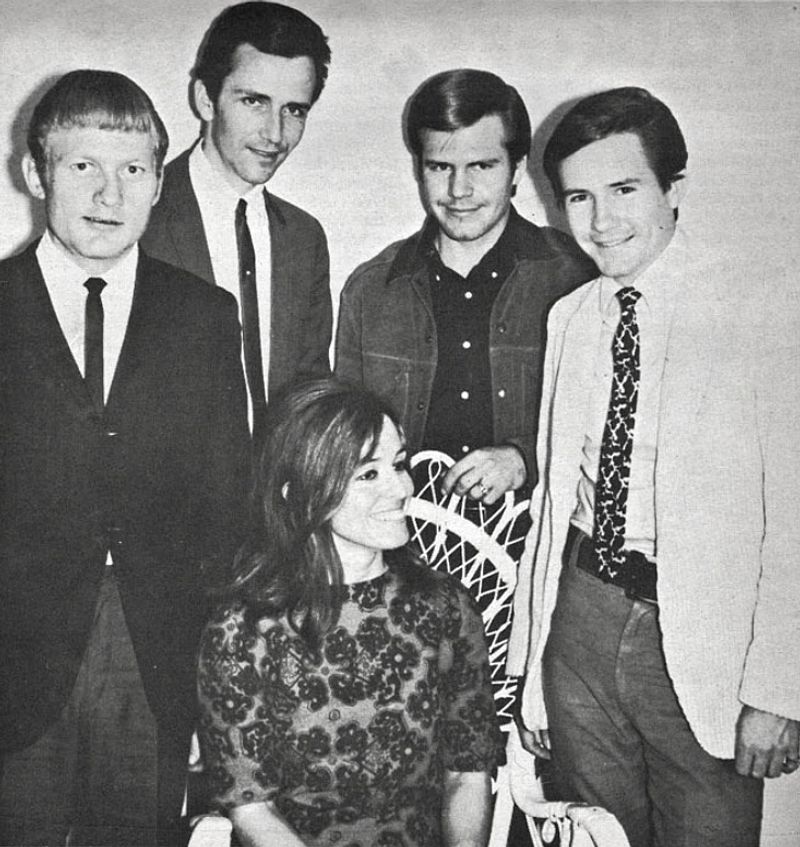
This story is different because the career did not slowly fade. It stopped abruptly.
The Bobby Fuller Four had their signature hit with I Fought the Law in 1966. Sonny Curtis wrote it and The Crickets recorded it first, but Fuller turned it into a driving garage-rock classic.
The single reached the national Top 10, and Fuller looked set for a long run.
Then, in July 1966, the 23-year-old musician was found in his mother’s car in Los Angeles.
The circumstances sparked decades of speculation. Authorities at the time ruled it an accident, but conflicting accounts kept other theories alive.
What ended was a career that had barely begun. I Fought the Law lived on and was later recorded by The Clash, while Fuller never got the chance to see where his music might go next.
9. P.J. Proby
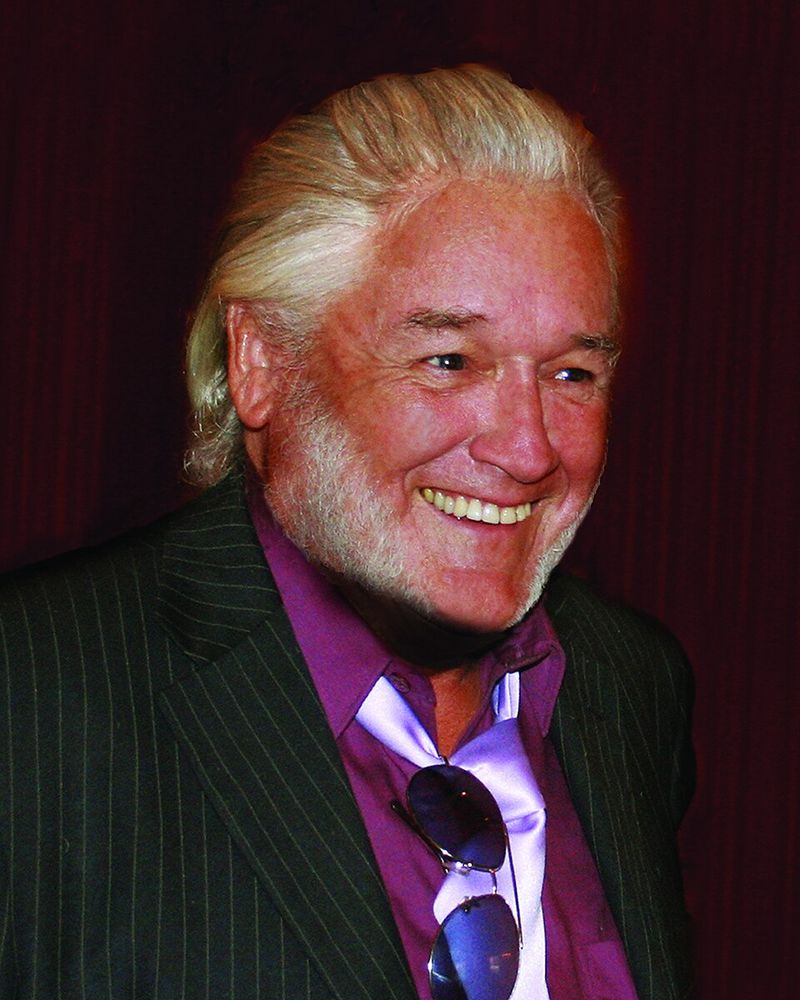
Parents had good reason to be wary of P.J. Proby.
His look seemed built to cause alarm.
Born James Marcus Smith in Texas, he found his biggest success in Britain. His powerful voice, theatrical outfits, and showy stage manner made him a major draw during the British Invasion.
Hold Me became a big British hit in 1964, followed by Together and Somewhere.
Then came the trousers. During shows in early 1965, his tight stage pants split, and the publicity storm that followed made some venues and TV programs hesitant to book him.
The controversy became tied to his public image. He kept working, including stage roles and new recordings, but the early momentum never fully came back.
As a result, he is remembered less often than many chart rivals, though for a short time he was among British pop’s most discussed acts.
10. Brian Hyland
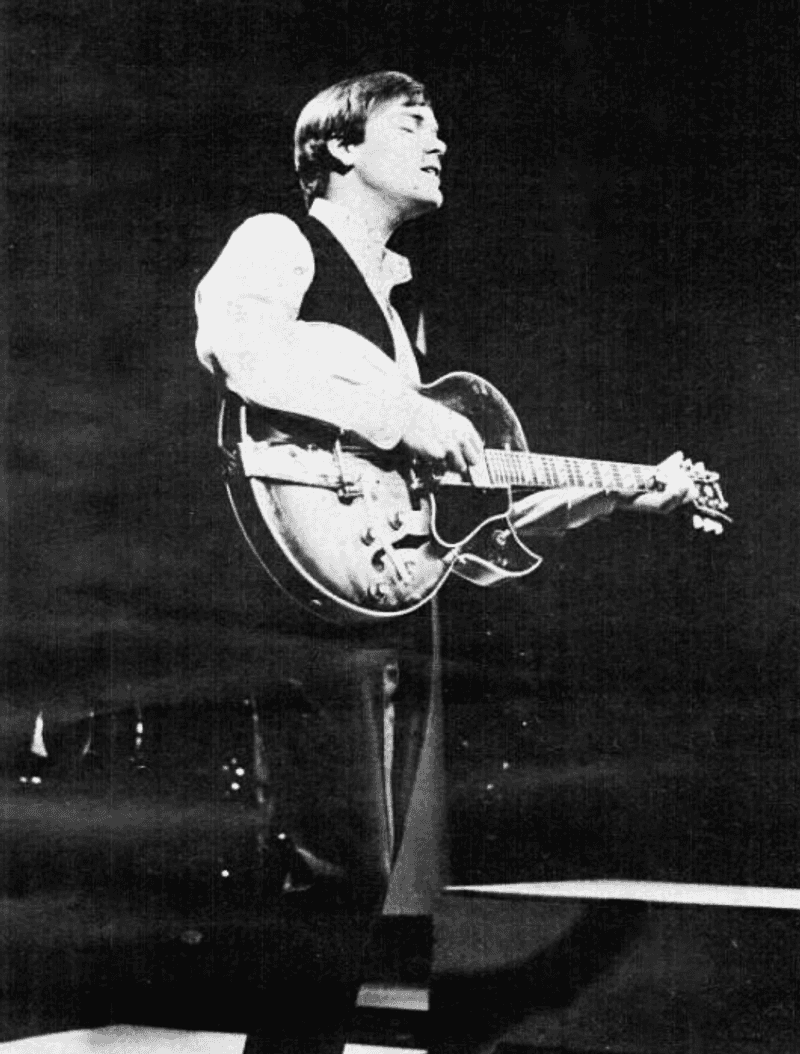
At just 16, Brian Hyland reached No. 1 with one of the most unmistakably early-1960s songs ever. Itsy Bitsy Teenie Weenie Yellow Polka Dot Bikini became a giant novelty hit in 1960.
It could have locked him into novelty territory for good. Instead, he kept scoring.
Sealed with a Kiss was a major success in 1962, and The Joker Went Wild put him back in the Top 20 later in the decade. In 1970, his version of Gypsy Woman became another big hit.
That staying power makes him easy to underestimate. His career spanned pre-Beatles teen pop, the British Invasion, and the start of the singer-songwriter years.
He just never built the larger-than-life image that keeps some peers in view.
Many people know several Brian Hyland songs without realizing one person recorded them all.
11. Scott McKenzie
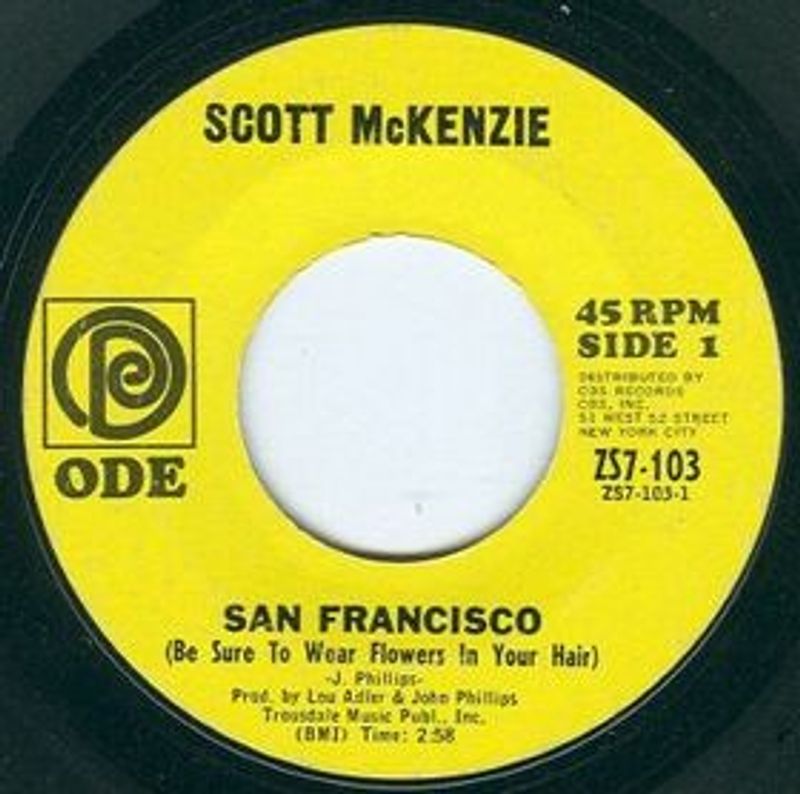
Few singers were tied so tightly to a single cultural moment. Scott McKenzie’s San Francisco (Be Sure to Wear Flowers in Your Hair) arrived in 1967, just as the city became the center of the counterculture.
John Phillips of The Mamas & the Papas wrote it to promote the Monterey International Pop Festival. It soon grew far bigger than that.
The song reached No. 4 in the United States and became a major international hit.
For many listeners, McKenzie’s soft voice came to stand for flower power and the Summer of Love.
That success created a problem. The song became a lasting cultural artifact, while McKenzie never built a matching string of follow-up hits.
He kept writing and performing, but his name drifted away from the record. Millions know the invitation to San Francisco, and far fewer can name who sang it.
12. Billy Joe Royal
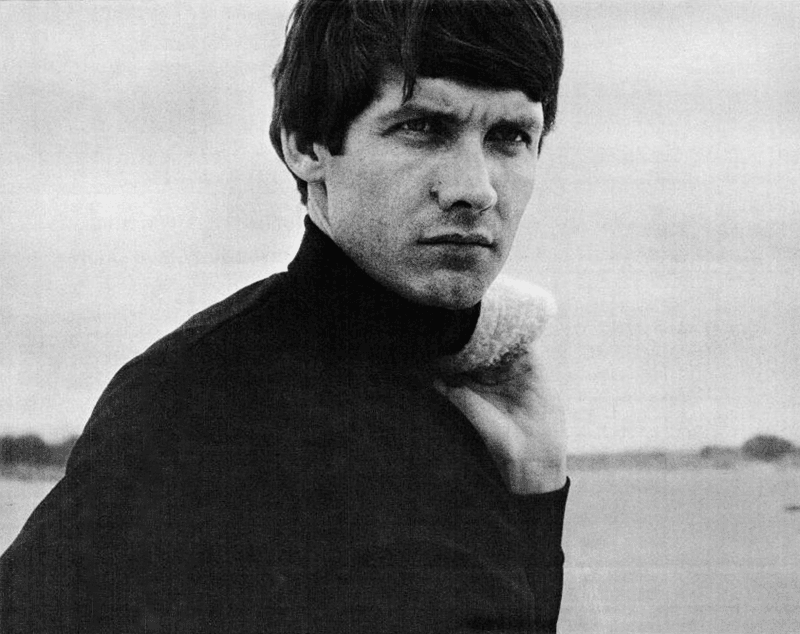
Down in the Boondocks sounded moodier than most pop of 1965. It became a major hit that year, reached the Top 10, and made Royal a national name.
Joe South wrote the song, which tells of a poor young man kept apart by class from the girl he loves.
Royal followed with I Knew You When and Cherry Hill Park, showing the first hit was no fluke.
Still, his mainstream pop success cooled as the 1970s approached.
Then his career took an unexpected turn. In the 1980s, Royal found a second audience in country music and returned to the charts with a run of country hits.
That path means he does not fit neatly into the usual 1960s rock story. Anyone tuned to AM radio in the mid-1960s, though, had a good chance of knowing his voice.
13. Chris Montez
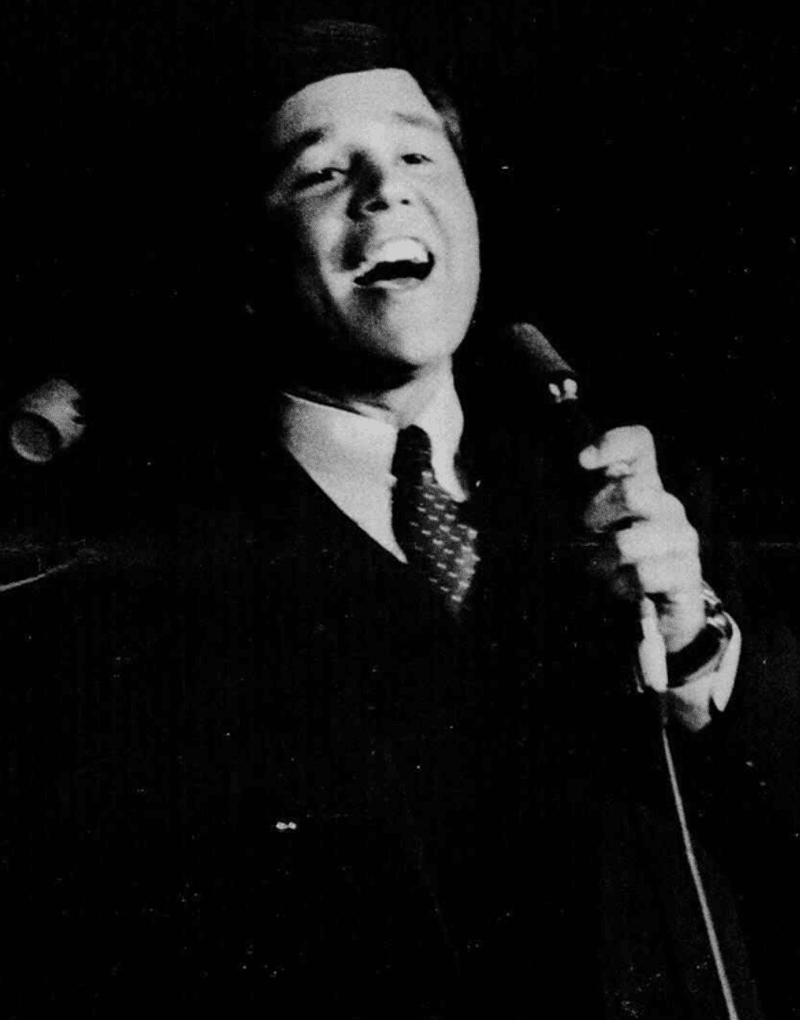
Two careers fit inside one decade for Chris Montez. The first began with Let’s Dance in 1962.
Powered by a pounding beat and organ, the song became a big American hit and found a large audience abroad. Montez even toured Britain on a bill with a young Beatles before their American breakthrough.
Then his direction changed sharply. Working with Herb Alpert’s A&M Records, he returned in 1965 with the softer Call Me.
His smooth vocal style surprised fans of the energetic Let’s Dance, yet the shift worked. The More I See You became another hit in 1966.
Despite succeeding with two very different sounds, Montez slowly moved out of mainstream view.
His records did not. Let’s Dance still turns up wherever the early 1960s are recreated, and The More I See You remains a familiar standard.
Share this story