Some songs just refuse to fade away, and the love ballads from the 1980s are proof of that. Decade after decade, couples keep coming back to these timeless tracks when planning their wedding playlists.
Whether it’s the sweeping orchestral arrangements, the powerhouse vocals, or the lyrics that seem to say everything a heart can’t, ’80s wedding songs have a staying power that modern music rarely matches. From slow dances to first dances, these songs have been part of countless unforgettable moments.
If you’re building a wedding playlist or just feeling nostalgic, this list covers 15 of the most beloved songs from the ’80s that couples still choose today.
Endless Love – Diana Ross and Lionel Richie
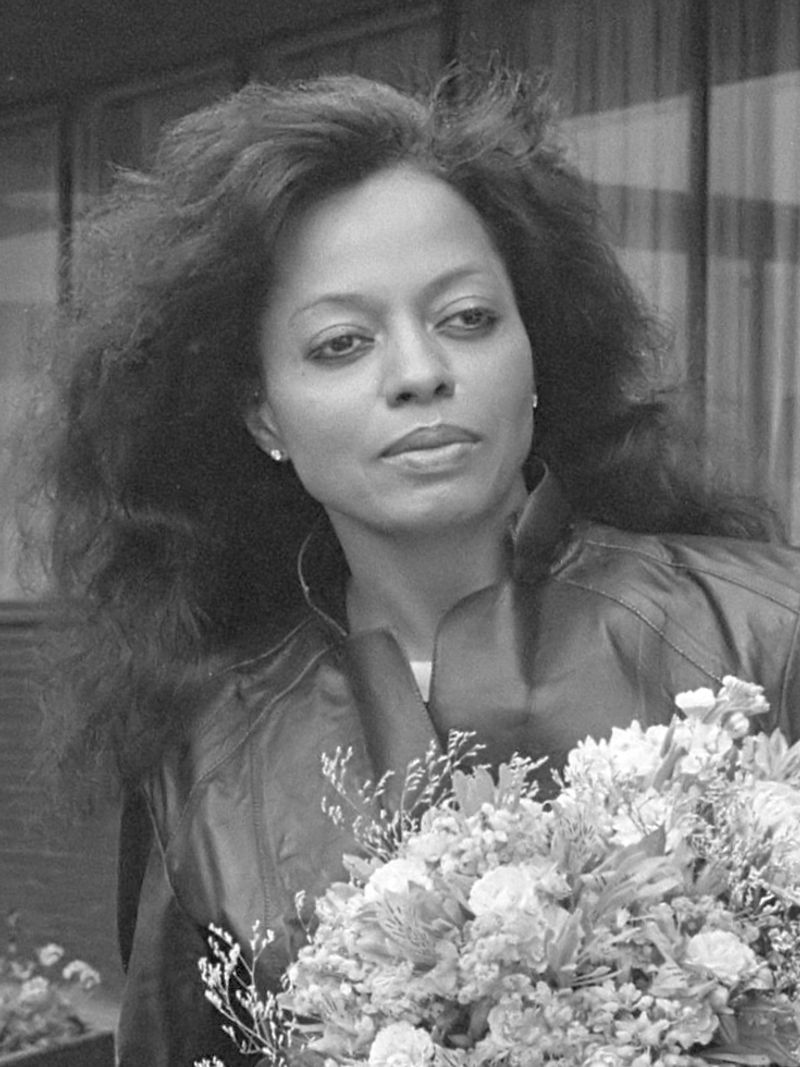
Few songs have ever captured the feeling of being completely consumed by love the way this one does. Released in 1981 as the title track for the film of the same name, “Endless Love” became one of the best-selling singles of that entire decade.
The combination of Diana Ross and Lionel Richie created a vocal chemistry that felt both grand and deeply personal.
It spent nine weeks at number one on the Billboard Hot 100, which was a record at the time. The song works beautifully as a wedding first dance because the lyrics speak directly to a love that feels total and unshakable.
Couples who want something cinematic and emotionally rich tend to gravitate toward this one naturally.
Richie has said the song was written quickly, but the emotion in it feels anything but rushed. It still gets played at weddings around the world every single weekend.
Faithfully – Journey
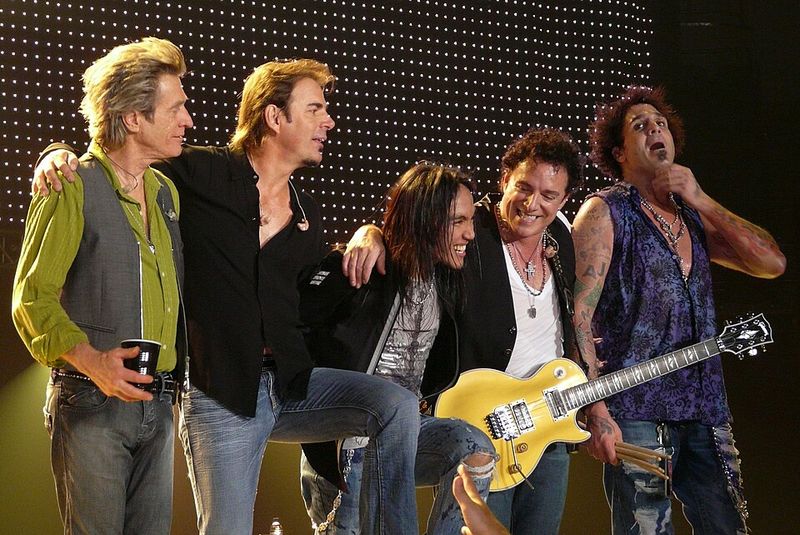
There is something quietly powerful about a love song written specifically about the strain of distance and the commitment to stay anyway. “Faithfully” was released by Journey in 1983, written by keyboardist Jonathan Cain as a tribute to the emotional cost of life on the road and the love that survives it. Steve Perry’s vocal delivery turns every line into something that feels earned.
The song opens with a piano melody that immediately sets a reflective, tender mood. Couples who have navigated long-distance relationships or simply want a song that honors real, enduring commitment often find this one speaks directly to their story.
It was not the band’s biggest chart hit, but it has outlasted many of their more commercially successful singles in terms of cultural staying power. At weddings, it tends to land with real emotional weight, especially during the first dance when the room goes quiet and everyone listens.
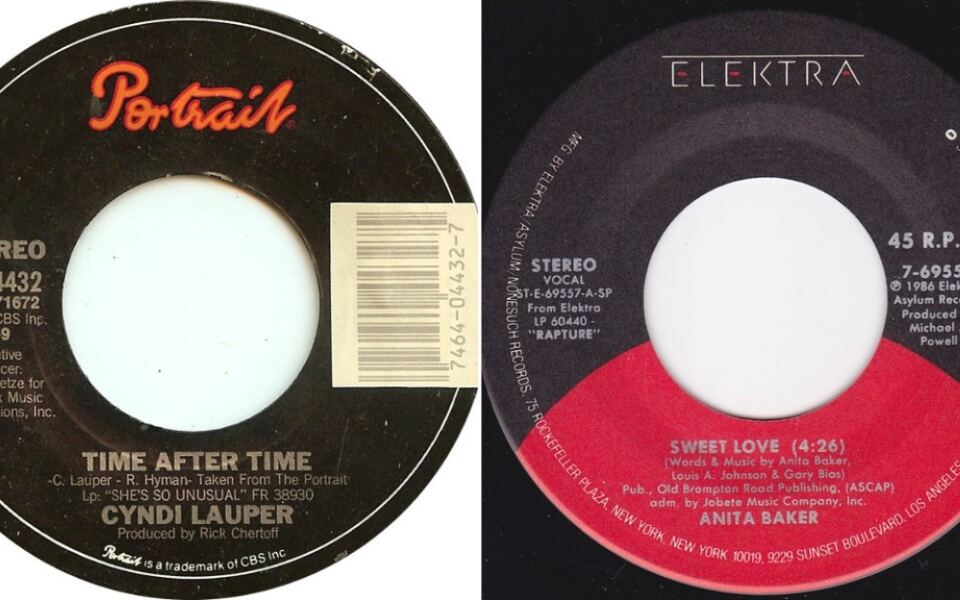
Time After Time – Cyndi Lauper
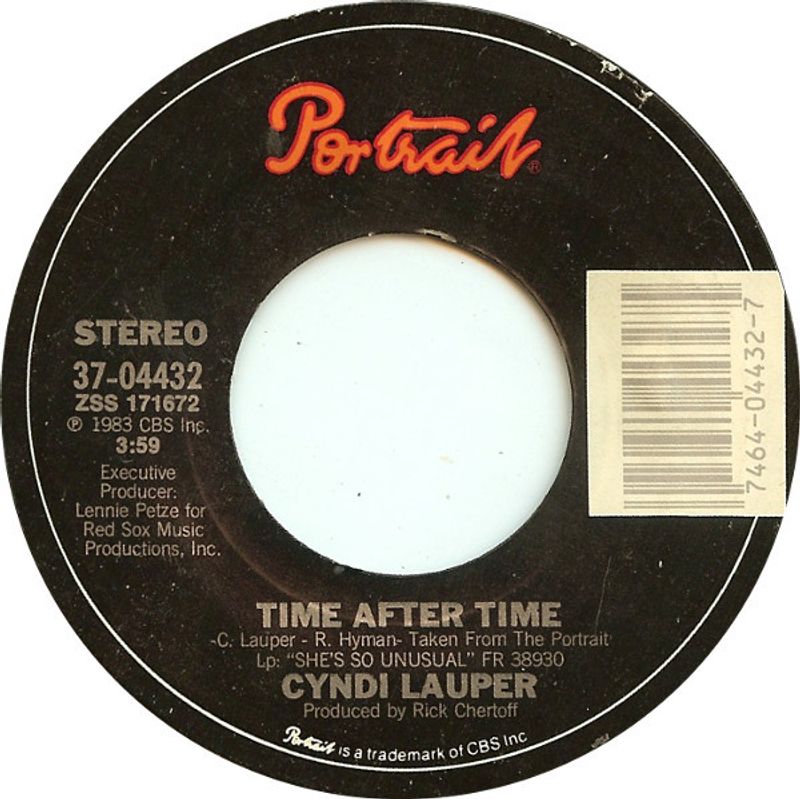
Cyndi Lauper released this song in 1984, and it immediately showed a side of her that went far beyond the playful pop persona she was known for. “Time After Time” is a song about loyalty and showing up for someone no matter what, which makes it a natural fit for weddings where couples want to say something meaningful without going over the top.
Lauper co-wrote the song with Rob Hyman after being inspired by a television listing she saw while working on her debut album. The melody has a gentle, lullaby-like quality that makes it feel intimate even in a large reception hall.
It reached number one on the Billboard Hot 100 and became one of the most covered songs of its era.
What keeps it relevant at weddings is the simplicity of its promise. The message is not complicated: if you fall, I will catch you.
That kind of lyrical directness never goes out of style.
Heaven – Bryan Adams
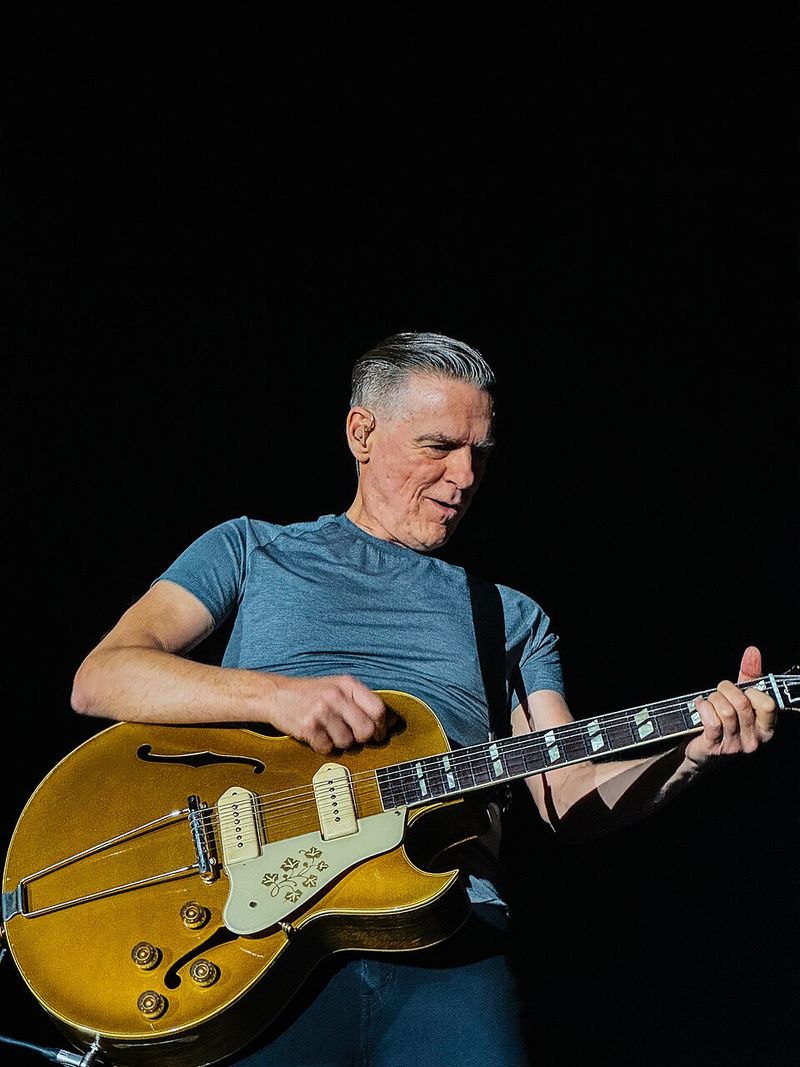
Bryan Adams wrote “Heaven” with Jim Vallance, and when it was released in 1985, it climbed to number one on the Billboard Hot 100 and stayed there for two weeks. The song has a rock foundation but leans heavily into its emotional core, making it accessible to couples who want something with a little more energy than a traditional slow ballad.
The lyrics are straightforward and sincere, centered on the idea that being with the right person feels like being exactly where you are supposed to be. That message resonates strongly in a wedding setting, where the whole day is built around that exact feeling.
Adams performs the song with a raw, earnest delivery that keeps it from feeling overly polished or distant. Couples who grew up in the ’80s often have a personal connection to this track, and for younger couples discovering it now, it tends to feel timeless rather than dated.
It holds up remarkably well.
Eternal Flame – The Bangles
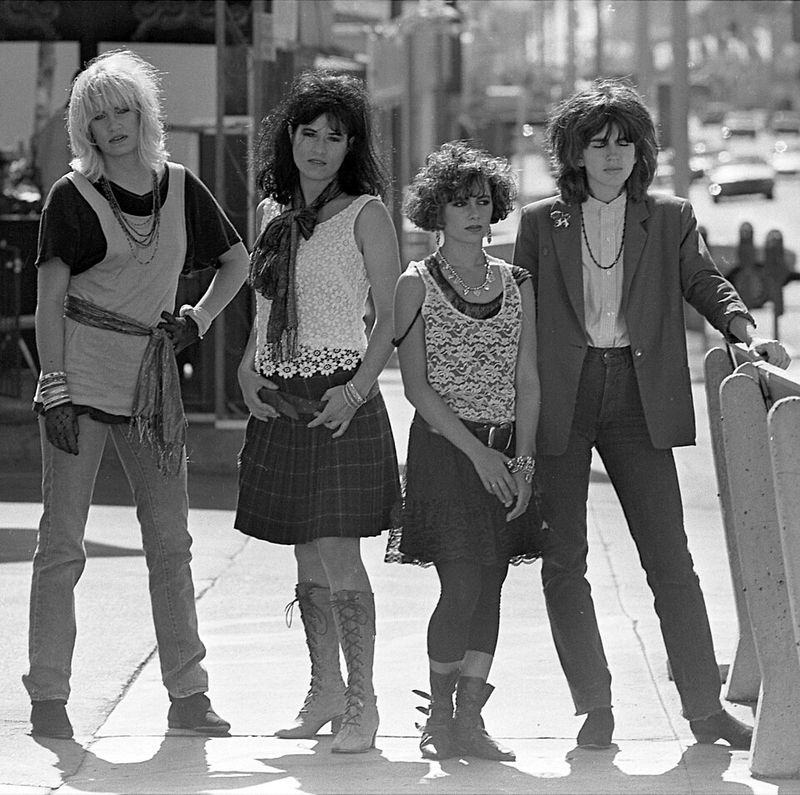
Released in 1988, “Eternal Flame” was a significant tonal shift for The Bangles, a band better known for upbeat pop-rock tracks. The song was written by Susanna Hoffs along with Billy Steinberg and Tom Kelly, the same songwriting duo behind “Like a Virgin” and “True Colors.” The result was a delicate, almost whispered love song that became one of the most recognizable ballads of the decade.
The opening lines, asking whether the other person dreams of being together, set a dreamy and romantic tone that carries through the entire song. At weddings, it works especially well as a slower, more intimate moment during the reception.
The melody is gentle enough to feel personal without being overly dramatic.
It reached number one in the United States, the United Kingdom, and Australia, which speaks to how universally the song connected with listeners. Couples who want something soft and sincere without being heavy often land on this one.
Can’t Fight This Feeling – REO Speedwagon
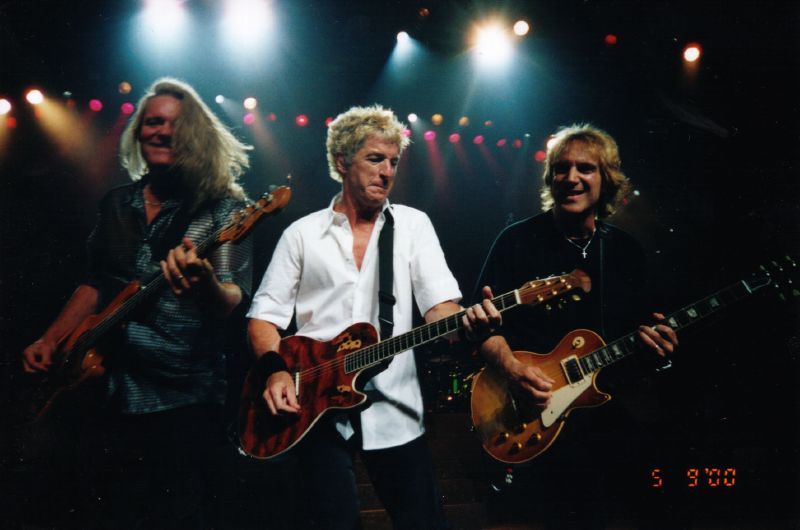
Sometimes the most romantic thing a person can say is that they tried to resist falling in love and simply could not. That is exactly what “Can’t Fight This Feeling” is about, and REO Speedwagon delivered it with a sincerity that made it an instant classic.
Released in 1985, the song reached number one on the Billboard Hot 100 and became the band’s biggest commercial success.
Kevin Cronin wrote the song over several years, reportedly inspired by a relationship he had been reluctant to pursue. The vulnerability in that backstory comes through clearly in the lyrics, which describe the slow realization that love has already taken hold before you even notice.
At weddings, the song tends to resonate with couples who feel their relationship unfolded organically rather than through a dramatic moment. The power ballad format gives it a big, sweeping feel that fills a dance floor without overpowering the moment.
It remains a reliable and emotionally satisfying choice.
Up Where We Belong – Joe Cocker and Jennifer Warnes
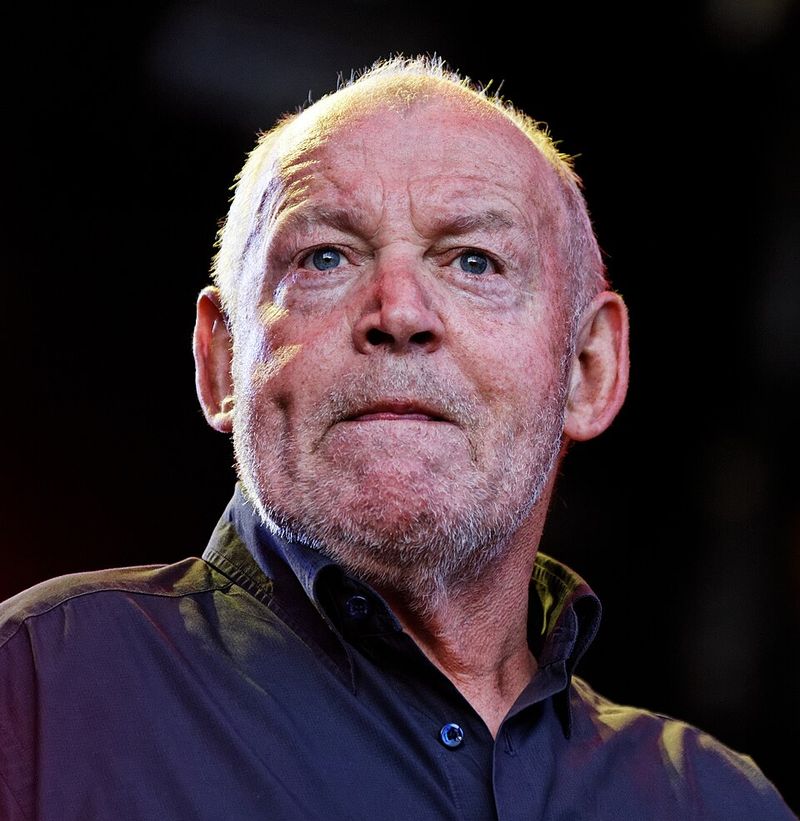
Written for the 1982 film “An Officer and a Gentleman,” this song won the Academy Award for Best Original Song and introduced a generation of moviegoers to one of the most stirring duets ever recorded. Joe Cocker’s gravelly voice paired with Jennifer Warnes’s clear, soaring tone created a combination that felt both unlikely and completely right.
The song’s central image, of eagles rising above the world, gives it a sense of aspiration that fits perfectly into a wedding atmosphere where two people are committing to build something together. It avoids the typical love song format by focusing on movement and possibility rather than longing or heartbreak.
Couples who want a duet for their first dance sometimes choose this song because it naturally calls for two voices and two people sharing the moment. Even without the film context, the lyrics hold up as a genuine celebration of love and shared direction.
It earned its place in wedding playlists across four decades.
I Just Called to Say I Love You – Stevie Wonder
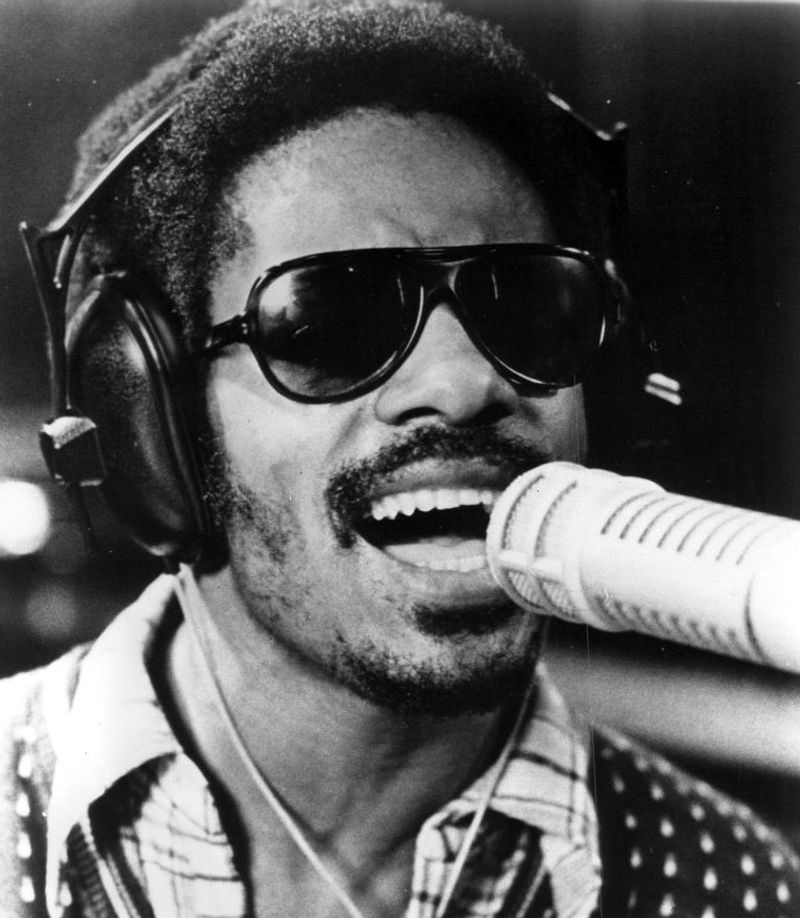
Stevie Wonder released this song in 1984 as part of the soundtrack for the film “The Woman in Red,” and it immediately became one of the most commercially successful singles of his entire career. It spent three weeks at number one in the United States and topped charts in multiple countries, earning him an Academy Award for Best Original Song.
The premise of the song is beautifully simple: there is no special occasion, no holiday, no dramatic reason to call. The only reason is love, and that is enough.
That kind of uncomplicated devotion translates easily into a wedding setting where couples want to express affection without unnecessary complexity.
Some music critics were divided on the song at the time of its release, calling it too straightforward compared to Wonder’s more ambitious work. But at weddings, straightforward often works best.
Guests recognize it immediately, the mood lifts, and the dance floor tends to fill up without much encouragement. It is genuinely crowd-friendly.
Glory of Love – Peter Cetera
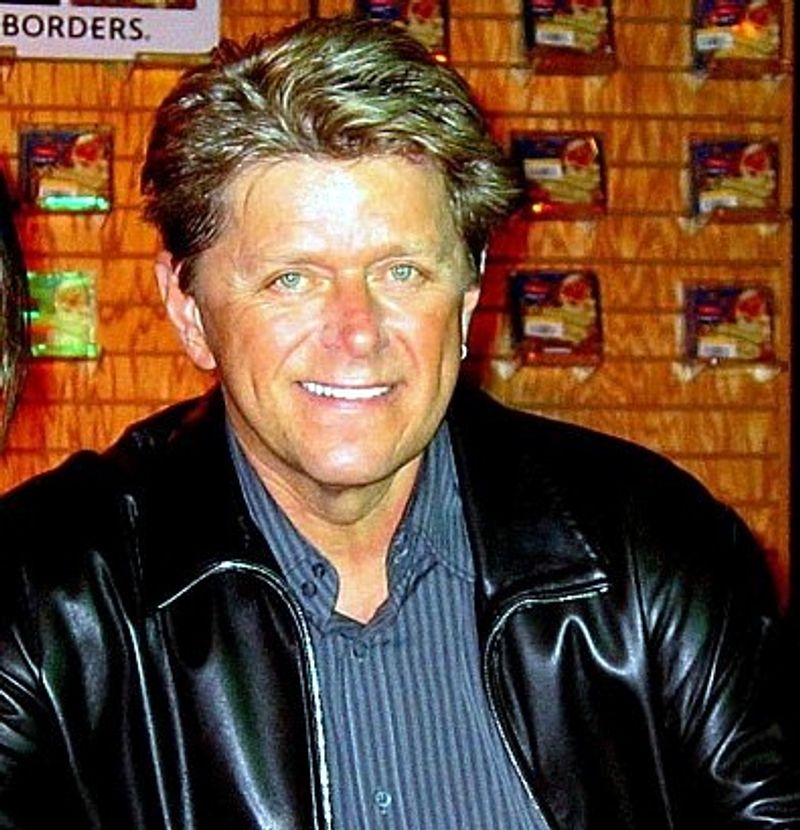
Peter Cetera wrote “Glory of Love” as the theme song for the 1986 film “The Karate Kid Part II,” and the song reached number one on the Billboard Hot 100 that same year. It was also his first major solo hit after leaving Chicago, the band that had defined his career for over a decade.
The song frames romantic love through the language of heroism and protection, with the narrator describing himself as a knight in a medieval sense, someone who fights for and stands by the person he loves. That kind of imagery gives the song an epic, storybook quality that naturally appeals to weddings where couples want to feel like the main characters in something larger than everyday life.
Cetera’s voice has a clean, earnest quality that makes the dramatic lyrics feel genuine rather than overwrought. The song builds steadily from a quiet opening to a full orchestral finish, giving it a natural arc that works well during a ceremony or first dance.
It is a genuinely satisfying listen.
A Groovy Kind of Love – Phil Collins
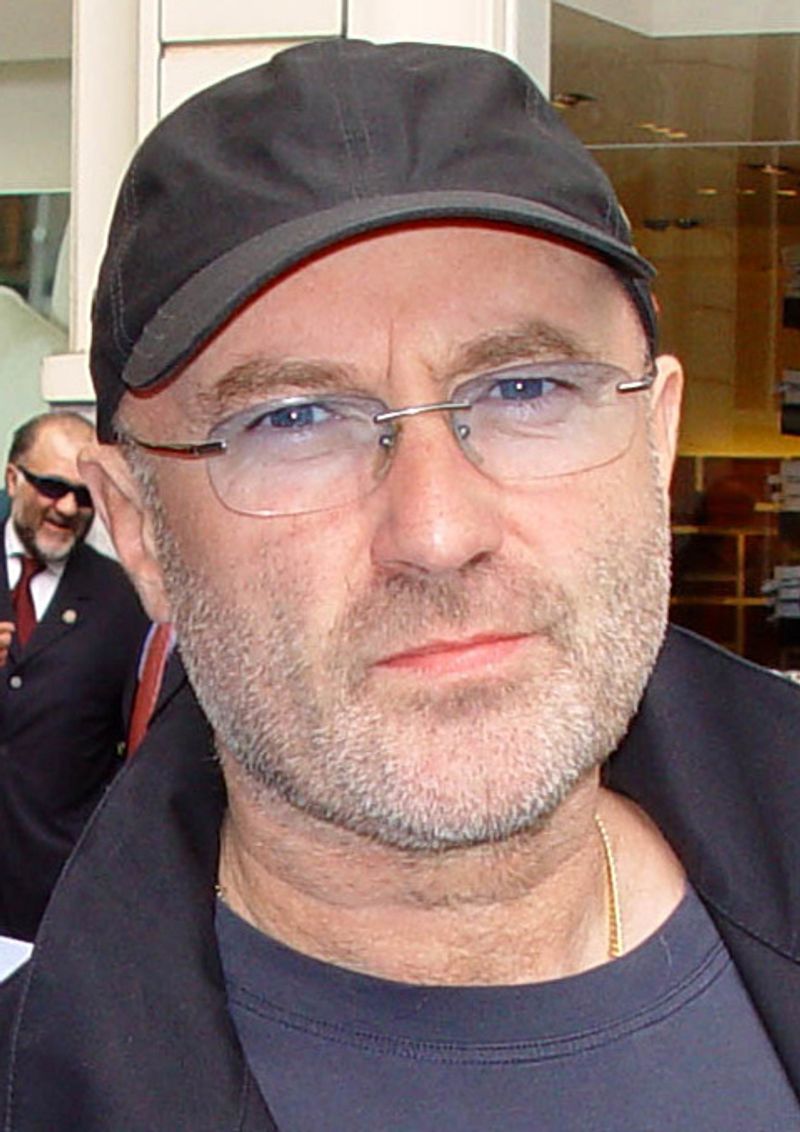
Phil Collins released his version of “A Groovy Kind of Love” in 1988 as part of the soundtrack for the film “Buster,” and it became one of the biggest hits of his solo career. The original song was recorded in 1966 by Mindbenders, but Collins’s version slowed the tempo considerably and stripped the arrangement down to something far more intimate and sincere.
The result is a song that feels like a quiet confession rather than a pop anthem. Collins’s voice, known for its emotional directness, carries the simple lyrics with a weight that the original version never quite achieved.
The song went to number one in both the United States and the United Kingdom.
At weddings, the slower tempo makes it ideal for a first dance, and the short runtime keeps the moment from overstaying its welcome. Couples who want something recognizable but not overplayed tend to appreciate this one.
It sits in a comfortable middle ground between familiar and fresh.
Sweet Love – Anita Baker
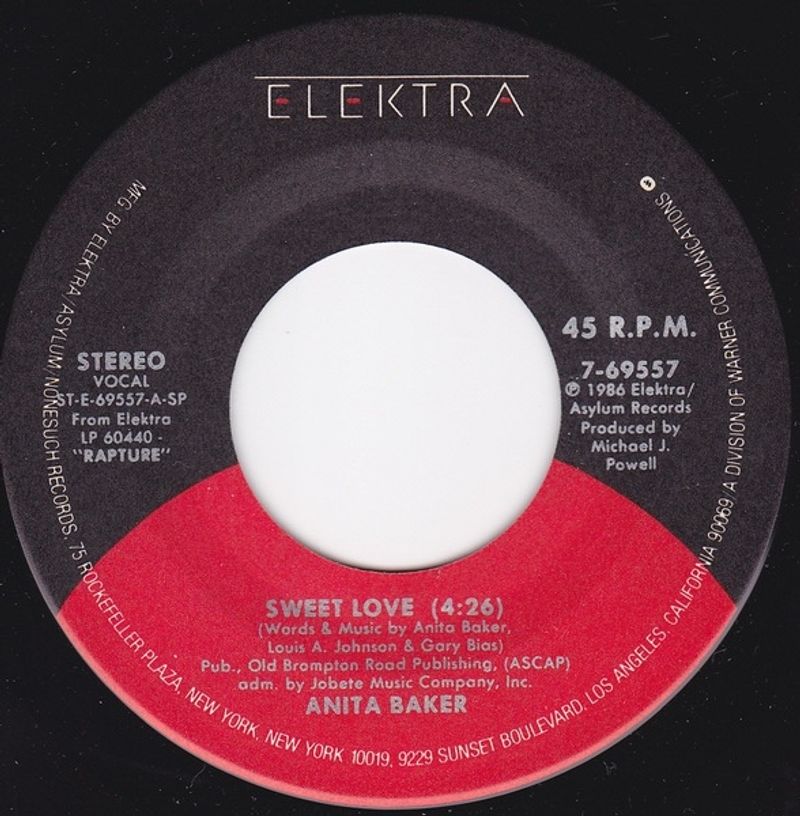
Anita Baker released “Sweet Love” in 1986 on her landmark album “Rapture,” and the song became one of the defining R&B tracks of the entire decade. Baker’s voice is a remarkable instrument, capable of moving between a whisper and a powerful sustained note without losing any of its warmth or control.
The song describes love as something nourishing and sustaining rather than dramatic or turbulent, which makes it a particularly grounded choice for a wedding playlist. The jazz-influenced arrangement gives it a sophistication that separates it from most pop ballads of the same era.
“Sweet Love” won the Grammy Award for Best R&B Song in 1987, which is a testament to how seriously the music industry recognized its quality. Couples who want a first dance song with a soulful, adult contemporary feel often find that this one fits their vision better than anything else on the list.
It rewards listeners who actually stop and pay attention to the vocal performance.
Suddenly – Billy Ocean
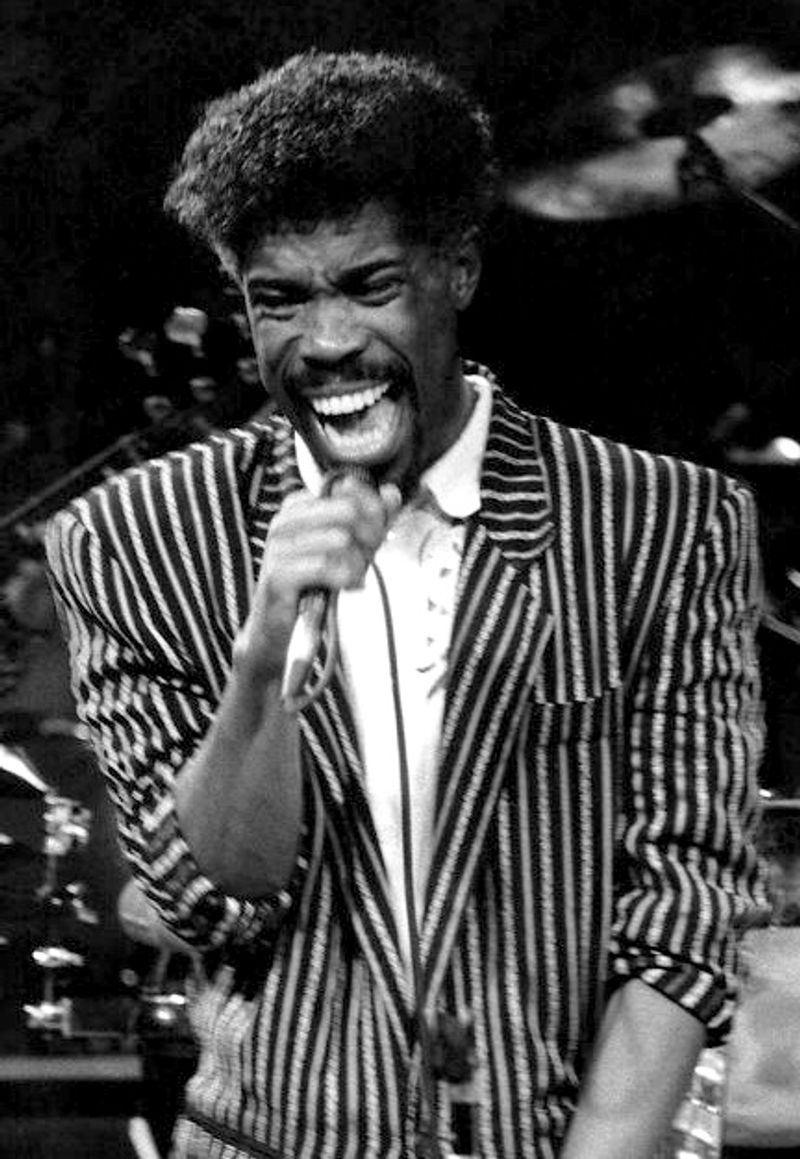
Billy Ocean had a string of memorable hits in the mid-1980s, and “Suddenly” from 1985 stands out as one of his most tender and emotionally direct songs. The track describes the experience of falling in love as something that happens without warning, changing everything about how a person sees the world.
That sense of sudden, complete transformation is something many couples recognize from their own relationship stories, which is part of why the song continues to appear on wedding playlists decades after its release. Ocean’s voice is smooth and reassuring, which gives the song a calm confidence that balances its emotional content well.
The production is classic mid-’80s, with lush keyboards and a gentle rhythm section that keeps the energy low and intimate. It did not reach the same chart heights as some of Ocean’s other hits, but at weddings it often outperforms more famous songs because of how personally it tends to resonate.
Couples who know it, love it without reservation.
Nothing’s Gonna Change My Love for You – George Benson
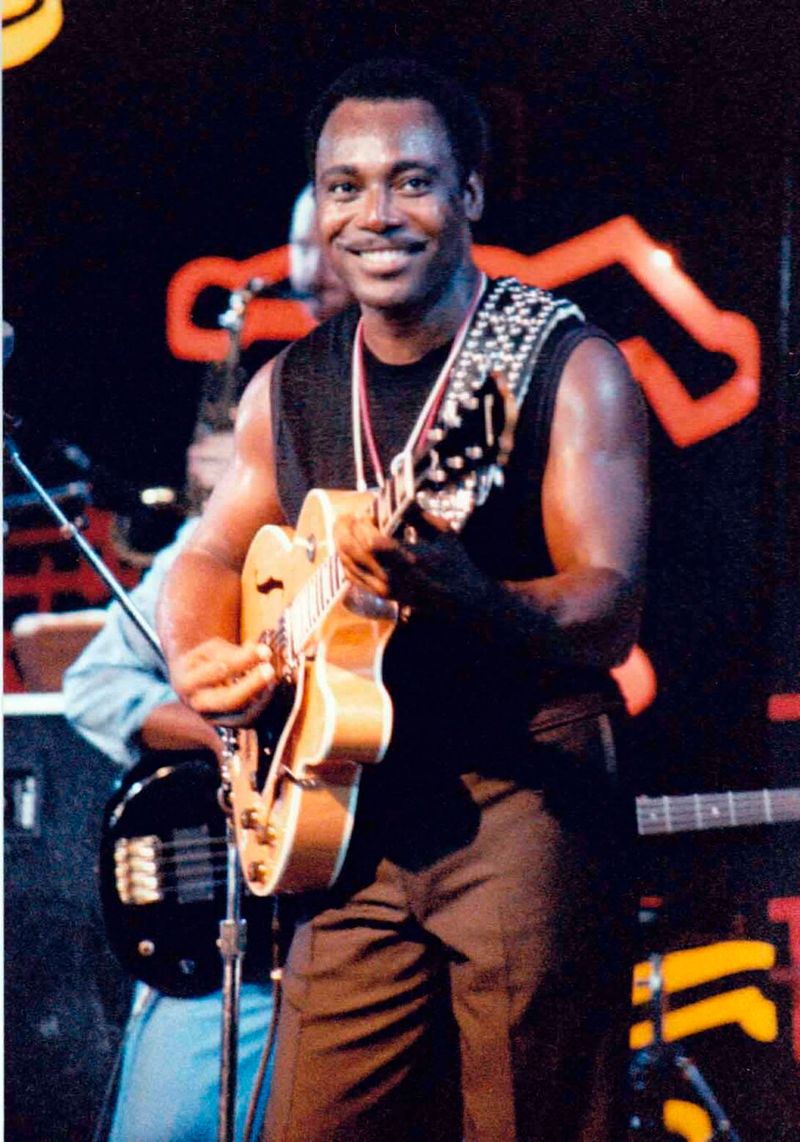
George Benson recorded “Nothing’s Gonna Change My Love for You” in 1985, and the song became a genuine international hit, reaching the top ten in multiple countries. The original was written by Michael Masser and Gerry Goffin and had been recorded before, but Benson’s version brought a warmth and smoothness that made it feel definitive.
The lyrics are an unconditional declaration of love, promising that no change in circumstances, time, or distance will alter how the singer feels. That kind of absolute commitment is exactly what wedding vows are meant to express, which makes the song feel almost purpose-built for the occasion.
Benson’s guitar playing adds a layer of sophistication that separates the track from more straightforward pop ballads of the same period. Couples who want something that sounds classic without feeling stiff tend to respond well to this one.
The tempo is comfortable for slow dancing, and the melody is easy to remember long after the reception ends.
Share this story