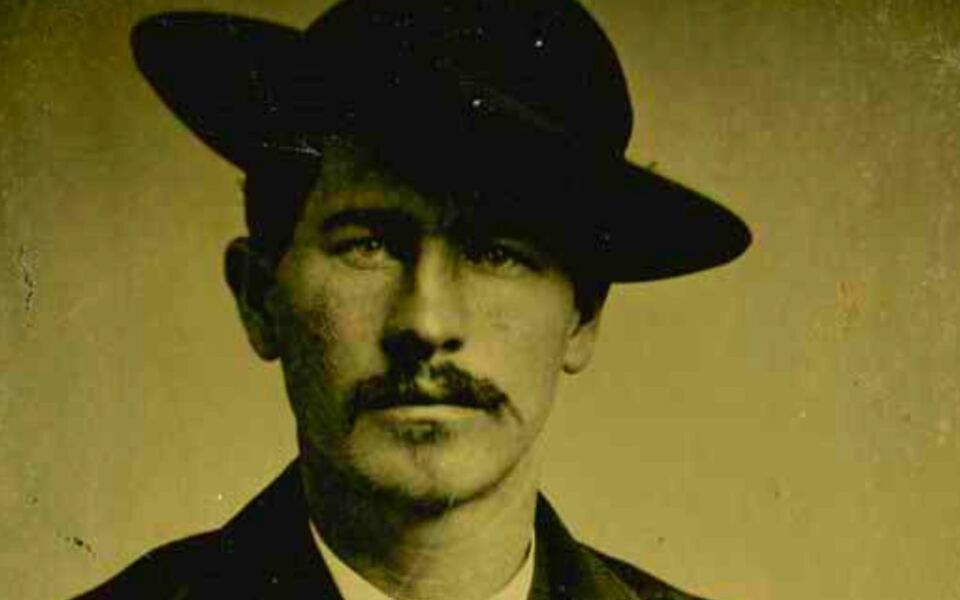
Wyatt Earp is one of the best known names in American history, yet the man and the legend are not always the same person. Between the 1870s and the 1920s, he worked as a lawman, gambler, saloon owner, prospector, and even a boxing referee.
Some of the tales told about him grew bigger with every retelling, while others sound invented but rest on court records and newspaper reports. Movies and books made the story smoother than the real thing, leaving out arrests, hearings, and business deals that were far messier.
Here you will find fifteen episodes from his long life, with dates, names, and details that show what is documented and what is still argued over. Keep reading to see how a restless traveler from the nineteenth century ended up as a star of the twentieth-century western.
1. Wyatt Earp Was Once Arrested on a Horse-Theft Charge
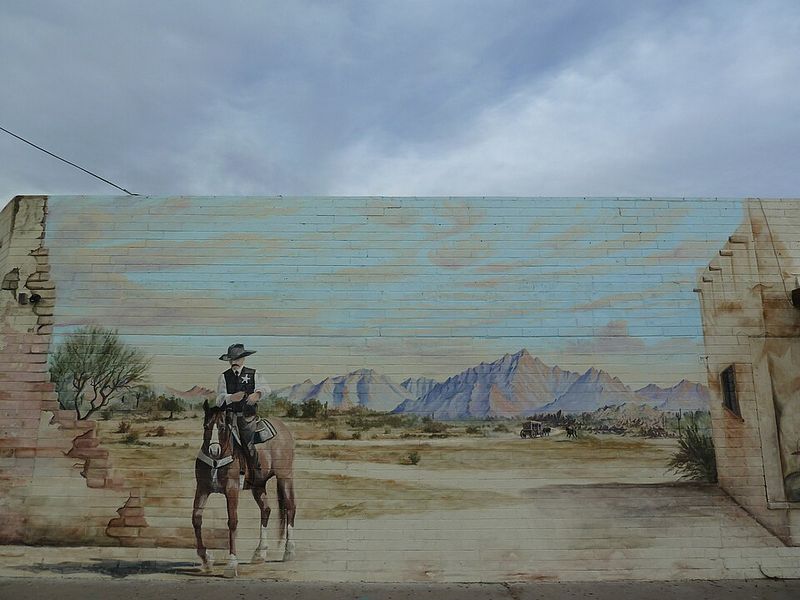
Long before the badge made him famous, Earp stood on the wrong side of a courtroom. In March 1871, he was charged in Indian Territory with stealing two horses valued at $100 each from a man named William Keys.
Deputy U.S. Marshal J.G. Owens arrested him in early April. He was arraigned on April 14, and bail was set at $500.
The case never reached a verdict. Earp escaped from custody in early May, well before the trial planned for November at Fort Smith.
An indictment followed on May 15, and a warrant was later returned unserved.
This happened during a rough stretch of his life. His wife, Urilla Sutherland, had died of typhoid fever in 1870, and he was also accused of keeping public funds in Lamar, Missouri.
The future symbol of frontier order began adult life with a pile of legal trouble.
2. The Famous O.K. Corral Gunfight Wasn’t Actually Inside the Corral
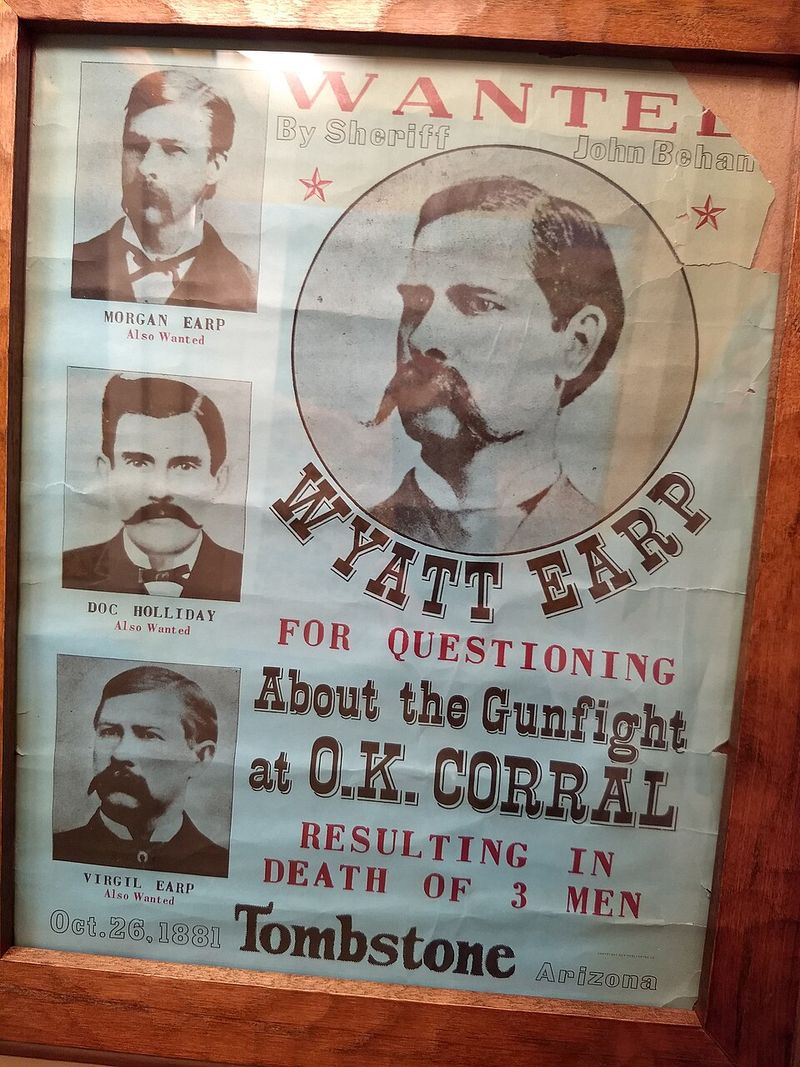
Movie posters promise a showdown inside the corral, but the map says otherwise. The famous fight on October 26, 1881, took place in a narrow vacant lot near the rear entrance of the O.K. Corral in Tombstone, Arizona.
On one side stood Wyatt, Virgil, and Morgan Earp with Doc Holliday. On the other were Tom and Frank McLaury, Billy and Ike Clanton, and Billy Claiborne.
The whole event lasted about thirty seconds. Billy Clanton and the McLaury brothers were killed, while Virgil, Morgan, and Holliday were wounded.
Wyatt was the only member of his group who was not hit.
The name stuck because it sounded better than the real address. A short clash in an ordinary lot became the most talked-about gunfight in Western history, and the misleading title has lasted well over a century.
3. Wyatt Walked Away From the Gunfight Without Being Shot
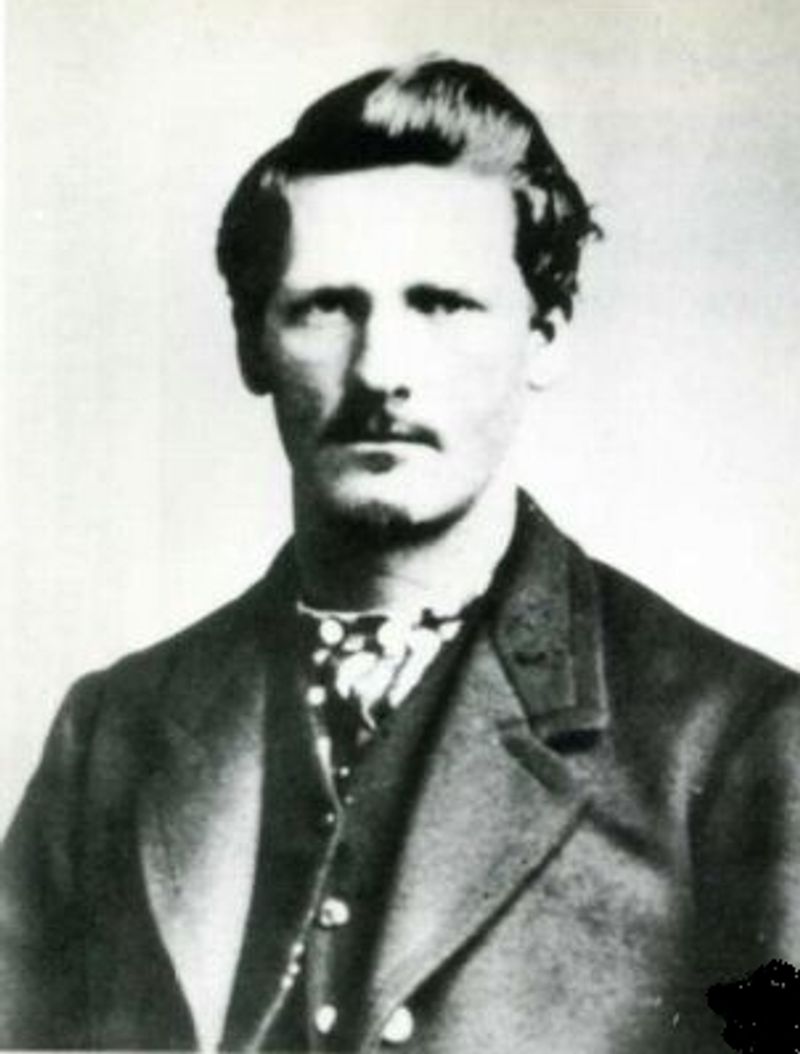
Luck takes a lot of credit in this story. Of the four men who walked toward the opposing group in Tombstone, three left with wounds and one did not.
Virgil Earp was hit in the calf. Morgan Earp was struck across the back, and Doc Holliday took a wound to the hip.
Wyatt came through without a scratch, and that fact became a cornerstone of his image as a man who stayed cool under fire.
The reality was less tidy than the legend. Witnesses disagreed about who fired first, and arguments over whether the Earps acted lawfully began almost right away.
Still, his escape was remarkable. More danger waited in the following months, and his habit of surviving it helped turn a traveling lawman and gambler into someone who seemed made for a legend.
4. He Was Put on Trial After His Most Famous Gunfight
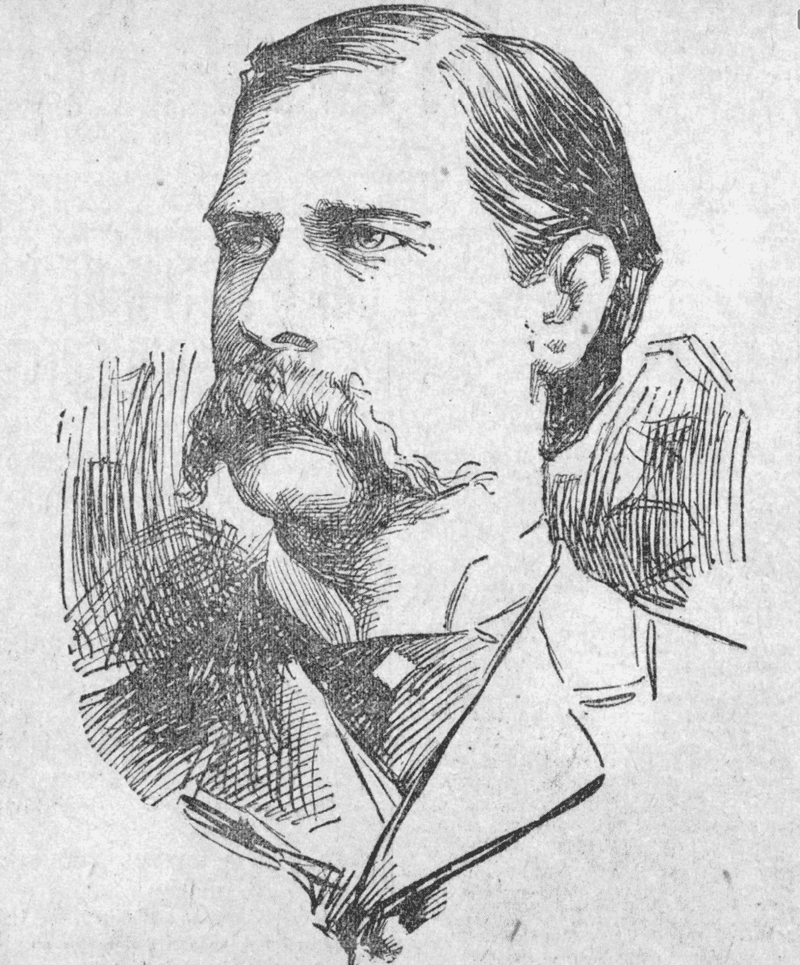
Winning a gunfight did not make anyone a hero overnight. Soon after the Tombstone shooting, Ike Clanton filed murder charges against Wyatt, Virgil, Morgan, and Doc Holliday.
Justice of the Peace Wells Spicer ran a long preliminary hearing to decide whether deadly force had been justified.
Witnesses told conflicting stories. Some described the Earps as officers trying to disarm dangerous men, while others said the Earps provoked the confrontation.
Spicer ruled that the evidence did not justify holding the four men for trial.
That did not end the debate. The shooting deepened a bitter political and personal struggle in Tombstone, and people kept arguing over its meaning for generations.
One of the most celebrated shootouts in American history was controversial from the first week.
5. His Brother Was Murdered While Playing Billiards
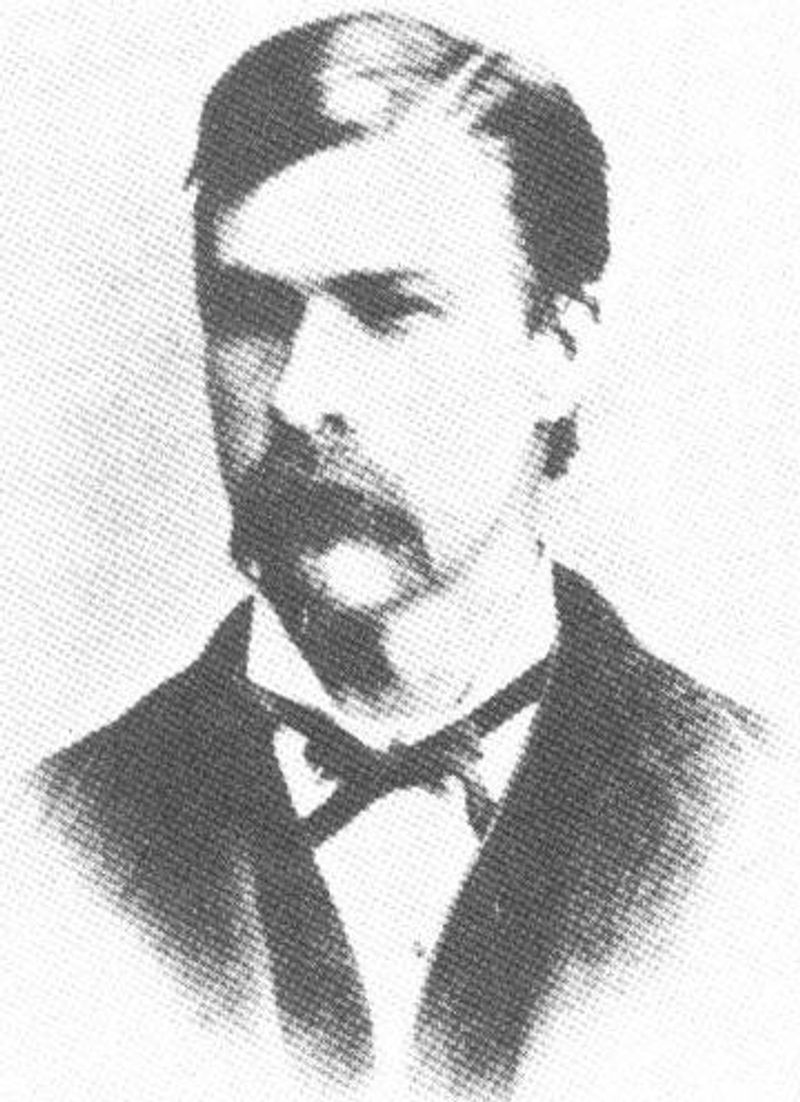
March 18, 1882, brought a second blow for the Earp family. Morgan Earp was playing billiards in Campbell and Hatch’s saloon in Tombstone when shots came through a window from the dark outside.
He was hit in the back and died that night. Wyatt was in the room.
The attack came after Virgil Earp had been ambushed in December, leaving his arm permanently damaged.
For Wyatt, Morgan’s death shifted the conflict from a dispute over law enforcement to a deeply personal matter.
The surviving Earps believed the Cowboy faction was behind the attacks. What followed would later be called the Earp Vendetta Ride, and the line between official duty and private revenge would grow harder to see.
6. Wyatt Led a Vendetta After Morgan’s Murder
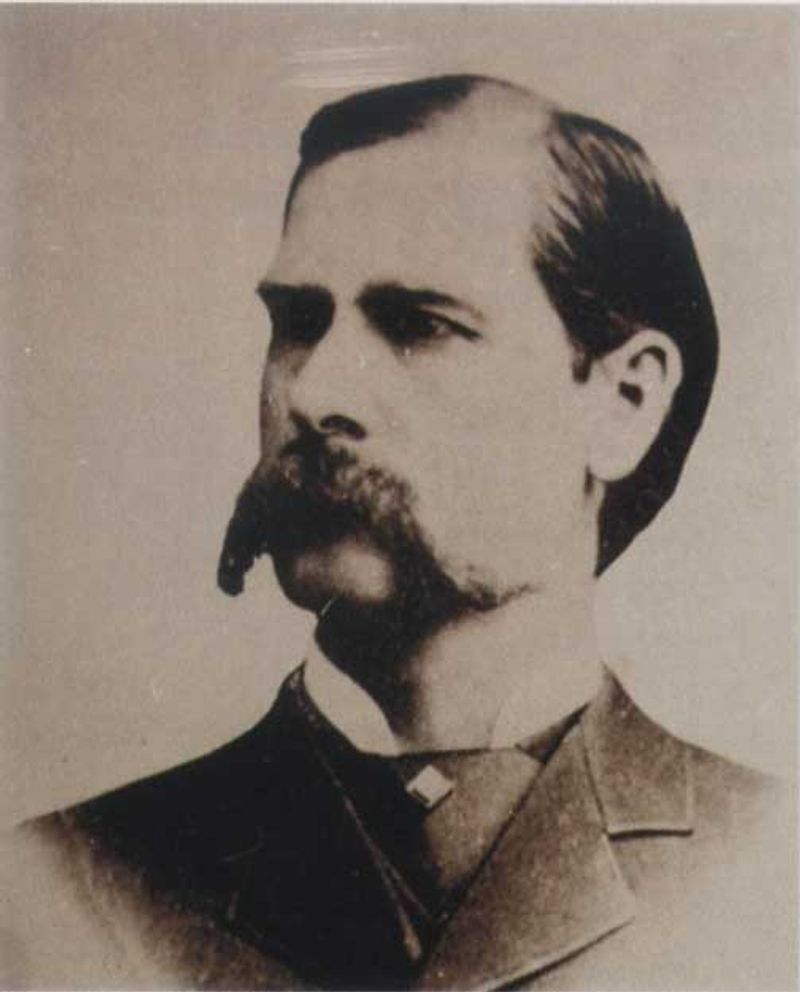
Patient lawman is the picture most people have of Wyatt. His actions in 1882 tell a more tangled story.
After Morgan’s murder, Wyatt secured a commission as a deputy U.S. marshal and put together a posse that included Doc Holliday. The group went after men they believed were behind the attacks on his family.
Frank Stilwell was killed near the Tucson railroad station. Florentino Cruz, called Indian Charlie, was killed later.
At Iron Springs, the posse met a group tied to Curly Bill Brocius.
Warrants were issued for Wyatt and several companions over Stilwell’s case. Rather than go back to Tombstone and answer them, Wyatt left Arizona Territory.
Admirers called it frontier justice. Critics saw revenge.
That split remains central to understanding the real man.
7. He Claimed to Have Killed Curly Bill in a Shotgun Duel
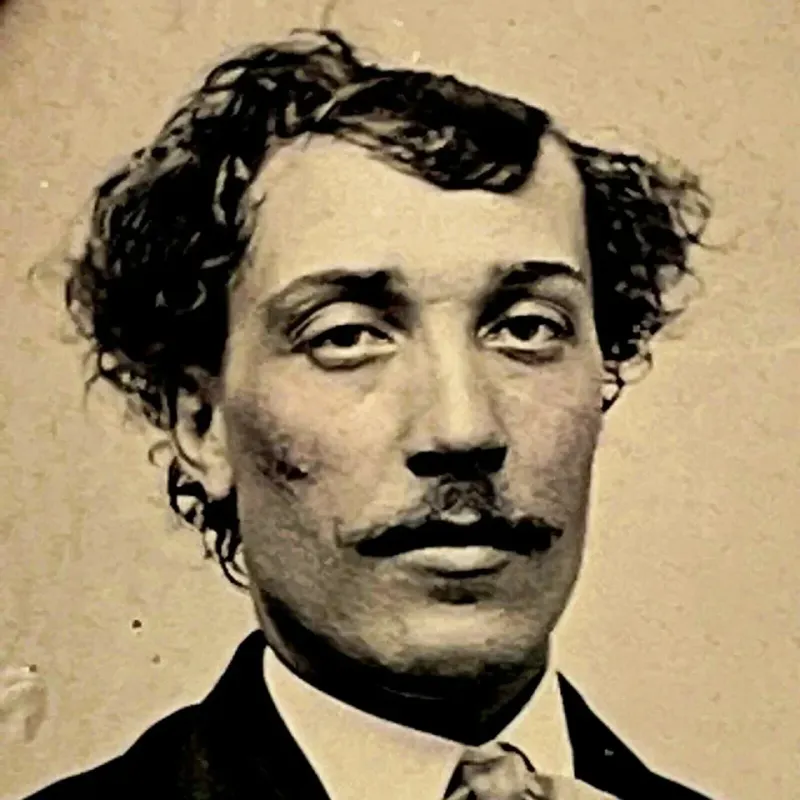
A desert spring in March 1882 gave Wyatt one of his most retold moments. His posse stumbled onto men linked to Curly Bill Brocius at Iron Springs.
In accounts favorable to Wyatt, the other group opened fire while his companions scattered for cover. He stayed exposed, walked toward Brocius, and fired a shotgun.
Brocius was said to have been hit and killed, and the tale became a favorite part of the Vendetta Ride.
Here is the catch. No widely accepted physical evidence confirms what happened to Brocius, and some people living at the time disputed that he died there.
Historians treat parts of the episode with caution. Even so, Brocius mostly vanishes from reliable records afterward, which keeps the story hovering between solid evidence and lasting doubt.
8. Wyatt Earp Wasn’t Primarily a Gunfighter
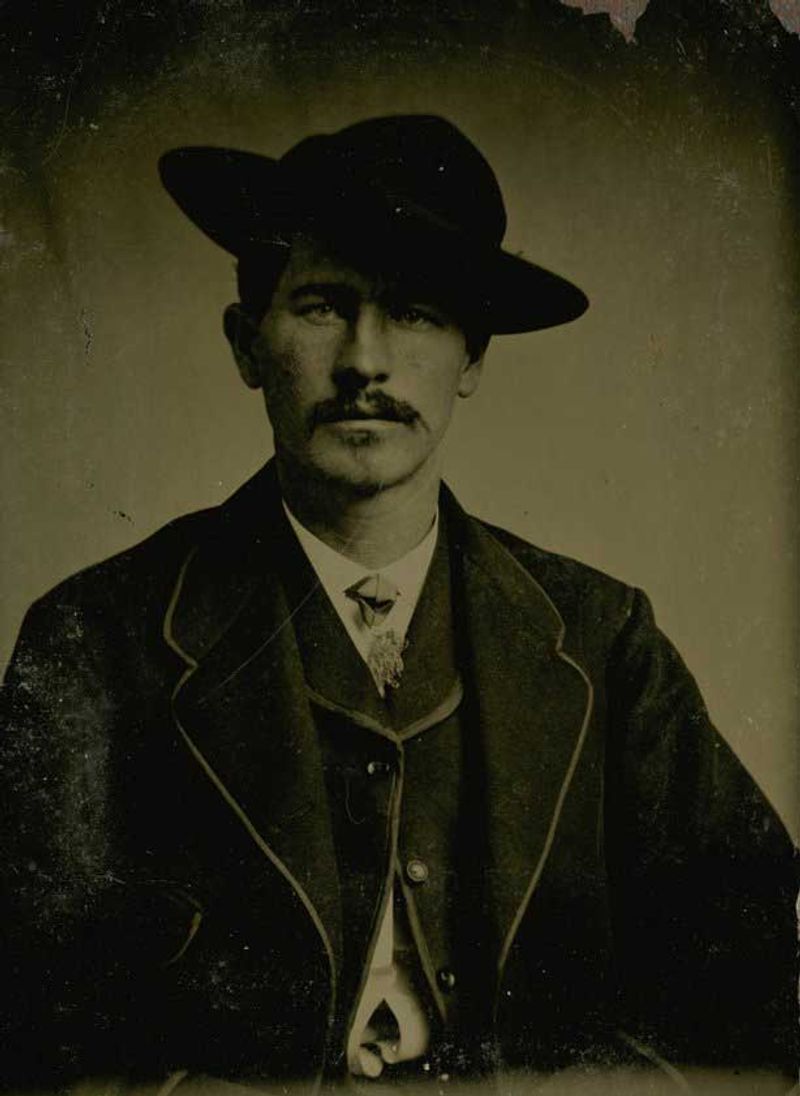
Count up his working life and gunfights make a small column. Gambling shows up again and again across his adult years.
Earp worked in and around saloons and gaming rooms in several Western towns, including Dodge City and Tombstone, where gambling drove the local economy.
That was common. In boomtowns, law enforcement, politics, saloon keeping, and business often overlapped.
A man might hold an official post for part of the year and chase private ventures the rest of the time.
Later legend flattened all of that into a simple badge-wearing hero. The documented Earp was a gambler, saloon figure, businessman, prospector, occasional officer, and constant traveler, always scanning for the next opportunity.
The badge was just one chapter.
9. He Refereed a Boxing Match That Caused a National Scandal
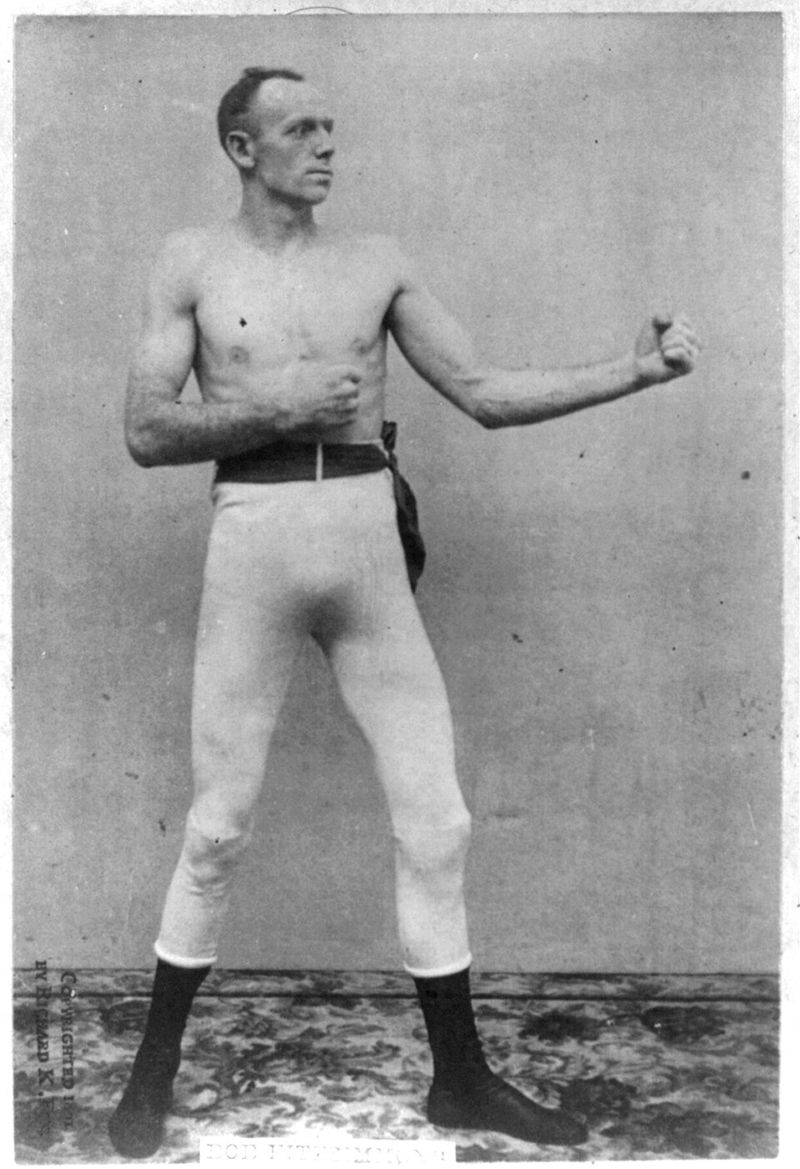
Few people expected a gunfighter to cause a stir in a boxing ring. On December 2, 1896, Earp refereed the heavyweight bout between Bob Fitzsimmons and Tom Sharkey in San Francisco.
Fitzsimmons seemed to have won after knocking Sharkey down. Then Earp ruled that Fitzsimmons had landed an illegal blow and gave the match to Sharkey.
The crowd was stunned. Newspapers attacked the decision, and accusations of corruption became national news.
Earp denied fixing the result, and no definitive proof showed he threw it. Still, his reputation took a hit.
Authorities also learned he had entered the ring with a concealed pistol, and he was fined for it. Decades after Tombstone, he was again at the center of a dispute over guns, money, and fairness.
10. He Went to Alaska During the Klondike Gold Rush
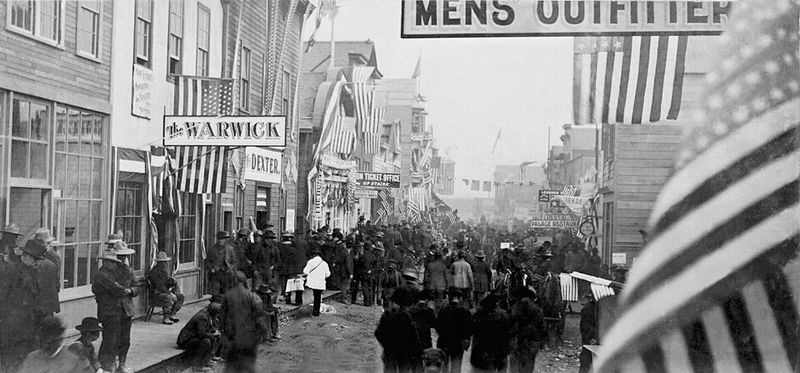
Retirement was not on his schedule. When gold fever pushed thousands north, Wyatt went along with his longtime companion Josephine Marcus.
Around the turn of the twentieth century, they reached Nome, a town booming after gold discoveries.
Earp did not make his name by digging. He and partners ran the Dexter Saloon, serving the huge crowd of prospectors and fortune seekers passing through.
The plan matched his old habits. Instead of gambling on finding metal himself, he set up where miners would spend what they found.
Nome sat thousands of miles from Tombstone, yet it worked much the same way. Boomtown crowds arrived, money flowed, and Wyatt again found a spot near the center of it.
11. He Chased Another Gold Rush Into the Nevada Desert
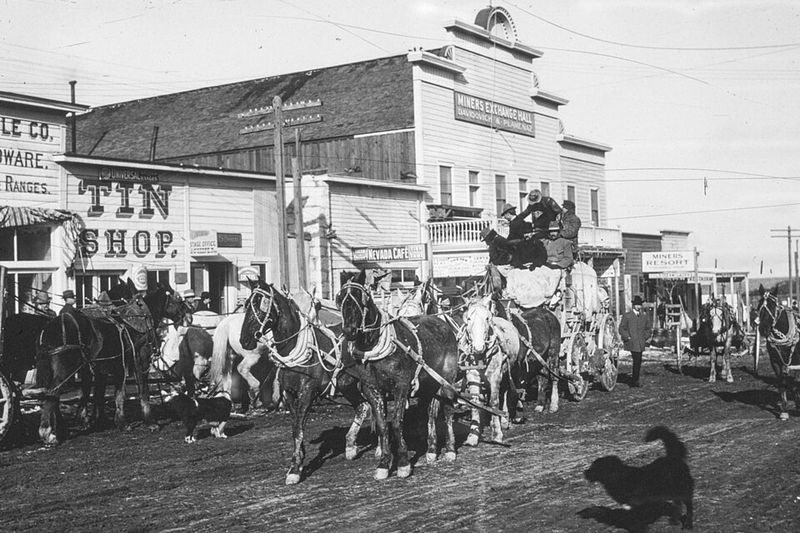
Alaska was not his last attempt to cash in on a mining boom. In the early 1900s, Wyatt and Josephine turned toward the mining districts of Nevada.
They spent time in Tonopah and Goldfield. Later they became linked with Vidal, California, near mining claims in the Colorado River region.
By then Wyatt was an aging man, and the gunfight in Tombstone lay decades behind him.
Yet he was still chasing the same prospects that pulled so many Americans west: claims, property, gambling, saloons, and fast-growing towns where money could change hands quickly.
It is a surprising sight today. The famous Tombstone figure lived well into the twentieth century and joined booms that belonged to a new generation.
12. He Became Friends With Hollywood Western Stars
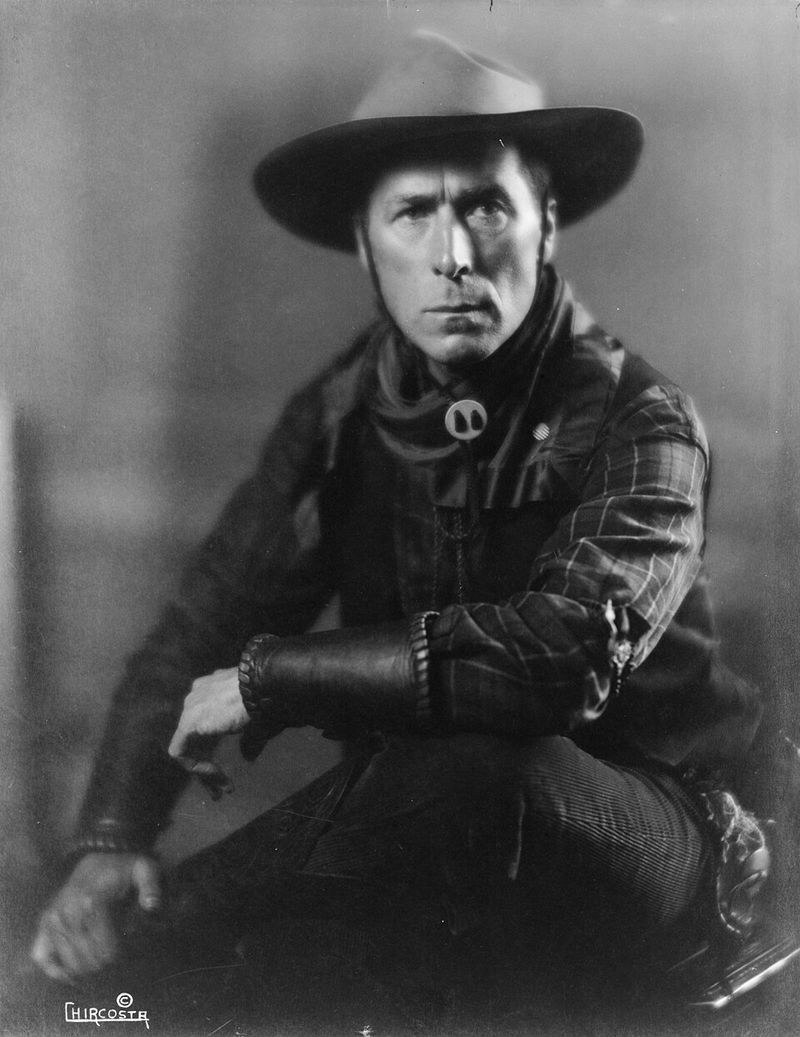
Earp lived until 1929, so he got to see his world turned into a movie genre.
During his later years in Southern California, he spent time around people in the growing film business. He became acquainted with Western stars and filmmakers, including William S. Hart and Tom Mix.
To early Hollywood, he was a rare find. Actors played frontier men on screen, but Wyatt had actually lived that life.
Other stories link him to younger film figures, though some of those claims are harder to document and should be treated carefully.
When Earp died in Los Angeles in January 1929, Tom Mix reportedly attended the funeral. A man from the real Old West had lived long enough to meet the people building its screen version.
13. His Most Famous Biography Was Written With His Help
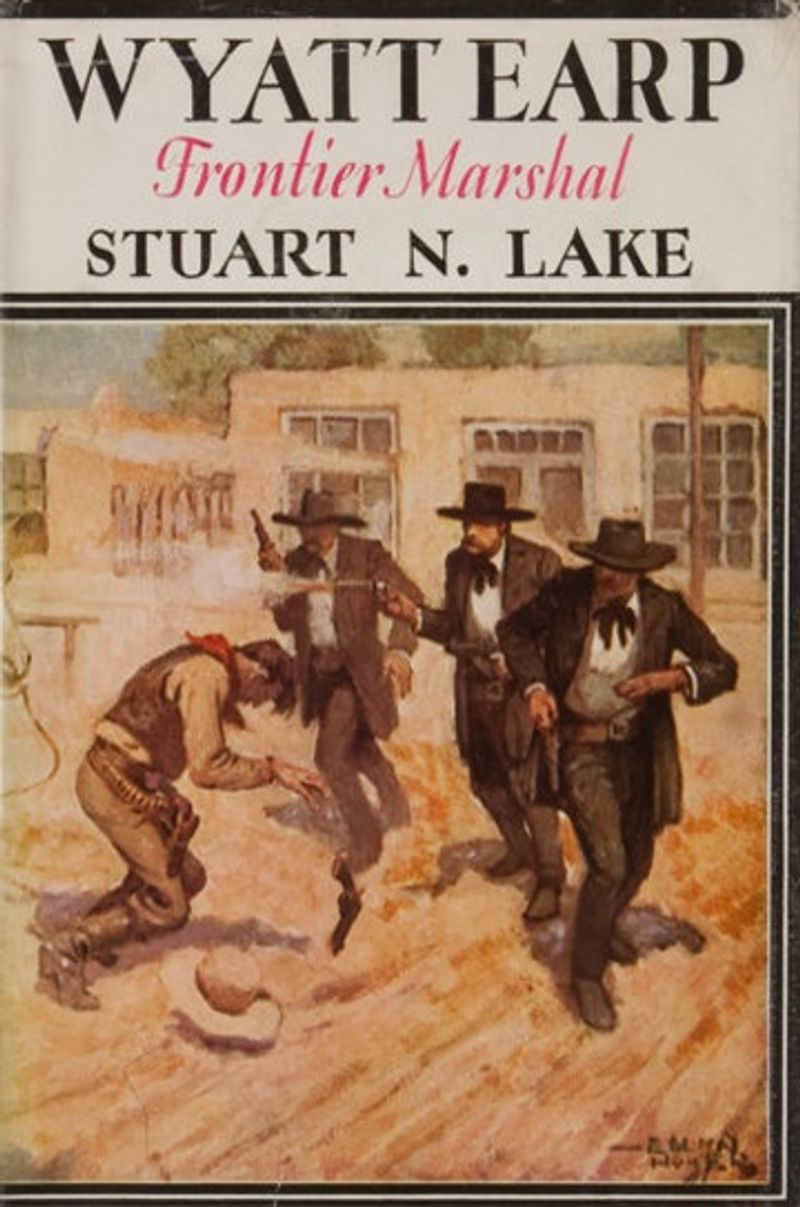
Plenty of legends form by accident. His was partly built on purpose, and Earp helped.
Late in life, he talked with writers interested in his story. In 1931, two years after his death, Stuart N. Lake published Wyatt Earp: Frontier Marshal.
The book was hugely influential. It cast Earp as a fearless frontier lawman and set the themes that later showed up in films and television.
Historians have long questioned parts of it. Lake presented material as if it came straight from Earp, but scholars have challenged the reliability of some quotations and episodes.
The result blurred biography and legend. What people remember today is partly a real person and partly a character shaped by writers over many years.
14. He Never Had Children
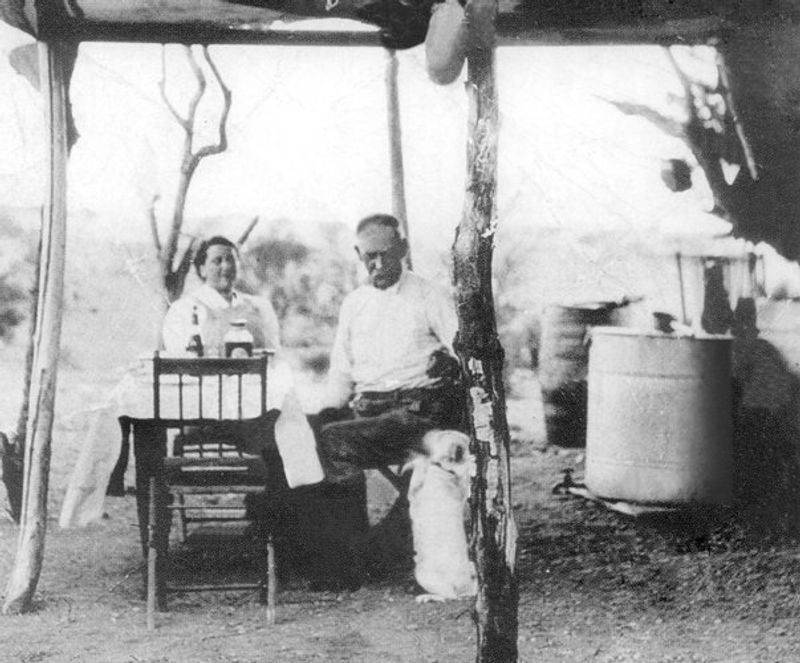
Some of the oddest facts are the quiet ones. Wyatt spent decades with Josephine Marcus, his longtime companion and common-law wife, yet he left no known children.
That shaped what happened after his death. No direct descendants guarded his story, so relatives, writers, collectors, historians, and filmmakers competed to define his legacy.
Josephine took on the job of protecting his name. She reportedly disliked portrayals that stressed parts of his life she found embarrassing, and she worked with writers who wanted to present him well.
Her own history is also a little hazy, since accounts of when and how their relationship began do not fully agree.
The best known Earp became a symbol of the West without children to inherit the fame directly.
15. Wyatt Earp Died in Los Angeles During the Age of Movies
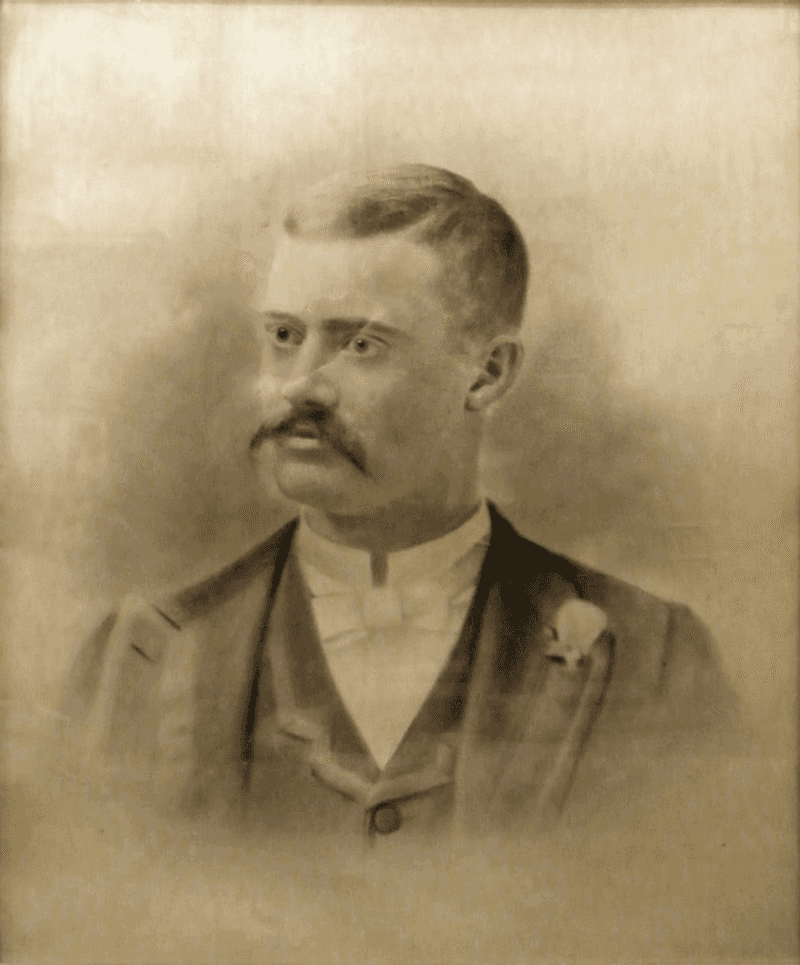
Maybe the strangest part of his story is its length. Wyatt was born in 1848, when James K. Polk was president.
He lived through the Civil War, Reconstruction, the cattle-town years, mining booms in Arizona and Alaska, World War I, and the arrival of commercial radio.
He died in Los Angeles on January 13, 1929, at age 80. The first Academy Awards ceremony was only months away.
By then, filmmakers were already turning the frontier into myth. Stagecoaches, sheriffs, gunfighters, and outlaw gangs had become entertainment for audiences who knew the West mostly through screens.
Wyatt had seen both versions. He knew the real frontier, with its hearings, business deals, and feuds, and then watched America rebuild it as legend.
Share this story