France began shipping convicts to French Guiana in 1852, and the system lasted until the early 1950s. The name Devil’s Island came to stand for the whole network of camps and islands, even though the tiny island itself held only a few prisoners.
A sentence there could mean hard labor, isolation, and a rule called doublage that forced many men to stay after their terms ended.
Yet the records show something surprising. Some men wrote bestselling books, some painted murals, some cleared their names, and some slipped away to start new lives in other countries.
Their stories cover spies, anarchists, writers, artists, and revolutionaries, and each ending was different.
Read on to meet thirteen men whose paths crossed this penal system. You will learn what they were accused of, where they were held, and what happened next.
Along the way, you will also see which famous legends hold up and which ones fall apart when historians check the details.
1. Charles Benjamin Ullmo, The Man Who Spent 15 Years on the Island
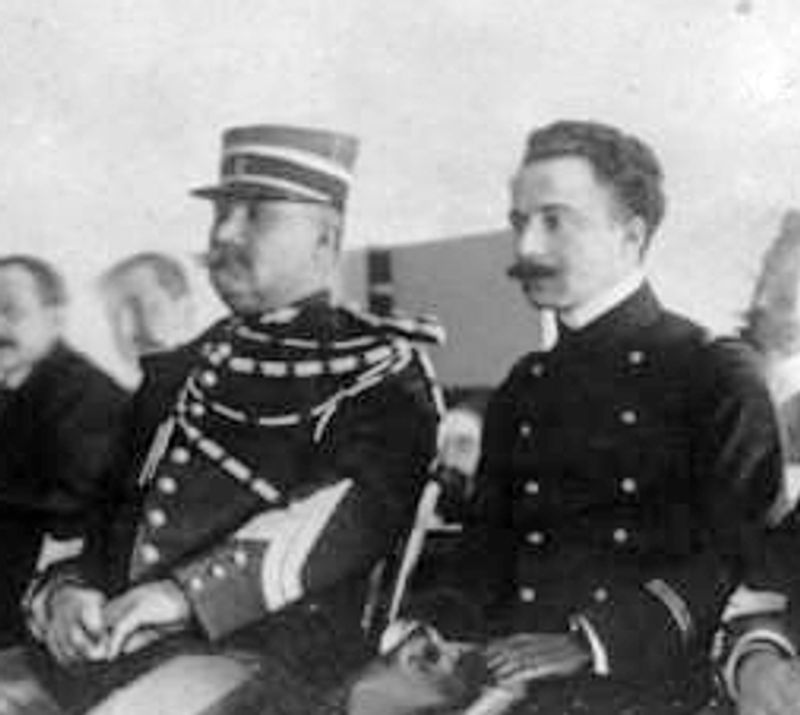
Almost nobody lived on the actual island as long as Charles Benjamin Ullmo did. He was a French naval officer convicted of trying to sell secret naval documents, and his sentence was deportation.
He reached Île du Diable in July 1908 and remained until March 1923. That is nearly fifteen years of continuous time on the rock.
For roughly eight of those years, he was reportedly the only prisoner there. The island made famous by Dreyfus became something close to a private prison for Ullmo.
Eventually he was moved from the island to Cayenne. His later years looked very different from his long isolation.
After leaving French Guiana, he settled in Indochina and rebuilt his life far from the place that had held him.
Among the men linked to the name Devil’s Island, few spent as much uninterrupted time on the real island as he did.
2. Guillaume Seznec, The Convict Who Never Stopped Claiming Innocence
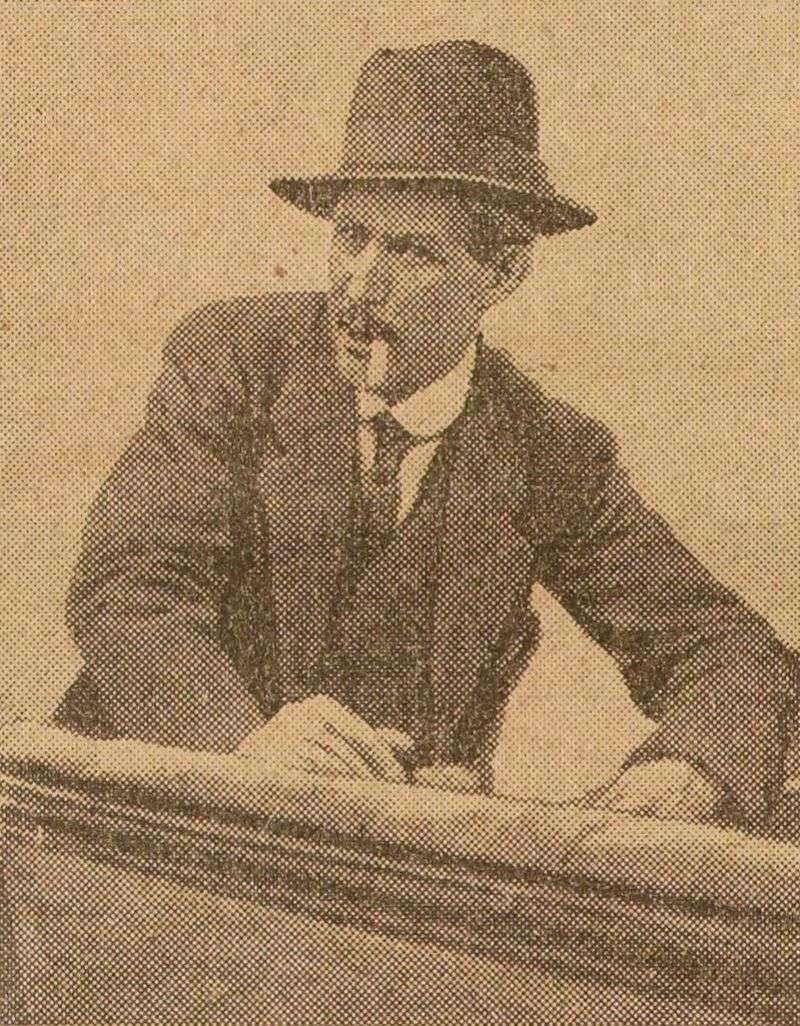
One of France’s most disputed criminal cases sent this Breton businessman across the ocean. Guillaume Seznec was convicted in 1924 of killing Pierre Quéméneur, whose body was never found, and of forgery.
He insisted he was innocent. He received hard labor for life and reached the Saint-Laurent-du-Maroni prison in 1927, then moved to the Salvation Islands in 1928.
Collective acts of clemency eventually reduced his sentence. On May 14, 1947, he was released and returned to France after more than two decades tied to prison and exile.
He died in 1954 after a traffic accident.
His conviction has stayed controversial, and people have tried many times to reopen the case since then.
The penal colony did not silence the Seznec affair. Instead, it helped turn it into one of the enduring judicial puzzles of France.
3. Henri Charrière, The Prisoner Who Became Papillon
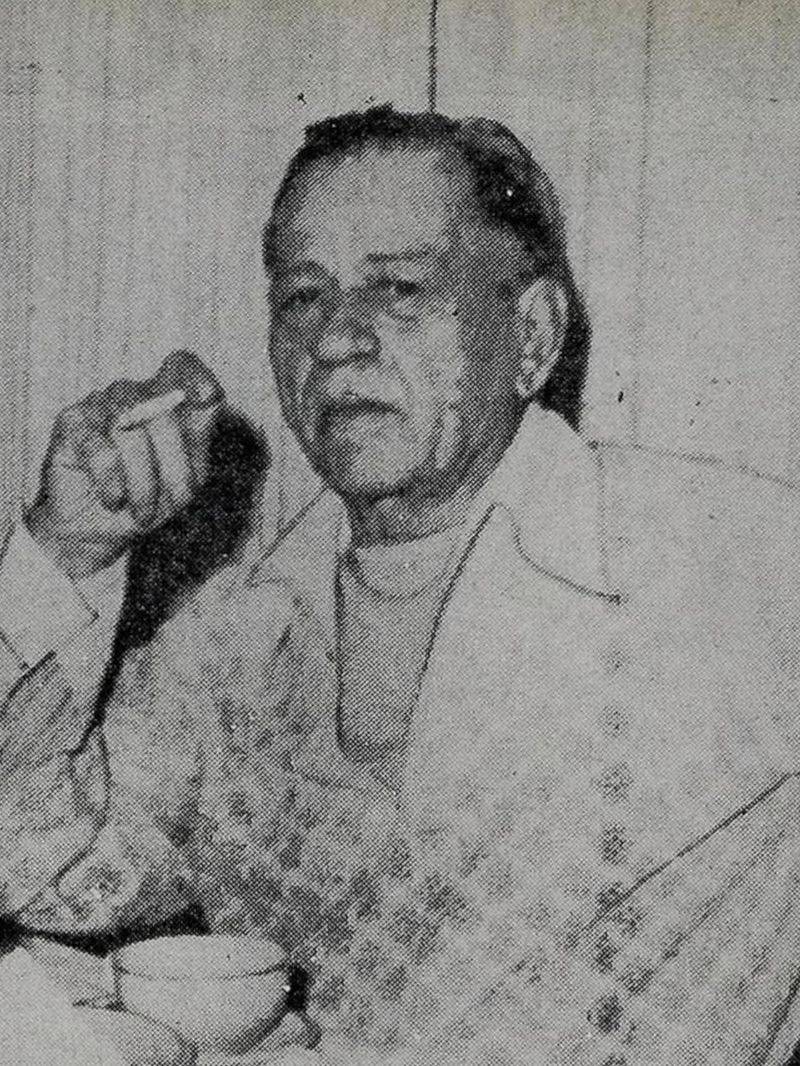
A butterfly tattoo gave this man his nickname and helped create a worldwide legend. Henri Charrière, known as Papillon, was convicted of murder in France in 1931 and sentenced to life in the penal colony.
He always denied the crime.
His 1969 memoir, Papillon, described punishment, escape attempts, jungle journeys, and solitary confinement. It became an international bestseller and inspired well-known films.
There is a catch, though. Researchers have challenged many details, and some episodes seem to come from other inmates.
A French justice ministry report even suggested the events should be divided by at least ten to get near the truth. Officials also said he never served time on Devil’s Island itself, since he escaped from a mainland prison.
Still, he did get out of the wider system and settled in Venezuela.
His version of the colony, debated as it is, shaped how millions of readers pictured Devil’s Island.
4. Eugène Dieudonné, The Man Who Escaped and Lived to Describe It
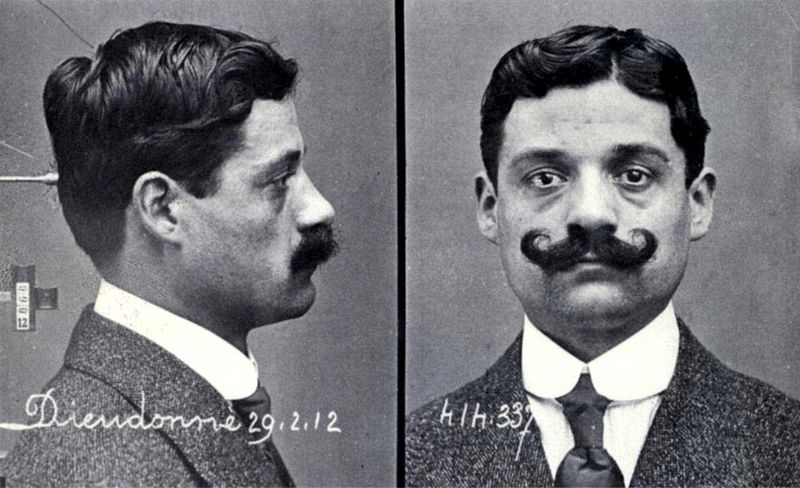
Automobiles were new and startling in the early 1910s, and one group of criminals used them to shock France. Eugène Dieudonné was accused of ties to the Bonnot Gang, and he said he was innocent of the crime that convicted him.
His death sentence was commuted to hard labor for life, which sent him to French Guiana. He tried to escape again and again before finally succeeding in the 1920s.
Journalist Albert Londres took an interest in his case. His reporting brought conditions in the colony to a much wider French audience.
Dieudonné was eventually pardoned, and then he did something historians value. He wrote about the system.
His articles described the voyage, prison administration, escape attempts, food shortages, punishment, and daily life among convicts.
A man sentenced to vanish across the Atlantic came home and became one of the voices explaining what happened there.
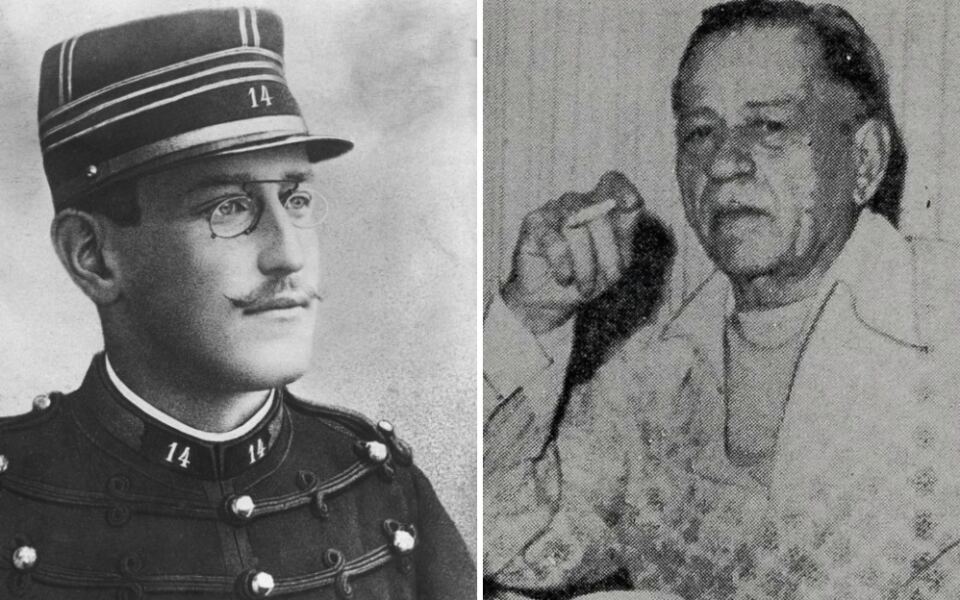
5. Alfred Dreyfus, The Prisoner Who Became a National Cause
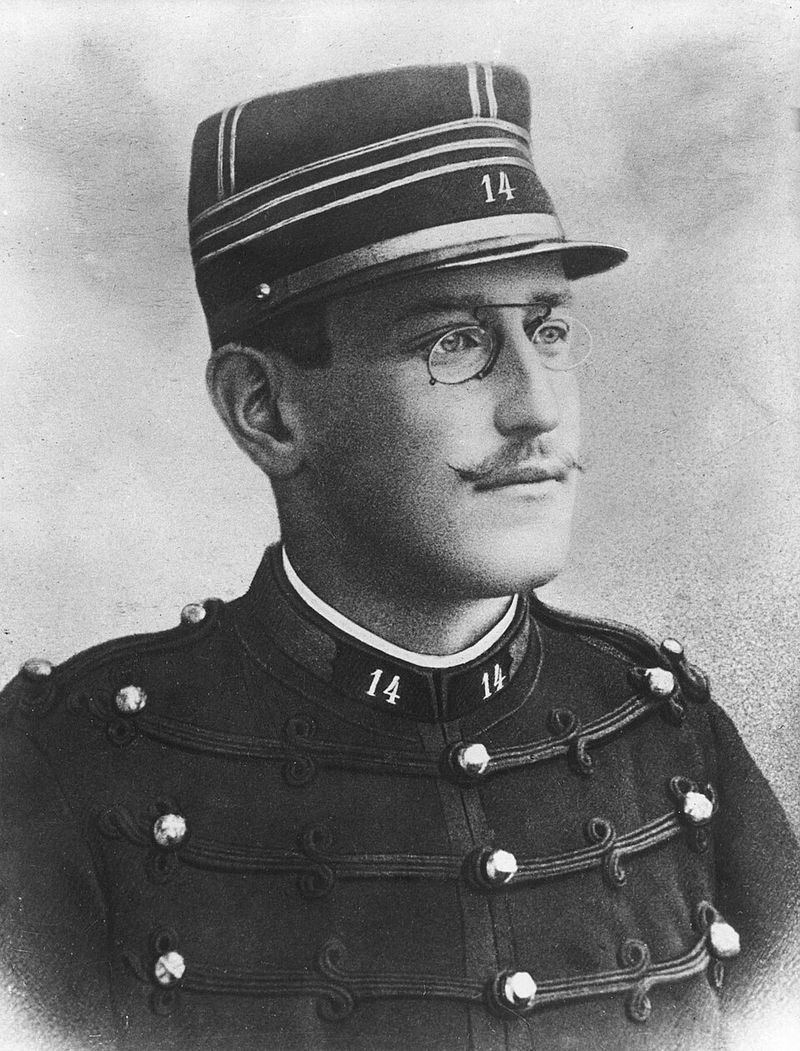
Few names are tied to Devil’s Island as tightly as this one. Alfred Dreyfus, a French army captain, was convicted of treason in 1894 after being accused of passing military secrets to Germany.
His case grew into one of the biggest political and legal scandals in modern French history. Evidence later pointed toward another officer, and serious flaws in the prosecution came to light.
Dreyfus was sent to Île du Diable in 1895. Unlike ordinary convicts spread across the colony, he was held in extreme isolation, and he stayed on the island until 1899.
His story then took a turn that few prisoners ever saw. He returned to France and received a pardon in 1899, but he kept working to clear his name.
In 1906, France’s highest court annulled his conviction. He was formally rehabilitated and restored to the army.
The man sent across the Atlantic as a convicted traitor became the best-known symbol of wrongful imprisonment linked to the colony.
6. Paul Roussenq, The Prisoner Who Spent Thousands of Days in Punishment
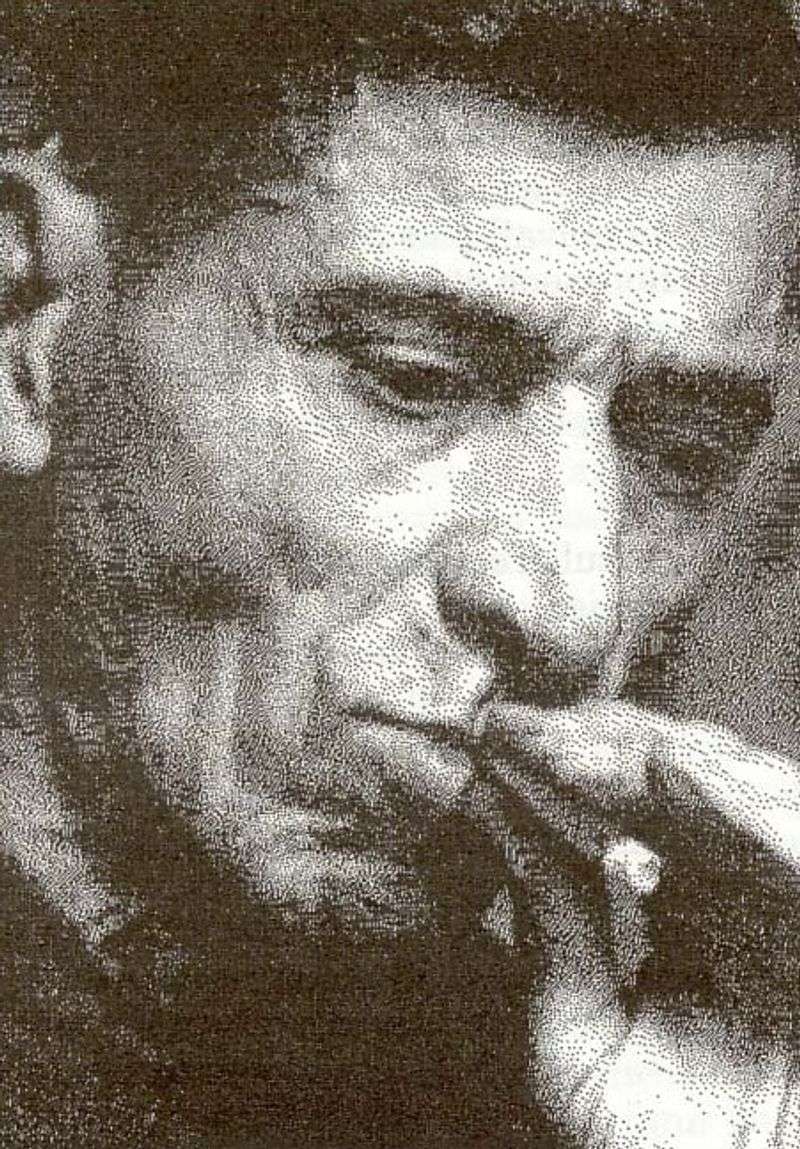
Some prisoners bent to the rules, and this one flatly refused. Paul Roussenq built a reputation as one of the most rebellious men in French Guiana.
His road to the colony began with repeated clashes with authority and a military conviction after he set fire to his cell. In 1908, he received 20 years of hard labor.
Sent to the Salvation Islands, he kept resisting prison discipline. His punishments reportedly added up to 3,379 days in solitary confinement, a record for that penalty.
That is more than nine years.
Journalist Albert Londres met him in 1923 while investigating the colony. A public campaign later demanded clemency, and it worked.
Roussenq was pardoned and left French Guiana in 1933. He published his memoirs the next year.
His later life stayed difficult, including another period of internment under Vichy. He died by suicide in 1949 in the Adour river.
7. Alexandre Marius Jacob, The Anarchist Who Fought the System From Inside
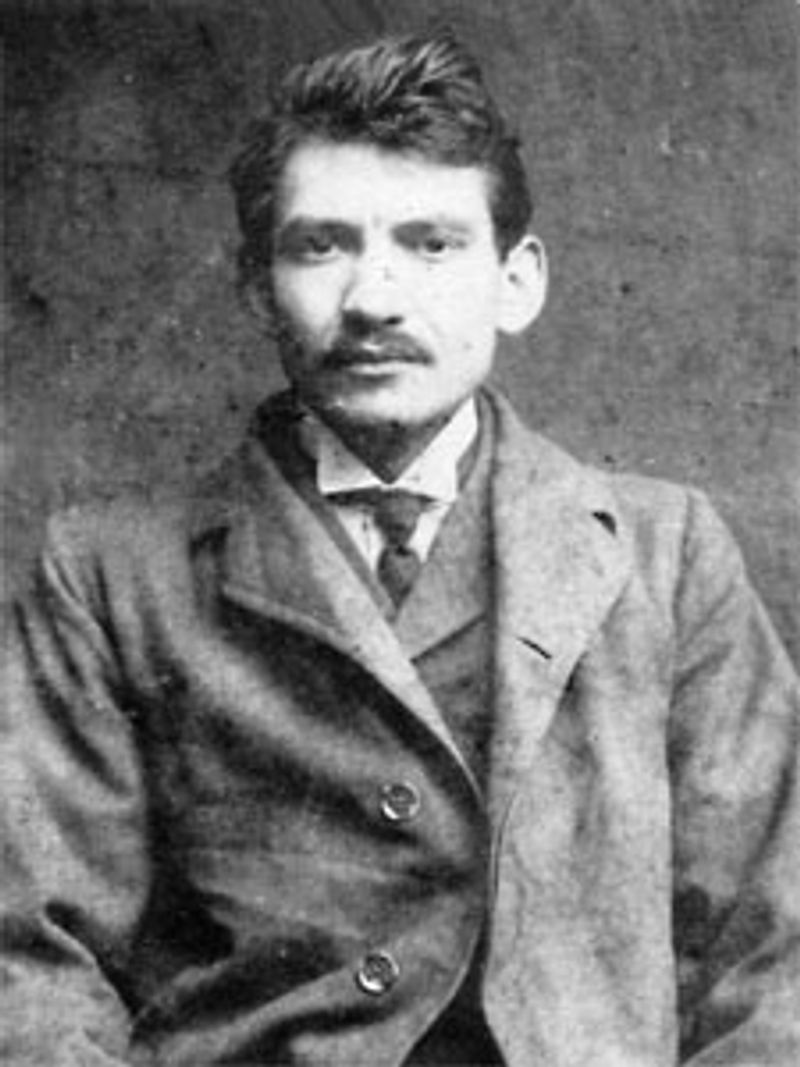
Ordinary burglars did not usually announce a political motive, but this one did. Alexandre Marius Jacob led a network of thieves called the Workers of the Night, who targeted wealthy homes and institutions.
In 1905, he was transported to French Guiana and spent about two decades tied to the penal system.
On Île Royale, he grew close to prison doctor Louis Rousseau. Jacob studied prison rules and law, then used that knowledge to challenge the administration and record how the system worked.
His experience shaped Rousseau’s later writings about the colony.
He survived, and after his sentence was reduced, he returned to mainland France in 1927.
He worked as a traveling salesman, kept links to anarchist circles, and lived until 1954.
Some cite him as a possible model for Maurice Leblanc’s thief Arsène Lupin, though that claim needs caution. What is certain is that the colony did not erase him.
8. René Belbenoît, The Escapee Who Warned the World About the Dry Guillotine
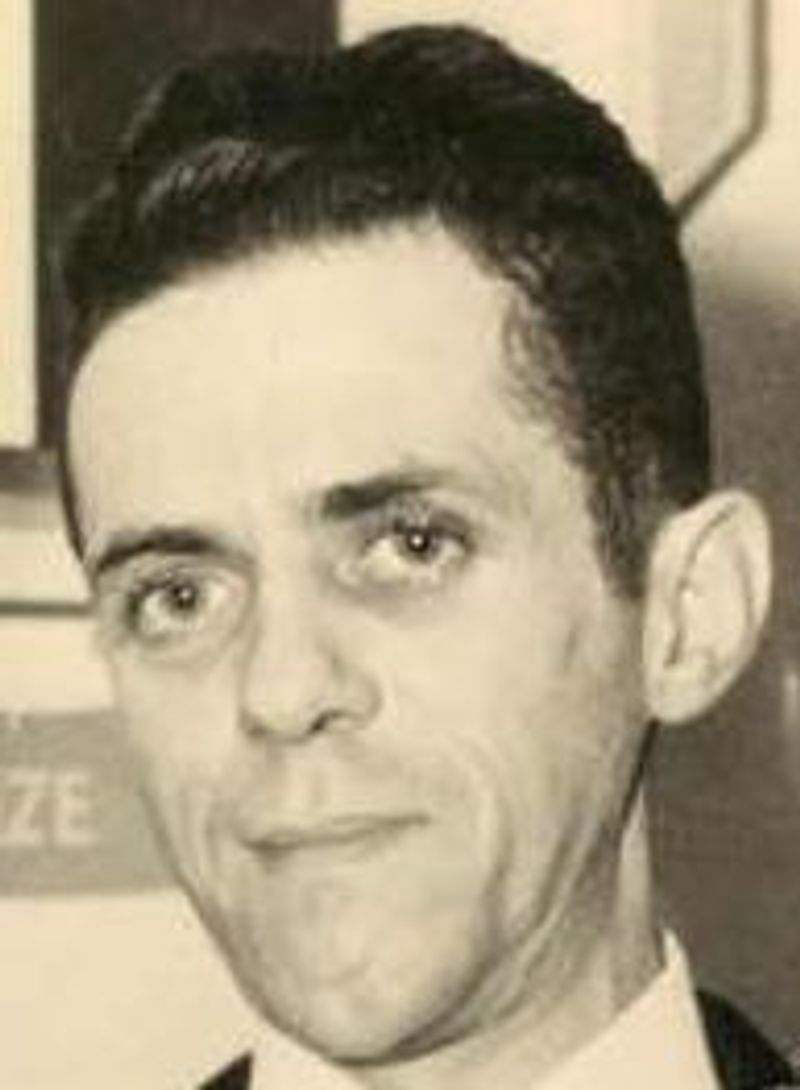
Telling the story mattered as much as surviving it for René Belbenoît. He was sentenced to hard labor for theft and sent to French Guiana in the early 1920s.
Escape became his focus. He tried repeatedly, and each recapture brought more punishment.
He finally left for good and reached the United States in March 1937 after a 22-month journey through Trinidad and Colombia.
His 1938 book, Dry Guillotine: Fifteen Years Among The Living Dead, made him a public figure. It was also published as I Escaped From Devil’s Island.
The title explained the fear behind transportation. Disease, hard labor, isolation, and the near impossibility of returning to France could make it a slow version of a death sentence.
The book became one of the best-known firsthand accounts of the colony. He settled in the United States, became a citizen in 1956, and died in California in 1959 at age 59.
9. Francis Lagrange, The Convict Who Turned Prison Into Art
Paintings, not memoirs alone, are what this man left behind. Francis Lagrange, nicknamed Flag, had a record of fraud and counterfeiting.
He entered the French Guiana penal system in 1931 and later received ten more years of hard labor for counterfeiting money.
His talent changed his place in the colony. He drew and painted scenes of prison life and sold work to members of the administration.
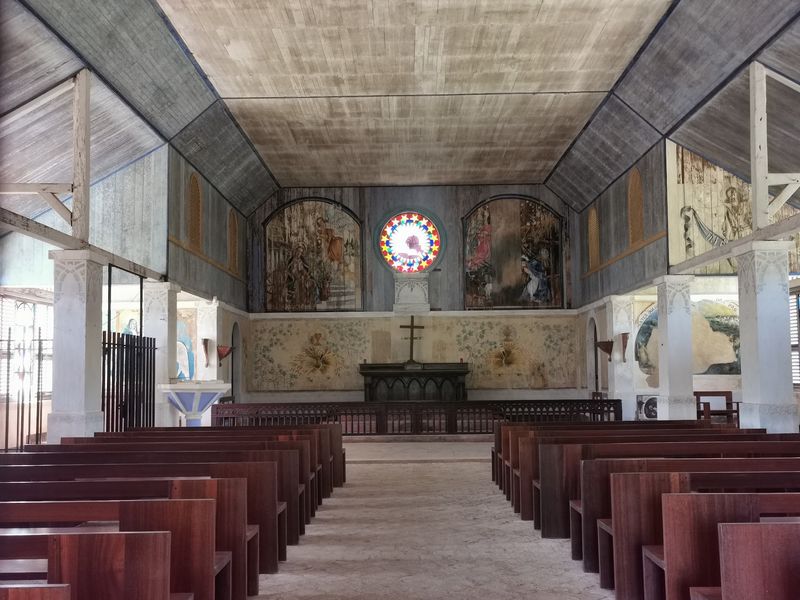
Held on Île Royale in the Salvation Islands, he created murals inside the church there. A collection of his 1939 drawings survives and gives visual evidence of the system’s final years.
He was released from his transportation sentence in 1942, though restrictions continued. He published the autobiography Flag on Devil’s Island in 1961.
He was among the 300 to 400 convicts who stayed in French Guiana after the colony closed, and his art kept images of it alive.
10. Clément Duval, The Anarchist Who Finally Escaped
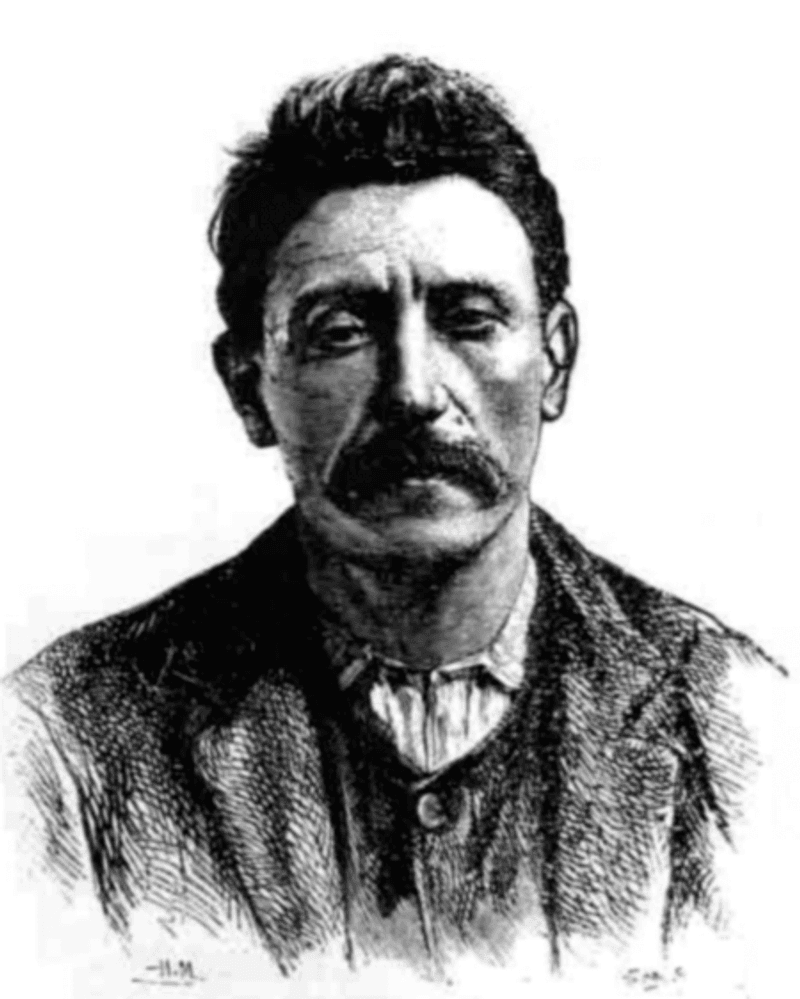
Military service came before prison for Clément Duval, who had already survived war. An anarchist and thief, he was convicted in 1886 after burgling a Parisian mansion and stabbing a police officer during the confrontation.
He first received a death sentence, but it was commuted to hard labor for life. He reached French Guiana in 1887 and spent about 14 years in the system, including time on the Salvation Islands.
He tried to escape more than twenty times. In April 1901, he finally made it.
Duval reached the United States, joined anarchist communities, and died in New York in 1935 at age 85.
His memoir, Memorie Autobiografiche, was translated and published in 1929. Recovered manuscript parts later appeared as Outrage.
People often say he escaped from Devil’s Island itself, but research places the 1901 escape in his mainland phase. That detail keeps the story accurate and still remarkable.
11. Jean De Boë, The Prisoner Who Escaped and Returned to the Labor Movement
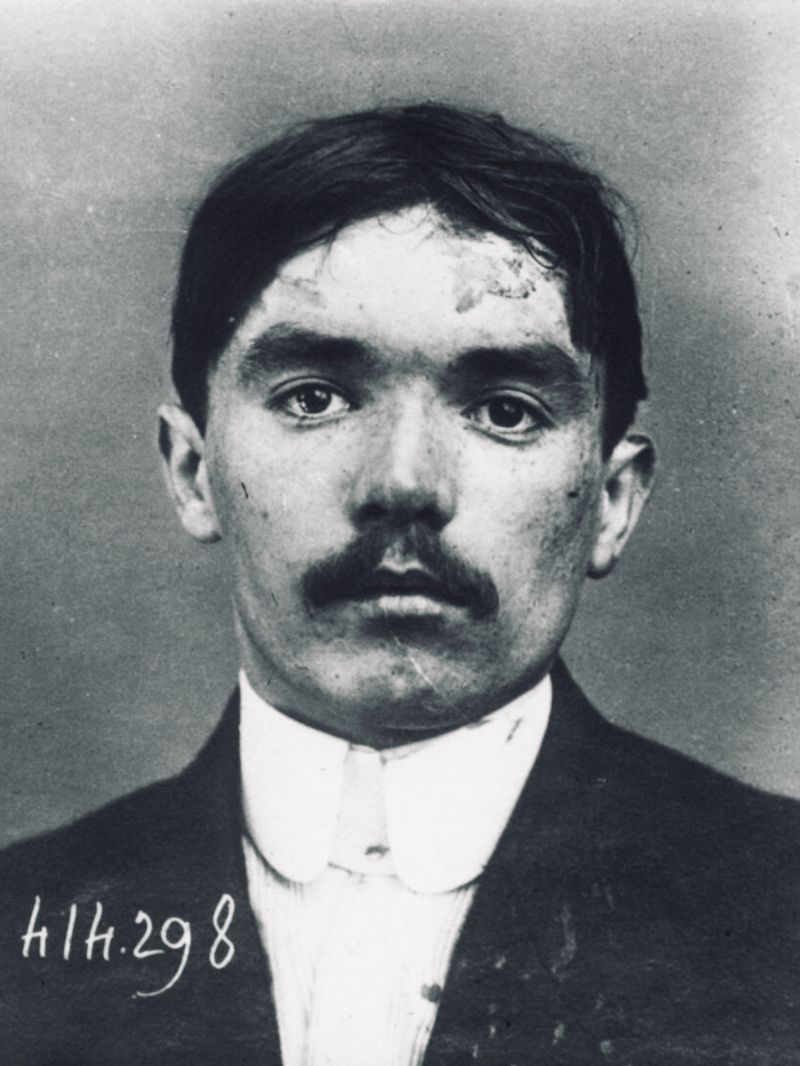
A printing press was his trade, and a penal colony interrupted it. Jean De Boë was a Belgian anarchist and printer linked to figures from the Bonnot Gang era.
He was transported to French Guiana before World War I and spent about a decade in the system.
In 1922, he escaped. Many men vanished during attempts through jungle, river, or sea, but De Boë got away and eventually returned to Belgium.
His life kept going after that. He became active again as a printer, trade unionist, anarchist, and writer.
That outcome stands out because the colony was built around permanent separation from Europe. Even men who finished their terms could be stuck by the rule of compulsory residence, called doublage.
De Boë beat that system the most direct way possible. He escaped and picked up the political and labor work that had defined his earlier years.
12. Charles DeRudio, The Escapee Who Later Survived Little Bighorn
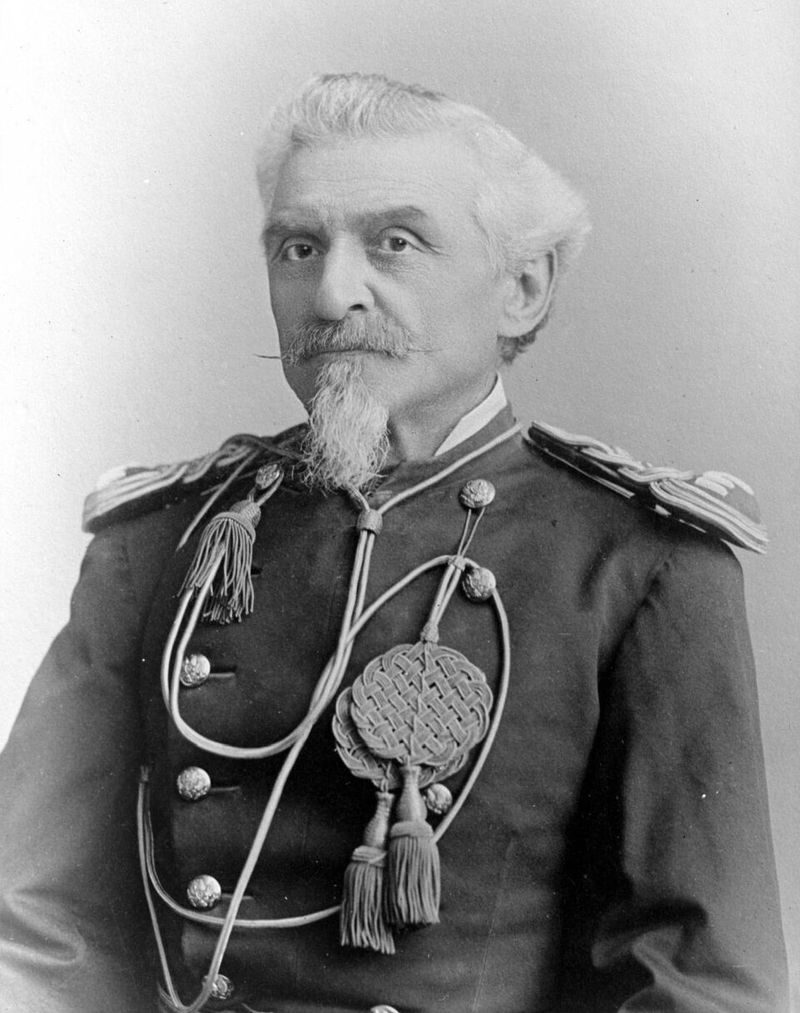
Several unrelated biographies seem to be packed into the life of Charles DeRudio. An Italian nationalist, he took part in Felice Orsini’s 1858 attempt against French Emperor Napoleon III.
He was sentenced to death, but the sentence became life imprisonment in the French Guiana penal colony.
Then he escaped. He made his way back to Europe and later moved to the United States.
He joined the U.S. Army in 1864, served in the Civil War, and later served with the 7th Cavalry from 1867 to 1896.
In 1876, he fought at the Battle of the Little Bighorn. While Custer and the men around him did not survive, DeRudio became separated, hid near the river, and later rejoined his comrades on Reno Hill.
A man once sentenced in France ended up an American cavalry officer. He retired as a major in 1896 and died in Pasadena, California, in 1910.
13. Louis Charles Delescluze, The Prisoner Who Returned to Die on a Paris Barricade
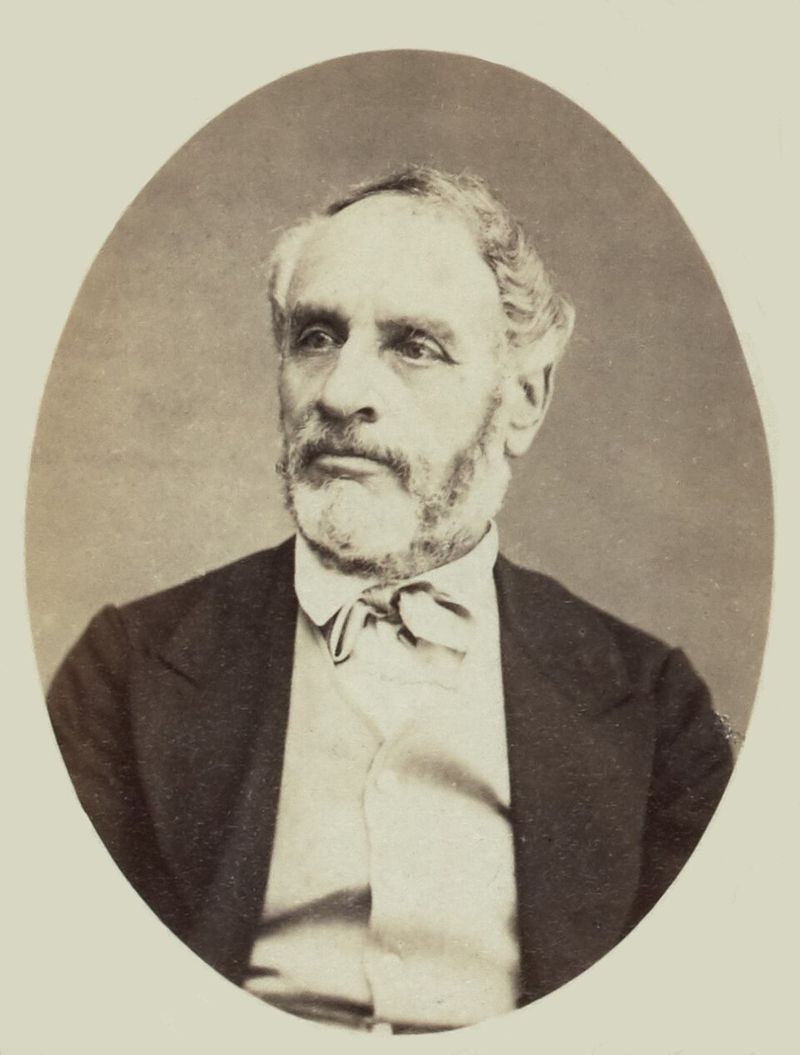
Earlier than the famous criminal convicts came the political prisoners, and Louis Charles Delescluze was one of them. A journalist and radical republican, he opposed Napoleon III and was prosecuted repeatedly for his politics.
In the 1850s, he was deported to French Guiana during the early years of the transportation system.
He survived and returned to France after an amnesty. Then history pulled him into another revolution.
Delescluze joined the Paris Commune of 1871 and served as its civilian delegate for war in the final days of the uprising.
On May 25, 1871, during the Bloody Week that ended the Commune, he was killed on a barricade in Paris. The Bibliothèque nationale de France records both his deportation and his role in the Commune.
His fate reversed the aim of the colony. France sent him across the Atlantic to remove him from political life, yet he came back and ended his life in the middle of another revolution.
Share this story