Some of the most world-changing technologies of the past 30 years were not born in Silicon Valley boardrooms or 21st-century research labs. Engineers, scientists, and dreamers working during the 1970s were already sketching out the future in remarkable detail.
From pocket-sized phones to satellite navigation to robots in operating rooms, the decade planted seeds that took years, sometimes decades, to fully grow. Looking back now, the connections between those early experiments and the devices we use every day are surprisingly clear.
This list takes a close look at 14 technologies that people in the 1970s saw coming long before the rest of the world caught up.
Mobile Phones
On April 3, 1973, Motorola engineer Martin Cooper made what is widely recognized as the first public call using a handheld cellular telephone. The prototype was enormous compared with today’s smartphones, but the vision was unmistakable: telephone communication would no longer be tied to a wall, a desk, or a car.
Carrying a telephone everywhere once sounded like something straight out of science fiction. Yet Cooper’s team was already turning that idea into a working reality more than 50 years ago.
The engineering challenges were enormous, and commercial cellular networks took years to become available to ordinary consumers.
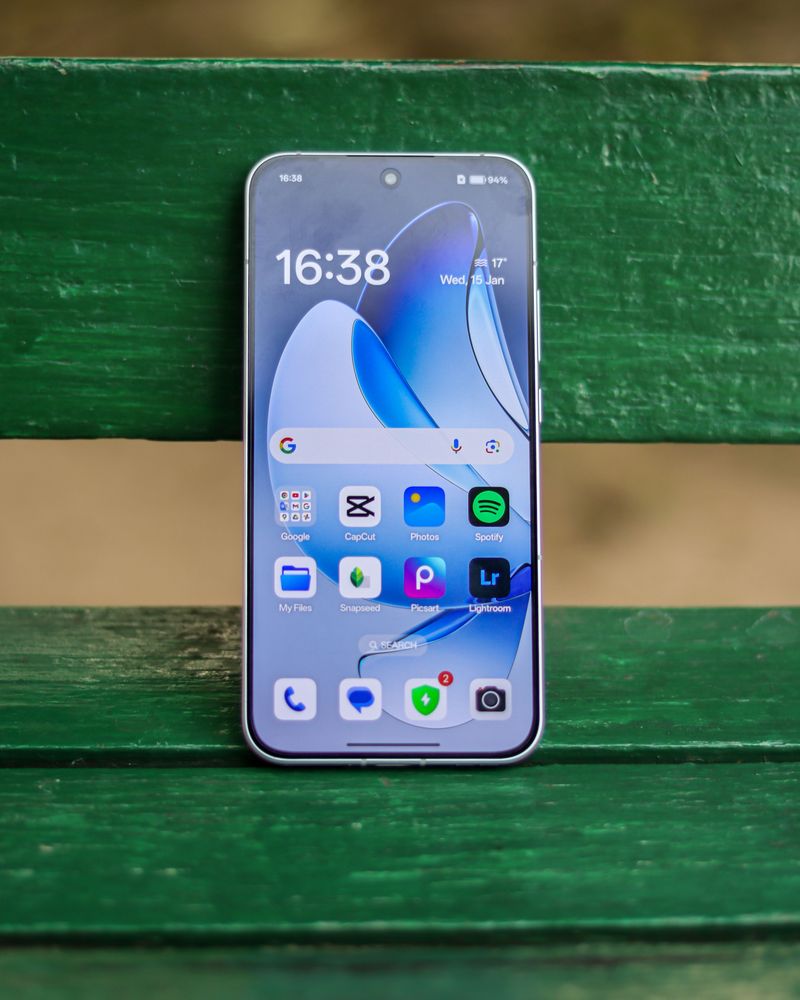
Today, billions of people carry mobile phones capable of doing far more than Cooper’s team ever imagined. Modern smartphones combine calling, messaging, cameras, navigation, entertainment, banking, and internet access in devices small enough to fit in a shirt pocket.
The portable telephone future imagined during the 1970s became one of the defining technologies of modern life.
Video Calls
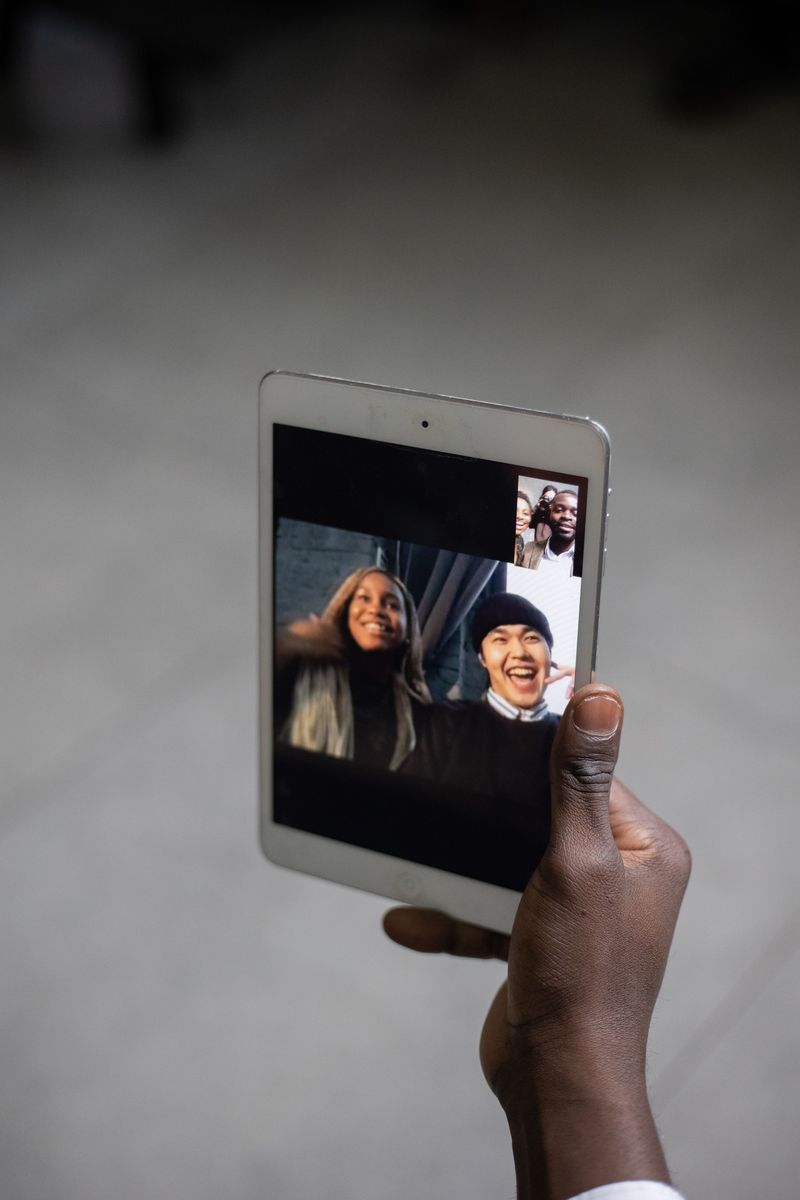
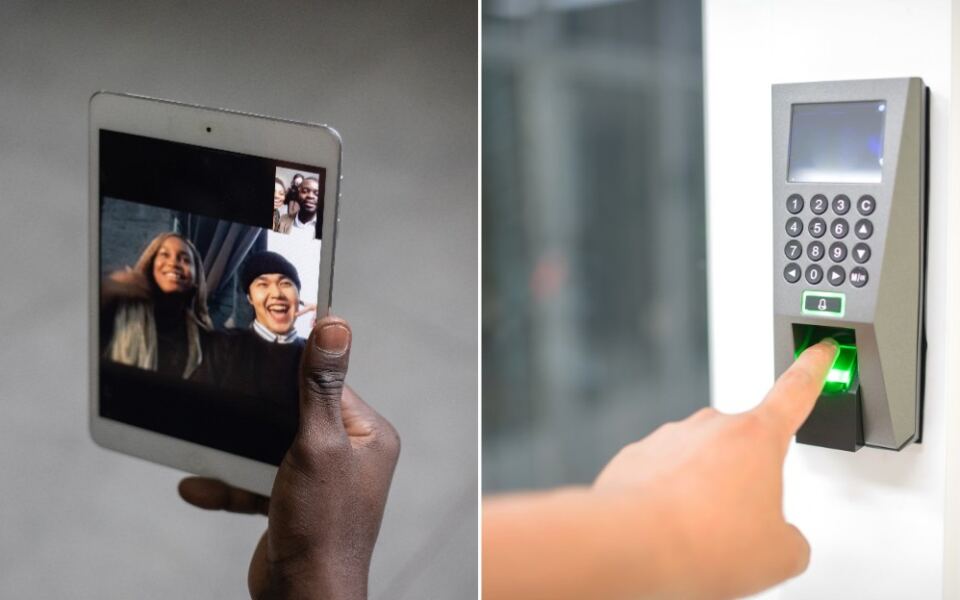
Long before Zoom meetings became part of daily work life, researchers and telecommunications companies were already experimenting with the idea of seeing the person you were talking to. Video telephone systems had been demonstrated even before the 1970s, and companies continued refining the concept throughout the decade as technology advanced.
The broader vision was straightforward: people would eventually communicate visually across long distances rather than relying solely on voices traveling through telephone wires. Getting there turned out to be harder and slower than early enthusiasts expected.
Dedicated videophones remained expensive, bulky, and uncommon for many years after the initial experiments.
The arrival of broadband internet, affordable webcams, smartphones, and inexpensive digital cameras eventually changed everything. Video calling became simple enough for ordinary households to use every single day.
Today, people attend work meetings, visit relatives across continents, take online classes, and even consult doctors through video connections that would have looked miraculous to a 1970s telephone user.
Home Computers
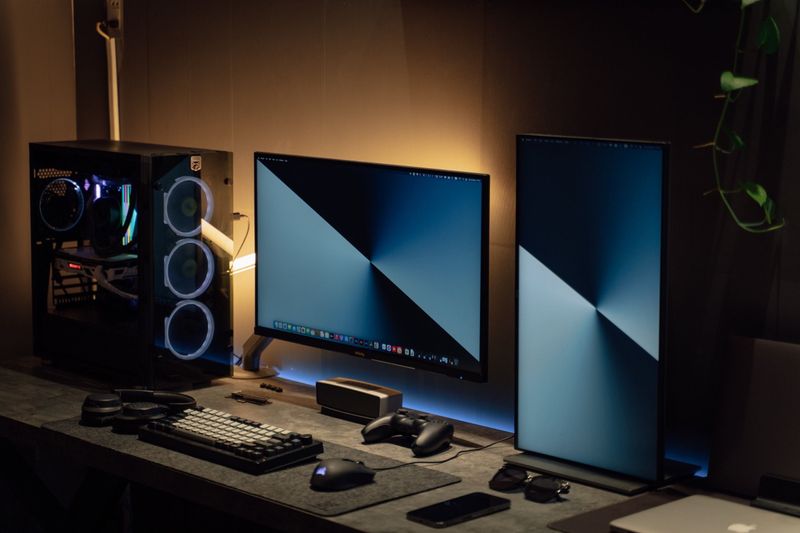
At the beginning of the 1970s, computers were still commonly associated with corporations, universities, and government agencies. They filled entire rooms, required specialized operators, and cost more than most families earned in years.
Rapid improvements in microprocessors and falling hardware costs began changing that picture quickly.
The Altair 8800 appeared in 1975, followed by machines such as the Apple II in 1977. By 1979, American consumers were already purchasing hundreds of thousands of home computers annually.
Early home machines were extremely limited by modern standards, but they planted a powerful idea: computing would eventually belong to ordinary people, not just large institutions.
That idea turned out to be one of the biggest predictions of the century. Today, personal computers are used for work, entertainment, education, communication, shopping, banking, creative projects, and countless other activities.
The once-futuristic concept of a computer in every home became so ordinary that most households now own several. Few 1970s predictions landed more squarely on target.
Online Shopping

Ordering something from a screen without ever visiting a store would have sounded unusual to most shoppers during the 1970s. Yet experiments with interactive electronic networks were already pointing toward exactly that future.
Britain’s Michael Aldrich developed a system for what became known as teleshopping in 1979, connecting a modified television to a computer through a telephone line.
Warner Cable’s QUBE system launched in Columbus, Ohio, in 1977 and allowed viewers to interact electronically with television programming. Some experiments involving interactive systems explored the possibility of purchasing goods remotely as well.
These platforms were primitive compared with today’s e-commerce giants, but the core idea was remarkably familiar: browse information electronically, choose something from home, and transmit the order through a network.
Today, practically everything from groceries to furniture to specialty electronics can be purchased that way. Billions of transactions happen online every year across platforms that trace their conceptual roots to those early, clunky 1970s experiments in interactive electronic commerce.
Digital Photography
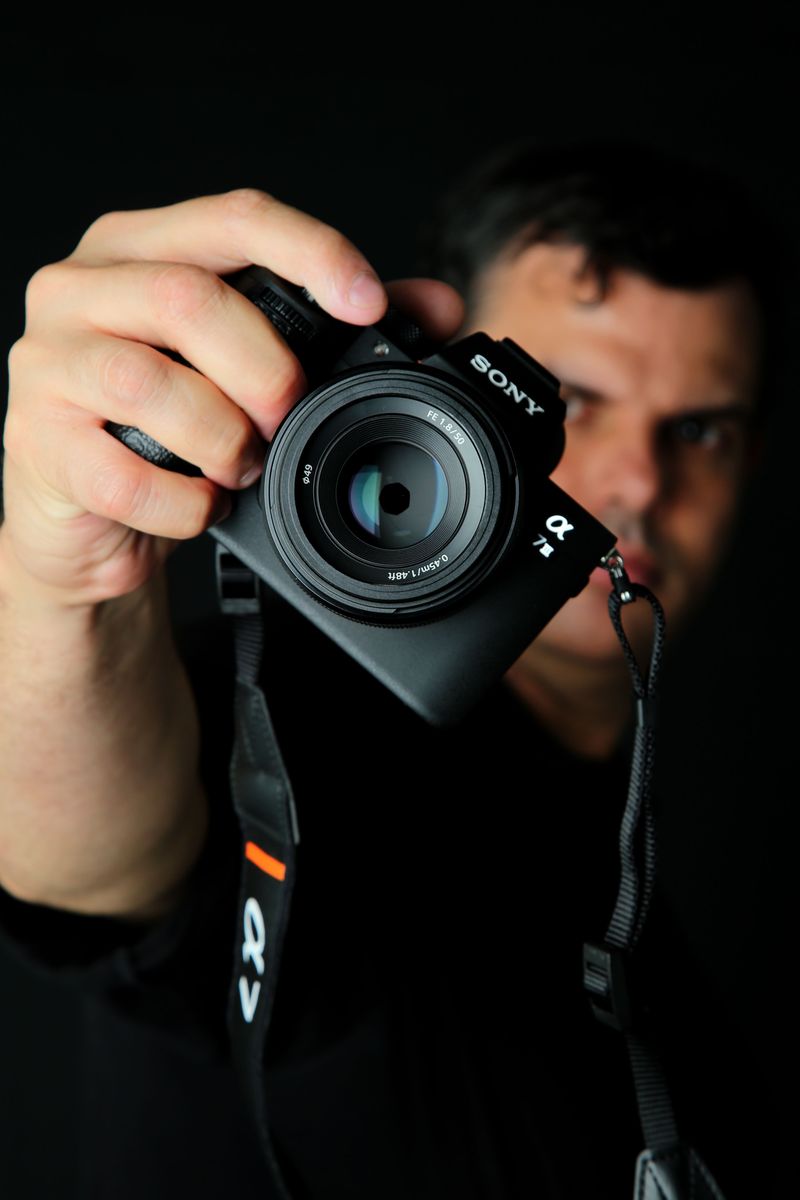
One of the biggest shifts in photography began quietly inside a Kodak laboratory during the 1970s. In 1975, engineer Steven Sasson and his team created what Kodak describes as the world’s first digital camera.
The experimental device was roughly the size of a toaster and produced black-and-white images measuring only about 0.01 megapixels.
It was nowhere near ready to replace the family film camera. Still, the experiment proved something important: photographs could be captured and stored electronically rather than chemically on film.
That single idea eventually rewired an entire global industry.
Over the following decades, improving sensors, storage systems, processors, and displays transformed that toaster-sized experiment into affordable consumer cameras and, eventually, the camera built into every smartphone. Today, people can photograph something, edit the image instantly, store thousands of pictures without buying film, and send one across the world in seconds.
The digital photography future that began in a Kodak lab is now simply the way the world takes pictures.
Wearable Technology
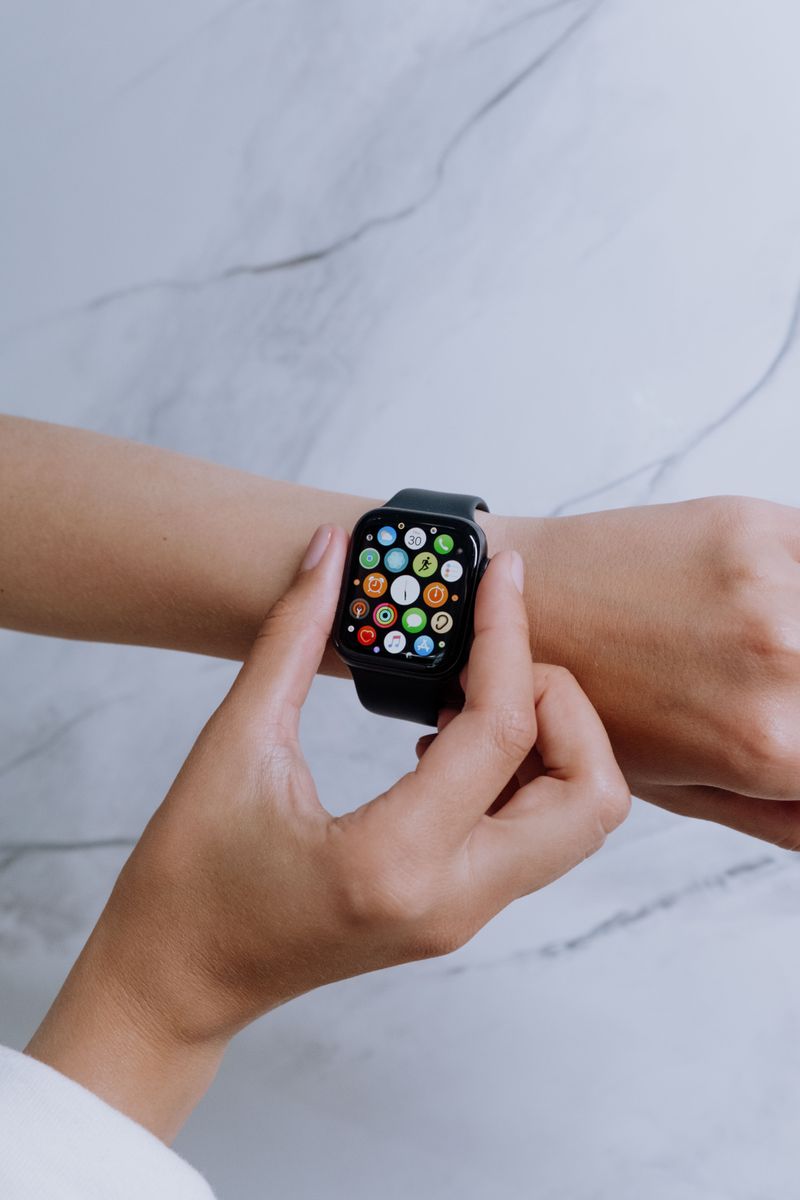
Calculator watches and electronic wristwatches from the 1970s might look charmingly retro today, but they were genuinely revolutionary at the time. Hamilton introduced its Pulsar electronic watch at the beginning of the decade, and by 1974, the Microma LCD watch had placed an electronic system onto a single chip.
Pulsar released a calculator watch in 1975, and Hewlett-Packard followed with its HP-01 Wrist Instrument in 1977.
These devices could not track sleep, monitor heart rates, or connect to a smartphone. What they introduced was something more fundamental: the idea that useful electronic computing functions could travel directly on the human body, available at a glance.
That concept exploded decades later. Modern smartwatches and fitness trackers can measure exercise performance, monitor health indicators, display message notifications, make contactless payments, and provide turn-by-turn navigation.
The bulky but clever electronic watches of the 1970s were genuinely early steps toward the wearable technology market that now generates billions of dollars worldwide every year.
Electric Cars

Electric automobiles actually existed long before the 1970s, but the decade brought renewed urgency to the conversation about transportation that did not depend on gasoline. The 1973 oil crisis created intense public and government interest in alternative energy sources for vehicles.
Congress eventually passed the Electric and Hybrid Vehicle Research, Development, and Demonstration Act of 1976.
Automakers were experimenting alongside researchers. General Motors displayed an urban electric-car prototype in 1973, while the U.S.
Postal Service tested electric delivery vehicles produced by American Motors in 1975. The biggest obstacle was battery technology.
Seventies-era electric vehicles often had limited speed and range, making them impractical replacements for gasoline-powered cars on most roads.
Battery technology eventually improved dramatically, and the economics shifted. Today, major manufacturers sell fully electric vehicles capable of traveling hundreds of miles on a single charge, and charging networks continue expanding worldwide.
The electric transportation future discussed seriously during the energy-conscious 1970s is now a mainstream part of the global automobile industry.
Artificial Intelligence

Artificial intelligence wasn’t invented recently. Researchers were already pursuing machines capable of reasoning and problem-solving during the 1970s, and some of their results were genuinely impressive for the time.
SRI International’s Shakey became the first mobile robot controlled using artificial intelligence by 1970, using cameras, sensors, and computer programs to examine its surroundings and navigate through them.
AI research expanded throughout the decade through areas including computer vision, natural language processing, robotics, and expert systems. Progress was much slower than some early predictions suggested.
Computing power, available data, and algorithms were simply not advanced enough to support many of the grander ideas researchers had in mind.
Today, the field has caught up and then some. AI systems can generate text and images, recognize speech, translate languages, assist medical researchers, recommend products, analyze financial data, and perform countless other tasks.
What seemed experimental and speculative in the 1970s has become one of the most important and rapidly growing technology fields on Earth.
Touchscreen Technology
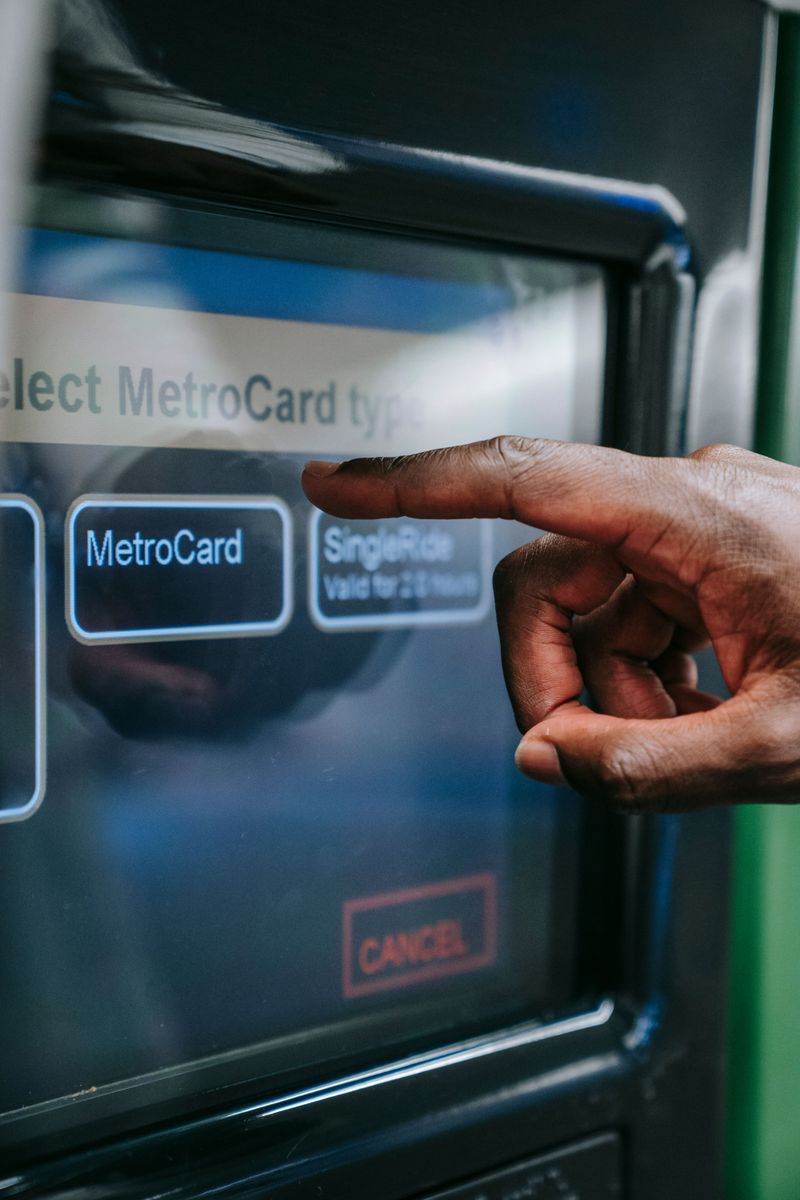
Touching a piece of glass to control a computer feels completely natural today, but during the early 1970s, it was cutting-edge engineering that required serious scientific effort to make work. CERN needed a simpler way to operate the complex controls for its Super Proton Synchrotron.
Engineer Bent Stumpe proposed a capacitive touch screen in 1972, and the design was formally documented in 1973.
When the Super Proton Synchrotron began operating in 1976, its control room used touch-screen technology. By 1977, the technology was already commercially available to other organizations needing more intuitive interfaces for complex systems.
These early systems were far less sophisticated than today’s multitouch displays, but the fundamental concept was already there: users could interact directly with a screen rather than relying entirely on physical switches and buttons. Decades later, touchscreens became standard on smartphones, tablets, car dashboards, ticket machines, cash registers, and airport kiosks.
The futuristic computer interface developed at CERN is now something young children use instinctively before they can even read.
Biometric Security
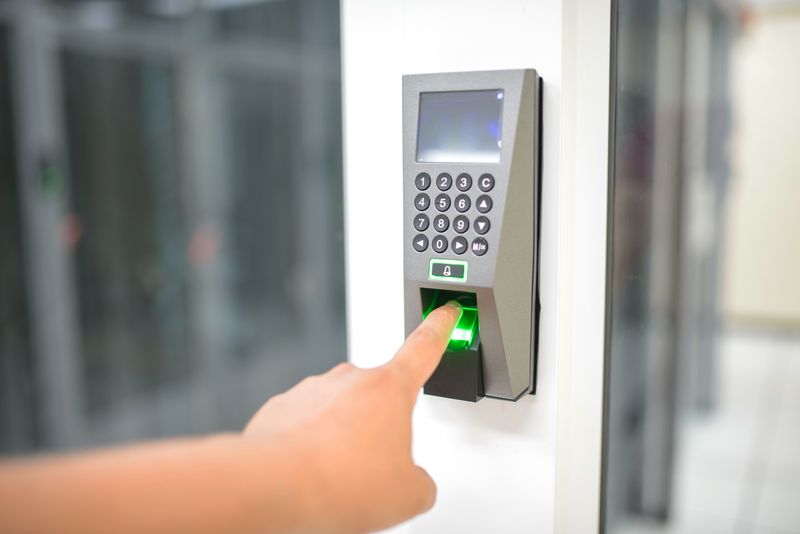
Using part of your body as a password might feel like a product of the smartphone era, but automated biometric identification was attracting serious research attention decades earlier. The U.S.
National Bureau of Standards, now known as the National Institute of Standards and Technology, published work on automated fingerprint identification in 1970 and additional research on automated fingerprint registration in 1972.
The computers available at the time made widespread biometric authentication difficult and expensive. Still, researchers were developing ways for machines to analyze physical characteristics that had previously required trained human experts to examine manually.
The concept was sound; the hardware just needed time to catch up.
Processing power and sensor technology eventually caught up with the idea. Fingerprint scanners became common in security systems before appearing in consumer electronics.
Smartphones helped normalize fingerprint and facial recognition for millions of everyday users. Today, biometrics can unlock phones, authorize payments, control access to secure buildings, and verify identities at border crossings, turning 1970s research into daily routine.
GPS Navigation
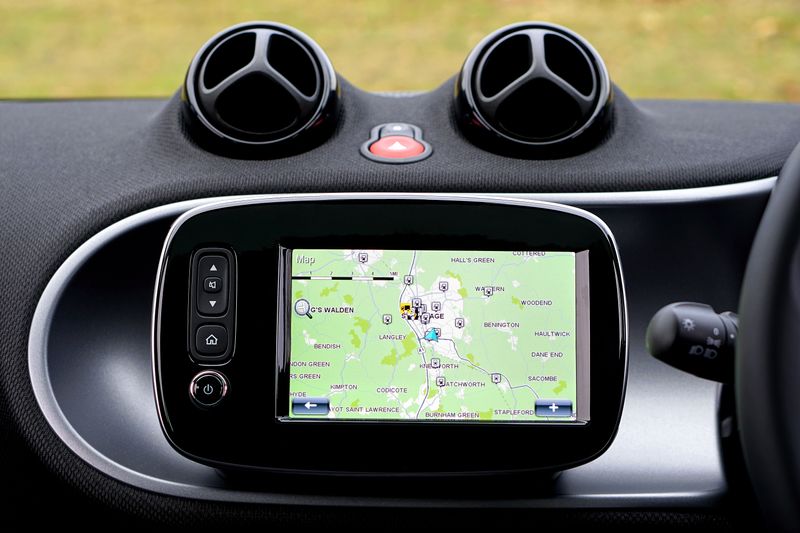
Getting turn-by-turn directions from satellites orbiting thousands of miles above Earth would have sounded almost unbelievable to the average driver in 1973. That was the year the United States began developing the system that eventually became GPS.
Bradford Parkinson, widely described as one of GPS’s principal architects, led advocacy for the program that year and became the first director of the GPS Joint Program Office.
The system combined satellites, ground stations, and receivers to provide positioning, navigation, and precise timing information. GPS began as a military project rather than a consumer navigation product, and civilian access was limited for many years.
Over time, however, restrictions eased and receivers became dramatically smaller and far less expensive.
Today, GPS technology supports navigation in cars and smartphones while also guiding aircraft, ships, emergency services, delivery companies, construction crews, and farming equipment. Satellite navigation became infrastructure that modern society barely notices until it stops working, which is perhaps the clearest sign of how completely a 1970s military project transformed everyday life.
Streaming Services

Netflix and Spotify were decades away, but the 1970s already contained interesting hints of a future where viewers could interact with entertainment rather than simply accepting whatever a broadcast network decided to air. One of the most notable experiments was QUBE, launched by Warner Cable in Columbus, Ohio, in December 1977.
Subscribers received interactive controls and access to dozens of channels, including pay-per-view programming.
Viewers could respond to programs electronically and make selections from home, which was a genuinely novel experience at the time. QUBE was not internet streaming in any modern sense, and the service eventually shut down.
But concepts such as electronically selected programming, premium content tiers, and interactive home entertainment anticipated important parts of the media landscape that developed much later.
Modern streaming took the idea vastly further. Today, viewers can instantly select from enormous digital libraries of movies, television shows, music, podcasts, and live events rather than waiting for a scheduled broadcast.
The QUBE experiment was a rough early sketch of a picture that eventually became very detailed.
Space Tourism
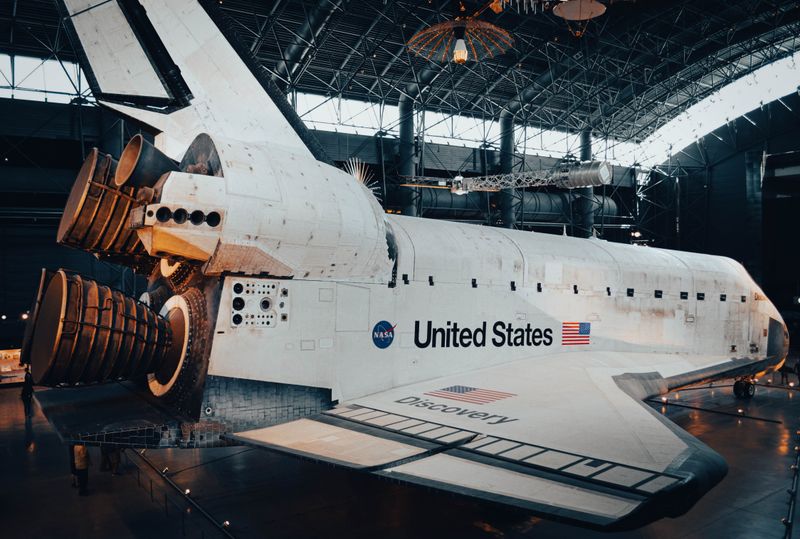
The idea that ordinary citizens might someday travel beyond Earth gained serious public attention during the space-obsessed 1970s. The decade produced ambitious proposals for space settlements and civilian participation in spaceflight.
The Committee for the Future, formed in 1970, promoted concepts including lunar settlements and later proposed a citizens-in-space mission. Thousands of people expressed interest in future commercial space travel programs during the decade.
The technology and economics were nowhere near ready to support any of that. Professional astronauts and government programs continued to dominate human spaceflight for decades afterward.
That situation finally began shifting in the 21st century as private aerospace companies developed their own launch vehicles and spacecraft.
Private citizens have since paid for trips to orbit, and companies have conducted commercial suborbital flights carrying private passengers. Space tourism remains extraordinarily expensive and accessible to very few people, so the 1970s vision has not become ordinary vacation planning.
But the central prediction that civilians could purchase trips into space has undeniably begun to come true in ways those early advocates imagined.
Robotics in Medicine
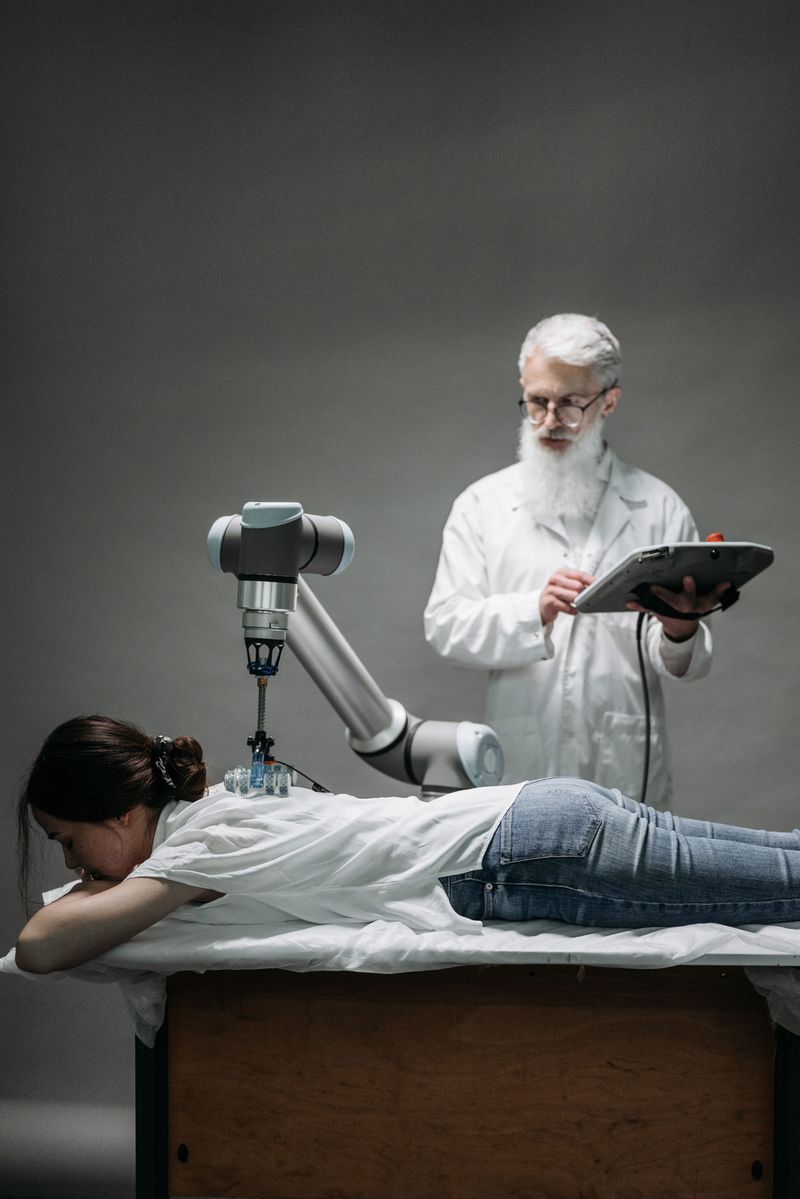
The possibility of using robots to assist doctors and surgeons was being seriously explored long before robotic operating systems appeared in modern hospitals. Research connected with NASA and U.S. defense programs during the 1970s helped develop concepts involving remotely operated robotic surgery, particularly for situations where a surgeon might need to treat someone in a dangerous or physically inaccessible location.
The technology was not ready for actual robotic operations during that decade. The first significant robotic surgical application appeared later, with a PUMA robot used during a neurosurgical procedure in 1985.
From that point, medical robotics advanced steadily and then rapidly as computing power and precision engineering improved together.
Modern robotic surgical systems allow physicians to perform delicate, minimally invasive procedures using precisely controlled instruments that reduce patient recovery time. Robots also assist with rehabilitation programs, hospital logistics, medical imaging, and pharmaceutical tasks.
The 1970s vision of machines extending a doctor’s reach and precision eventually moved from research concept to operating room reality in hospitals around the world.
Share this story