Think the Caribbean is all giant resorts and crowded cruise ports? Scattered across the sea are small islands where life moves at a slower pace.
Some have steep mountain trails, some have quiet beaches, and others have old sugarcane fields or rainforest waterfalls. This list covers 15 of them, from tiny dive havens to nature-packed hideaways.
Each one offers something different from the usual postcard stops. Whether you want to hike, snorkel, sail, or simply sit still, there is a spot here that may surprise you.
Saba, Caribbean Netherlands
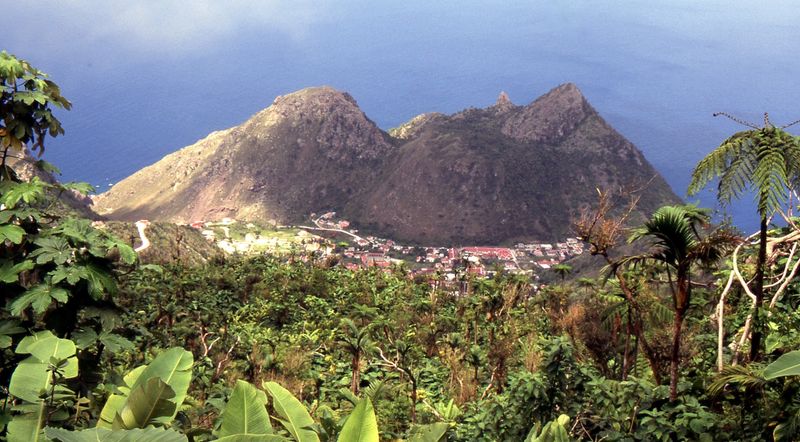
From the water, Saba looks almost impossible. Mountains shoot straight up from the sea, villages cling to steep slopes, and the long resort beaches found on other islands are missing.
That is exactly the point. This five-square-mile Dutch Caribbean island is built around hiking, diving, nature, and small-scale tourism.
Visitors can explore roughly 20 marked trails or head underwater to protected reefs and seamounts.
Getting there is part of the fun. Scheduled flights and ferries link Saba with St. Maarten, and the flight takes only about 12 minutes.
Once you land, you will find white cottages, tropical greenery, tiny villages, and big sea views. It feels far removed from the busier parts of the Caribbean.
If your idea of a good trip includes sturdy walking shoes and a tank of air instead of a beach chair, Saba deserves a spot on your map. Pack light, since the roads and trails are made for exploring on foot.
Marie-Galante, Guadeloupe
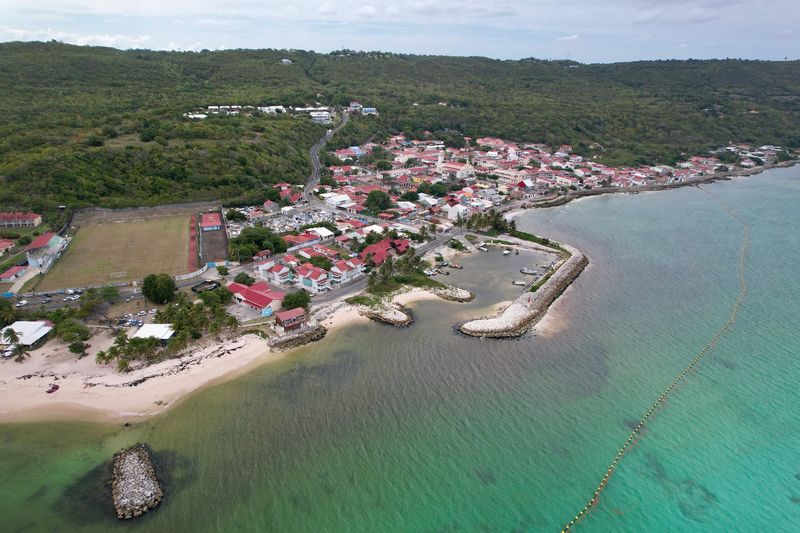
Sugarcane fields cover much of Marie-Galante, and old windmills still stand as reminders of the island’s farming past. Nobody seems to be in a hurry here.
The island is tied closely to agricole rum, made straight from fresh sugarcane juice, and historic distilleries remain part of the visitor experience. Natural stops include Gueule Grand Gouffre, along with the beaches around Capesterre and Saint-Louis, which can feel remarkably peaceful compared with those on Guadeloupe’s larger islands.
Getting there is simple. Marie-Galante sits about 30 kilometers from Grande-Terre, and the ferry usually takes about 45 minutes to an hour.
Rural scenery, Creole culture, long beaches, and small communities make this a fine alternative to a standard resort week. I would save it for travelers who like to wander country roads and learn how an island lives and works.
Little Cayman, Cayman Islands
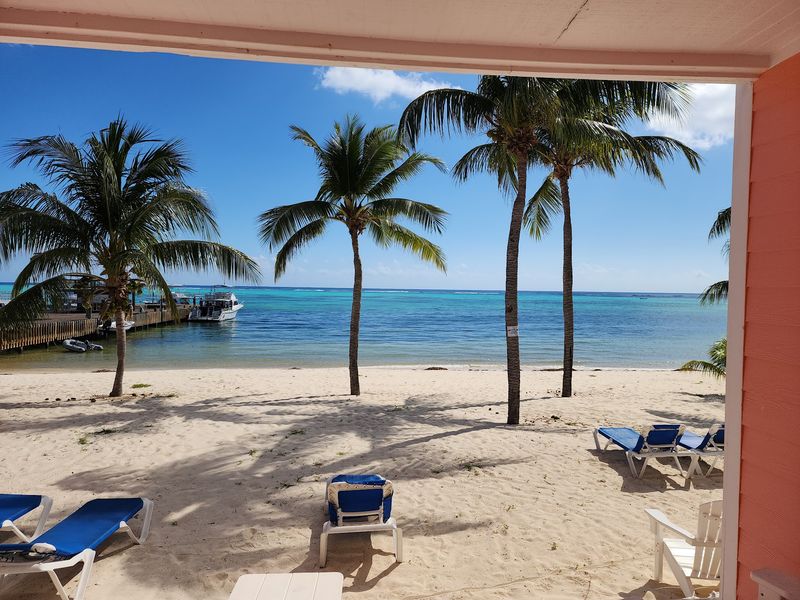
Grand Cayman gets most of the attention, which leaves Little Cayman to travelers who go looking for peace and quiet.
The island is only about ten miles long and a mile wide, with very little traffic. Divers know it well, since Bloody Bay Wall is the signature underwater attraction.
On land, the Booby Pond Nature Reserve protects important bird habitat.
Visitors can also kayak toward tiny Owen Island or simply hunt for an empty stretch of shoreline.
Little Cayman has places to stay, restaurants, rentals, and visitor services, yet it stays far from the scale of development on Grand Cayman. Cayman Airways Express reaches the island using smaller aircraft.
Bicycles, reefs, birds, and long stretches without crowds are what this place does best. If that sounds like your kind of getaway, Little Cayman comes remarkably close to the dream.
Carriacou, Grenada
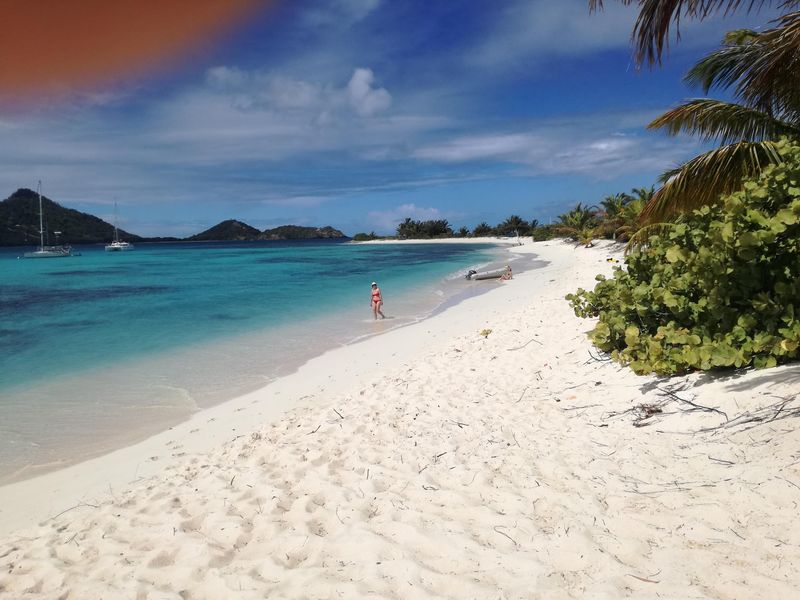
Boats are a big deal on Carriacou. North of Grenada, this small island keeps its boatbuilding traditions, fishing communities, and sailing culture close to everyday life.
Travelers come for quiet beaches and clear water, but there is more character here than a simple beach break. Traditional culture and annual celebrations help set it apart from resort-heavy destinations.
It may feel remote, yet reaching it is fairly easy. Grenada’s tourism authority lists both air and sea links from Grenada, including a flight of roughly 20 minutes or a ferry ride of about two hours.
Places to stay and eat are available on the island too.
This is the kind of spot where a slow afternoon can beat a packed itinerary. Wander a village, take a swim, and chat with residents.
That might turn out to be the best part of the trip.
Culebra, Puerto Rico
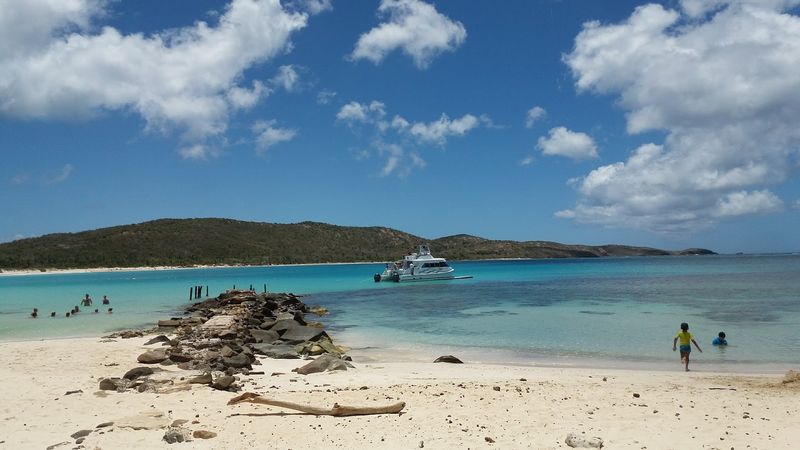
Few islands pair astonishing beaches with such easy access. Culebra lies east of the main island of Puerto Rico, and current tourism information confirms that travelers can arrive by ferry or by air.
Flamenco Beach is the star, known for its broad sweep of pale sand and extraordinarily clear water. The island’s small size also leaves room for quieter coves, snorkeling, and kayaking.
The community feels far removed from metropolitan San Juan.
Culebra is not a secret, especially to Puerto Ricans, but internationally it gets far less attention than the biggest attractions on the main island.
My advice is to arrive early or stay overnight. Day trips are popular, and spending a night shows a much calmer side of the island once the crowds head back to the ferry.
Bring snorkel gear and plan for beach time.
Sint Eustatius, Caribbean Netherlands
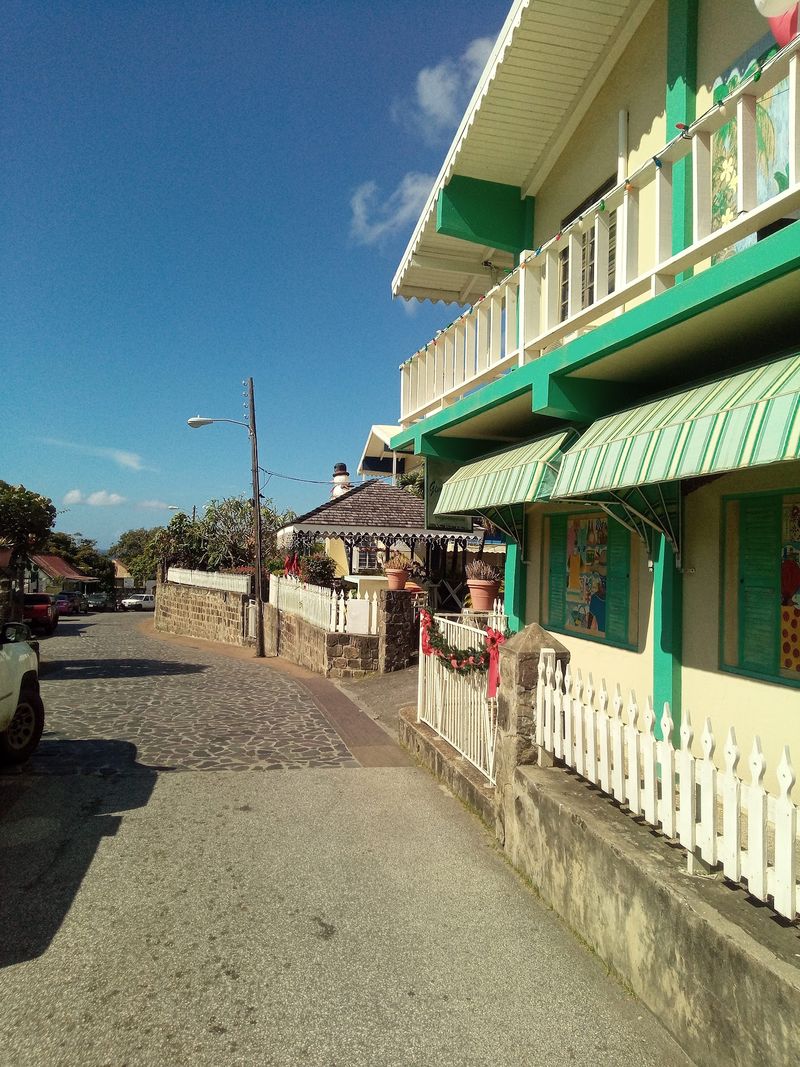
Ever heard of Statia? Many travelers have not, and that is a big part of the charm.
Sint Eustatius, usually shortened to Statia, is a Dutch Caribbean island with volcanic scenery, diving, historic ruins, and black-sand beaches. Its tourism organization stresses that the island remains free from mass tourism.
The Quill, a forest-covered dormant volcano, dominates the landscape. Underwater, divers can explore reefs and archaeological sites tied to the island’s long maritime history.
Statia once played an outsized role in Caribbean trade and earned the nickname the Golden Rock.
Today its appeal is nearly the opposite. Small-scale tourism, quiet streets, nature, and history give visitors enough breathing room to take things slowly.
History fans and hikers will both find plenty to do without feeling rushed.
Vieques, Puerto Rico
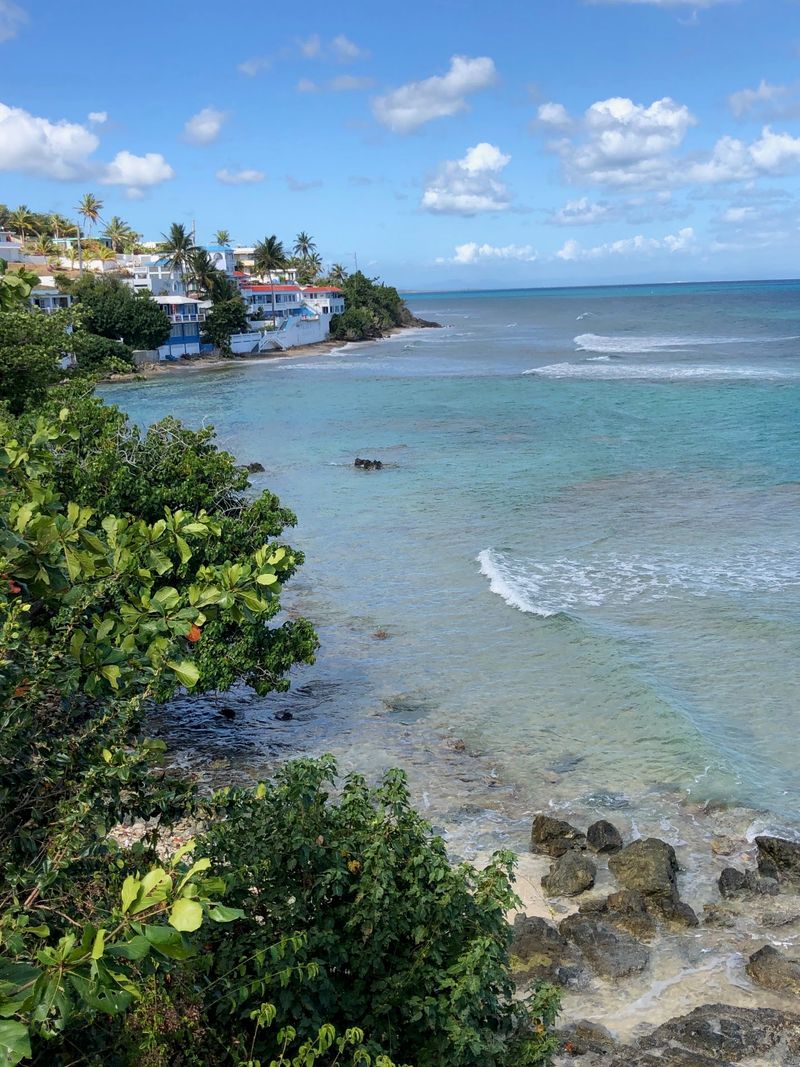
Mosquito Bay is the reason many people book a trip to Vieques. Puerto Rico’s official tourism organization notes that it earned Guinness World Records recognition as the world’s brightest recorded bioluminescent bay.
Vieques is larger and better known than neighboring Culebra, yet big sections of the island remain wonderfully undeveloped. Beaches, snorkeling, and wildlife fill the days, and roads lead to coastal areas that can feel surprisingly empty.
Instead of giant resorts, travelers find small hotels, guesthouses, restaurants, and communities such as Esperanza.
Both ferry and air service connect the island with Puerto Rico right now.
Plan on several nights instead of a quick visit. Staying longer lets you see the island after the day-trippers leave and find beaches beyond the most familiar names.
Terre-de-Bas, Guadeloupe
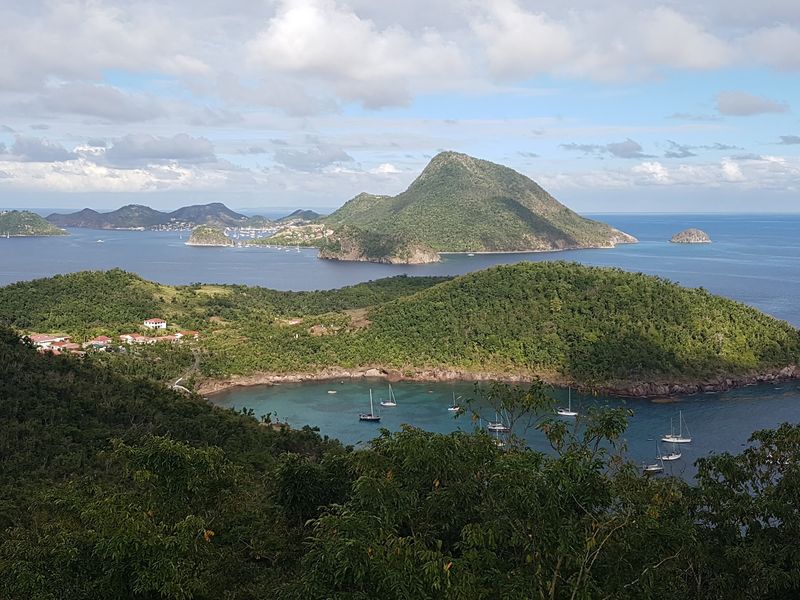
Even people who know Les Saintes tend to skip Terre-de-Bas, since its neighbor Terre-de-Haut hogs the spotlight.
That works in its favor. Guadeloupe’s official tourism organization calls it the wilder and more peaceful side of Les Saintes, pointing to hiking, natural scenery, and local crafts.
Visitors will find greenery, walking trails, and quiet coves, along with a slower rhythm.
There is no need for a long checklist here. Much of the fun comes from wandering the landscape and noticing how different daily life feels from larger resort centers.
If Terre-de-Haut is the postcard, Terre-de-Bas is the retreat. Travelers who deliberately hunt for overlooked places may find this small French Caribbean island the more rewarding of the two.
Bring comfortable shoes and leave room in the schedule.
Bequia, St. Vincent and the Grenadines
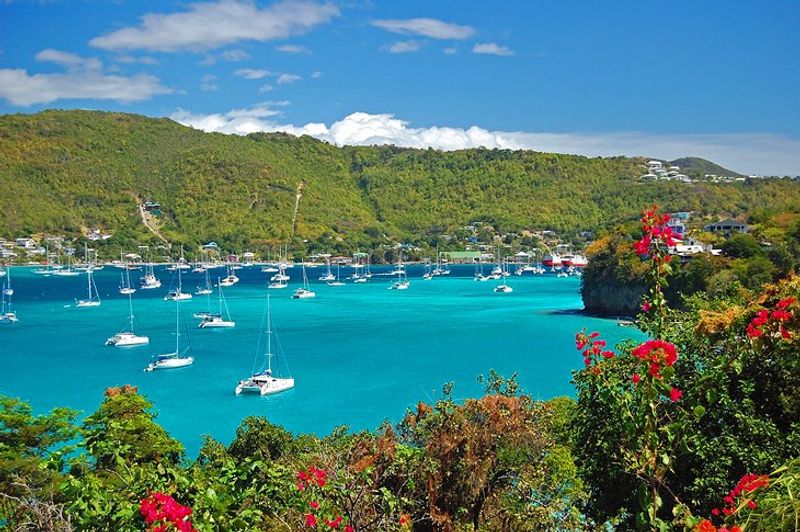
Sailors have loved Bequia for ages, yet it still goes missing from many mainstream Caribbean lists.
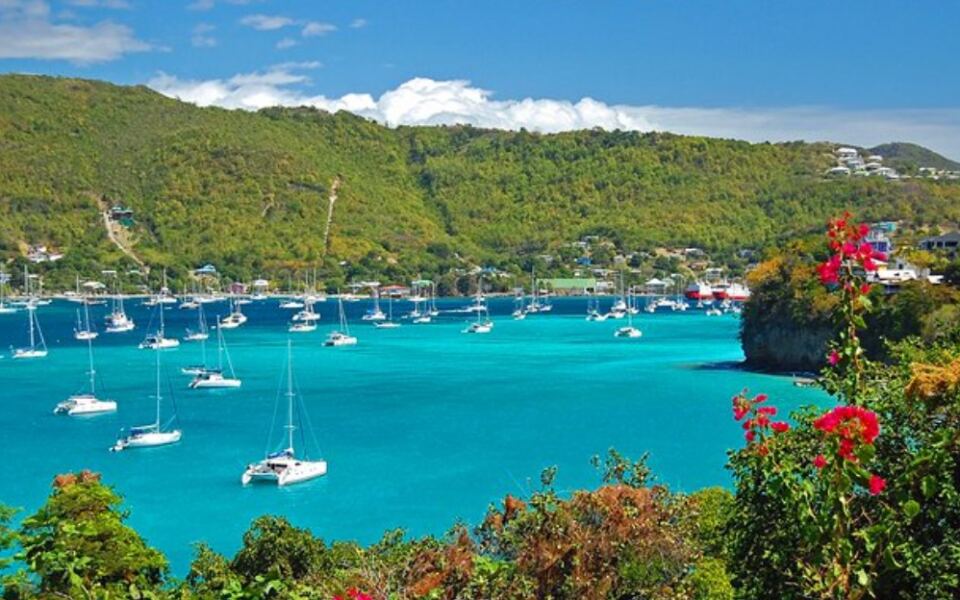
The island centers on Admiralty Bay and Port Elizabeth, where beaches, waterfront restaurants, and small hotels sit close to the harbor. Princess Margaret Beach and Lower Bay are among its better-known coastal spots, and the boats filling the harbor underline the island’s link to the sea.
Bequia’s tourism association remains active and lists accommodations, activities, shops, events, restaurants, and visitor services across the island.
It is developed enough that comfort is not a problem, but small enough that the experience stays personal.
A walk along the Belmont waterfront, a swim in the bay, or an afternoon watching boats come and go can easily fill a day. Nobody needs a packed schedule here.
La Désirade, Guadeloupe
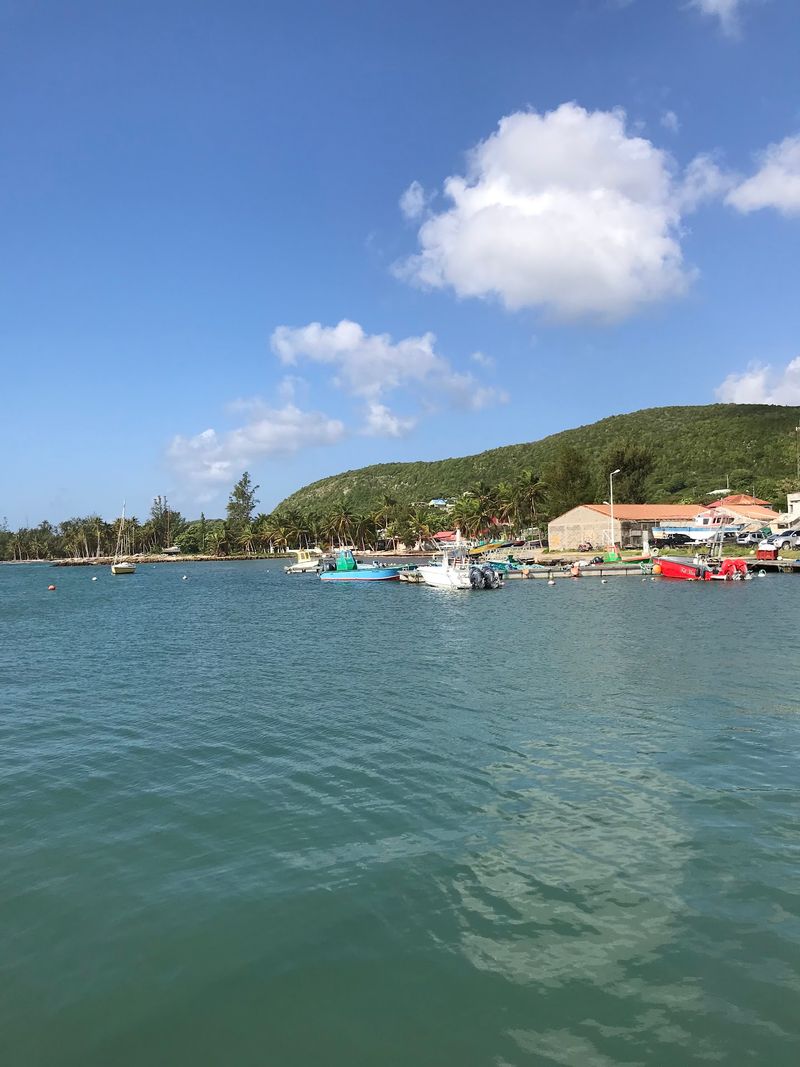
Not every Caribbean island is lush and green. La Désirade, a short distance from Grande-Terre, is long and narrow, with rugged hills, beaches, dry vegetation, and small communities.
The official Guadeloupe Islands tourism organization promotes it for its peaceful atmosphere, rugged scenery, history, trails, and uncrowded coastline.
Parts of the island are dry and windswept, which gives the scenery a stark kind of beauty that differs from the volcanic landscapes many people picture.
Visitors can mix beach time with coastal walks, heritage sites, and small villages instead of resort entertainment.
It suits anyone whose idea of paradise means silence and sea views over nightlife and sprawling hotel complexes. Come with realistic expectations and a love of wide open spaces.
Cayman Brac, Cayman Islands
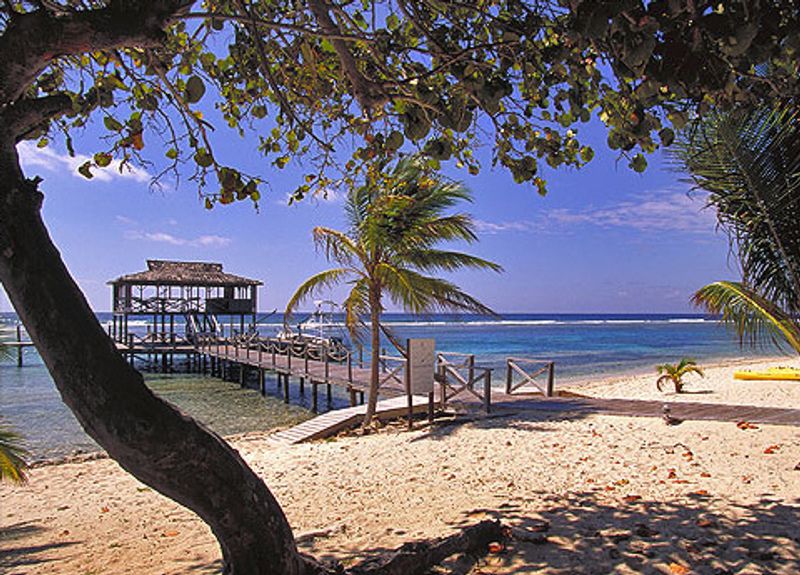
There are no traffic lights or roundabouts on Cayman Brac, which tells you plenty about the pace.
The island proves the Cayman Islands are about more than Seven Mile Beach. Its defining feature is the Bluff, a limestone ridge rising toward the eastern end.
Caves, hiking areas, birdlife, diving, heritage attractions, and rugged coastal scenery appeal to travelers who want a bit of adventure with their sunshine.
Accommodation and tourism services are well established, and Cayman Airways Express connects the island with Grand Cayman.
It is quieter and rougher around the edges than Grand Cayman, and that is exactly why some visitors prefer it.
The Brac rewards exploring instead of offering one more row of beach chairs. Pack hiking shoes and be ready to poke around.
Terre-de-Haut, Guadeloupe
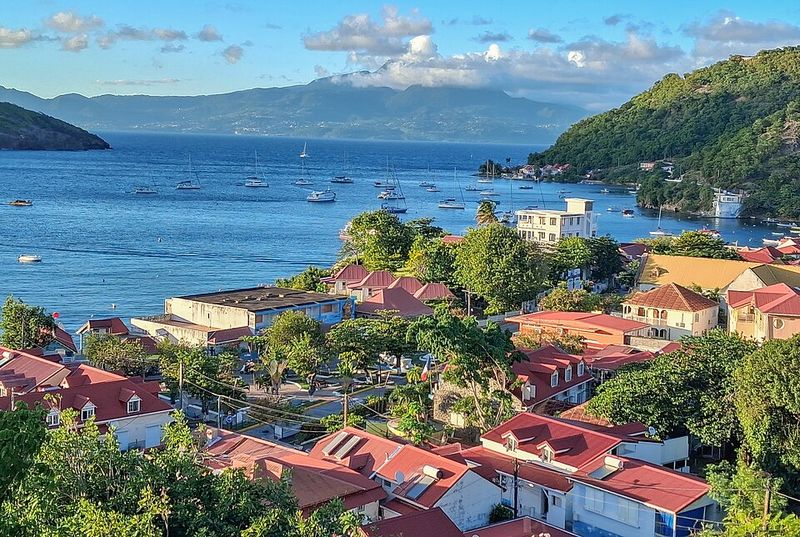
Steep green hills frame the harbor at Terre-de-Haut, and the main village has the narrow streets and traditional houses of a French Caribbean town.
It may be the best known island in Les Saintes, yet it is still refreshingly small. Popular sights include Pain de Sucre, the beaches, panoramic viewpoints, and historic Fort Napoléon.
Boats are central to life here. Current Guadeloupe tourism listings show active sailing excursions around Terre-de-Haut, Terre-de-Bas, Ilet Cabrit, and the nearby waters.
Day visitors can make the island busier, but early mornings and evenings show a different personality.
Staying overnight instead of squeezing it in as a quick excursion leaves more time to see why travelers return to Les Saintes again and again.
Providencia, Colombia
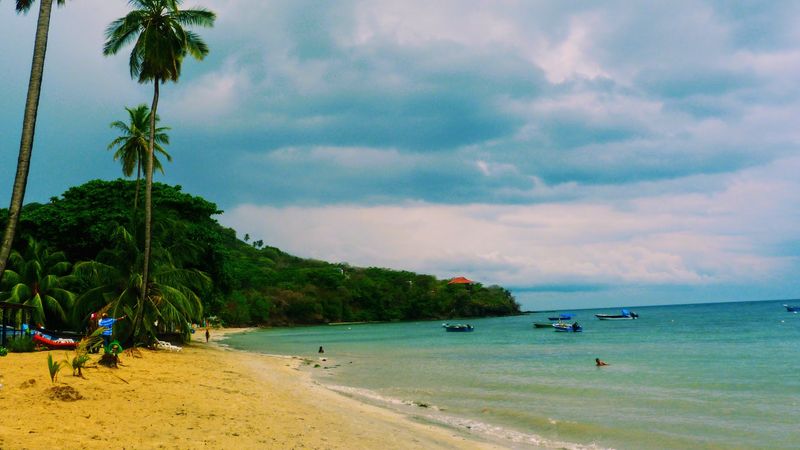
Getting to Providencia takes more effort than catching a nonstop flight to a big resort town, and that is a big reason it stays special.
The island lies far from mainland Colombia in the western Caribbean. Colombia’s tourism authority highlights its reefs, mangroves, diving, snorkeling, trekking, and remarkably colorful water.
Providencia is part of the Seaflower Biosphere Reserve. Visitors can explore Old Providence McBean Lagoon National Natural Park, climb toward El Pico for elevated views, or take boats to Crab Cay and nearby reefs.
Most travelers first go to San Andrés, then take a short flight or a catamaran ride of roughly three hours.
It is not the easiest island on this list to reach, but the journey helps explain why it still feels so distinctive.
Nevis, St. Kitts and Nevis
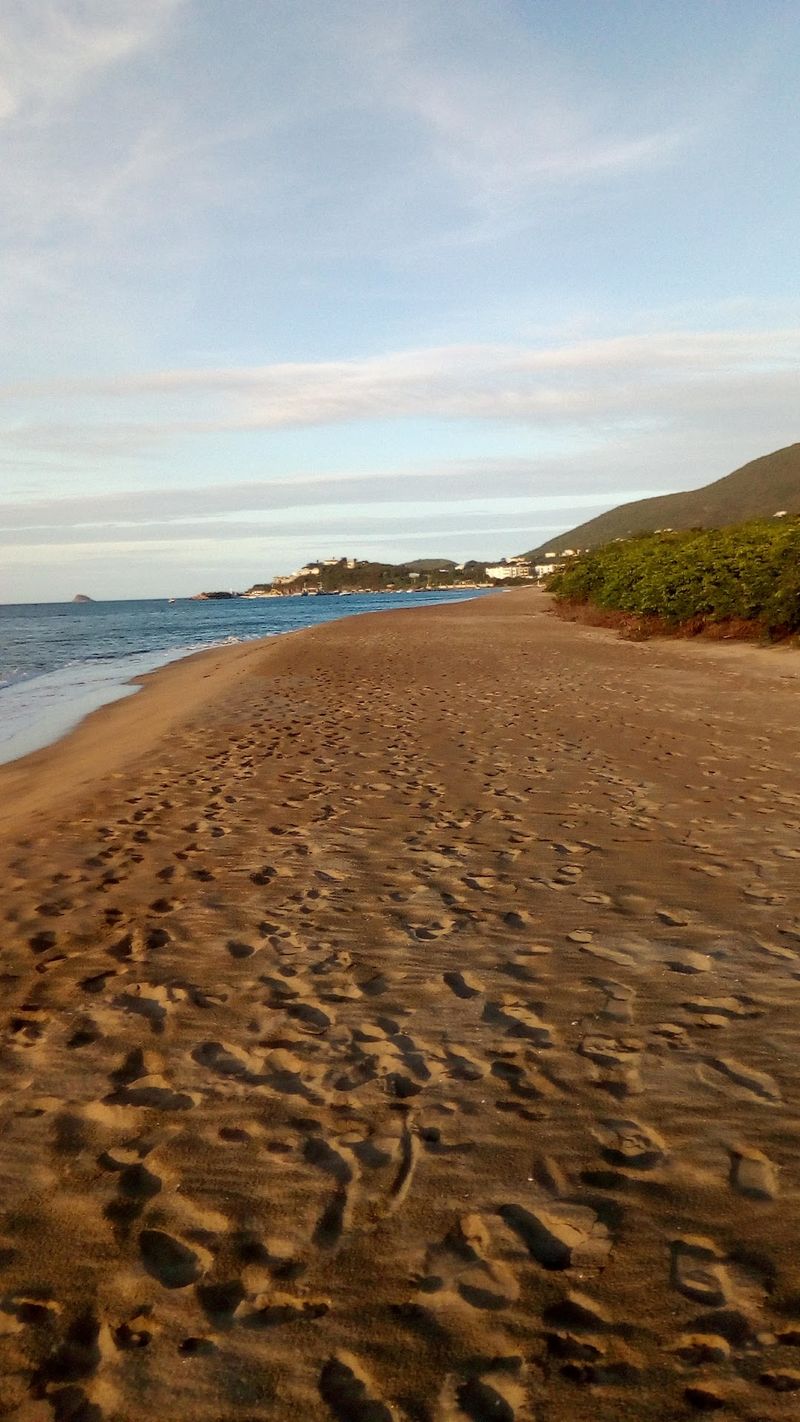
Cross the narrow channel from busy St. Kitts and the mood shifts almost at once.
Nevis Peak dominates the landscape. Much of the island keeps a low-key character built around small communities, historic plantation properties, beaches, hiking, and nature rather than big entertainment complexes.
The Nevis Tourism Authority confirms that visitors can arrive by sea or by air, including connections through St. Kitts. Cars, taxis, and ferries make getting around fairly simple.
Nevis is not completely unknown, especially among upscale travelers, yet it remains far quieter than many islands with similar beaches and places to stay.
It works well for people who want polished hotels and good restaurants without losing the slower pace that once defined much of the Caribbean.
Tobago, Trinidad and Tobago
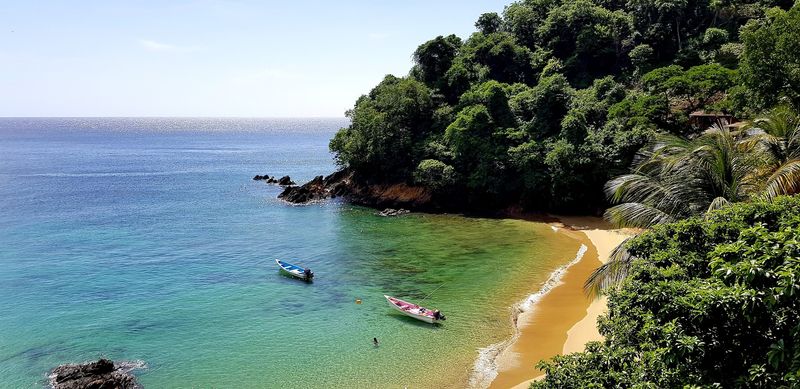
Caribbean travelers already know Tobago, but internationally it gets a fraction of the attention given to similar tropical islands.
That is surprising given the lineup. Beaches, coral reefs, waterfalls, fishing villages, wildlife, and protected rainforest all sit within a fairly compact area.
Castara keeps a strong village feel, with the beach, fishing boats, rainforest, and daily community life side by side.
Tobago’s tourism agency remains active in 2026, with accommodation, excursions, nature activities, dining, and transportation operating across the island. It also continues to promote Tobago as a quieter, nature-focused alternative within the Caribbean.
For visitors who want an established destination without feeling stuck inside a resort bubble, Tobago strikes a nice balance.
Share this story