A simple plant-shopping trip can get surprisingly interesting when the cart fills faster than the budget runs out. At one family-owned New Jersey garden center, broad selection and modest prices give gardeners plenty of reasons to make room for another pot.
The catch is worth knowing before leaving home: bring cash or a check, not just a card. Here is what makes this stop appealing, plus the practical details that keep a bargain hunt from becoming a checkout headache.
A Family Garden Center With Room to Explore
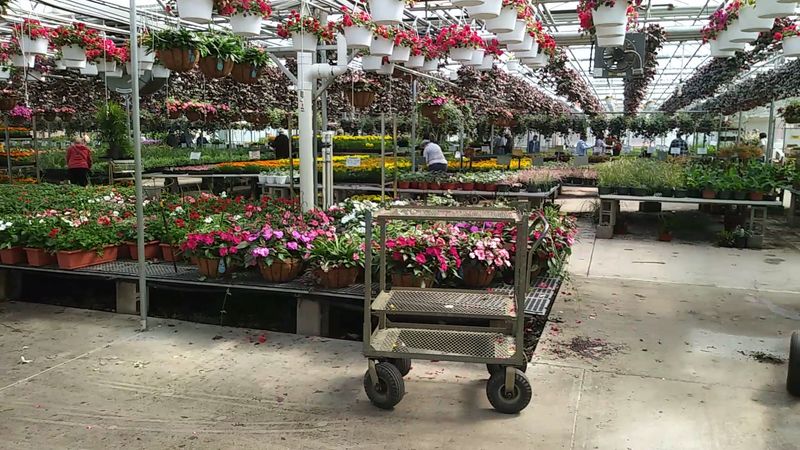
A short shopping list may need more time than expected here. Gasko’s Family Farm and Greenhouses is a family-owned garden center at 112 Federal Rd, Monroe Township, NJ 08831, United States.
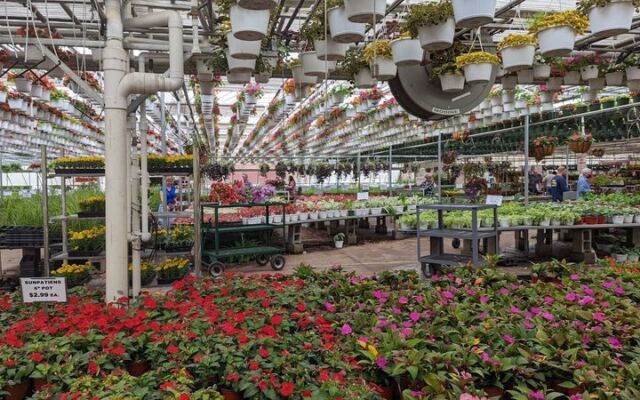
Its appeal starts with scale: indoor and outdoor shopping areas hold a broad selection of plants, along with supplies for getting them established at home. Large trolleys help shoppers handle purchases that quickly outgrow a handheld basket.
Longtime customers describe relationships with the business stretching back decades, including one account of shopping here for 35 years. That supports its reputation as a repeat destination, without requiring an invented founding date or family history.
First-time shoppers should allow room in their schedule rather than treating the stop as a quick errand. The selection includes flowers, shrubs, small trees, herbs, and vegetable plants, so a little planning helps keep the trip focused while leaving space for a useful discovery.
Budget-Friendly Plants and a Cash-First Checkout
The title’s 1995 feeling is about value, not a claim that prices have stayed unchanged. Affordable plants are a recurring strength in the supplied customer accounts, but individual amounts should be treated as past purchases rather than current offers.
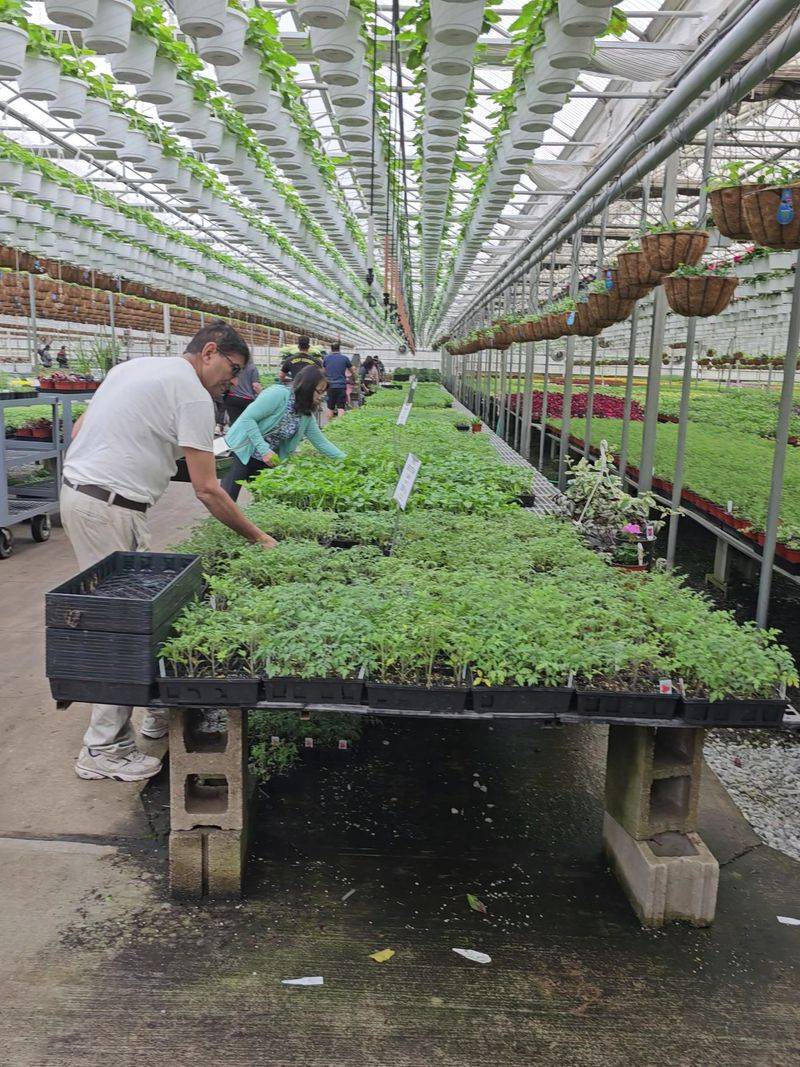
One account describes herbs at about $1.50 each, with mixed trays costing less per plant. Another mentions a climbing plant purchased for roughly $15 to $20, illustrating why gardeners arrive ready to buy more than one item.
Cash or checks are the consistently reported payment options; credit and debit cards are not accepted. Although one account conflicts with that pattern, bringing cash is the practical choice supported by the broader information.
On-site ATMs have also been reported, with a withdrawal fee mentioned in one account. Bring your planned spending money instead, keep track of plant labels, and check the total before leaving so the bargain remains a bargain.
Flowers for More Than One Season
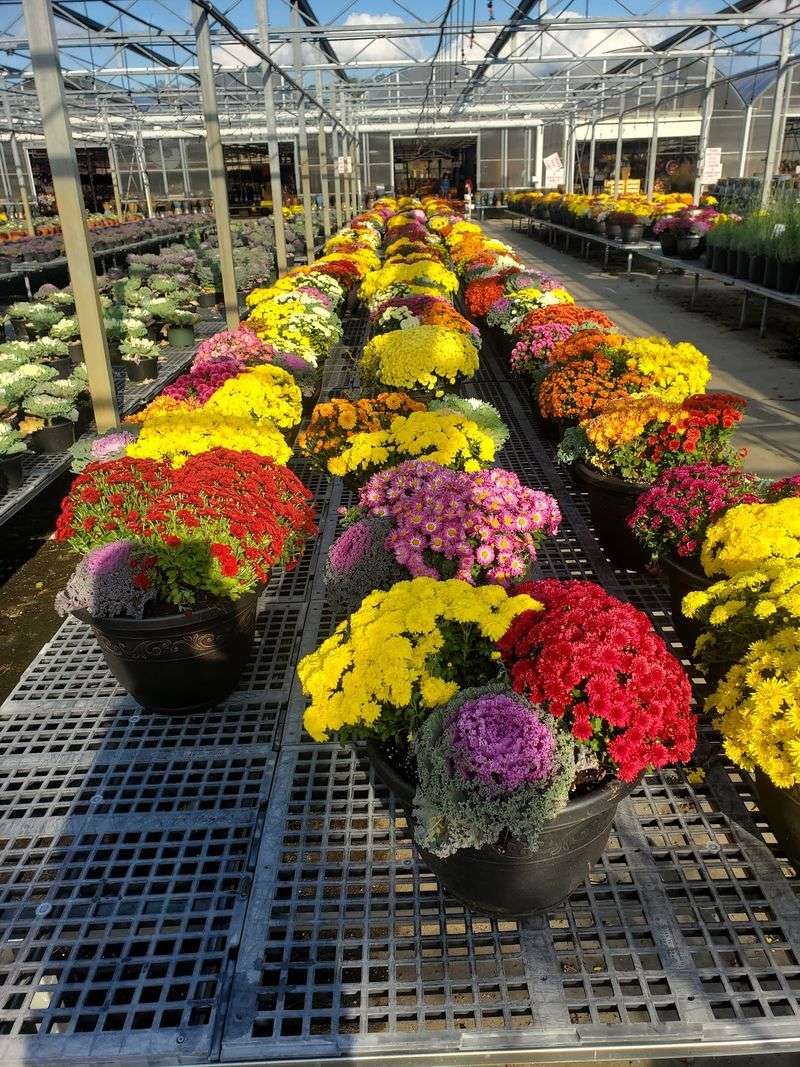
A garden does not need a complete redesign to justify a trip. Annuals, perennials, and hanging baskets give shoppers several ways to fill containers, add plants to existing beds, or replace gaps in a planting plan.
Flower variety is a recurring point of praise in the supplied accounts. The selection makes this a useful stop for gardeners who want choices without building their entire outing around a single unusual specimen.
Seasonal shopping extends beyond spring. Customer accounts describe return trips in early fall for mums and pumpkins, followed by late-fall purchases of holiday plants and decorations.
Those accounts show reasons to return, not a guaranteed inventory calendar. Check what is available before planning a trip around one seasonal item, and read plant requirements before choosing additions for home.
A modest list of open spaces and container needs can keep the flower shopping purposeful without taking the enjoyment out of browsing.
Shrubs, Small Trees, and Helpful Labels
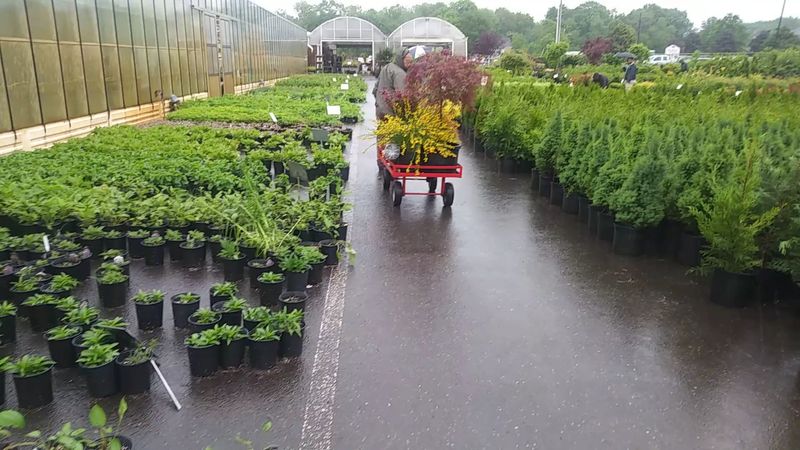
Bigger planting projects get attention here, too. Shrubs, small trees, and ornamental grasses expand the selection beyond the flowers that often bring people through a garden center’s entrance.
Plant labels are a particularly useful detail. One detailed account describes labels with plant descriptions and sun or shade requirements, information that helped a shopper choose a different shrub than originally planned.
That kind of guidance matters when a purchase will occupy the same space for years. Measure the available area at home and compare its conditions with the information attached to each plant before committing.
Positive accounts describe established plantings purchased here years earlier, but the supplied material also includes concerns about plants that failed after purchase and difficulty reaching the business afterward. Ask about care instructions and any applicable purchase terms before paying.
A lower initial cost is welcome, but selecting a suitable plant remains the more important decision.
Herb and Vegetable Starts for Everyday Gardens
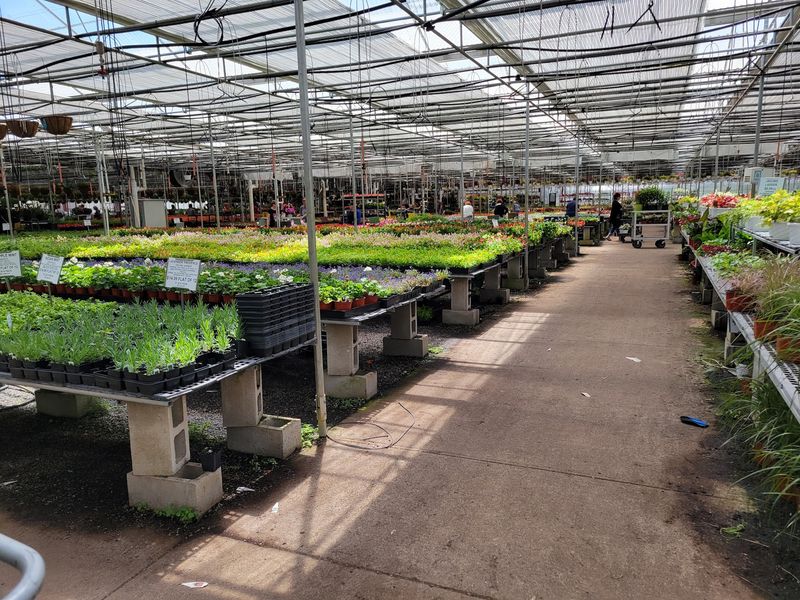
A practical planting list can do especially well in the herb and vegetable sections. Both categories appear repeatedly in the supplied accounts, including purchases of multiple flats for home gardens.
The attraction is straightforward: gardeners can compare a broad selection of starts while keeping an eye on their overall spending. The reported low herb prices add to that appeal, though today’s tags should guide today’s budget.
More specialized interests may require another source. One detailed account notes that unusual varieties were not available during that shopping trip, so broad selection should not be mistaken for a promise of every cultivar.
Write down the plants needed and the number of spaces available before leaving home. That small step is especially useful for beginners who might otherwise find the size of the nursery overwhelming.
Start with the core planting plan, then consider extras only when there is room to grow them.
Supplies Beyond the Plant Pots
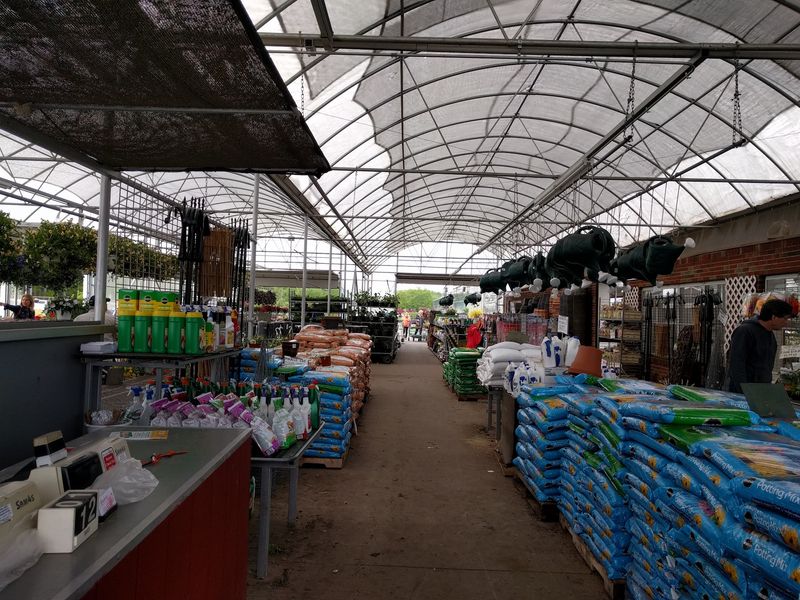
The plant itself is only part of many gardening projects. Mulch, soil, pots, tools, and garden accessories appear in the supplied accounts, giving shoppers reasons to check their supply list before heading to checkout.
Plant supports and garden flags are also mentioned. Those additions make the stop useful for practical needs as well as smaller finishing touches, without requiring every purchase to be another living plant.
A trolley helps with larger loads, but the car still has limits. Think through the space needed for plants and bulky supplies before adding several bags or containers to the same shopping trip.
Budgeting by project rather than by plant can help prevent surprises. Set aside money for the items needed to complete the job, then decide what remains for optional purchases.
The goal is to leave ready to plant, not to discover at home that the affordable additions still need several essential supplies.
A Busy Outing With Plenty of Choices
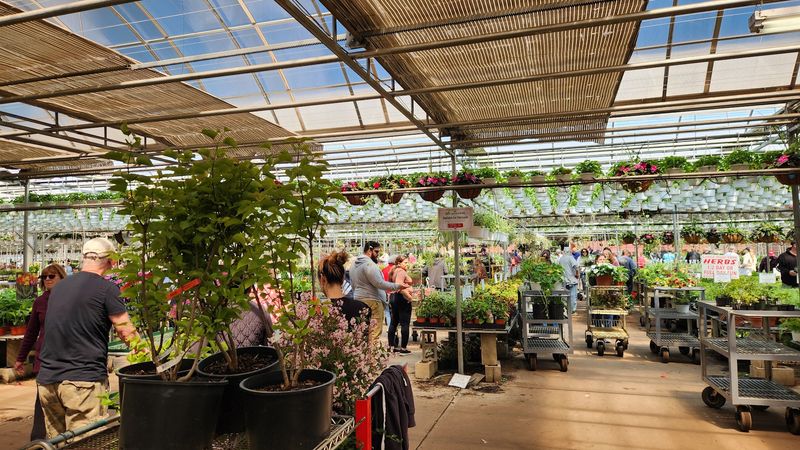
Expect a shopping outing, not a guaranteed quiet wander. Crowds and long lines recur in the supplied accounts, especially around weekends and the busy early part of the gardening season.
Weekdays are not automatically empty, either. One account describes a crowded Friday, while another reports substantial activity soon after opening on a weekday.
Staff members are frequently described as friendly and helpful with directions, which matters in a place where newcomers can struggle to organize their route. Checkout is often described as efficient despite the lines, though waiting time should still be part of the plan.
Comfortable walking shoes and a clear list make sense for the indoor and outdoor areas. Experienced gardeners can work through their needs, while beginners may benefit from choosing one manageable project rather than shopping for everything at once.
Patience belongs on the packing list alongside the cash, especially when the trolley starts filling up.
A Little Preparation Before the Drive
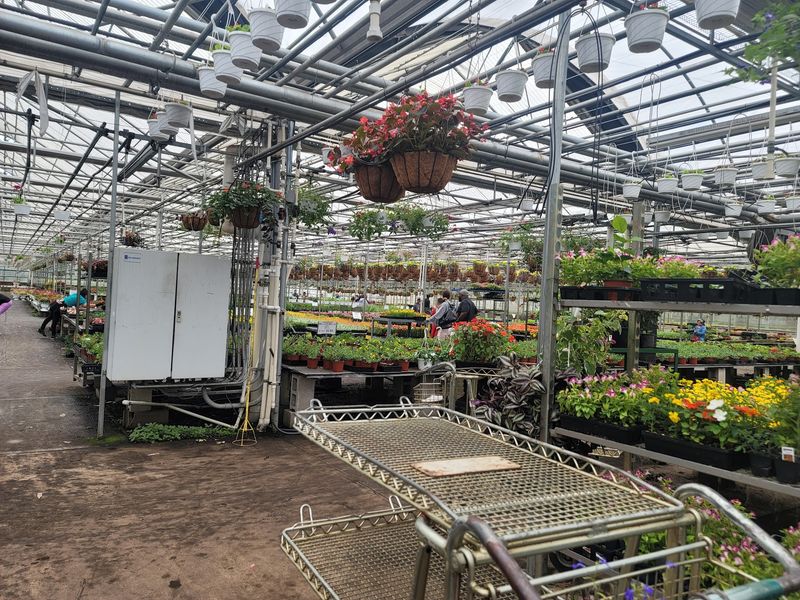
Before leaving home, match the trip to the listed hours. The supplied schedule is Monday through Saturday, 9 a.m. to 5 p.m., and Sunday, 9 a.m. to 3 p.m.
Check the business website, gaskosfamilyfarm.com, for updates before making a special journey. Use the street address given earlier for navigation rather than relying on an invented route or travel-time estimate.
Two large parking lots are described in the supplied accounts, along with trolleys for moving purchases. Leave enough time for browsing, loading, and a checkout line rather than arriving close to closing with a long list.
The overall case for a trip is clear: substantial choice, repeatedly praised value, and supplies that support ordinary home gardening projects. Bring cash or a check, confirm prices as you shop, and keep expectations realistic about crowds and stock.
With those basics covered, the headline’s nostalgic promise becomes a useful reason to investigate, not a guarantee.
Share this story