An ordinary hot dog stop can turn into the part of a New Jersey outing everyone remembers. At one unassuming restaurant, the hot dogs have a name that raises an obvious question: what exactly is a ripper?
The answer comes from a cooking method that makes this longtime spot different from the usual counter stop. Come hungry and curious, because the story includes more than an unusual name.
A Clifton Counter With Staying Power
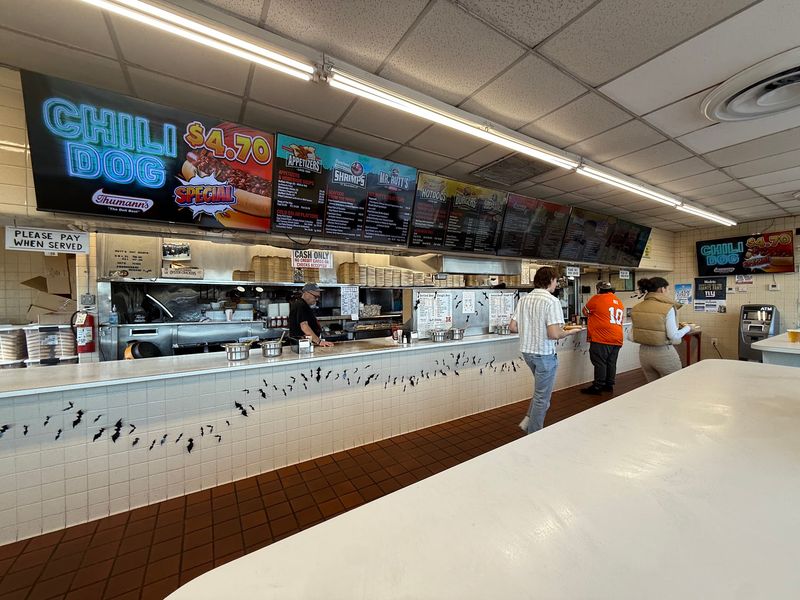
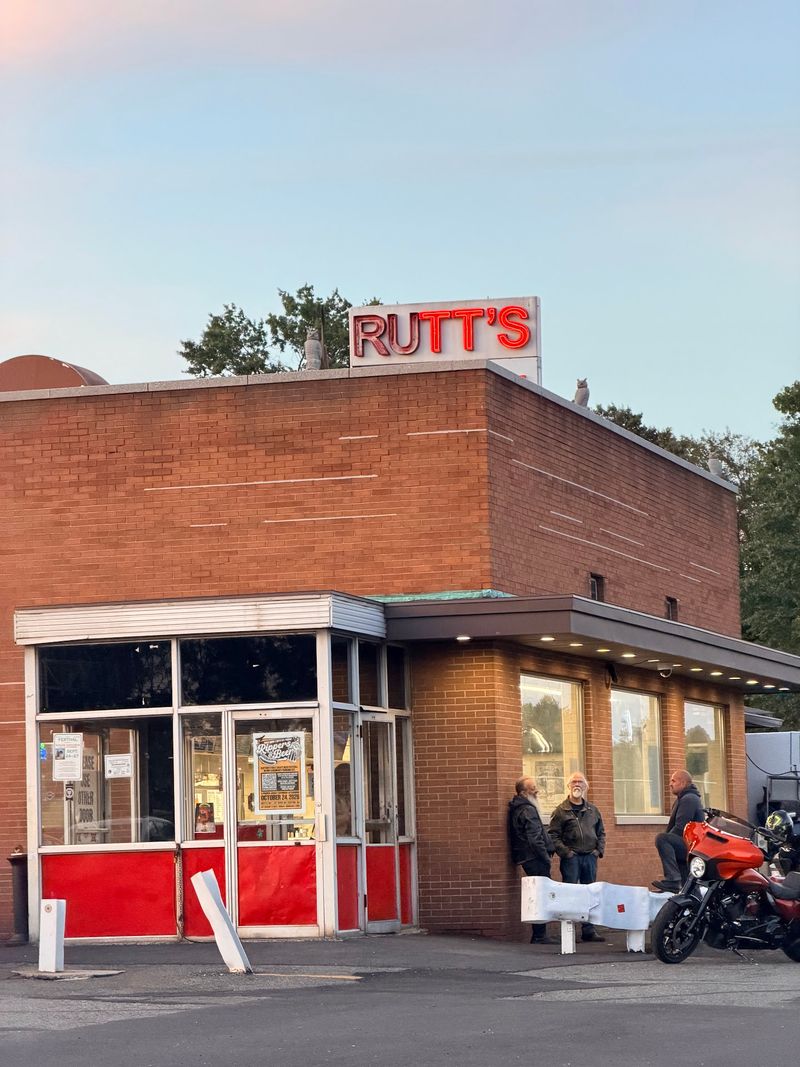
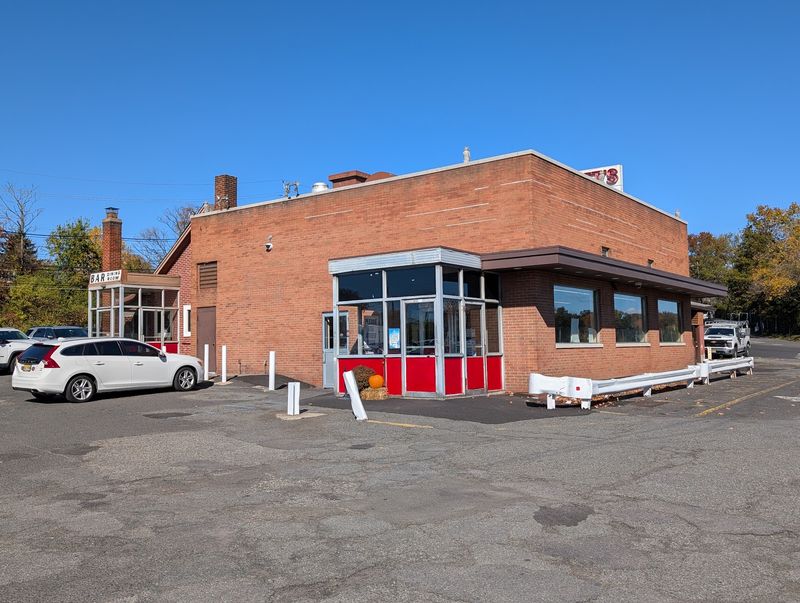
A hot dog order is the main reason to head to Rutt’s Hut, at 417 River Rd, Clifton, NJ 07014, United States. The restaurant is a long-running, no-frills institution built around deep-fried hot dogs rather than the grilled version many people expect.
Its walk-up counter gives the place a straightforward purpose: order a meal without turning the stop into a formal occasion. A separate dining area also allows for a more relaxed sit-down meal.
That choice matters for nearby residents and day-trippers alike. The same destination can work as a quick stop during an outing or as the main reason to leave home.
There is no need to dress up the basic idea with grand claims. A distinctive cooking method, a long history, and two ways to eat give this address enough substance to deserve a closer look.
The unusual nickname provides the next reason to pay attention.
A Tradition Dating to 1928
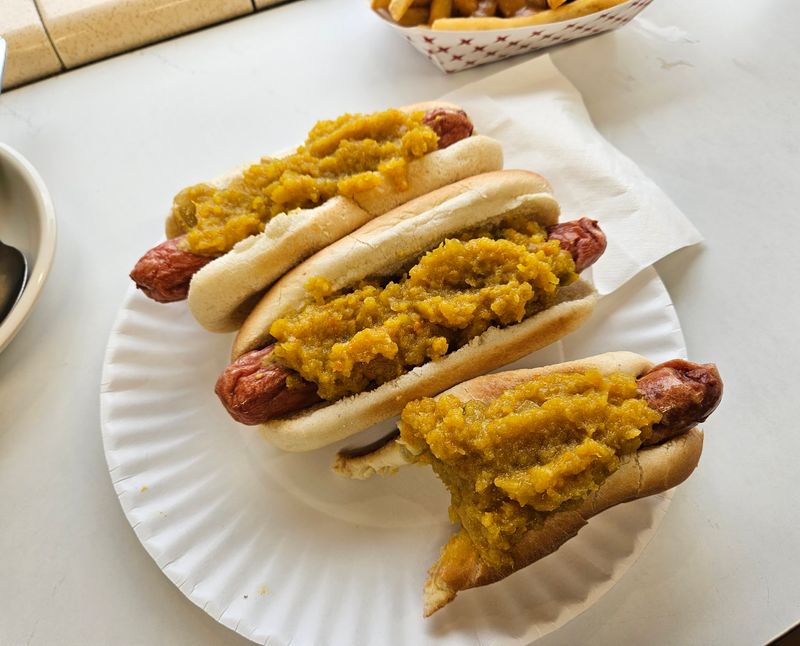
Since 1928, deep-fried hot dogs and relish have been part of this restaurant’s story. That date gives the stop historical weight without requiring a complicated explanation of why it matters.
A restaurant that has operated across generations becomes more than a place to settle lunch plans. It can also become part of the routines people remember from school years, family outings, and trips back home.
The supplied accounts describe exactly that kind of connection here, including return trips tied to childhood and college memories. Those recollections help explain the appeal of continuity without proving that every detail has remained unchanged.
Specific claims about famous guests or century-old fixtures would need stronger documentation than the available material provides. The established starting year is enough to make the point: this is a longstanding local institution whose signature order still gives newcomers a clear reason to stop, even without a personal connection.
The Split Behind the Name
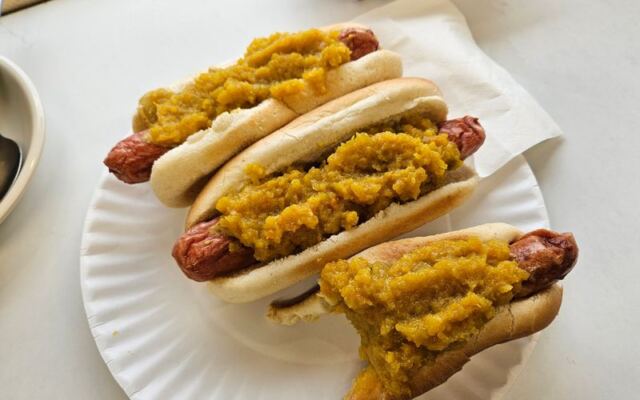
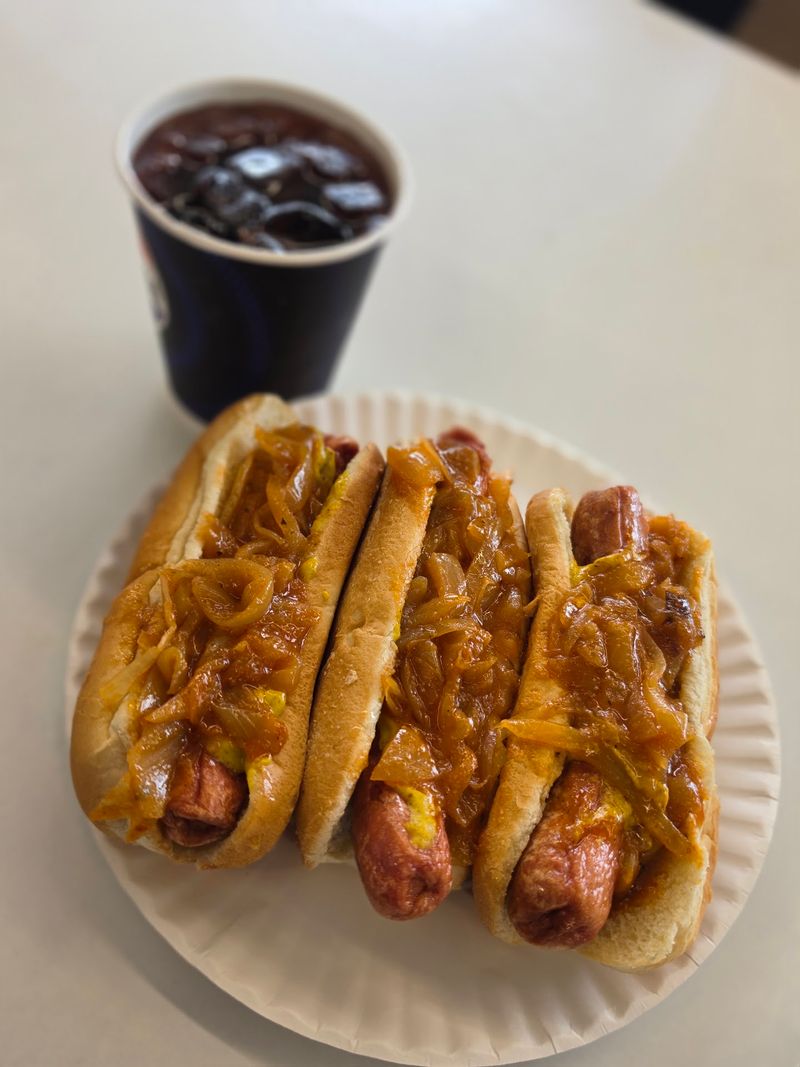
The nickname describes what happens during cooking, not a special topping or an oversized portion. These hot dogs are deep-fried until their casings crack and split, creating the feature that earns them the name rippers.
That distinction is the central fact to understand before ordering. A ripper is not simply a standard hot dog with a clever label attached to it.
The restaurant’s cooking method changes the casing itself, so the explanation is built into the finished order. Even a plain hot dog carries the defining feature, with no extra additions needed to make it count.
For a first visit, a plain order offers a direct way to understand the method before exploring toppings. The title’s promise has a simple answer: one bite introduces the result, while the fryer explains the name.
No elaborate backstory is necessary when the preparation already provides such a clear explanation of the restaurant’s signature item.
Homemade Relish in a Leading Role
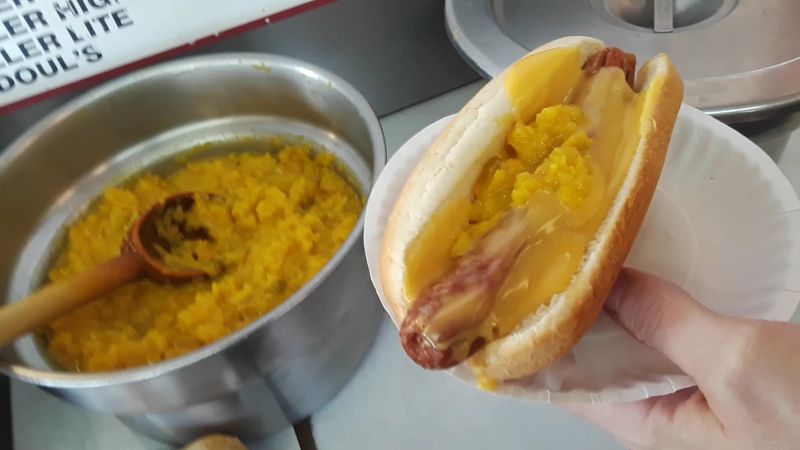
Relish gets unusually prominent attention at a restaurant whose headline attraction is a cooking method. The supplied information identifies homemade relish as a recurring part of the experience, often paired with mustard on the hot dogs.
Those additions give a first order another point of interest beyond the split casing. Rather than choosing several toppings immediately, a newcomer can start with the combination most closely associated with the place.
A plain ripper and one with relish and mustard would make a useful comparison. That approach separates the effect of the preparation from the role of the toppings without requiring a large order.
Personal preferences still apply, and the available accounts do not suggest universal agreement about the relish. Its importance is more specific: it repeatedly appears in descriptions of what makes an order here recognizable.
The hot dog explains the nickname, while this familiar pairing helps explain the restaurant’s broader identity.
Room for a Different Hot Dog Order
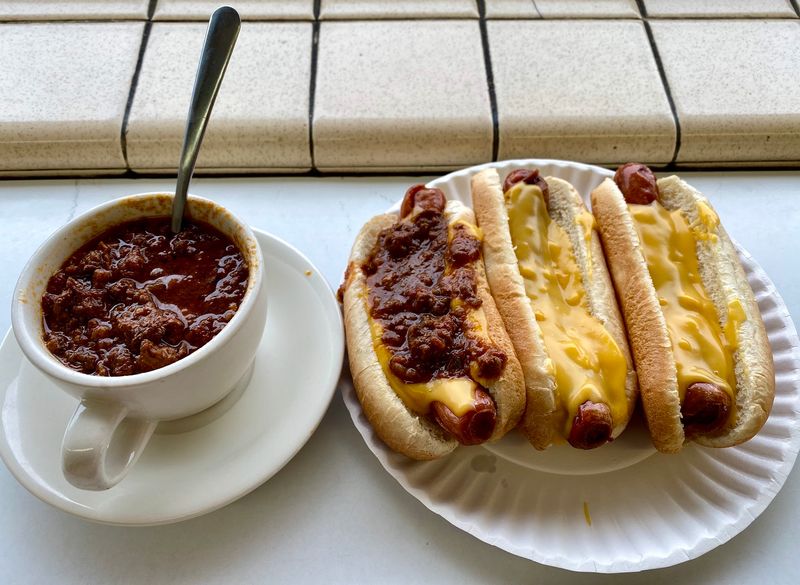
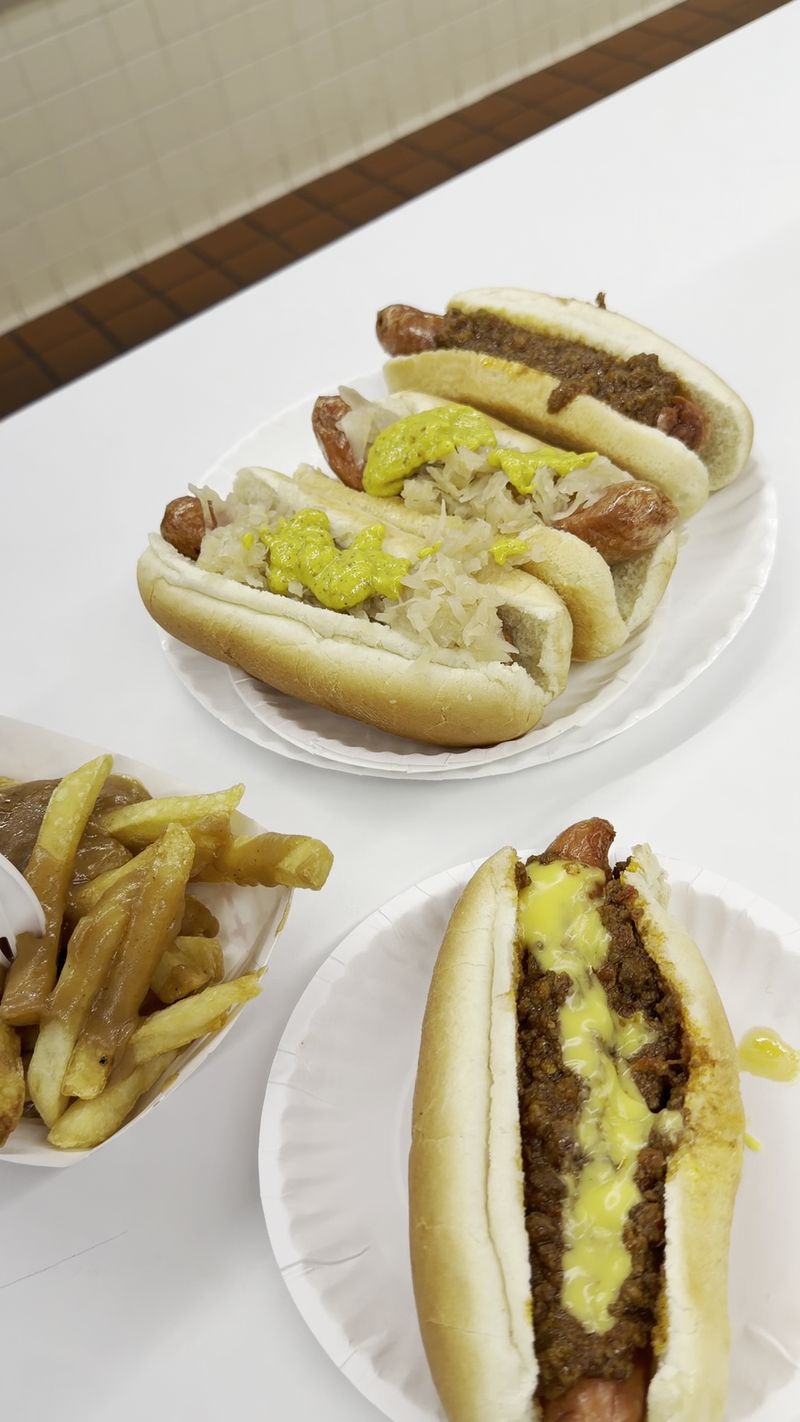
One signature preparation does not mean every order has to be identical. The supplied accounts describe hot dogs ordered plain, with cheese, with sauerkraut, and with several other toppings.
That flexibility gives repeat trips a purpose beyond repeating the exact same meal. The deep-fried hot dog remains the common starting point, while each person can decide how much to add.
For a group, different topping choices also keep the order personal without losing the restaurant’s central attraction. Someone interested mainly in the cooking method can stay with a plain version, while another person can build on it.
There is little reason to turn a first stop into an attempt to try every possible combination. Begin with an order that fits your appetite, ask about current choices, and leave room to decide what deserves another visit.
A focused first meal can explain more than an ambitious order that becomes difficult to compare.
Two Ways to Settle In
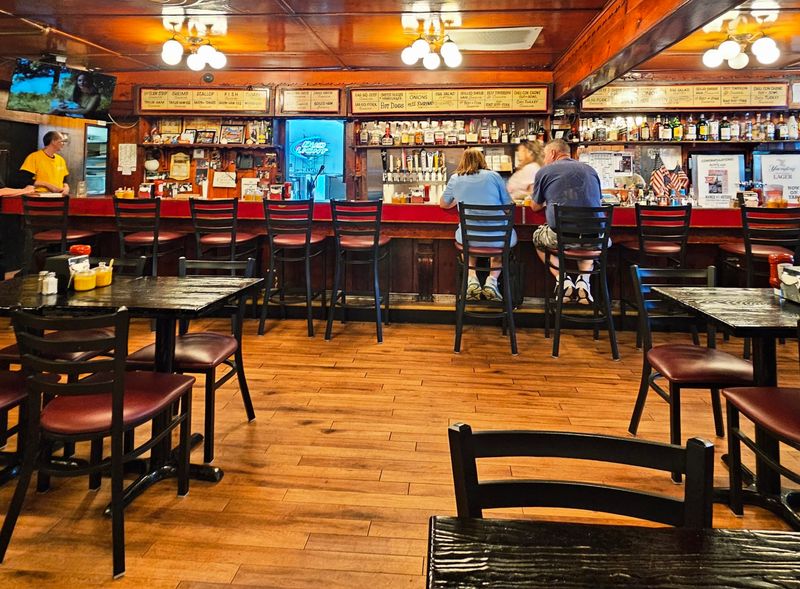
Lunch does not have to follow one fixed pace here. The restaurant has a counter option for a quick meal and a separate area for sit-down service.
That distinction is useful because descriptions of standing space and table service can otherwise seem contradictory. They refer to different parts of the same restaurant, not necessarily competing accounts of one room.
The counter suits a short stop or a takeout order. The dining side makes more sense when the meal itself is the outing and the group wants time at a table.
Choose the format before placing an order, especially on a first trip. A quick check with staff can clarify where to order and which area best matches the plan.
Neither approach needs to be treated as the correct way to experience the place. The important advantage is having a choice, so the restaurant can fit the time available rather than dictate it.
An Uncomplicated Setting for a Casual Meal
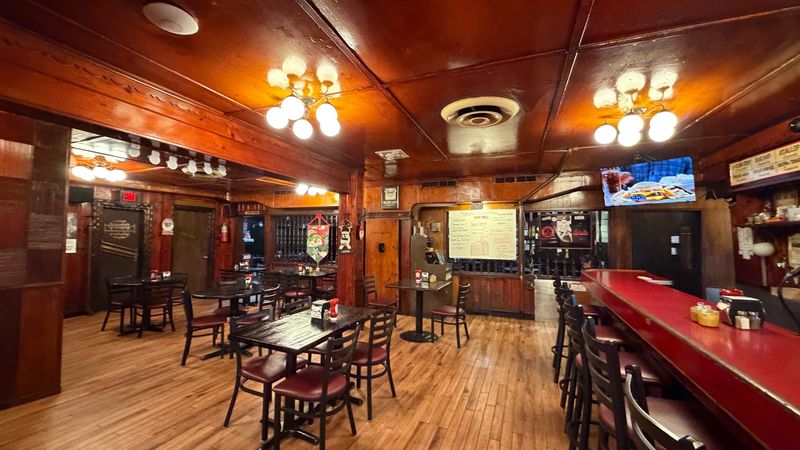
Formality is not the point of this stop. The available material consistently describes a no-frills setting, with an older dining area and an atmosphere connected to the restaurant’s long history.
That makes it a reasonable choice for people who want a casual meal rather than a carefully staged occasion. The appeal comes from the signature hot dogs and the established character of the place.
Some accounts also describe helpful assistance with first orders and larger takeout requests. Those examples suggest that asking a practical question is worthwhile, though they cannot guarantee the same pace or interaction on every trip.
Families, friends, and solo diners can choose the counter or seated format according to their plans. A mixed group should check the current menu rather than assume every dietary preference is covered.
The best expectation is straightforward: an established restaurant with a specific specialty, not a promise that every person will want the same experience.
Cash and a Realistic Meal Budget
Bring cash before making the trip. Cash-only payment appears repeatedly in the supplied information, making it one of the most useful details to know ahead of an order.
An ATM is mentioned in the available accounts, but arriving with enough money is the simpler plan. There is no need to make a meal depend on an extra transaction after reaching the counter.
The supplied listing places the restaurant in a $10 to $20 price range. Treat that as a general meal-budget guide rather than a guaranteed total for every combination.
A past account mentions a specific hot dog price, but that is not a current menu confirmation. Toppings, order size, and any additional purchases can change the amount needed.
Check the current menu before committing to a large group order. A little preparation keeps the practical side easy and leaves the decision where it belongs: how many hot dogs make sense for the occasion.
A Schedule With Evening Flexibility
Early opening and evening hours give the stop several possible places in a day’s plans. The supplied schedule lists 8 a.m. to 10 p.m.
Monday through Thursday and Sunday.
Friday and Saturday extend to 11 p.m., with the same 8 a.m. opening. Those later closing times offer flexibility, but they should not be taken as proof that every menu item is available throughout the day.
Before a special trip, confirm the schedule through the restaurant’s website, ruttshut.com. Posted hours can change, particularly around holidays or other exceptions.
Parking is mentioned positively in the supplied accounts, which makes a car trip a practical option to consider. That does not establish space availability at a particular time or guarantee an easy journey.
Use the street address in a navigation app and allow for actual traffic conditions. No reliable travel time, public transit route, or quieter arrival window is provided in the available information.
A Local Stop With a Clear Reason to Go
A strong reason to stop does not require calling something the best in the state. Here, the case rests on a documented history, a distinctive preparation, and a signature order that is easy to understand.
The available accounts include both enthusiastic responses and more reserved reactions. That range is a useful reminder that an established reputation does not replace personal preference.
For nearby residents, a first order can answer a question about a familiar local institution. For day-trippers, it makes most sense when deep-fried hot dogs are genuinely part of the appeal, rather than when a long journey needs an extraordinary result.
Keep the plan modest: bring cash, confirm the hours, choose a counter stop or a table, and start with the specialty. The rest can follow your appetite.
By the end of the meal, the nickname should no longer be a mystery. That simple discovery is enough to give an ordinary outing a memorable detail.
Share this story