Barcelona gets most of the spotlight, but Catalonia has much more to show. Roman ruins, medieval towns, volcano forests, mountain churches and rice fields are all waiting outside the capital.
Each place tells a different part of the Catalan story. Ready to see where the region really comes alive?
Girona
Two thousand years of history fit inside a center you can cross on foot before lunch. That is Girona, and it rewards slow wandering.
Start in El Call, the old Jewish quarter, where stone lanes twist between tall walls. The Museum of Jewish History explains how families lived here in the Middle Ages.
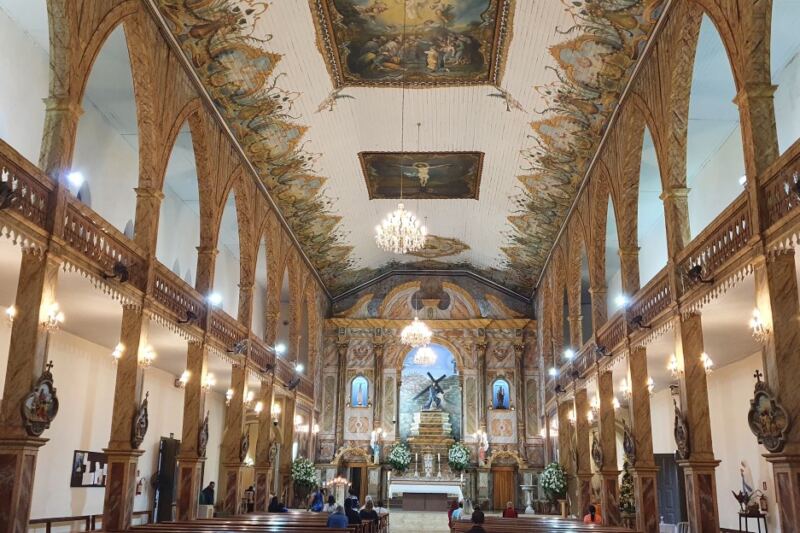
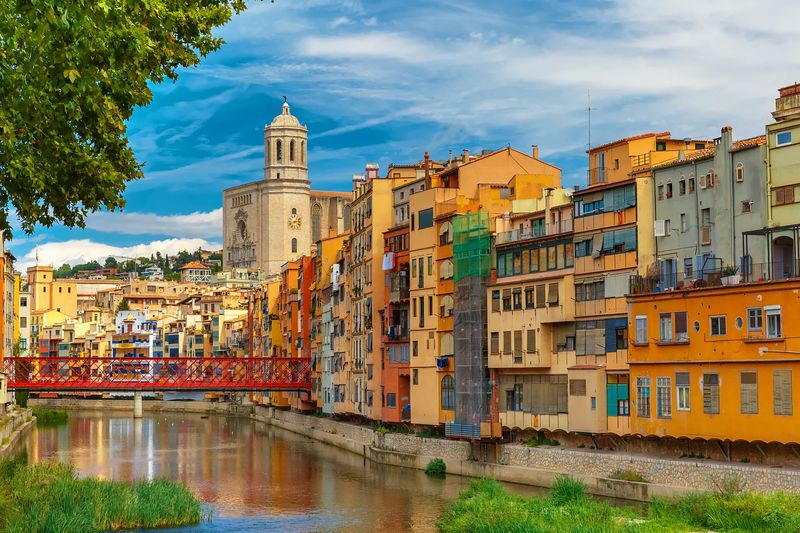
Stairs lead up to the Cathedral of Santa Maria, which towers over the skyline like it owns the place.
Next, walk along the old defensive walls. From the top, you get wide views across tiled roofs and church towers.
It is a free workout with a postcard finish.
Down by the Onyar River, painted houses lean over the water in shades of yellow, orange and red. Early morning is the best time for photos, before the crowds arrive.
Do not skip the Arab Baths or the old monastery of Sant Pere de Galligants either. Together they show Roman, Jewish and Christian layers of Catalan history in one tidy trip.
Wear comfortable shoes, because the cobblestones are charming but bumpy. Give Girona a full day if you can, and a night if you can manage it.
Tarragona
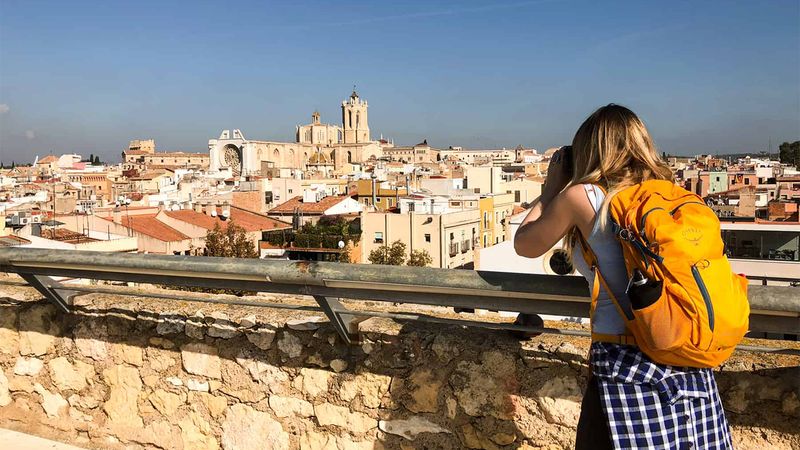
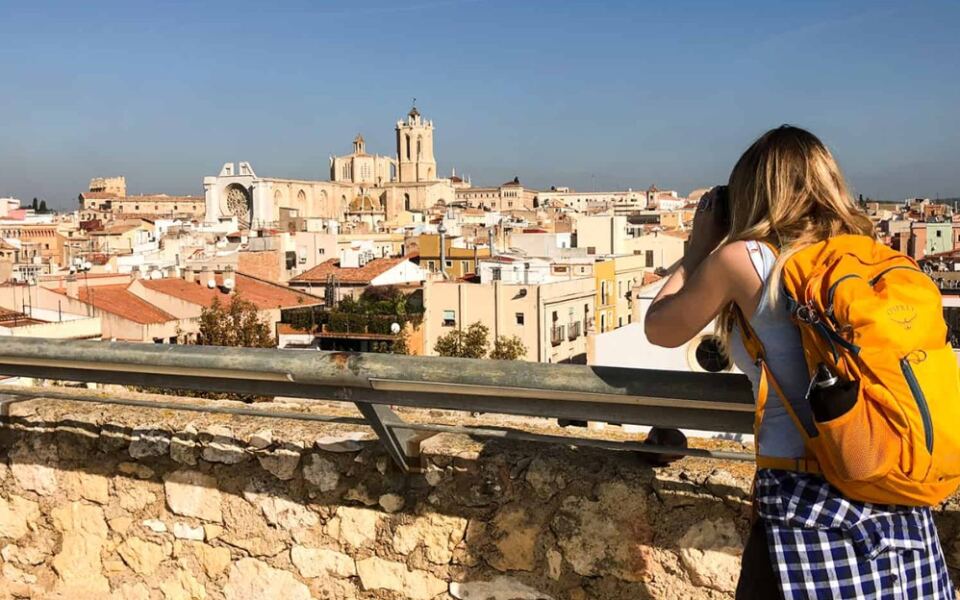
Few cities let you watch the sea from a Roman arena seat. Tarragona does, and the view is hard to forget.
Long ago, this was Tarraco, one of the key Roman cities in Spain. It served as capital of the province of Hispania Citerior.
UNESCO now protects its ancient ruins, and many of them sit right inside the modern town.
You can explore the Roman circus, stretches of the old walls and the Praetorian tower. The amphitheater is the star, perched just above the shoreline.
Picture gladiator crowds, then look up at the same blue water they saw.
What makes Tarragona special is how normal the ruins feel. Roman stones sit beside medieval streets, busy cafes and everyday neighborhoods.
You might sip a coffee next to a wall older than most countries.
Plan a morning for the ruins and an afternoon for strolling. Bring a hat in summer, since shade is rare at the archaeological sites.
A combined ticket often saves money if you want to see several monuments. Finish with a sunset walk by the water and you will understand why locals love this place.
Montserrat
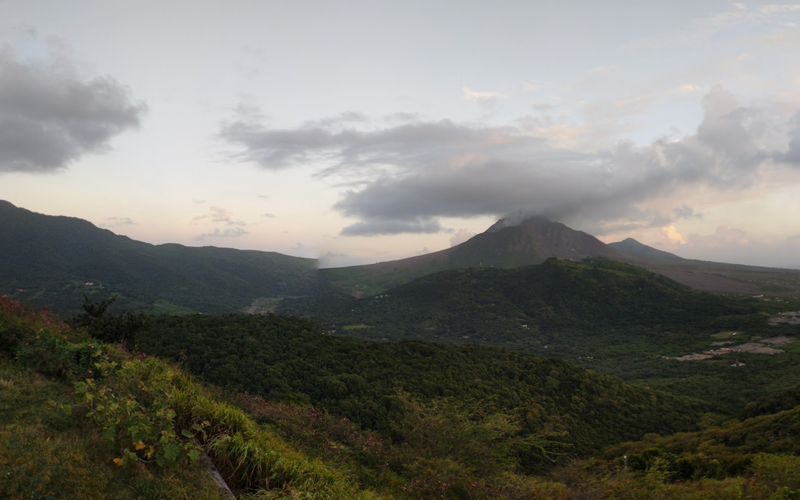
The mountain looks like a giant saw blade, and that is exactly what its name means. Montserrat rises from the plains with rounded rock towers that seem to belong in a fantasy movie.
Tucked into the cliffs sits a Benedictine monastery. Inside is La Moreneta, the Black Madonna, a statue that Catalans have honored for centuries.
Many visitors come for faith, and others come for the culture and the views.
The massif stretches about 10 kilometers, so there is plenty of room to roam. Hiking trails lead past the monastery to Sant Jeroni, the summit at around 1,236 meters.
The climb is steady, and the reward is a huge panorama.
You do not need a car to get here. Trains and cable connections carry you up from Barcelona, which keeps the day relaxed.
Arrive early to beat the lines, and pack water and a light jacket, since the peaks can be breezy. If you hear the boys choir sing, stop and listen.
It is a perfect mix of nature and heritage.
Cadaqués and Portlligat
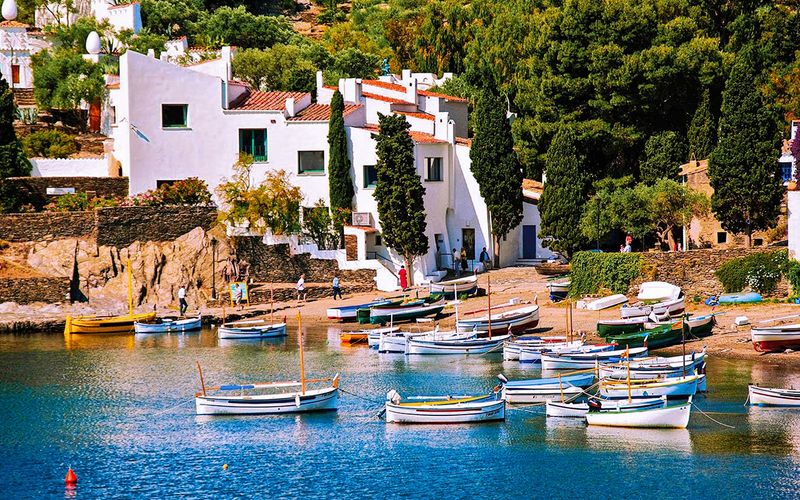
White walls, blue water and a tramontana wind that seems to have opinions. Welcome to Cadaqués, where Salvador Dalí found endless inspiration.
The town sits near the tip of the rugged Cap de Creus peninsula. Narrow streets slide down to a bay where fishing boats still bob.
Dalí said the surrounding Empordà landscape fed his imagination forever, and one afternoon here makes that easy to believe.
Just outside town, Portlligat holds his home and studio. He joined several fishermen’s houses together over many years, so the place feels like a quirky maze.
Book tickets in advance, because visits are limited.
Then head to Cap de Creus, the easternmost point of mainland Spain. Wind and waves have carved the rocks into odd shapes that look like sleeping animals.
Bring a windbreaker and sturdy shoes for the paths. Together, these spots blend fishing traditions, surreal art and wild coastline in a way you will not find anywhere else on the Costa Brava.
Figueres
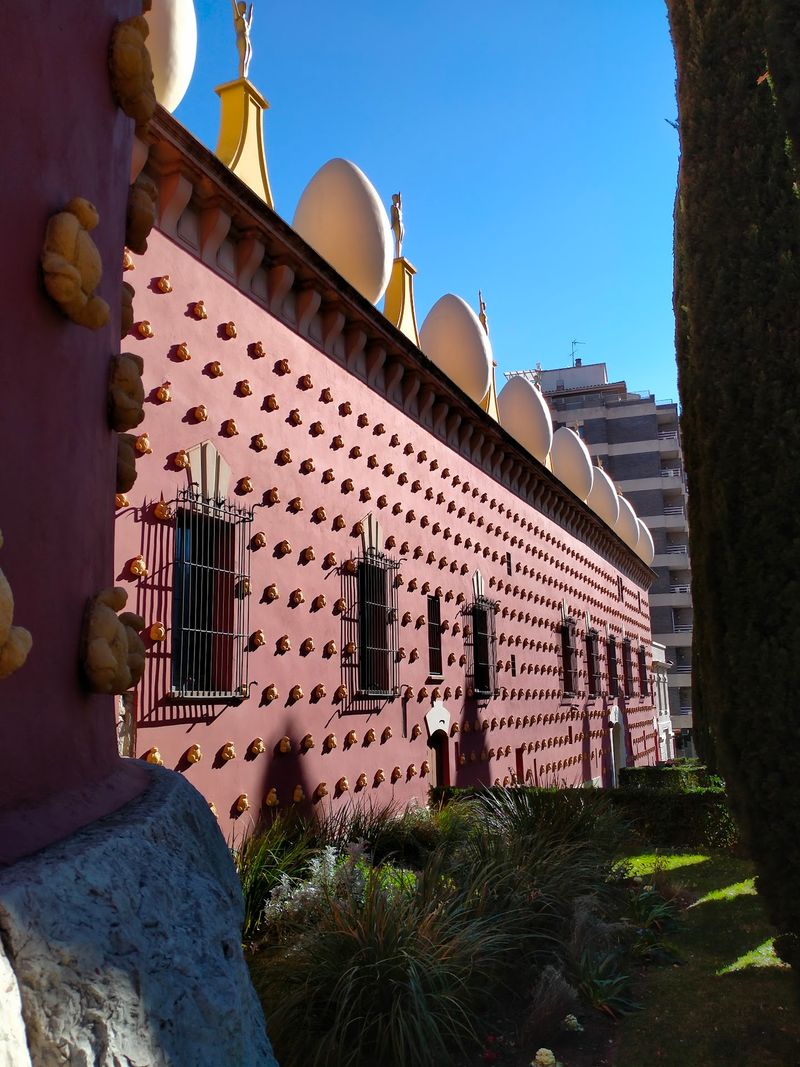
A building topped with giant eggs is not your usual museum. The Dalí Theatre-Museum in Figueres is proudly strange, and that is the point.
Salvador Dalí was born here in 1904. Later he turned the town’s old municipal theater into his own creation, which opened in 1974.
He planned and designed it himself, so every room feels like a walk through his mind.
Inside, you will find early paintings, Surrealist works and later experiments. The Mae West room turns a face into a living room, and the Rainy Cadillac makes it rain inside a car.
Both were made just for this building.
Figueres offers more than Dalí, though. You can see his birthplace, and the huge Sant Ferran fortress sits on the edge of town.
It is one of the largest in Europe.
Buy tickets online to skip the queues, and allow at least two hours. Figueres is also one corner of the Dalí Triangle, along with Portlligat and Púbol, so it makes a fun starting point for a themed trip.
Besalú
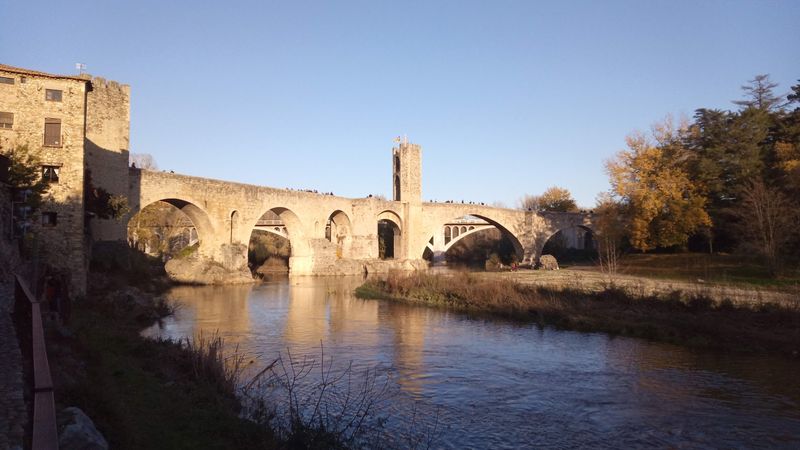
You cross a fortified stone bridge, and suddenly it feels like the year 1200. Besalú does medieval better than almost anywhere in Catalonia.
The Romanesque bridge spans the Fluvià River and leads into a tiny historic center. Stone lanes, old churches and former monastery buildings are packed into a few blocks.
You can see everything in an easy afternoon.
The town’s Jewish heritage is a highlight. In 1264, King Jaume I allowed the Jewish community to build its own places of worship.
Today you can visit a mikvah, a ritual bath used in Jewish religious practice, and it is one of the rare ones left in the region.
Wander the streets of the old Jewish quarter and peek into the monastery of Sant Pere. Everything is close together, so it is easy to explore on foot.
Visit on a weekday if you can, as weekends get busy. Besalú proves that history does not need a big city to feel alive.
La Garrotxa Volcanic Zone
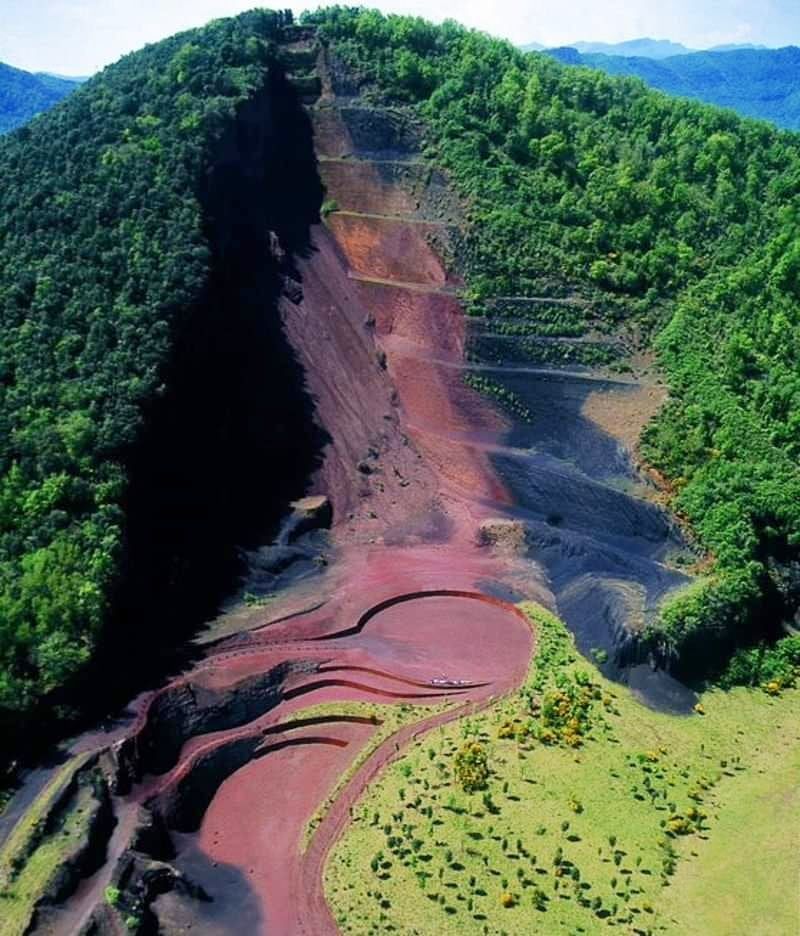
Yes, Catalonia has volcanoes. Thirty-eight of them, in fact, and they are all sleeping peacefully in La Garrotxa.
The natural park protects those cones along with more than 20 basaltic lava flows. The eruptions ended long ago, but the land still shows their mark in its soil, shape and plants.
Green hills now cover what was once fire.
The oddest spot is Fageda d’en Jordà, a beech forest growing on top of a lava flow from the Croscat volcano. In autumn, the leaves turn gold and the whole place glows.
It is a favorite for photographers.
Nearby, Santa Margarida sits inside a wide crater. A small Romanesque hermitage stands in the middle, which feels almost like a secret.
Trails link forests, old farm fields and volcanic cones, and many are easy enough for families. Bring good walking shoes and a picnic.
La Garrotxa shows how country life in Catalonia grew up around a landscape shaped by geology.
Vall de Boí
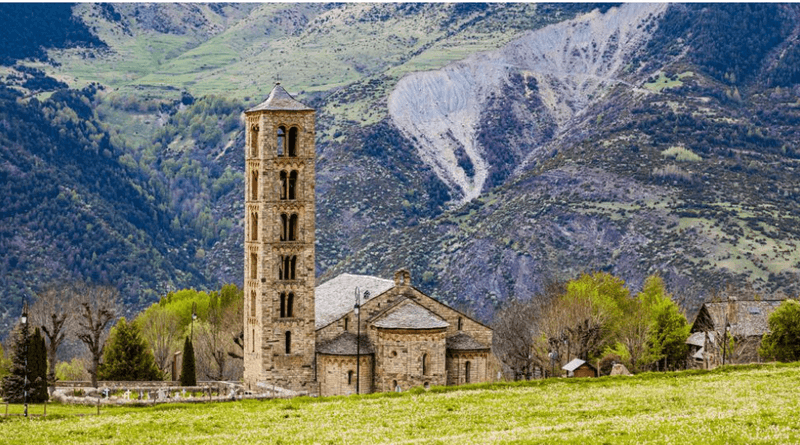
Nine churches, one valley and bell towers that poke into the Pyrenean sky. Vall de Boí packs more Romanesque beauty into a small space than almost anywhere in Europe.
Most of the churches were built in the 11th and 12th centuries. UNESCO recognizes them, including Sant Climent and Santa Maria de Taüll, Sant Joan de Boí and Santa Eulàlia d’Erill la Vall.
Their stone walls and slim Lombard-style towers have a simple, sturdy charm.
At Sant Climent de Taüll, projections light up the apse to show how the painted walls once looked. The original paintings are kept in the National Art Museum of Catalonia in Barcelona.
The show is short but memorable.
The villages around the churches keep a quiet mountain feel. Stone houses, shepherds’ paths and fresh air set the mood.
Plan to stay a night or two, since the valley is a long drive from the coast. Pack layers, because mornings are cool even in summer.
Bring curiosity, too, and enjoy the slow pace.
Priorat
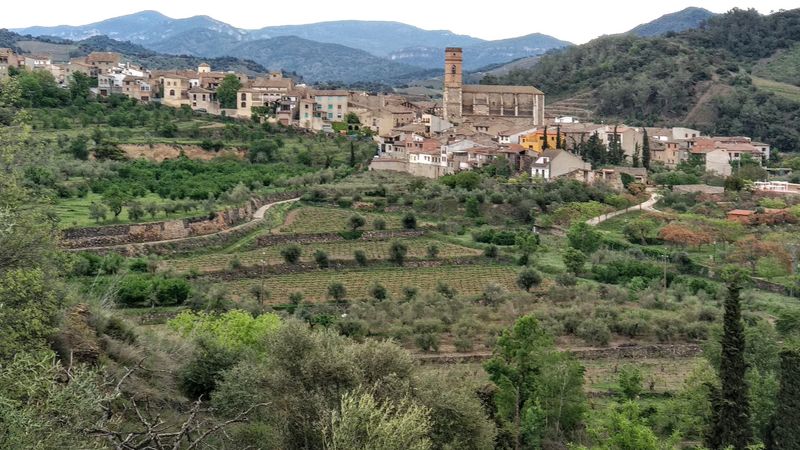
Here the vines grow in rock, and the wine tastes like it. Priorat is steep, dry and beautifully stubborn.
The secret is llicorella, a dark slate soil that glitters in the sun. Vines push their roots deep to find water, which gives the grapes a strong, mineral flavor.
Carthusian monks at Escaladei helped expand winemaking here starting in the 13th century.
Today DOQ Priorat is one of Catalonia’s most respected wine labels. Garnacha and Cariñena are the grapes to look for.
Many wineries welcome visitors, but book tastings ahead of time.
There is plenty to enjoy beyond the cellar. Narrow roads wind through terraced vineyards, rocky ridges and small villages.
Each one shows how hard generations of farmers worked on these slopes.
Drive carefully, because the bends are tight and the views are distracting. Name a designated driver before you go.
Sip slowly, look around, and you will see that wine here grows out of the land itself.
Pals and Peratallada
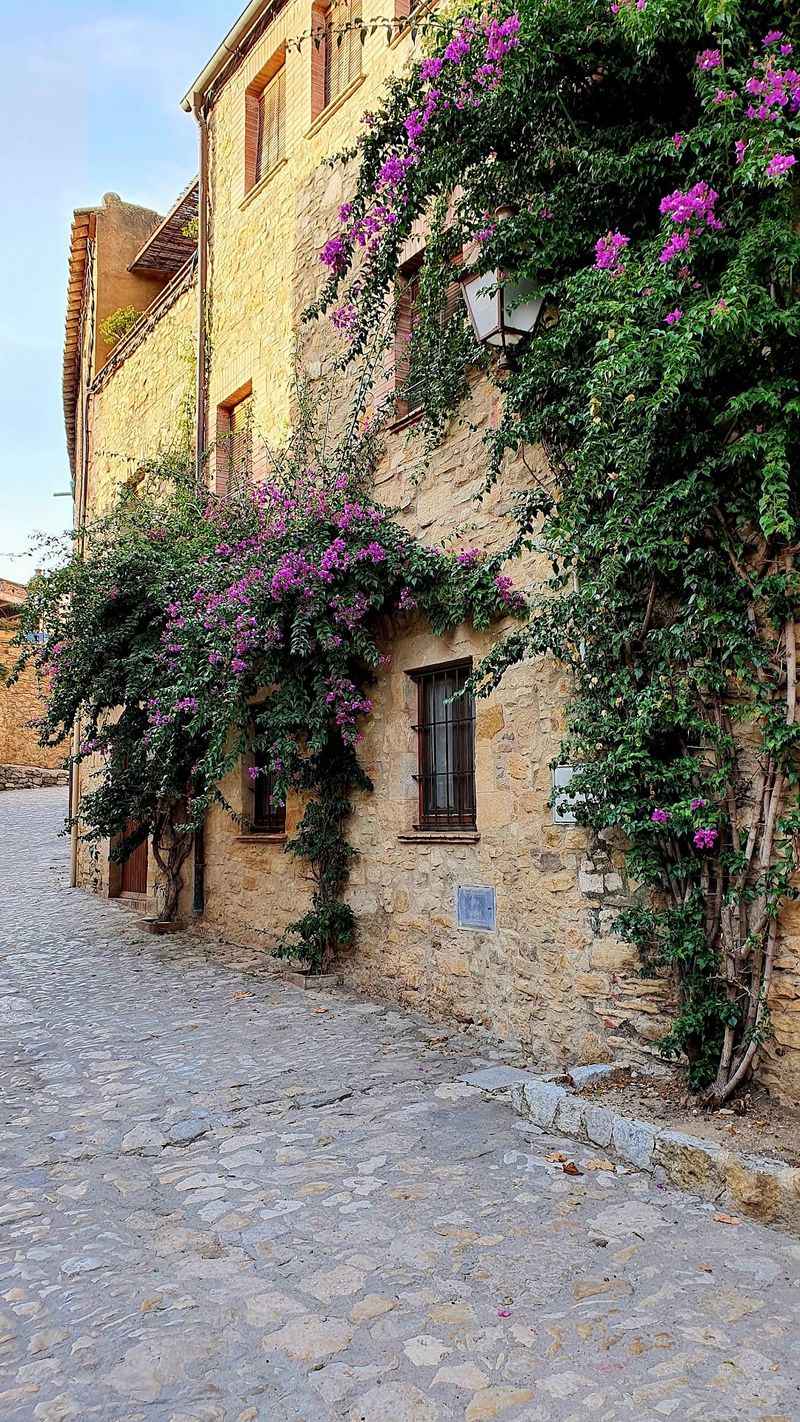
Only a short drive from the beach crowds, time slows to a crawl. Pals and Peratallada feel like another century.
Pals has a restored Gothic center called El Pedró. Cobbled lanes, parts of the old walls and a lookout tower fill the hilltop.
From there, you can gaze over rice fields toward the Medes Islands.
Peratallada is built from golden local stone, the same rock it sits upon. Fortified gates and tight streets give it a castle-like mood.
Many buildings now hold small restaurants and shops.
Nearby you can add Ullastret, with its ancient archaeological remains, and La Bisbal d’Empordà, still known for pottery. Pick up a handmade bowl as a souvenir.
Visit in the morning or late afternoon for softer light and fewer people. A car makes the trip much easier.
Seeing these villages together shows that the Costa Brava is about farms, crafts and history as much as sand.
Calella de Palafrugell
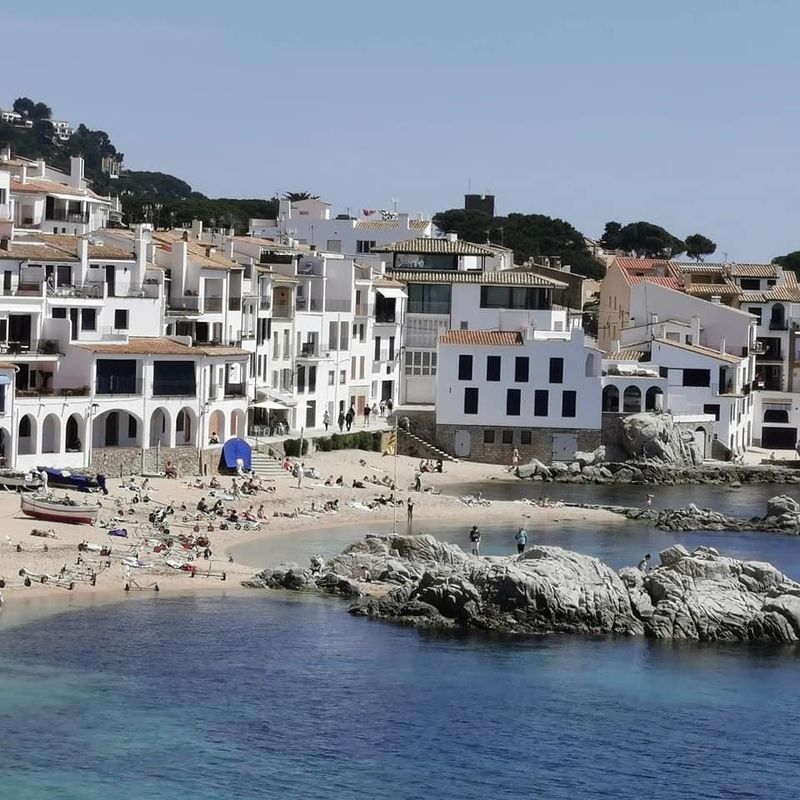
Listen closely and you might hear a havanera drifting over the water. Calella de Palafrugell still sounds like old Costa Brava.
Whitewashed houses face small rocky coves, and there is no wall of tall hotels in sight. The town is part of Catalonia’s Charming Villages list, and it is easy to see why.
Fishing boats rest on the sand like they never left.
Writer Josep Pla spent childhood summers here, and his love for the place shows in his books. Havaneres, songs shaped by Catalonia’s links with Cuba and the Caribbean, are still part of local life.
Summer concerts bring them to the beach.
For a good walk, follow the Camí de Ronda, the coastal path. It leads toward Llafranc and Palamós past cliffs, tiny beaches and old fishing hamlets.
Pack water and swimwear, since the coves tempt you to jump in.
Go in late spring or early autumn for calm streets and warm sea breezes.
Vic
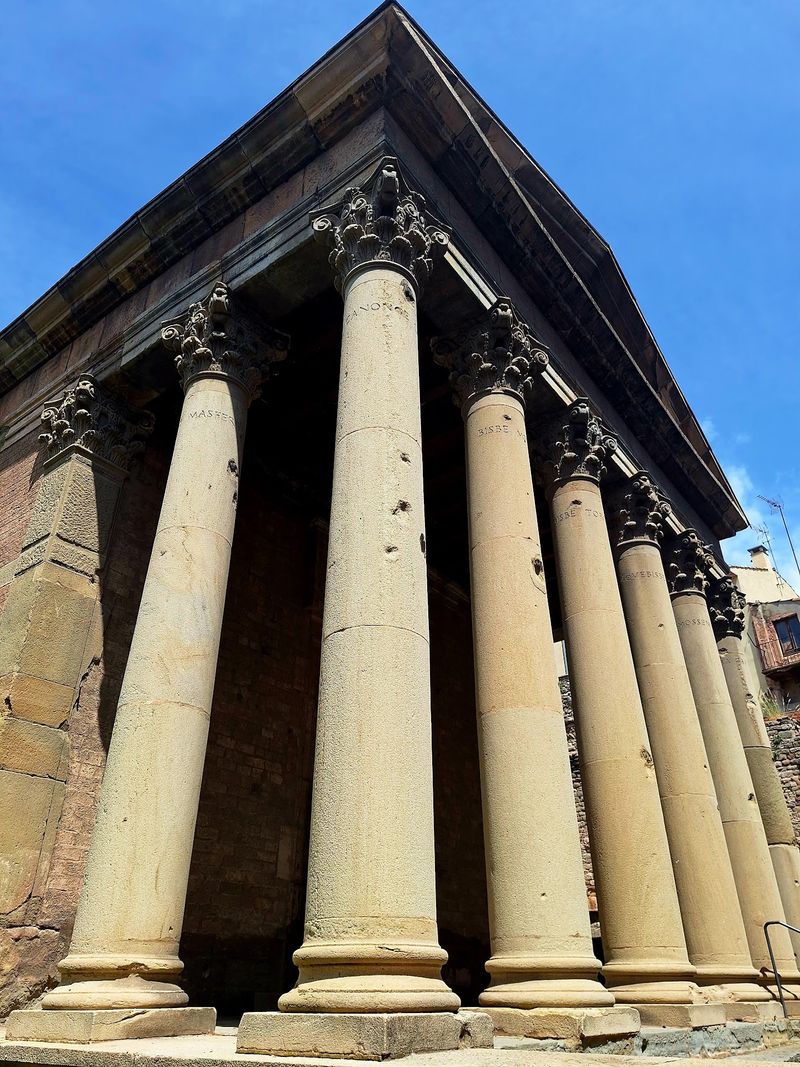
Locals in Vic will tell you the sausage is serious business. This inland city lives for good food and old stones.
Its historic center spreads around a large arcaded square that still hosts markets and gatherings. The Osona region around it is farm country, famous for cured meats.
Try fuet, a thin dry sausage, and you will see what the fuss is about.
The city’s past goes back to Roman Ausa. Its biggest surprise is a second-century Roman temple that stayed hidden for centuries inside Montcada Castle.
It only appeared in 1882, when the castle was torn down.
Medieval streets, quiet churches and busy market stalls make Vic feel real rather than polished for tourists. Saturday market day is the liveliest time to visit.
Bring an empty bag for snacks, and leave room for lunch. Vic is a great counterpoint to the beach towns, and a fine way to meet central Catalonia.
Sitges
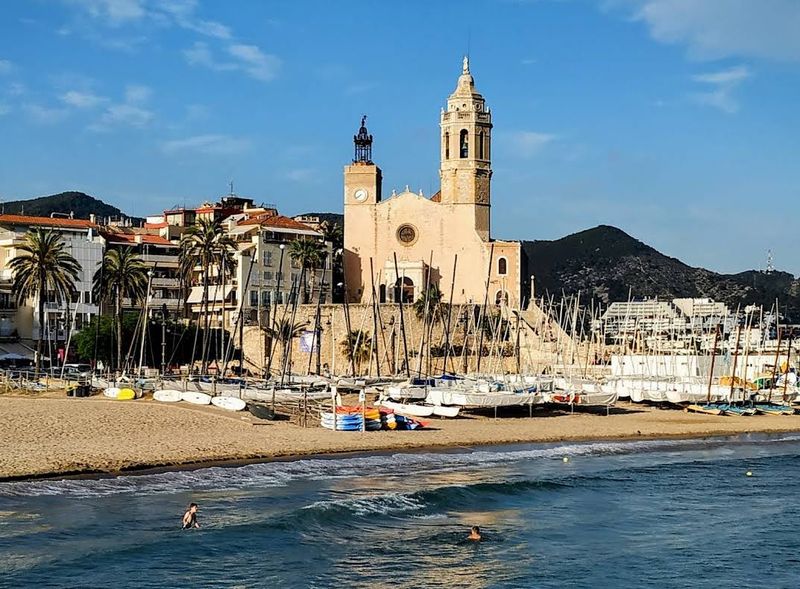
Art lovers and beachgoers both claim Sitges, and both are right. This seaside town has a creative streak that runs deep.
Around 1900, painter and writer Santiago Rusiñol made his home and studio at Cau Ferrat. He helped turn Sitges into a hub of Catalan Modernisme.
The house is now a museum packed with art and curiosities.
Nearby, the Maricel museum shows collections from medieval pieces to modern paintings and sculpture. Around town, you will spot grand villas built by Catalans who made fortunes in the Americas and came home to show them off.
Then there is Carnival, a loud, glittery celebration that adds another layer to local identity. Plan ahead if you want a hotel room that week.
The train from Barcelona takes under an hour, so a day trip is simple. Still, Sitges has enough art, architecture and sea history to deserve a longer stay.
Walk the promenade at sunset for the best view of the church on the point.
Tortosa
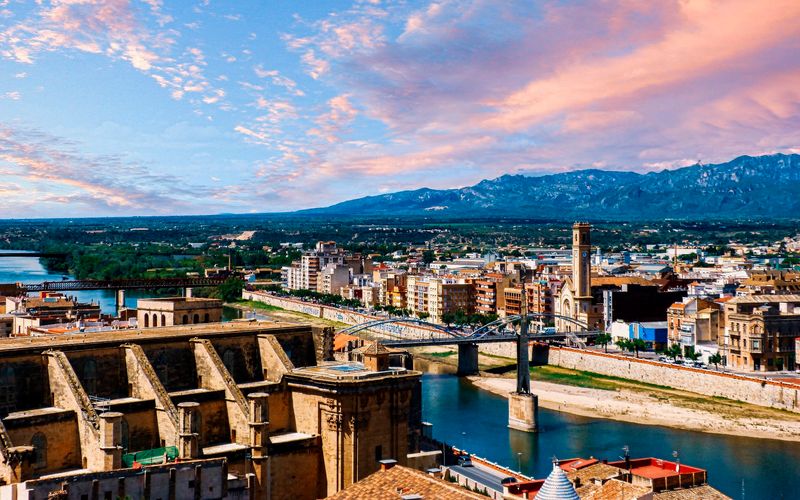
Three cultures, one river and a castle on the hill. Tortosa has been a crossroads for centuries.
The Ebro River made the city a strategic prize for Islamic, Jewish and Christian rulers. Each left a mark.
Today you can visit the Cathedral of Santa Maria, the hilltop Suda castle, medieval fortifications and the old Remolins Jewish quarter.
The biggest surprise is Renaissance architecture. The Royal Colleges of Sant Lluís and Sant Domènec are highlights of the city’s yearly Renaissance Festival.
During the event, people dress in 16th-century costumes, and trades, shows and street events fill the old town.
Tortosa also sits between mountains and the delta wetlands. That gives the area a very different feel from Barcelona’s surroundings, with a slower pace and a strong river culture.
Climb up to the castle for an easy view over the whole valley. Visit during the festival if you like crowds and costumes, or skip it for quiet streets.
Ebro Delta
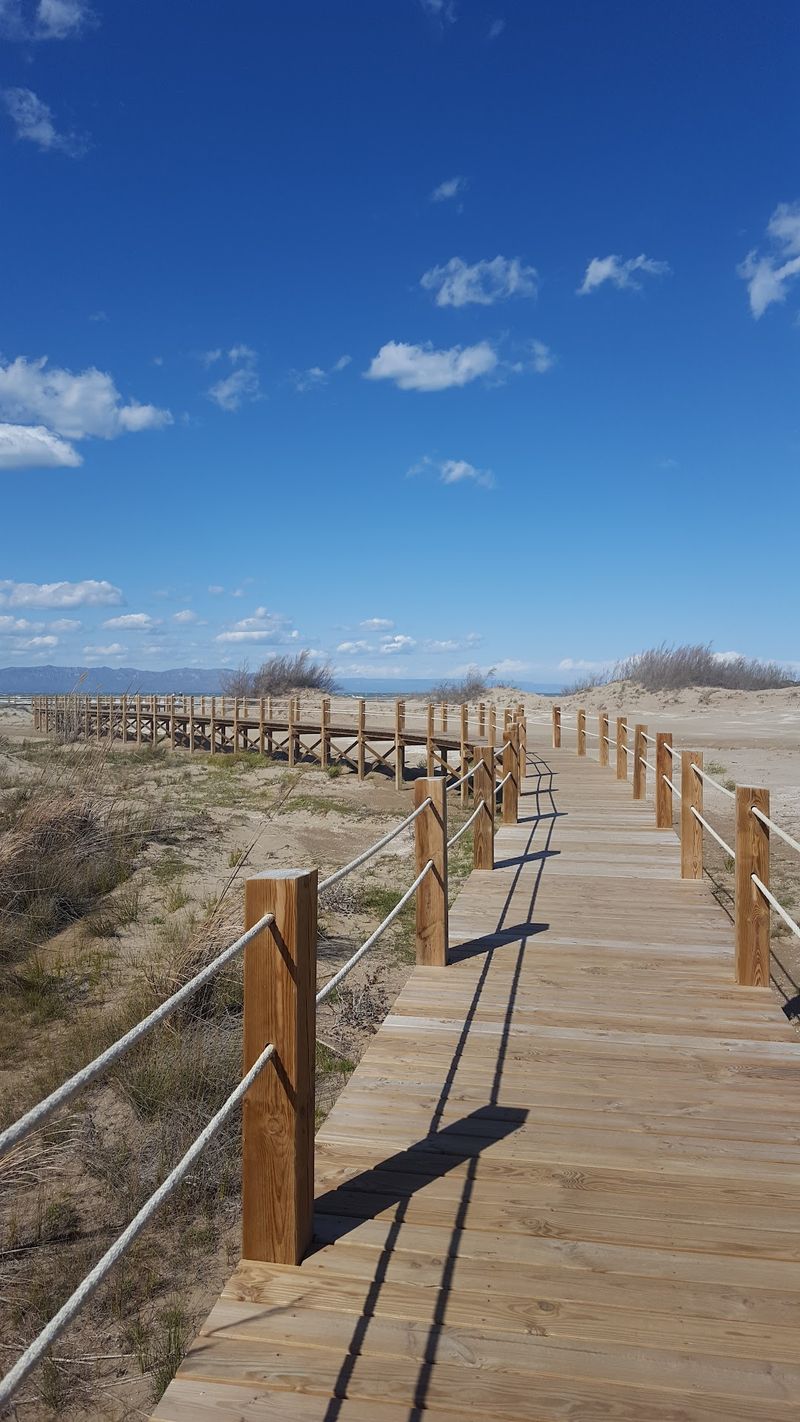
Flat land, huge sky and a flock of pink flamingos. The Ebro Delta is Catalonia at its most surprising.
At the southern edge of the region, the river spreads out into lagoons, dunes, salt marshes, rice fields and shallow bays. The delta covers around 320 square kilometers.
It is Catalonia’s largest wetland, according to the regional natural parks authority.
People and nature share the space here. Farmers grow rice, fishers work the waters and shellfish are raised in the bays.
Birds love it too, and flamingos can be spotted all year.
Rent a bike, since the terrain is flat and the paths are easy. La Tancada lagoon and the Fangar Peninsula offer especially striking views.
Bring binoculars and bug spray, because mosquitoes enjoy the wetlands as much as the birds do.
Try a local rice dish before you leave. The delta proves that Catalan identity is not only castles and mountain villages, but also hardworking wetland communities.
Share this story