In 1951, most Americans still bought music on heavy 78 RPM records, and jukeboxes decided which songs got heard in diners and drugstores. Television was spreading fast, but radio and record shops still ruled what people talked about.
That year sat right before rock and roll had a name, yet many of its building blocks were already showing up on the charts. A broken amplifier in Memphis, a guitarist stacking his own recordings in a home studio, and a young singer who openly wept on stage all changed what audiences expected from a hit.
Country, blues, pop, and rhythm and blues were sold on separate charts in 1951, and listeners rarely crossed those lines. A few songs broke through anyway, and record companies took notice.
Teenagers also started spending real money on records, which shifted how labels picked songs and singers. The tracks ahead cover lush ballads, rowdy jump blues, heartbroken country, and clever studio experiments.
Each one shows a different side of what felt fresh and stylish at the start of the decade. Keep reading to learn who made these records, how they climbed the charts, and why music fans still talk about them more than seventy years later.
1. Rocket 88 by Jackie Brenston and His Delta Cats
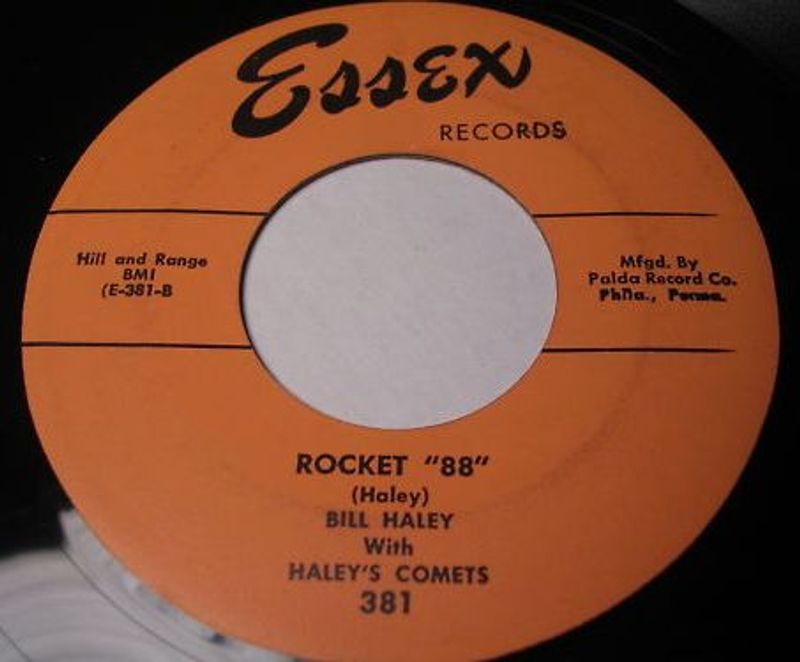
A busted amplifier might be the luckiest accident in music history. On the drive to Memphis in March 1951, the band’s guitar amp got damaged, and the patched-up speaker produced a fuzzy, distorted tone.
Producer Sam Phillips decided to keep it. That gritty sound became part of the song’s identity.
The record was credited to Jackie Brenston and His Delta Cats, but the players were actually Ike Turner and his Kings of Rhythm. Brenston, the band’s saxophonist, handled lead vocals.
The lyrics praise the Oldsmobile Rocket 88, a fast new car that young drivers admired. Chess Records released the single, and it reached number one on the Billboard R&B chart.
Many historians call it one of the first rock and roll records. It later entered the Blues Hall of Fame in 1991 and the Rock and Roll Hall of Fame in 2018.
2. How High the Moon by Les Paul and Mary Ford
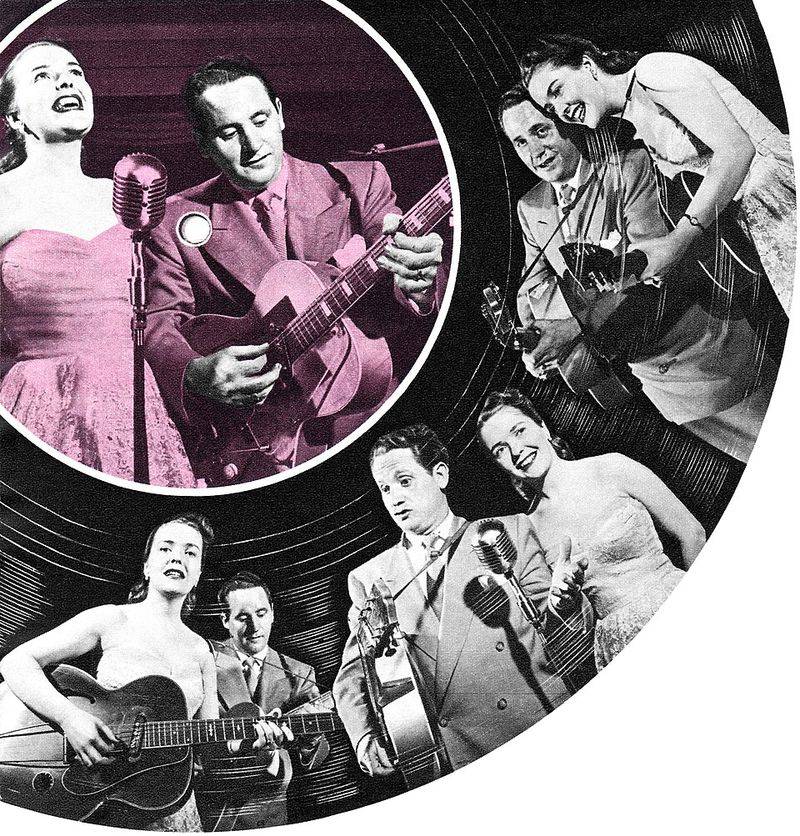
Long before laptops could layer a dozen tracks, Les Paul was doing it with tape machines in his house. His method, called overdubbing, let him record one part and then add more on top.
On “How High the Moon,” he stacked guitar after guitar. Mary Ford, his wife, sang harmony parts with herself.
The duo recorded it on January 4, 1951. Columbia’s rival, Capitol Records, released it on March 26.
The song was an older jazz standard by Morgan Lewis and Nancy Hamilton. Les Paul and Mary Ford turned it into something that sounded nothing like a typical band.
It held the number one spot on the Billboard chart for nine weeks. It even reached number two on an R&B jukebox chart, which was rare for a pop duo.
The Grammy Hall of Fame added it in 1979. Modern recording owes a lot to this experiment.
3. Sixty Minute Man by The Dominoes
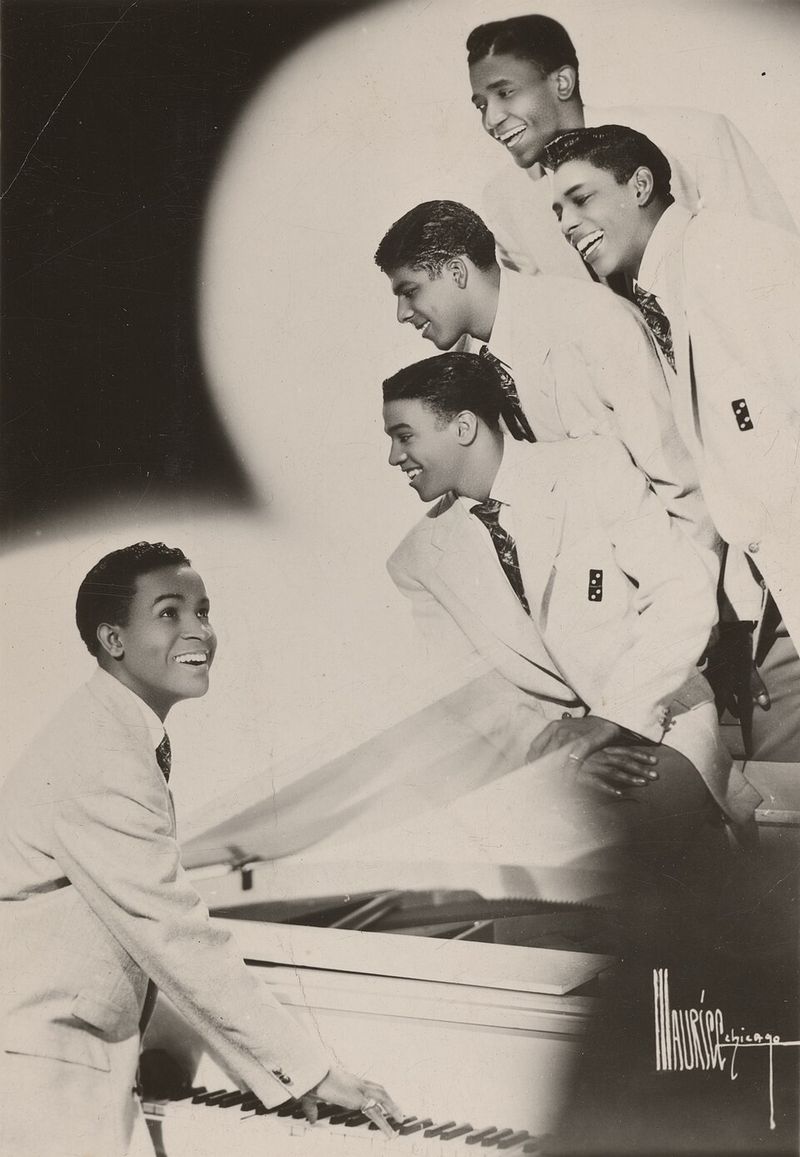
Parents in 1951 were not thrilled about this one, and that was part of the appeal. The Dominoes released “Sixty Minute Man” in May, and its cheeky lyrics pushed the limits of what radio usually allowed.
Bass singer Bill Brown took the lead, which was unusual. Most groups gave the spotlight to a high tenor.
Clyde McPhatter added falsetto touches in the background. He later became a star with The Drifters.
The song was written by group leader Billy Ward and Rose Marks. It blended gospel-style harmony with a bouncy blues beat.
Here is the big number: fourteen straight weeks at number one on the Billboard R&B chart. It also climbed to number 17 on the pop chart.
That crossover proved white teenagers would buy R&B records. Labels took notes, and the path to rock and roll got a little wider.
4. Cold, Cold Heart by Hank Williams
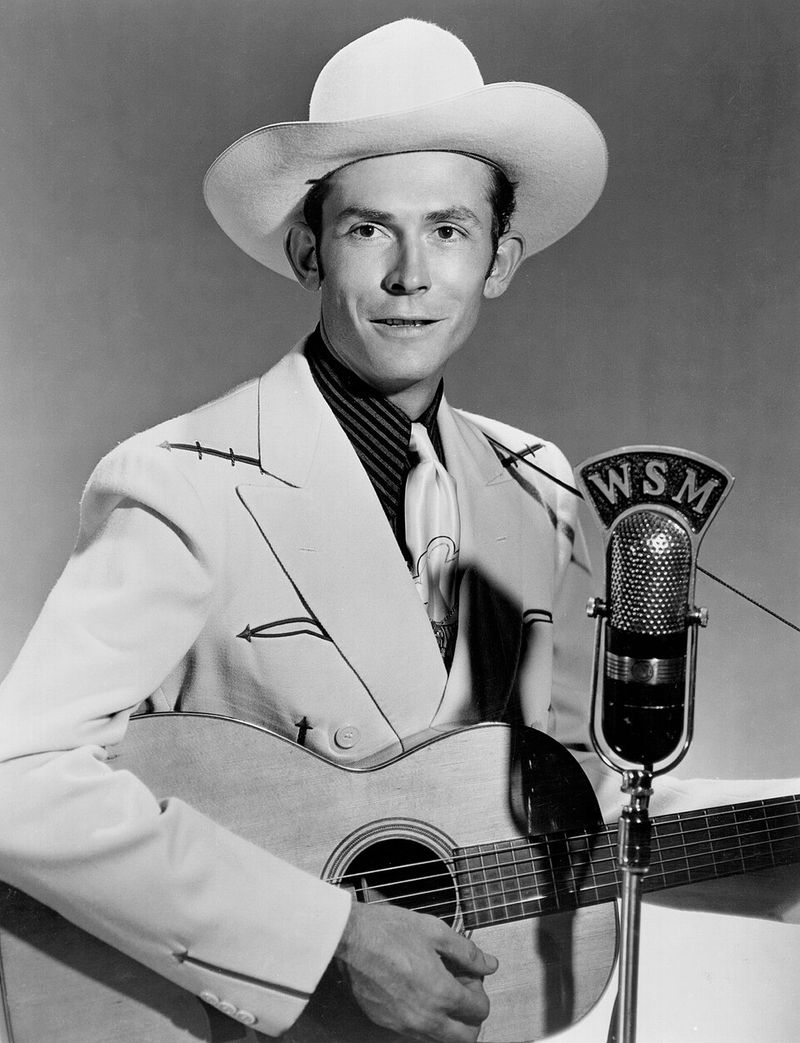
Heartbreak has rarely sold so well in two different genres at once. Hank Williams released “Cold, Cold Heart” on February 2, 1951, and it shot to number one on the country charts.
The song tells of trying to love someone who stays guarded because of past hurts. Many fans connect it to his rocky marriage with Audrey Williams.
Then something surprising happened. Tony Bennett, a pop crooner from New York, recorded his own version later that year.
Bennett’s smooth orchestral take also hit number one, this time on the Billboard pop chart. Suddenly, city listeners who never tuned into country radio knew a Hank Williams song.
That swap mattered. It showed that a well-written country tune could cross into mainstream pop.
Williams wrote with simple words and plain feelings. That straightforward style is a big reason songwriters still study his work today.
5. Dust My Broom by Elmore James
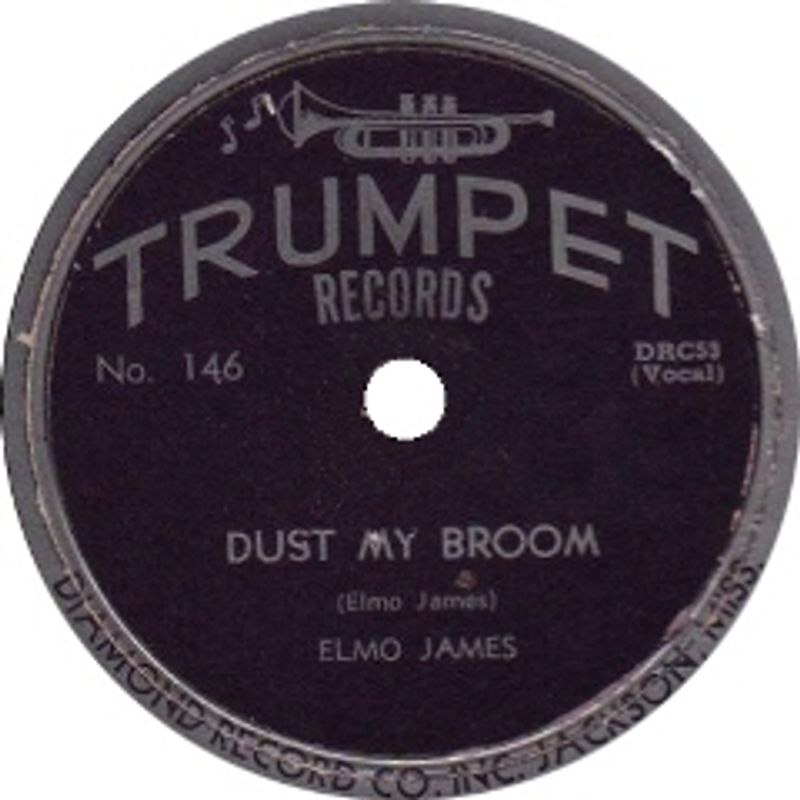
One guitar riff from a radio repair shop in Mississippi went on to shape decades of blues and rock. Elmore James recorded “Dust My Broom” in August 1951 at Ivan Scott’s Radio Service Studio in Jackson.
The song came from Robert Johnson, who recorded a version in the 1930s. James took Johnson’s quick triplet pattern and played it with an electric slide guitar.
The result was louder and rougher than older country blues. Sonny Boy Williamson II joined in on harmonica.
The single was released by Trumpet Records. It took time to spread, reaching number nine on the Billboard R&B chart in April 1952.
Guitar players still learn that opening riff as a rite of passage. You can hear its echo in work by later electric blues players and British rock bands of the 1960s.
Not bad for a session in a repair shop.
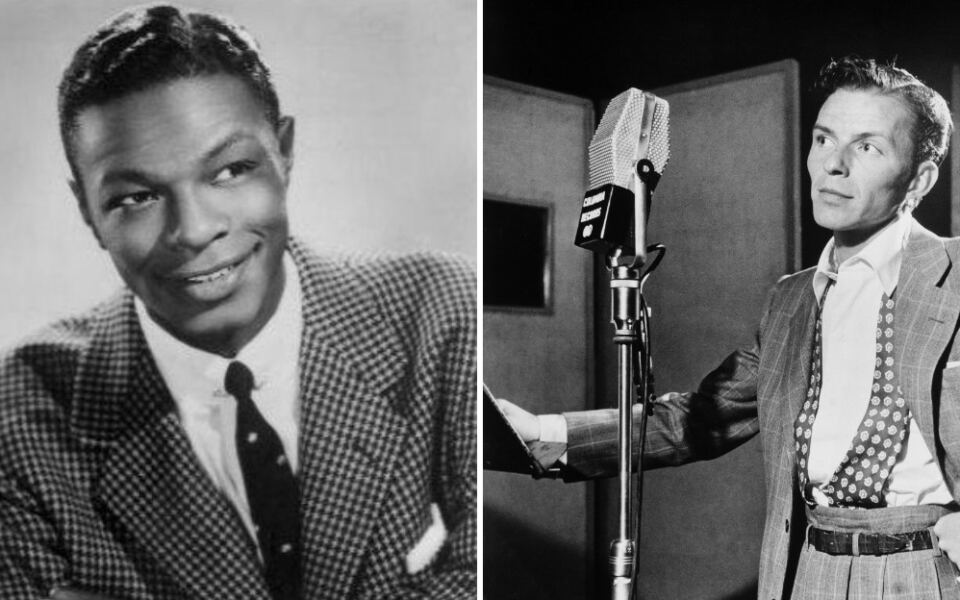
6. Too Young by Nat King Cole
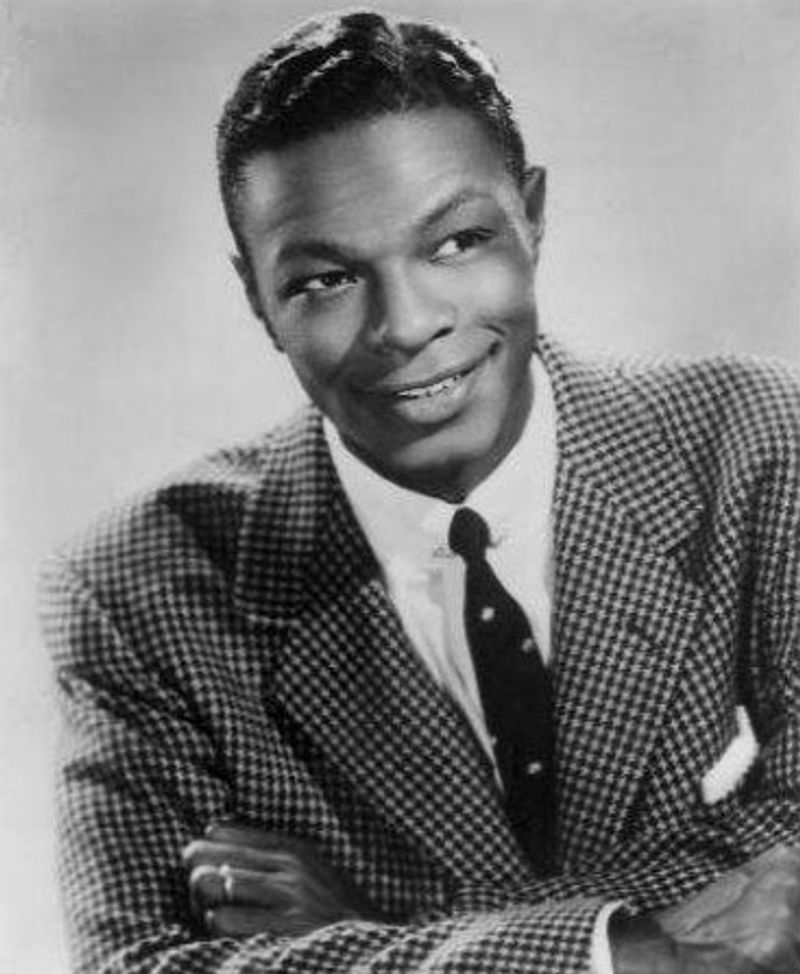
What does a hit about teenage love prove about money? Plenty, it turns out.
Nat King Cole recorded “Too Young” in February 1951, and Capitol released it in March. The song tells of two young people who insist their love is real, even when adults doubt them.
Record labels picked it on purpose to reach younger buyers. The plan worked better than anyone expected.
It became the best-selling song of 1951 in the United States. It spent 12 weeks at the top of the radio show “Your Hit Parade” and eight weeks at number one on the Cash Box chart.
The lesson for the music business was clear. Teenagers had spending power, and they wanted songs about their own lives.
That idea helped set up the rock and roll boom a few years later. Cole himself called it one of his favorite recordings.
7. Black Night by Charles Brown
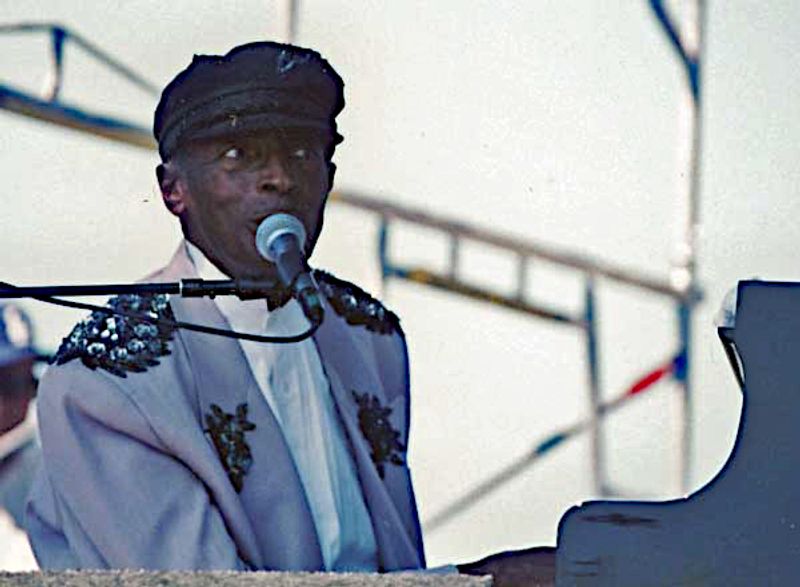
Fourteen weeks is a long time to stay on top of anything. Charles Brown managed it in 1951 with “Black Night,” a slow, minor-key blues that ruled the Billboard R&B chart.
That run was longer than any other single on the chart at that point. It was also his second number one R&B hit.
Brown recorded the song on December 21, 1950. It reached stores in January 1951.
His style belonged to West Coast blues, a polished and relaxed sound popular in California clubs. Brown sang and played piano with a calm, cool touch instead of shouting.
Saxophonist Maxwell Davis joined the small combo behind him. Davis was a busy Los Angeles arranger who worked on many R&B records of the period.
The Blues Foundation added “Black Night” to its Hall of Fame in 2005. Ray Charles was one of the many singers who learned from Brown’s smooth delivery.
8. Chains of Love by Big Joe Turner
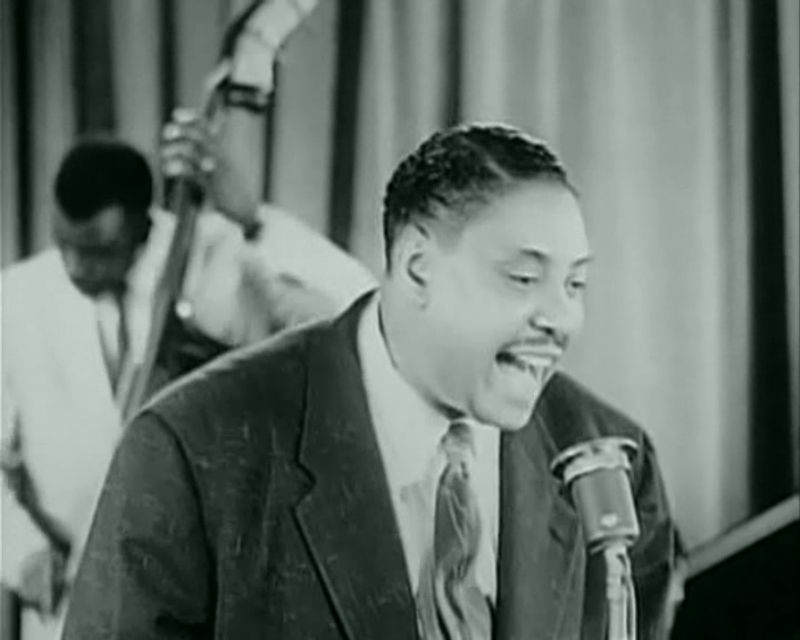
Atlantic Records was a small, young label in 1951, and Big Joe Turner helped put it on the map. His recording of “Chains of Love” came out in May and reached number two on the Billboard R&B chart.
Turner was famous as a blues shouter. He started out singing in Kansas City, where boogie-woogie piano and jazz mixed freely.
On this track, though, he held back a little. Critics have praised its tired, worldly vocal feel.
The songwriting credit includes Van Walls, a pianist, and “A. Nugetre.” Spell that backward and you get Ertegun, as in Ahmet Ertegun, the label’s founder.
The song became a blues standard. It also set up Turner’s later success, including “Shake, Rattle and Roll” in 1954.
Fans of early rock owe him a thank you. His jump blues style laid much of the groundwork.
9. Cry by Johnnie Ray
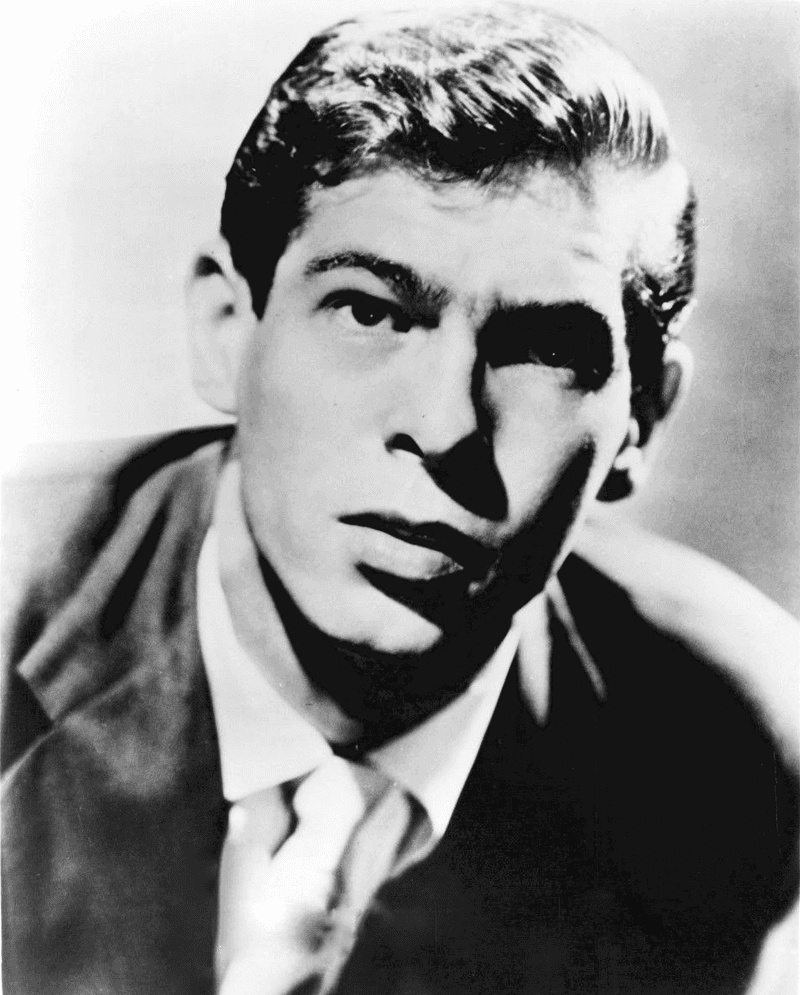
Crooners of the early 1950s usually stood still and stayed calm. Johnnie Ray did the opposite.
He recorded “Cry” on October 16, 1951, and it raced to number one on the Billboard chart. Churchill Kohlman wrote the song, but Ray made it a sensation.
On stage, he sobbed, dropped to his knees, and pounded the piano. Some shows even ended with torn curtains.
Critics were puzzled. Teen audiences, however, went wild for his open display of feelings.
The record had a strong flip side too. “The Little White Cloud That Cried” reached number two, making the single a two-sided smash.
Ray was partly deaf and wore a hearing aid while performing. Tony Bennett later called him a father of rock and roll.
His raw style gave later performers permission to show emotion in front of fans.
10. Tennessee Waltz by Patti Page
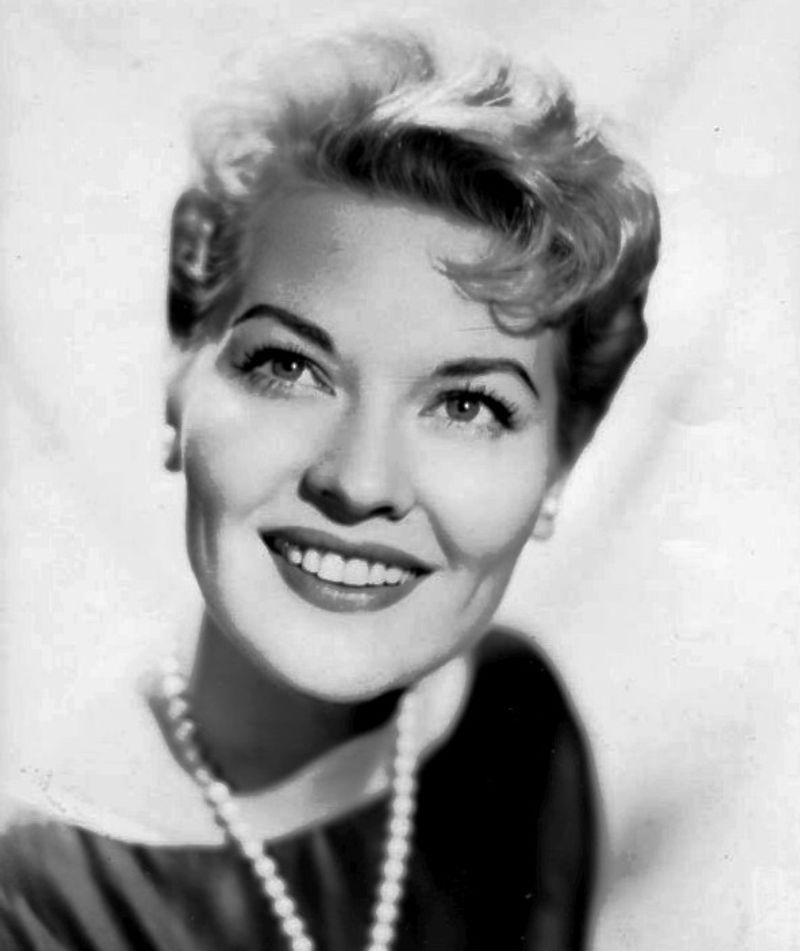
Ten million copies is an almost unreal number for a 1950s record. Patti Page reached it with “Tennessee Waltz,” which spent most of its number one weeks in early 1951.
The song was written in 1946 by Redd Stewart and Pee Wee King. Page’s gentle version turned it into a national favorite.
It topped the pop, country, and R&B charts all at once. In a time when those charts were kept separate, that was a huge deal.
Some historians call Page the first true crossover artist. Her record became the best-selling single by a female singer up to that time.
Fun fact: she used overdubbing to sing harmony with herself, an idea still fairly new. Mercury Records leaned into it on later hits.
Tennessee loved it so much that the state adopted it as an official state song in 1965.
11. Come On-a My House by Rosemary Clooney
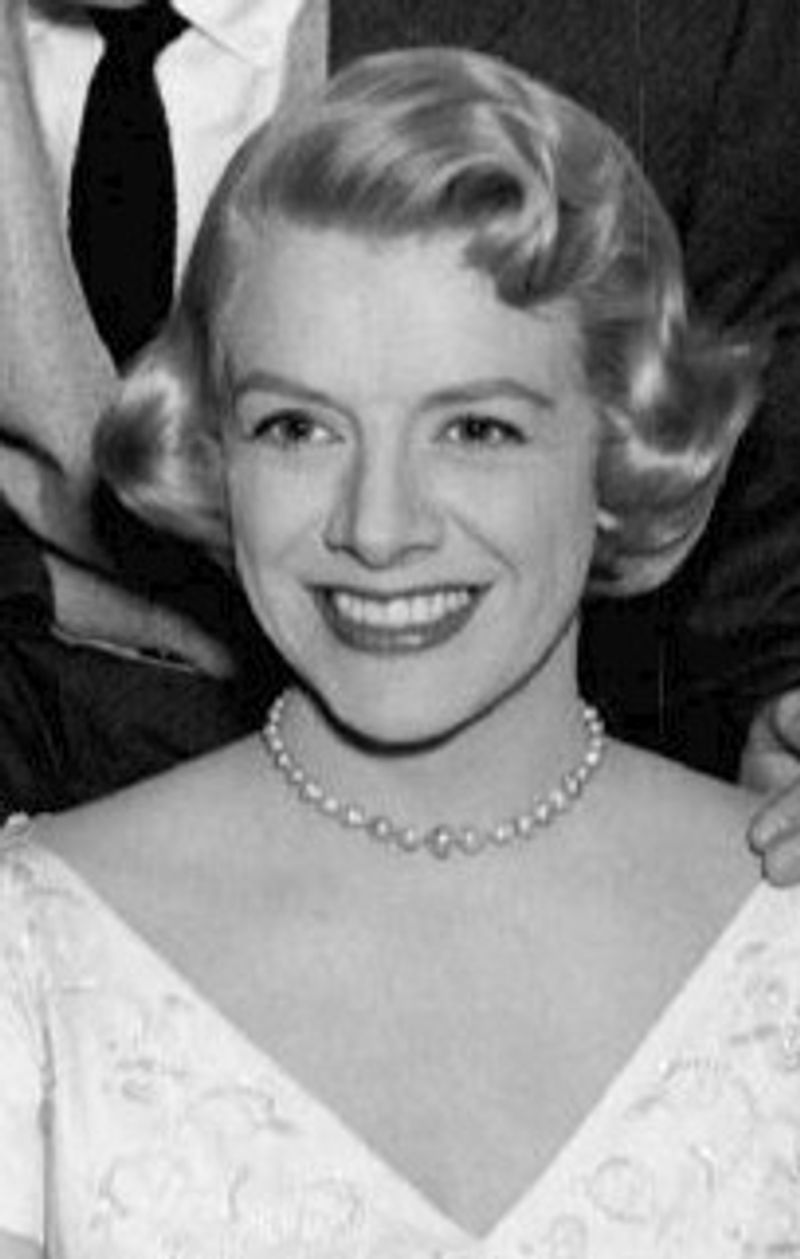
Rosemary Clooney did not want to sing this song. Producer Mitch Miller reportedly told her to record it or risk losing her contract.
She gave in, and it became her ticket to fame. “Come On-a My House” hit number one on the Billboard pop chart in 1951 and stayed there six weeks.
The writers were an unusual pair of cousins. Ross Bagdasarian later created Alvin and the Chipmunks, and William Saroyan was a Pulitzer Prize-winning author.
The tune came from an Armenian folk melody. The lyrics list fruits and treats offered to a guest, a nod to Armenian hospitality.
Miller added a harpsichord, which was a quirky choice for pop radio. Clooney sang it with a playful accent.
She never fully warmed to the song. Still, she admitted it made her a household name.
12. Always Late (With Your Kisses) by Lefty Frizzell
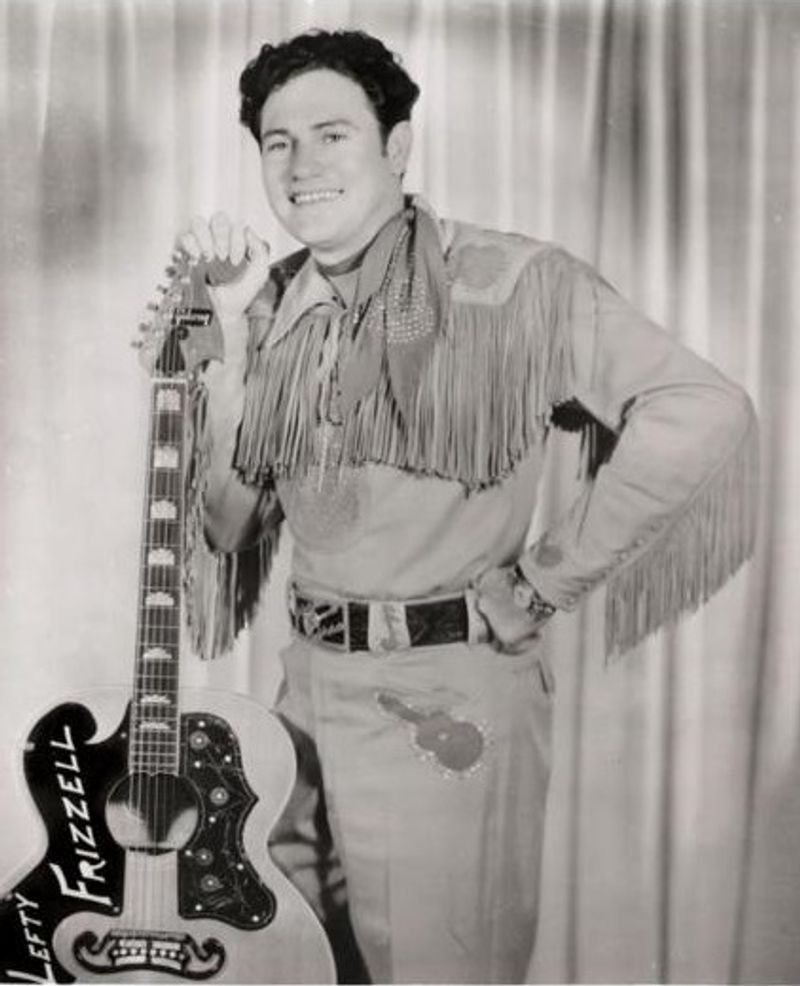
Few country singers could rival Hank Williams in 1951, but Lefty Frizzell came close. His smooth, bending vocal style made him one of the biggest names in the genre.
Frizzell co-wrote “Always Late (With Your Kisses)” and recorded it on May 24, 1951. Columbia released it in July.
By August, it sat at number one on the US country chart. That made it his fourth chart-topper in a short span.
The B-side, “Mom and Dad’s Waltz,” did nearly as well. It peaked at number two, so one single gave him two major hits.
At one point that fall, Frizzell had four songs in the country top ten at the same time. Very few artists have pulled that off.
Later stars such as Merle Haggard and George Strait copied the way he stretched words across notes. That habit became a country trademark.
13. Rockin’ Chair by Fats Domino
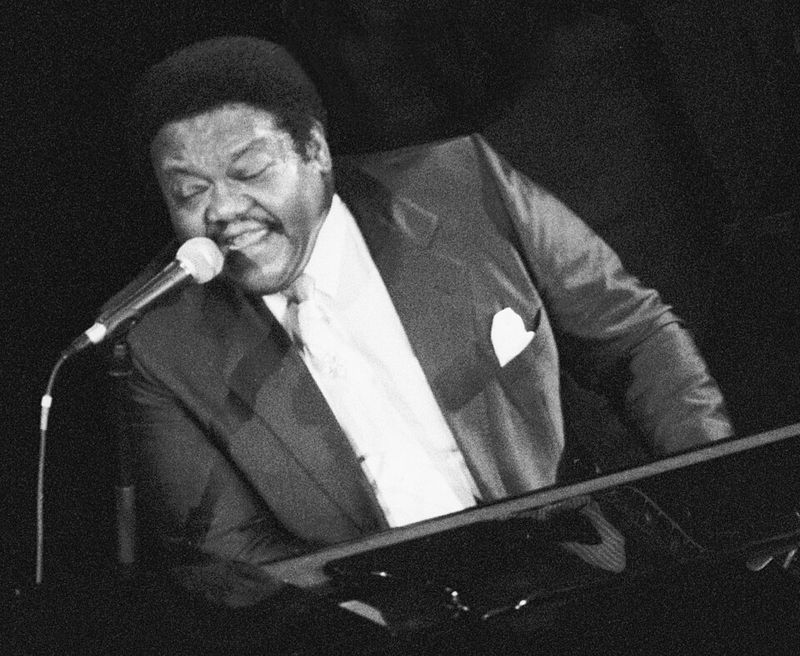
Small chart numbers can hide big history. “Rockin’ Chair” reached number nine on the Billboard R&B chart and stayed just one week, yet it marks a turning point for Fats Domino.
He recorded it in February 1951 in New Orleans. Imperial Records released it in September as a 78 RPM single.
This was his first hit made without longtime partner Dave Bartholomew as producer. The two had teamed up on his breakthrough, “The Fat Man,” in 1949.
It was also Domino’s last record sold only on 78 RPM. After that, the lighter 45 RPM format started taking over.
The song entered the chart on December 29, 1951. Domino’s rolling piano and easygoing voice were already in place.
Within a few years, songs like “Ain’t That a Shame” made him a rock and roll giant. This record shows the warm-up.
14. Bloodshot Eyes by Wynonie Harris
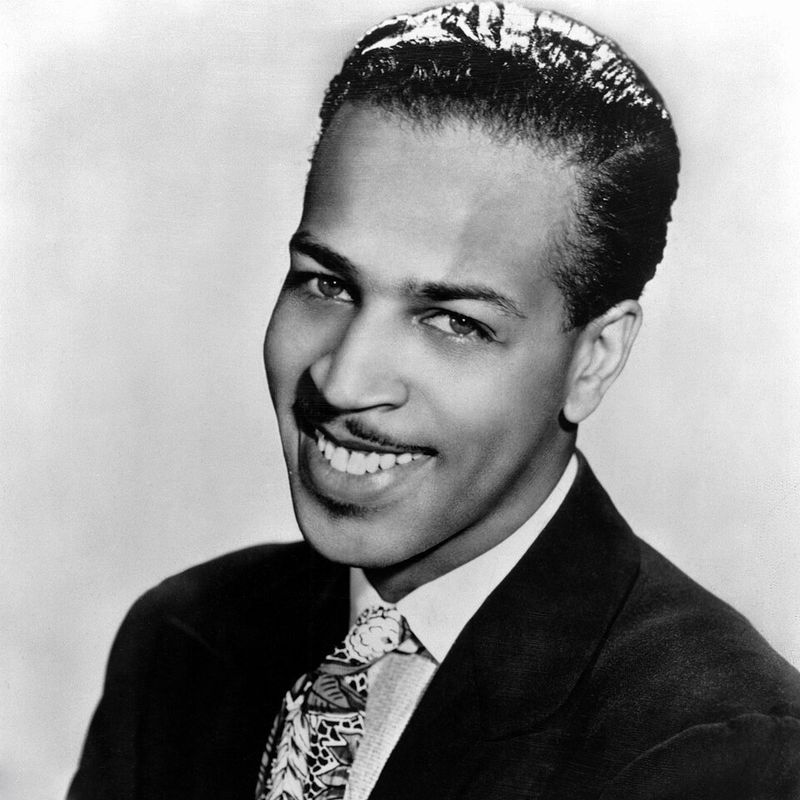
Swagger was Wynonie Harris’s specialty, and audiences loved him for it. Known as “Mr. Blues,” he was one of the loudest and most confident blues shouters of the period.
“Bloodshot Eyes” arrived in June 1951 on King Records. It climbed to number six on the US R&B chart.
Here is a twist. The song first came from country artist Hank Penny in 1950.
King Records often swapped songs between its country and R&B singers. That habit quietly mixed styles years before rock and roll made it common.
Harris’s version is funny and full of attitude. He scolds a partner for staying out too late.
His hip-shaking stage moves got attention too. Music scholars often say a young Elvis Presley studied performers like him.
Harris is now counted among the founding figures of rock and roll.
15. I’m a Fool to Want You by Frank Sinatra
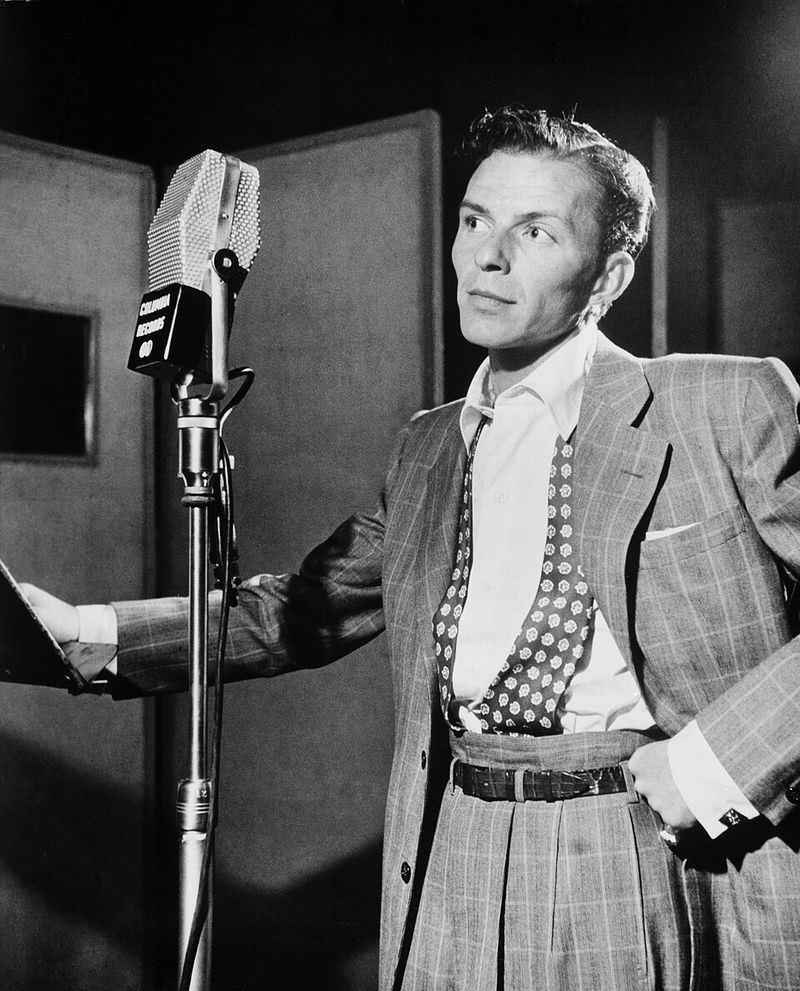
Sinatra in 1951 was not the polished star of later years. His career had cooled, and his private life was making headlines.
He was going through a divorce from Nancy Barbato while dating actress Ava Gardner. Those feelings went straight into “I’m a Fool to Want You.”
Sinatra helped write the lyrics with Jack Wolf and Joel Herron. That makes it one of the few songs carrying his name as a writer.
He recorded it on March 27, 1951, with arranger Axel Stordahl and the Ray Charles Singers. That vocal group was led by a different Ray Charles, not the famous pianist.
Columbia released the single in June. It reached number 14 on the Billboard pop chart.
The chart spot was modest, but the song lasted. Billie Holiday and many others later covered it, and it stands as a classic pop and jazz standard.
Share this story