Imagine a stone Buddha so tall that it looks down on boats, bridges, and a whole city. The Leshan Giant Buddha in Sichuan, China, was carved straight into a red cliff more than 1,200 years ago.
It stands 71 meters high and is the largest stone Buddha in the world. Here are ten things that make this giant worth the trip.
A Cliff Turned Into a Calm Face
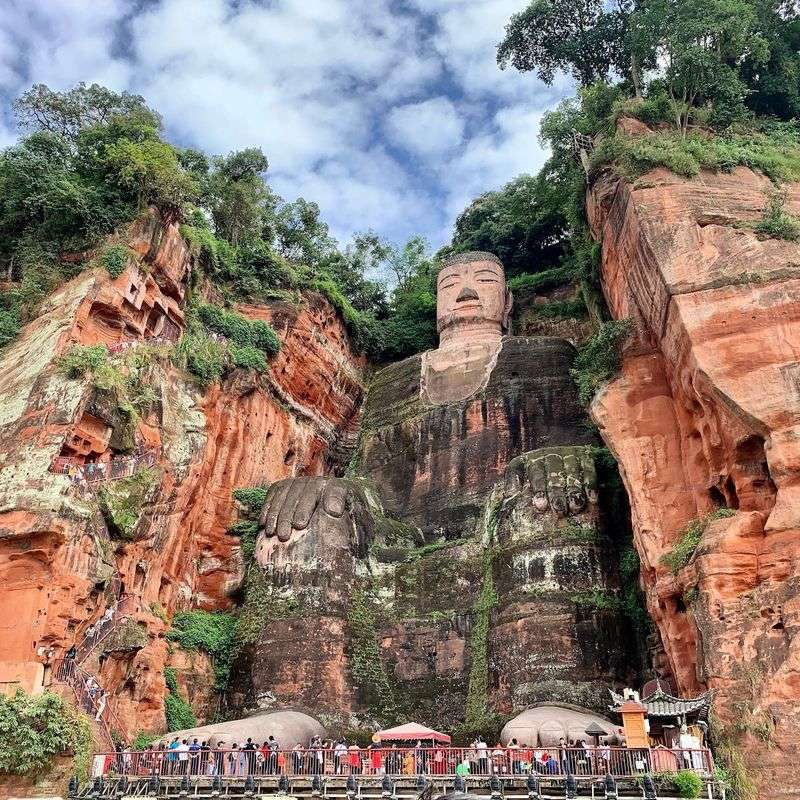
Picture a mountain with a face, and a calm one at that. The Leshan Giant Buddha sits carved into a red sandstone cliff, 71 meters tall, with hands resting on his knees and eyes gazing over the water.
Work began in 713 AD during the Tang Dynasty. It took about 90 years to finish, which means several generations of workers never saw the end result.
That is real patience.
Even from far away, the scale is hard to believe. His ears alone are about seven meters long, and his shoulders stretch wide enough to make nearby trees look like parsley.
Many visitors say photos do not prepare you for the real thing. One reviewer said it was even more magnificent in person, and that matches what most people feel when the statue first comes into view.
Bring a camera with plenty of storage. You will want pictures from every angle, and the stone face looks different as the light shifts through the day.
Morning and late afternoon give the softest glow on the red rock, and the crowds are usually smaller then too.
The Monk With a Big Promise
Legend says one monk would rather lose his eyes than lose the money. His name was Haitong, and in 713 AD he started collecting donations to carve a giant Buddha.
He hoped the statue would calm the wild currents where three rivers crash together. Boats had sunk there for ages, and locals were desperate for help.
When local officials tried to grab the funds, the story goes that Haitong refused and gave up his own eyes to prove his faith. The officials were so shocked that they backed off.
Haitong died before the work was done. His disciples kept going, and later officials helped fund the final stretch, so the Buddha was finished roughly 90 years after the first chisel struck.
Knowing this story changes how you see the statue. It stops being only a big rock and becomes a promise carried across generations.
A guide can tell the tale in detail, and several visitors said that hearing the history made the visit feel much richer.
Where Three Rivers Collide
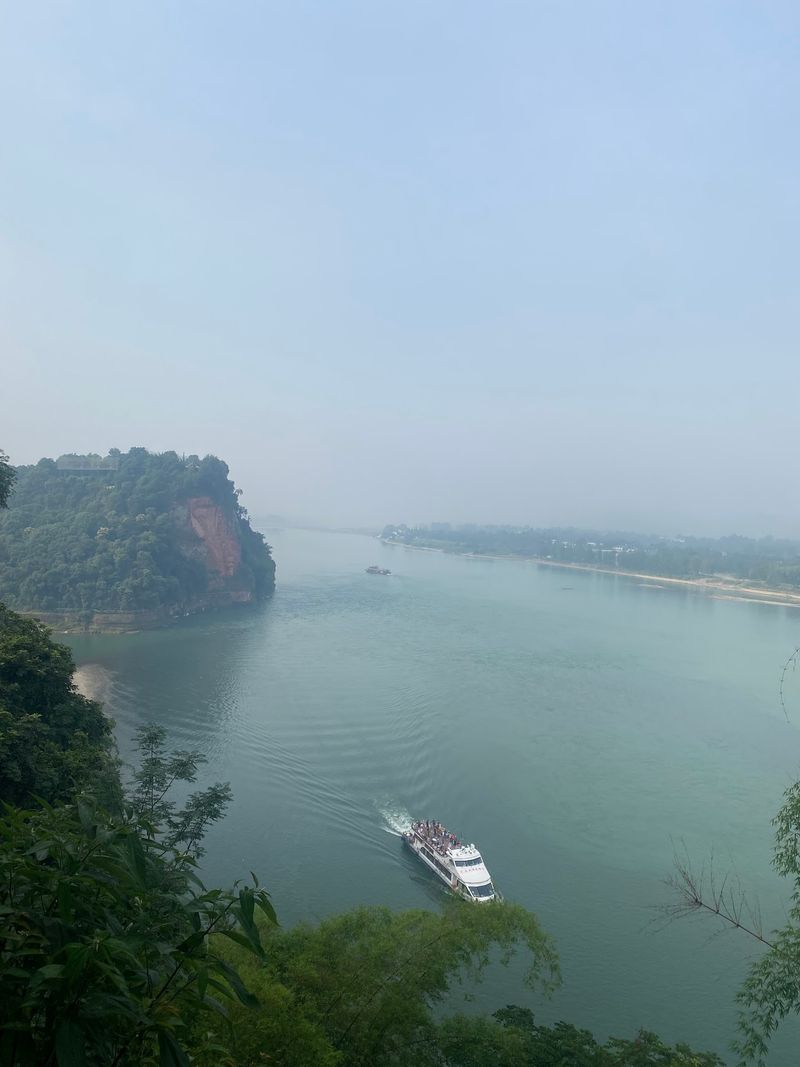
Listen closely and you can almost hear the water arguing. The Buddha sits where the Min, Dadu, and Qingyi rivers meet, and the currents here have long been famously rough.
That was the whole point of the carving. Haitong believed the statue would tame the flow and protect passing boats.
Modern studies suggest there may be some truth in it. The carved rock and the stone left behind in the river are said to help reduce the force of the currents.
The setting adds drama to every view. Green hills rise behind the statue, the city of Leshan spreads out in the distance, and boats drift past looking tiny.
From the top of the cliff you can watch the rivers swirl together in different shades. It is a good spot to slow down, take a breath, and just look.
Bring a light jacket, since the breeze off the water can be surprisingly cool. One visitor noted that the rivers meeting beneath the Buddha made the whole experience more memorable.
The Boat Ride Everyone Raves About
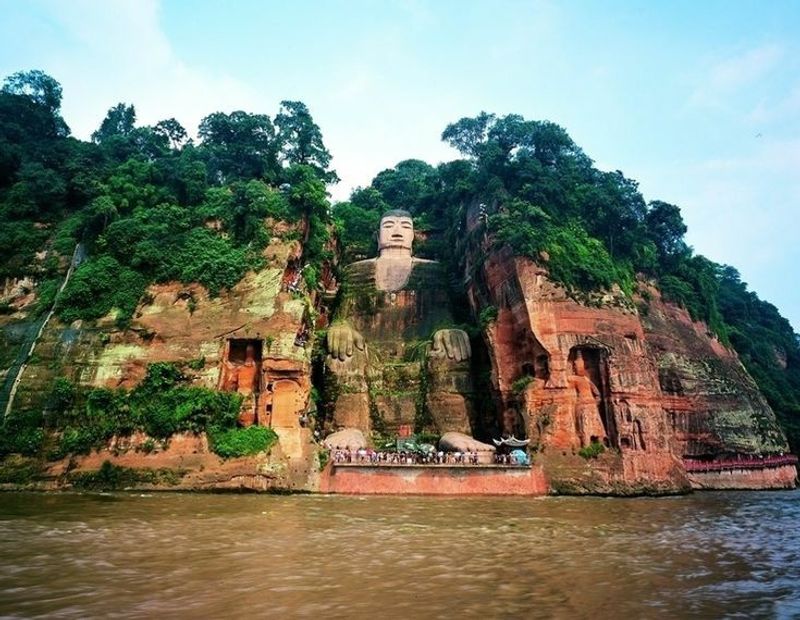
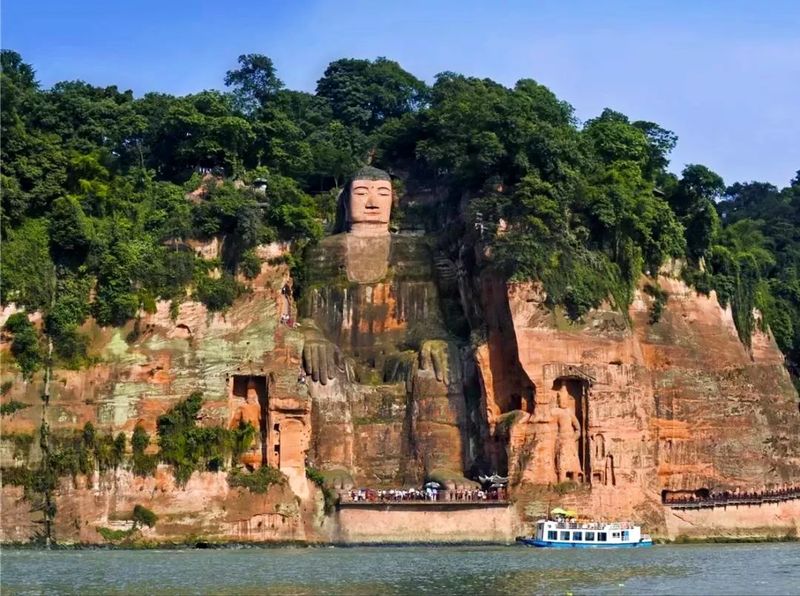
Want the best photo of the whole Buddha? Get on a boat.
Several reviewers agree that the river gives the only view that fits the entire statue and cliff in one frame.
Boats leave from a pier that sits a fair walk from the visitor center, so plan for roughly half an hour of walking. The cruise itself lasts about 30 to 40 minutes.
Tickets can sell out or lead to long lines, so buy them ahead of time. Some visitors waited longer in line than they spent on the water.
Once on board, head up to the second deck quickly. Many travelers suggest sitting on the right side for the best angle.
There is also a handy bonus for families or anyone with tired legs. The ride is easy, comfortable, and great for those with limited mobility.
Water levels matter, too. One traveler arrived when the river was too low and found no boats running, so check conditions before you go.
Counting Steps on the Cliffside Path
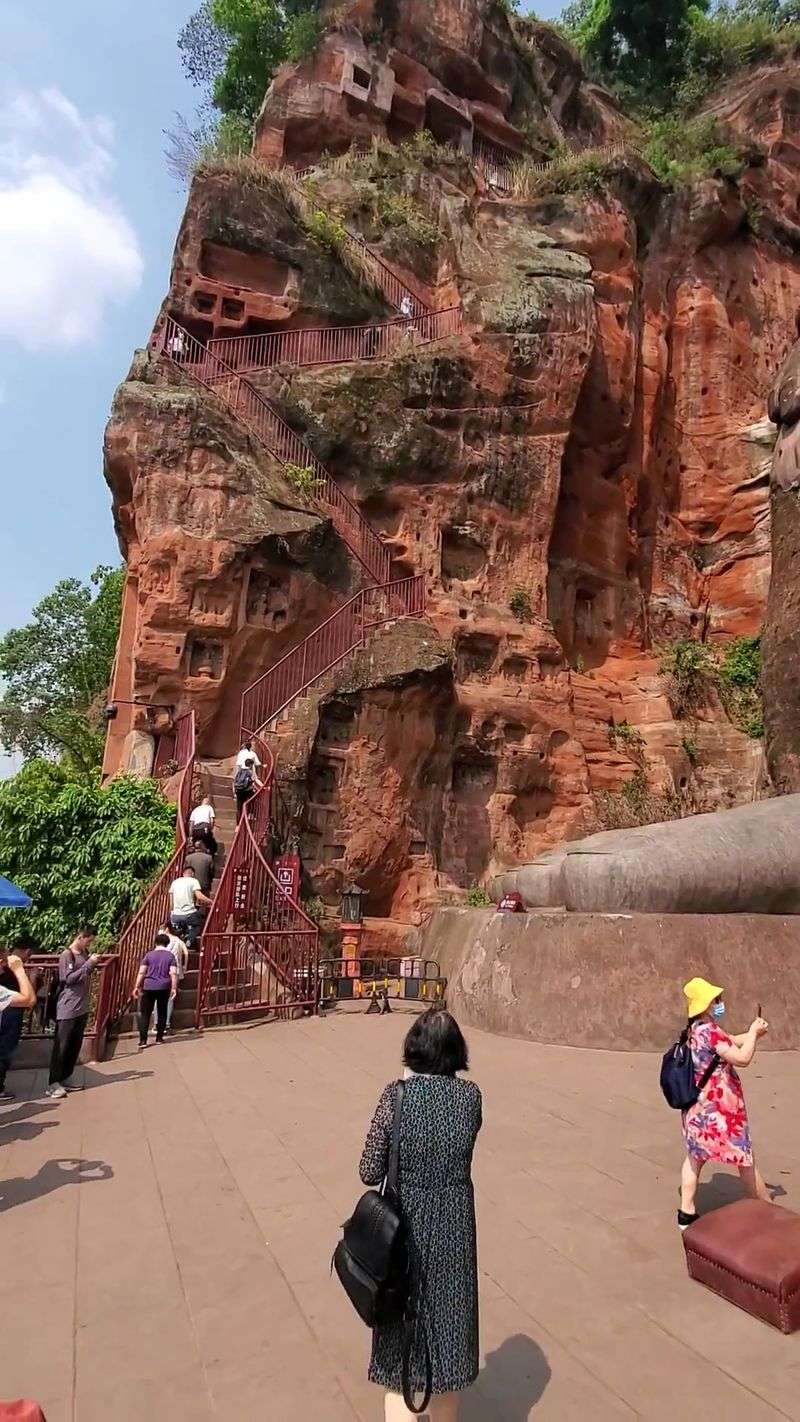
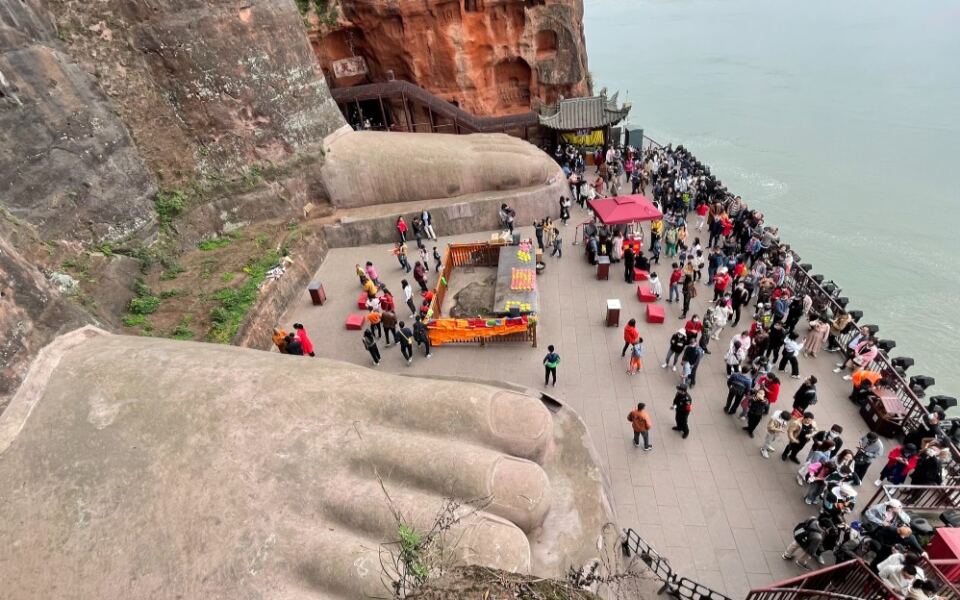
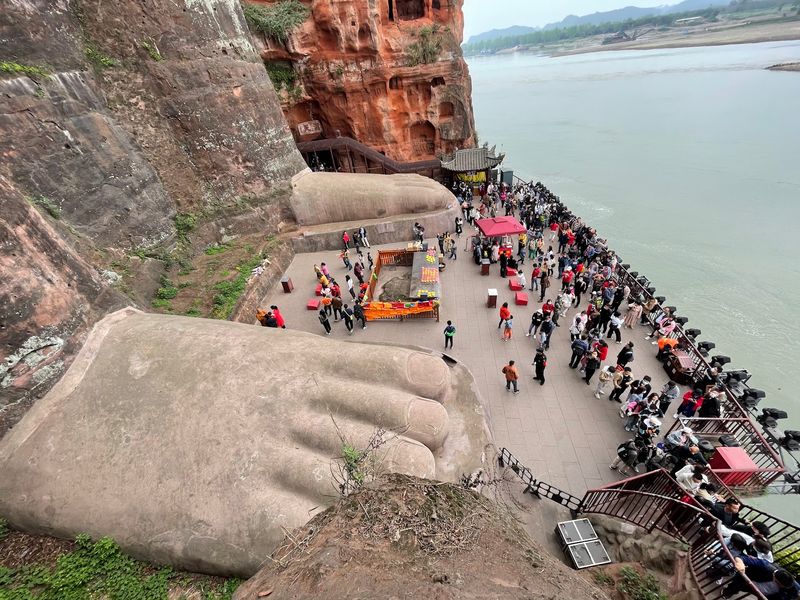
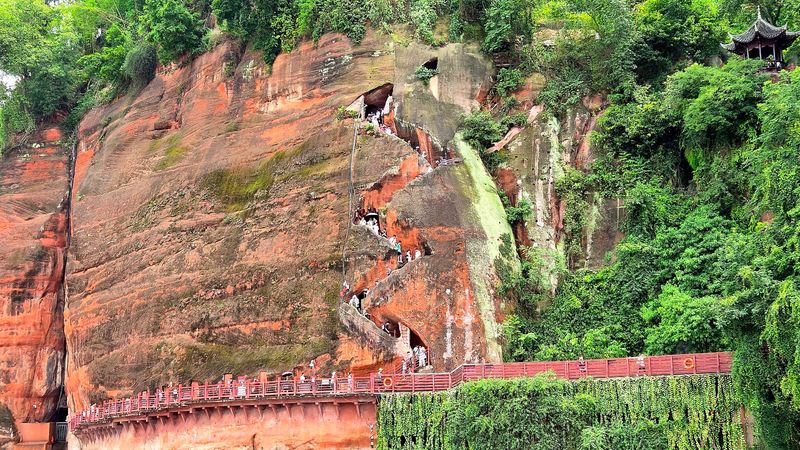
Your calves will remember this one. The path down to the Buddha’s feet is a narrow, steep stairway cut into the cliff, with around 270 steps in the main section.
Going down takes roughly 15 minutes if the crowd is thin. Coming back up can take far longer, especially when the line is slow.
The reward is a view from the toes, where the whole statue towers above you. It is a humbling spot, though the small platform gets packed quickly.
One reviewer suggested starting from the top and working down, which makes the route feel more natural. Others warned that the climb is not ideal if you are unfit or have trouble with stairs.
Wear shoes with good grip, since the steps can be slick. Pack water, and take your time on the way back.
Also, watch for people cutting in line. A little patience keeps the experience pleasant, and the stairs are part of the adventure anyway.
Hair Today, 1,021 Curls Tomorrow
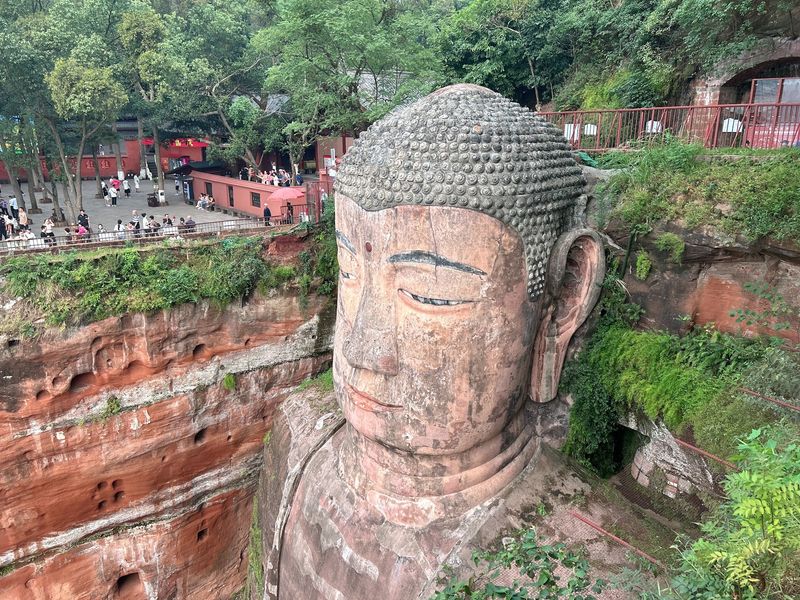
Here is a number you can check yourself: 1,021. That is how many stone curls cover the Buddha’s head, each one carved by hand.
Standing near the head gives you a sharp look at the detail. The curls are about the size of a person, and the craftsmanship is remarkably even.
Ancient builders also thought about drainage. Hidden channels in the hair, ears, and body were designed to carry rainwater away and protect the stone from damage.
That clever planning is one reason the statue has survived for over a thousand years. Workers today still repair and maintain it.
You may notice pipes, wires, and covered patches during your visit. One traveler found them a bit jarring, but they are signs of ongoing care.
To see the head up close, enter from the north side and walk toward the top of the cliff. The trip from the main entrance takes around 15 to 20 minutes, and the elevated views of the river and city are a nice bonus.
Underground Holy City Surprise
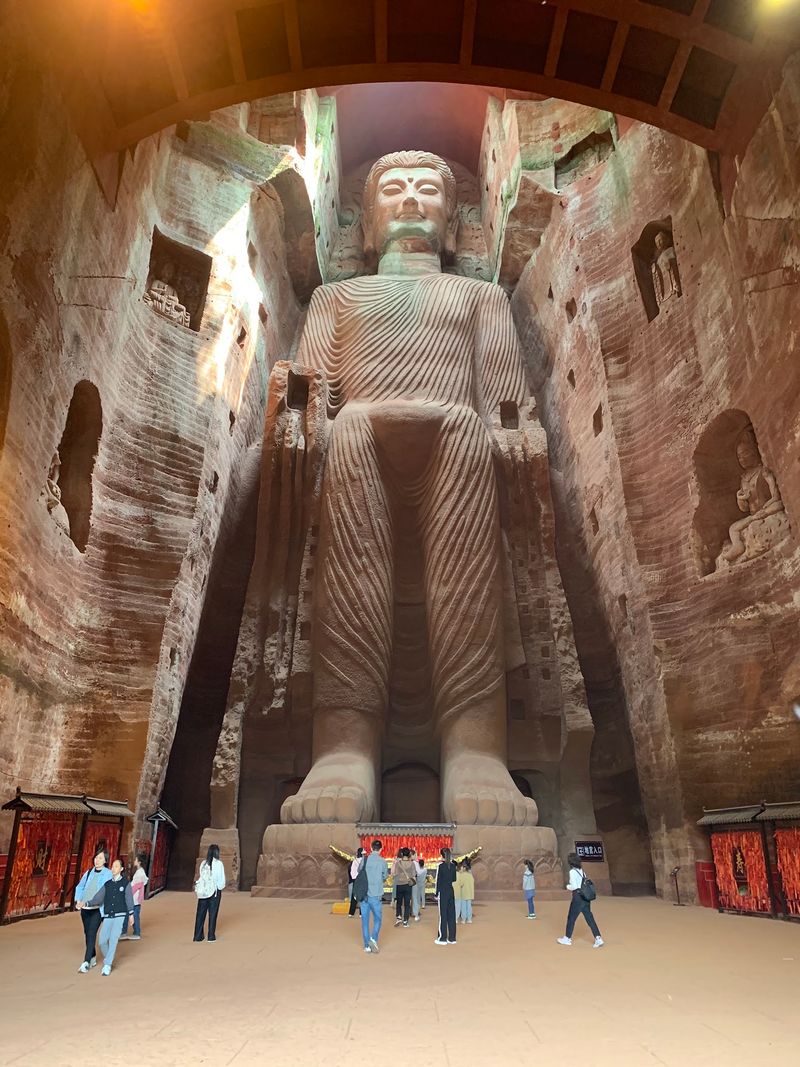
Some of the best stuff is hiding inside the mountain. The Underground Holy City is a maze of corridors, big rooms, shrines, and huge Buddha statues carved into the cliff.
One reviewer called the scenery, size, and craftsmanship amazing, and spent about an hour exploring it. Another enjoyed seeing how different countries depict Buddha and the stages of his life.
You also get to see a 51 meter tall medicine Buddha, which would be the star of any other site. Here, it shares the spotlight.
The entrance sits on the northern side, opposite the giant statue’s back. A shuttle cart can take you there, and you walk through a green forest before entering the cliff.
It is tempting to skip it, but many visitors say that would be a mistake. The all-inclusive ticket covers it along with the boat and the climb.
Cool air inside makes it a nice break on a hot day, and the exit leads you back toward the path to the Buddha’s head.
Lingyun Temple Next Door
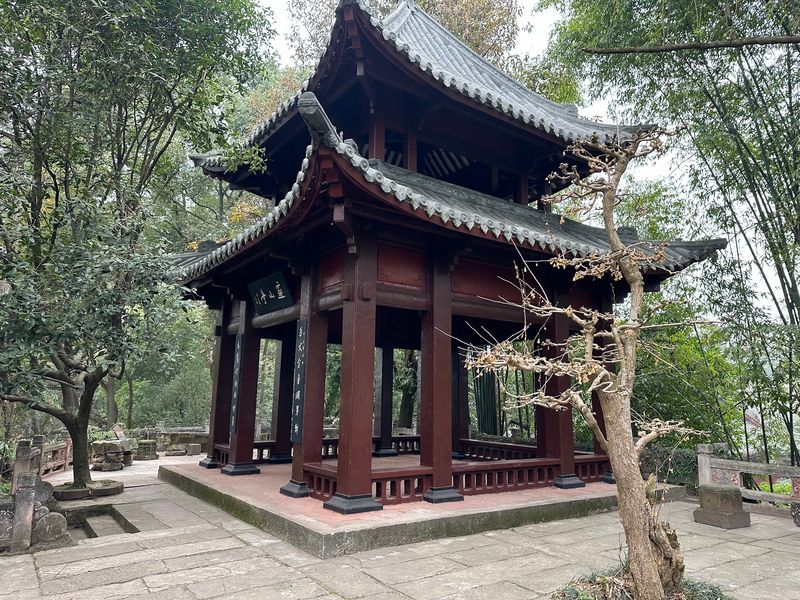
Incense smoke drifts through the air, and somewhere a bell is ringing. Lingyun Temple sits at the top of the hill beside the Buddha and adds a calm, lived-in feeling to the visit.
Visitors come to pray, light incense, and leave offerings. One traveler said their guide helped them take part and explained the customs along the way.
The temple gives the site its spiritual heartbeat. The statue is not only a tourist attraction but also an active place of worship.
That can mean crowds of worshippers, and one reviewer felt the atmosphere was busy rather than peaceful. Others found the temple a lovely, quiet pause between big sights.
Walk in with respect. Keep your voice low, follow signs about photos, and watch how locals behave.
Temple halls also make a handy rest stop in the shade. There are stalls, rest areas, and toilets along the walkways, so you can recharge before heading on to the next viewpoint.
Getting There From Chengdu
Chengdu to Leshan is an easy day trip, if you plan it well. A speed train takes around an hour, and it is the favorite choice of many travelers.
From Leshan station, a taxi or ride-hailing car to the visitor center takes about 30 to 45 minutes, depending on traffic. Driving straight from Chengdu can take close to three hours.
Some visitors hired drivers or guides through travel apps. One group paid extra for a guide to drive them from the car park to the entrance, so ask about this before you go.
Bring your passport, because it is needed for entrances. Tickets bought online through travel platforms helped one visitor enter smoothly.
Plan for a long day. One traveler suggested allowing at least seven hours, and an entire day is even better if you want the boat, the Holy City, and the climb.
Start early, wear comfy shoes, and carry snacks. Souvenir shops are rare once you leave the complex, so shop before you exit.
Beating the Crowds
Crowds can turn a wonder into a shuffle. A few smart moves will keep your day smoother and your photos cleaner.
Go on a weekday if you can. One visitor came midweek during an off-peak time and walked straight onto a boat, while busy days can mean waits of up to two hours.
Arrive early in the morning or late in the afternoon. The light is lovely for photos, and the paths feel less packed.
Buy tickets ahead of time, and think about hiring a guide, who may help you skip some of the lines. Be wary of sellers pushing extra tickets you may not need.
Stay alert for pushy queue jumpers and shops that pretend to be the way in. The official route is well marked, so keep following the signs.
The scenic area is well maintained, with walkways, viewpoints, and rest stops. Pace yourself, drink water, and remember that the site is a UNESCO World Heritage site, so enjoy it slowly.
Share this story