The best part of any Oregon road trip usually starts when you ignore the GPS and take the gravel turnoff. One minute you are cruising past farm fields, and the next you are staring at a giant crack in the desert or a tree shaped like a sea creature.
These are the spots tourists blow right past, and locals tend to keep them quiet. Pack snacks, fill the tank, and get ready to see the delightfully strange side of home.
1. Petersen Rock Garden & Museum
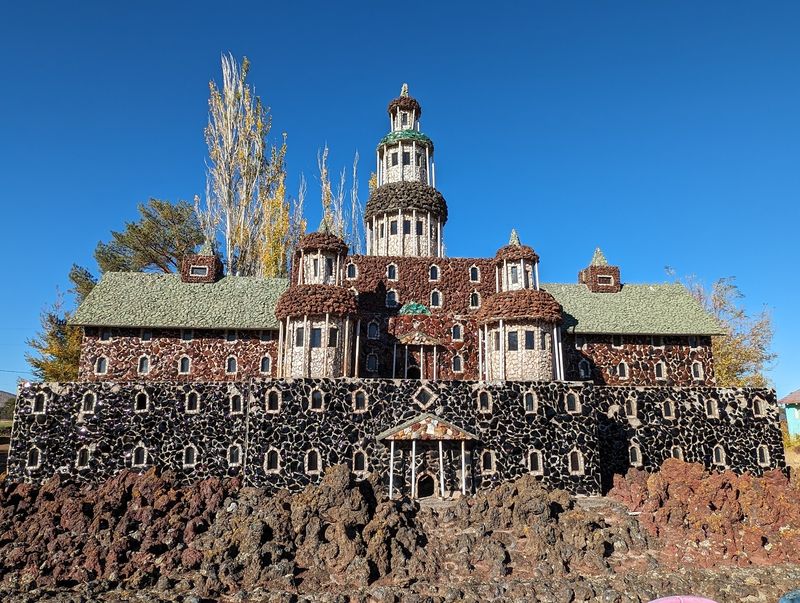
Picture a miniature castle made of lava, petrified wood, and polished stone, with a peacock strutting past like it owns the deed. Welcome to Petersen Rock Garden, tucked along SW 77th Street on a quiet farm road outside Redmond.
Built over decades by a rock-loving farmer, the grounds feel like a homemade fairy tale. Tiny bridges, towers, and buildings sparkle with Central Oregon stone, while chickens and friendly cats wander between them.
Inside the museum, a glow room makes certain minerals light up in bright, otherworldly colors.
Rockhounds will lose track of time, and kids treat the place like a treasure hunt. A small gift shop sells souvenirs on the way out.
Hours run 10 AM to 4 PM on Monday and Friday through Sunday, with the doors closed Tuesday through Thursday. Monday mornings are the quietest, so that is the time to have the castles mostly to yourself.
2. Crack-in-the-Ground
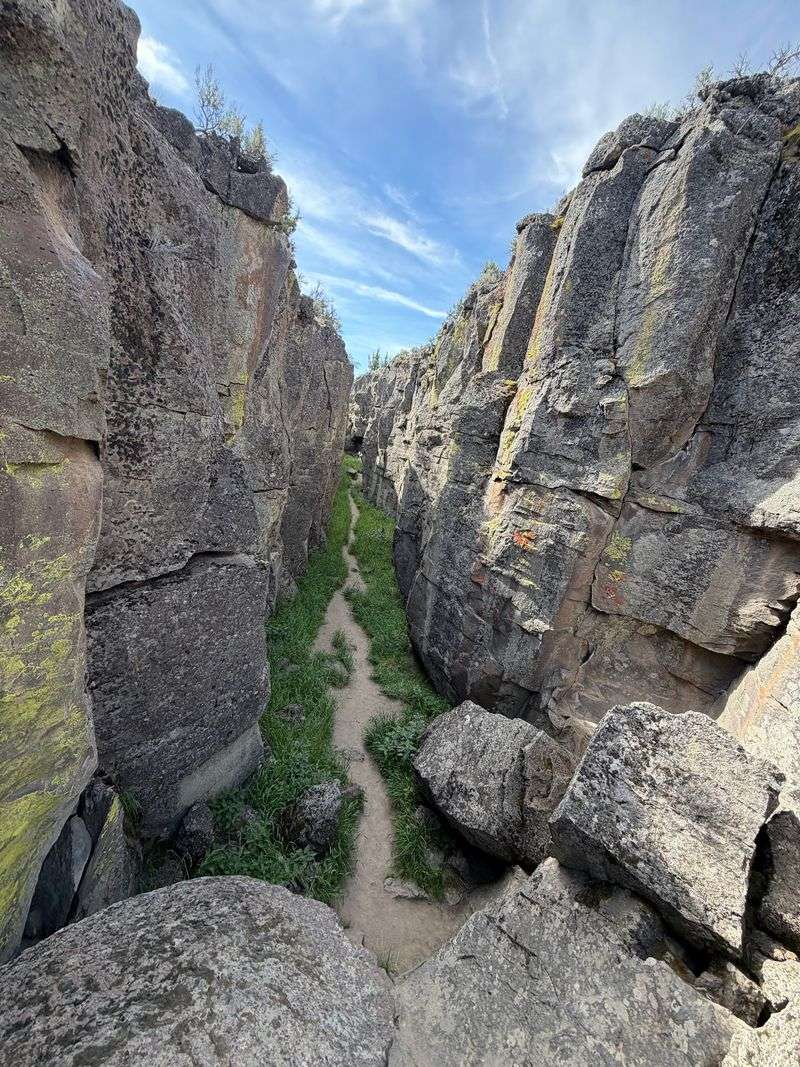
Out in Lake County, the earth simply split open and never closed. Crack-in-the-Ground is a volcanic fissure near Silver Lake and Christmas Valley, and it might be the coolest place in the desert, literally.
Getting there is half the adventure. Watch carefully for the Crack in the Ground Road turnoff from the main route, because missing it is easy.
After a rough, bumpy drive, a short hike leads to the opening.
Step down inside and the temperature drops dramatically, often feeling around 30 degrees cooler than the sunbaked surface above. Rock walls tower overhead, some boulders wedged high between the sides like they froze mid-fall.
Certain stretches require scrambling, so wear sturdy shoes and bring water.
Summer is the obvious time to go, since the crack works like natural air conditioning. Weekdays are usually wonderfully empty, and parking at the trailhead is free.
3. Train Mountain Railroad Museum
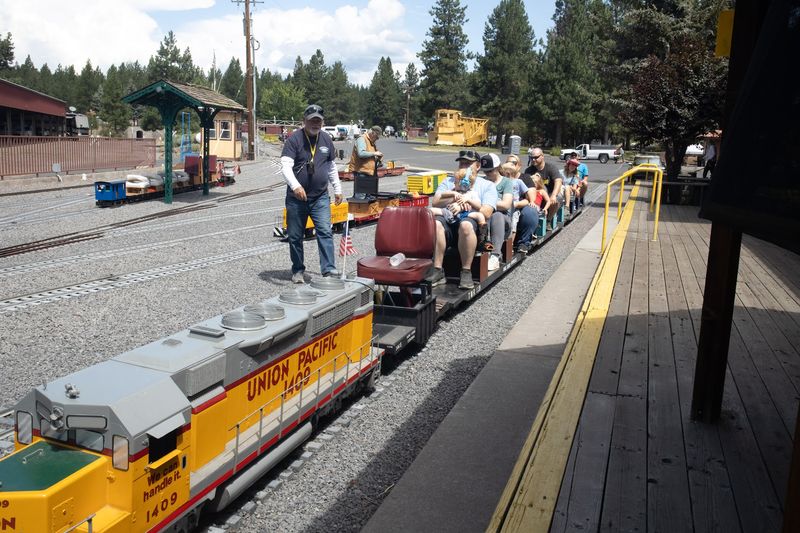
Grown adults riding tiny trains through the pine forest? In Chiloquin, a timber town of fewer than 800 people, that is a normal Tuesday.
Train Mountain Railroad Museum sits on roughly 2,200 acres off South Chiloquin Road, laced with an astonishing network of miniature 7.5-inch track stretching dozens of miles. Hobbyists haul their own locomotives in for monthly meets, and a giant triennial gathering can fill the rails with hundreds of trains at once.
Everyday visitors get plenty of fun too. Friendly volunteers often offer rides through the scenery, and a self-guided walking tour leads past full-sized historic rail cars and big equipment, including a massive snowblower you can walk through.
Admission runs on donations, and a cafe and gift shop round out the stop. Hours are 9 AM to 3 PM daily, which makes it an easy detour on the way to Crater Lake country.
4. Golden State Heritage Site
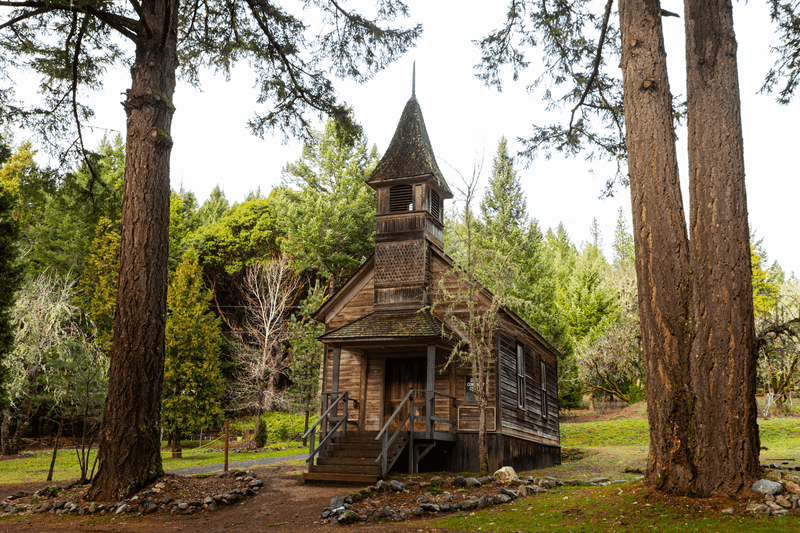
Here is a fun bit of trivia: the old mining town of Golden had two churches and zero saloons. That alone made it an oddball among Oregon gold camps.
Tucked along Coyote Creek Road in the forested hills near Wolf Creek, the town buzzed from about 1850 to 1913. Today the Golden State Heritage Site preserves its weathered wooden church, schoolhouse, general merchandise store, and a small pioneer cemetery.
Interpretive signs help fill in the story of the families who once called this place home.
Wander the walking trails and the woods feel hushed and timeless. Picnic spots make it easy to linger with a sandwich, and dogs are welcome on the grounds.
Fall is especially lovely, when golden leaves frame the old buildings. Pair the visit with a stop at the historic Wolf Creek Inn just off I-5 for a full day of frontier history.
5. Out’n’About Treehouse Treesort
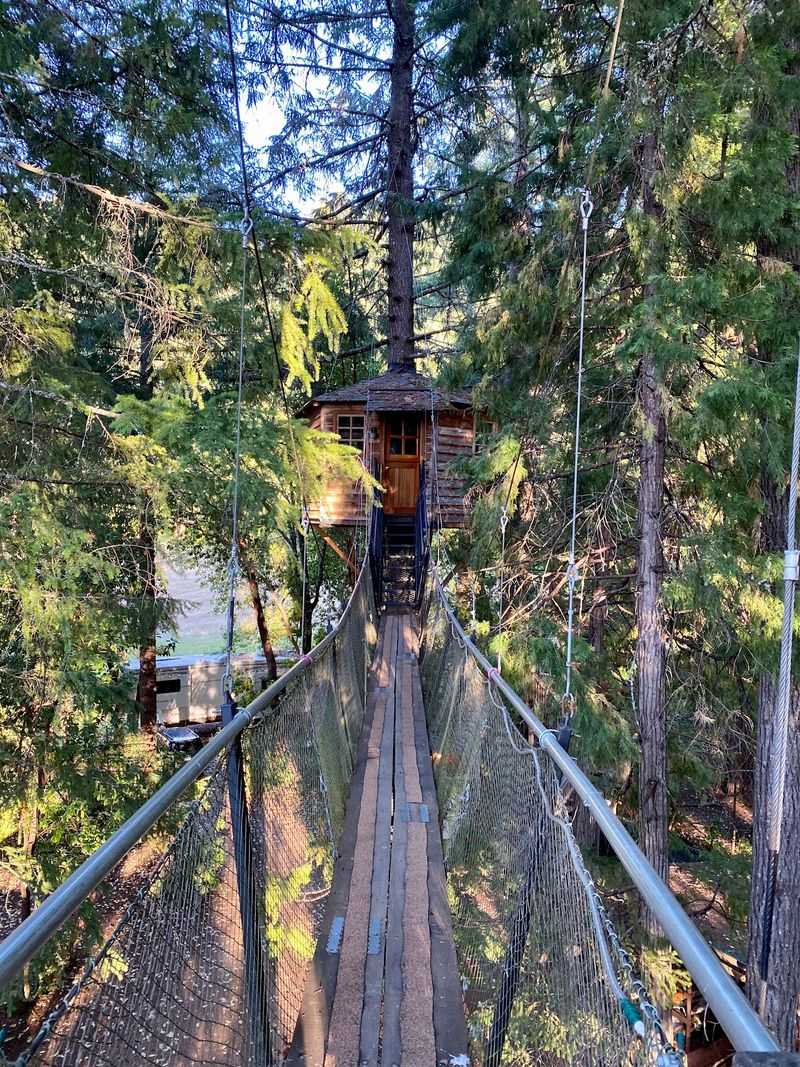
Remember begging for a treehouse as a kid? Out’n’About Treehouse Treesort took that wish and built a whole village out of it.
Hidden along Page Creek Road in the Illinois Valley near Cave Junction, this woodsy retreat lets guests sleep high among the branches. Each treehouse has its own personality, and several connect by swaying suspension bridges.
The first crossing can set your knees wobbling, but the bridges are sturdy, and by the second trip most folks stroll across like pros.
Back on solid ground, the property offers outdoor activities, and mornings start with a complimentary breakfast. The office keeps hours from 9 AM to 5 PM daily.
Spring is a sweet time to book, when the valley turns green and wildflowers pop up along the roads. Toss in a trip to nearby Oregon Caves country, and you have a weekend that feels like summer camp for grownups.
6. Dee Wright Observatory
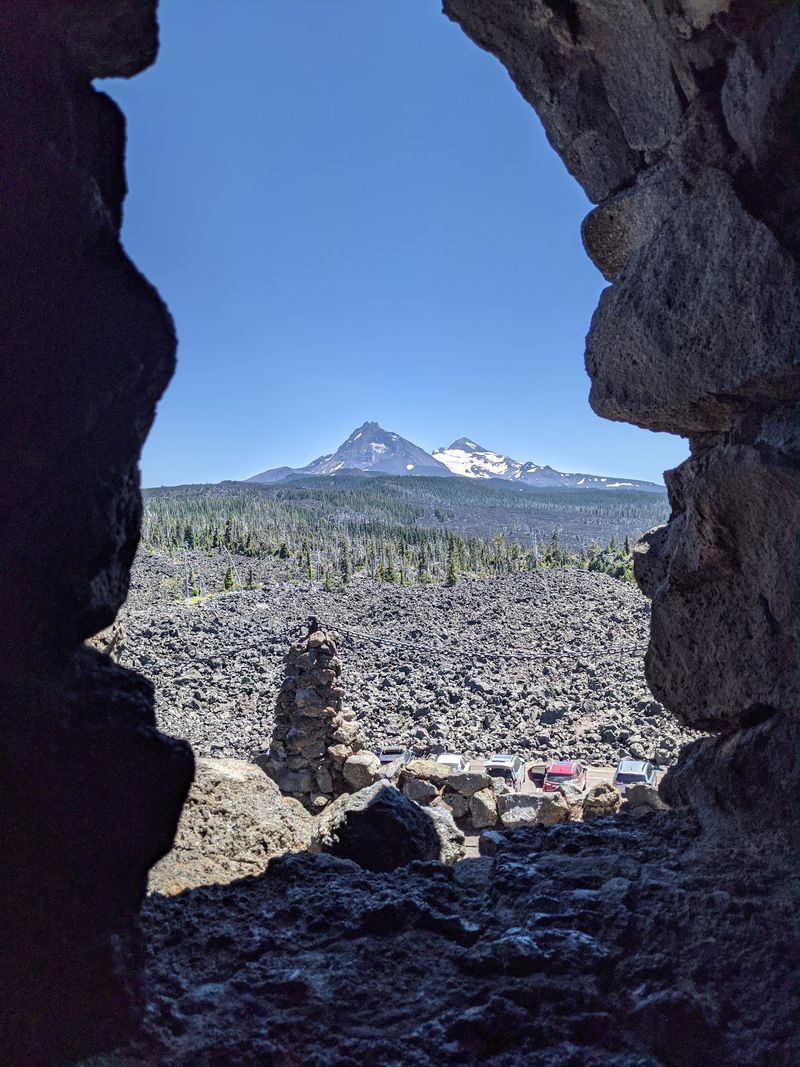
Drive west from Sisters on Highway 242 and the forest suddenly gives way to an ocean of black lava. Rising from the middle is something that looks borrowed from a fantasy movie.
Dee Wright Observatory is a stone shelter built from the very lava surrounding it, sitting roughly 30 to 40 feet above the road. The surrounding flow covers about 65 square miles, a jagged moonscape at McKenzie Pass.
Climb to the top and peer through small window openings, each one framing a different Cascade peak. Inside, the cool stone rooms feel like a secret hideout.
A short paved trail nearby winds through the lava for a closer look.
Timing matters here. The old McKenzie Highway is narrow, twisty, and closes to cars in winter, so plan for summer or early fall.
Parking is free, and the site stays open around the clock once the road opens.
7. Octopus Tree
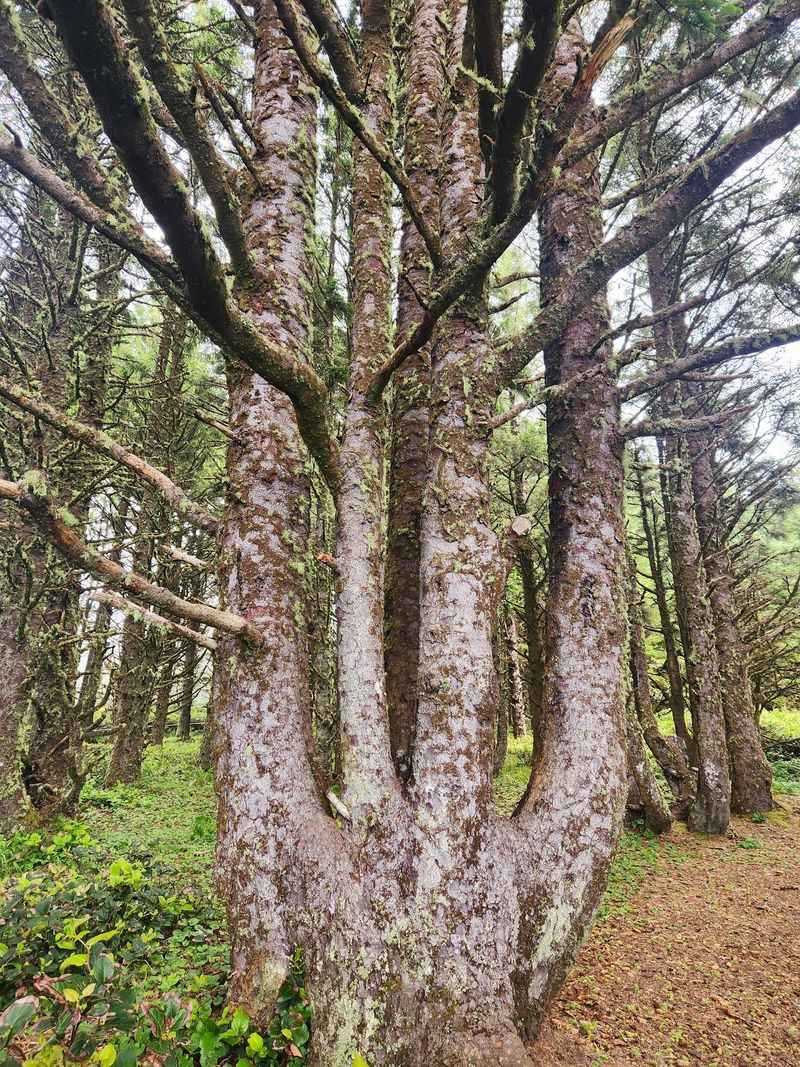
No single trunk, no ordinary shape, just a giant Sitka spruce spreading its limbs like an octopus reaching for the sky. Coastal trees get weird, but this one wins.
The Octopus Tree stands at Cape Meares, along the Three Capes Scenic Route, far from the traffic of US 101. Instead of one main trunk, several massive limbs curve outward from the base and shoot upward like separate trees.
Nobody knows for certain how it grew this way, which only adds to the mystery.
A short walk connects the tree to the Cape Meares Lighthouse, and the headland serves up big ocean views along the way. Restrooms sit near the parking area.
Winter fog makes the tree look downright spooky, while storm season brings dramatic waves below. Gates open from 7 AM to 8 PM, and weekday mornings tend to be the calmest time to visit.
8. Fort Rock State Natural Area
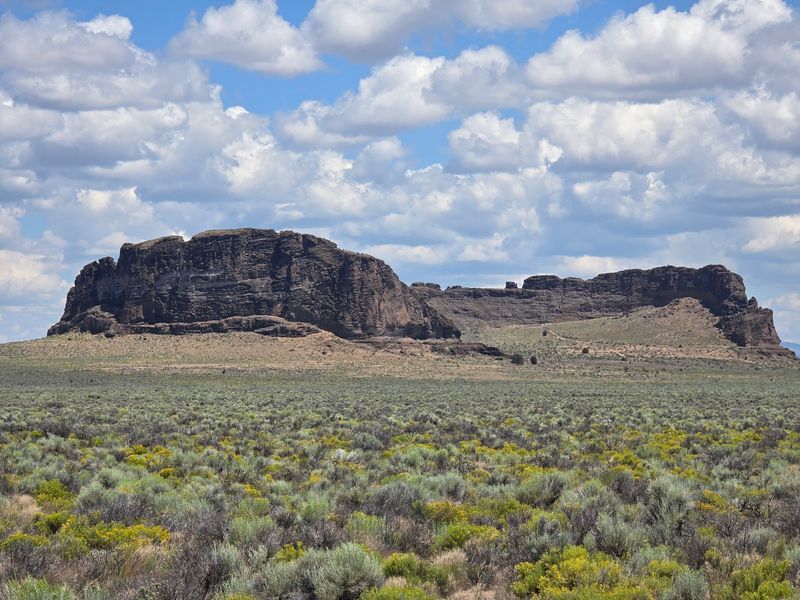
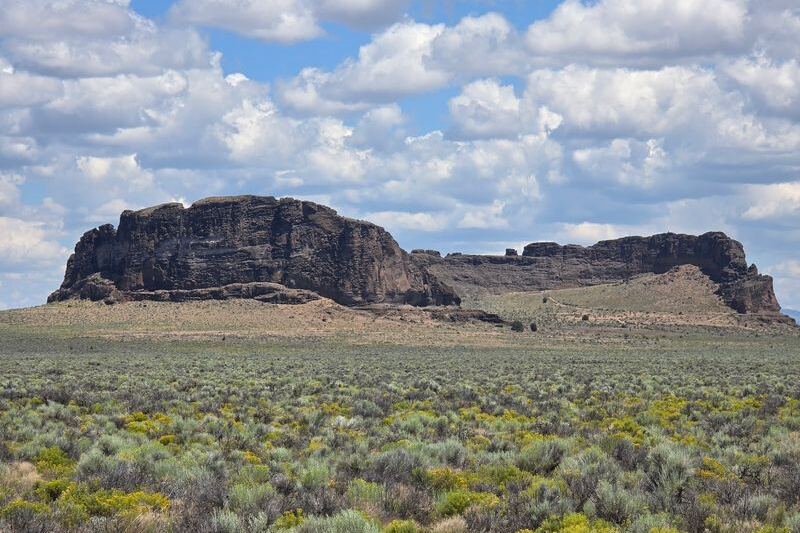
From miles away, it looks like a giant stone fortress dropped onto the sagebrush. Up close, Fort Rock is even stranger.
Long ago, volcanic activity met an ancient lake, and the result is this enormous horseshoe-shaped ring of rock near the tiny high-desert community of Fort Rock. Waves once lapped against its walls, carving the ledges still visible today.
Easy trails loop into the center of the ring, perfect for young hikers. Nearby caves have revealed ancient artifacts, including some of the oldest known footwear in North America, a reminder that people have treasured this spot for thousands of years.
Picnic tables and restrooms make it simple to spend an afternoon, and dogs can join the fun. Spring wildflowers and cooler fall days are ideal, since summer sun can bake the flats.
Weekday mornings usually mean you will share the whole fortress with only a few hawks.
9. Sumpter Valley Dredge State Heritage Area
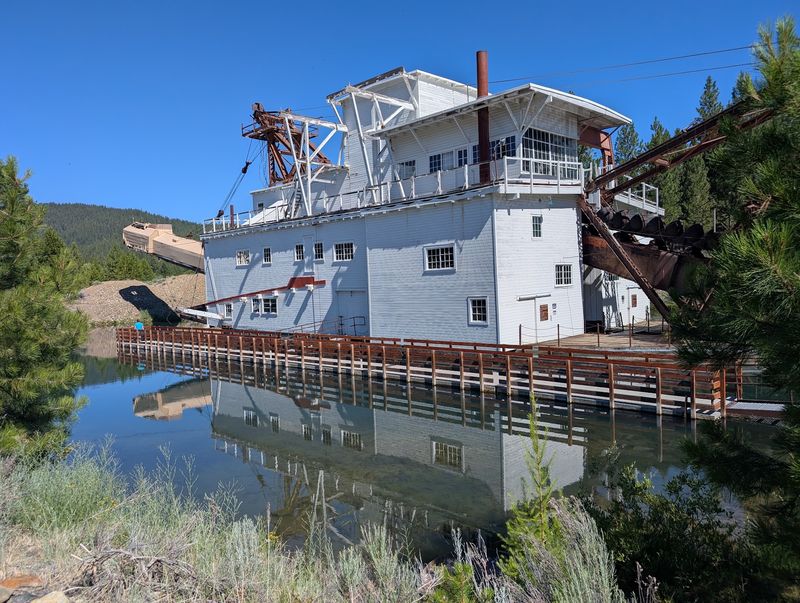
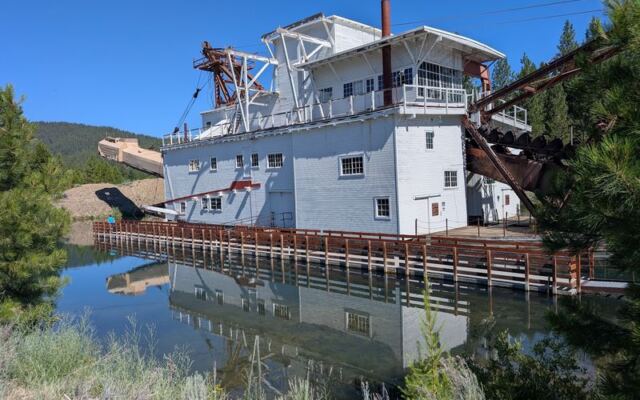
Floating in a pond in a mountain hamlet of about 200 people sits a wooden machine roughly the size of a building. Yes, really.
The Sumpter Valley Dredge once chewed through the valley floor searching for gold, leaving long rock piles that still line the area today. Now preserved as a state heritage area in the Blue Mountains of northeastern Oregon, it lets visitors climb aboard and explore the gears, buckets, and decks of this mechanical giant.
Admission is free. Guided tours run on weekends, and friendly staff happily explain how the whole contraption worked.
Gold panning, a gift shop, picnic tables, and short kid-friendly trails keep families busy.
Summer is the liveliest season, especially when the nearby historic railroad brings visitors into town by train. Hours run 10 AM to 3 PM daily, so grab a picnic and make a slow day of it.
10. Leslie Gulch
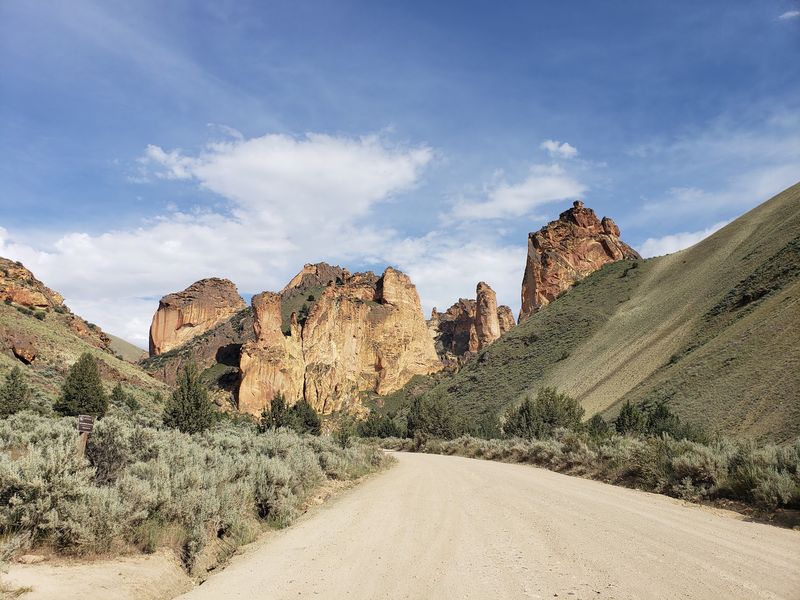
Some places reward patience, and Leslie Gulch hands out the prize in giant red rocks. Plan on roughly 25 miles of washboard gravel in far eastern Malheur County before the canyon walls start rising.
Once you drop in, the scenery turns surreal. Towering spires of volcanic ash, carved by wind and water into honeycombs and pinnacles, crowd the road like a city of stone.
Bighorn sheep sometimes balance on the ledges, and the gulch eventually opens toward the waters of Lake Owyhee.
Short hikes branch off into side canyons, and a small campground lets you stay for the incredible starry nights. Dogs are allowed, and picnics with a view are practically required.
Bring a full tank, extra water, and a spare tire, because services are nonexistent. Spring and fall bring comfortable temperatures and glowing light that makes the rocks look almost on fire.
11. Hole In The Ground Vista Point
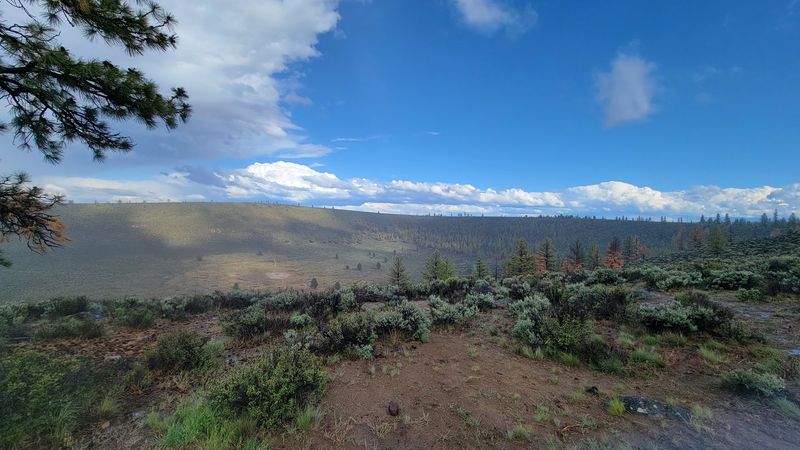
Silence is the first thing you notice. Then the ground just ends, and a hole about a mile wide opens up below your feet.
Hole In The Ground is a maar, a crater formed when rising magma met groundwater and the superheated steam blasted the earth apart. Found in the pine forest of northern Lake County near Fort Rock, it is one of the most impressive examples of its kind anywhere.
Reaching the rim takes some effort on forest service roads, so a high-clearance vehicle helps. There are no restrooms or services, which keeps the crowds away.
From the edge, views stretch toward Fort Rock, and wildlife like bobcats roam the area.
Stay past sunset if you can. With zero city lights for miles, the stars pour across the sky above that giant, quiet bowl, making it a perfect final stop for any back-road wanderer.
Share this story