Some places in the United States look so strange that you might wonder if you took a wrong turn into outer space. There are white gypsum dunes, black lava fields, rainbow-colored hot springs, and rock towers that seem to belong in a movie set.
This list rounds up 17 real spots, from national parks to state reserves, where the scenery looks like it came from another world. Each one has its own look, and each one has practical details worth knowing before you go, like seasonal hours, reservations, and closures that can change plans.
Whether you are planning a big road trip or just want to save some ideas for later, these landscapes show how wild and unusual the country can be. Pack water, check conditions first, and get ready to see ground that does not look like ground at all.
White Sands National Park, New Mexico
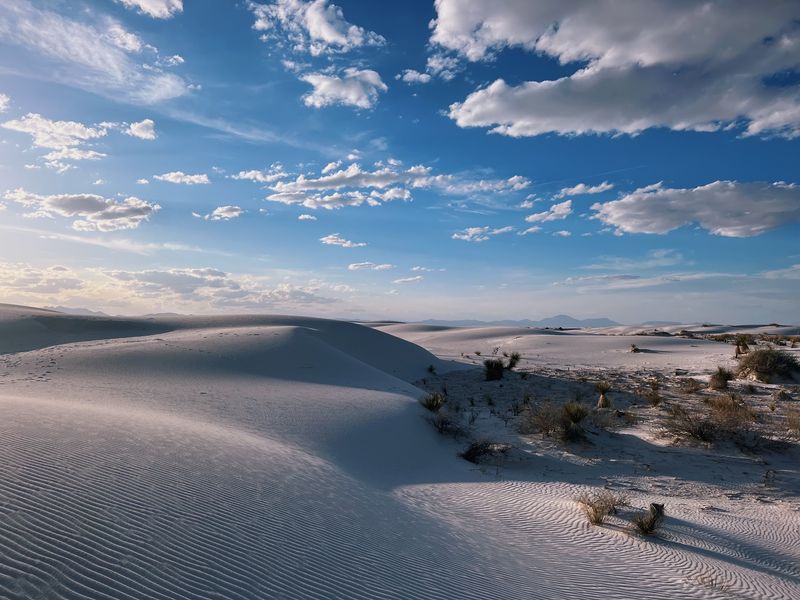
Miles of brilliant white dunes make this corner of southern New Mexico look more like an Arctic wilderness than a desert. The sand here is not ordinary quartz.
It is gypsum, which gives the park its bright, snowy look.
The park is open daily, but hours change with sunset. Plan ahead, because nearby missile testing can cause occasional closures.
Checking the National Park Service page before you drive out can save you a wasted trip.
The dunes are easy to wander, and the soft, pale ground makes every hill look like a fresh blank canvas. Many visitors bring sleds to slide down the slopes, which adds a playful twist to a desert stop.
Sunset is a popular time to visit since the light changes how the white sand looks.
Bring plenty of water, sun protection, and sunglasses. The bright surface reflects a lot of sunlight, so even a short walk can feel intense.
If you want photos that look like they were taken on another planet, this is a great place to start.
Bisti/De-Na-Zin Wilderness, New Mexico
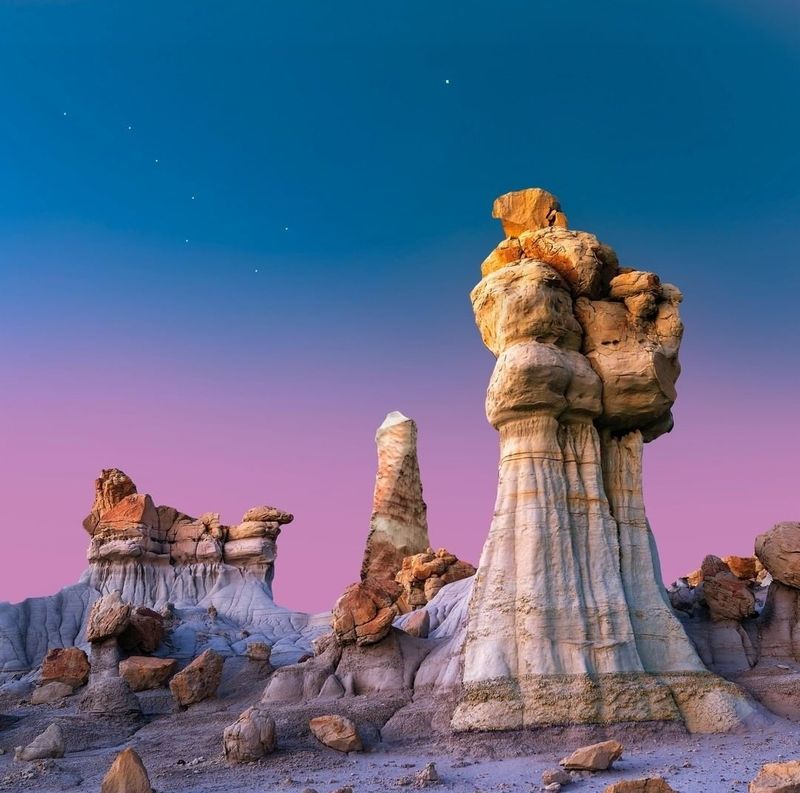
Few places in America look as alien as this badland maze in northwestern New Mexico. Hoodoos, cracked clay ground, mushroom-shaped rocks, petrified wood, and multicolored formations spread across a wilderness of roughly 45,000 acres.
The Bureau of Land Management says the area is open year-round. The catch is the access roads, which can become difficult or impossible to drive after rain or snow.
Check the weather before heading out, and have a backup plan if conditions look rough.
This is a place for wandering rather than following a set path. The formations are spread out, so it helps to bring a map or GPS, plenty of water, and sturdy shoes.
Shade is hard to find, so sun protection matters.
Photographers love the odd shapes and layered colors, especially when the light is low. Take only pictures and leave the petrified wood where you found it so the next visitor can enjoy the same strange scenery.
Bonneville Salt Flats, Utah
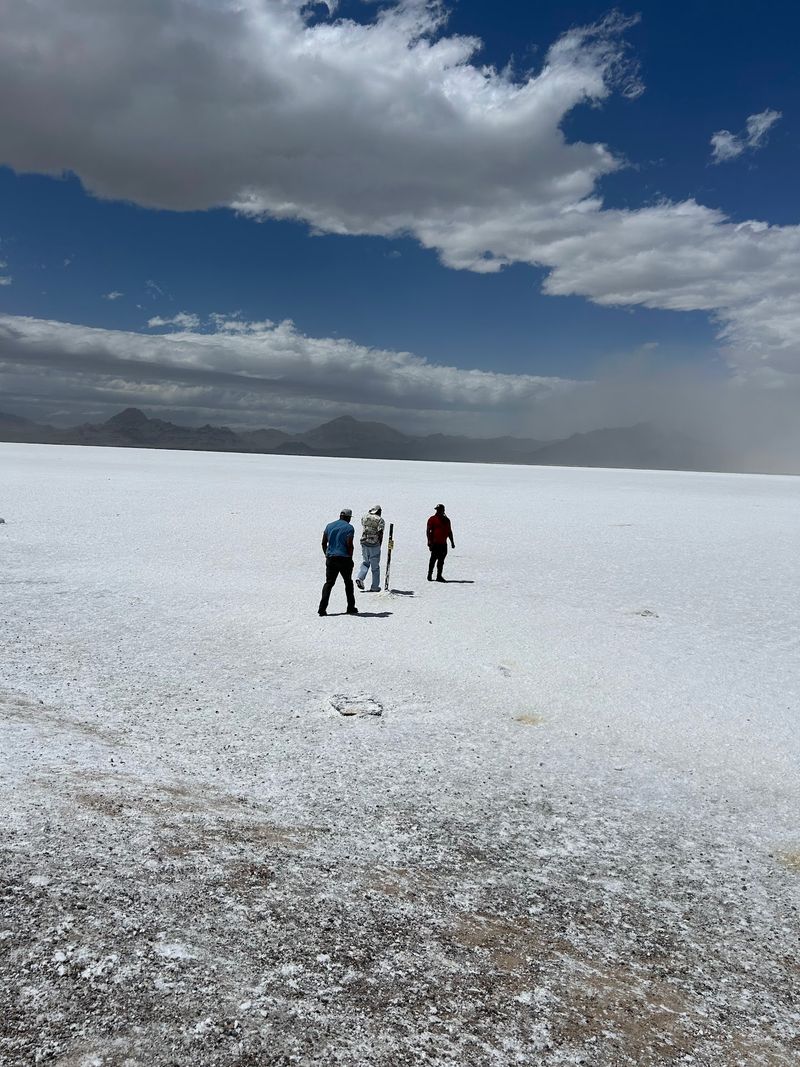
Picture a frozen lake that goes on until it melts into the sky, except there is no ice at all. The Bonneville Salt Flats are an enormous stretch of nearly perfectly flat white salt in western Utah.
The area is a public recreation area managed by the Bureau of Land Management. Portions can be temporarily restricted during events or when the salt surface is wet, so check conditions before you go.
Driving on wet salt is a good way to get stuck.
The flat ground and wide horizon make the scene feel strangely empty in the best way. It is easy to take creative photos here because there is nothing to block the view, and the surface can even reflect the sky when a thin layer of water sits on top.
Bring sunglasses, sun protection, and water, because shade is almost nonexistent. Take a camera too, since the plain white landscape makes everything look a little surreal.
Bryce Canyon National Park, Utah
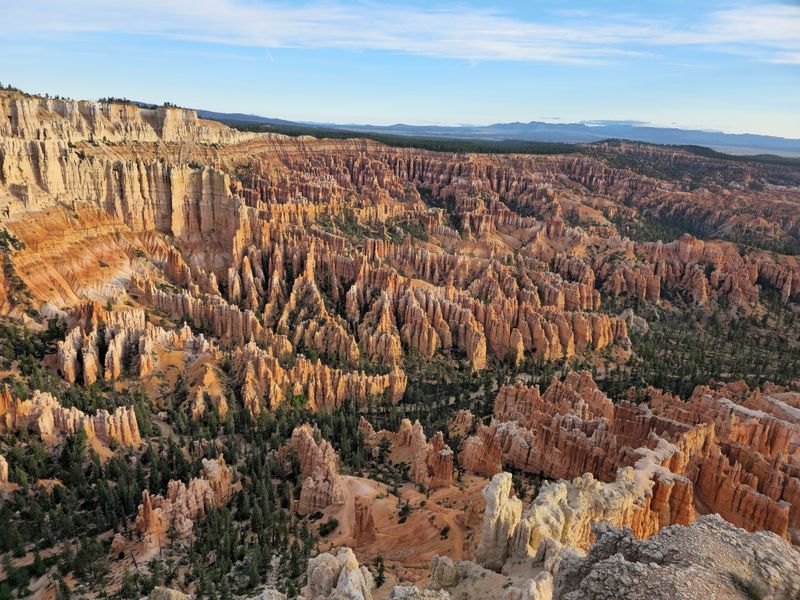
Bryce Canyon is open 24 hours a day all year, which makes it handy for early risers and night owls. Thousands of towering hoodoos in orange, pink, and cream fill its amphitheaters, creating a landscape unlike almost anywhere else in America.
The best way to take it in is from the rim viewpoints, where the rock spires look like a crowd standing in a giant bowl. Trails also lead down among the formations if you want a closer look at the spires.
Winter brings a different look, with snow dusting the red rock. Snow can temporarily affect individual roads and trails, so check the National Park Service page before you go.
Sunrise and sunset are popular times to visit because the light changes the colors on the rock. Dress in layers, since the park sits at a high elevation and mornings can be chilly even in summer.
Bring water and a camera, then take your time at each overlook.
Goblin Valley State Park, Utah
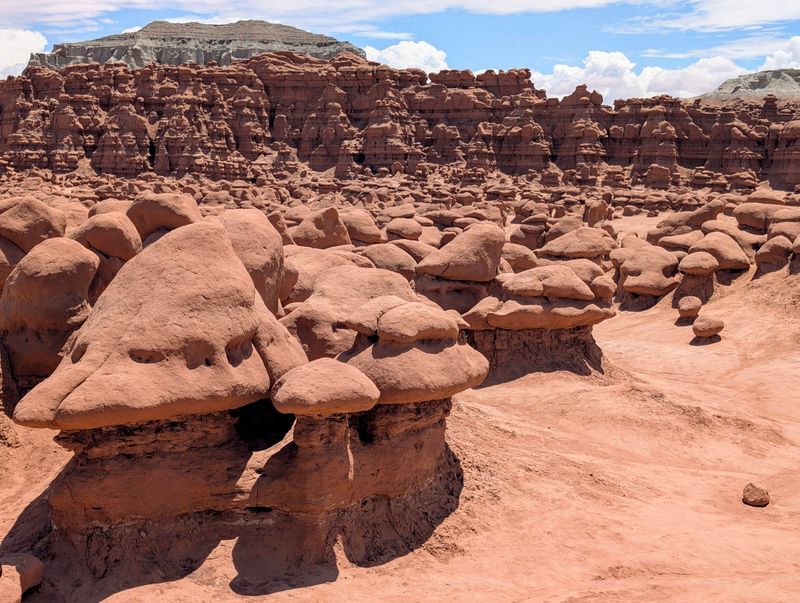
Walk among thousands of oddly shaped sandstone figures and it quickly feels like you stepped onto a science-fiction movie set. The formations here are called goblins, and they pop up across the valley floor in all sorts of lumpy shapes.
Visitors can wander among them rather than just looking from an overlook. That makes it a fun stop for anyone who likes exploring, and the open layout lets you pick your own route through the rocks.
Utah State Parks reported in its September 2026 conditions update that the park, trails, campground, and visitor facilities were open. Conditions can change, so a quick check of the official page is smart before you head out.
The park also has a campground, which makes it a good base for exploring the area. Bring plenty of water, wear sturdy shoes, and plan for little shade.
Midday heat can be strong in the desert, so morning or late afternoon is a comfortable time to explore.
Craters of the Moon National Monument and Preserve, Idaho
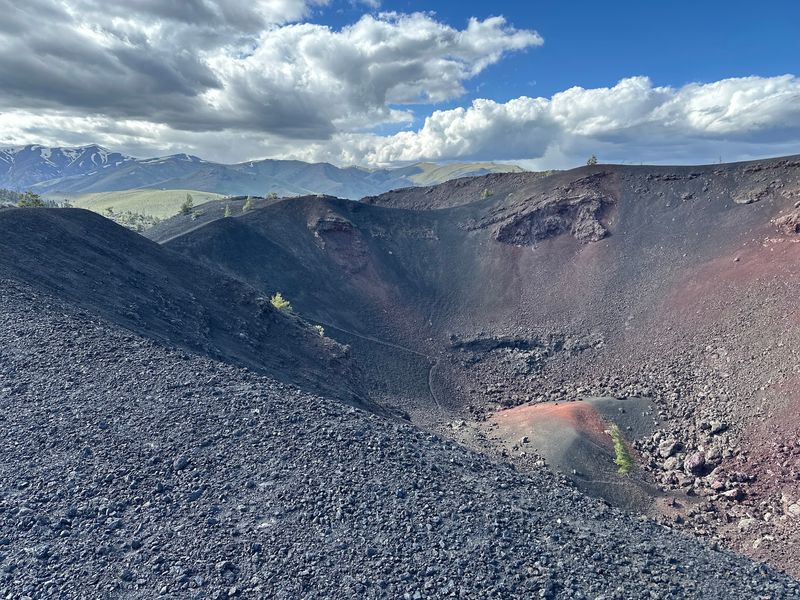
Astronauts once trained at this Idaho site, and the black lava fields make it easy to see why the name fits. Volcanic cones, lava tubes, and barren fields stretch across the landscape in dark, rough layers.
The monument remains open to visitors, though vehicle access on the Loop Road and some facilities change with the season. Winter conditions can limit what is available, so check the National Park Service page before planning your visit.
Exploring the lava tubes is a highlight for many visitors. These cave-like passages formed when lava flowed and left hollow channels behind.
Bring a flashlight and sturdy shoes if you plan to explore them, and expect the ground to be rough and uneven.
The Loop Road offers an easy way to see the scenery from your car, with stops for short walks along the way. Because the lava rock holds heat, summer days can feel intense, so water and sun protection are smart extras to pack.
Badlands National Park, South Dakota
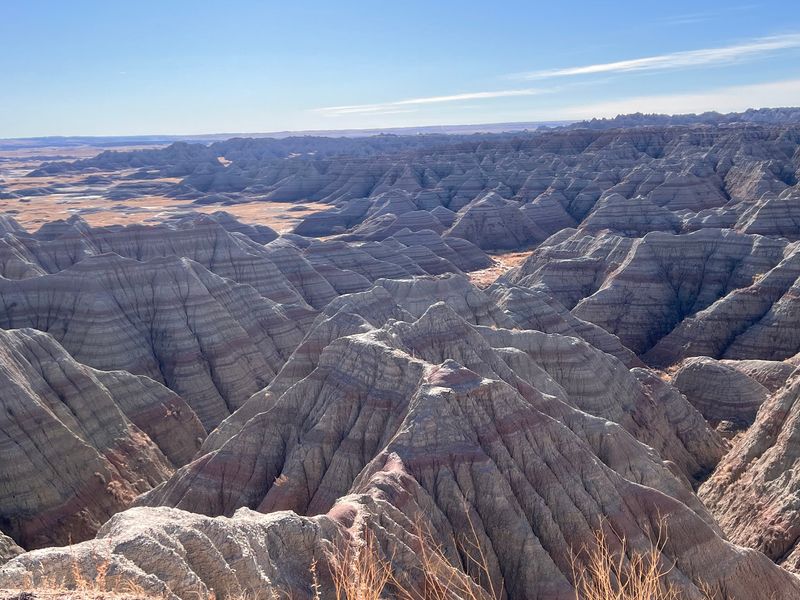
Sharp pinnacles, deeply eroded ridges, and striped rock formations rise right out of the prairie in South Dakota. The contrast between the grassland and the jagged rock makes the scenery look unreal.
Sunrise and sunset are the best times to see the formations, when layers of pink, gold, gray, and purple show up on the rock. Even if you are not an early riser, an evening stop can be just as rewarding.
The park remains open, though visitor-center hours change with the season. That means it is worth checking the schedule if you want to stop in for maps or ranger advice.
Drivers can enjoy many overlooks along the scenic loop, and hikers can walk among the formations on a range of trails. The ground can be slippery when wet, so be careful after rain.
Bring water, since the area can be hot and dry in summer, and wear sturdy shoes for any walking off the pavement.
Great Sand Dunes National Park and Preserve, Colorado
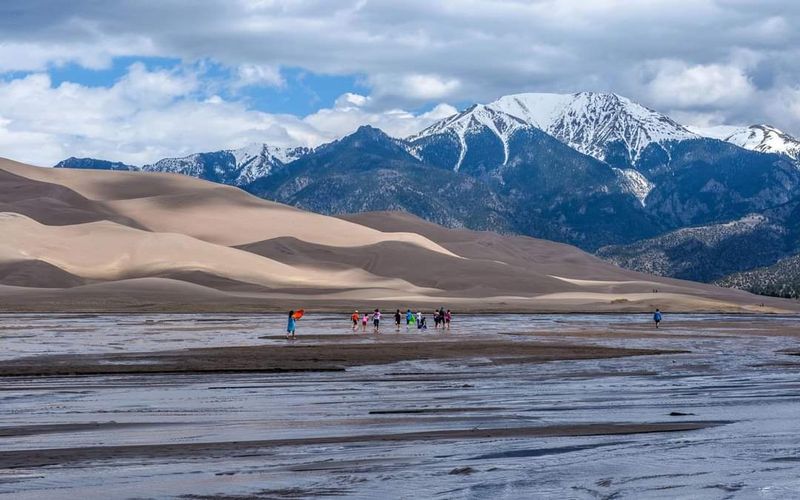
Imagine the Sahara meeting the Rockies and you get the basic idea. America’s tallest sand dunes rise dramatically in front of snowcapped mountains here, which makes for a scene that seems oddly out of place.
The park itself is accessible year-round. Visitor-center and entrance-station services follow seasonal schedules, so it helps to check ahead if you want staff help or information.
Many visitors climb the dunes just to see the view from the top. It is a tiring walk because the sand shifts under your feet, so take your time and bring plenty of water.
Sand can also get hot in summer, so shoes are a good idea.
The contrast between sand, mountains, and open sky gives photographers plenty of material. Whether you hike a short way up or settle for a look from the base, this is one of the more unusual landscapes in Colorado and easy to remember.
Painted Hills, John Day Fossil Beds National Monument, Oregon
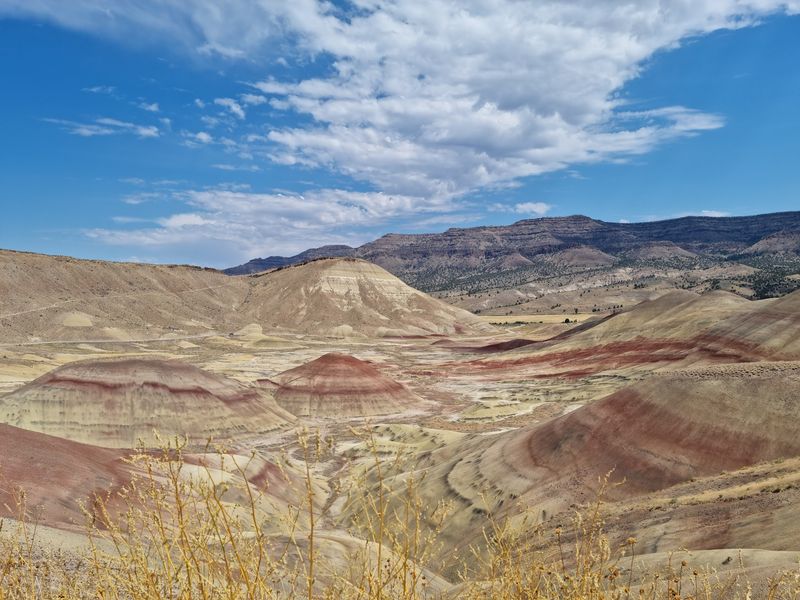
Bands of red, gold, black, and orange ripple across these smooth, rounded hills in central Oregon. The Painted Hills are part of John Day Fossil Beds National Monument, and the stripes make the landscape look hand-colored.
Wildfires temporarily affected the area in 2026. The National Park Service announced that the monument reopened in August, with the Painted Hills Unit again accessible after fire threats subsided.
Because conditions can change, it is smart to check the official page before you go. Wildfire season can affect air quality and access, and updates are posted online.
Short trails and viewpoints let you see the colors from different angles. The hills often look different depending on the time of day and the weather, so a return visit can bring a new look.
Stay on the marked trails to protect the fragile clay surface. Bring water and sun protection, since there is little shade in this open landscape.
Valley of Fire State Park, Nevada
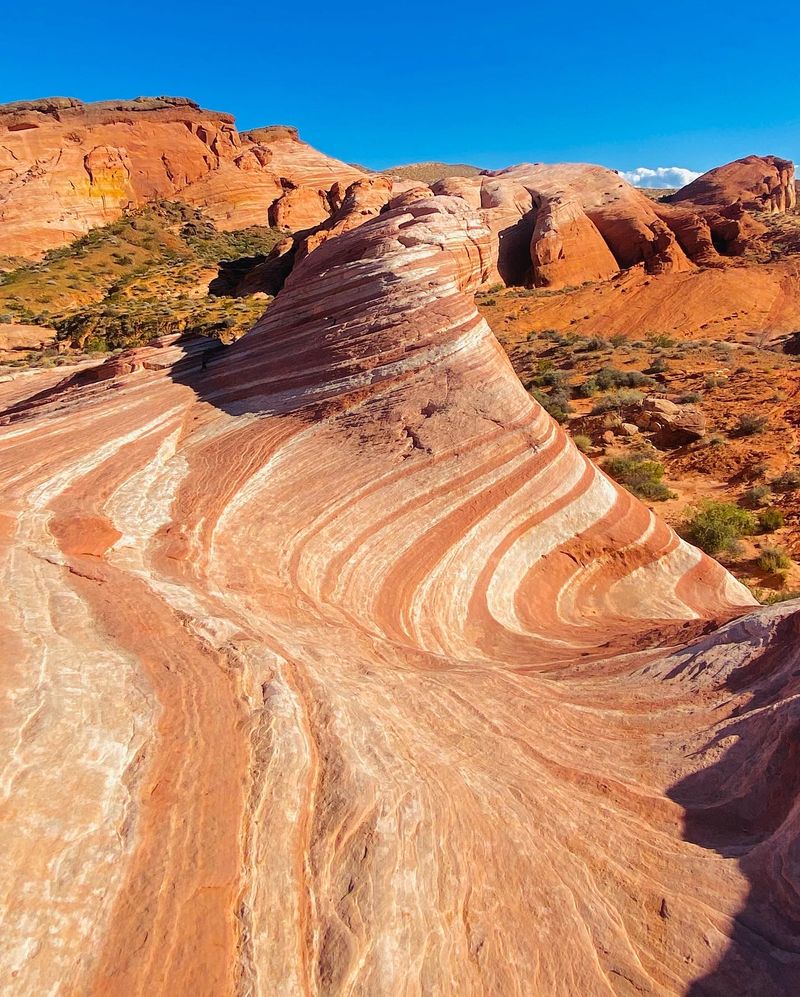
Red sandstone arches, domes, cliffs, and twisting rock formations make this Nevada desert park look like it is lit from within. The name fits, since the rocks seem to burn orange and red under the desert sun.
Valley of Fire remains open, though some entrances and trails have temporary or seasonal restrictions. Nevada State Parks notes construction-related access changes during 2026, so check the official page before you set your route.
The park is a good option for a day trip because the scenery is easy to see from the road, with short walks leading to closer views. Bring plenty of water, since summer temperatures can climb very high and shade is limited.
Spring and fall are comfortable times to explore. Photographers tend to enjoy the early and late hours, when the light makes the red rock stand out against the sky.
Wear sturdy shoes and sun protection, and give yourself time to stop at the many viewpoints along the way.
Mono Lake Tufa State Natural Reserve, California
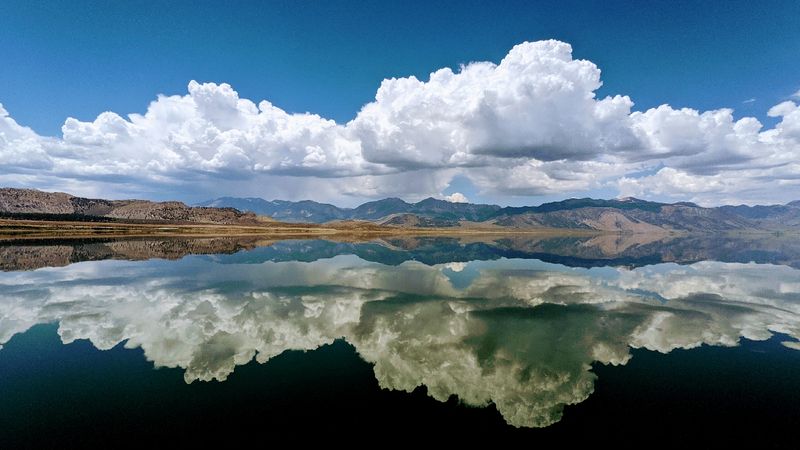
Towering limestone spires rise right out of the shoreline at this ancient saline lake in eastern California. The formations are called tufas, and together they create a scene that can feel almost prehistoric.
California State Parks currently lists the reserve as open. Some services and the County Park boardwalk have restrictions related to the Inn Fire, so check the official page for the latest details before you visit.
The tufa towers formed underwater and became visible as the lake level dropped. Walking among them gives you a close look at the unusual shapes, and the calm water often reflects them nicely.
Sunrise and sunset are popular times for photos, when the light is soft and the sky adds color. Bring water and sun protection, and remember to stay on designated paths.
The tufas are delicate, so looking without touching helps protect them for future visitors.
Petrified Forest National Park, Arizona
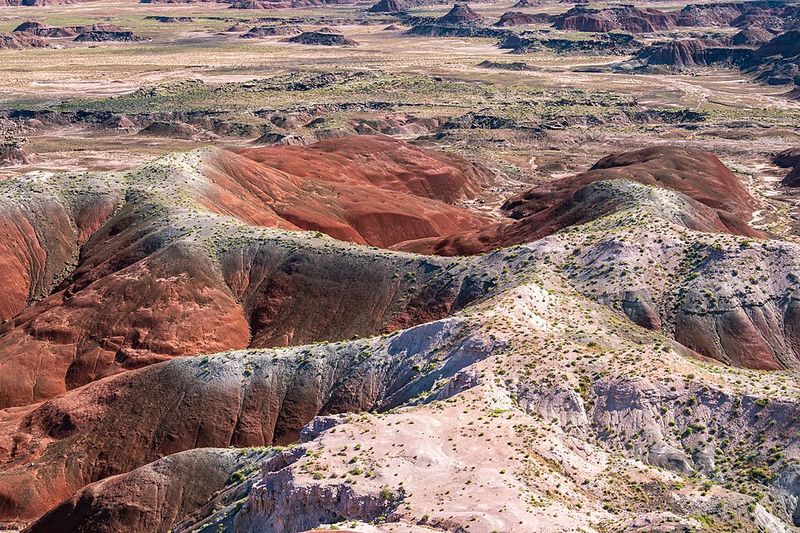
Logs made of stone lie scattered across the ground here, and they are millions of years old. This Arizona park pairs colorful badlands with enormous pieces of ancient wood that have turned to rock.
The Painted Desert portion adds broad bands of red, lavender, orange, and gray to the scenery. Together, the colorful hills and glittering stone logs make for a landscape that looks strangely otherworldly.
The National Park Service currently lists the park as open daily from 8 a.m. to 5 p.m., except for specified holiday closures. Because the hours are limited, plan your day so you have time to see the main stops before closing.
A scenic road runs through the park, with overlooks and short trails along the way. It is easy to see a lot from the car, but a few walks bring you closer to the petrified wood.
Leave every piece in place, since removing any is not allowed. Bring water and sun protection.
Carlsbad Caverns National Park, New Mexico
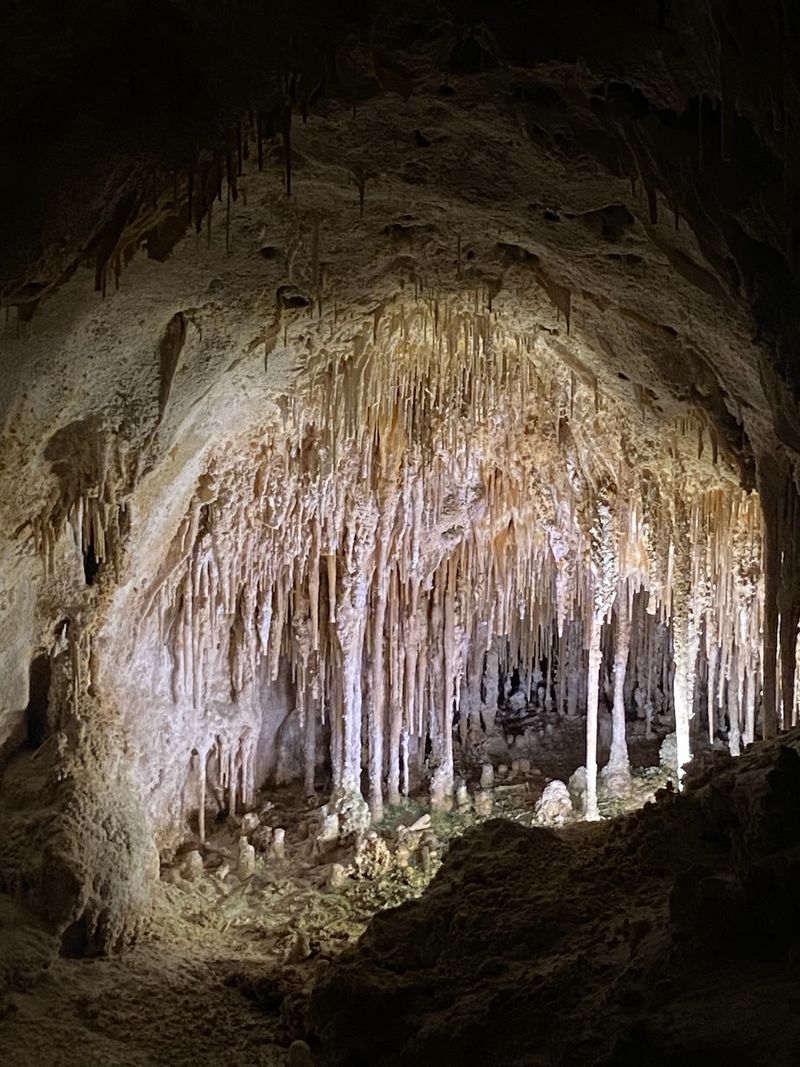
Under the New Mexico desert sits a hidden world of giant rooms, and walking into it can feel like leaving the planet. Stalactites, stalagmites, columns, and vast chambers fill the cave system.
Cavern access is operating, though timed-entry reservations are strongly recommended. Entry hours are limited during the day, so booking ahead helps you avoid problems and gives you a better shot at the time slot you want.
The caves stay cool compared to the desert outside, so a light jacket is a smart addition even in summer. Wear shoes with good grip, since paths can be damp and uneven in places.
Expect to spend a good chunk of time underground, because the chambers are large and there is plenty to see. Take your time on the walkways and look up often, since many of the best formations hang overhead.
Check the National Park Service page for the latest details on tours and entry times.
Grand Prismatic Spring, Yellowstone National Park, Wyoming
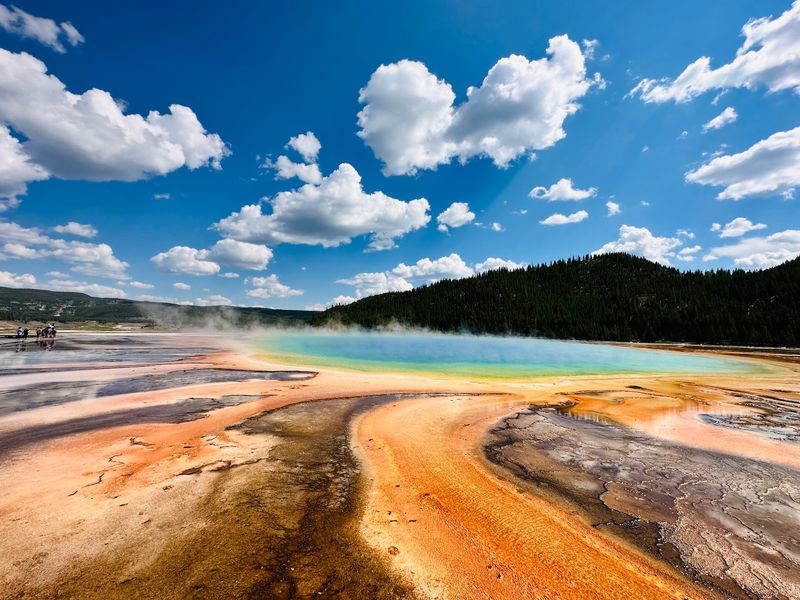
The colors here look almost digitally enhanced, yet nothing about them is edited. A deep blue center is ringed by bands of yellow, orange, and rust, making Grand Prismatic Spring one of the most eye-catching features in Yellowstone.
The colors come partly from heat-loving microorganisms that live at different temperatures around the spring. Warmer areas support different types than cooler edges, which creates the rainbow effect.
Yellowstone remains open year-round, although road access and individual facilities change with the season. Winter can limit which areas you can reach by car, so it is worth checking the National Park Service page before you plan the trip.
Boardwalks keep visitors at a safe distance from the hot water and protect the delicate ground. Stay on them at all times.
Steam can sometimes hide the view, so a viewpoint from above is a popular way to see the full pattern of colors. Bring a camera and a little patience for the best look.
Devils Tower National Monument, Wyoming
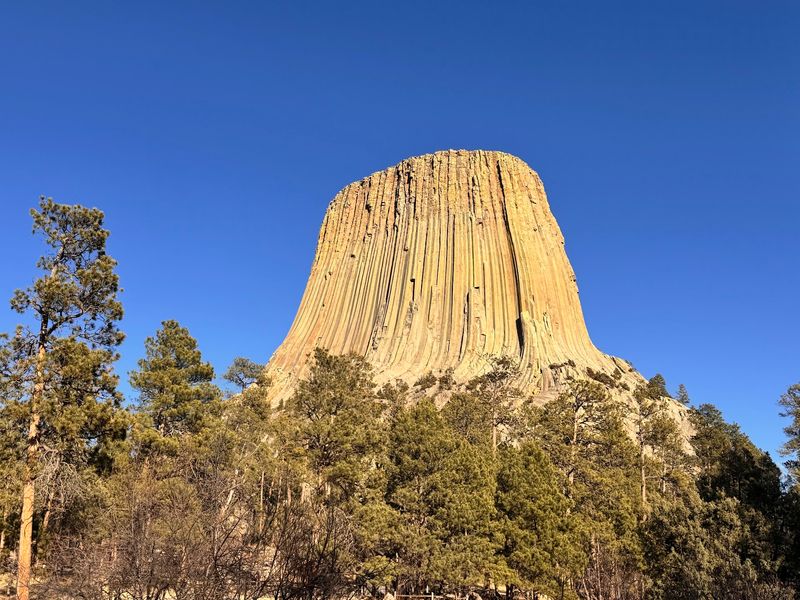
Rising more than a thousand feet above the surrounding landscape, this massive rock looks almost too neat to be natural. Vertical columns run along its sides, giving the formation an artificial look.
Park roads and trails at Devils Tower are open 24 hours a day. Visitor-center hours change seasonally, so check ahead if you want to stop in for information or exhibits.
A trail circles the base of the tower, and walking it gives you changing views of the columns and the boulders piled below. It is an easy way to understand just how big the rock is, and the paved path is manageable for many visitors.
The monument sits in northeastern Wyoming, so it works well as a stop on a longer road trip through the region. Bring water and a camera, and consider visiting near sunrise or sunset when the light adds color to the rock.
The tower is also a respected place for many Native American tribes.
Hawaiʻi Volcanoes National Park, Hawaii
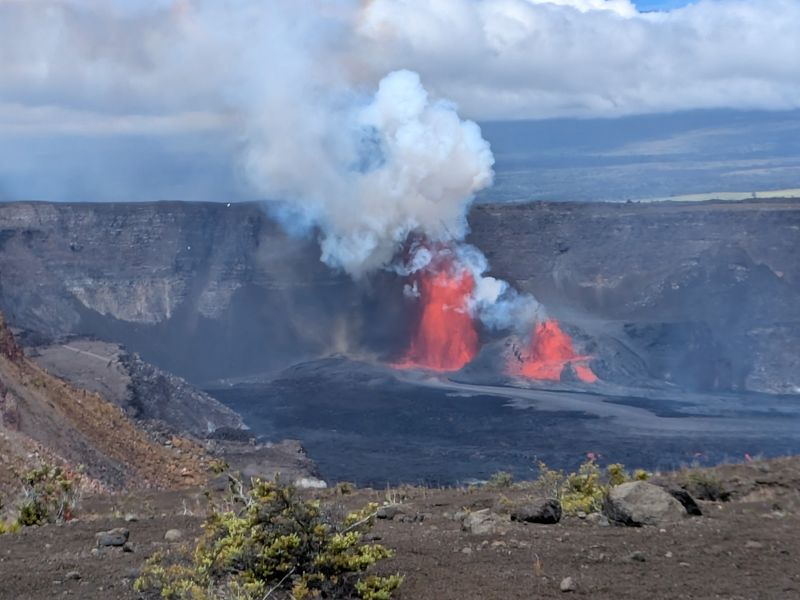
Few parks mix so many landscapes in one place. Steaming volcanic ground, lava fields, giant craters, tropical rainforest, and stretches of black rock make parts of this Big Island park feel more like another planet than a vacation spot.
The park remains open 24 hours a day, seven days a week. Volcanic activity can cause localized closures, so the National Park Service page is the best place to check which areas are open before you arrive.
The mix of scenery is what stands out. You can look into craters, walk through lava tubes, and drive across old lava flows, all within the same park.
Trails range from short walks to long hikes, so there is room for different energy levels.
Bring layers and rain gear, because weather can change quickly and the higher areas can be cool. Sturdy shoes are a must on rough lava rock.
Pay attention to posted signs and ranger advice, especially near areas affected by volcanic gases.
Dry Tortugas National Park, Florida
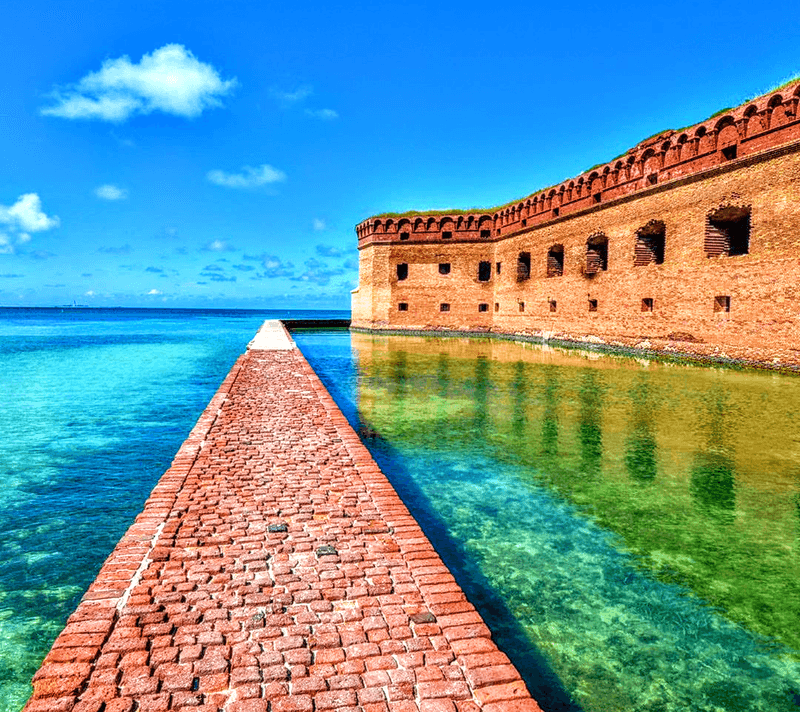
Nearly 70 miles west of Key West, turquoise water surrounds a handful of tiny islands and an enormous 19th-century brick fort. Fort Jefferson takes up much of Garden Key and looks almost impossibly large for such a small piece of land.
There are no roads connecting the park to mainland Florida. Visitors arrive by ferry, private boat, charter boat, or seaplane, which makes the trip part of the adventure.
Garden Key is open year-round, while certain smaller islands have wildlife-related closures. Check the National Park Service page for current details before booking transportation.
Once there, you can walk around the fort, look at its brick arches, and enjoy the clear water nearby. The setting feels remote, which adds to the sense of being somewhere far from the usual tourist track.
Bring sun protection, water, and a hat, since shade can be limited. Plan the day around your transportation schedule so you have enough time to explore.
Share this story