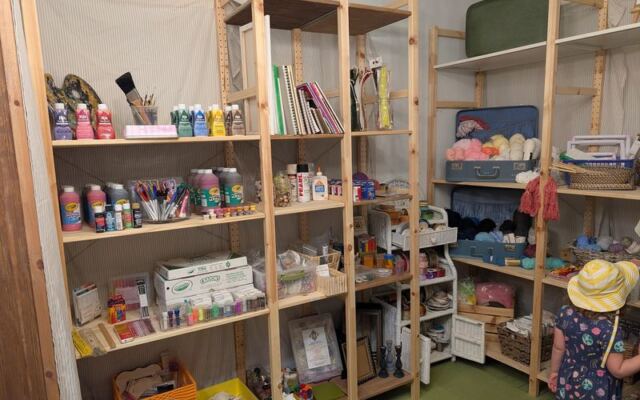
A small shop with donated art supplies can turn a simple errand into a much more interesting outing. At this New Jersey spot, paints and brushes come with an unusual approach: pay what you can.
That gives new artists a place to explore and people with leftover materials a reason to clear their cupboards. The appeal is simple, but the details make it worth a closer look.
A Creative Stop on Church Street
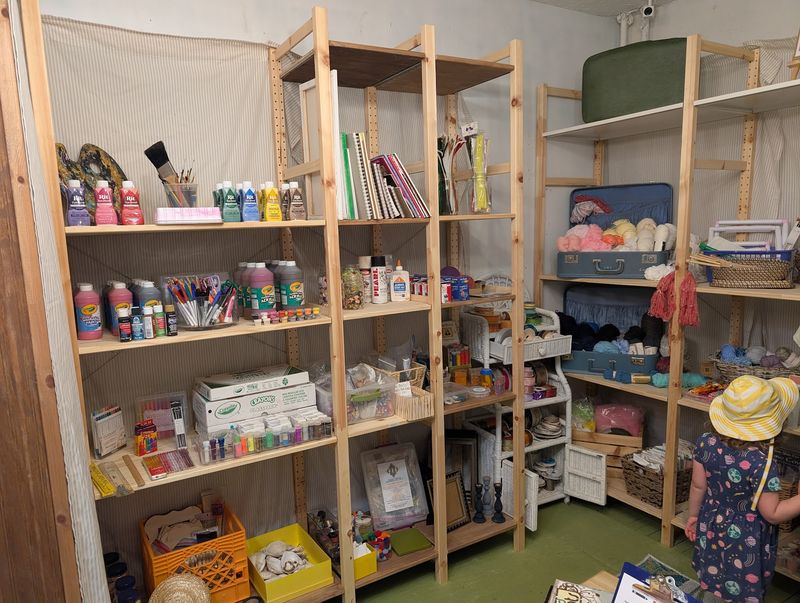
A useful address comes first: Art Supply Thrift Shop is at 41 Church St, Montclair, NJ 07042, United States. It is a thrift store focused on art materials, with a pay-what-you-can approach that sets it apart from a standard supply shop.
The appeal is practical rather than complicated. People can find donated materials for creative projects, while others can pass along supplies they no longer need.
That combination gives the destination a clear purpose before any browsing begins. It is about getting useful materials into another person’s hands instead of leaving them unused at home.
For a local outing, the shop offers a specific reason to make the trip: a chance to find something useful without the usual fixed-price shopping model. Keep the address handy, but leave room in the plan for discovery rather than arriving with a promise of finding every item on a list.
The Basement Beneath Acorn
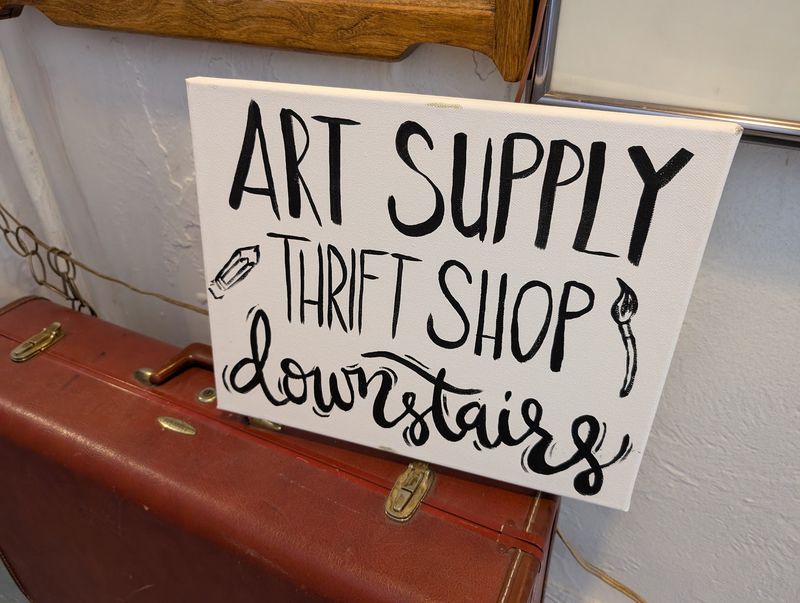
The street address does not tell the whole story. The art supply shop is in the basement of Acorn, a detail worth knowing before heading over.
Rather than expecting a separate art store at street level, plan to find the space within that setting. Its position beneath another shop is part of what makes this destination easy to overlook without a little advance information.
There is no need to turn that detail into a grand claim about the building. The useful point is straightforward: knowing where the supplies are helps make the trip less confusing.
Anyone who needs information about step-free access should ask before traveling, since the available details do not establish an accessible route. A basement location alone cannot answer that question.
With those practical matters settled, the focus can return to the reason for going: donated materials and an unusually flexible way to pay.
A Space Built Around Sharing
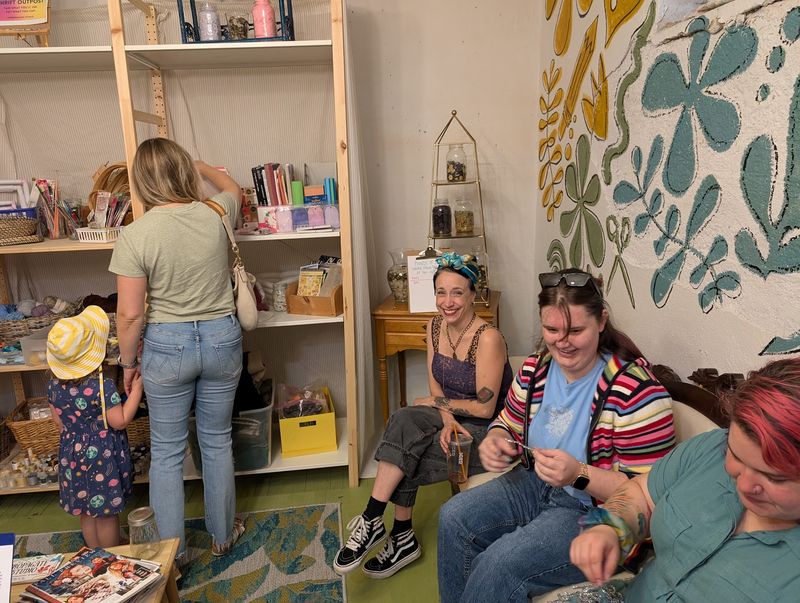
Good intentions become more useful when they have somewhere to go. Here, the central idea is a space where people can donate art supplies and others can find materials for their own projects.
The available account of the shop credits its owners with wanting to create that space. It does not establish a founding date or a detailed origin story, so the strongest story is the purpose already in practice.
A supply bought for one project can still be useful after its original owner has finished with it. The shop gives that possibility a place in everyday shopping.
That matters because creative hobbies often involve more materials than a single project requires. Sharing them does not need an elaborate explanation or a dramatic backstory.
A person has something left over, another person can use it, and the shop helps connect those two needs through a simple, useful exchange.
The Pay-What-You-Can Approach
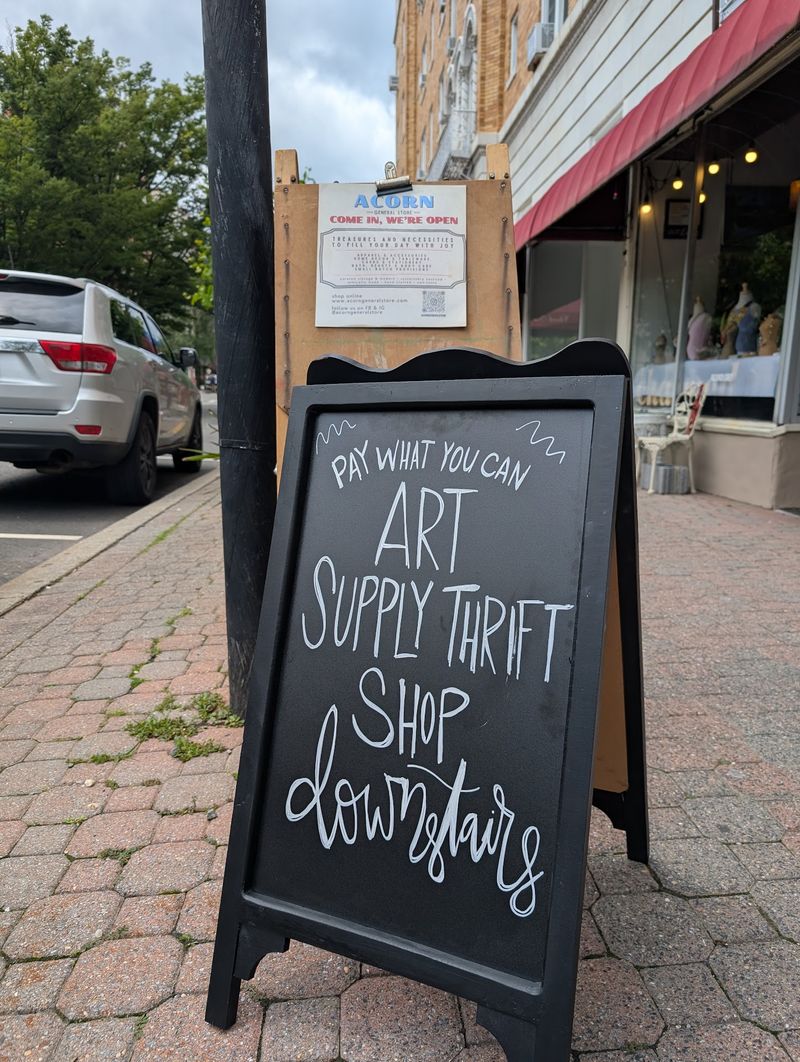
A fixed retail price is not the central rule here. The shop is described as pay what you can, with the amount based on what a person can afford.
That is the most distinctive detail of the destination. It changes the conversation around supplies, especially for someone who wants to try art without committing to a large materials bill.
The available information does not explain checkout procedures, payment methods, or any suggested contribution amounts. Ask how the system works when you arrive rather than assuming details that have not been confirmed.
Pay what you can also deserves to be understood on its own terms. It is a flexible approach, not a reason to promise that every purchase will be free.
The useful takeaway is that affordability is part of the shop’s purpose. Your budget belongs in the decision, alongside what you actually need for the project ahead.
Paints With Another Project Ahead
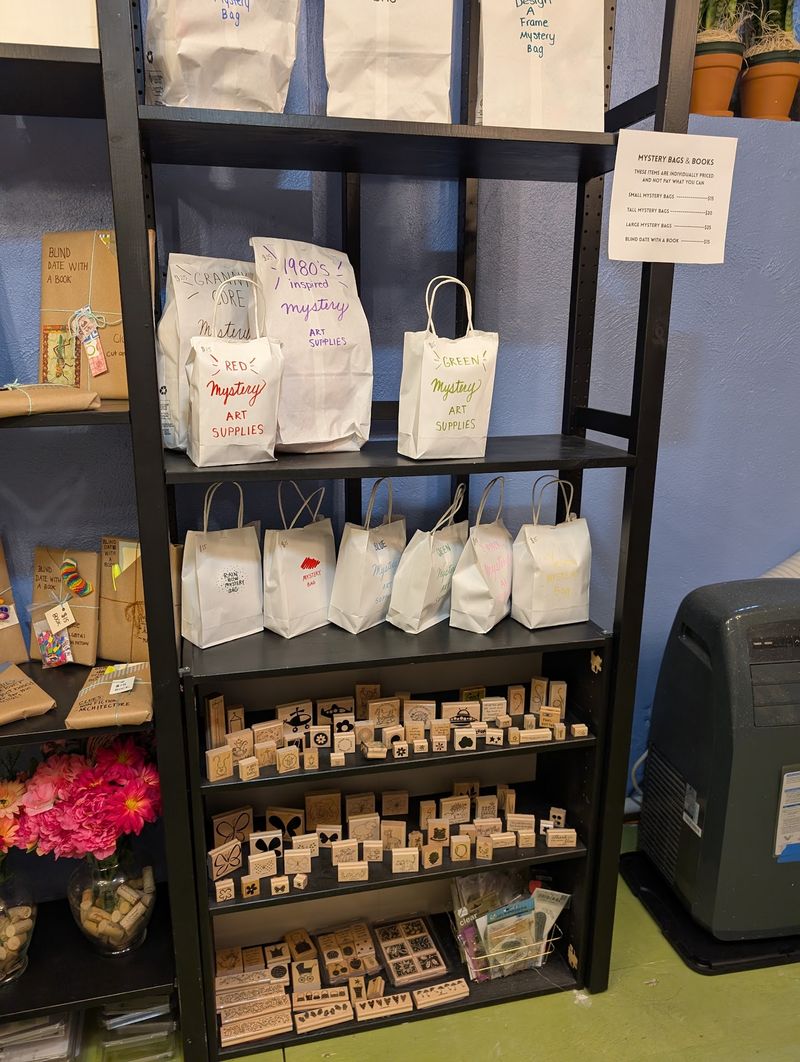
Paint is one of the specific supplies reported at the shop. That gives prospective shoppers a concrete starting point, even though it does not establish which kinds, brands, or amounts will be available on a particular day.
A sensible plan is to connect any possible purchase to a project. Consider what surface you intend to work on and what materials your idea requires before choosing something simply because it is there.
Donated paint deserves the same thoughtful check as any other secondhand supply. Read available labels and ask questions about anything unclear, especially when a project depends on a particular product.
The attraction is not a guaranteed complete paint collection. It is the chance to find useful materials through a different shopping model.
A small, manageable idea can be a good starting point, leaving the discovery enjoyable without turning every available container into another unfinished task at home.
A Manageable Start for Young Artists
Starting an art hobby can involve a discouraging shopping list. The shop’s pay-what-you-can model makes it especially relevant to young artists who cannot easily afford retail supplies.
That does not mean a beginner needs to buy everything at once. A better first goal is a modest project with a few materials that make sense together.
Parents and young artists can decide on that goal before the trip, then use the available selection to see what is possible. This keeps the outing focused without taking away the pleasure of finding something unexpected.
No classes, instruction, or youth programs are established in the supplied information. The benefit here is access to materials, not a promised teaching service.
With that distinction clear, the destination offers a useful starting point: a place to consider creative work without treating a full-price supply haul as the required first step toward making something of your own.
Donation Plans Worth Checking
Your next trip might begin with materials you already own. Donation is a reported part of the shop’s purpose, so this is not only a destination for people seeking supplies.
However, the available information does not provide an acceptance list, condition standards, quantity limits, or a separate drop-off schedule. Contact the shop before bringing a large collection or anything you are unsure it can use.
A little preparation helps keep the process straightforward. Identify what you have, check its condition, and be ready to explain the contents rather than expecting every leftover item to be accepted.
That advice is especially useful for a cupboard clear-out, when art materials may be mixed with unrelated household items. Keep the proposed donation focused on the shop’s actual purpose.
The goal is to offer something another person can use, not simply to move an unsorted collection elsewhere and leave all the decisions to someone else.
A Few Checks Before the Trip
A smooth outing depends on a few details the listing does not settle. Parking, transit routes, payment methods, and step-free access are not established in the supplied information.
Use current travel information to plan your route, and ask the shop directly about practical needs that could affect the visit. The confirmed location is within Acorn’s basement, so that detail deserves attention when planning access.
Donation trips need their own quick check. Ask what can be accepted and when to bring it, rather than assuming the shopping hours answer every drop-off question.
For shopping, arrive with a budget and a rough idea of what would be useful. Neither needs to be complicated.
Those two decisions can make the pay-what-you-can approach easier to navigate while keeping the outing focused. A little preparation leaves more room for the enjoyable part: finding materials that fit an actual project instead of solving avoidable logistics on arrival.
Share this story