Some places on Earth have been studied for generations, and they still keep a few secrets. This list gathers 21 real sites where experts know a lot, yet big questions remain about who built them, why, and how.
You will find giant stones, buried cities, desert drawings, and even strange lights over a quiet valley. Some are famous, and a few may be new to you.
Each one shows how much there is left to learn about the past, and that is what makes them fun to read about and to visit.
Göbekli Tepe, Şanlıurfa, Turkey
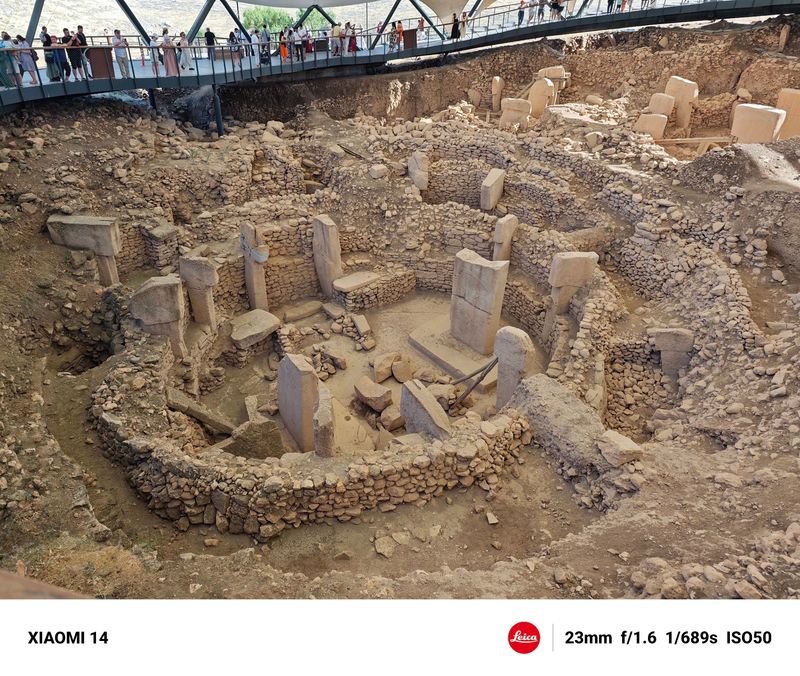
Some of the oldest large stone buildings known were raised before farming was common. Göbekli Tepe dates to the 10th millennium BCE, and its stone enclosures were built by people who still lived mostly by hunting and gathering.
That timing is what stuns researchers. Crews had to cut, move, and set heavy pillars, which means groups worked together on a big plan.
Archaeologists are still studying what happened inside the enclosures and what the building work says about early social organization.
The site raises a simple question that has no final answer yet. Did gathering for shared projects help push people toward settled life, or did settled life make such projects possible?
Digging and analysis continue, so the story may keep changing.
If you read about it, look for photos of the carved pillars. They show how much effort early communities put into a shared place.
Stonehenge, Wiltshire, England
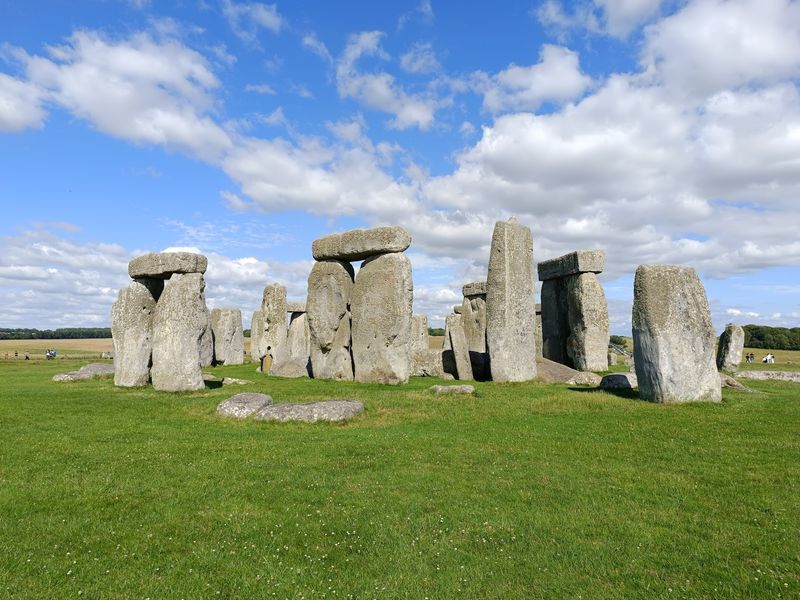
Plenty is known about Stonehenge, and that is part of the puzzle. Researchers have good ideas about when it was built and where many of its stones came from, yet its exact ceremonial roles are still debated.
The monument was also changed more than once. Different communities reshaped the site over time, so no single explanation covers every phase.
Today it is an active visitor attraction managed by English Heritage. That makes it easy to see the stone circle for yourself and compare what you read with what stands in front of you.
Planning ahead is smart, since popular sites can be busy. Check the English Heritage website for current visiting details before you go.
Even with all the research, the people who gathered here left no written explanation, so some answers may never be found.
Great Pyramid of Giza, Giza, Egypt
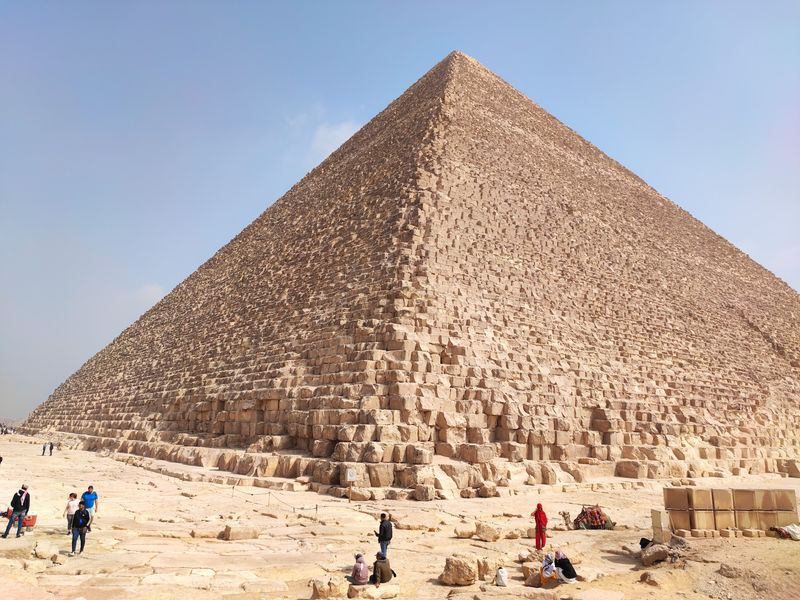
Nobody doubts who built the Great Pyramid. It is firmly understood as a monument of ancient Egypt, and that is where the clear part ends and the new questions start.
Researchers keep looking at its internal architecture and at how the construction work was organized. Moving and stacking that much stone took planning, labor, and tools, and the exact logistics are still studied.
Modern scanning projects have also detected spaces that were not known before. Those features are still being studied rather than fully interpreted, so it is too early to say what they mean.
That is a fun twist for such an old landmark. A structure built thousands of years ago is still giving up fresh data, thanks to technology that can look inside without damaging it.
Expect more headlines as the work continues.
Nazca Lines, Nazca, Peru
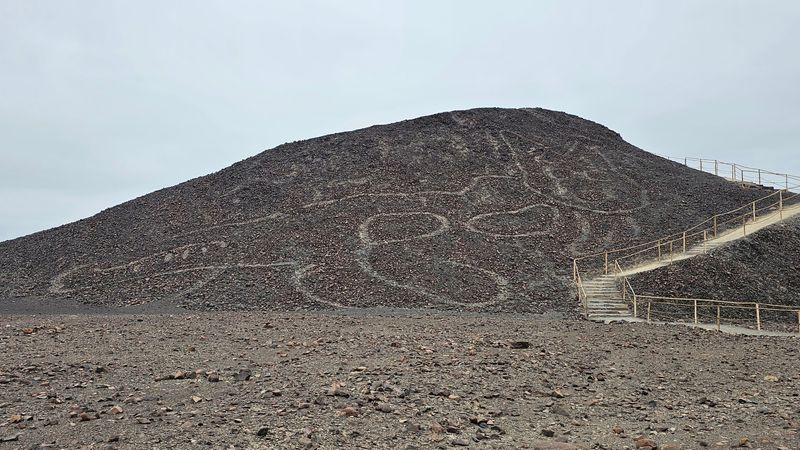
Seen from above, the desert floor in southern Peru turns into a giant sketchbook. Hundreds of enormous geoglyphs include animals, geometric shapes, and long straight lines.
Archaeologists generally connect them with ritual and cultural practices. Still, the exact meanings and functions of many individual designs remain debated, so no single theory explains the whole set.
UNESCO itself describes the complex as one of archaeology’s great enigmas. That is a strong statement from an organization known for careful wording.
The lines were made across a huge area, which adds to the mystery of how planners kept shapes so accurate. If you are curious, look for aerial images or flyover tours, since the designs are easiest to understand from high above the ground.
Plain of Jars, Xieng Khouang, Laos
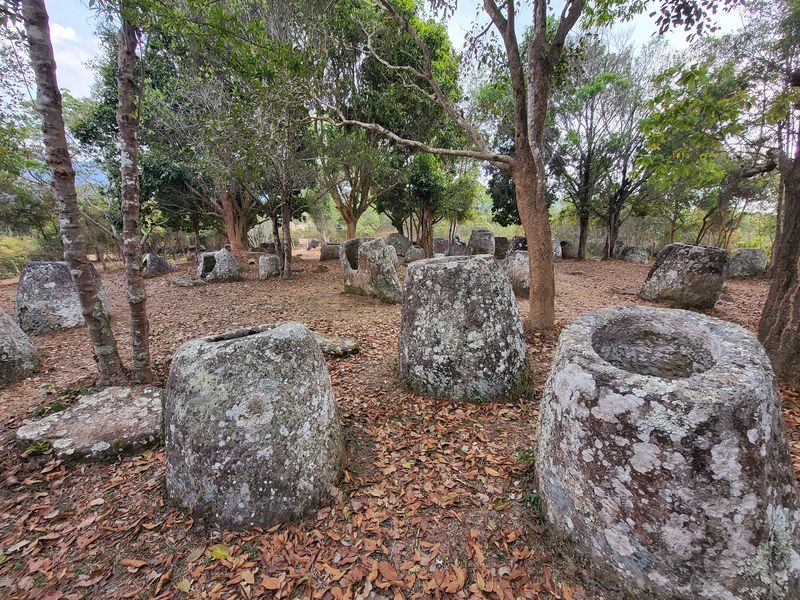
More than 2,100 giant stone jars sit across the landscape in Xieng Khouang. Just picturing the count makes you wonder who had the patience to carve them all.
Research strongly associates the jars with Iron Age funerary practices. Even so, archaeologists are still piecing together who the people were, what customs they followed, and how their society was organized.
The jars are grouped at different sites, and several major ones are established visitor attractions. UNESCO World Heritage recognition helps protect the area for future study.
If you visit, remember that the countryside here has areas that need careful guidance, so stick to the marked and approved sites. The jars are quiet, large, and still full of open questions, which makes them one of the more unusual stops on this list.
Yonaguni Monument, Yonaguni, Japan
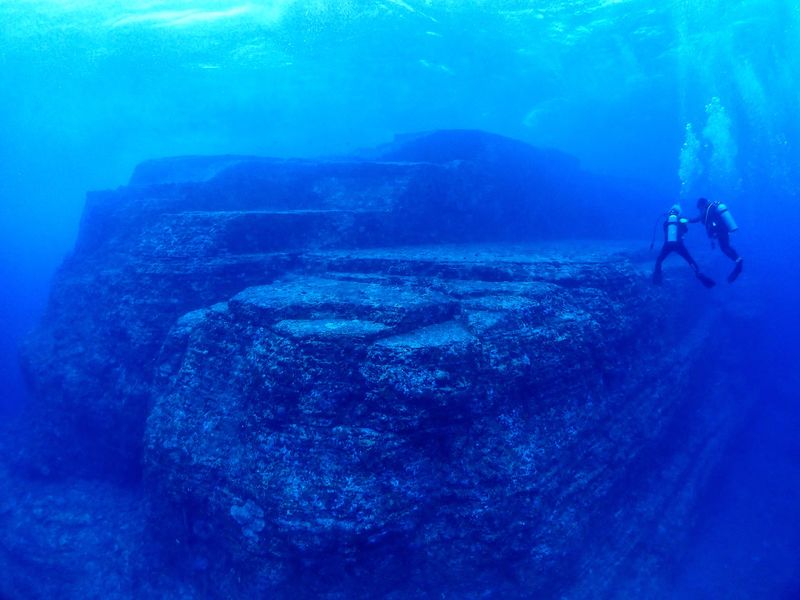
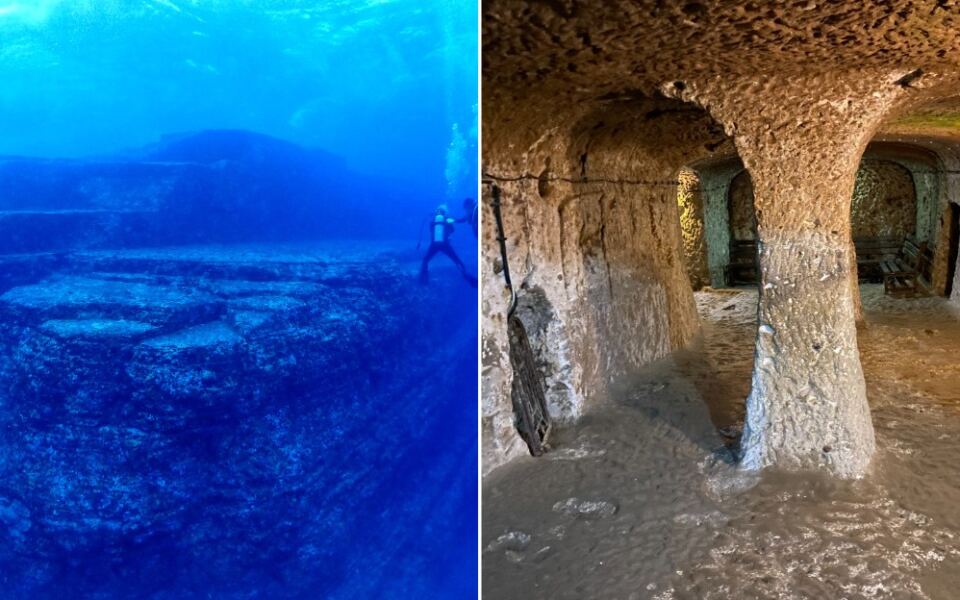
Scuba divers off Yonaguni Island swim over something that looks like stairs. The formation has terraces, straight edges, and angular rock surfaces, all under the sea.
Here the experts truly disagree. Some researchers argue that humans modified parts of it.
Others consider its remarkable geometry a product of natural geology.
That debate has made it one of Japan’s most intriguing underwater sites. It is a good reminder that mysteries are not always about lost cultures.
Sometimes the question is whether a culture was involved at all.
Natural rock can split along clean lines, and that is part of the argument. Photos and dive videos give a good sense of why people keep talking about it.
Whichever side you lean toward, the site is a fascinating place to think about how we read the evidence.
Teotihuacan, State of Mexico, Mexico
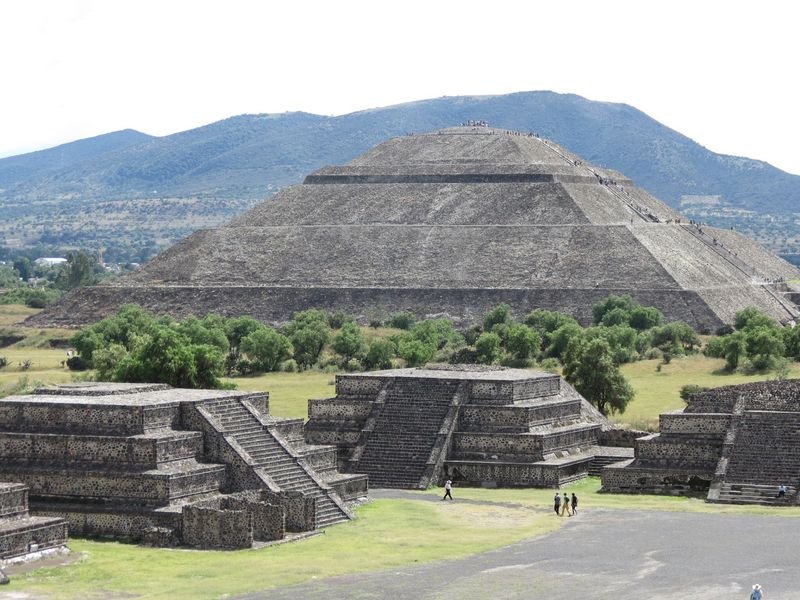
Here is a odd fact: nobody knows what the people of Teotihuacan called their own city. The name used today came later, and historians still cannot say what the inhabitants originally used.
The city became one of the largest in the ancient Americas. Even so, researchers are not sure exactly how its political system functioned.
The ceremonial center still stands with the Pyramid of the Sun, the Pyramid of the Moon, and the Temple of Quetzalcoatl. UNESCO World Heritage recognition covers the ancient city.
Walking such a wide set of monuments gives you a sense of scale that photos only partly capture. It is a great pick if you like big history questions, since a city this large still has gaps in its basic story.
Chaco Culture National Historical Park, New Mexico
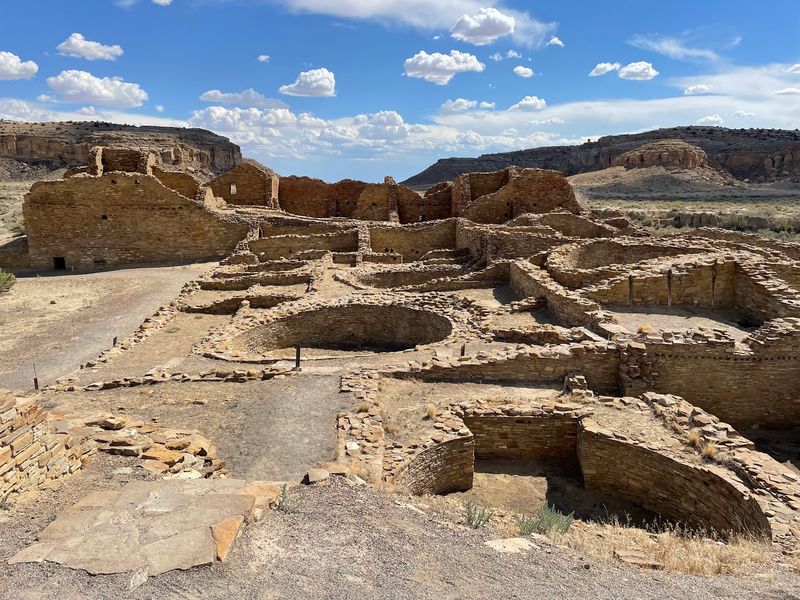
Straight roads in the desert that seem to lead almost nowhere have kept researchers talking for years. Chaco Canyon has monumental great houses, ceremonial structures, and an extensive network of roads.
Archaeologists continue debating how centralized Chaco society was. They also still study what some of those roads and buildings represented.
The archaeological sites are open to visitors, although current road conditions can affect access. That is a practical detail worth checking with the National Park Service before you set out.
Planning matters here because the park is remote. Look up the latest conditions, bring water, and give yourself time to see more than one great house.
The big walls are impressive, and the questions behind them make the visit more interesting.
Poverty Point, Louisiana
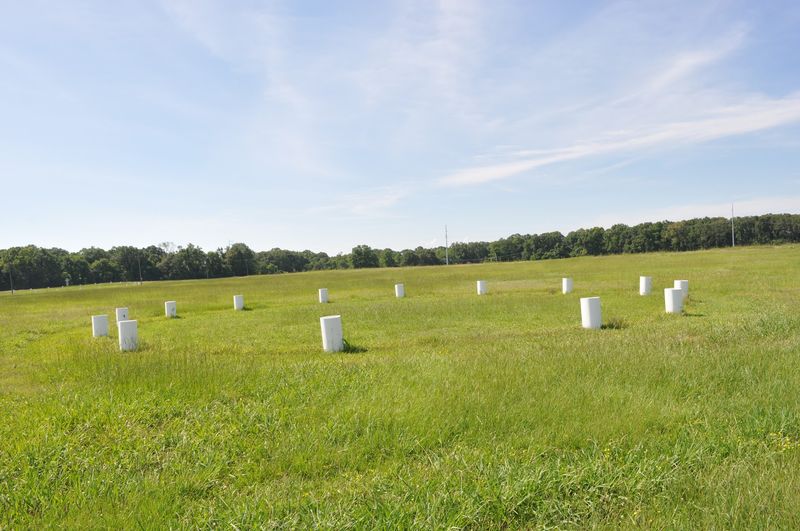
Picture moving enormous amounts of earth with no city to support the work. That is what makes Poverty Point stand out in Louisiana.
Thousands of years ago, people built huge earthworks here without the urban infrastructure tied to later civilizations. Questions remain about how labor was organized and how the builders supported themselves.
Researchers also still study how the complex functioned socially. The site shows that large community projects can happen without a classic city.
The site is currently open to the public daily, according to the National Park Service. The shapes of the ridges are easier to appreciate when you slow down and read the signs, since the landscape looks gentle at first glance.
Bring a hat in warm weather, because there is not much shade on open ground.
Cahokia Mounds, Illinois
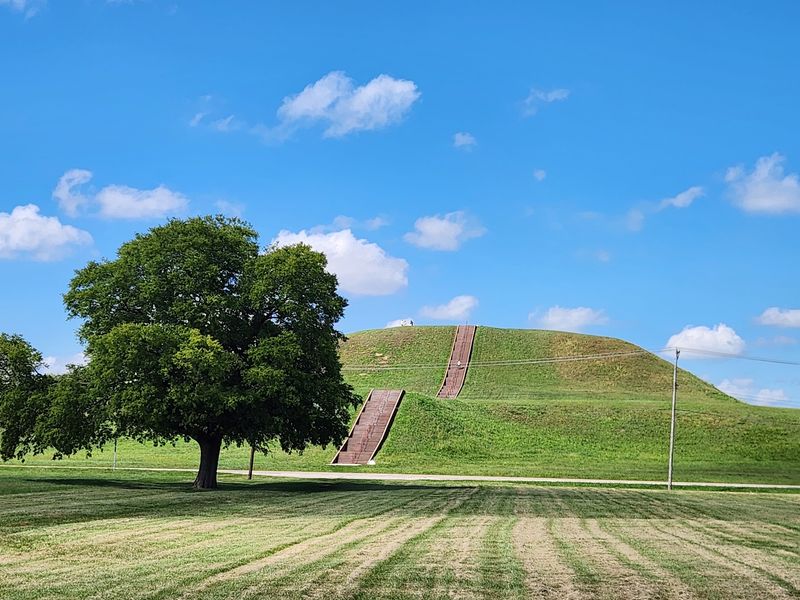
North of Mexico, no pre-Columbian city grew larger than Cahokia. It sits in Illinois, and its big earthen mounds still rise above the grass.
Archaeologists understand much about Mississippian life here. What remains under study is the combination of environmental, political, social, and demographic factors behind the city’s decline.
That is a tricky puzzle, because several causes may have worked together rather than one clear event.
The grounds remain open daily from dawn to dusk. That gives you plenty of flexibility for a morning walk or an evening visit.
Check cahokiamounds.org for details about the interpretive center and any special programs. Seeing the mounds in person helps you picture how large the community once was.
Longyou Caves, Zhejiang, China
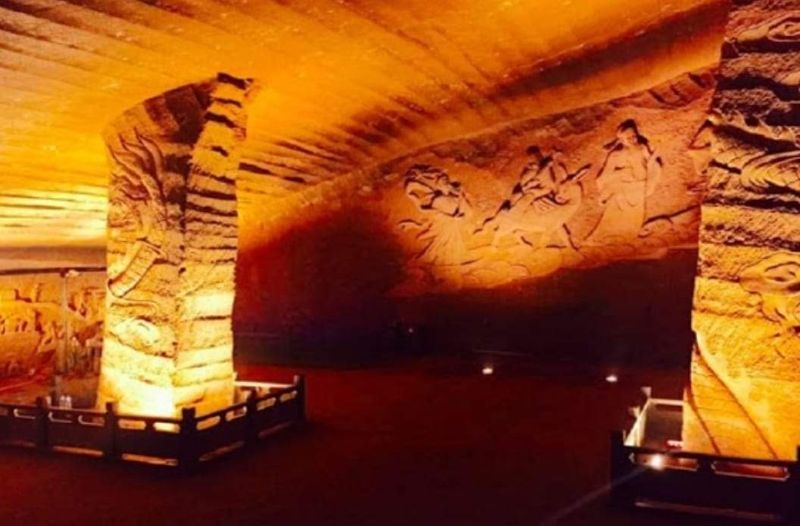
Walk into one of these chambers and the first thing you notice is how regular the walls look. The Longyou Caves are enormous, hand-carved underground spaces in Zhejiang.
They hold vast quantities of excavated stone, which raises obvious questions about the labor involved. Their exact construction history and original purpose continue to generate debate.
The caves operate as an official tourist attraction and currently list daily visiting hours. Checking the latest schedule before you go is a smart move.
What makes them fun to read about is the gap between the scale of the work and the lack of clear records. Visitors can see the carved surfaces and pillars up close, and that makes the unanswered questions feel very real.
Kailasa Temple at Ellora, Maharashtra, India
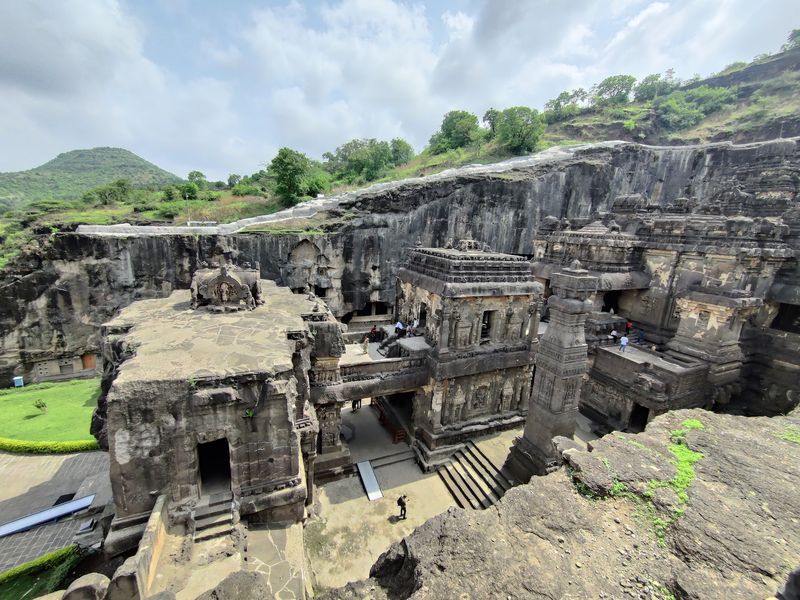
Most temples are built up, one block at a time. Ellora’s Cave 16 was made another way, by removing huge quantities of solid rock from above.
The result is an extraordinary rock-cut temple that looks like a freestanding building. Scholars know its historical and religious context, so the mystery is not about who it was for.
What researchers still study is the precise sequence of work, the workforce organization, and the engineering methods behind such an ambitious excavation.
Think about the planning needed. A mistake in carving could not be undone by adding stone back.
Ellora is a UNESCO World Heritage site, so it is protected and well documented, but the deepest questions about how the crews managed it are still open for study.
Newgrange, County Meath, Ireland
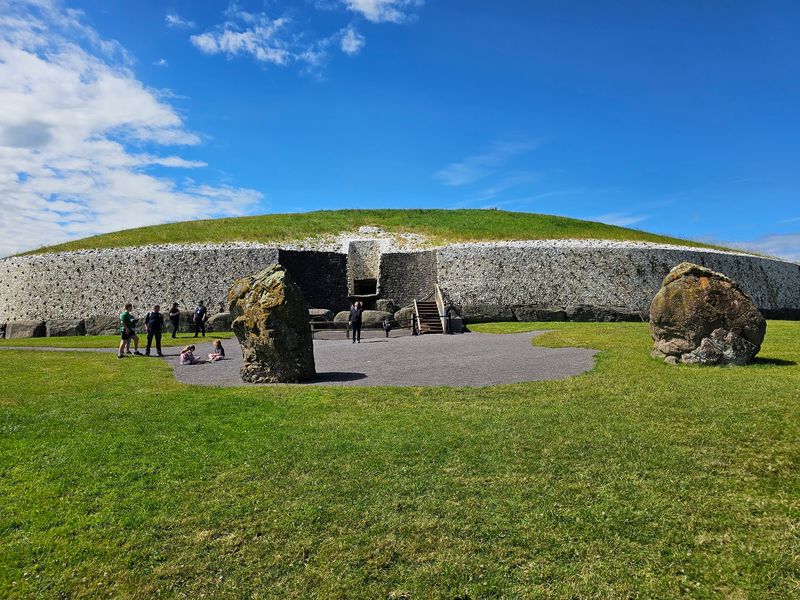
Once a year around the winter solstice, sunlight enters the passage at Newgrange. The monument was built more than 5,000 years ago, and that alignment is clear.
What is not clear is the full ritual meaning. The ceremonies once performed here remain unknown, even though the astronomy is easy to confirm.
Tours continue through the Brú na Bóinne Visitor Centre, which is the way visitors reach the site. Booking details are on the Heritage Ireland website.
It helps to plan ahead because access runs through the visitor centre rather than straight to the mound.
The monument is a fine example of early builders paying close attention to the sky. Its design shows skill and intention, while the reasons behind it stay just out of reach.
Carnac Alignments, Brittany, France
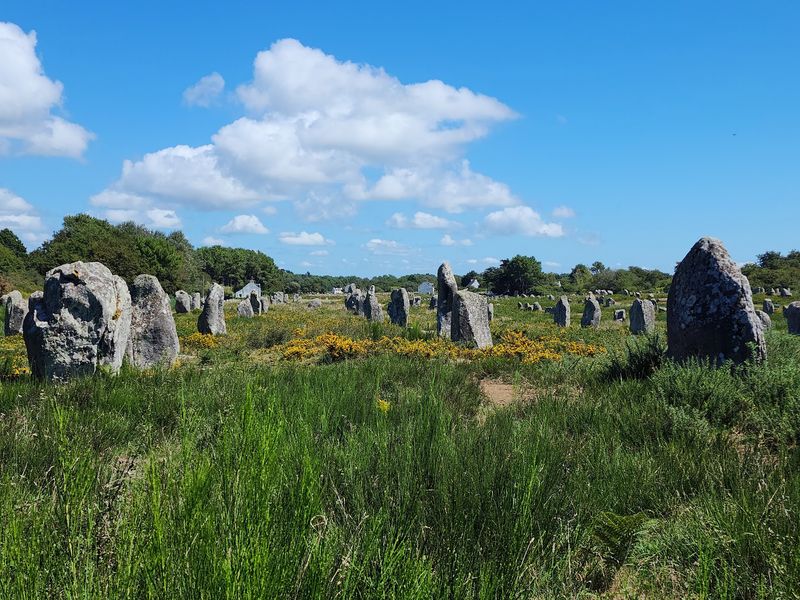
Rows upon rows of standing stones run across the countryside near Carnac. Thousands of prehistoric stones are part of the landscape, and the arrangement was deliberate.
That much is settled. What archaeologists still debate are the social, symbolic, and ceremonial reasons Neolithic communities created such enormous alignments.
The monument remains open to visitors under France’s Centre des monuments nationaux, so you can check official details before planning a trip.
Lines of stones are simple to describe but hard to explain. Without written records, researchers rely on the layout, the dating, and comparison with other sites.
Seeing the rows stretch into the distance gives a feel for the scale of the effort that went into them. It is a wonderful stop for anyone who likes open-air archaeology.
Derinkuyu Underground City, Cappadocia, Turkey
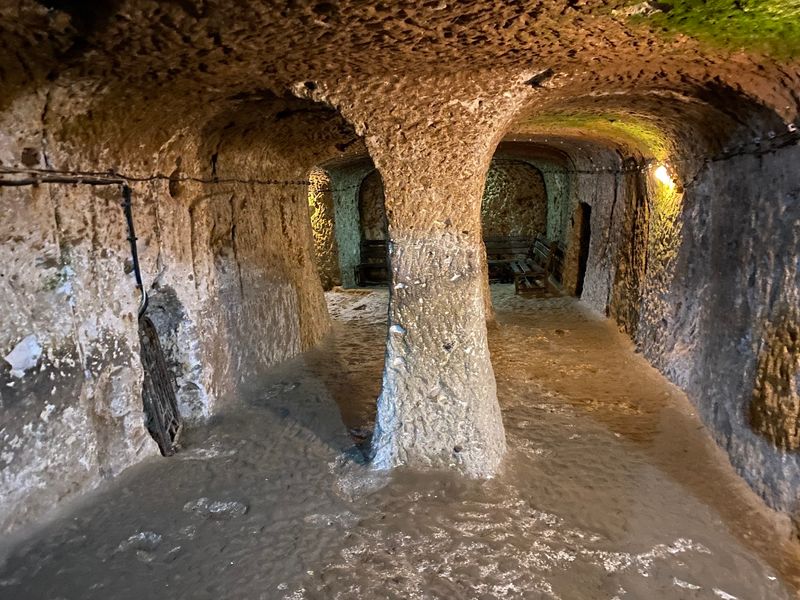
Going down is the whole point at Derinkuyu. It descends deep beneath Cappadocia through chambers, passages, storage areas, and ventilation shafts.
Researchers understand that it was used as a refuge during later historical periods. The harder question is its earliest construction phases.
Figuring out how the underground complex evolved remains difficult, since later use can change or cover earlier work.
That makes the place a layered puzzle rather than a single story. Each chamber may belong to a different time and need.
The shafts and storage rooms show careful planning for daily life underground. Reading about it first helps you notice the details when you picture how people used the space.
Rapa Nui National Park, Easter Island, Chile
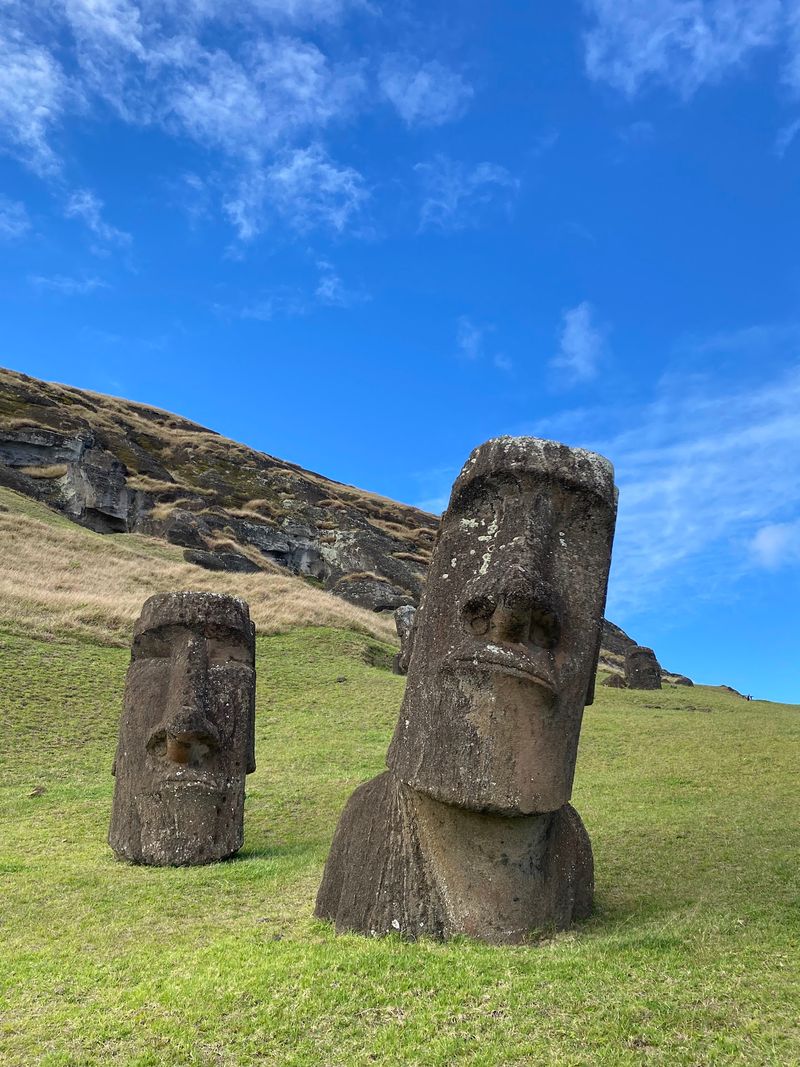
The big question about the moai used to be how anyone moved them. Experiments have since shown plausible ways the statues could have been transported, so that part no longer looks impossible.
Other questions are still open. Researchers continue studying why individual monuments were placed where they were and how construction changed through time.
They also look at how environmental and social pressures transformed island society, which is a story still being refined.
The island’s archaeological landscape remains a UNESCO World Heritage property, which helps protect the statues and platforms.
It is a good example of a mystery changing shape. The old puzzle was partly solved, and new, more detailed ones took its place.
Sacsayhuamán, Cusco, Peru
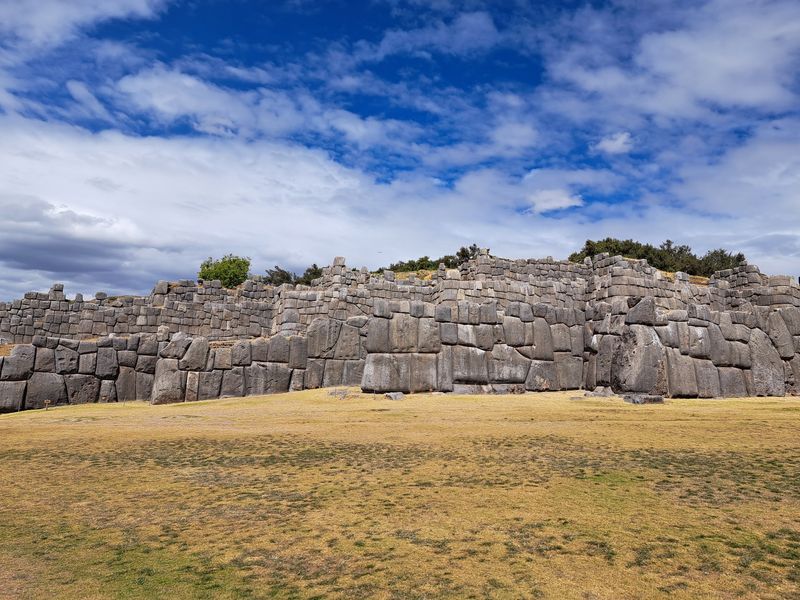
Some of the stones here are so big that you have to step back to take them in. At this Inca complex above Cusco, they are fitted together with extraordinary precision.
The Inca origin of the site is understood. What researchers keep working on is how the stone was quarried, transported, and shaped.
They also study the labor systems used during the different construction phases, which is a large and complex subject.
The zigzag layout of the walls is one of the details visitors tend to remember. Fitting irregular blocks so closely took skill and planning.
Reading about the Inca organization of work helps explain why such projects were possible, even if the full method is still being pieced together.
Puma Punku at Tiwanaku, Bolivia
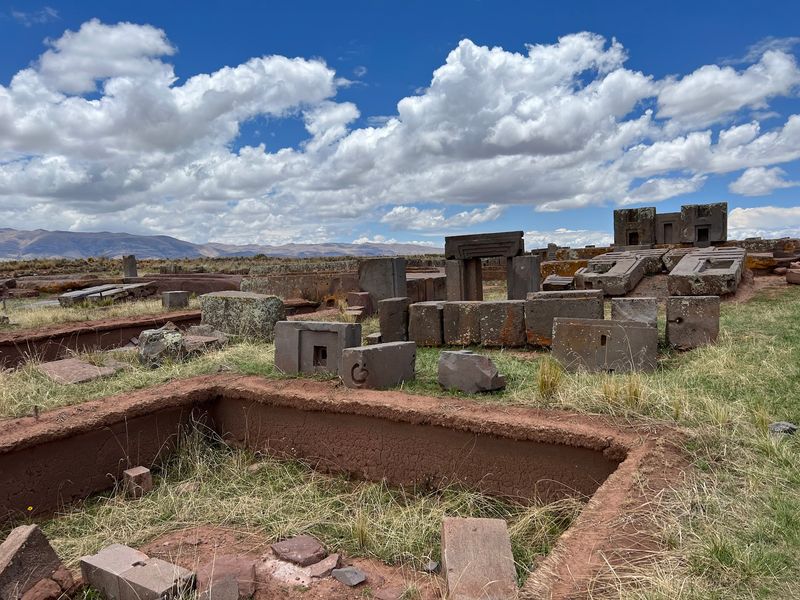
The internet loves to attach wild claims to Puma Punku. The truth is simpler: there is no need for lost technology or aliens to explain the precisely shaped stone blocks.
Archaeologists still have real work to do, though. They study the precise construction sequence, the architectural form, and the organization behind the complex.
Puma Punku forms part of the protected Tiwanaku archaeological zone, recognized by UNESCO.
What makes it interesting is the skill shown in the cut stone, all produced by human builders. The blocks have clean angles and fitted shapes that look surprising even today.
If you like the idea of separating myths from facts, this site is a great case study in how careful research beats hype.
Su Nuraxi, Barumini, Sardinia, Italy
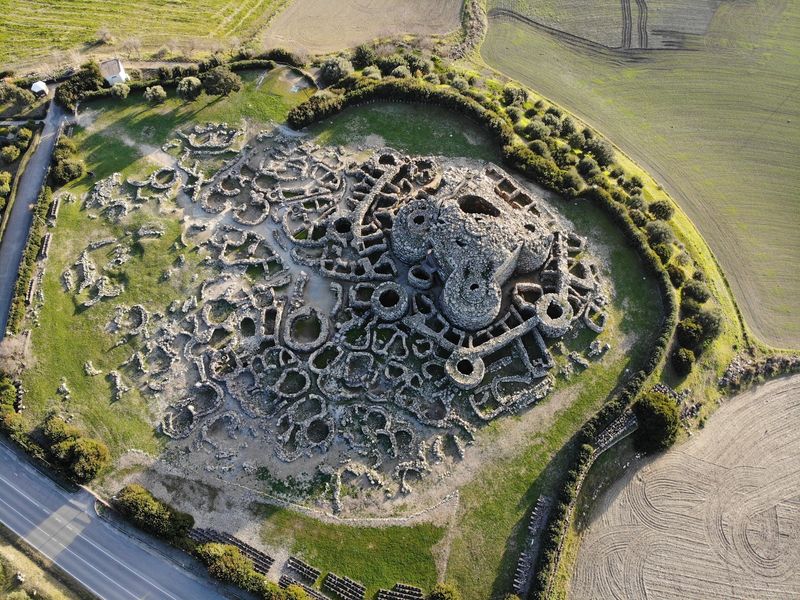
Sardinia has thousands of stone towers, and Su Nuraxi is the best-known example. It belongs to the mysterious nuragic culture of the Bronze Age.
The towers are well documented. Even so, scholars continue debating the full range of political, defensive, residential, and ceremonial roles such structures played.
That mix of possible uses makes the site harder to label than a simple fort or home.
Su Nuraxi remains open throughout the year with guided visits, according to Fondazione Barumini, so planning a tour is straightforward.
The dry-stone construction is a highlight, since the walls were built without a binding material. It is an easy site to enjoy if you like towers, and a thoughtful one if you like open questions.
Avebury Stone Circle, Wiltshire, England
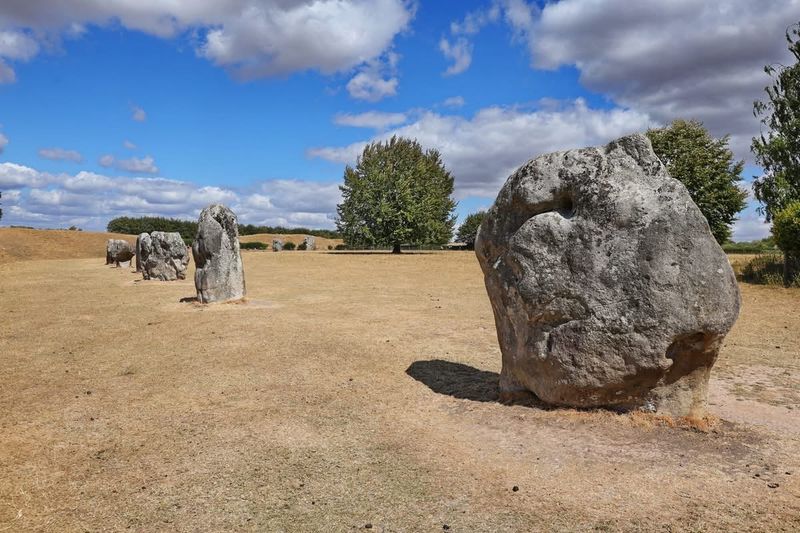
Stonehenge gets the fame, but Avebury is the bigger story in some ways. It forms one of Europe’s largest prehistoric stone-circle landscapes.
Archaeologists can date many elements of the complex. The beliefs, ceremonies, and social meanings that motivated generations of construction remain impossible to reconstruct completely.
The National Trust continues to offer visits and guided stone-circle tours, which can add helpful background as you walk among the stones.
Part of the fun is that the landscape feels open. The stones sit in fields and around a village, so you explore rather than queue.
It is a good choice if you want a prehistoric site with more room to wander and think.
Uffington White Horse, Oxfordshire, England
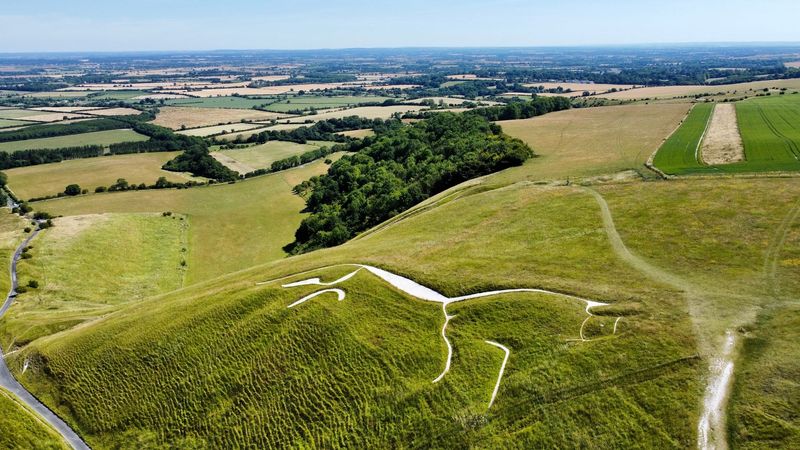
Britain’s oldest surviving chalk-cut hill figure is a simple, flowing horse. The Uffington White Horse is around 3,000 years old, and that age is much better understood than its meaning.
Whether it represented identity, mythology, territory, ritual, or something else remains uncertain. Each idea has its supporters, and none is settled.
The site is currently open during daylight hours, and the National Trust looks after it.
The figure is large, so the best view is often from a distance. Walking the hill gives a different sense of how it sits in the landscape.
It is a small, clear shape with a big unanswered question behind it, which suits this list nicely.
Share this story