Long before streaming and social media, a teen idol could fill a bedroom wall with posters and sell out arenas in a single weekend. The 1970s produced a huge wave of young stars who ruled magazines, TV screens, and record charts.
Many of them have slipped out of the spotlight, even though millions of fans once screamed their names. Here are 14 stars who were everywhere back then, and what made each one so popular.
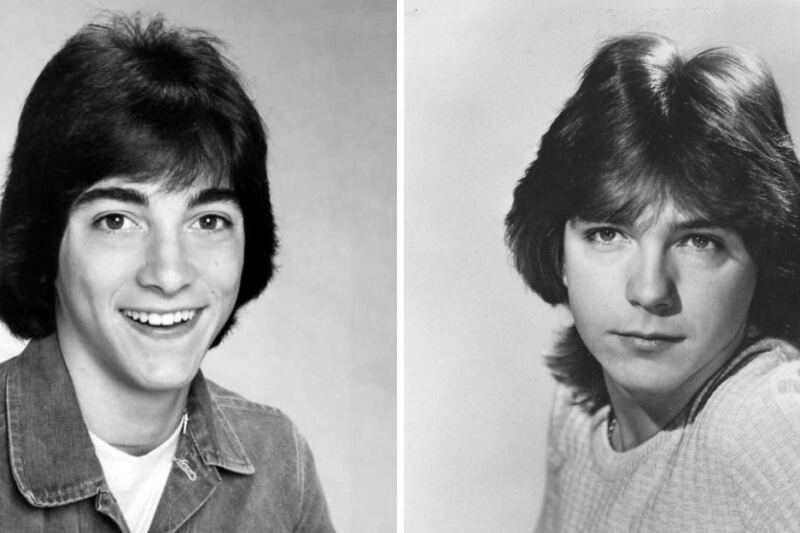
Shaun Cassidy
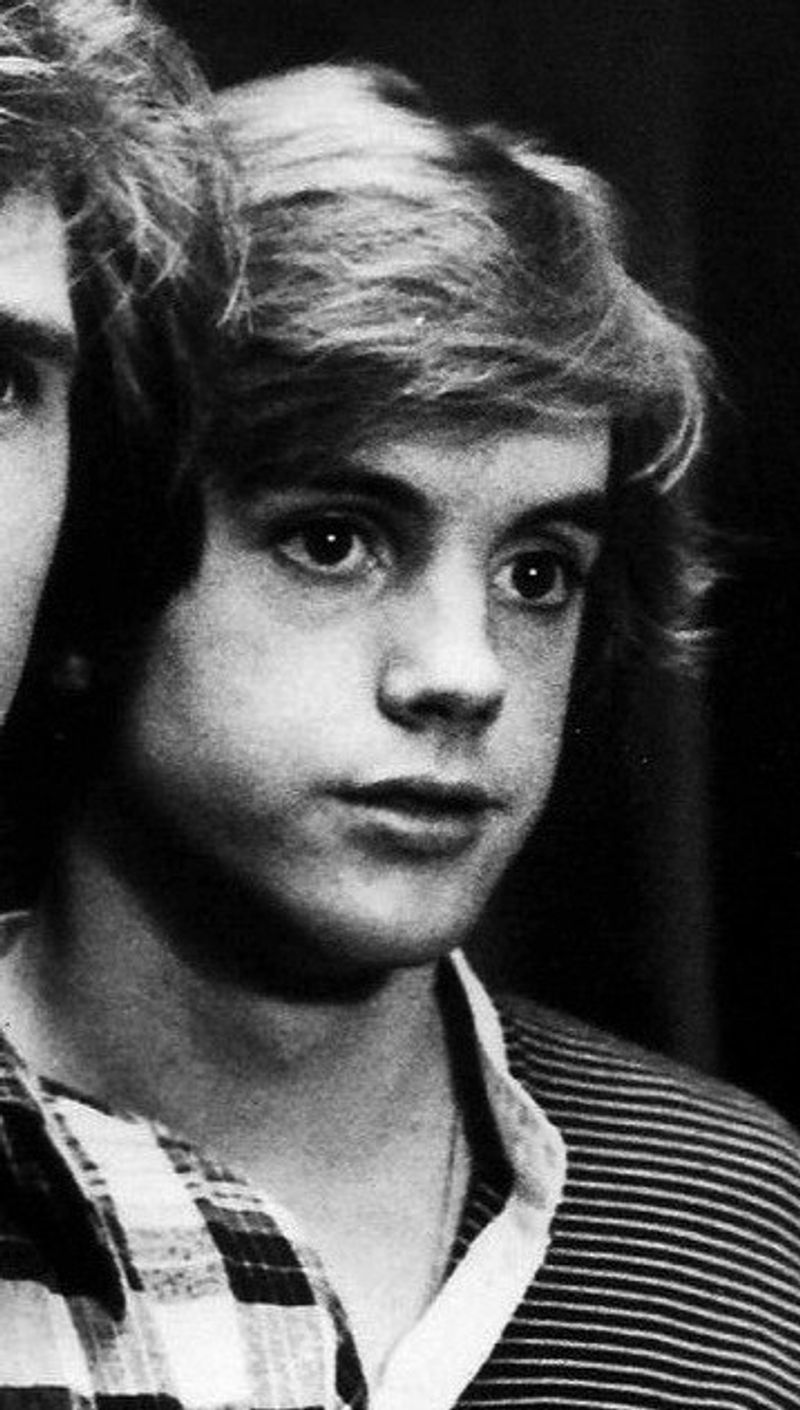
Wearing feathered hair and a big grin, Shaun Cassidy became a pop sensation in 1977 almost overnight. His cover of Da Doo Ron Ron reached number one on the US charts that year.
He also starred as Joe Hardy in the TV series The Hardy Boys Nancy Drew Mysteries, which kept him in front of young viewers every week. Magazines like Tiger Beat put him on their covers again and again, and his albums sold in huge numbers.
He is the younger half brother of David Cassidy, so music ran in the family. When the teen craze cooled, Shaun shifted behind the scenes.
He later worked as a writer and producer for television, creating shows such as American Gothic. Fans who still remember him often point to his early records as pure 1970s fun, full of bright melodies, simple lyrics, and a boyish charm that made bedroom walls disappear under posters across the country.
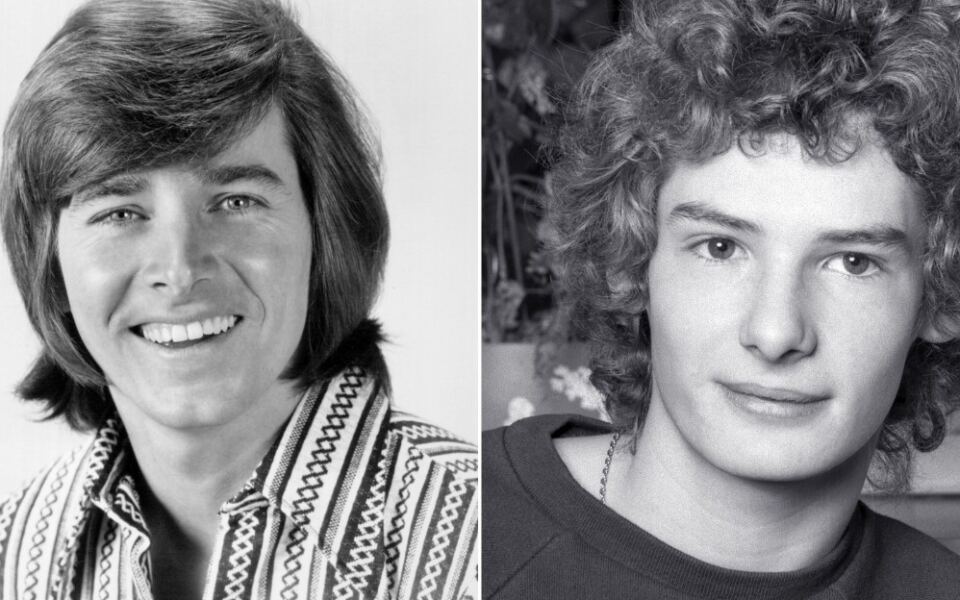
Leif Garrett
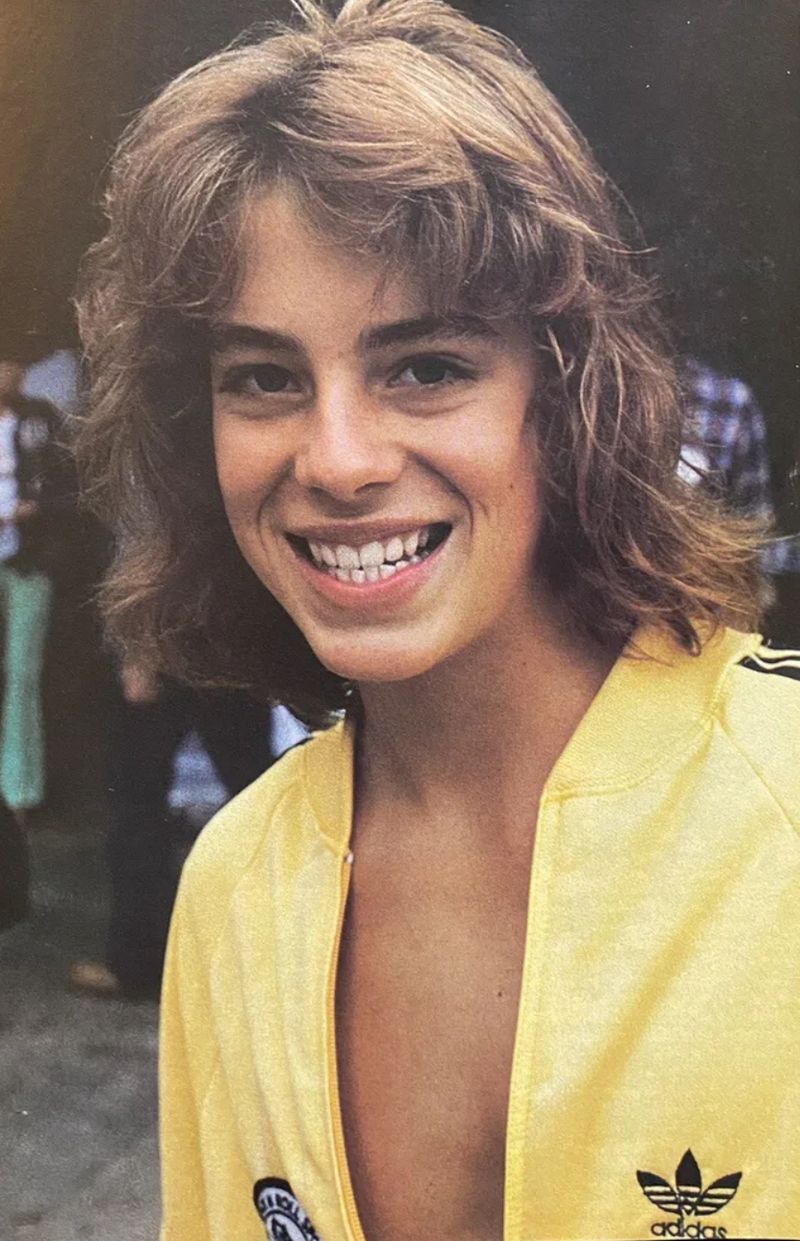
Few teens had a busier schedule than Leif Garrett in 1978. He was recording albums, touring, and appearing on magazine covers, all before he could legally drive.
His hit I Was Made for Dancin reached the top ten in the United States, and his blond hair and bright smile fit the era perfectly. Before music, he had worked as a child actor in films and television, so the camera already felt familiar.
Fans packed his concerts, and his posters were a bedroom staple. As the disco decade ended, the teen idol market shifted, and his music career slowed.
He kept acting in later years and stayed connected to fans of that era. His story shows how fast pop fame could rise and change.
A teenager could go from school hallways to stadium stages in just a few short seasons, and then have to find a new path as tastes moved on.
David Cassidy
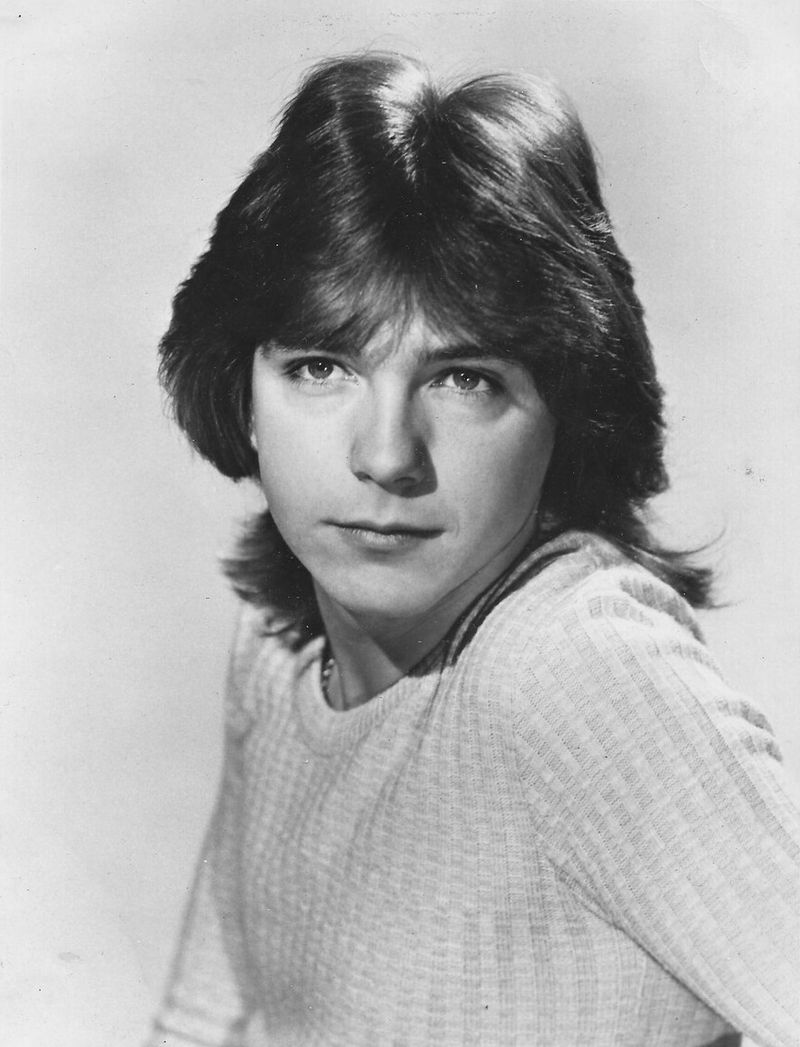
Imagine a TV actor getting more fan mail than almost anyone else in the world. That was David Cassidy around 1972, when The Partridge Family made him a household face.
He played Keith Partridge on the show, and the band’s song I Think I Love You became a number one hit in 1970. Teen magazines treated him like royalty, and his concerts drew enormous crowds of excited fans.
He also released solo albums and toured widely, especially in the United Kingdom, where the fan excitement was intense. Later he moved toward more grown-up music and stage work, including Broadway.
Many younger people today do not know his name, yet his influence on the teen idol formula is clear. A TV show, a pop band, and a magazine face all combined into one package, and that approach was copied by many stars who followed in the years after.
Donny Osmond
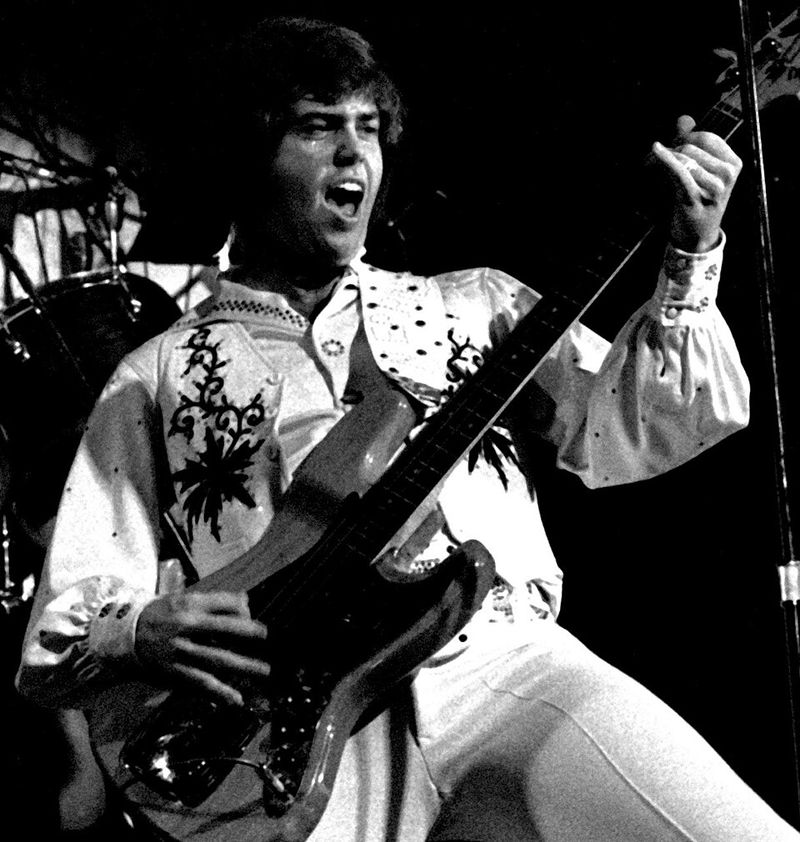
Purple socks became a fan symbol thanks to Donny Osmond, who was just a teenager when his career took off. His version of Go Away Little Girl hit number one in 1971.
He performed with his brothers in The Osmonds and also built a solo career at the same time. Later in the decade, he teamed up with his sister Marie for the variety show Donny and Marie, which drew a big television audience.
Many people still know him, but his early teen idol years are often forgotten by younger fans. Posters, lunch boxes, and magazine covers carried his face everywhere.
He later returned to the spotlight with stage roles, including Joseph and the Amazing Technicolor Dreamcoat, and new pop releases. His career shows that a young star can reinvent himself and find fresh audiences decades after the first wave of fame.
Bobby Sherman
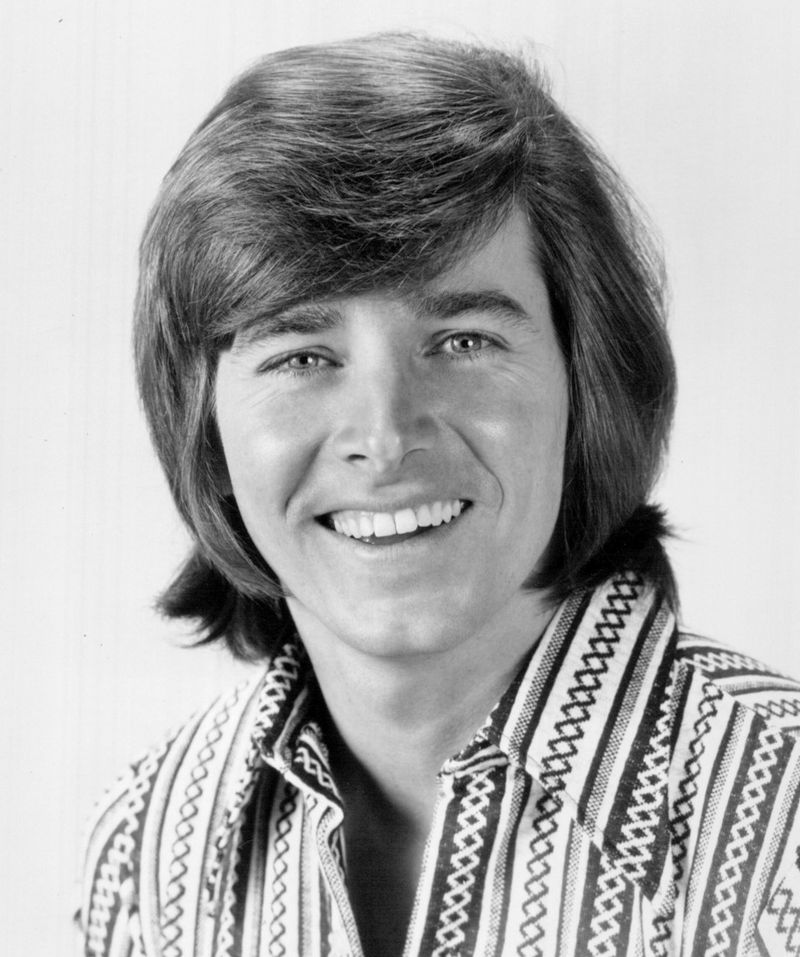
Before the Cassidy craze, there was Bobby Sherman, who became a teen favorite in the late 1960s and early 1970s. He starred on the TV show Here Come the Brides, and viewers tuned in to see him every week.
His music career grew alongside the show. Songs like Julie, Do Ya Love Me and Easy Come Easy Go became hits, and he earned several gold records.
Teen magazines loved him, and his fan club was huge. Later he stepped away from show business and trained in emergency medical work, then served with law enforcement training programs in California.
That quiet second career surprised many people who remembered him only from posters. His story is a good reminder that fame is only one chapter, and that a former idol can build a meaningful life far from the stage lights.
Rick Springfield
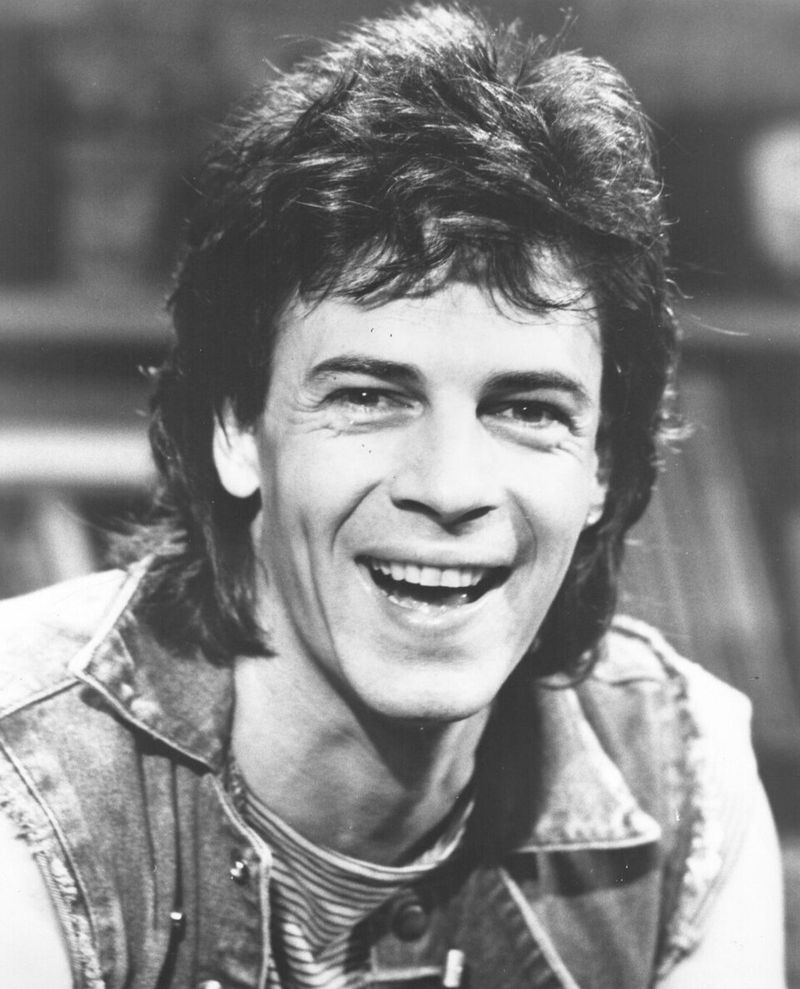
Australian pop fans knew him first, but American audiences met Rick Springfield in the 1970s. His song Speak to the Sky reached the US top 20 in 1972.
He also appeared on television, including a role on the show Mission Magic, where he voiced an animated version of himself. Teen magazines picked up his story, and his boyish looks made him a natural fit for bedroom walls.
His early years were not always easy, and his career slowed for a time. Then he came back strong in 1981 with Jessie’s Girl, which became a huge hit.
That later success overshadowed his teen idol days for many people. Looking back, his early records show a young artist trying to find his sound, and fans from that period still remember the songs that first brought him across the ocean.
Andy Gibb
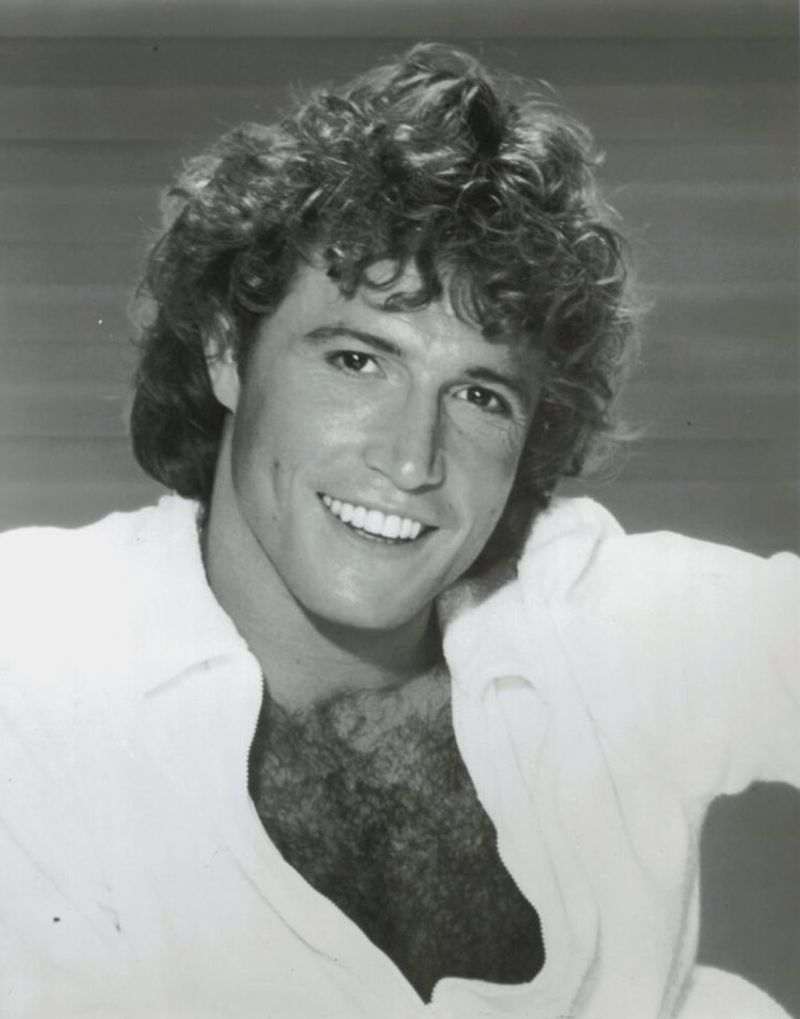
Hit after hit marked the short run of Andy Gibb at the top of the charts. His song I Just Want to Be Your Everything went to number one in 1977.
He was the younger brother of the Bee Gees, and their guidance helped shape his sound. Shadow Dancing followed in 1978 and also reached number one, making him a major name in just a couple of years.
Teens loved his smooth voice and sunny looks, and he appeared on television programs and magazine covers. His fame cooled in the early 1980s, and many younger listeners know the Bee Gees better today.
Still, his songs remain a lasting part of late 1970s pop radio. If you enjoy that smooth, harmony-rich style, his albums are worth another listen and show how strong the Gibb family songwriting touch could be.
Scott Baio
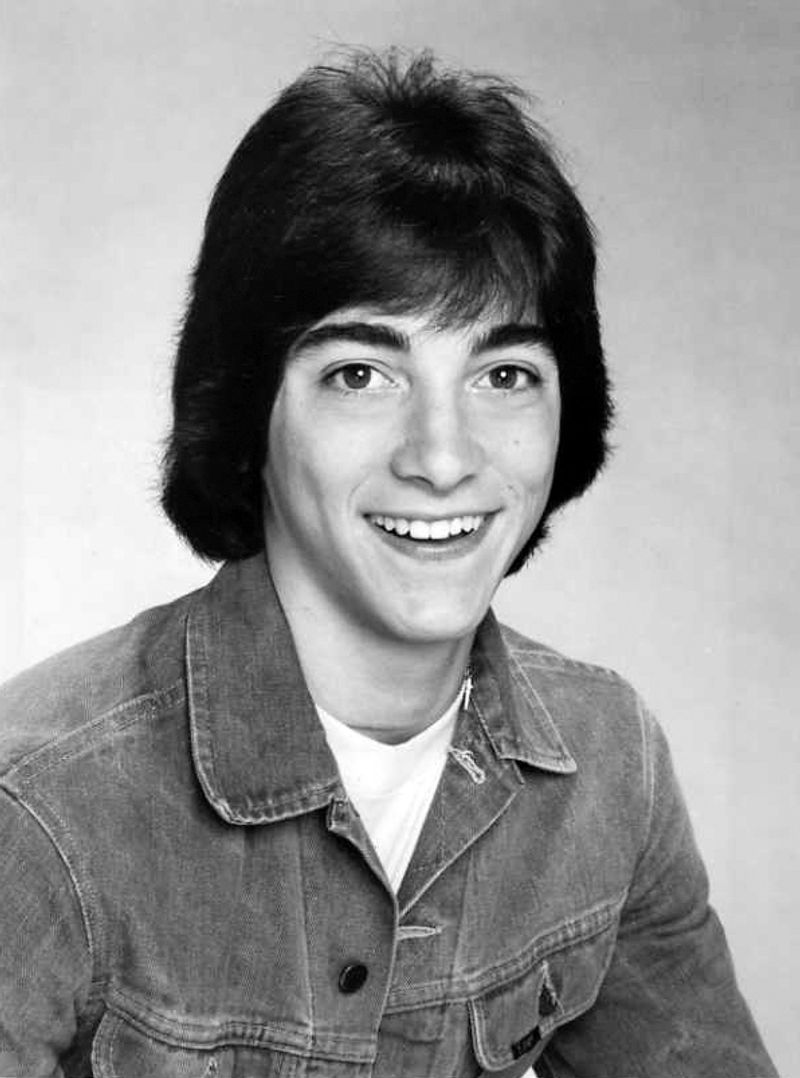
Chachi Arcola made Scott Baio a household name, but his fame began earlier. He appeared in the 1976 film Bugsy Malone as a child, then moved to television.
His breakout came with Happy Days, where he joined the cast as Chachi in 1977. He later starred in the spinoff Joanie Loves Chachi, which kept him in the teen spotlight into the early 1980s.
Magazines ran features on him constantly, and his dark curls and quick smile suited posters well. He also appeared in the TV movie Stoned and later in the series Charles in Charge.
Younger viewers may know his later work more than his 1970s start. His path shows how a sitcom role could turn a young actor into a teen idol almost overnight, with fan mail arriving by the bag and magazine covers following soon after.
Parker Stevenson
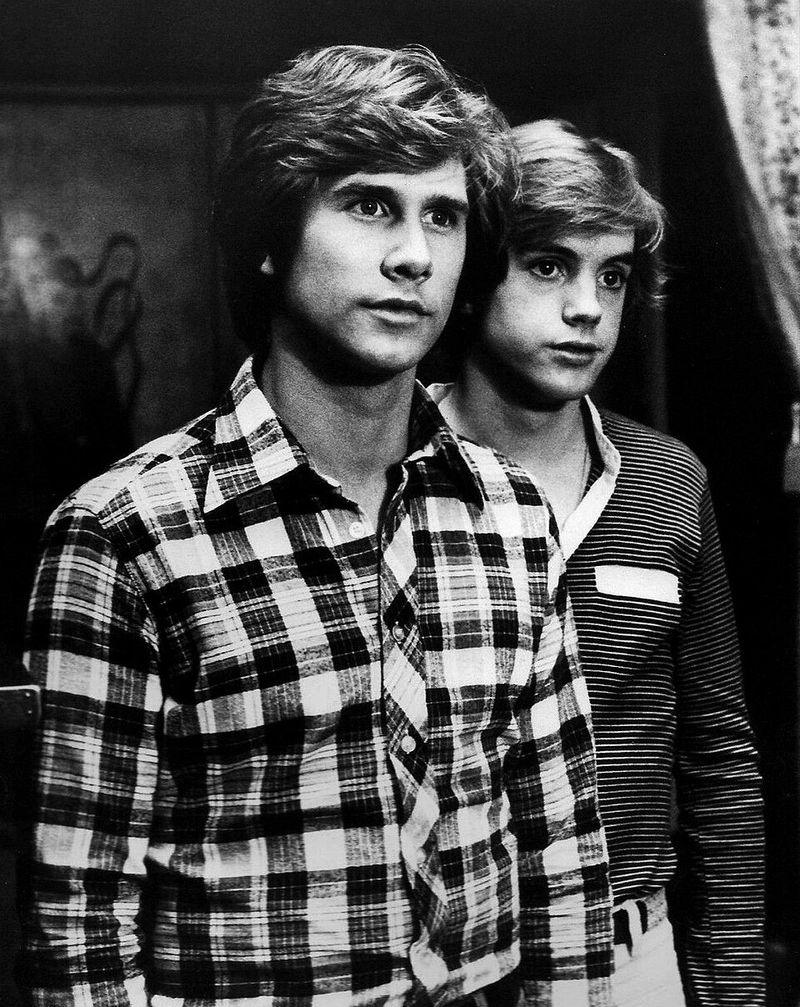
Teen detective stories had a heartthrob in Parker Stevenson, who played Frank Hardy on The Hardy Boys Nancy Drew Mysteries. The show aired in the late 1970s and brought in a large young audience.
He starred opposite Shaun Cassidy, and the pair became a popular duo in teen magazines. Fans loved the mix of mystery and friendly adventure that the series offered.
Stevenson later joined the cast of Baywatch in the 1990s, which introduced him to a new group of viewers. Because of that later role, many people forget how popular he was in the previous decade.
His early television work shows how a mystery series could create stars, and how a young actor can find lasting careers in front of the camera and behind it, including directing work in later years.
Kristy McNichol
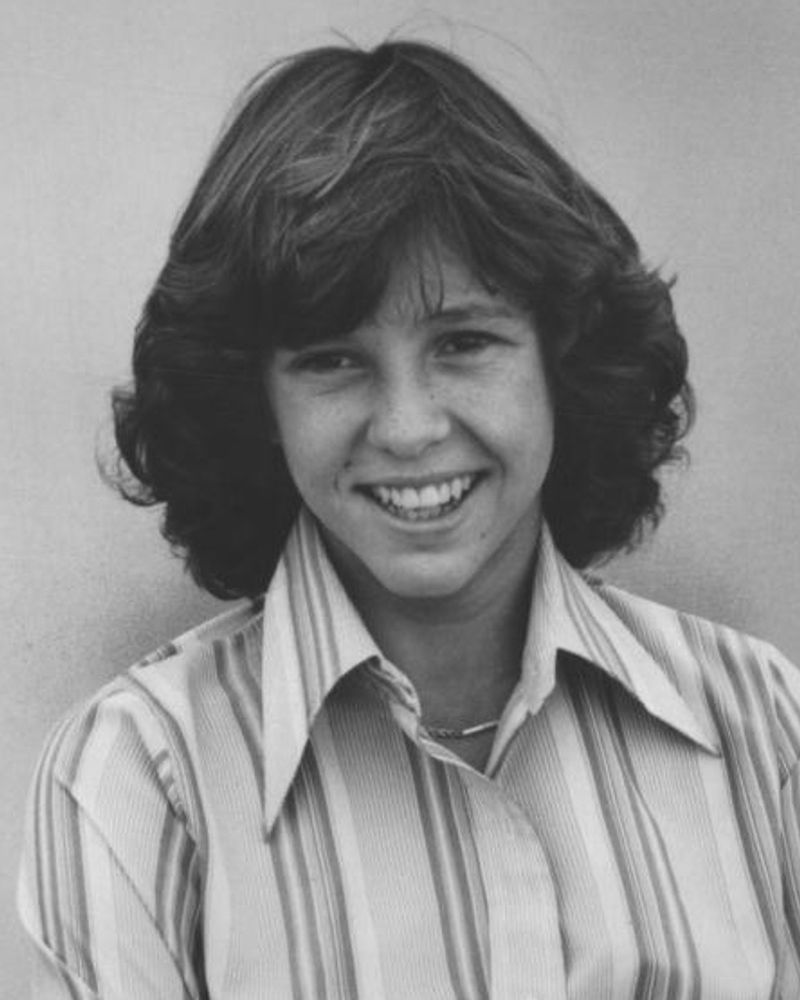
Awards came early for Kristy McNichol, who won an Emmy Award in 1977 for her role on the TV drama Family. She played Buddy Lawrence, a tomboy teenager, and critics praised her work.
Her popularity soared as she moved into movies like Little Darlings in 1980, which also starred Tatum O’Neal. Teen magazines placed her on covers regularly, and her short feathered hair became a popular style.
She later appeared on the sitcom Empty Nest in the late 1980s. After that, she stepped away from the public eye and has lived privately for many years.
Her story reminds fans that being a teen idol did not always mean singing. A strong acting performance could earn the same kind of devoted fan following, and she was a prime example of that in the late 1970s.
Mark Lester
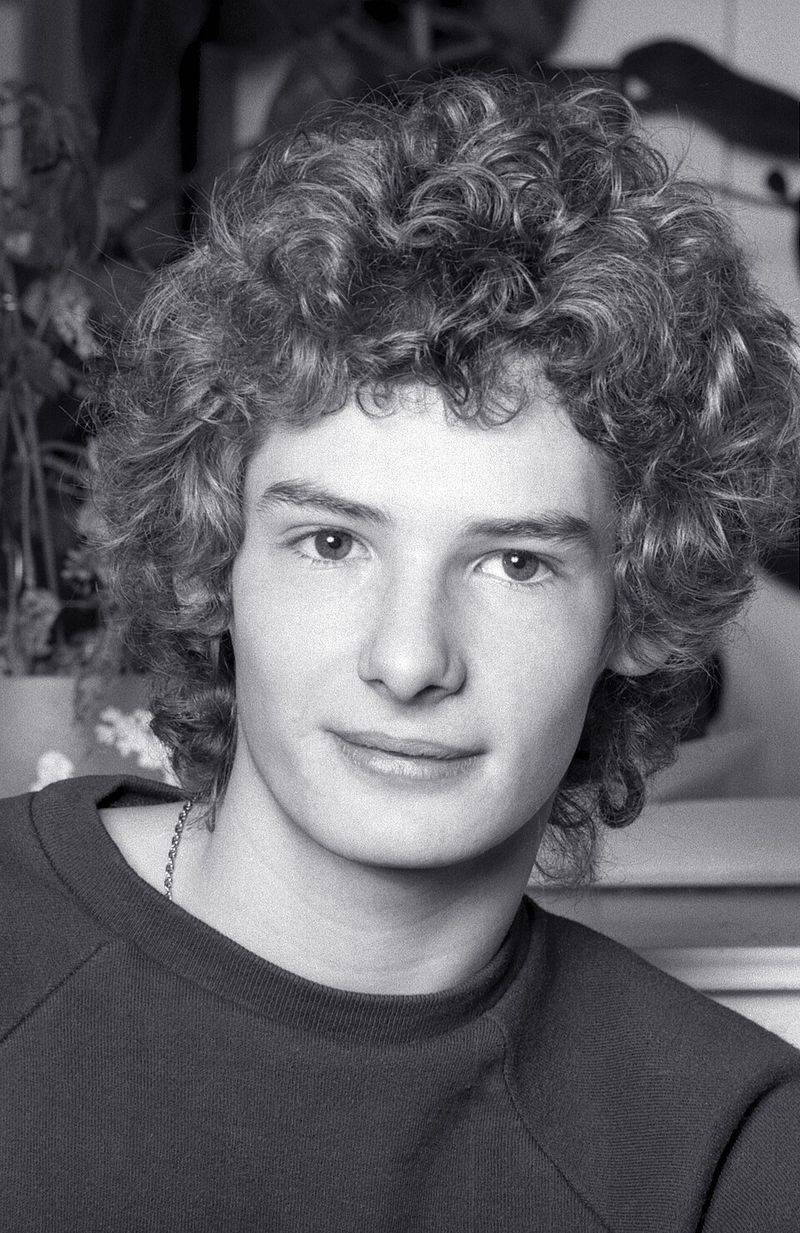
His angelic face won hearts around the world after the 1968 film Oliver. Mark Lester played the title role and became a child star in Britain and beyond.
In the early 1970s, he continued acting in films like Run Wild Run Free and Eyewitness. Magazines followed his career closely, and young fans wrote to him from many countries.
As he grew older, he moved away from acting and turned to osteopathy, a hands-on form of healthcare. That choice surprised many who remembered him from the screen.
His story is a good example of how a child star can step into a new world as an adult, using skills far from film sets. Fans of classic musicals still talk about his performance, and the film remains a favorite on family movie nights.
Lance Kerwin
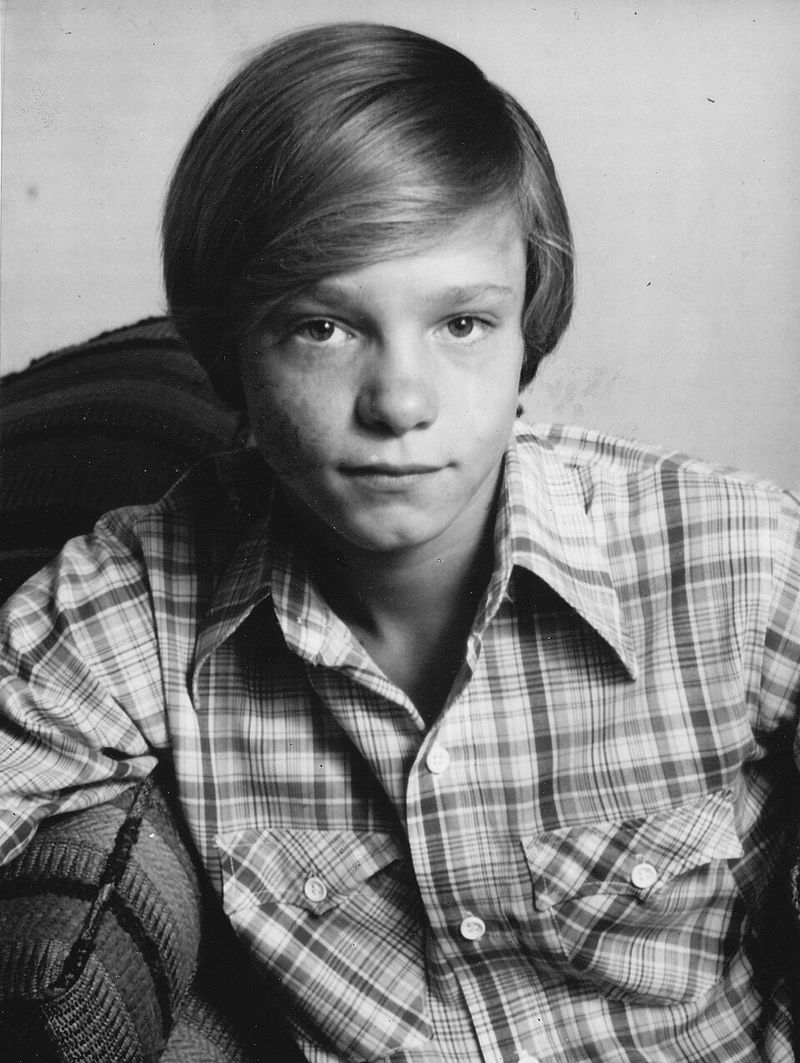
Serious roles made Lance Kerwin stand out among teen stars. He starred in the TV series James at 15 in 1977, which followed a teenager facing real-life situations as he grew up.
The show earned praise for tackling subjects that other programs avoided, and young viewers felt understood. Kerwin’s thoughtful performance helped make him a favorite in teen magazines.
He also appeared in the TV movie Children of Divorce and the miniseries Salem’s Lot. After his teen years, he continued acting but later stepped away from the public eye.
His work shows that teen idols were not only singers and sitcom stars. A drama series could also build a devoted audience, especially when a young actor brought honesty to the role, as he did during those memorable late 1970s television seasons.
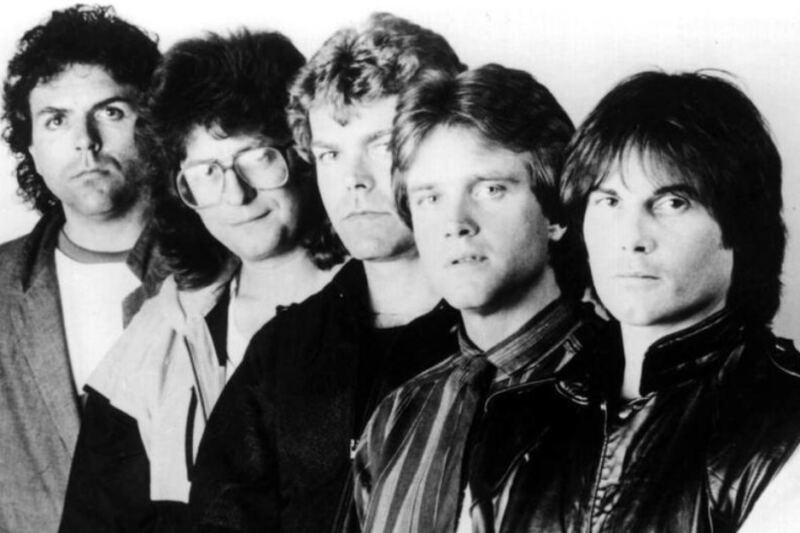
Bay City Rollers
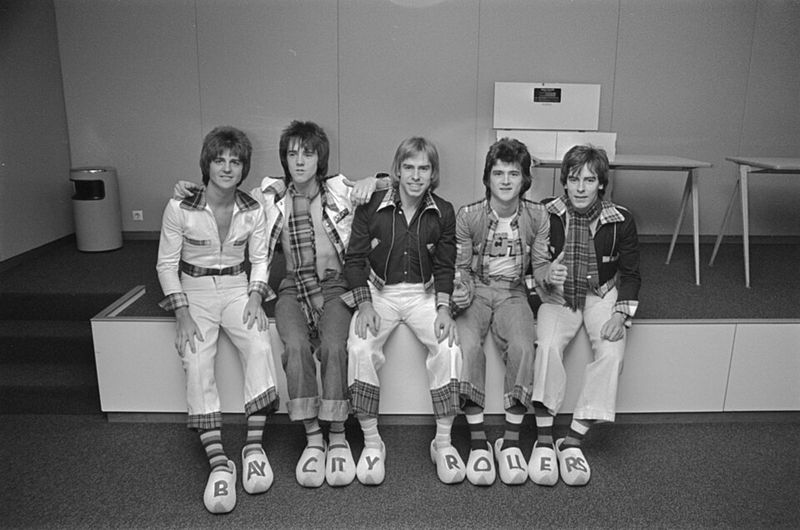
Tartan scarves were everywhere in 1975 because of the Bay City Rollers. The Scottish band sparked what fans called Rollermania across Britain and then the United States.
Their song Saturday Night hit number one in the US in early 1976. Fans wore plaid clothing and followed the band to concerts, and the group even had a Saturday morning television show.
The lineup changed over the years, and the band’s popularity cooled by the end of the decade. Even so, their catchy chants and bright pop sound left a mark.
Many fans still remember dancing to their records at school parties. The band became a symbol of the 1970s teen craze, and their style inspired fashion trends that spread quickly through towns and cities on both sides of the Atlantic.
Marie Osmond
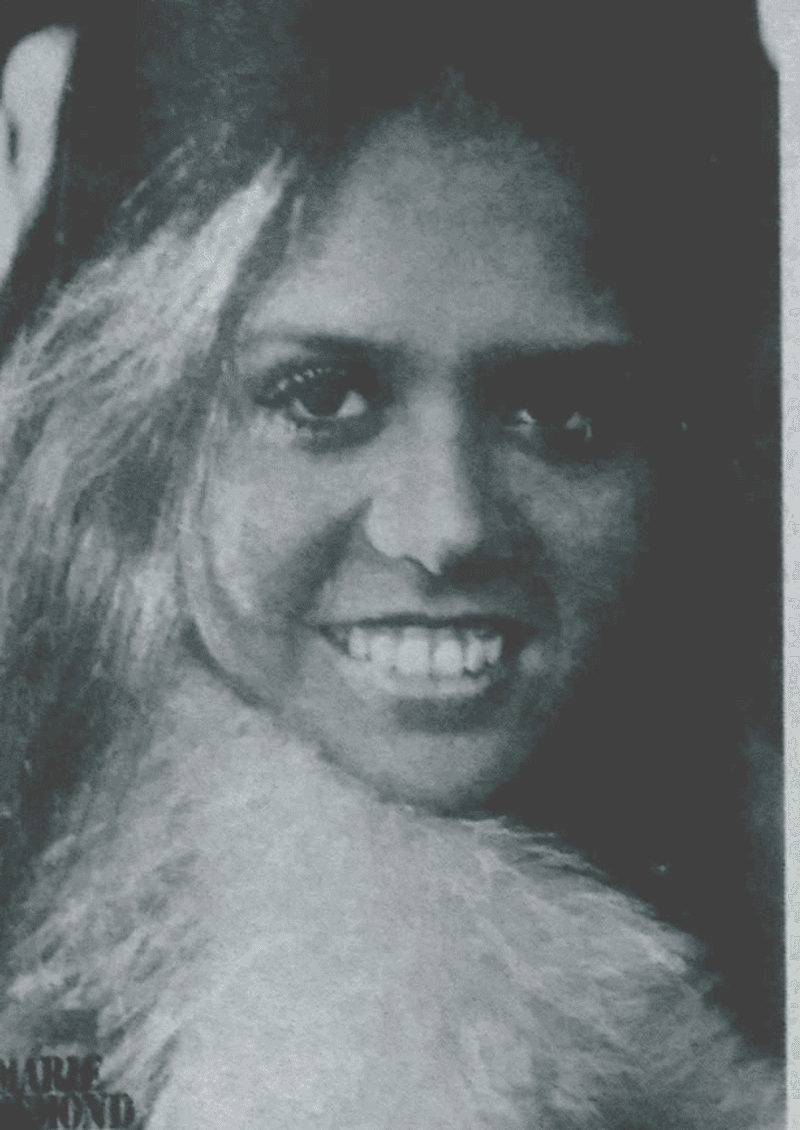
Country music gave Marie Osmond her first big hit. Her song Paper Roses reached the top of the country charts in 1973, when she was just a teenager.
She later joined her brother Donny on the television variety show Donny and Marie, which ran from 1976 to 1979. The show mixed music, comedy, and skits, and it drew a large weekly audience.
Fans admired her warm voice and friendly style. She went on to do stage work, write books, and host television programs.
Many people know her for those later projects, but her teen years in the spotlight were full of hits and variety show laughs. Her story shows how a young singer could win over fans of both country and pop at the same time.
Share this story