In 1982, the way people found new music changed almost overnight. MTV had launched in August 1981, and by the following year a catchy video could push a song up the charts faster than any radio station.
Cassette tapes were outselling vinyl in some stores, the Sony Walkman was turning sidewalks into personal concert halls, and synthesizers were showing up on records that once relied only on guitars and horns. Some of the biggest hits of the year came from movie theaters.
Others came from art-school duos in England, veteran bands looking for a comeback, and a rock singer who had been told her favorite song would never work. The result was a year when aerobics, boxing films, Olympic runners, and small-town romance all shared the same Top 40 countdown.
Pop music in 1982 did not pick one lane, and that is exactly what made it so memorable. In the list below, you will find the stories behind fourteen songs that ruled radio, jukeboxes, and early music television.
You will learn who almost recorded them instead, which ones nearly got cut, and how a few happy accidents became permanent parts of music history. Some of the details might surprise even the biggest fans of the decade.
1. Physical – Olivia Newton-John
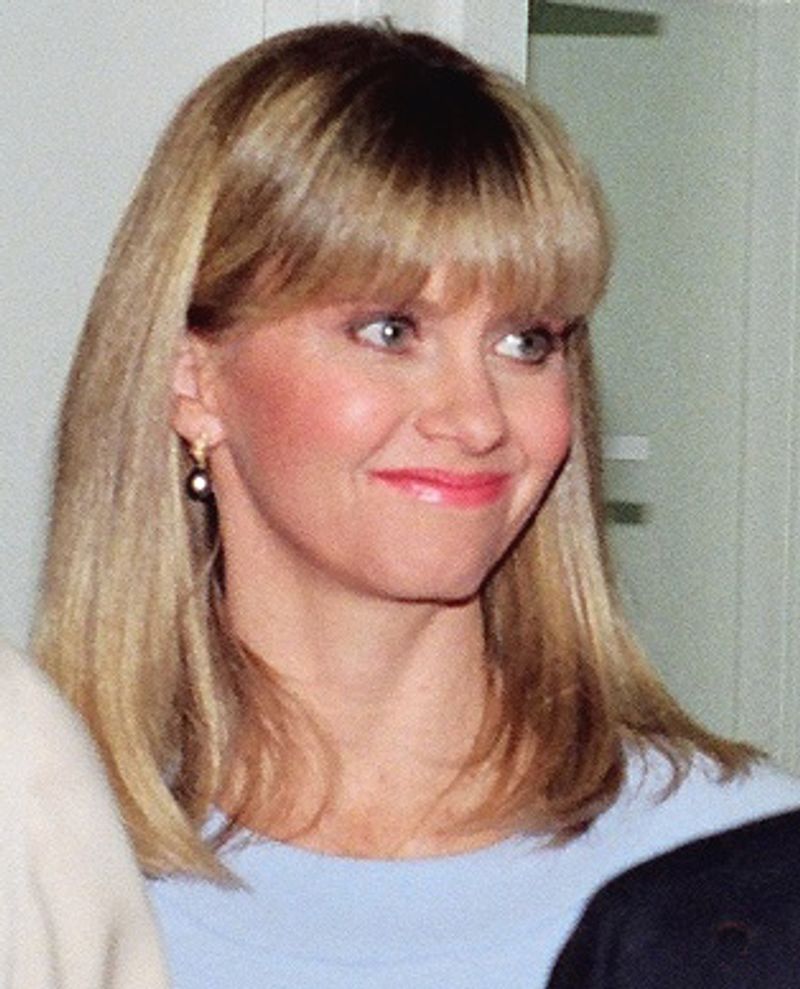
No song in America owned 1982 quite like this one. It held the number one spot on the Billboard Hot 100 for ten straight weeks, a record for the decade at that point.
Billboard later named it the top song of the entire year. It was also the last time Olivia Newton-John reached number one in the United States.
The funny part is that the song was not written for her at all. Songwriters Steve Kipner and Terry Shaddick pictured a male rock singer, possibly Rod Stewart.
Tina Turner reportedly passed on it before manager Roger Davies brought it to Newton-John. She worried the playful lyrics would clash with her sweet image from Grease and her country hits.
At one point, she even asked to pull the single. By then it was too late, since radio stations were already playing it.
The music video solved the problem with humor. It placed her in a gym leading out-of-shape men through a workout, which tied the song to the growing aerobics craze.
Headbands and leg warmers became everyday fashion. The video went on to win a Grammy for Video of the Year in 1983.
A few stations banned the song, but sales kept climbing anyway. Newton-John proved a pop star could completely change direction and still win big.
2. I Love Rock ‘n Roll – Joan Jett & The Blackhearts

Persistence paid off for Joan Jett in a very loud way. She first heard this song in 1976 on a British TV show, performed by a glam band called the Arrows.
Her group at the time, the Runaways, decided not to record it. Jett never let the idea go.
In 1979 she cut a version with two members of the Sex Pistols, but it ended up as a little-noticed B-side. Then she formed the Blackhearts and tried again in 1981.
That third attempt became history. In March 1982 it hit number one in the United States and stayed there for seven weeks.
It sold over a million copies and ranked third on Billboard’s year-end chart. Not bad for a song two record companies had overlooked.
The original writer, Alan Merrill, wrote it as a reply to the Rolling Stones. Jett flipped one key detail, making herself the person doing the chasing instead of being chased.
Her music video was all over the brand-new MTV. She wore leather, kept her look tough, and skipped the glamour many female stars were expected to show.
Young women watching saw a guitar-playing frontwoman leading her own band. That image opened doors for many rockers who followed.
3. Ebony and Ivory – Paul McCartney and Stevie Wonder
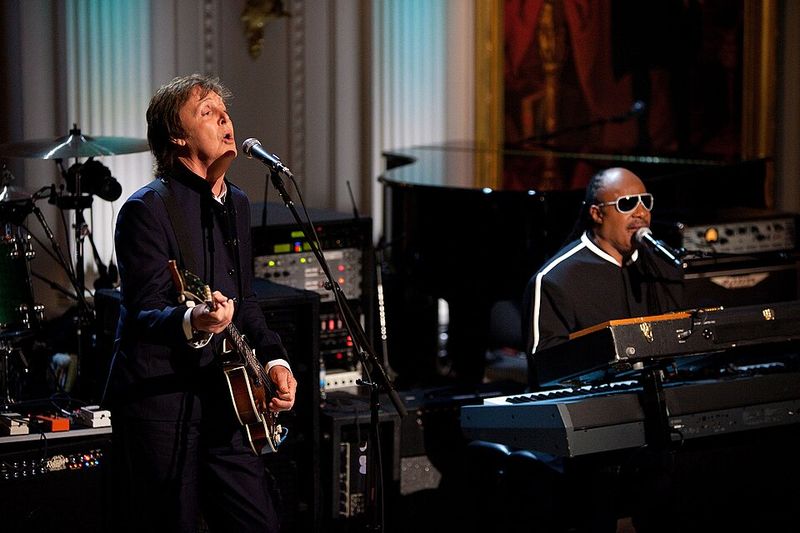
A comedian deserves some credit here. British funnyman Spike Milligan once pointed out that a piano needs both black keys and white keys to make harmony.
Paul McCartney took that simple thought and built a song around it in 1978 at his farm in Scotland. The message was about people of different races living and working together.
He wanted to sing it as a duet with a Black male singer. Stevie Wonder, whom McCartney had admired for years, was his first choice.
The two recorded it on the Caribbean island of Montserrat in 1981. Beatles producer George Martin ran the sessions.
Released on March 29, 1982, the song topped charts in both Britain and America. It stayed at number one in the U.S. for seven weeks.
That run gave Wonder a special record. He became the first solo artist to score American number one hits in three decades in a row.
Critics were not always kind, calling it too sweet. Fans did not mind, and it became the fourth-biggest hit of the year.
Here is a fun fact about the video. It shows the stars together, but their scenes were actually filmed separately because of busy schedules.
4. Centerfold – The J. Geils Band
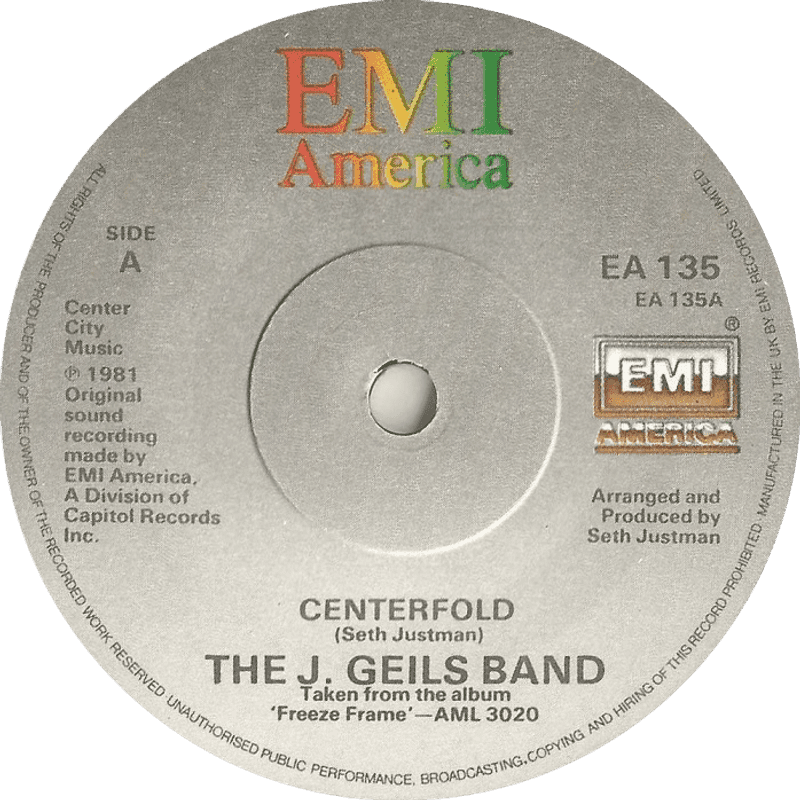
After more than a decade of playing bluesy bar rock, the J. Geils Band finally struck gold with a song about high school. “Centerfold” reached number one in February 1982 and stayed there for six weeks.
It was the Boston group’s first and only American chart-topper. It also went to number one in Canada and Australia.
Keyboardist Seth Justman wrote it. The story follows a man who finds out his old school crush has posed for a magazine photo.
He is shocked, disappointed, and still a little lovestruck, all at once. Listeners found that mix of feelings both funny and relatable.
The sound marked a big change for the band. Out went the rough blues, and in came bouncy keyboards similar to the Cars and the Police.
Then there is that chorus. The “na-na-na” part is so simple that people who forgot every other word could still sing along.
The music video helped enormously. Directed by Justman’s brother Paul, it turned a classroom into a party with students, cheerleaders, and flying papers.
Thanks to constant MTV play, a band that started in the 1960s suddenly had teenage fans. Sometimes a career peak arrives later than expected.
5. Don’t You Want Me – The Human League

Philip Oakey did not think much of his own hit. The Human League singer considered the song too mainstream and disliked the polished final mix.
He only agreed to release it if a large color poster came with the single. He worried fans would feel cheated otherwise.
He was wrong about its chances. The song spent five weeks at number one in Britain and became the UK’s best-selling single of 1981.
In July 1982 it topped the American chart for three weeks. It helped kick off what writers called the Second British Invasion.
The lyrics play out like a tiny drama. A man claims he made a waitress a star, and she answers that she would have done fine without him.
Oakey borrowed ideas from a teen magazine photo-story and the film A Star Is Born. Susan Ann Sulley sang the female part, which she later called luck of the draw.
Gear lovers know this track for another reason. It was one of the first hits to use the Linn LM-1 drum machine.
That machine helped make electronic beats normal on pop radio. Many synth bands of the mid-1980s followed the path this Sheffield group cleared.
6. Eye of the Tiger – Survivor
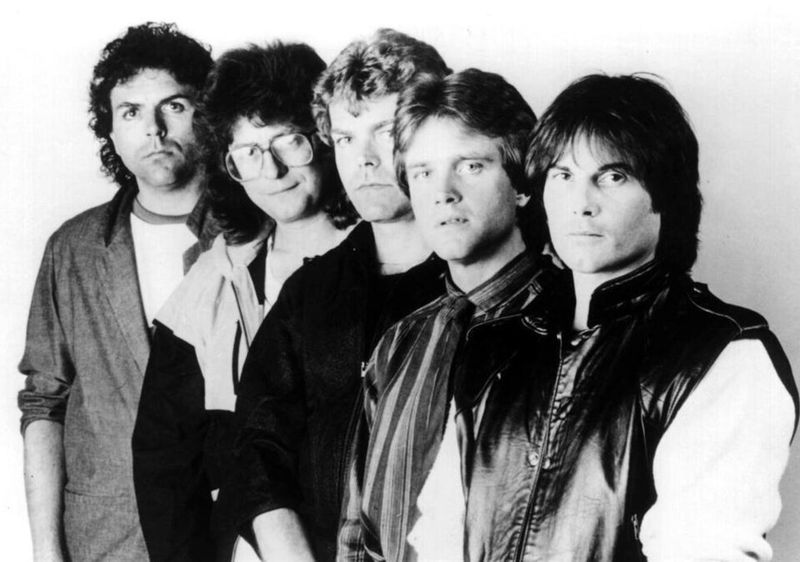
Sylvester Stallone wanted Queen. He had planned to use “Another One Bites the Dust” in Rocky III, but he could not get permission.
So he called a Chicago band named Survivor and mailed them a tape of the film’s opening montage. He asked for something with a street feel and a strong pulse.
Guitarist Frankie Sullivan and keyboardist Jim Peterik took their title from a line Apollo Creed says to Rocky. Creed tells him he had “the eye of the tiger” and needs to get it back.
The band almost called the song “Survival.” Luckily, they realized the tiger line was the stronger hook.
They also timed the chord hits to match the punches on screen. After hearing the demo, Stallone asked for louder drums and a third verse, and the band delivered both.
Released in May 1982, the song spent six weeks at number one. By August it had sold two million copies, and it finished as the second best-selling single of the year.
It also earned a Grammy and an Oscar nomination. Today, that opening riff still plays at gyms, ballparks, and school pep rallies whenever someone needs a push to keep going.
7. Jack & Diane – John Cougar
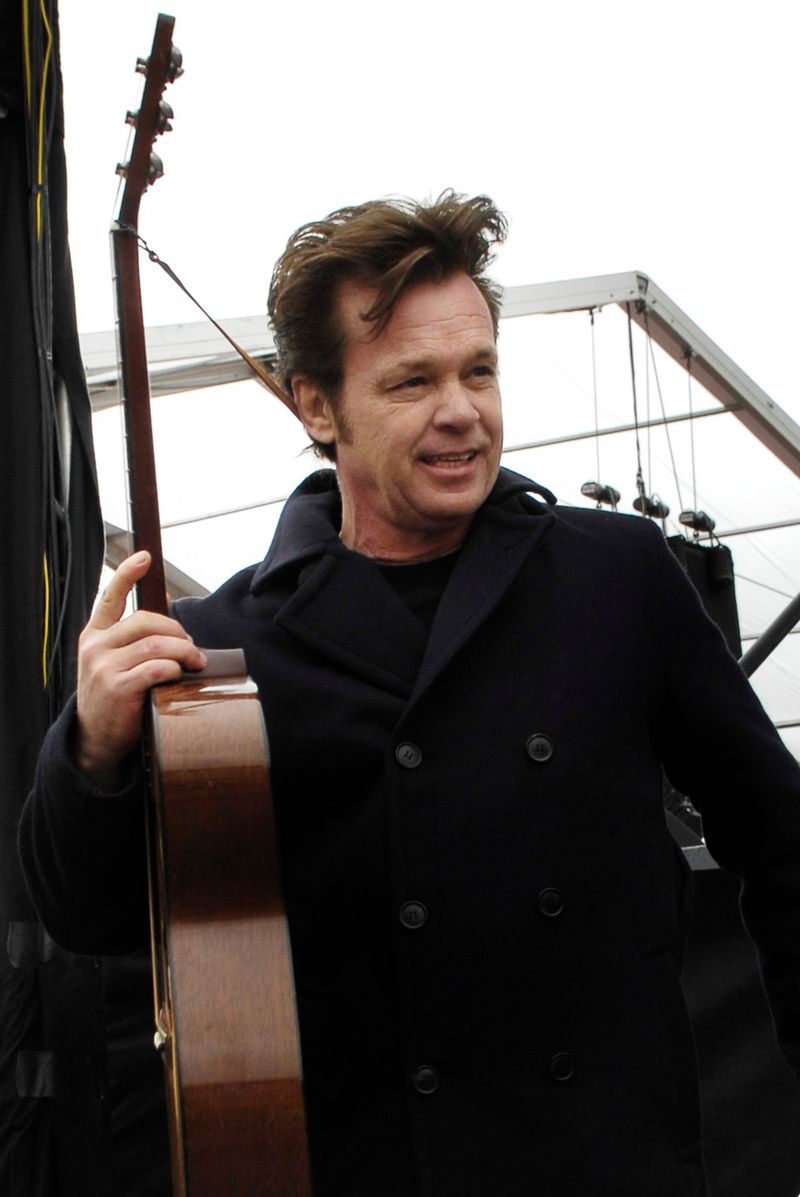
Two kids, a small town, and a chili dog outside a Tastee Freez. That is all it took for John Cougar to write his biggest hit.
Released from the album American Fool, “Jack & Diane” spent four weeks at number one in October 1982. The RIAA later named it one of the Songs of the Century.
The singer, who later went by John Mellencamp, has said the recording sessions were awful. The band had trouble playing the song the way he wanted.
Those famous hand claps were never supposed to stay. They were added only to keep time, but Mellencamp heard how well they worked and left them in.
He said the story was loosely inspired by the 1962 film Sweet Bird of Youth. In 2014, he also revealed the record label had asked him to change some original lyrics to make the song more commercial.
The video mixed home movies from Bloomington, Indiana, with shots of his family. White-gloved hands clapping on screen became its signature image.
Many fans still quote the line about life going on long after the thrill of living is gone. It sounds sad, yet people sing it loudest at every concert.
8. Abracadabra – Steve Miller Band
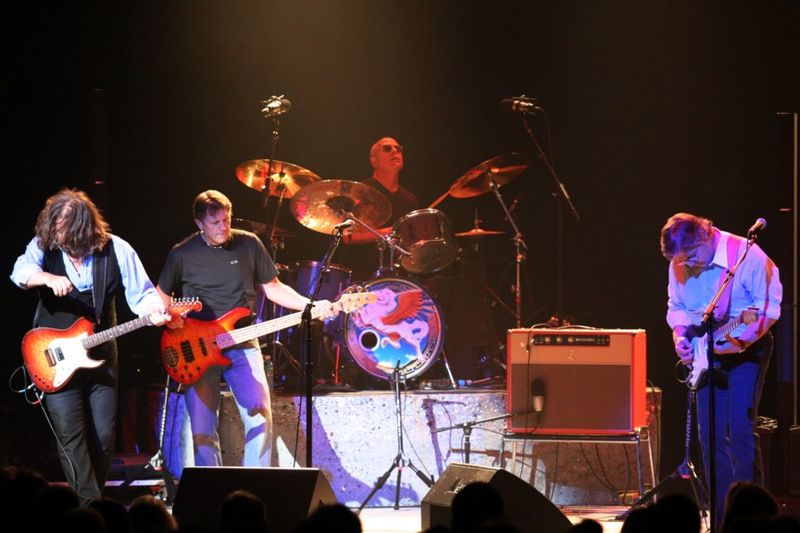
Years of tinkering went into a song that Steve Miller finally finished in about fifteen minutes. The spark came during a trip to Sun Valley, Idaho, when he spotted Diana Ross.
Seeing her reminded him of performing alongside the Supremes on the 1960s TV show Hullabaloo. He imagined how they might sing his tune, and the lyrics came quickly.
His label, Capitol Records, was not convinced it would be a hit. The public disagreed.
“Abracadabra” reached number one in the U.S. in September 1982, for two separate weeks. It topped charts in six countries and became the band’s third American chart-topper.
The song even crossed over to the soul charts and earned airtime on BET. That was rare for a rock act.
Miller usually kept a low profile, so this was his first real music video. Director Peter Conn filled it with magicians, disappearing tricks, and early computer effects.
For 1982 viewers, those visual tricks felt brand new. The video gave MTV audiences a reason to watch closely.
Fun fact: it turned out to be the band’s final Top 40 hit in America. In 2024, Eminem gave it new life by borrowing it for one of his own tracks.
9. Hard to Say I’m Sorry – Chicago
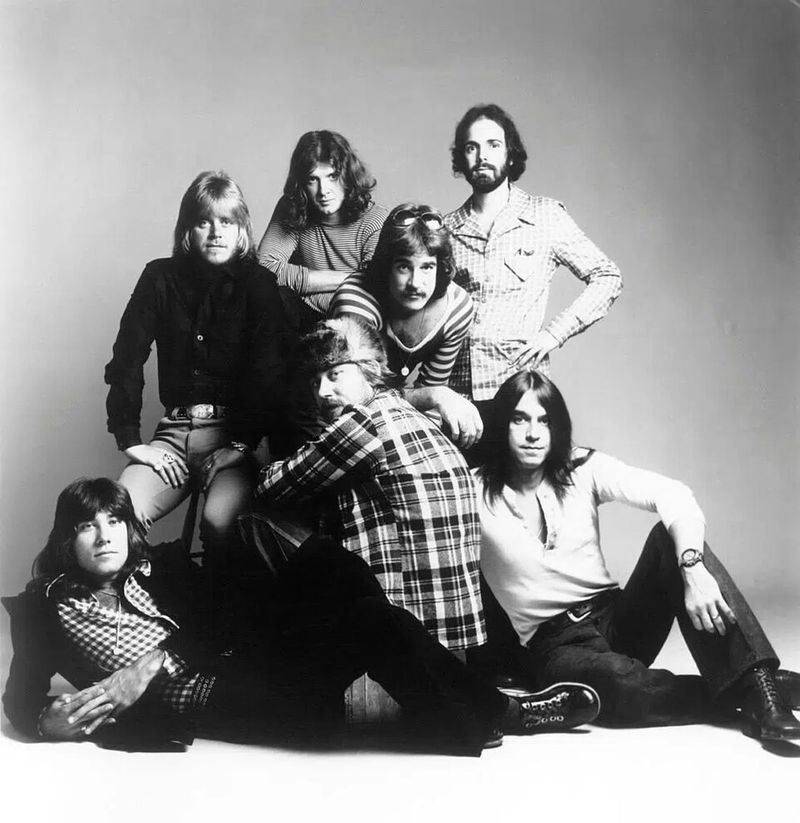
By the early 1980s, plenty of people had written Chicago off. The band had not landed a Top 40 hit since 1978, and their famous horn section seemed out of style.
Then came producer David Foster. He pushed the group toward synthesizers, smooth guitars, and big ballads.
“Hard to Say I’m Sorry,” written by Foster and bassist Peter Cetera, was released on May 17, 1982. By September it was number one for two weeks.
It was only the second chart-topper in the band’s long career. It also went gold and earned a Grammy nomination.
Not everyone in the band was thrilled. Foster brought in outside players, including members of Toto, which reportedly caused tension.
Still, the results were hard to argue with. Cetera’s heartfelt vocal, about admitting mistakes and asking for another chance, connected with millions of listeners.
The song also closed the 1982 movie Summer Lovers. That gave it extra exposure in theaters.
Longtime fans should check out the album version. It flows into an upbeat section called “Get Away,” where the classic horns return.
This new sound shaped Chicago’s hit streak for the rest of the decade.
10. Tainted Love – Soft Cell
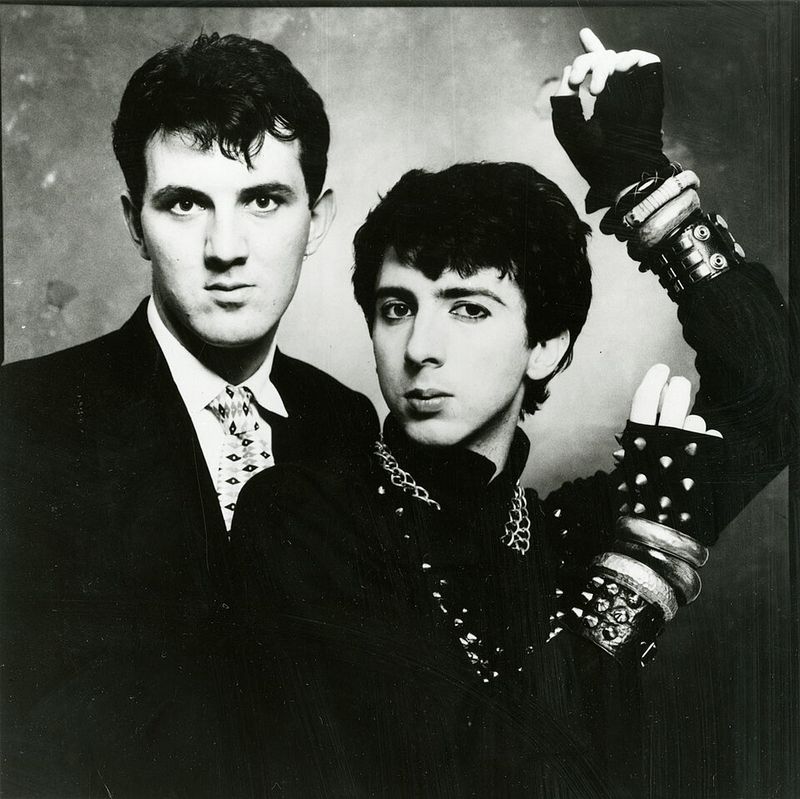
Few covers have outshined their originals so completely. Gloria Jones recorded “Tainted Love” in 1964, and when it came out as a B-side, it did not chart at all.
The song later became a favorite in England’s Northern Soul clubs. DJs there loved digging up rare American soul records.
That is where Marc Almond and David Ball heard it. The two had met at Leeds Polytechnic and formed a synth duo called Soft Cell.
Covering a soul tune with just synthesizers was partly a joke for them. They recorded it in about a day and a half, with Almond reportedly nailing his vocal in one take.
Their label made the stakes clear. If this single failed, it might be their last.
It did not fail. It became Britain’s best-selling single of 1981 and topped charts in seventeen countries.
In America, it peaked at number eight in 1982. Its real feat was staying on the Hot 100 for 43 weeks, a record back then.
The 12-inch version blended into the Supremes’ “Where Did Our Love Go,” which made it a dance club staple. Artists from Marilyn Manson to Rihanna have since borrowed it.
11. Chariots of Fire – Vangelis
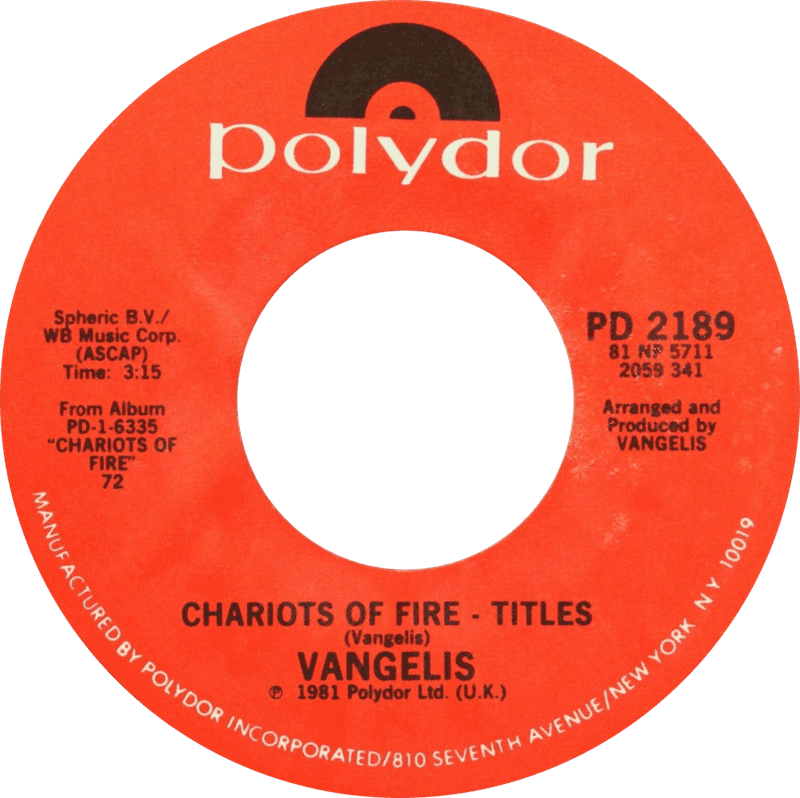
An instrumental with no singing at all climbed to number one in America in May 1982. It took a slow five-month ride to get there.
The composer was Vangelis, a Greek musician known for his electronic albums. Director Hugh Hudson had worked with him on TV commercials and asked him to score his film.
Chariots of Fire tells the true story of two British runners at the 1924 Olympics. Using synthesizers for a film set in the 1920s was a bold choice.
Vangelis played every instrument himself at his London studio. That modern approach changed how many movie scores were made afterward.
Here is a twist. Hudson first filmed the famous beach running scene to an older Vangelis track called “L’Enfant.”
Vangelis convinced him a new theme would work better. He also dedicated the score to his father, who had once been a sprinter.
On the soundtrack album, the track was simply named “Titles.” The single used the film’s name so radio DJs could find it easily.
At the 1982 Oscars, the movie won Best Picture and Vangelis took home Best Original Score. Today, the theme plays whenever someone runs in slow motion, seriously or as a joke.
12. Rosanna – Toto
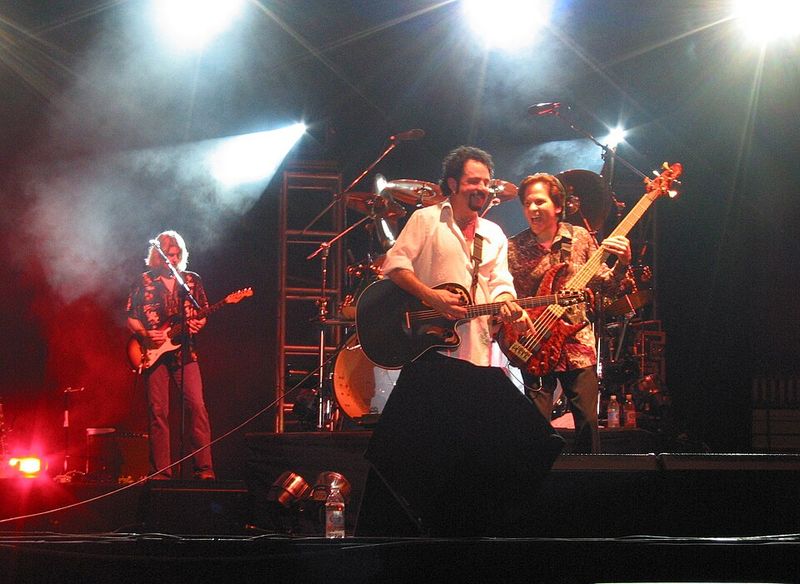
Ask any drummer about the “Rosanna shuffle” and expect a long answer. Jeff Porcaro created the bouncy half-time groove by mixing ideas from Bernard Purdie, John Bonham, and the Bo Diddley beat.
Drum students still practice it today. It is considered one of the trickiest grooves in rock.
Everyone assumed the song was about actress Rosanna Arquette. Keyboardist Steve Porcaro was dating her at the time.
Songwriter David Paich said it was really about three different girls. He simply borrowed Arquette’s name because it fit the melody.
The song opened the album Toto IV and was its first single. It sat at number two for five weeks, blocked by “Don’t You Want Me” and “Eye of the Tiger.”
Toto still got the last laugh. “Rosanna” won the Grammy for Record of the Year in 1983.
Guitarist Steve Lukather reportedly improvised his first solo in one take. The keyboard solos in the middle showed off the band’s studio skill.
The video starred dancer Cynthia Rhodes, which helped her land a role in Staying Alive. Look closely and you might spot a young Patrick Swayze dancing in the background.
13. Maneater – Daryl Hall & John Oates
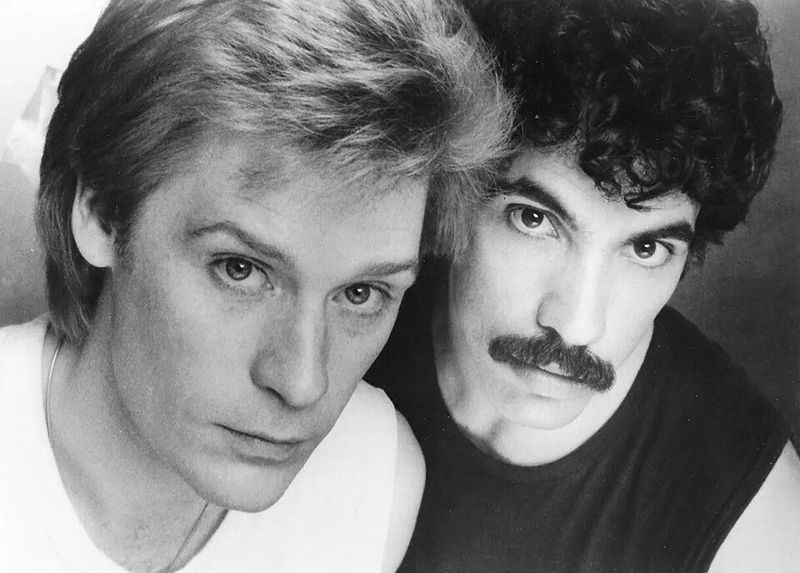
Surprise: the woman in this song is not really a woman. John Oates has explained that “Maneater” was about New York City in the early 1980s and its love of money and flashy wealth.
Turning the city into a character simply made the idea catchier. Listeners could follow a story more easily than a lecture.
The song began as a reggae sketch by Oates. Daryl Hall reworked it into a Motown-style groove, which he said made all the difference.
Hall’s girlfriend at the time, Sara Allen, helped write it too. She suggested ending the chorus sharply on “She’s a maneater.”
Released on September 28, 1982, from the album H2O, the song hit number one on December 18. It stayed there four weeks, longer than any of the duo’s other five chart-toppers.
That made it their most successful single ever. It carried the year’s charts right into 1983.
Charles DeChant’s saxophone solo got an extra boost from engineer Hugh Padgham, who added a digital delay effect. The video featured a black panther, which reportedly escaped during filming.
Hall and Oates still often open their concerts with this track. It remains a smart pop song hiding in plain sight.
14. Rock the Casbah – The Clash
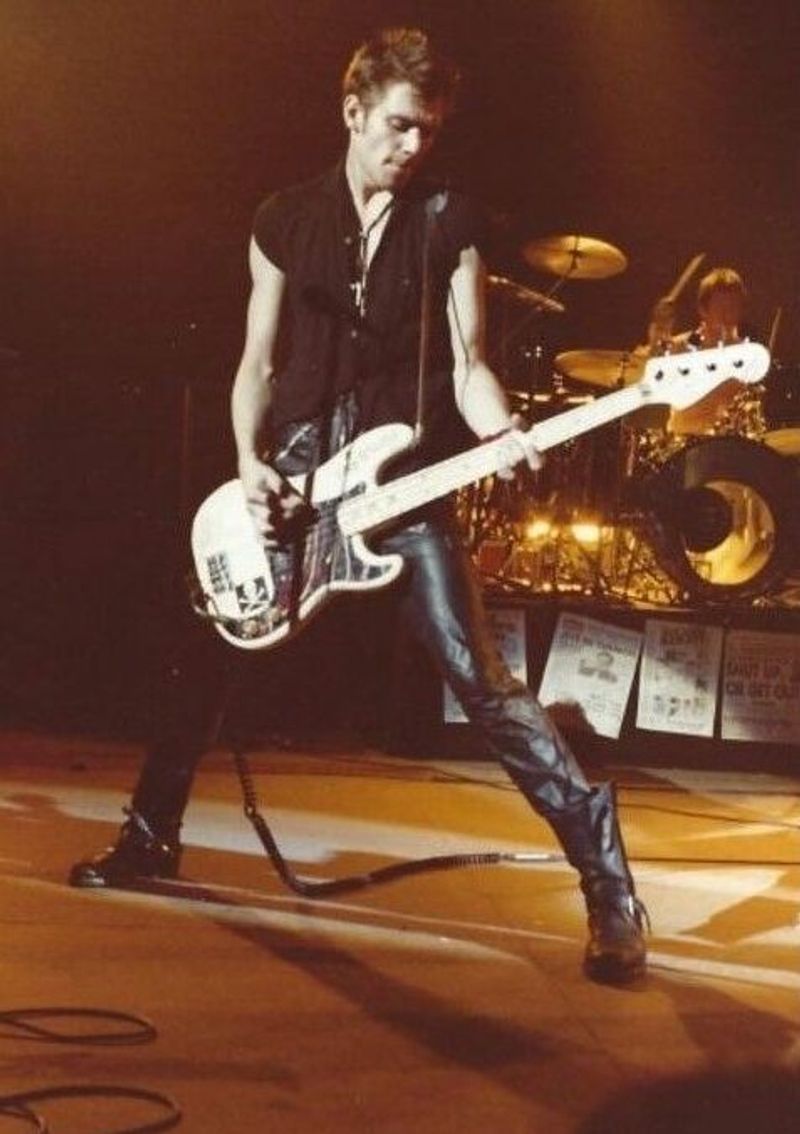
Drummers rarely write a band’s biggest hit, but Topper Headon did. Alone in the studio one day, he recorded the drums, piano, and bass for an idea he had been working on.
His bandmates loved the music. They did not love his lyrics, so singer Joe Strummer threw them out.
Strummer had read news about music bans in Iran after 1979. He also remembered manager Bernie Rhodes joking about how long their songs were.
From those pieces came a playful tale. A king bans rock music, and the people, even the jet pilots, keep playing it anyway.
Released from the album Combat Rock, the song reached number eight in America. It was the Clash’s only Top 10 hit there.
Director Don Letts filmed the video in Austin, Texas. It shows two new friends from different backgrounds dancing their way to a Clash show while an armadillo tags along.
MTV played it constantly. Many American teens heard British punk for the first time thanks to that video.
Sadly for Headon, he left the band before the single came out. Still, his late-night studio session gave 1982 one of its most danceable songs about the freedom to enjoy music.
Share this story