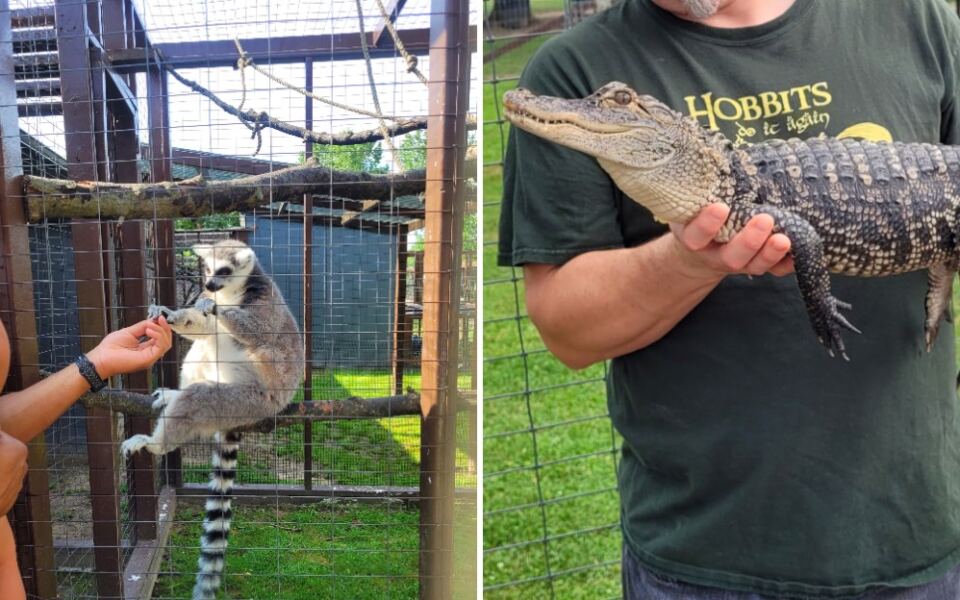
Feeding a lemur, meeting a wallaby, and getting close to an alligator are not experiences you normally expect from a small Michigan zoo. But Supe’s Exotic Jungle in Fenton offers guided animal encounters that go well beyond watching wildlife through a fence.
This family-owned attraction is home to an unusual collection of animals, including stingrays, foxes, skunks, and reptiles. Visitors can learn about different species and take part in supervised interactions, depending on the animals and what’s available during their visit.
The catch is that you can’t simply show up. Tours must be booked in advance, and the experience is designed around smaller groups rather than crowded zoo walkways.
So what can you actually do during a visit, and which animals make this place worth booking ahead?
A Private Jungle Hiding on Hartland Road
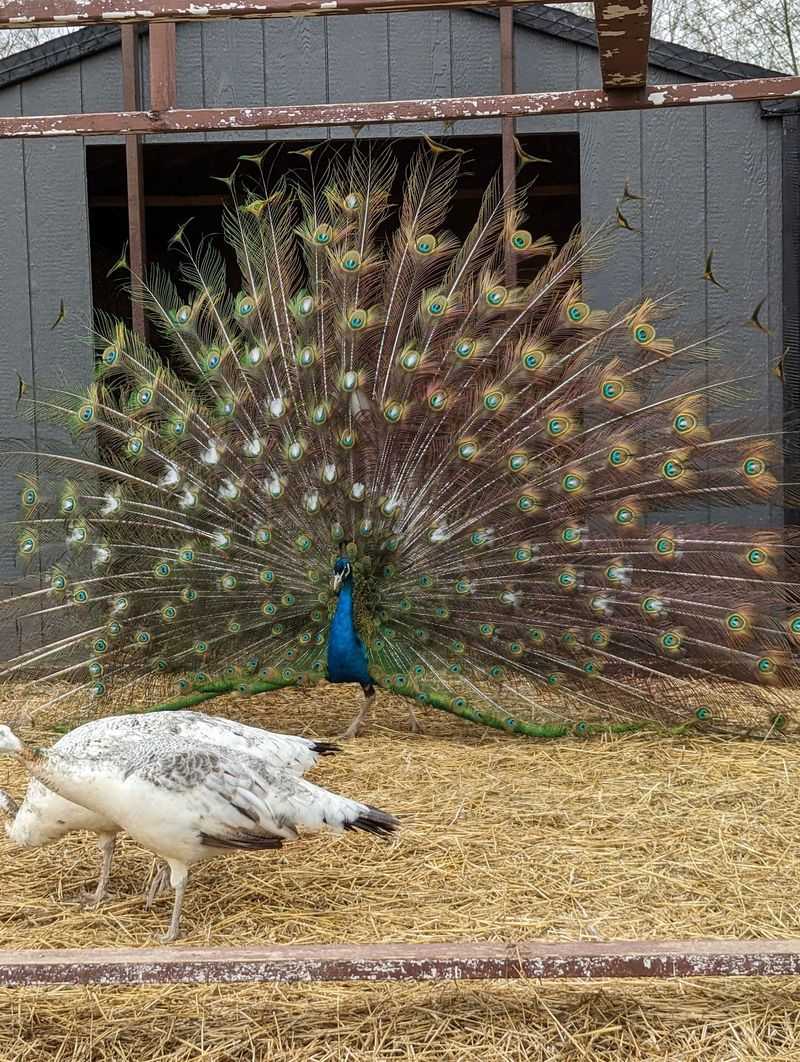
Supe’s Exotic Jungle sits at 7443 Hartland Rd in Fenton, Michigan. From the outside, it fits right into the quiet countryside of Genesee County.
Inside, though, the residents come from all over the planet. Lemurs, wallabies, stingrays, foxes, a lynx, reptiles, amphibians, and skunks all call this place home.
Google lists it as a zoo, but it works very differently from the big city kind. There are no ticket windows and no crowds pushing to see a sleepy lion.
Instead, every visit happens by appointment only.
That one rule shapes the whole experience. Your group gets a guided tour built around touching, feeding, and learning about the animals up close.
The facility is run by a couple, Brent and Shannon, who care for the animals themselves. Brent often leads tours, while Shannon helps guests plan and answers questions ahead of time.
I find the small scale appealing. A place this size lets the guide slow down and actually talk with you, instead of rushing to the next group.
So what does a booked visit look like once you walk through the door? It starts with the animals that usually win everyone over first.
Wallabies Willing to Share Their Snack Time
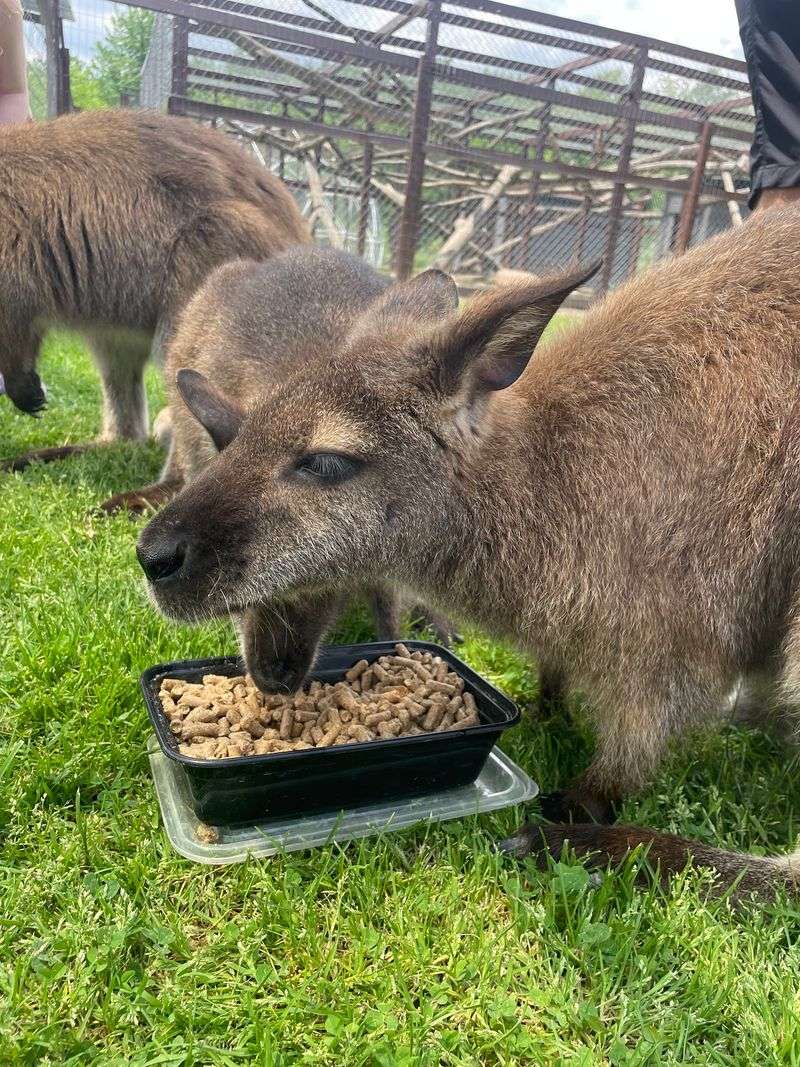
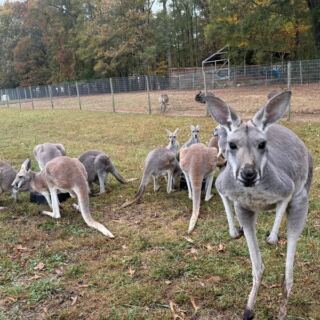
Small, soft, and very interested in food, the wallabies here tend to steal attention fast. Guests can feed and pet them during a tour.
Wallabies are relatives of kangaroos and come from Australia and nearby islands. They hop on strong back legs and use their long tails for balance.
Getting this close to one is rare in Michigan. Most people only see them from behind a fence, if they see one at all.
At Supe’s, the visit can even include a baby wallaby when one is around. That’s something worth asking about when you book, though nothing is guaranteed with young animals.
The wallabies have also been part of a sensory meditation session offered here. Guests sat calmly with the animals and a skunk, which sounds like a very gentle way to spend an hour.
My tip is simple. Keep your hand flat and still when feeding, and let the animal come to you.
Patience pays off with wallabies. A calm hand usually gets a curious nose, and that little moment is often the one people talk about on the drive home.
Skunks You Can Actually Cuddle
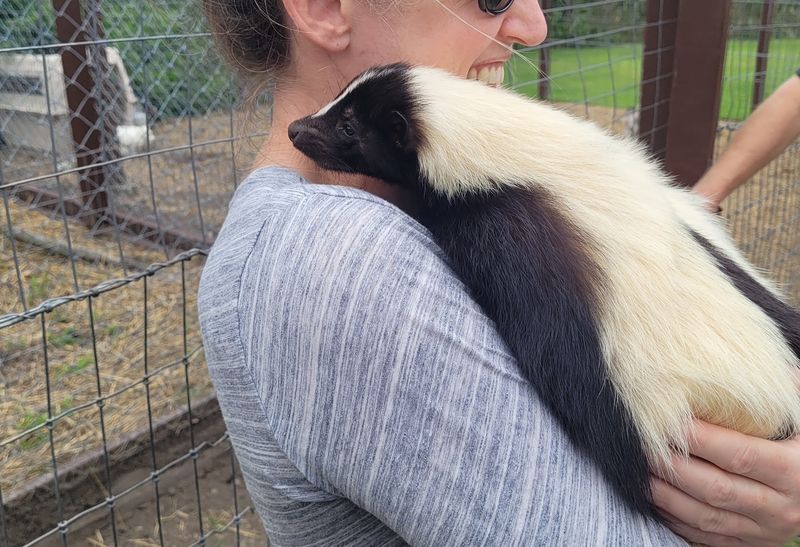
Yes, you read that right. At Supe’s Exotic Jungle, holding a skunk is one of the favorite parts of the tour.
Most of us learned early to run from skunks. Here, guests hold small, friendly skunks that are used to people and gentle handling.
Skunks are actually curious and quiet animals. Their famous spray is a defense tool, and they would much rather avoid trouble than start it.
Getting to cuddle one changes how you see them. Suddenly the striped animal from cartoons becomes a fluffy little creature with its own personality.
Skunks also show up on school visits. One group of fourth and fifth graders got to meet what their teacher called the snuggliest skunks during a classroom presentation.
I like how this part of the tour flips expectations. It teaches kids, and plenty of adults, that a scary reputation doesn’t always match the real animal.
If you’re nervous, just watch first. The guide can explain how to hold one safely before you try it yourself.
Once the skunks have charmed everyone, the tour moves on to animals with very different moods and much bigger leaps.
Lemurs Ready for a Treat
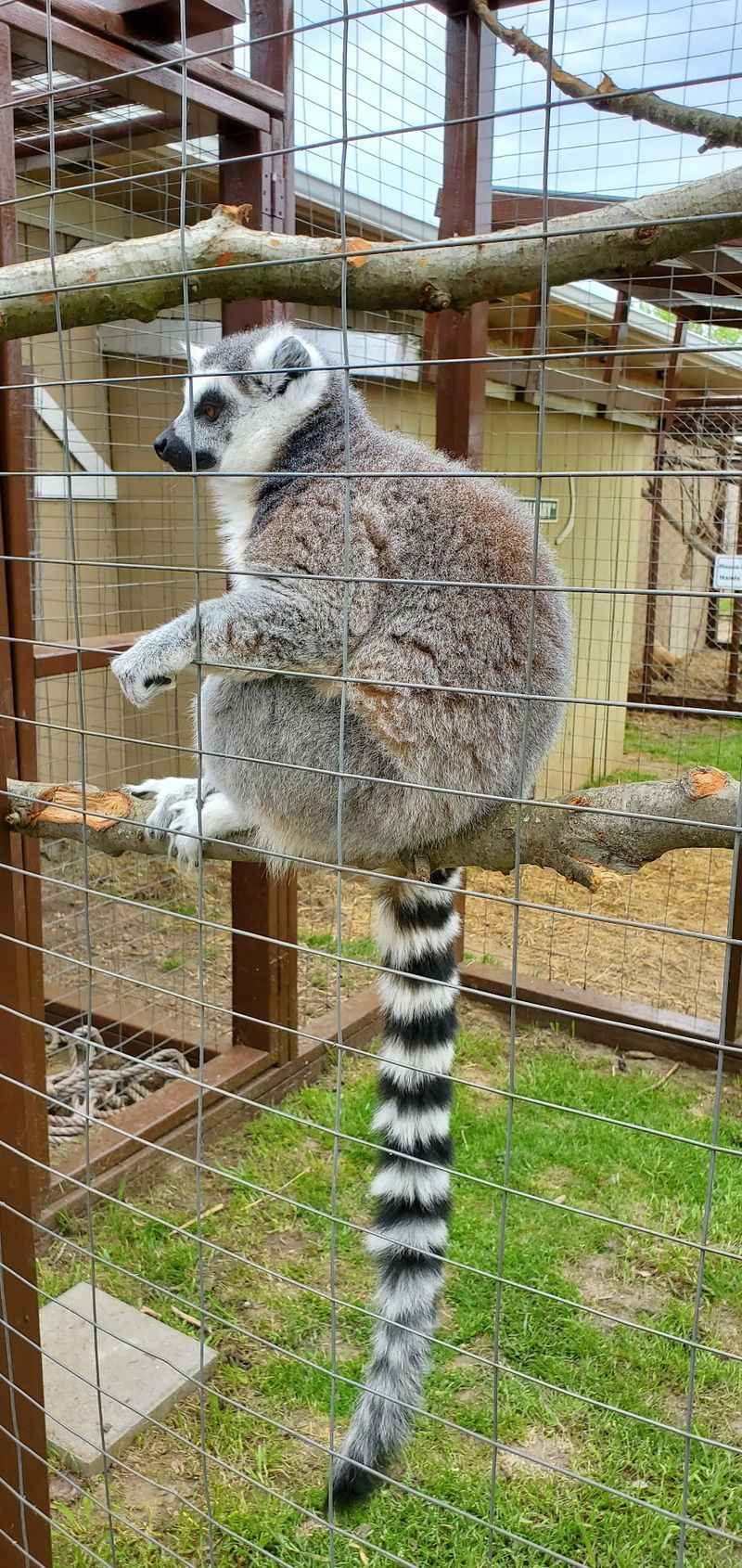
Lemurs come from just one place in the wild, the island of Madagascar off the coast of Africa. Seeing one in Fenton feels a little surprising.
Feeding the lemurs is a highlight at Supe’s. These primates have quick hands, bright eyes, and a lot of curiosity about what you’re holding.
Fun fact time. Ring-tailed lemurs use their striped tails to signal to each other, and groups are usually led by females.
Watching a lemur take food gently from your fingers is a fun lesson in how smart these animals are. They look, think, and then reach.
Your guide can share facts about each lemur as an individual, not just as a species. That kind of detail makes the animals feel less like exhibits and more like neighbors.
I’d keep my phone ready but my attention on the animal. Lemurs move quickly, and the best moments are often over in seconds.
Small kids will want an adult nearby during feeding. A little guidance keeps the moment calm for both the child and the lemur.
From the treetop crowd, the tour heads somewhere much wetter.
Stingrays Gliding Right Up to Your Fingers
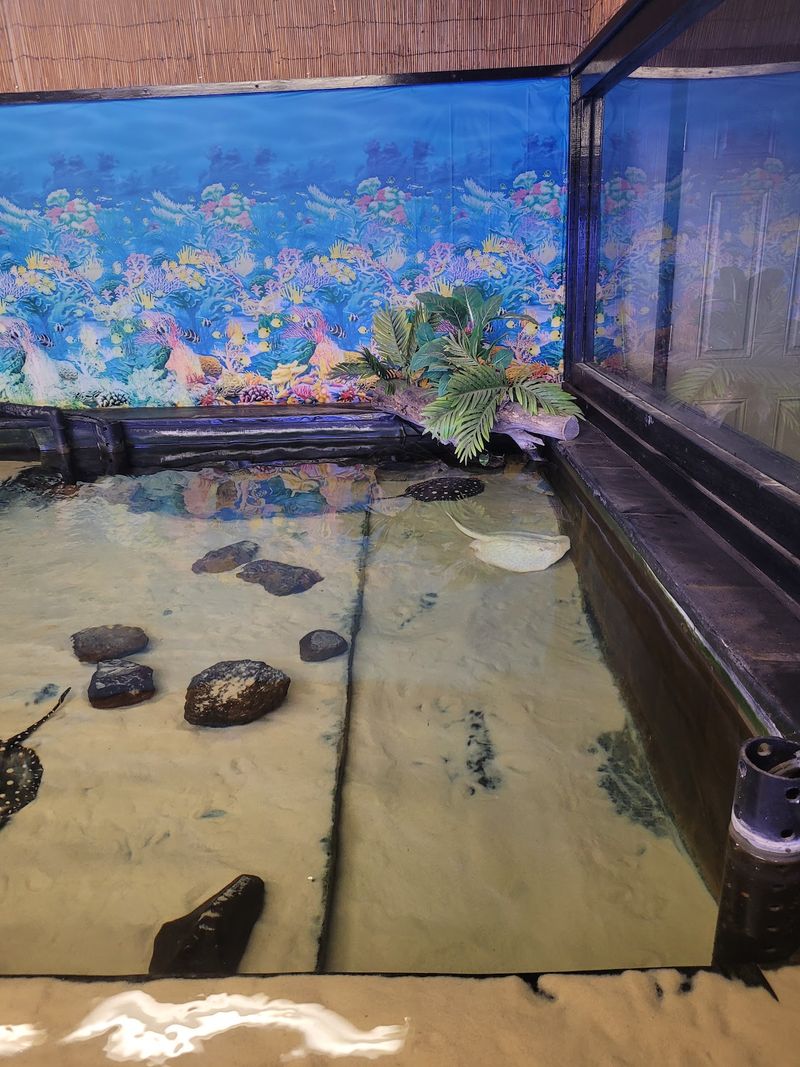
Feeding a stingray in Michigan, hundreds of miles from any ocean, still sounds a bit wild. Supe’s makes it part of the visit.
Stingrays are flat fish related to sharks. Instead of bones, their skeletons are made of cartilage, the same flexible stuff found in your ears and nose.
They move by rippling the edges of their bodies. In a tank, that motion looks smooth and almost like flying.
Guests get to feed the stingrays during the tour. Their mouths sit on the underside of their bodies, so feeding works a little differently than with a wallaby or fox.
The guide can show you the right way to offer food. Following instructions here matters, since these animals deserve careful handling.
I think this stop teaches something kids don’t always get at aquariums. Instead of pressing faces against glass, they see how a sea creature eats and reacts to people.
Wear sleeves you can push up easily. It’s a small detail, but it saves you from a damp shirt the rest of the afternoon.
Next comes a creature with a much toothier grin.
Holding a Young Alligator Up Close
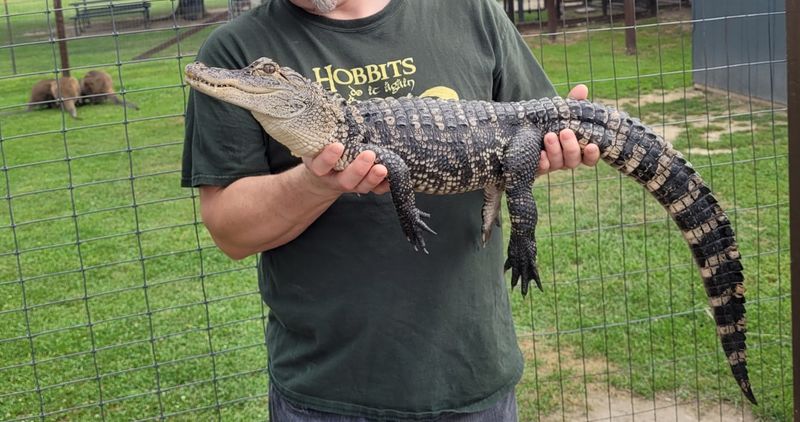
Here’s a sentence few Michigan residents expect to say. I held an alligator this weekend.
At Supe’s Exotic Jungle, guests have had the chance to hold an alligator with the guide’s help. It’s one of the moments people seem most proud of afterward.
Alligators are reptiles native to the southeastern United States. Even young ones have strong jaws and tough, bumpy skin covered in plates called scutes.
Holding one safely takes guidance, and that’s where the guide comes in. Staff show guests how to support the animal and stay calm.
The reptile lineup doesn’t stop with the alligator. The facility also cares for reptiles and amphibians, including a large snake and a frog one teacher described as grumpy looking.
I appreciate that these cold-blooded animals get real attention here. Snakes and frogs often get skipped, yet they have fascinating habits worth learning about.
Asking questions is encouraged. How fast an alligator grows or what a snake eats are great conversation starters for curious kids.
Not every animal in the building is scaly, of course. A few furry residents have wilder instincts than you might guess.
Foxes and a Lynx With Big Personalities
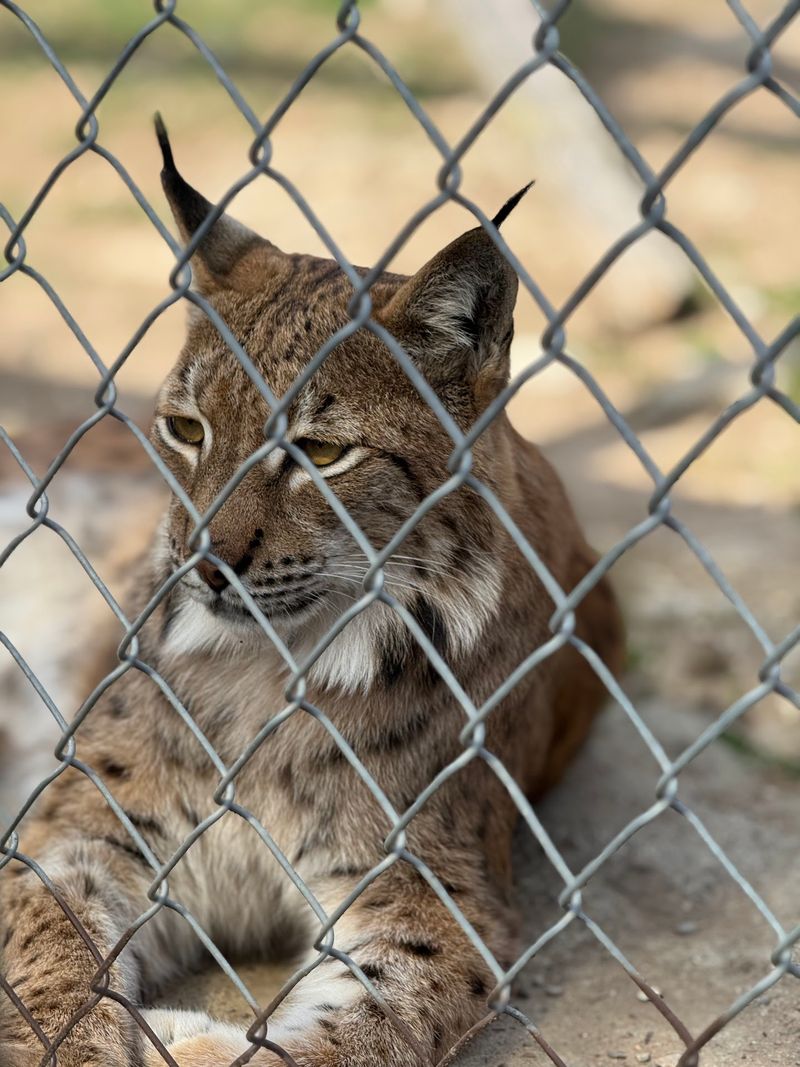
Tufted ears and huge paws give the lynx a look that’s hard to forget. At Supe’s, guests have had the chance to feed one.
Lynx are wild cats built for snowy forests. Those wide paws work like natural snowshoes, helping them walk on top of deep snow.
Foxes are part of the feeding lineup too. They’re quick, clever members of the dog family, with sharp hearing that helps them find food.
Feeding these animals is different from feeding a wallaby. The guide controls how it happens, which keeps both the animals and visitors safe.
What stands out to me is how well the guide knows each animal’s personality. One fox might be bold, while another prefers to watch from a distance.
That kind of knowledge comes from daily care. The owners have also taken in animals through rescues, including some that outgrew their previous homes.
I like knowing that some residents got a second chance here. It adds meaning to every feeding and every fact shared.
That care is a big part of why the people behind this place matter so much to the whole experience.
Brent and Shannon Behind the Scenes
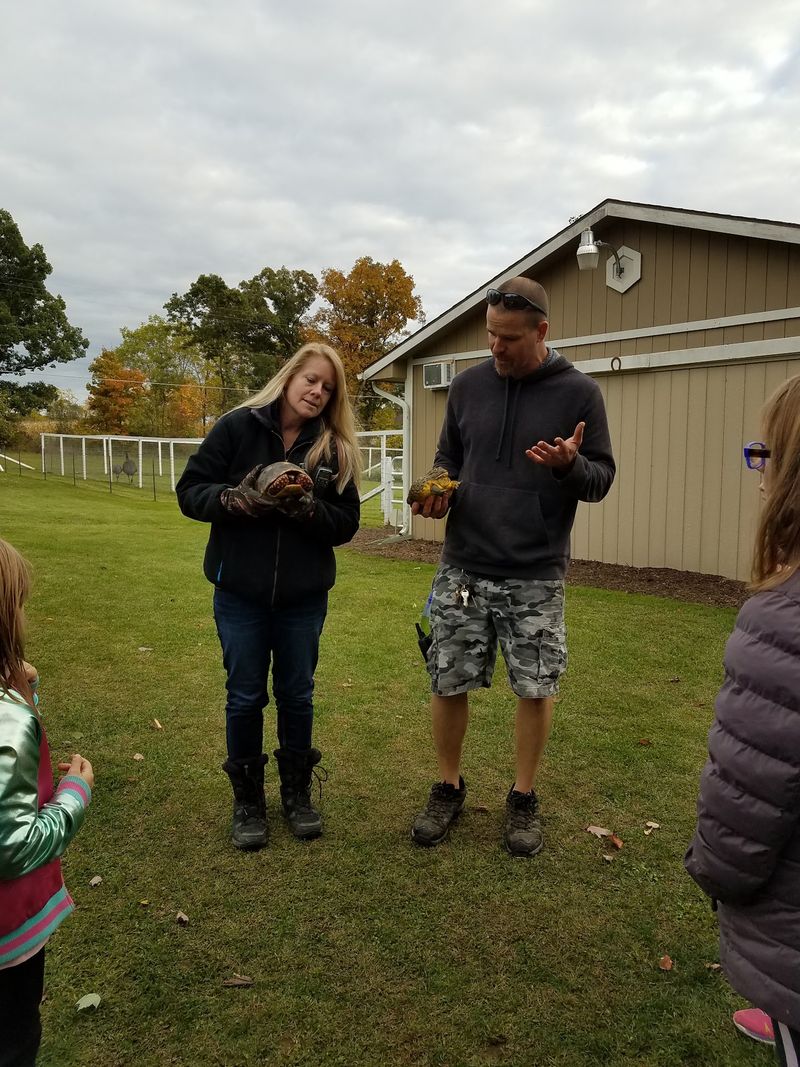
Every animal place has a story, and this one centers on a couple. Brent and Shannon created Supe’s Exotic Jungle and care for its residents.
Brent often leads the tours. He’s known for staying calm and patient, even with groups of energetic little kids.
Shannon handles much of the planning side. Guests can reach her by text with questions, which makes organizing a visit feel easy.
The owners are well known for their knowledge about their animals and wildlife in general. Tours mix hands-on time with real teaching about each species.
Even families who watch nature shows often have learned something new here. That says a lot about the depth of the conversation.
Habitats are kept clean and well maintained. Each enclosure is set up for the animal’s comfort, food, and need for activity.
I find that kind of attention reassuring. When animals look healthy and relaxed, the whole visit feels better for everyone.
A tour shaped by people this involved also opens the door to special occasions, and many guests take full advantage.
Birthday Parties With Fur, Fins, and Scales
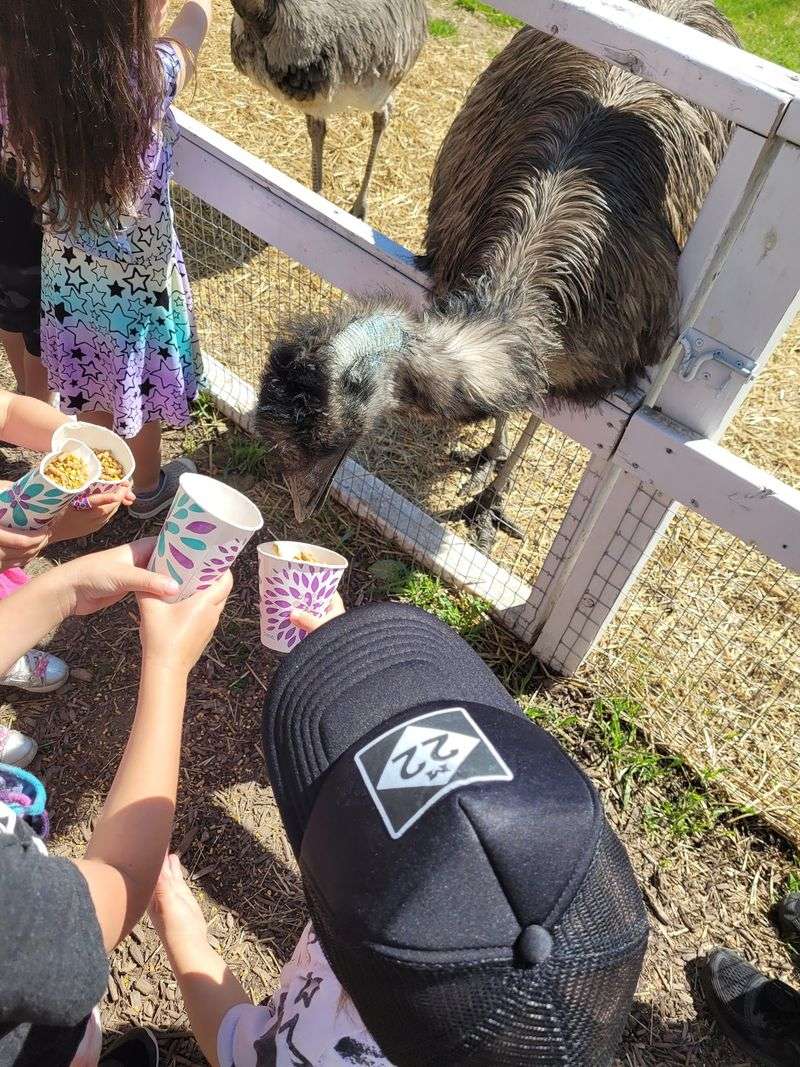
Cake is nice, but a birthday with lemurs is hard to beat. Supe’s hosts parties and special events by appointment.
Parties here aren’t just for little kids. Families have celebrated a 6th birthday, a 24th birthday, and even a mom’s 70th with the animals.
That last one stands out. A guest brought her blind mother, and touch-based animal time made it a joyful surprise.
Group size matters for this kind of outing. One visitor felt 10 to 15 people was the right number, giving everyone hands-on time and room to ask questions.
Larger groups have been welcomed too, including a club outing. If you’re planning something big, check with Shannon early about what works.
Parents seem to get just as excited as the kids. It’s hard to stay on the sidelines when someone hands you a skunk.
My advice is to plan the party around the tour rather than the other way around. The animals are the main event, so give them the time.
Not every group can make the drive to Fenton, though. Thankfully, the animals sometimes travel.
Booking Tips Before You Head to Fenton
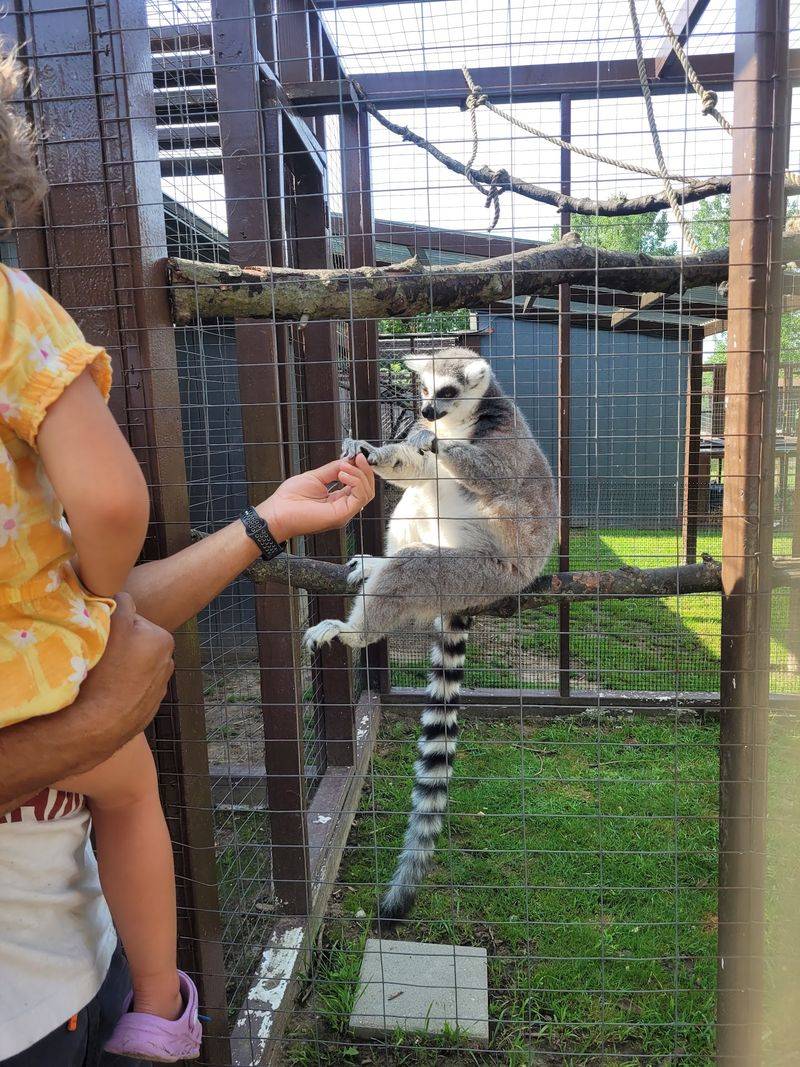
Showing up unannounced won’t work here. Supe’s Exotic Jungle runs strictly by appointment, so reservations come first.
The best place to start is the facility’s Facebook page. Shannon is known for quick replies to questions by text, which helps with planning details.
Google lists tour start times on most days, with morning options on weekends. Schedules can change, so confirm your time directly when booking.
Bring clothes you don’t mind getting a little messy. Feeding stingrays and wallabies can mean damp sleeves and a few crumbs.
Animal education also travels. The team has brought creatures to schools, where students got to meet skunks, a large snake, and a frog up close.
That option could suit teachers, libraries, or groups that can’t visit in person. Ask about it when you reach out.
I’d also plan questions ahead of time, especially with kids. The guide clearly enjoys sharing facts, so curious visitors get the most out of the tour.
In the end, this small Fenton spot rewards people who plan a little. Book ahead, show up ready to learn, and let the animals lead the way.
Share this story