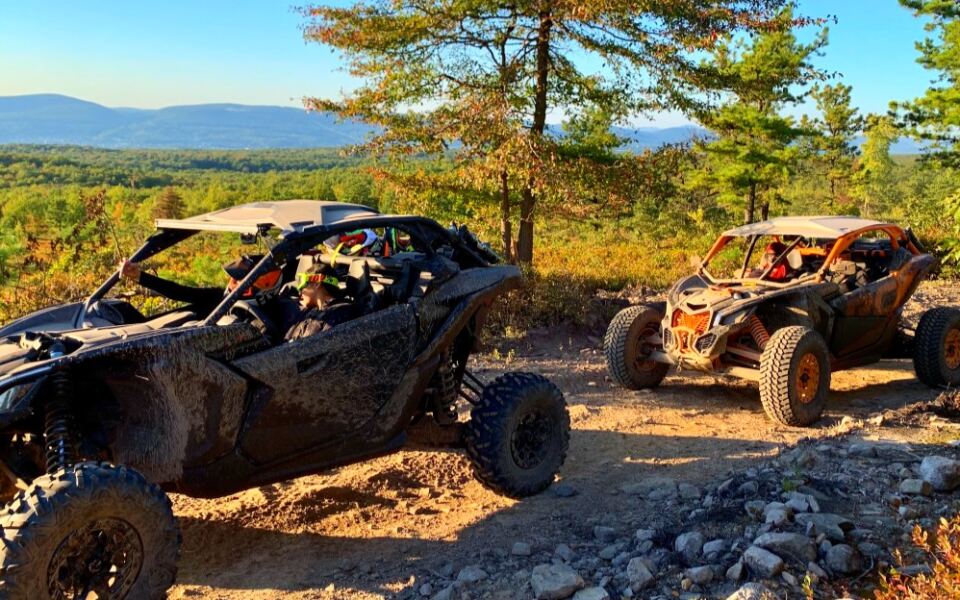
At this Pennsylvania ATV park, riders can drive through a tunnel, tackle rocky mountain trails, and climb to an overlook known as Top of the World.
Lost Trails ATV Adventure Park in Dunmore, just outside Scranton, covers more than 2,000 acres of off-road terrain. The trails range from easier routes to challenging rock crawls, with mud holes and water crossings adding to the adventure.
The park welcomes ATVs, side-by-sides, and dirt bikes. It also hosts special night rides, giving visitors a chance to tackle the trails after sunset.
But the tunnel and mountain overlook are two of the biggest reasons to visit. Getting to them is part of the adventure, especially when the route is filled with rocks.
A Mountain Playground Just Outside Scranton
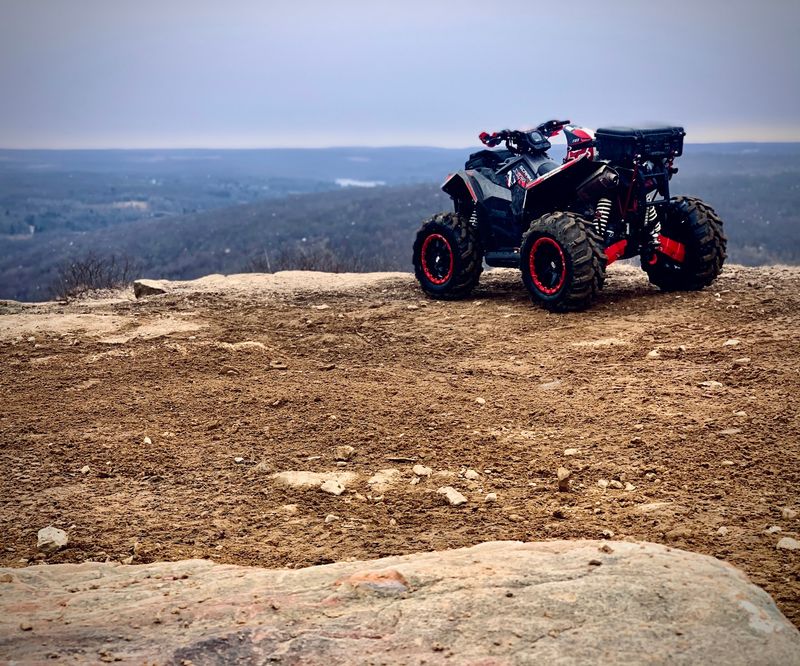
Lost Trails is the name, and the park lives up to it in a playful way. You’ll find it at 1000 Dunham Drive in Dunmore, Pennsylvania, just outside Scranton in the northeastern part of the state.
It is an off-road park built for ATVs, side-by-sides, and dirt bikes. The trails twist through wooded mountain land, crossing rocks, mud, water, and packed dirt along the way.
Many first-time riders expect a small park. The size surprises plenty of them, since the trail system spreads across a large piece of hilly ground.
Some riders spend a full day and still miss whole sections.
The park lists daily hours from 9 AM to 5 PM. That gives you a full stretch of daylight to explore, though special evening rides change the schedule on some dates.
I would treat a first visit as a scouting trip. Learn the main loop, see the big sights, and save the tougher side trails for another day.
A rider who arrives early also gets a better shot at a good parking spot. That matters, because the first thing you will want to do is get onto the rocks.
Rocks, Rocks, and More Rocks
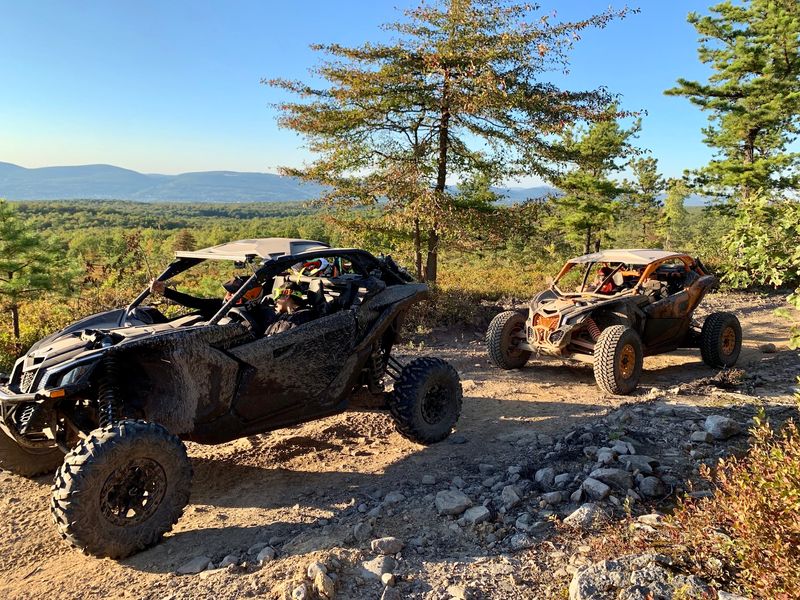
Pennsylvania is known for rocky ground, and this park shows it off proudly. Rocks are the most talked-about feature of the trails, by a long way.
Some stones on the paths stand several inches tall. Riders often slow to a careful crawl, even on trails marked as easier.
If you enjoy rock crawling, this is your kind of place.
Speed is not really the goal here. Many sections keep riders well under 15 miles per hour, with bumpy stretches that shake you around like a dice cup.
So how do you prepare? Check your machine before you leave home.
Tighten bolts, look over your tires, and make sure everything is ready for a rough day.
Machines with good ground clearance and long suspension travel handle the terrain better. Dirt bike riders say they can often pick cleaner lines between the rocks.
Your body will feel the ride too. Wear good boots, gloves, and padding, and plan a few rest breaks.
The rocks make every mile feel earned. They also make the big rewards, like the tunnel, feel that much sweeter when you finally arrive.
Riding Straight Through the Tunnel
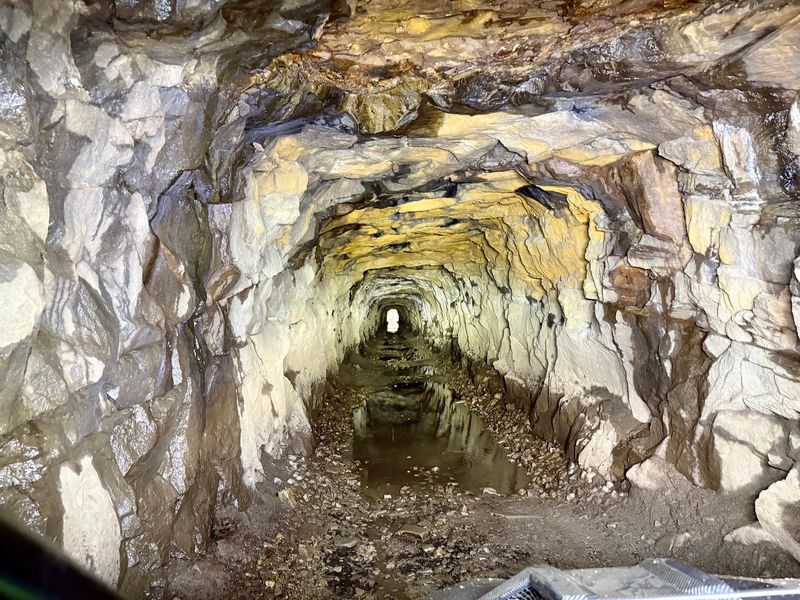
Few trail parks let you drive right into a tunnel. At Lost Trails, it ranks as one of the features riders mention most often.
The tunnel is a highlight on many visitors’ route through the park. Riders describe it as a cool, memorable stop, and plenty of them plan their day around reaching it.
I find the idea simple but exciting. One minute you are bouncing over stones in the open woods, and the next you are rolling through a shaded passage.
Turn on your headlights before you enter. It is a smart habit, and it helps other riders see you coming.
Keep your speed low inside too. Tunnels can hide water, mud, or loose rocks, and slow riding keeps the moment fun.
Photos are a favorite part of this stop. Families and friends often pause nearby to snap a picture of their machines at the entrance.
Bring a map so you can find it without wandering in circles. Once you have the tunnel on your camera roll, the next goal sits much higher up the mountain.
Views From Top of the World
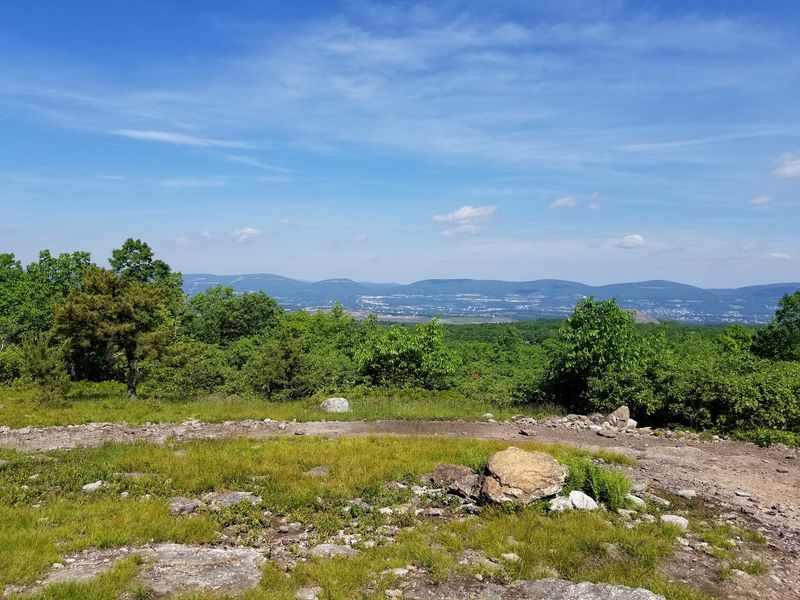
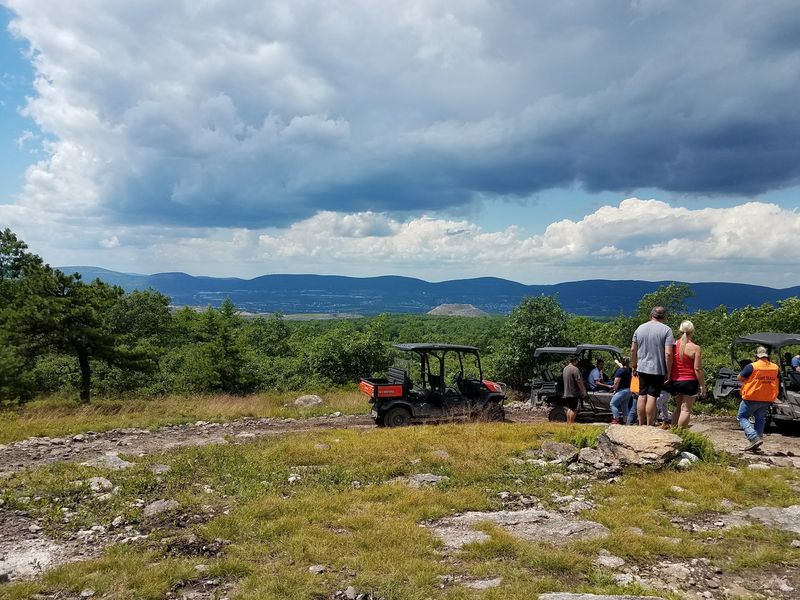
Climb high enough, and the trees open up to a wide view. Riders call one high point Top of the World, and the name fits.
From the overlooks, you can see across the valley toward the city below. Some riders also mention a lake view during their loop through the park.
Those scenic stops give your arms and back a welcome break. After miles of rocky trail, sitting still and looking out feels pretty great.
I would plan at least one long pause at the top. Pack water and a snack, and enjoy the scenery before heading down.
Clear days give you the best look. Hazy weather can blur the distance, so check the forecast if views matter most to you.
Fall could be an especially colorful time, since the Pocono region is known for its autumn leaves. Summer brings full green hills instead.
Remember that steep climbs can mean steep descents. Go slowly on the way back down, keep space from the rider ahead, and let your machine do the work.
Of course, the trail down often leads somewhere much messier.
Mud Pits and Water Crossings
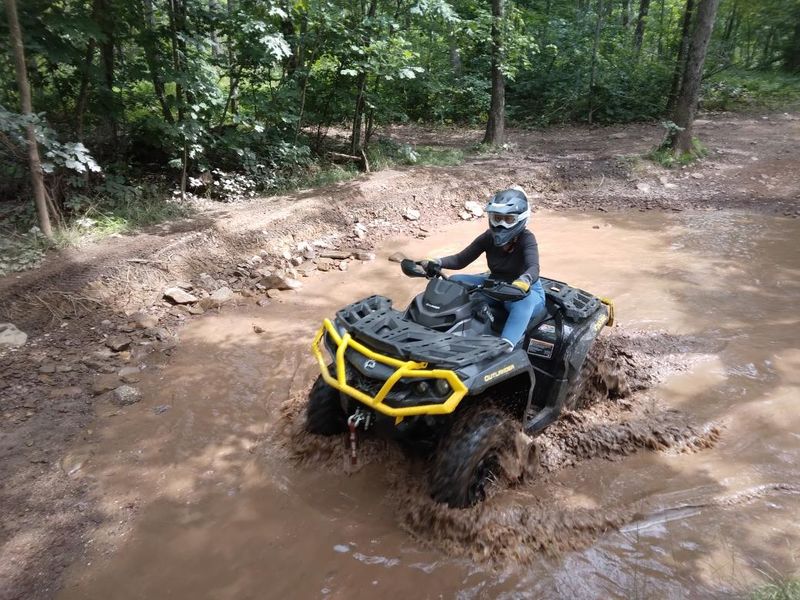
Clean clothes do not last long here. Mud holes and water crossings mix into the trail system, giving riders a break from the rocks.
Some people head straight for the mud pits. Splashing through brown water on a quad is a classic off-road thrill, and kids especially seem to love it.
Be ready to get wet, though. One family shared that their young rider got soaked from head to toe on a cold day, with water sloshing out of his boots.
That is a good lesson for chilly months. Waterproof boots, extra socks, and a full change of clothes can save your day.
Check the depth before you charge into a big puddle. Deep water can stall an engine or hide sharp rocks underneath.
The park did not appear to have a machine wash station, based on visitor comments. Bring a tarp or old blankets for your truck bed or trailer.
Muddy riders also become hungry riders. Luckily, there are places to refuel and gear up near the parking area.
Reading the Trail Colors
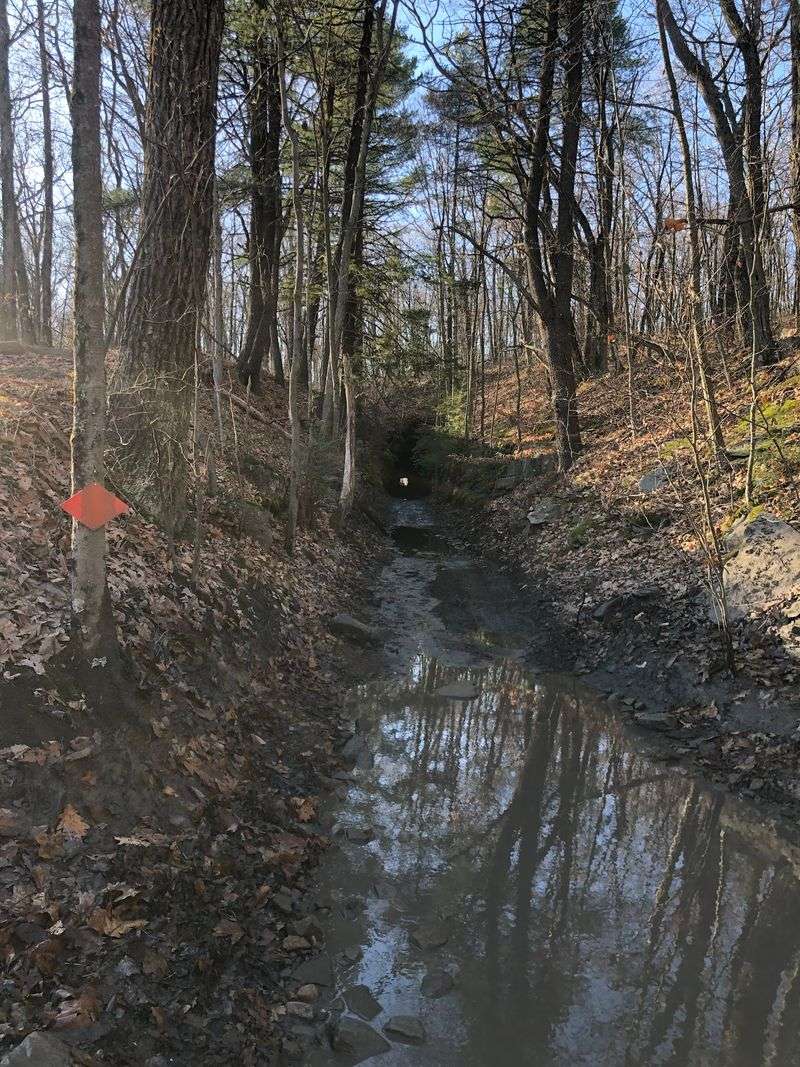
Color markers help riders choose how hard their day will be. Green trails are meant to be easier, while red trails signal tougher ground.
Still, easy is a relative word here. Many riders say even the green paths feel challenging because of the rocks.
Plan to ride at a slower pace than you might expect.
Red trails earn their color. They are the place for skilled riders with strong machines and lots of patience.
Getting lost is a real possibility, which fits the park’s name. Some signs have faded or gone missing over time, so riders sometimes end up circling the same loop.
Paper maps are sold at check-in for a small fee. The park also points riders to a map app, but phone service can be spotty in the woods.
My advice is simple. Buy the paper map, download what you can before you ride, and stick with your group.
Note landmarks like the tunnel and overlooks as you go. They make great checkpoints when every rocky path starts looking the same.
Headlights After Dark
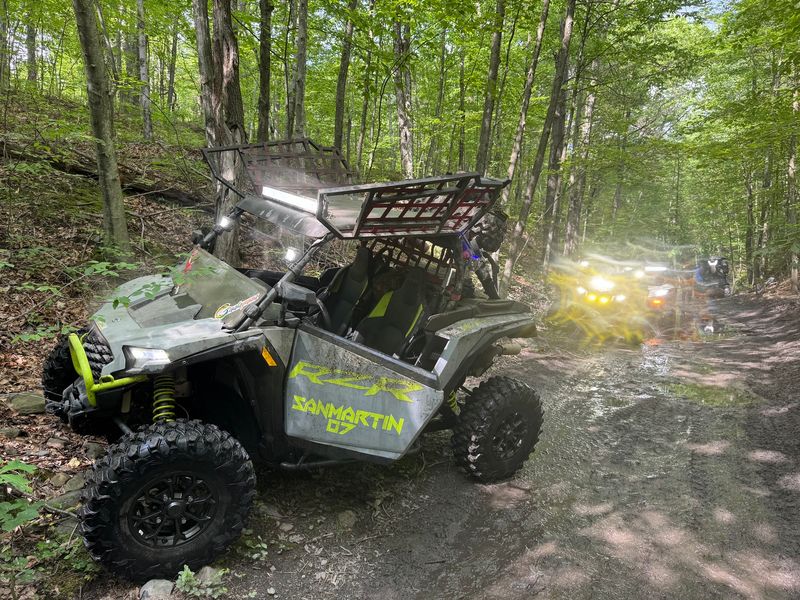
Daylight is not the only time to ride. Lost Trails hosts special night rides on select dates, turning familiar paths into a whole new adventure.
Picture the woods lit only by your headlights. Every rock, root, and puddle pops out of the darkness in a different way.
Regular riders describe the night events as a blast. Some first-time visitors even plan return trips just to try one.
Good lighting is a must. Make sure your headlights work, and consider adding an LED light bar if your machine can handle one.
Bring layers too. Mountain air can cool down quickly once the sun sets, even in summer.
Ride slower than usual. Depth is harder to judge at night, and the rocks will not get any smaller in the dark.
Night rides are not held every day, so check the park’s official pages for upcoming dates. Some long-day riders stay well into the evening during these events.
Darkness also makes the group feel closer. That brings up a nice point about who comes here to ride.
Families on Four Wheels
Kids show up here with big grins and muddy helmets. Families often ride together, with younger children sitting as passengers and older kids driving their own machines.
One parent shared that their 9-year-old handled the trails well. Their 5-year-old rode along with Dad and had plenty of fun.
Still, the rough ground matters for small bodies. Kids can feel sore the next day from all the bouncing, so shorter rides make sense.
I would start young riders on the easier green trails. Keep the pace slow and stop often to check how everyone feels.
Safety gear is not optional. Helmets, goggles, gloves, long sleeves, and sturdy boots should be on every rider, big or small.
Riding together teaches patience and teamwork. Kids learn to read the ground, watch the trail ahead, and listen to adults.
It also pulls everyone away from screens for a few hours. Fresh air, mountain views, and a little mud make a strong trade.
Pull-off spots along the trails help families too. Slower groups can easily let faster riders pass.
A Big Shop Beside the Trails
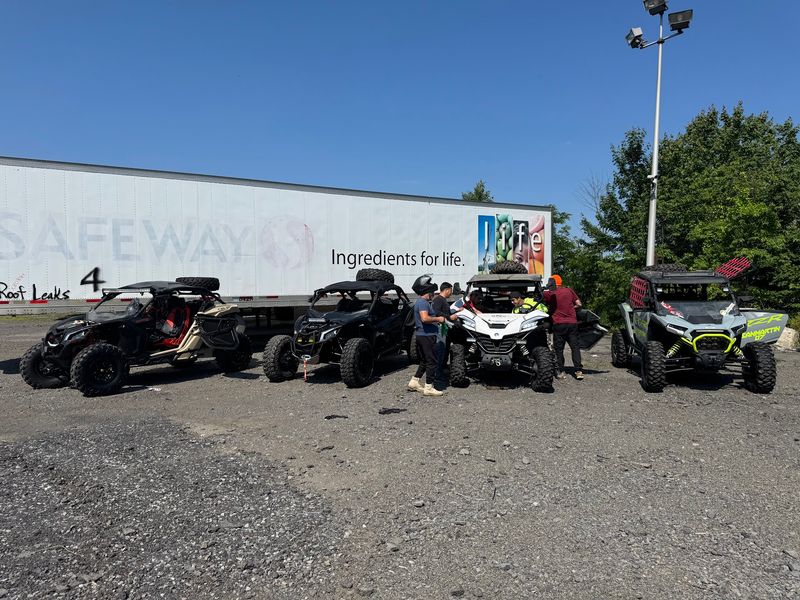
Broke a part on the rocks? Help might be closer than you think.
A large off-road dealership and accessories shop sits right on the property.
It is handy for gear you forgot at home. Gloves, parts, and accessories can sometimes save a trip that would otherwise end early.
The check-in area is where riders pay admission and grab maps. Visitors often describe the process as quick, with friendly staff ready to answer questions.
Parking spreads across the property. Weekends can fill up, so an early start helps you get a spot close to the action.
Some riders have even arranged to leave a long trailer on site during multi-day trips. Ask staff about this before you plan around it.
A food stand also serves riders, though menus can change. Packing your own water and snacks is always a smart backup.
Season passes are available for frequent riders. That option makes sense if you live nearby and want to keep learning the trails.
Don’t own a machine at all? There is a way around that too.
Smart Moves Before You Ride
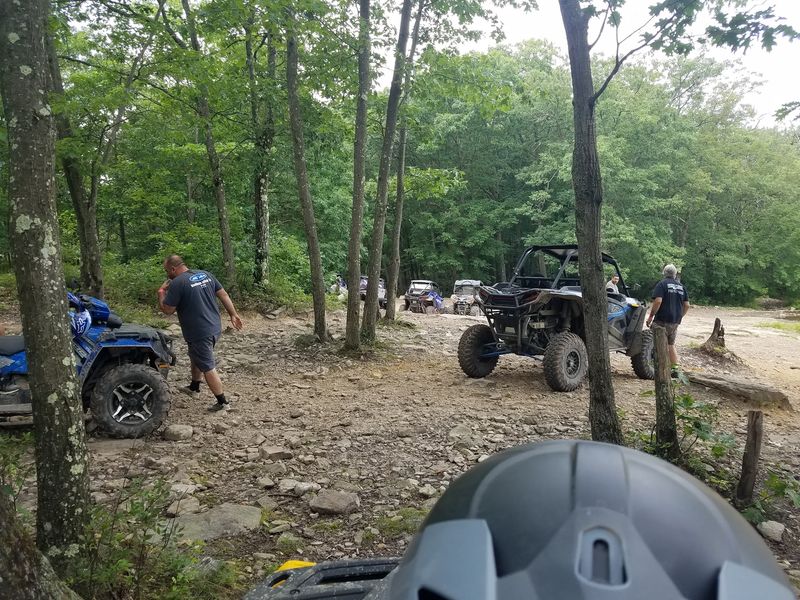
No ATV in your garage? Riders without machines sometimes rent side-by-sides from local outfitters the park can recommend.
Renting can be a great way to test the trails. A good rental host may also explain how to navigate the park before you set out.
Bring your own machine, and give it a careful once-over. Some riders have returned home with bent rims after a long day on the rocks.
Plan your energy as well. Many groups cover about 15 miles in three hours, and that pace can still leave you tired.
Pack the basics. Water, snacks, a paper map, a small tool kit, and a phone charger are good friends here.
Ride with at least one buddy. If you get stuck or turned around, help is easier with a partner.
Expect slow riding and big rewards. The tunnel, the high views, and the mud pits all wait for riders patient enough to handle the climb.
Go in with the right gear and attitude, and this rocky corner of Pennsylvania gives back every bump.
Share this story