Some Ohio stops look plain from the road, then keep you talking for the whole drive home. I once went looking for a quick bite of history and found a story about sandwiches, strangers, and a small town that refused to let hungry travelers pass by.
It turns out a humble railroad building here fed more people than most big-city restaurants ever dream of serving. Come along and see how a depot in Ohio became the most welcome dinner spot of its time.
A Small Ohio Depot With a Giant Story
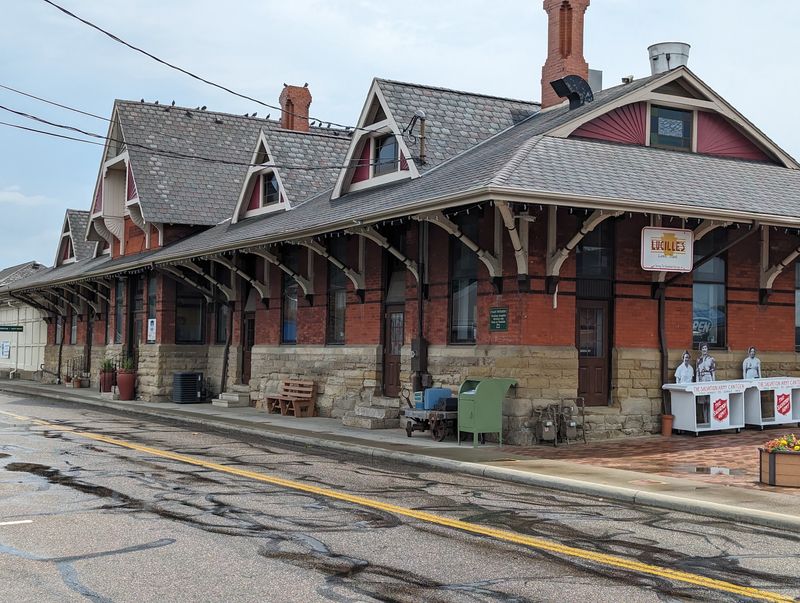
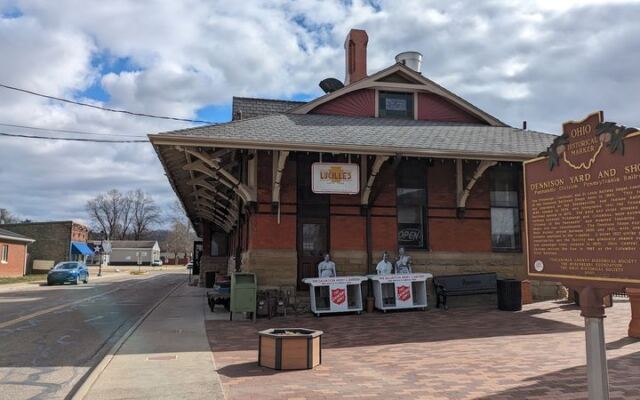
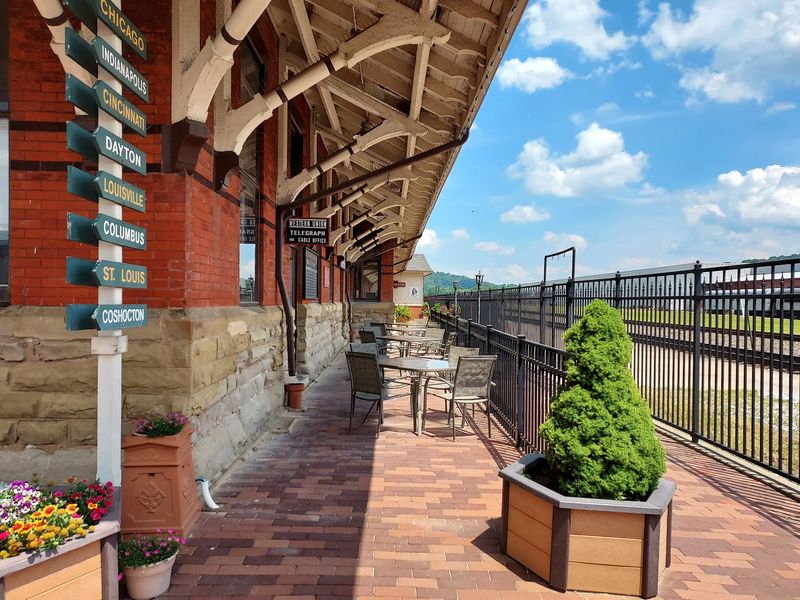
Tucked into the village of Dennison, in Tuscarawas County, the Dennison Railroad Depot Museum looks like a tidy old station. Step inside, though, and it turns out to be one of the most surprising history stops in the state.
The museum sits at 400 Center St, and it tells how a repair shop for locomotives grew into something much bigger. During World War Two, the place became known for the troop trains that rolled through town.
Visitors often call it a hidden treasure, and that feels fair. Plenty of Ohioans have never heard of it, even though it sits a short drive from many parts of the state.
Think of it as a museum, a memorial, and a town’s proud scrapbook all rolled into one stop worth planning a day around.
From Locomotive Repair Shop to Wartime Stop
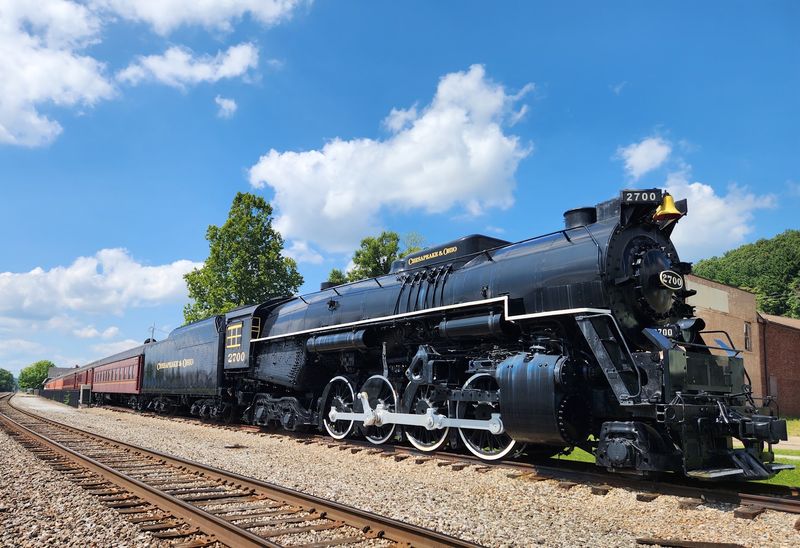
Before it fed anyone, the depot was a place where locomotives were repaired. Trains needed care, and Dennison became a practical spot for that work.
Then history shifted the depot’s purpose. Between 1942 and 1946, troop trains carrying servicemen west stopped here again and again, and the building became far better known for those quick pauses.
The museum has been restored to look as it did during the war. Displays fill both the depot building and the railcars out back, so the story unfolds in the same kind of setting where it happened.
It is a neat reminder that a place can start with one job and end up remembered for something entirely different, simply because the people around it noticed a need.
The Serviceman’s Canteen and Its Famous Sandwiches
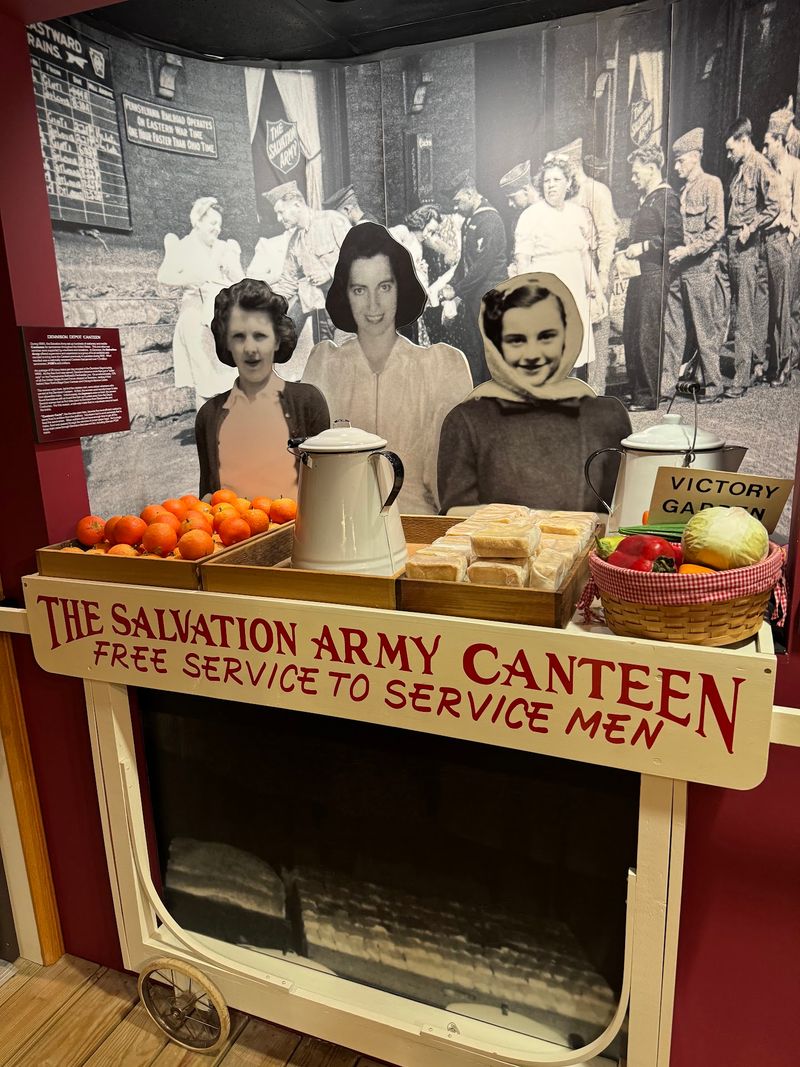
Here is the heart of the dinner-spot answer. Local volunteers set up a Serviceman’s Canteen and offered every hungry traveler a sandwich, a piece of fruit, and coffee.
The numbers are staggering. An average of twenty trains a day, each carrying hundreds of men, stopped in Dennison, and the town’s canteen fed an enormous crowd despite wartime rationing.
Visitors say the town fed over a million soldiers as trains paused for water. That kindness stuck with the travelers, who gave the village a nickname they said with a smile.
It makes you look at your own lunch differently. A simple sandwich, handed over with a friendly word, can become a memory that lasts decades.
Dreamsville USA, the Name Soldiers Gave Dennison
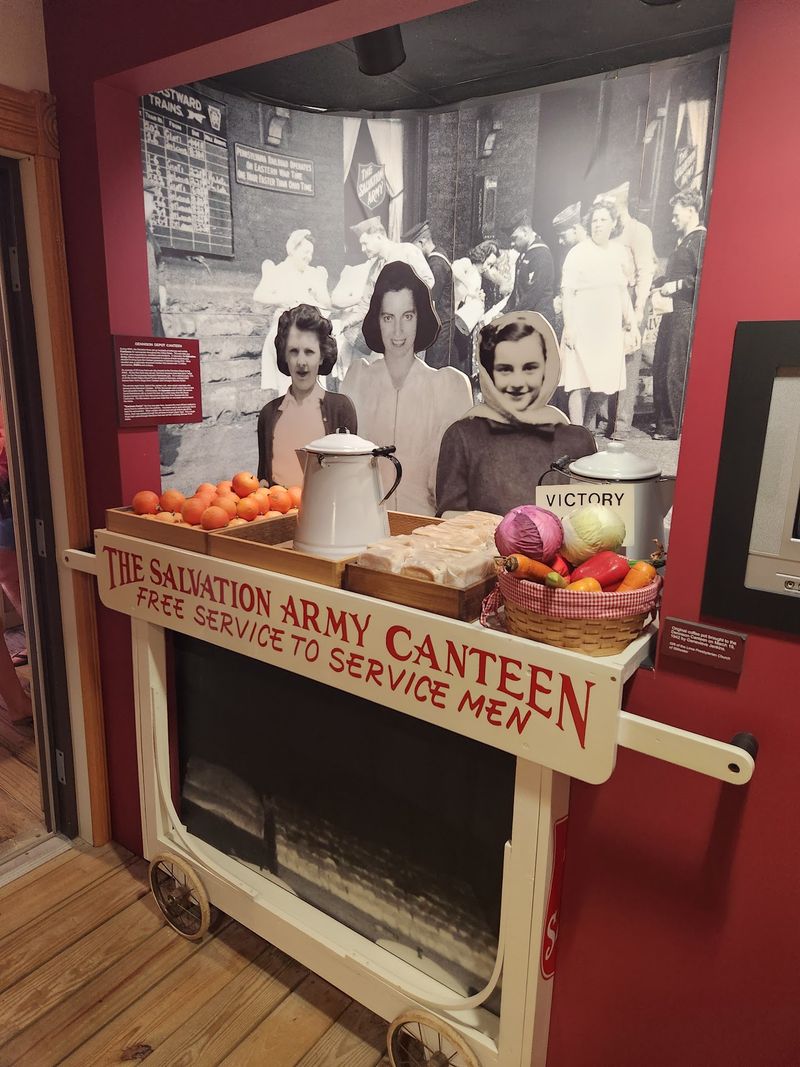
Nicknames only stick when they are earned. Servicemen who passed through came to call Dennison Dreamsville, a tribute to the warm welcome waiting on the platform.
Food was part of it, yes, but friendship mattered just as much. Volunteers greeted strangers like neighbors, and for a few minutes a long, uncertain journey felt a little lighter.
Reviewers visiting today still bring up the name with affection, and some say the trip to Dreamsville USA is well worth the drive.
Knowing that backstory changes the walk through the museum. Every display feels connected to real people who stood in the same spot, ate a quick meal, and carried the memory with them down the tracks.
Walking Through Real Passenger Train Cars
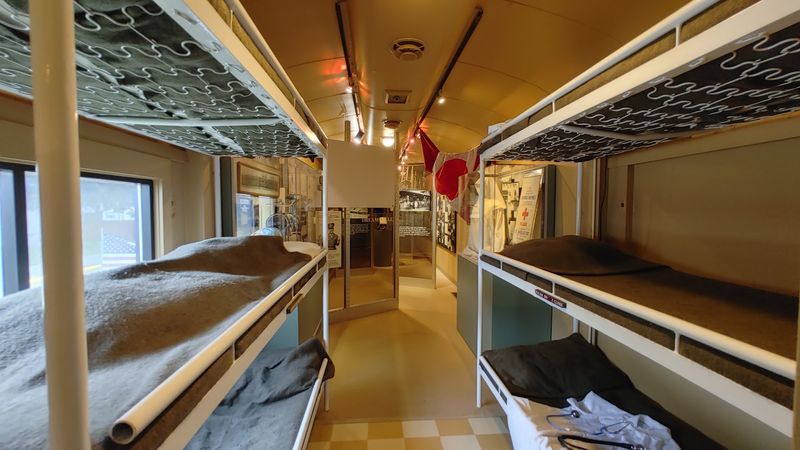
Most museums keep history behind glass. This one lets you step aboard, because the exhibits live inside actual passenger train cars.
The tour begins with a short orientation from friendly staff, then runs at your own pace. Some cars hold displays about how the war affected the community, while others are set up the way troop trains once looked.
One visitor said it could take the better part of a week to take in everything, which is a playful way of saying the details run deep. Others found they needed about two hours.
The train portion is a fairly long walk, but it can accommodate walkers and wheelchairs, and a restroom is available along the way.
The Mobile Hospital Car
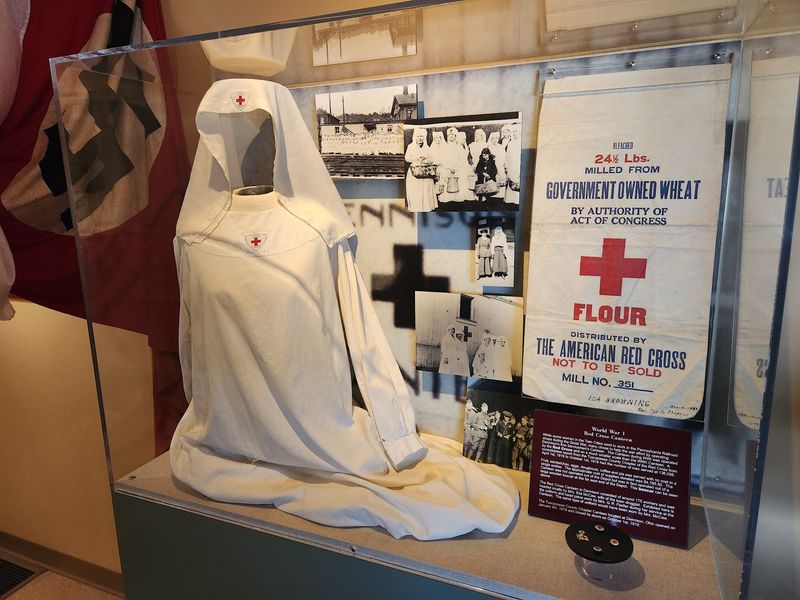
Ask families which car they remember most, and many point to the hospital car. It was set up to let a small medical staff care for injured troops while the train kept rolling.
Seeing the beds and supplies in such a tight space gives a quiet sense of how much planning went into moving people during the war.
Younger visitors found it fascinating too. One family with a two-year-old and a five-year-old called the surgical car especially cool.
It is a thoughtful stop in the middle of the tour, and a good example of why walking through real railcars beats reading about them on a sign.
Scavenger Hunts and Tiny Trains for Kids
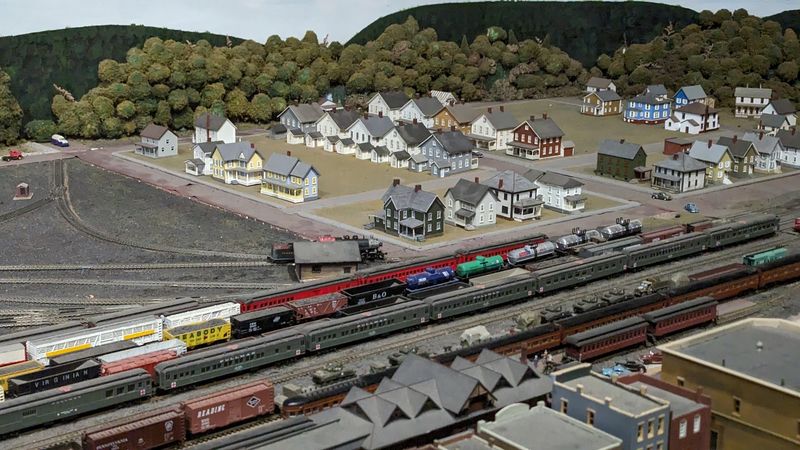
Parents, take note: the scavenger hunt is a crowd favorite. Families repeatedly mention how well it keeps young explorers engaged from room to room.
There is also a large N-gauge model train display, plus other hands-on activities designed to make history feel playful. Visitors with kids aged two through seven said everyone stayed busy and curious.
That balance works nicely. Kids chase clues while adults read about the canteen, the troop trains, and the town’s role in the war.
Before leaving, stop by the gift shop, which carries mementos, shirts, and toys. A small train souvenir is a fine way to close out the day.
The Short Film and Volunteer Welcome
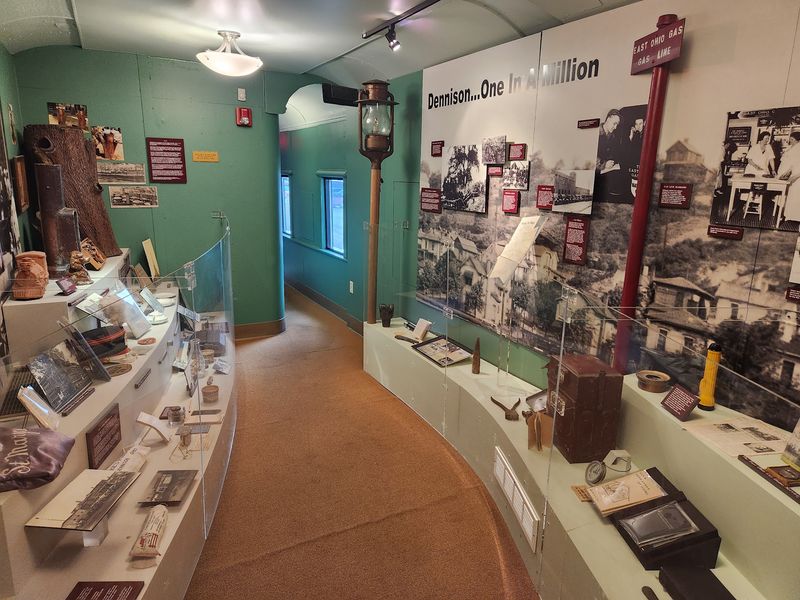
A good story deserves a strong opening, and the short film at the start does the job. Visitors say it sets the scene before you head out to the cars.
Volunteers and staff add plenty of warmth. Guests mention being welcomed right at the door and finding someone nearby to answer questions along the route.
Veterans are admitted free, honoring the servicemen who once passed through town on their way to the front.
Expect decor changes now and then, too. Return visitors say the displays get refreshed, which gives a second trip a reason to exist.
Polar Express Season at the Depot
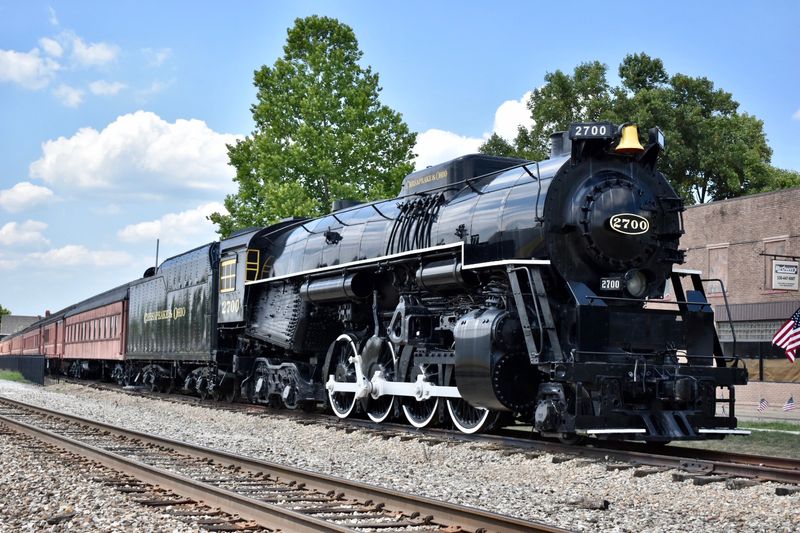
Winter brings a different kind of crowd. The Polar Express ride is the most mentioned topic among visitors, with Santa, cocoa, and cookies leading the buzz.
Families describe waiting inside the museum to stay warm, then boarding for caroling, games, and a visit from Santa, who hands out bells. Children leave with a train whistle and a conductor hat.
A few tips come from parents. Later departures feel more authentic once it is dark, and it helps to explain the pretend North Pole to kids ahead of time.
Deluxe seats got praise from one family, and the ride is a memorable way to see the depot in a festive light.
Excursion Rides and Special Events
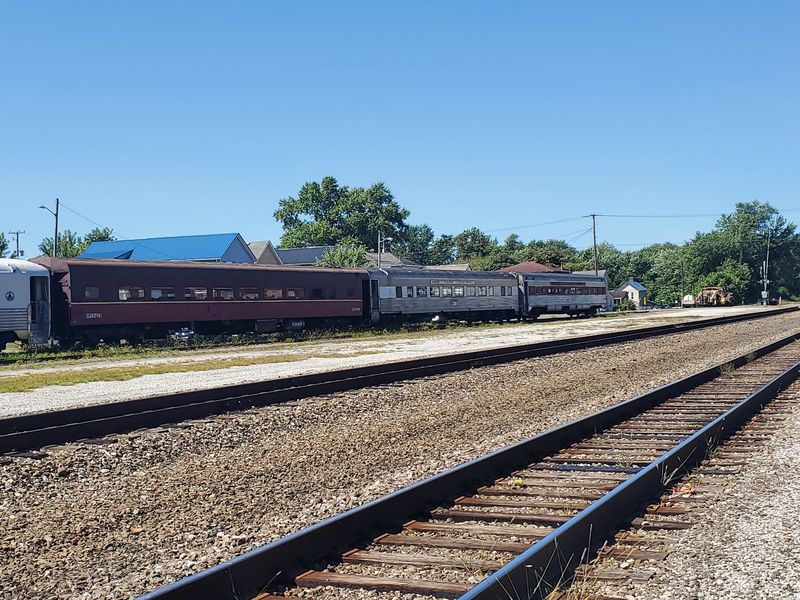
Beyond the museum, the depot is a launch point for train excursions. One group boarded in Dennison and rode to Newark for a strawberry festival, calling it plenty of fun.
Events can be large. A celebration of Buckeye trains and transportation drew thousands of visitors to the small village, and another is planned for April 25 and 26, 2026.
Plan ahead for rides. Double-check emailed tickets if you buy online, and allow time for boarding and a possible walk at the destination.
Not every trip goes perfectly, so a little preparation goes a long way. When it works, it is a rare chance to ride the rails in Ohio.
A Quiet, Charming Atmosphere
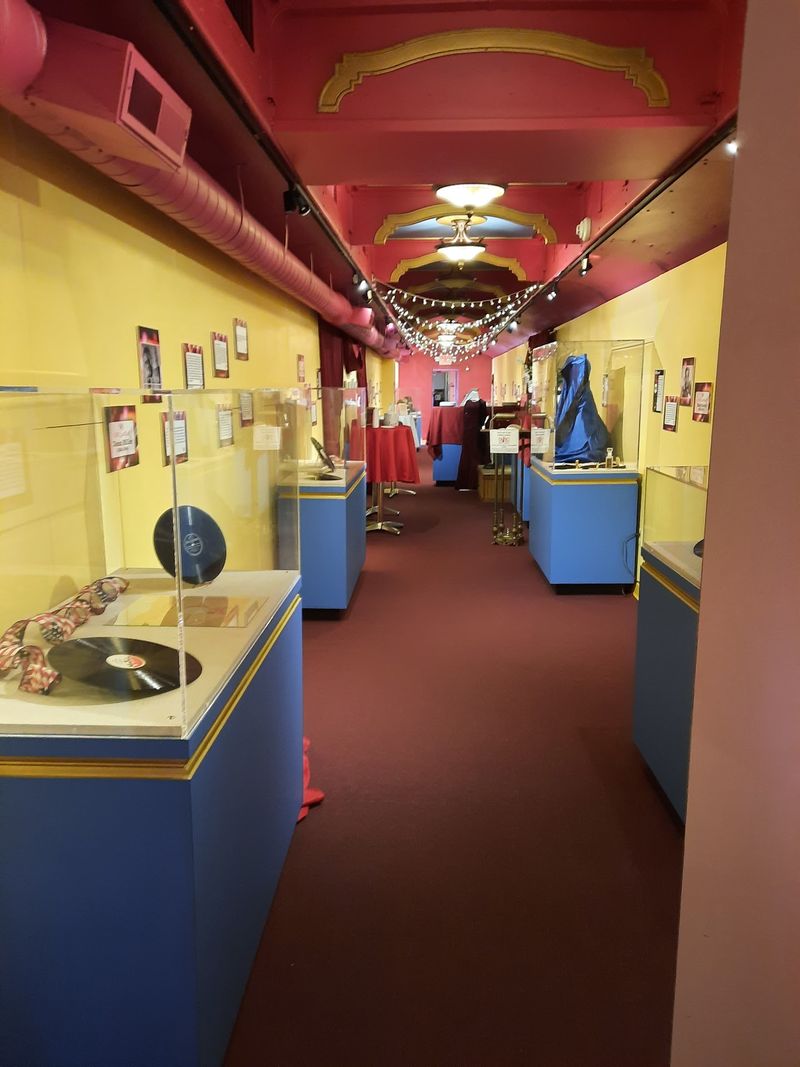
Weekdays here feel unhurried. One couple said they had the place mostly to themselves, which made the walk through the exhibits feel personal.
The mood is warm rather than flashy. Rooms are nicely decorated, volunteers chat easily, and the pace is whatever you make it.
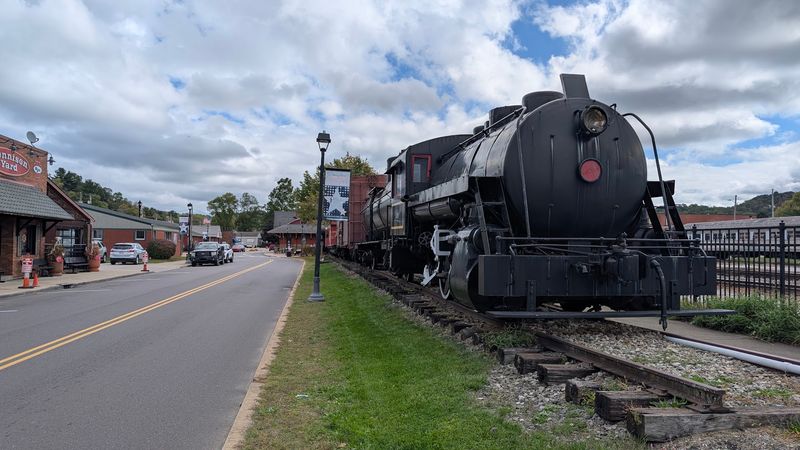
It suits history fans, families with curious kids, and anyone who enjoys small-town museums with heart. Railroad lovers will spot smaller items they have not seen elsewhere, even though the collection includes only two locomotives.
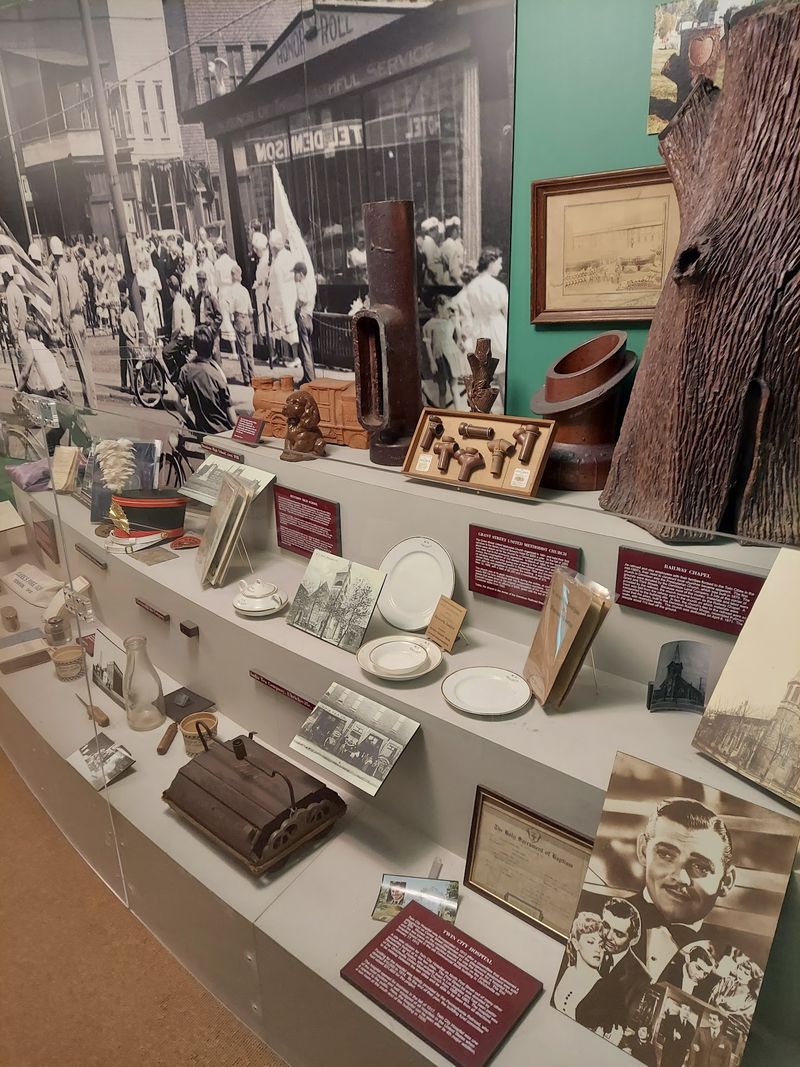
A couple of visitors wished for more labels on certain display cases, so bring your curiosity and ask a volunteer when something sparks a question.
Hours, Parking, and Getting There
Planning is simple. The museum is open Tuesday through Thursday and Friday from 10 AM to 5 PM, Saturday from 11 AM to 4 PM, and Sunday from 11 AM to 3 PM.
Mondays are closed.
Parking is on the street opposite the main entrance. The address is 400 Center St, and the phone number is 740-922-6776 if you want to confirm details first.
One traveler found it a half-hour south of Bolivar along US 77, and others have driven two hours or more to visit.
Allow about two hours for the tour. Veterans are admitted free, and a small cafe that once operated in the depot has since closed.
The Gift Shop and Small Souvenirs
Souvenir hunters will have fun here. The shop offers a wide variety of mementos, shirts, and toys, with plenty to suit train-obsessed little ones.
Parents say it carries everything a young railroad fan could want. Staff are described as friendly, though one shopper noted that checkout with the touch screen could be slow.
A conductor hat or whistle is a fun keepsake, especially after a ride. Quieter picks like books and shirts help you remember the visit long after the day ends.
Leave a few minutes at the end of the tour so you can browse without rushing.
A Soft Verdict on Dennison’s Depot
So, how does a train depot become a dinner spot? Through neighbors who saw hungry travelers and decided to help, over and over, for years.
The museum keeps that spirit alive with real railcars, thoughtful displays, and volunteers who enjoy sharing the story. Most visitors leave impressed, though a few had notes about details and event logistics.
For Ohioans, it is a satisfying day trip with history, hands-on fun for kids, and seasonal rides. Bring a little time and curiosity.
If you go, you may find yourself thinking about a simple sandwich a bit differently on the drive home.
Share this story