Thailand has a rooftop, and you can actually drive, bike, or hike to it. Doi Inthanon National Park is packed with giant waterfalls, glowing pagodas, and misty forest trails.
The air is cool, the views are huge, and the stories are even bigger. Here are twelve sights that make the trip worth every curve in the road.
The Summit at 2,565 Meters
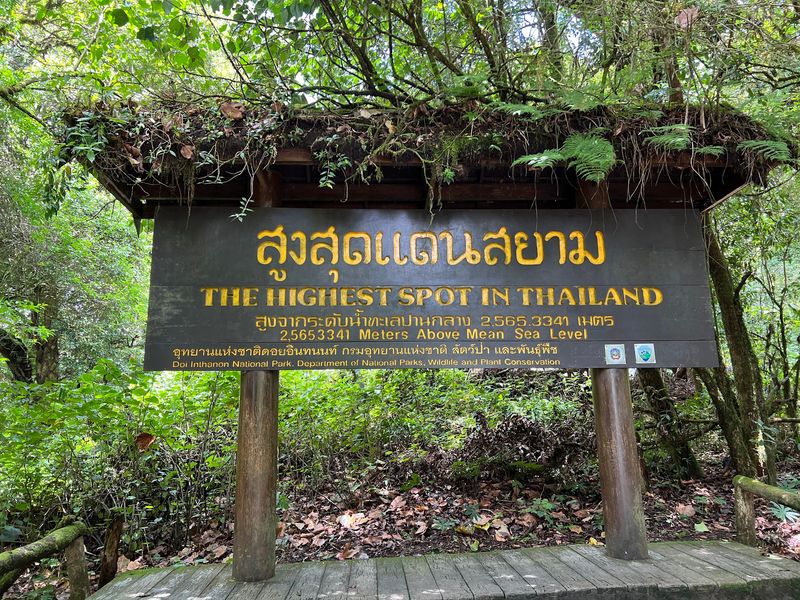
Standing on the tallest spot in Thailand feels a bit like winning a trophy without running a race. A wooden sign marks the top, and everyone lines up for a photo.
There is no big viewpoint here, but bragging rights are free.
The air up here is crisp, and mornings can be properly chilly. One traveler reported 38 degrees Celsius at the base and only 18 at the top.
Pack a warm layer, even if the city below feels like an oven.
A short and easy trail near the summit needs no guide. It winds through quiet, mossy forest where birds chatter in the branches.
Take your time, breathe deep, and enjoy the calm.
Go early if you can. Fog often rolls in by midday, and the light at sunrise makes the trees look painted.
Bring a little cash for the park gate, since the foreigner fee is 300 baht, plus a small charge for a motorbike or car.
King and Queen Pagodas
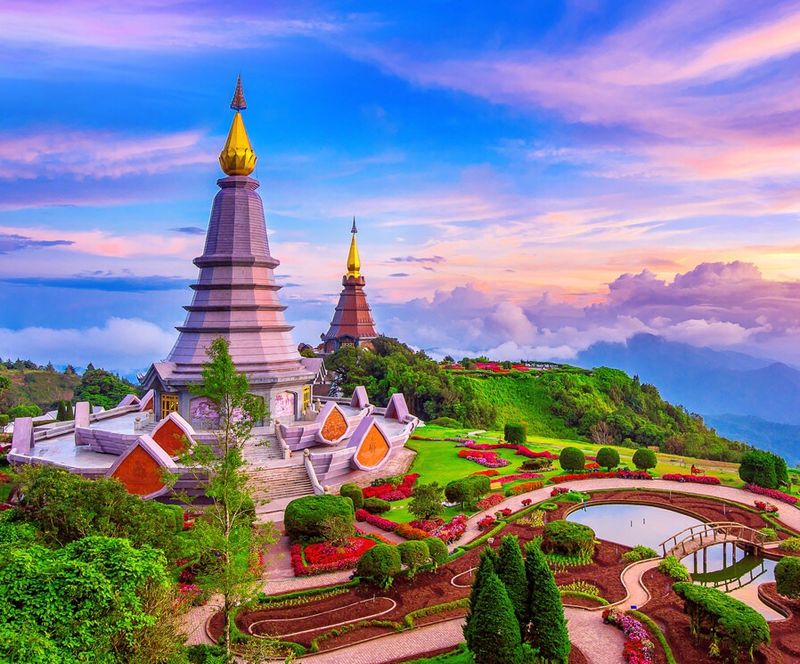
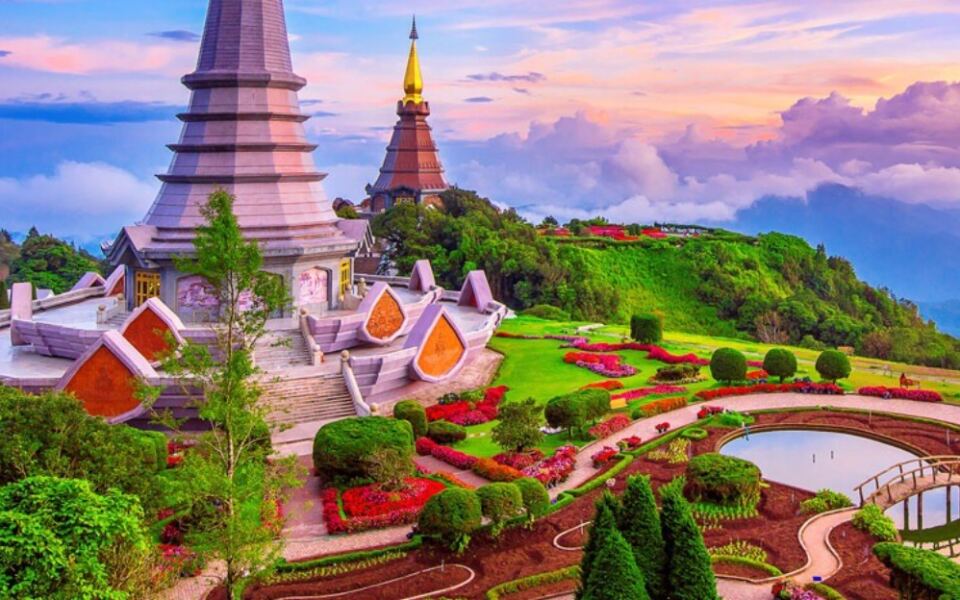
Two giant pagodas sit side by side on a ridge, and they look like they were built for postcards. They were created to honor the King and Queen, and the flower gardens around them burst with color.
On a clear day, the mountain views stretch for miles.
Getting there is easy. A small fee of about 50 baht covers entry and a free shuttle, so your legs can relax.
Visitors often say the best part is the panoramic look over layers of green hills.
Timing matters here. Clouds love to hide the scenery, so aim for a bright morning and arrive early to beat the crowds.
Dress modestly, since these are respected spiritual landmarks.
Bring a camera with plenty of space. Every angle seems to offer a new frame, from the carved details on the walls to the flowers glowing in the sun.
Walk slowly and look up, down, and all around.
Wachirathan Waterfall
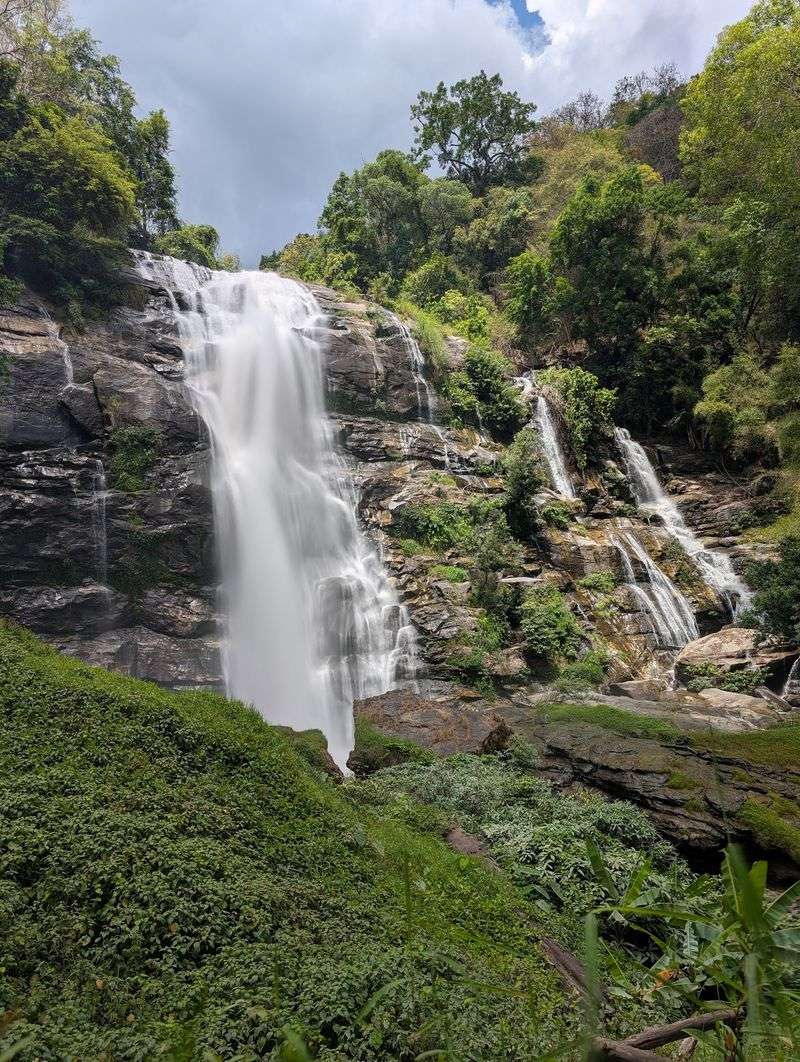
You will hear this waterfall before you see it. Wachirathan drops with a roar, and the spray drifts out like a free cold shower.
Stand near the railing and your camera lens will be wet in seconds.
The falls are easy to reach, and visiting costs nothing beyond the park fee. A short walk from the parking area brings you to good viewing spots.
Food stalls nearby sell snacks, so it makes a handy rest stop.
Rainy season turns the flow into a wild curtain of white water. In the dry months it is calmer, yet still impressive.
Wear shoes with grip, because the rocks and paths can get slippery.
Many visitors say the waterfalls here are huge and beautiful, and it is easy to agree. Bring a light rain jacket or a plastic bag to protect your phone.
A quick stop here is a perfect warm-up before the higher parts of the mountain.
Mae Klang Waterfall
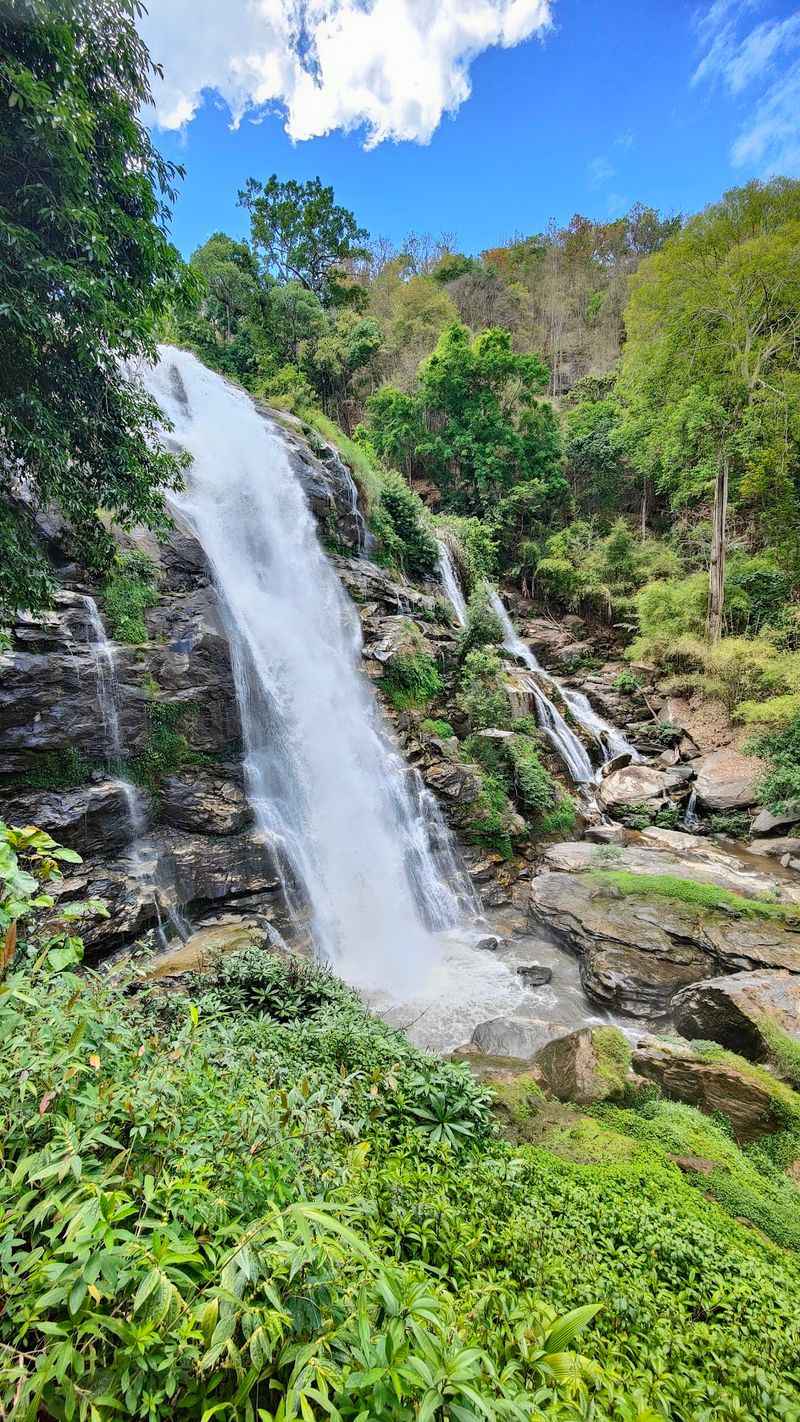
Here is a waterfall with layers, like a giant stone staircase covered in silky water. Mae Klang is one of the best-known falls in the park, and it is also one of the easiest to enjoy.
Steps and paths lead you right to the rocks.
It sits near the lower part of the park, so many tours stop here first. The area has restrooms and food stalls, which makes it family friendly.
Kids love hopping along the edges and watching the water tumble.
Visit in the wetter months for a thicker flow. The greenery around the falls looks richer then, and the mist is cooler.
Just keep an eye on the slippery spots.
Plan a short stay of thirty to sixty minutes. That gives you time for photos, a snack, and a calm moment listening to the water.
After that, the road upward calls again.
Kew Mae Pan Nature Trail
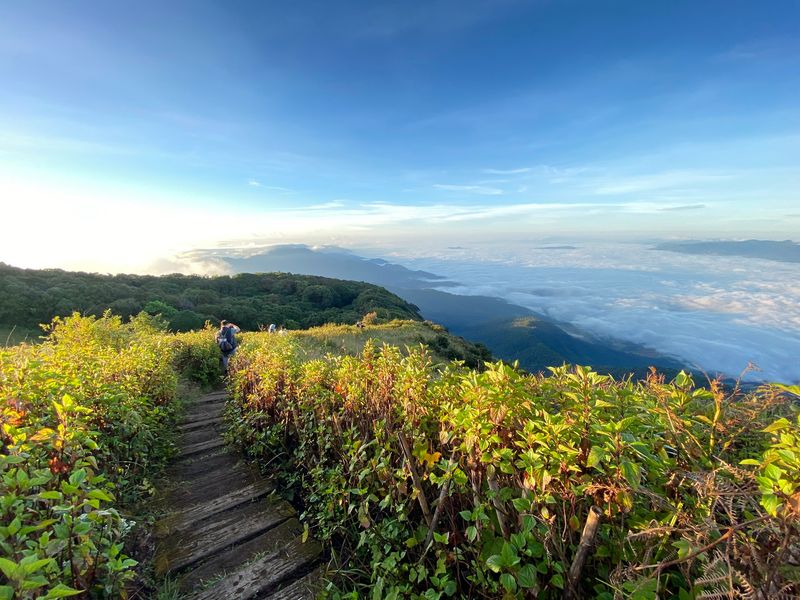
Cliffs, clouds, and a loop trail that rewards your effort every few minutes. Kew Mae Pan is about 3 kilometers long and gives some of the widest views in the park.
On clear days, the valley below looks endless.
A local guide is required, and the fee is about 200 to 220 baht per group. That small cost also supports the community and protects the forest.
Your guide will point out plants and birds you would likely miss alone.
The trail closes from June to October so the forest can recover. Check that it is open before you plan your visit.
Wear sturdy shoes and bring water.
Expect a hike of one to two hours at an easy pace. The path has a few steep bits, but nothing too wild.
Mornings feel cool and fresh, and the views are worth every step.
Ang Ka Nature Trail
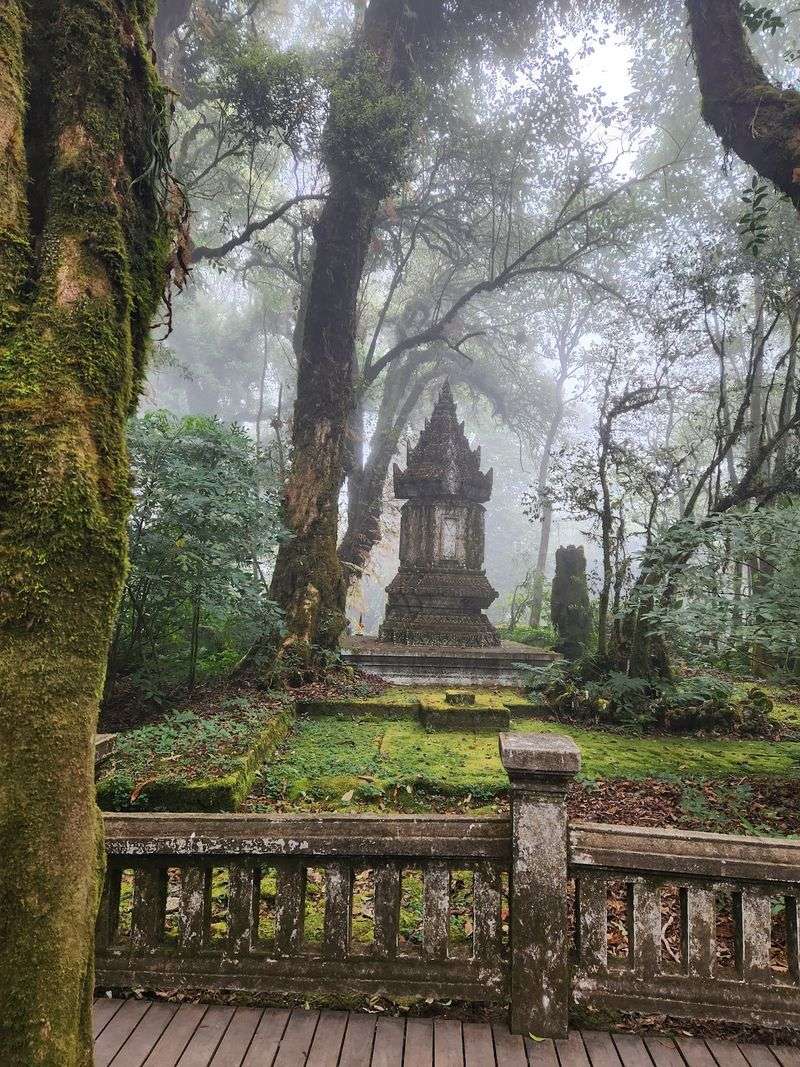
Moss covers nearly everything here, and the fog makes it feel like a fairy tale. Ang Ka is a short boardwalk loop near the summit.
It takes only about thirty minutes, so nearly anyone can try it.
The best part is the dreamy mood. Trees wear thick green sweaters, ferns line the path, and the air smells wet and earthy.
Even on a busy day, it feels peaceful.
No guide is needed, and there is no extra fee. That makes it a perfect bonus after the summit.
Go slowly and listen for birds in the canopy.
The boardwalk can be damp, so wear shoes that hold well. Bring a jacket, since the cloud forest stays cool.
If the fog is thick, your photos will look like moody movie posters.
Pha Dok Siew Nature Trail
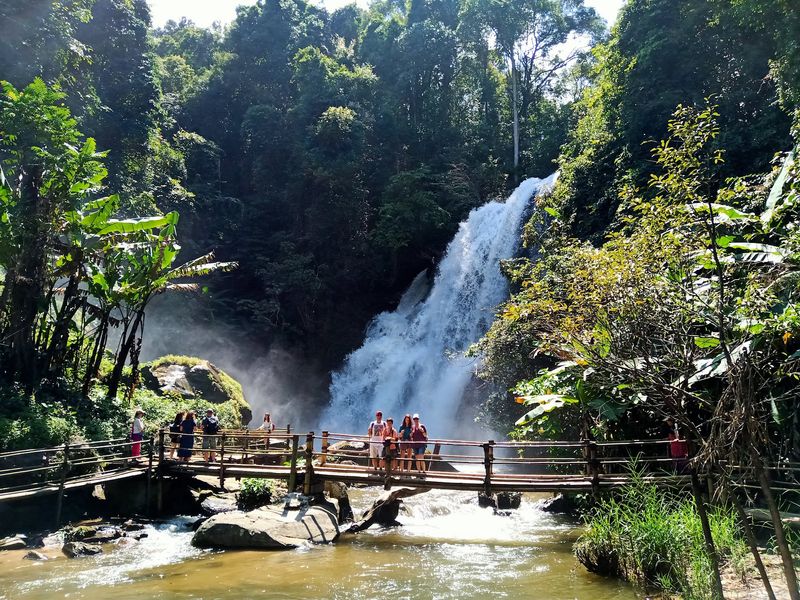
Ask a Karen guide about the forest and you will get stories you cannot find in a book. The Pha Dok Siew trail is near the park entrance, and it leads to a waterfall with views of terraced rice fields.
A guide is required, costing around 220 baht per group.
The walk takes about one to two hours. Along the way, you pass farm plots, forest paths, and small streams.
It gives a peek into local life as well as nature.
The path is not extreme, but the final stretch to the waterfall can feel a bit challenging. Take water and wear grippy shoes.
The reward is a wonderful view that makes the sweat feel worthwhile.
Visit in the cooler season for comfortable hiking. During the rainy months, the waterfall is at its most powerful.
Either way, your guide will make the day richer.
The Winding Mountain Road
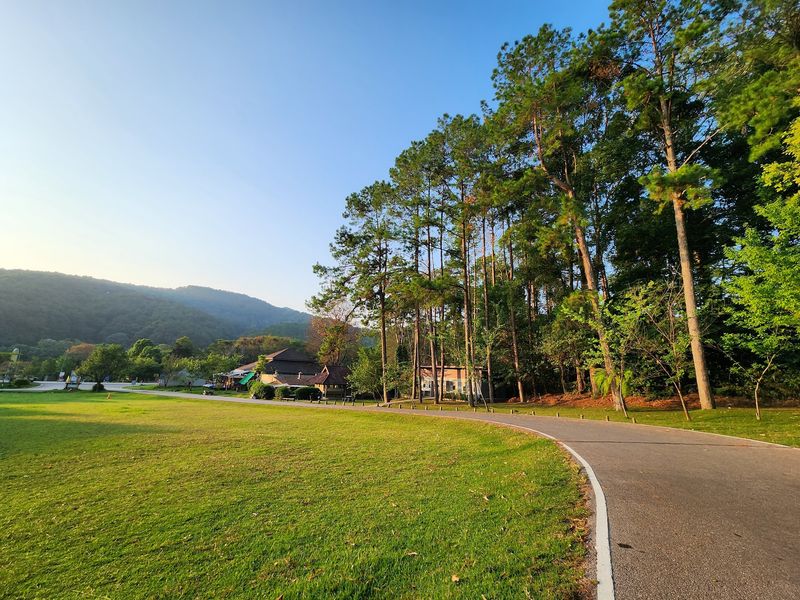
Some roads are just a way to get somewhere, and this one is part of the adventure. The route up Doi Inthanon is smooth, steep, and full of sweeping curves.
Riders on motorbikes love it, and cyclists treat it like a rite of passage.
As you climb, the temperature falls and the scenery changes. Warm lowland air gives way to cool forest and open sky.
Viewpoints and waterfalls pop up along the way, so you can stop often.
Cyclists should know that riding down is no longer allowed. Arrange transport back before you start.
Carry cash for the gate fee and plenty of water.
Food stalls line parts of the route, so refilling bottles is simple. Start early to avoid heat and traffic.
Whether you drive, ride, or pedal, the journey is half the fun.
Phra Mahathat Chedi Gardens
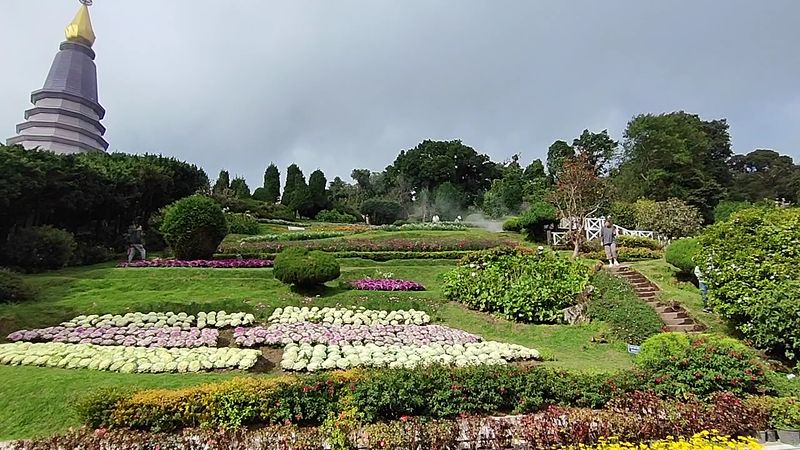
Flower beds here are laid out like a giant living quilt. The gardens around the pagodas change with the season, so each visit looks a little different.
Early in the year, you might even catch Siamese Sakura blooms in the area.
Wander the paths slowly and you will spot small details, like carved stonework and neatly trimmed hedges. Benches let you pause and take in the view.
It is a gentle stop, perfect after a long drive.
Some visitors have noticed construction changes near the pagodas in recent times. Check recent photos or ask your driver what to expect.
Even so, the setting remains lovely and the mountain panorama is still a star.
Bring a hat and a light jacket. The sun can feel strong, but the breeze is cool.
Aim for a clear morning when the colors look brightest.
Cloud Forest and Wildlife
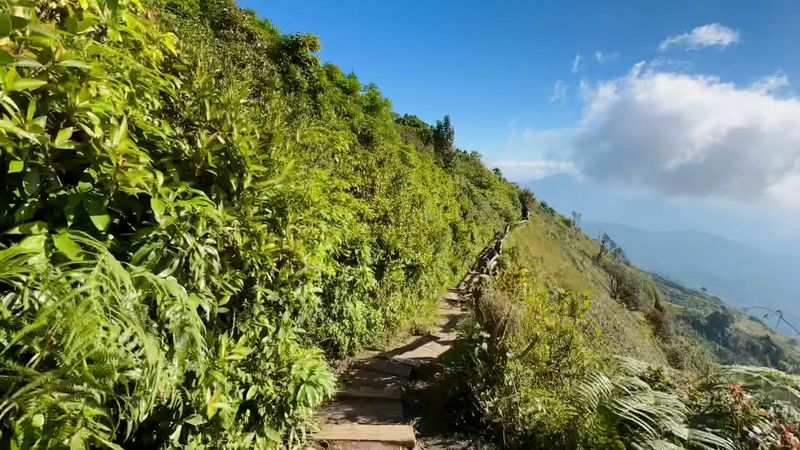
Bird lovers get giddy here, and it is easy to see why. The high forest hosts rare birds, unusual plants, and insects found almost nowhere else.
Mossy trunks and hanging ferns make the whole place look soft and green.
Fog is a regular guest, and many visitors say it adds to the magic. When clouds drift through the trees, sounds seem to hush.
It feels far away from city noise.
Bring binoculars if you have them. Early morning gives the best chance to spot birds.
A guide can help you recognize calls and hidden movement.
Remember to stay on trails and keep litter in your bag. Park rules protect this fragile habitat, and the guide fees help local communities.
The reward is a clean, quiet forest you can enjoy for years to come.
Hill Tribe Villages and Markets
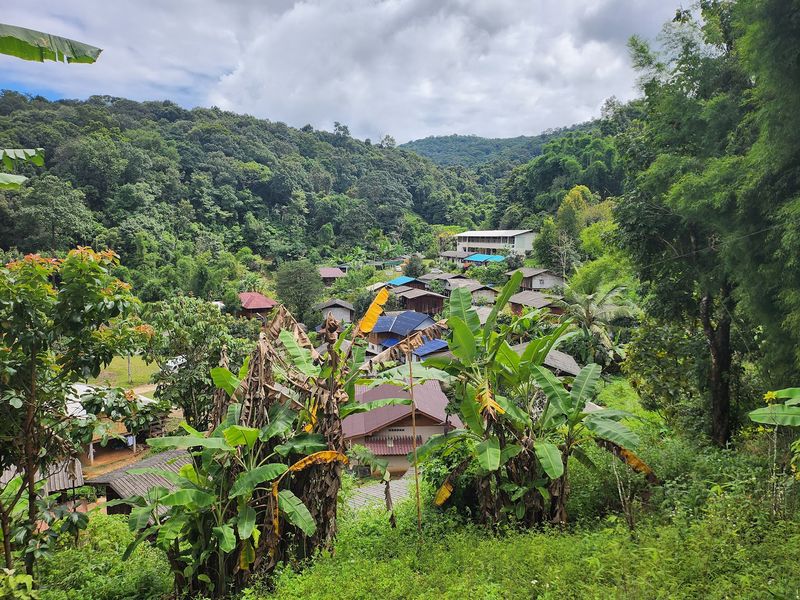
Fresh strawberries taste even better when you buy them from the farmer who picked them. Villages around the park offer coffee, tea, fruit, and nuts straight from the hills.
One visitor loved the mulberries, which brought back childhood memories.
Buy small portions and eat the soft fruit right away. Warm travel can turn berries mushy fast.
Nuts and dried snacks keep better for the road.
Many tours stop in a village to taste local brews and learn how they are made. A small purchase supports families who live and farm on the mountain.
Smile, ask questions, and be polite when taking photos.
Bring some cash in small bills. Stalls often do not take cards.
A cup of mountain coffee in cool air makes a lovely break.
Sunrise Above the Clouds
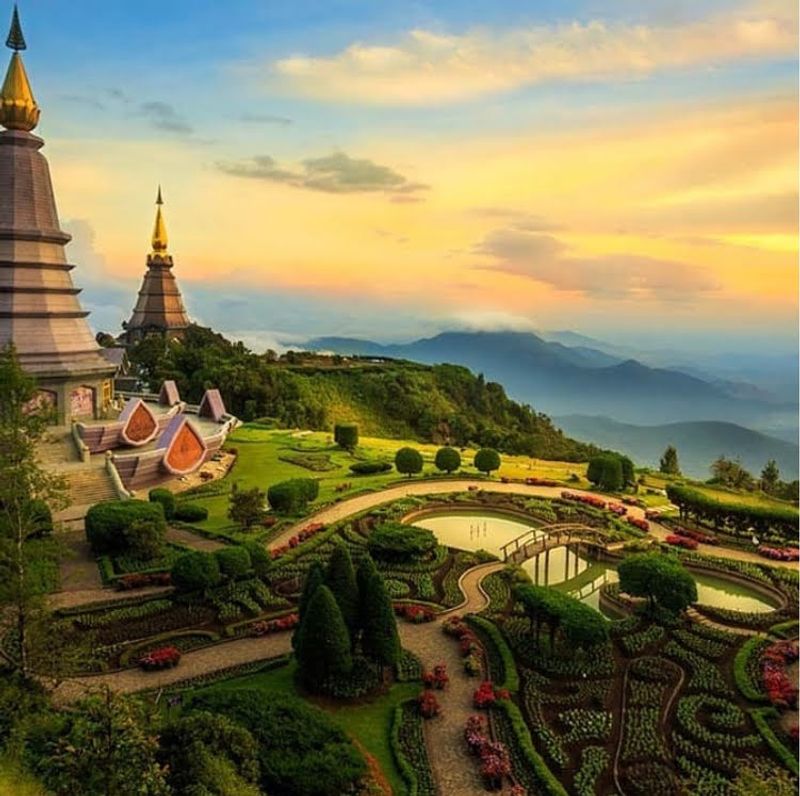
Alarm clocks rarely feel this rewarding. The park opens at 5 AM, and early visitors can catch the sun lighting up the mist.
Clouds fill the valleys, and the ridges poke out like islands.
Cold mornings are common, especially from November to February. Temperatures can drop close to freezing at the top in winter.
Wear a jacket, gloves, and a hat.
The dry season often brings the clearest views. Rainy months hide the scenery more often.
Check the forecast before you set out.
Hot drinks from nearby stalls can warm your hands while you wait. Parking fills up later, so arriving early helps.
When the first gold light spills across the hills, the chilly start feels completely worthwhile.
Siamese Sakura Blossoms
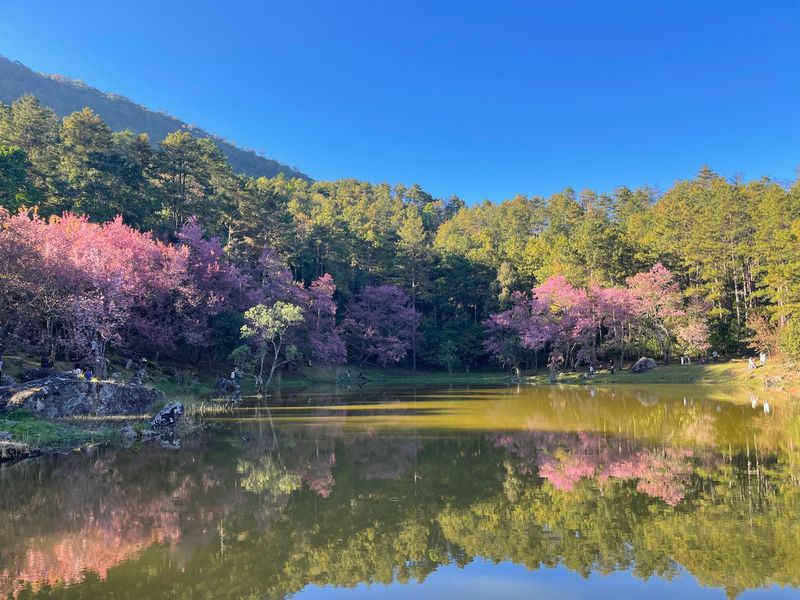
Pink petals on a tropical mountain sound unlikely, yet here they are. Siamese Sakura blooms around early February, painting parts of the park in soft rose tones.
It is a lovely surprise for travelers who expected only waterfalls.
The blooms last only a short time, so timing matters. Ask locals or your hotel about current flowering.
Cool mornings usually give the best light for photos.
Pair the blossoms with a visit to the gardens and pagodas for a full day of color. The weather in this season is dry and comfortable.
Crowds can grow, so start early.
Bring a camera and a bit of patience. A close look at a single branch can make a great picture.
Even a short walk under the flowers will brighten your day.
Share this story