An unassuming seafood stop in New Jersey can turn a simple lunch plan into something worth a second trip. Fried oysters give hungry diners a reason to stop, while a blackboard of fresh-catch specials gives them a reason to reconsider their order.
Add a fish market right up front, and there is more to explore than the menu alone. Here is what makes this busy shack interesting, plus the practical details to know before heading over.
A Seafood Stop on East Bay Avenue
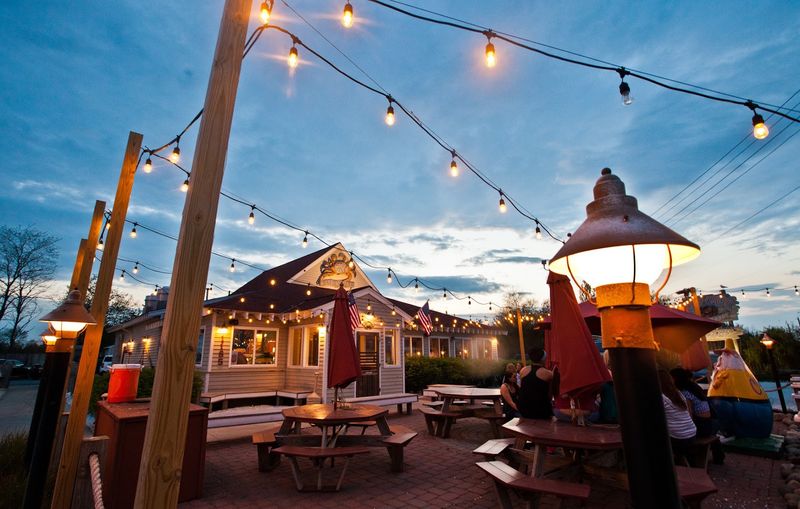
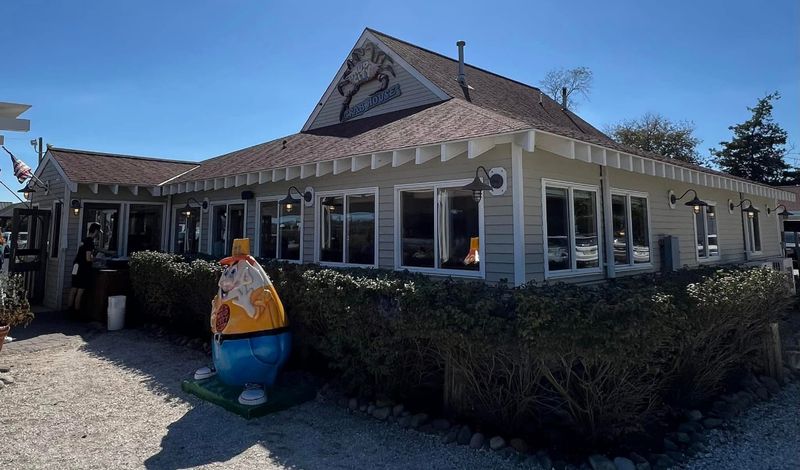
A seafood restaurant with its own fish market gives a lunch stop a little extra purpose. Mud City Crab House stands at 1185 E Bay Ave, Manahawkin, NJ 08050, United States, in Ocean County.
The location makes it a possible stop on a trip toward Long Beach Island, but the restaurant is a destination in its own right. Its setup combines a dining room, outdoor seating, and a market rather than offering only tables and a menu.
That combination is the first useful thing to understand before arriving. The market sits up front, with the dining area beyond it, so the entrance introduces the retail side of the business first.
A meal here can stay focused on the table, or include a look at what the market offers. Either way, the place has more going on than its seafood-shack label might suggest at first glance.
Old Clam Rakes and Local Character
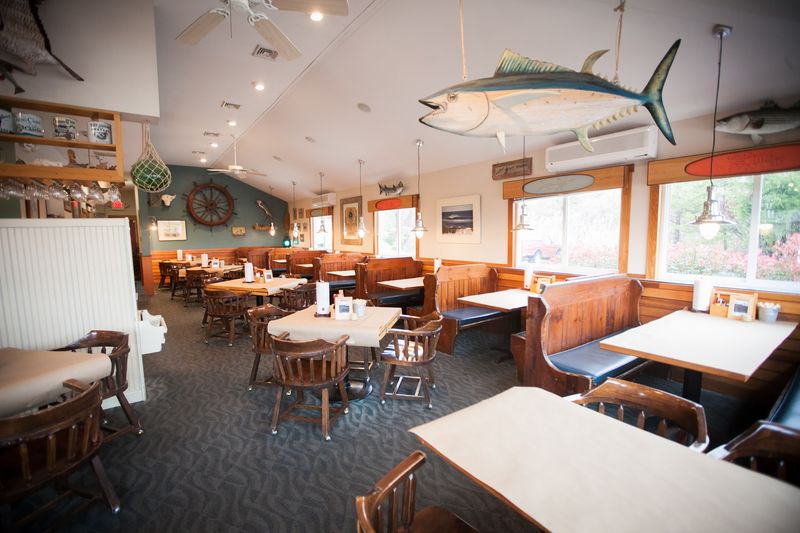
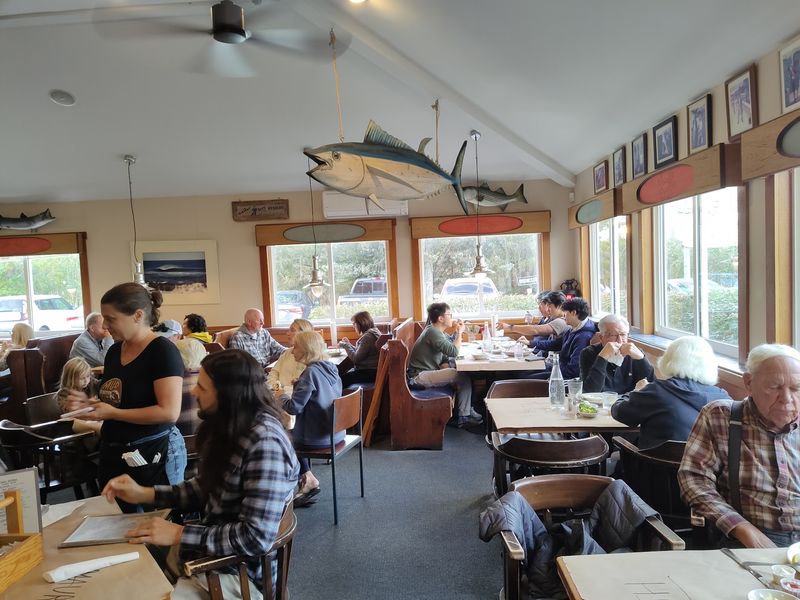
Old clam rakes and photographs give the dining room details worth a second look. They connect the restaurant’s setting to the working side of seafood, without requiring a polished or formal presentation.
The supplied information does not establish a founding date or a full account of the building’s past. Its character is better explained through those documented objects than through an invented origin story.
Inside, the dining room is described as cozy and informal. That suits a place where the market, daily choices, and meal all share the same address.
The decor also offers something to notice between ordering and eating. A practical tool displayed on a wall can say more about the setting than a long stretch of themed decoration.
Nothing about that makes the restaurant a museum. It simply gives an ordinary meal a stronger connection to the seafood business around it.
The Fish Market Up Front
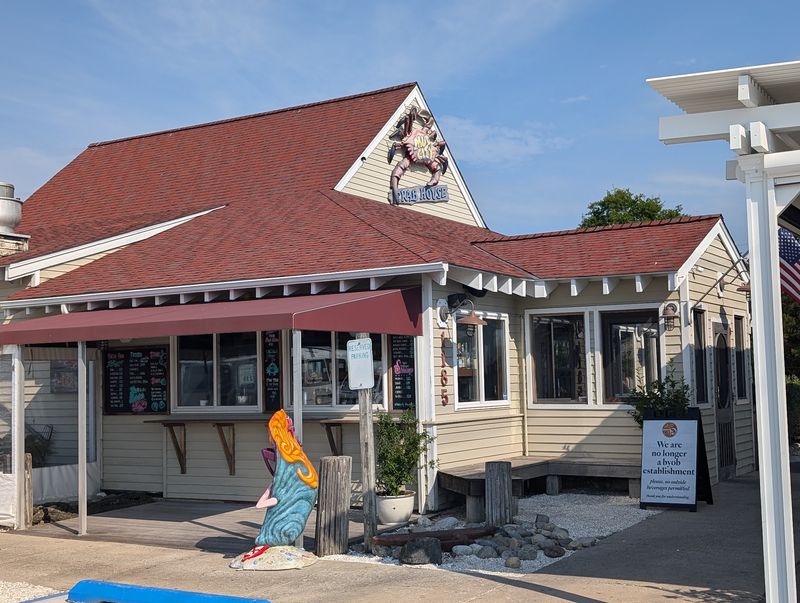
The entrance does not lead straight into a room full of tables. A fish market occupies the front of the business, and diners pass that area on their way to the dining room.
Display cases make the market a distinct part of the experience rather than a small extra tucked out of sight. The business offers seafood and cooking ingredients for purchase, giving people another reason to stop besides a sit-down meal.
That arrangement is especially useful for someone deciding between eating out and preparing seafood at home. Both options belong to the same destination, although current inventory needs to be checked directly.
A look through the market can also prompt useful questions about what is available that day. Staff can explain the choices rather than leaving customers to guess.
The takeaway is simple: allow a little attention for the front of the building, not just the table beyond it.
Fried Oysters With Sandwich Appeal
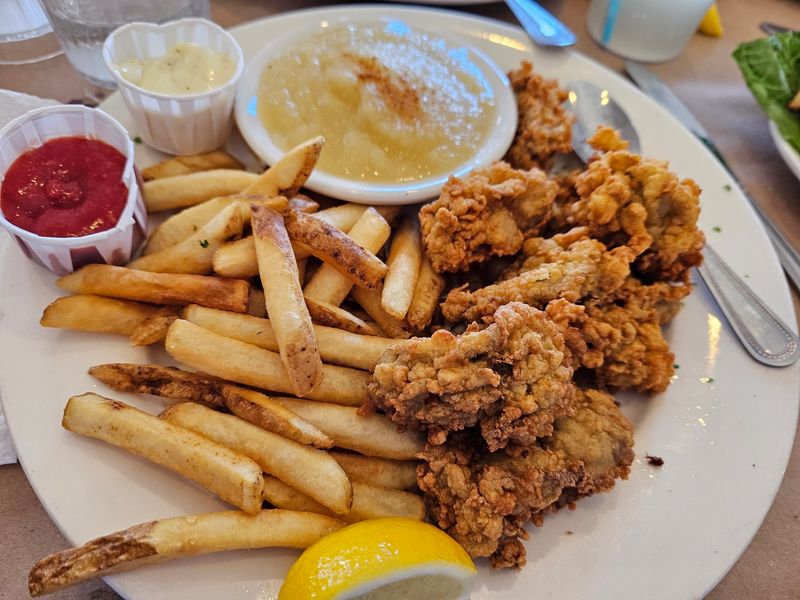
Oysters do not have to arrive on the half shell to earn attention here. A fried oyster sandwich and an oyster po’ boy both appear in the supplied dining accounts, supporting the headline’s focus on fried oysters.
The sandwich option gives oyster fans another way to order them. It also makes this particular dish worth asking about before settling on a different seafood choice.
Current availability, preparation details, and the exact menu name should be confirmed with the restaurant. The available information establishes that these oyster sandwiches have been served, not that every version is guaranteed every day.
For a first meal, the useful question is straightforward: which fried oyster option is available now? That keeps the order tied to the kitchen’s actual offerings.
There is no need to turn the dish into a grand claim. Fried oysters are a specific, documented reason to put this seafood shack on the lunch list.
Fresh-Catch Choices on the Blackboard
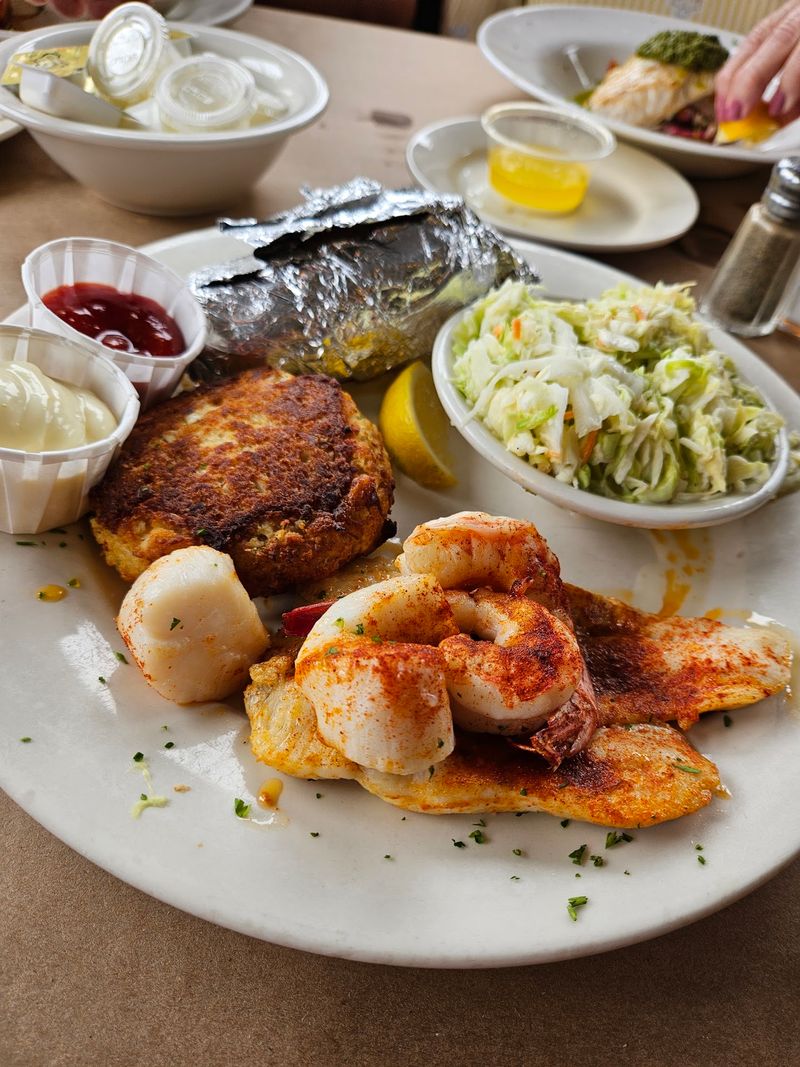
Before committing to an order, give the blackboard some attention. Fresh-fish specials are posted there, adding another source of choices beyond the regular menu.
The board matters because it directs attention toward what the restaurant is offering at that time. A dish mentioned in an older account should not be treated as a promise about today’s selection.
Questions are welcome territory here: ask which fish is available, how a special is prepared, and what it costs. Helpful menu guidance is a recurring part of the supplied dining accounts.
The nearby market cases add context, but the board and staff are the better places to confirm a dining-room order. Retail offerings and prepared specials should not automatically be assumed to match.
For someone who enjoys choosing at the restaurant rather than planning every bite beforehand, this is an appealing feature. Leave room in the plan for a decision made after arrival.
Patio Seating and an Informal Pace
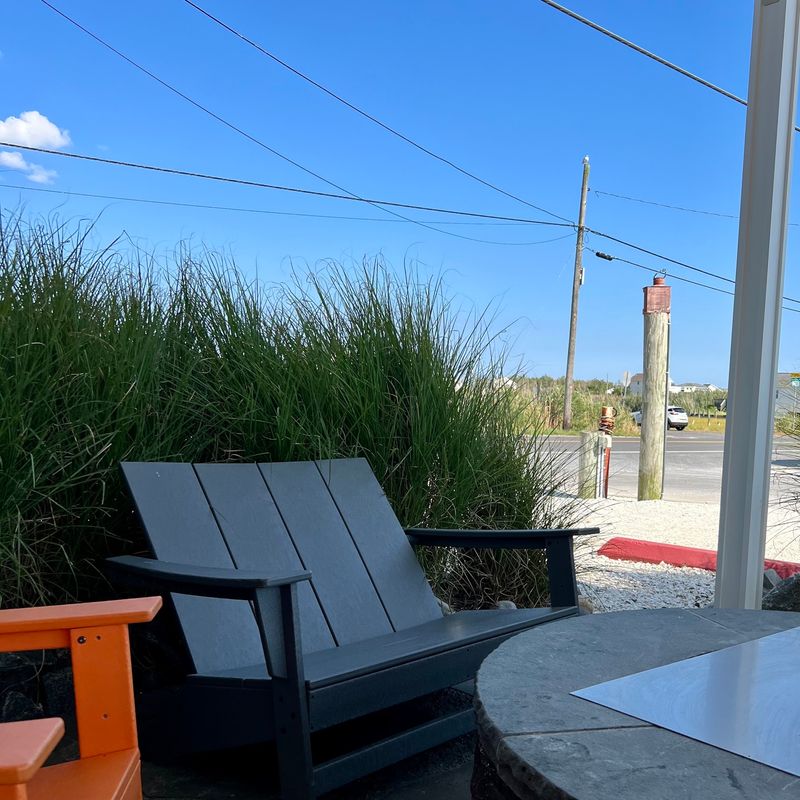
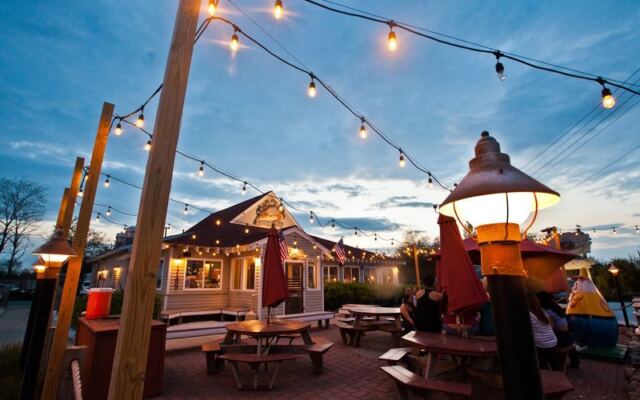
Outdoor seating gives diners an alternative to the indoor dining room. The patio is a documented part of the restaurant, and an outdoor waiting area includes a fireplace.
The overall setting is informal, with a busy atmosphere rather than a strictly quiet dining experience. That makes it a sensible option for a casual seafood outing with people who are comfortable keeping their schedule flexible.
Friendly assistance and useful ordering suggestions appear often in the supplied accounts. Service experiences also vary, including reports of delays and less attention, so a smooth meal should not be presented as a certainty.
The patio does not remove the possibility of a wait. Outdoor tables can fill along with those inside, and a seating preference is best discussed when arriving.
A relaxed plan fits this setting better than a tightly timed stop. Choose it for the informal seafood focus, not for a promise of immediate seating.
Hours, Costs, and Arrival Plans
A little planning helps when the restaurant gets busy. The supplied schedule lists opening at 11:30 AM every day, with Tuesday closing at 9 PM and all other days closing at 9:30 PM.
Check the restaurant’s website before making a special trip, since schedules can change. Early arrival may help with planning, but accounts of full tables near opening mean it cannot guarantee a short wait.
Parking can be difficult at times, so allow extra time to arrive and get settled. Use the East Bay Avenue address for navigation rather than assuming the restaurant is on Long Beach Island itself.
No current menu prices are included in the supplied information. Cost impressions differ, making a direct menu check more useful than labeling the entire place inexpensive or costly.
Ask about current seating arrangements and expected waits before building a fixed schedule around the meal. Flexibility is the most practical thing to bring.
A Worthwhile Stop With Room for Patience
The strongest reason to consider a meal here is the combination of specific features. Fried oyster options, a fresh-fish blackboard, and an on-site market give the restaurant a clear identity beyond a general seafood menu.
Its appeal is practical as well as personal. Diners can ask about the day’s specials, choose indoor or outdoor seating when available, and explore the market as part of the same stop.
The limitations deserve equal space. A busy room, possible parking difficulties, and uneven wait times make this a less certain fit for someone with a firm departure deadline.
No single dish or pleasant setting cancels those planning concerns. The better approach is to check current offerings, allow enough time, and arrive with a little flexibility.
For a casual New Jersey seafood outing, those tradeoffs may be reasonable. The blackboard gives the meal its daily direction, while the market gives the stop something extra.
Share this story