Long before modern medicine and science, people looked to spiritual healers for guidance, comfort, and answers. Many of these healers, often called shamans, still work in communities across the globe today.
Their traditions use drums, songs, plants, and ceremonies to connect people with nature and ancestors. Here are twelve living or reviving traditions, and what makes each one distinct.
1. Mongolian Shamanism in Mongolia
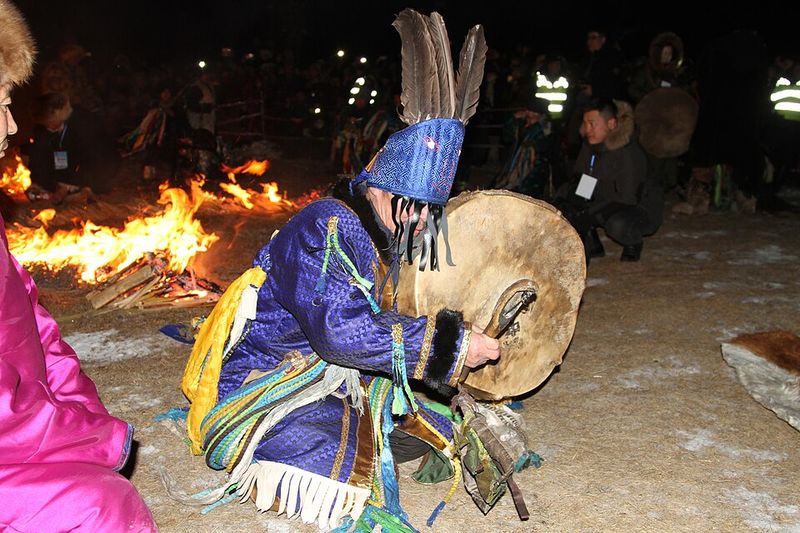
On the wide grasslands of Mongolia, the beat of a drum can mean a conversation is about to begin with the spirit world. Traditional shamans, often called böö, are believed to speak with ancestral spirits and the spirits of mountains, rivers, and sky.
Ceremonies usually include drumming, chanting, and offerings such as milk, tea, or vodka sprinkled toward the sky. A shaman may wear a ceremonial robe and a headdress, and each piece of clothing carries meaning within the tradition.
People may seek a shaman when they face illness, family trouble, or big life choices. The practice was heavily restricted during the twentieth century, yet it has returned in recent decades as families reconnect with older customs.
Today, visitors can see ceremonies in some regions, though respectful behavior and permission are important.
2. Siberian Shamanism in Russia
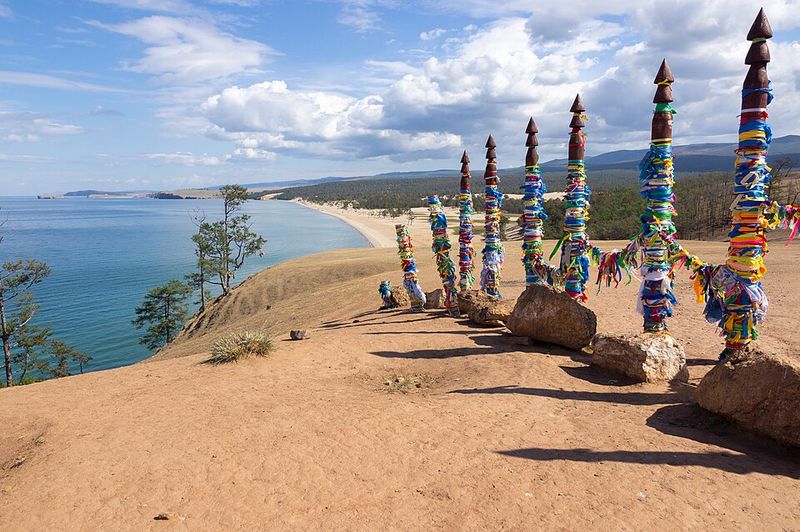
The word shaman itself is often traced to the Evenki language of Siberia. That fact makes the region a key place for understanding the whole idea of spiritual healers who work with spirits.
Among Indigenous communities such as the Evenki, Sakha, and Buryat, traditions differ from group to group. Many involve ritual specialists, respect for ancestors, and a belief that animals, forests, and rivers have spirits of their own.
Soviet rule discouraged these practices for decades, and many knowledge keepers were silenced. Even so, families kept pieces of the traditions alive in private.
Today, some communities hold public ceremonies and teach younger people the songs, stories, and customs that link them to their homeland.
3. Korean Muism in South Korea
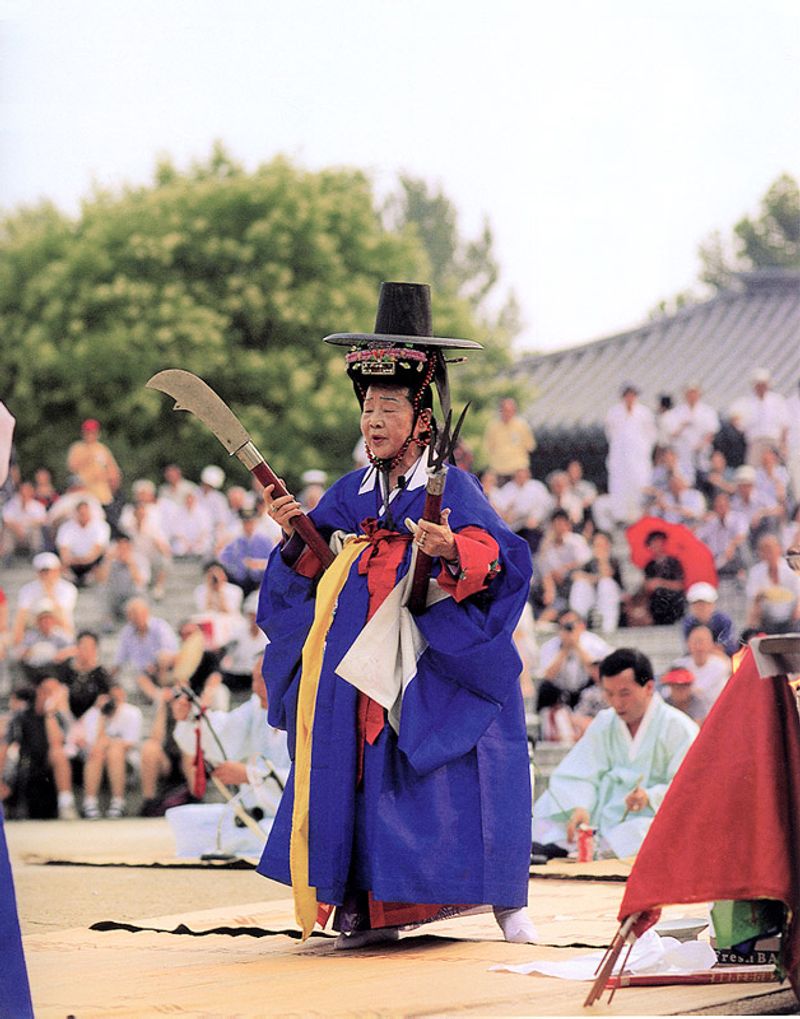
Colorful robes, swirling dances, and tables piled with fruit and rice cakes set the scene at a Korean gut. This ceremony is led by a mudang, a shaman who is believed to carry messages between people and spirits.
A gut can last for hours and may include music, song, and costume changes. Families hold them to ask for blessings, to honor ancestors, or to help with misfortune such as illness or loss.
Even in a modern country known for technology, the tradition continues. Some people visit a mudang before a business opening or a major decision.
Korean shamanism is also recognized as part of the country’s cultural heritage, and some rituals are preserved and studied as living art.
4. Tengrism and Shamanic Traditions in Central Asia
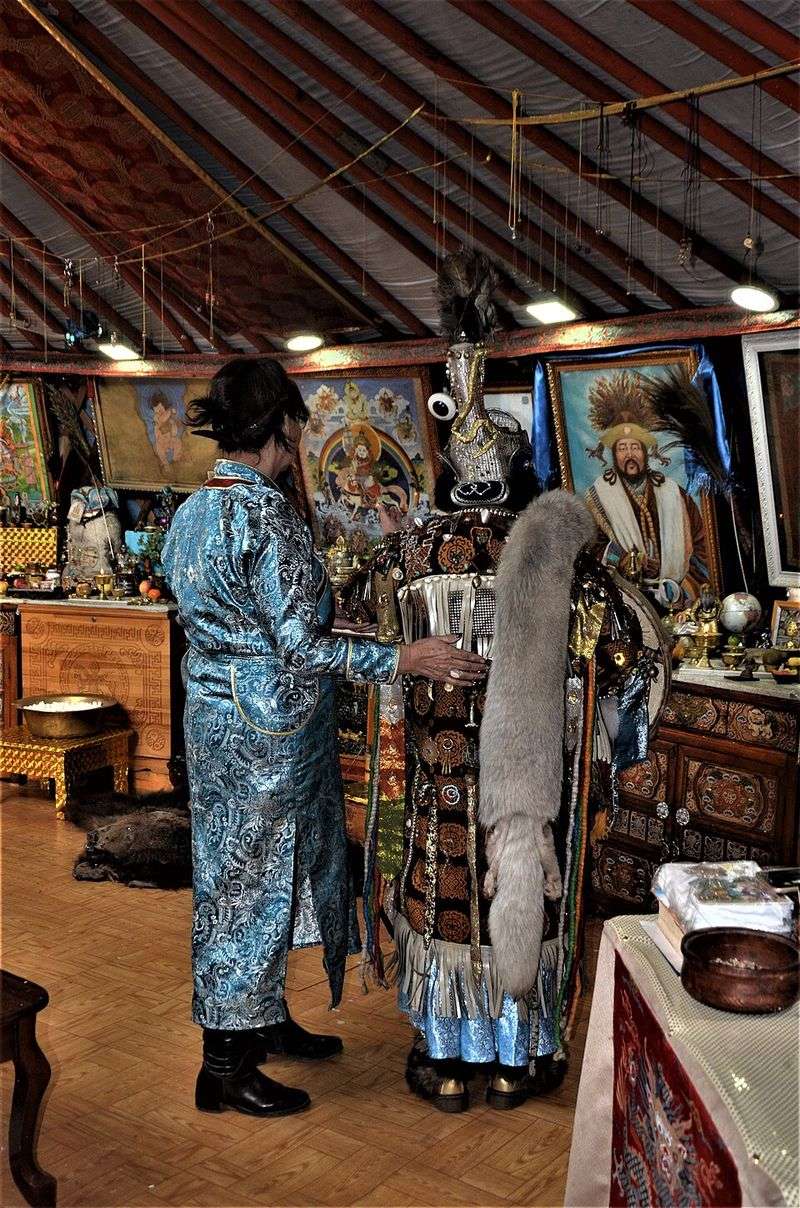
Look up at a clear Central Asian sky, and you will understand why the sky holds such a place in Tengrism. The word Tengri refers to the sky or a sky deity in many Turkic and Mongolic cultures.
Spiritual practices linked to the sky, nature, and ancestors survive among some communities in the region. Prayers, offerings, and respect for sacred places such as hills, springs, and old trees are common features.
Scholars note that Tengrism is not universally classified as shamanism. Some communities blend the two, while others treat them as separate.
Interest has grown since the late twentieth century, as people in several countries explore pre-Islamic and pre-Buddhist heritage as part of cultural identity.
5. Shipibo-Konibo Healing Traditions in Peru
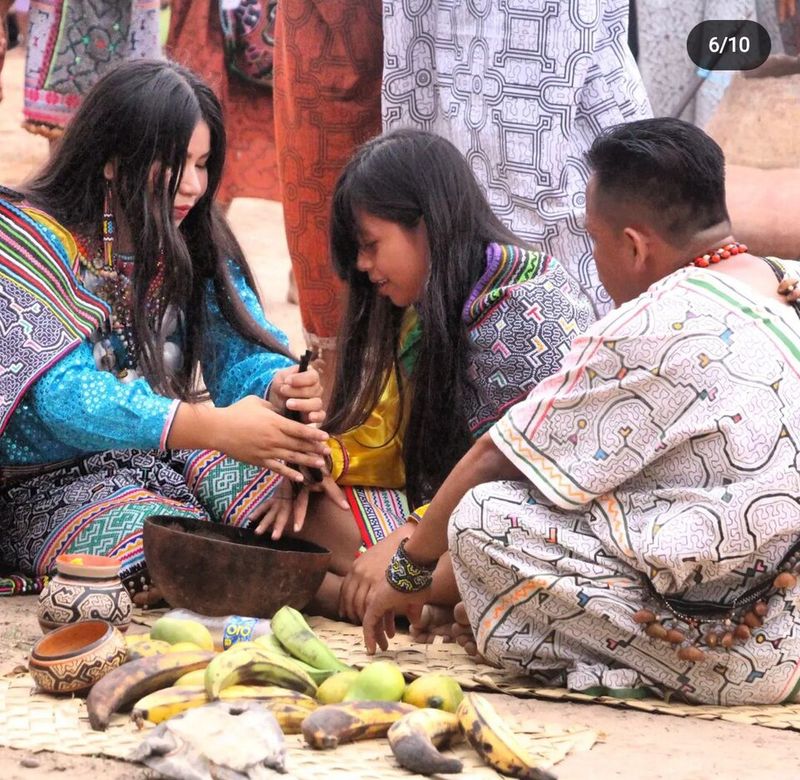
Patterns that look like tiny maps cover the textiles and pottery of the Shipibo-Konibo people. These designs, called kené, are tied to songs and healing knowledge passed down through generations.
Healers in the Peruvian Amazon use medicinal plants and ceremonial songs known as ícaros. The songs are believed to guide healing and to call on the help of plant spirits.
Training can take years and often includes strict diets and time in the forest. In recent years, outside interest has brought many visitors to the region.
That attention has helped some families earn income, but it has also raised concerns about safety, fair treatment, and respect for Indigenous knowledge, so careful research matters.
6. Sámi Noaidi Traditions in Northern Scandinavia
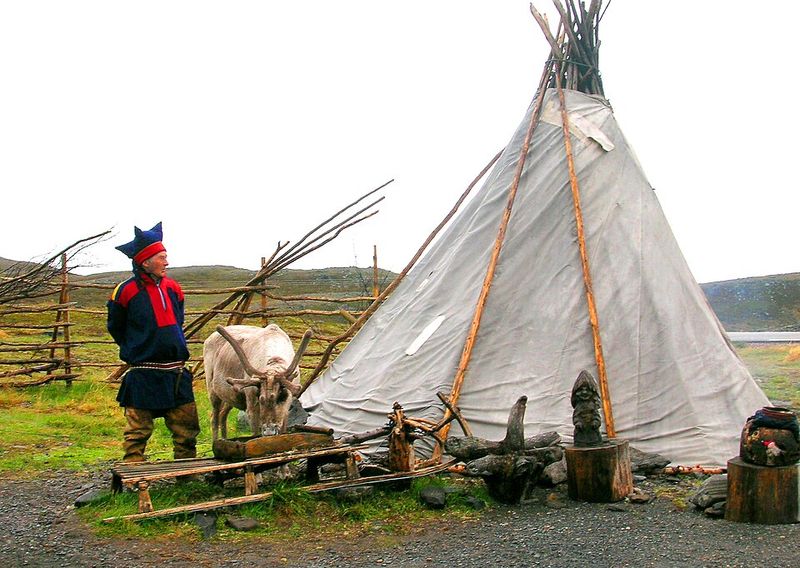
Painted drums with symbols of animals, sun, and spirits are among the most famous objects from Sámi history. They were used by the noaidi, a spiritual specialist who served Sámi communities in the Arctic north.
Historically, a noaidi was believed to guide people, help with healing, and communicate with the spirit world. Christian missionaries and state authorities worked to end these customs, and many drums were taken or destroyed.
Today, uninterrupted practice cannot be assumed. Still, many Sámi people are reclaiming and revitalizing parts of this heritage through language, music, art, and museum work.
Joik, the traditional Sámi singing style, is one living link that connects the present to older spiritual roots.
7. Hmong Shamanism in China, Vietnam, Laos, and Thailand
In many Hmong homes, a family altar sits quietly in the main room as a sign of a spiritual bond. Shamans, known as txiv neeb in some communities, are called when a person is ill or feels troubled.
A key ceremony is soul-calling. According to the tradition, a person’s soul may wander or become lost, and the shaman works to bring it home.
Rituals can include chanting, incense, a ritual bench, and offerings.
Hmong communities live across several countries and in diaspora communities abroad, so customs can vary. Even so, the shaman remains an important figure in traditional spiritual life, and many families continue to turn to these ceremonies alongside modern medical care.
8. Dayak Shamanic Healing in Borneo
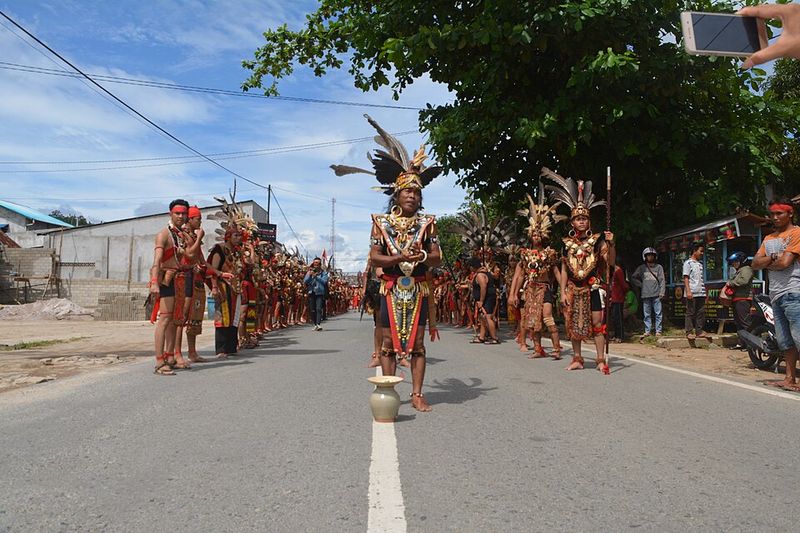
Inside a Borneo longhouse, a healing ceremony can bring an entire village together. Dayak is a broad name for many Indigenous groups on the island, and each has its own customs, languages, and beliefs.
Certain communities preserve healing ceremonies led by ritual specialists. These events may involve chanting, offerings, music, and appeals to ancestral spirits to restore balance to a sick person or a troubled household.
Traditional spiritual knowledge is often spoken aloud rather than written, so elders play a vital role. Changes in religion, migration, and forest loss have affected many communities.
Even so, ceremonies connected to harvests, healing, and ancestors continue in various places across Indonesian and Malaysian Borneo.
9. Tuvan Shamanism in Tuva, Russia
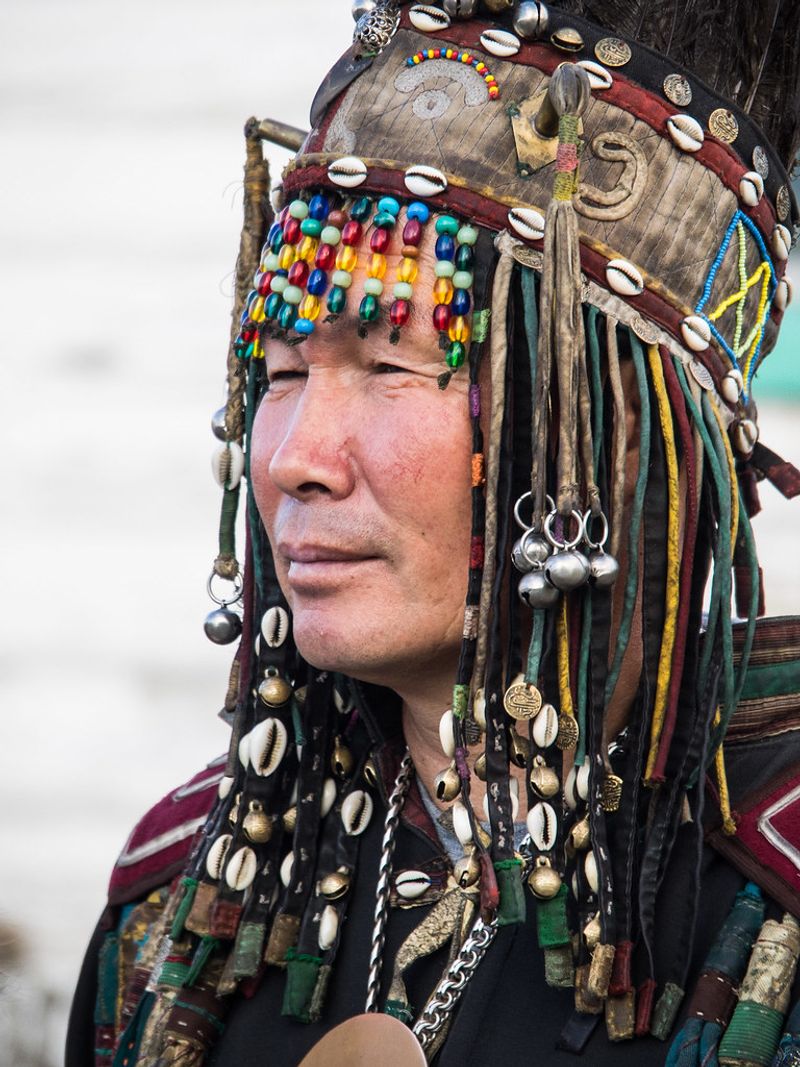
Tuva, a republic in southern Siberia, is known for throat singing, and it is also known for a strong shamanic revival. After decades of restrictions, shamanic practices began to return in the late twentieth century.
Tuvan shamans use drumming, spirit communication, and healing rituals. Many ceremonies involve offerings at sacred mountains, springs, and cairns, which are piles of stones that mark special places.
Organizations and training centers have appeared in recent decades to support practitioners and record traditions. Some Tuvans mix shamanism with Buddhism, which also has deep roots in the region.
This blend shows how spiritual life in Tuva is flexible and still developing.
10. Nepalese Jhankri Traditions in Nepal
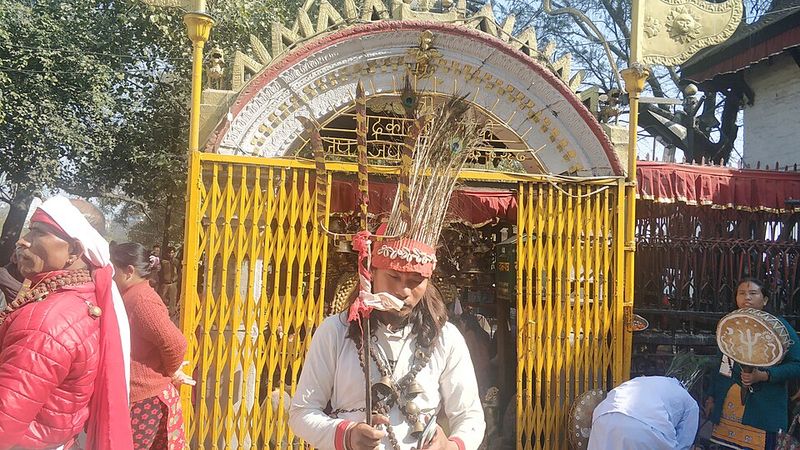
High in the Himalayan foothills, the steady rhythm of a dhyangro drum can signal that a jhankri is at work. These traditional healers are found in various communities across Nepal.
A jhankri may chant, drum, and enter a trance-like state during ceremonies. Villagers visit for help with illness, family problems, or a sense of bad luck, and the healer is believed to work with spirits to restore balance.
Knowledge is often passed from teacher to student, and some families say the calling appears through dreams or illness. Practices differ among ethnic groups, including the Tamang, Rai, and Limbu.
Many people use both traditional healers and clinics, depending on their needs.
11. Mapuche Machi Traditions in Chile and Argentina
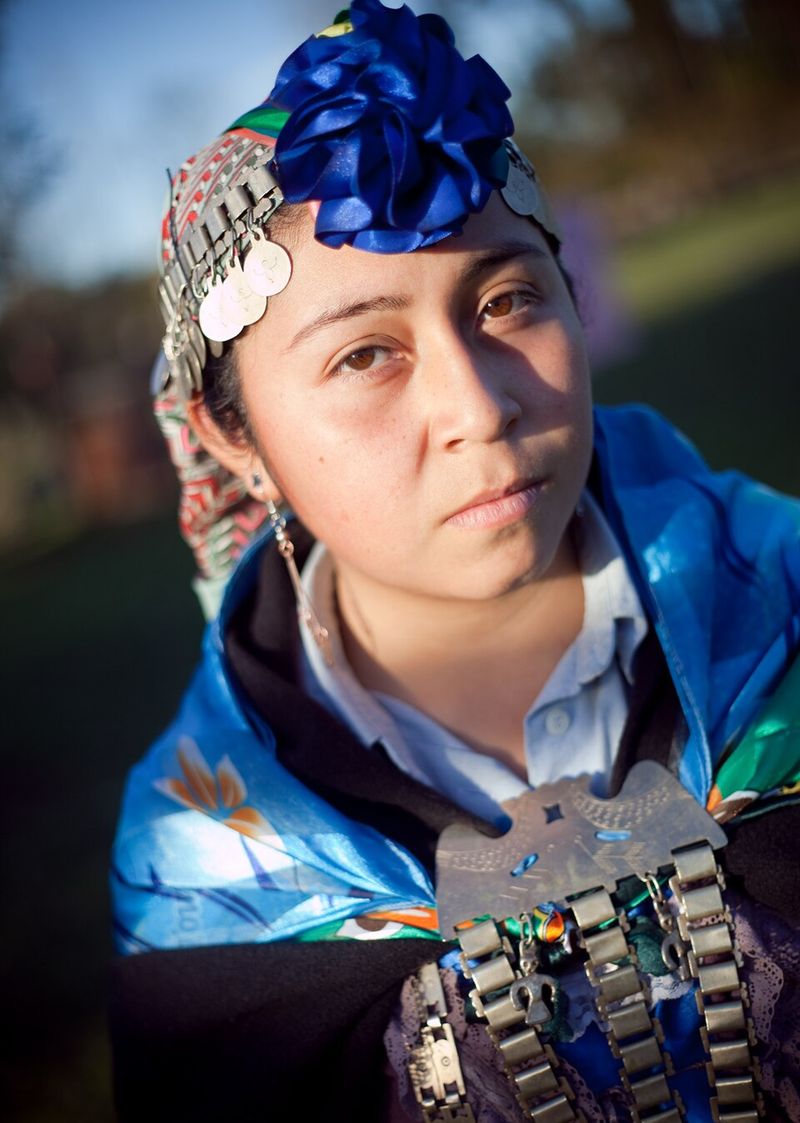
A carved wooden pole called a rewe stands at the heart of Mapuche healing ceremonies. A machi, the spiritual authority of the community, climbs it as part of ritual practice.
Machi conduct healing ceremonies and keep relationships with spiritual forces. They also rely on knowledge of medicinal plants and play the kultrun, a sacred drum with symbolic designs.
Many machi are women, though men also take on the role. The Mapuche people have faced long struggles over land and recognition in Chile and Argentina.
Through all of this, the machi remains a strong symbol of Mapuche identity and a keeper of language, medicine, and cultural memory.
12. Babaylan Traditions in the Philippines
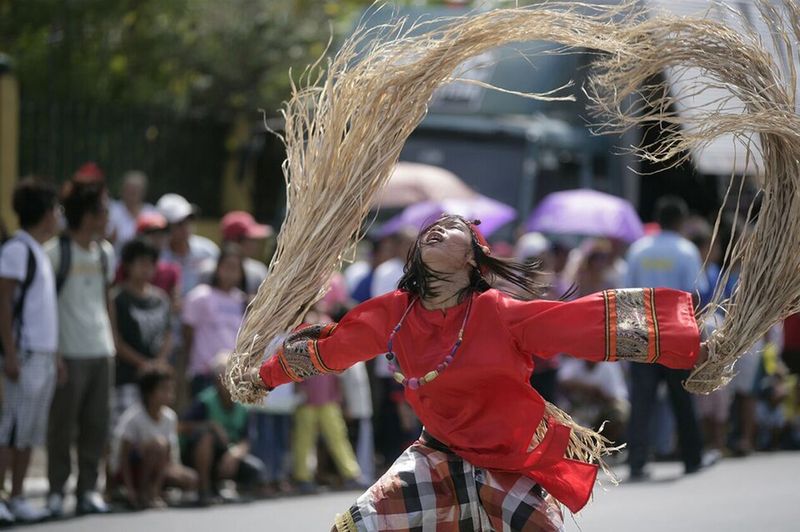
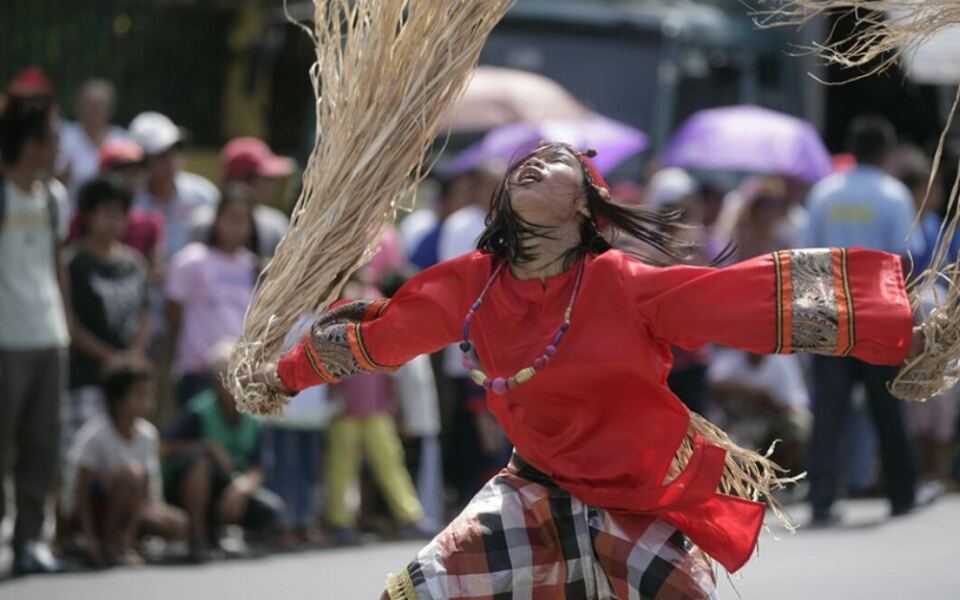
Long before Spanish colonization, the babaylan held a respected place in many Philippine communities. They served as spiritual leaders, healers, and keepers of community knowledge.
Many babaylan were women, though some were men who took on the role in different ways. They were believed to guide rituals, treat illness with herbs and prayers, and speak with spirits of nature and ancestors.
Colonial rule and religious change pushed many of these traditions out of public life. Related Indigenous ritual traditions continue in some areas, while others are being revived by scholars, artists, and community groups.
Modern interest in babaylan history is also part of a wider effort to reconnect with pre-colonial heritage.
Share this story