By 1975, the psychedelic explosion of the late 1960s had faded from the mainstream, but the music was far from finished. Pink Floyd, Hawkwind, and other adventurous bands were taking its experimental spirit in directions that few listeners could have predicted just a decade earlier.
Songs were getting longer, synthesizers were becoming more important, and musicians were blending psychedelic rock with progressive rock, jazz, and electronic music. Some recordings stretched beyond twenty minutes, filling entire sides of vinyl albums with ideas that traditional radio rarely accommodated.
Meanwhile, familiar names like Elton John and Jefferson Starship were keeping traces of the psychedelic era alive on the pop charts.
The result was a fascinating year when dreamy melodies, cosmic themes, and ambitious studio experiments existed side by side. These twelve recordings capture that moment, from recognizable radio favorites to adventurous album tracks that still sound remarkably unusual today.
1. Pink Floyd – Shine On You Crazy Diamond
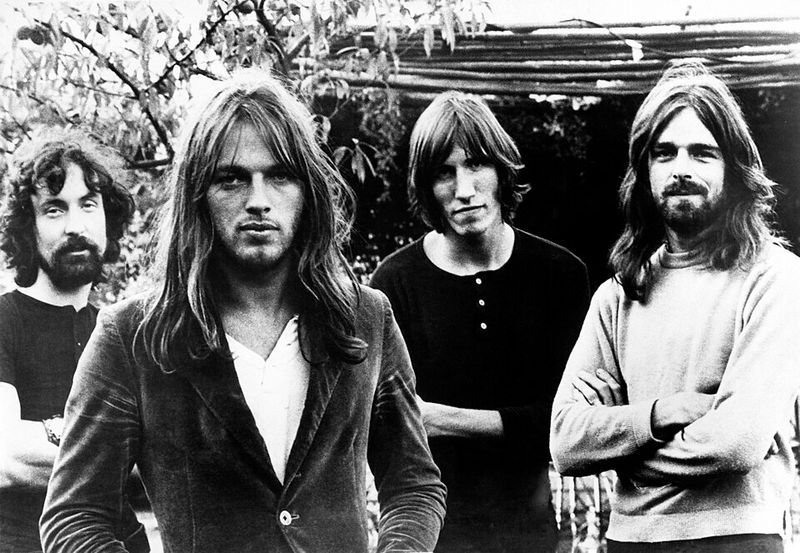
Syd Barrett helped create Pink Floyd, but by 1975, he had become the subject of one of the band’s most extraordinary recordings.
Shine On You Crazy Diamond appeared on Wish You Were Here, divided into two extended sections that open and close the album. The composition pays tribute to Barrett, whose departure in 1968 marked a turning point in the group’s history.
Richard Wright’s keyboards establish the opening atmosphere before David Gilmour introduces the famous four-note guitar phrase. Roger Waters eventually enters with lyrics reflecting on Barrett’s creativity, isolation, and troubled years.
During the recording sessions at Abbey Road, Barrett unexpectedly visited the studio. His appearance had changed so dramatically that several band members initially failed to recognize him.
The track connects Pink Floyd’s psychedelic beginnings with the more elaborate progressive rock sound they developed during the 1970s.
2. Elton John – Lucy in the Sky with Diamonds
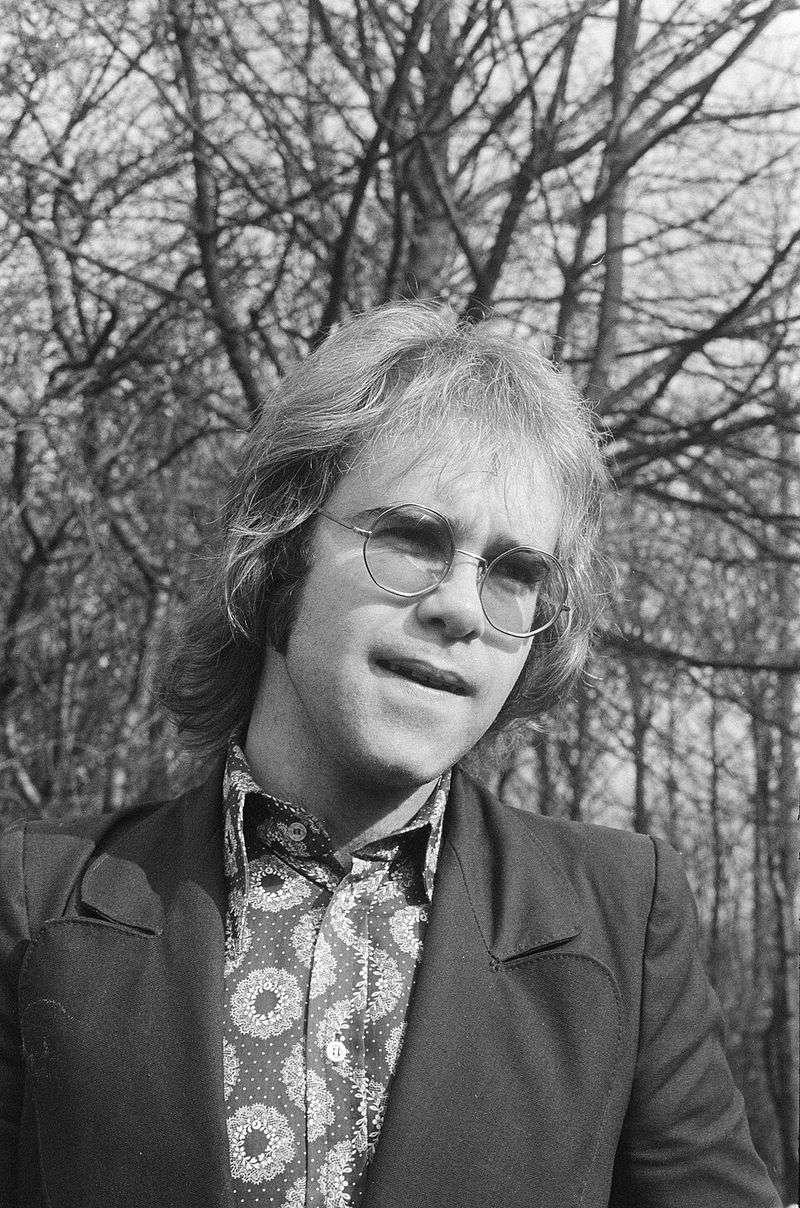
Covering a Beatles song is risky business. Elton John did it anyway and took the result straight to number one.
His version of Lucy in the Sky with Diamonds topped the Billboard Hot 100 in January 1975. The original had been a highlight of the 1967 Sgt.
Pepper album, so expectations were high.
What made the cover special was a famous guest. John Lennon played guitar and sang backing vocals under a silly fake name, Dr. Winston O’Boogie.
The recording happened in 1974 at Caribou Ranch, a studio in the Colorado mountains. Elton played piano, mellotron, and harpsichord to build a dreamy base.
Guitarist Davey Johnstone added electric guitar and sitar. Percussionist Ray Cooper brought in tubular bells, a gong, and congas.
Then came a surprise twist. In the middle, the song shifts into a reggae section, which few listeners expected from a psychedelic classic.
Producer Gus Dudgeon kept every part clear in the mix. That way, all the strange instruments could be heard without becoming a jumble.
The deal had a fun payoff. Lennon agreed to join Elton on stage if the song hit number one, and in November 1974 he did, at Madison Square Garden.
It turned out to be Lennon’s last major concert appearance.
3. Can – Vernal Equinox
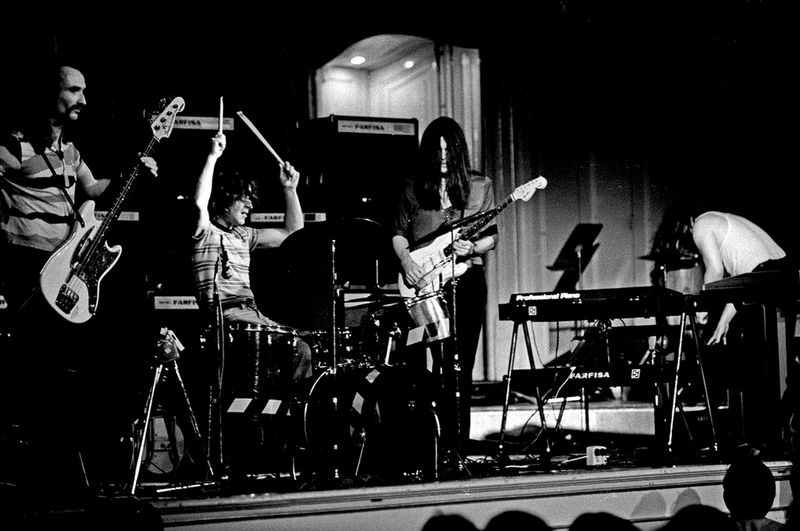
Germany produced some of the most adventurous psychedelic music of the 1970s, and Can were among the bands pushing its boundaries.
Vernal Equinox appeared on their 1975 album Landed. Rather than following a conventional verse-and-chorus structure, the track develops through insistent rhythms, restless guitar work, and an almost hypnotic sense of momentum.
Drummer Jaki Liebezeit gives the performance its rhythmic foundation, while guitarist Michael Karoli moves through extended instrumental passages.
Can’s approach combined psychedelic experimentation with the repetitive structures that helped define krautrock. Their music often seemed less concerned with reaching a chorus than discovering where a musical idea could go.
By 1975, the band had become an important name in experimental European rock. Vernal Equinox demonstrates why their recordings continued attracting adventurous listeners long after the decade ended.
4. Hawkwind – Magnu
Hawkwind’s 1975 album Warrior on the Edge of Time contained another powerful example of the band’s psychedelic space rock sound.
Magnu runs for more than eight minutes, combining heavy guitar riffs, persistent rhythms, and electronic experimentation.
The track reflects Hawkwind’s fascination with mythology, fantasy, and science-fiction imagery, subjects that frequently appeared throughout their recordings.
The group’s instrumentation included synthesizers, saxophone, violin, and two drummers, giving its music a distinctive character.
Hawkwind had developed a dedicated following through extended performances and an uncompromising approach to psychedelic rock.
Magnu demonstrates the band’s ability to combine heavy rock with the experimental freedom associated with the psychedelic movement.
By 1975, Hawkwind had established a sound that helped connect the psychedelic underground of the late 1960s with the heavier musical styles that followed.
5. Nektar – Cybernetic Consumption
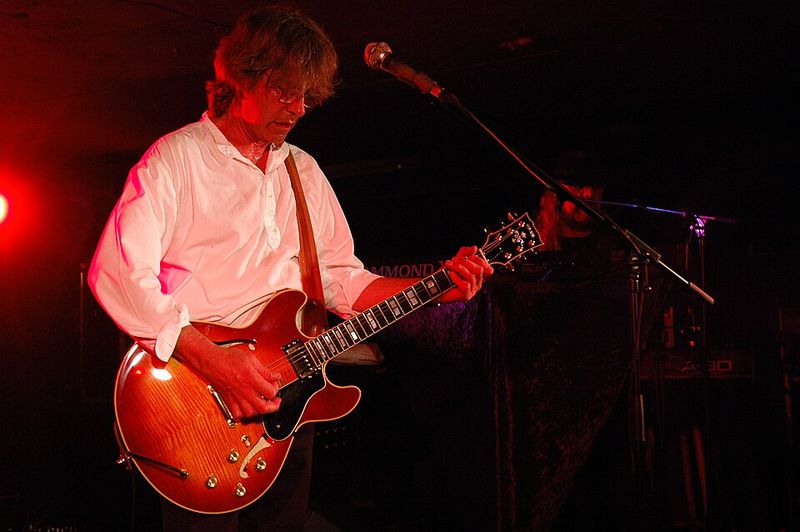
Technology and consumer culture became the unlikely subjects of one of 1975’s most ambitious progressive rock albums.
Cybernetic Consumption appeared on Recycled, the concept album released by British band Nektar.
The record explores humanity’s increasingly complicated relationship with technology, presenting its ideas through connected musical sections rather than conventional standalone songs.
Nektar had developed a reputation for elaborate compositions and performances that combined music with ambitious visual presentations.
The album also featured contributions from electronic musician Larry Fast, whose synthesizer work helped establish its futuristic character.
Cybernetic Consumption reflects the band’s psychedelic influences while moving firmly into progressive rock territory.
Its combination of science-fiction themes and experimental arrangements captures an important direction in mid-1970s rock.
6. Amon Düül II – Metropolis
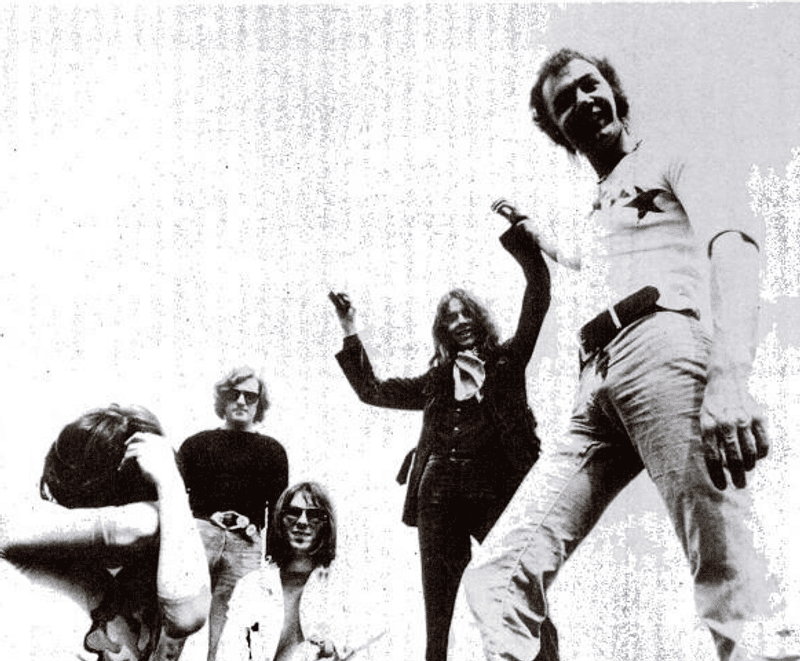
Amon Düül II spent much of the early 1970s challenging expectations about what a rock band could sound like.
Metropolis appeared on their 1975 album Made in Germany, a record that brought together experimental compositions and more structured musical ideas.
The group originated in Munich and became closely associated with the development of krautrock.
Their recordings frequently incorporated improvisation, theatrical elements, and unconventional arrangements that distinguished them from mainstream British and American rock groups.
By the time Metropolis was released, Amon Düül II had already established an extensive catalog of adventurous psychedelic-influenced music.
The track belongs to a period when the group was experimenting with different approaches to composition while retaining its distinctive identity.
Their work remains an important part of the history of German psychedelic and progressive rock.
7. Hawkwind – Assault and Battery / The Golden Void
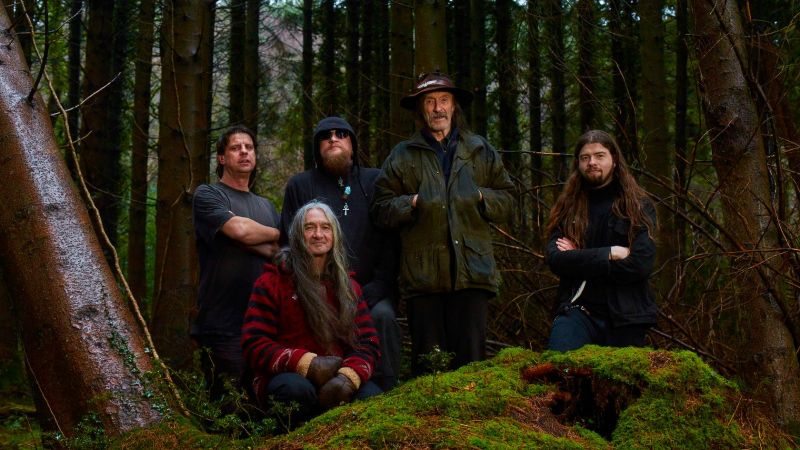
Hawkwind pushed psychedelic rock into heavier territory in 1975 with a ten-minute composition that became one of their defining space rock recordings.
Assault and Battery / The Golden Void opened the band’s album Warrior on the Edge of Time. The two connected pieces combine driving guitars, synthesizers, and lyrics influenced by science fiction and cosmic imagery.
Dave Brock wrote the music, while the group’s lineup included bassist Lemmy Kilmister, who would soon form Motörhead.
The recording moves from the aggressive rhythms of Assault and Battery into the more expansive second section, The Golden Void.
Hawkwind had already established themselves as pioneers of British space rock, combining psychedelic experimentation with heavier instrumentation and elaborate live performances.
The track captures the band’s distinctive approach during a period when psychedelic rock was increasingly merging with progressive and hard rock.
8. Steve Hillage – Solar Musick Suite
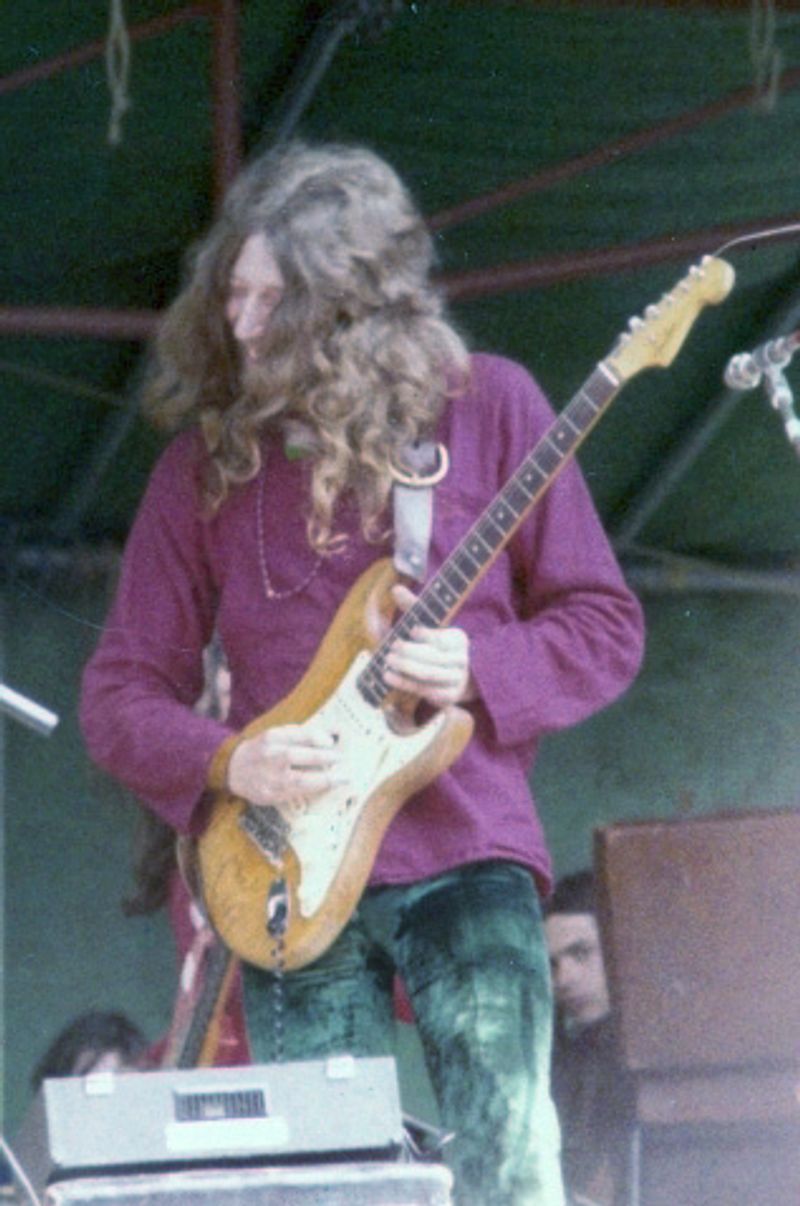
Steve Hillage brought the psychedelic spirit of Gong into his solo career with one of 1975’s most adventurous guitar compositions.
Solar Musick Suite opened his debut album, Fish Rising, released in April 1975. The extended recording combines elaborate guitar passages, synthesizers, and several connected musical sections.
Hillage had spent the previous years performing with Gong, the experimental group known for its unusual concepts and space rock sound.
Several Gong musicians contributed to Fish Rising, including bassist Mike Howlett, drummer Pierre Moerlen, and keyboardist Tim Blake.
The recording also features keyboardist Dave Stewart, who contributed a fuzz organ solo.
Solar Musick Suite demonstrates Hillage’s interest in combining psychedelic guitar playing with ambitious progressive rock arrangements.
The album reached number 33 on the UK chart, giving Hillage a successful beginning to his solo career.
9. Tangerine Dream – Rubycon, Part One
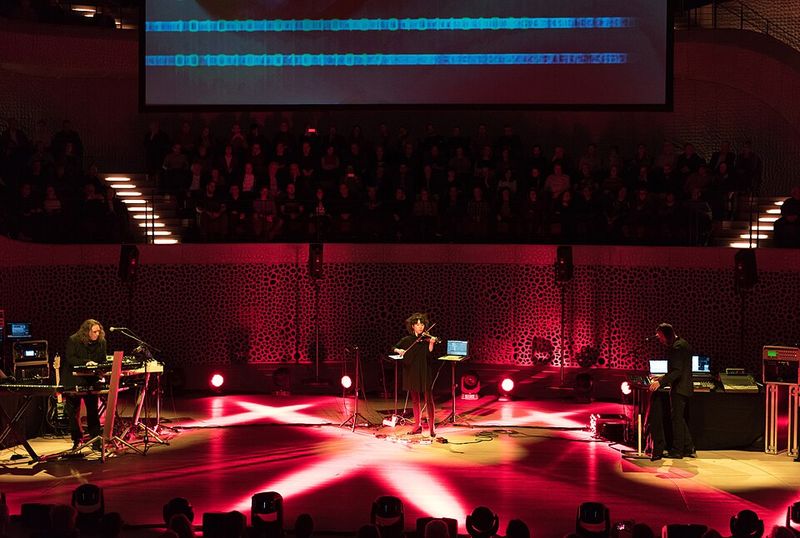
Electronic music reached an extraordinary level of experimentation in 1975 when Tangerine Dream released Rubycon.
The German trio consisted of Edgar Froese, Christopher Franke, and Peter Baumann. Together, they developed an approach built around synthesizers, sequencers, and extended instrumental compositions.
Rubycon, Part One occupied the entire first side of the album, running for more than seventeen minutes.
The recording gradually develops through electronic textures, repeating sequences, and shifting instrumental arrangements.
Tangerine Dream recorded the album at The Manor studio in England, where they had previously worked on Phaedra.
Released in March 1975, Rubycon reached number ten on the UK Albums Chart, an impressive achievement for an instrumental electronic record.
The composition reflects the experimental legacy of psychedelic music while helping establish the electronic sound associated with the Berlin School.
10. Klaus Schulze – Bayreuth Return
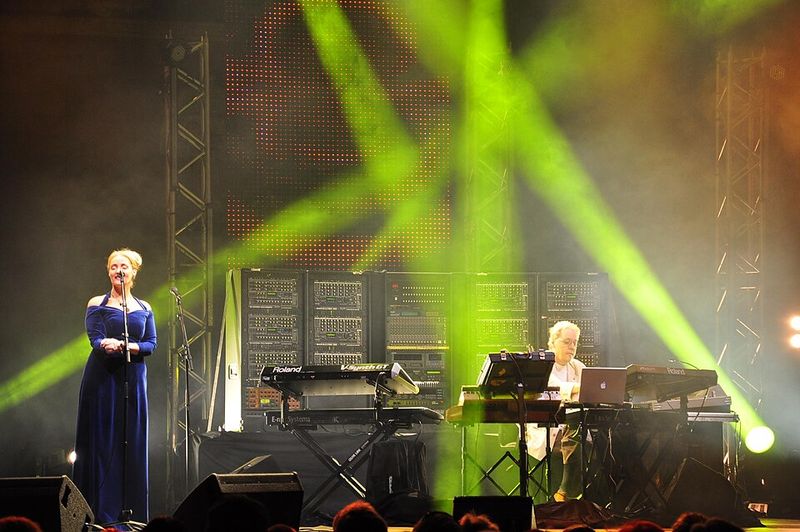
Klaus Schulze spent nearly half an hour exploring a single evolving electronic composition on his 1975 album Timewind.
Bayreuth Return occupied the entire first side of the record, combining repeating synthesizer sequences with slowly changing electronic arrangements.
Schulze had previously played drums with Tangerine Dream and Ash Ra Tempel before establishing himself as a solo electronic musician.
His work developed from the experimental German rock scene, incorporating elements of psychedelic music, improvisation, and emerging synthesizer technology.
Timewind was dedicated to composer Richard Wagner, and its two main compositions reference locations associated with his life.
Bayreuth Return became an important recording in Schulze’s development, demonstrating how electronic instruments could sustain an extended musical composition.
The album helped establish his reputation as one of Germany’s leading electronic music innovators.
11. Jefferson Starship – Miracles
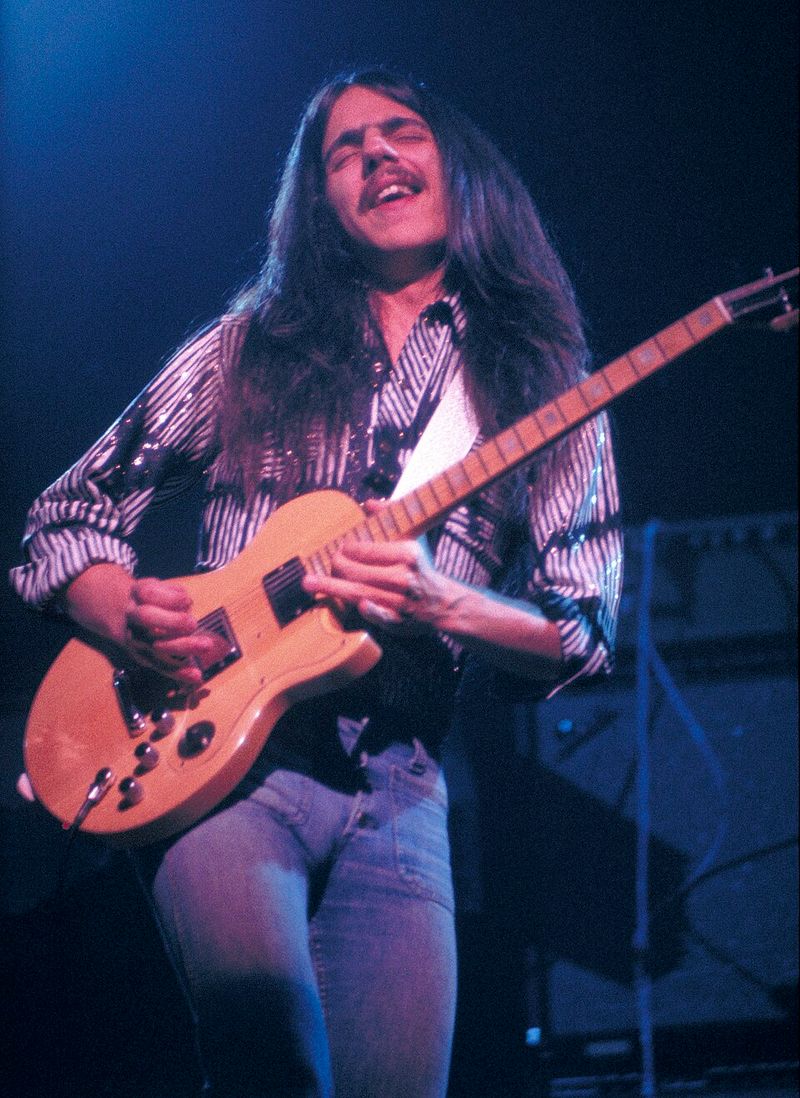
Marty Balin helped launch the psychedelic rock movement with Jefferson Airplane, then returned to the charts in 1975 with one of his biggest successes.
Miracles appeared on Jefferson Starship’s album Red Octopus and reached number three on the Billboard Hot 100. It became the highest-charting single recorded under the Jefferson Starship name.
Balin wrote the song, drawing inspiration from romance and spiritual ideas. Its relaxed rhythm, layered vocals, and flowing arrangement gave it a dreamy character that stood apart from the harder rock dominating parts of the decade.
The original album recording ran nearly seven minutes, but the band shortened it to about three and a half minutes for radio. The edit also removed a sexually explicit lyric.
The success helped propel Red Octopus to number one on the Billboard album chart in 1975.
Although Miracles leaned more toward soft rock than traditional psychedelia, its atmospheric production and the band’s psychedelic roots connected it to an earlier era of musical experimentation.
12. Lonnie Liston Smith – Colors of the Rainbow
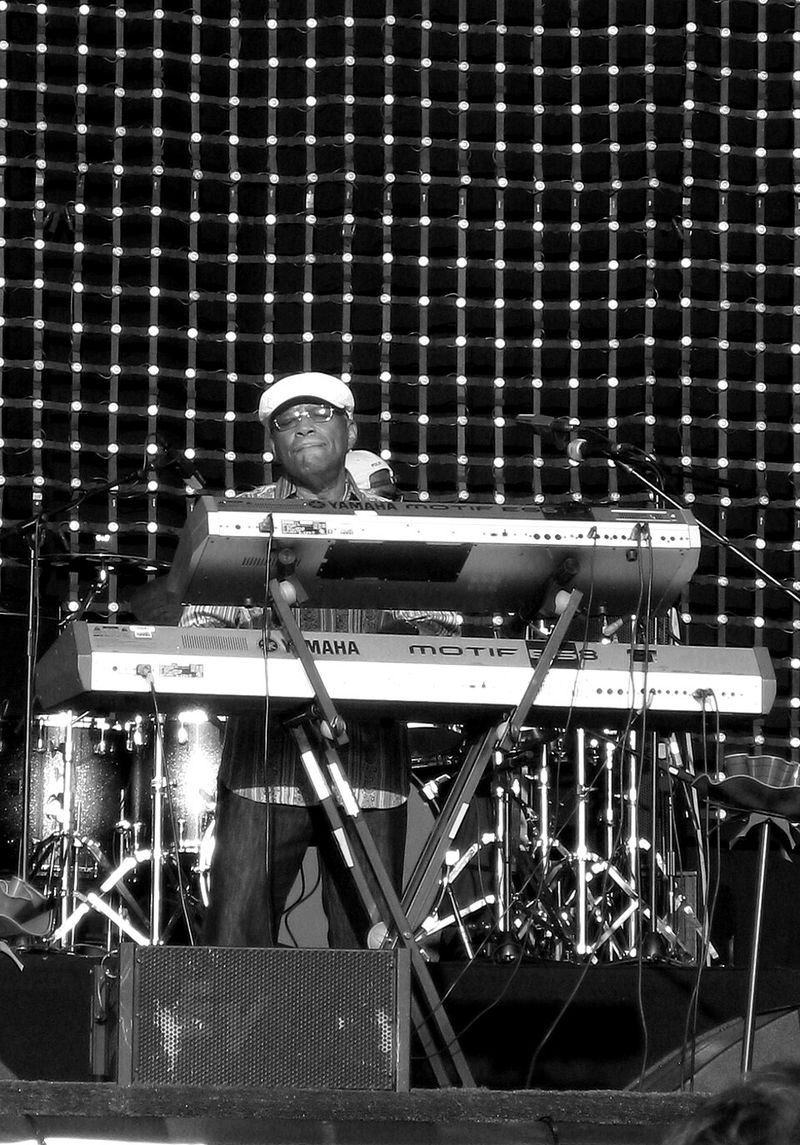
Not every important song from 1975 lived on the pop charts. Some spread through jazz radio, record stores, and word of mouth.
Colors of the Rainbow is one of those. It came from Lonnie Liston Smith’s album Visions of a New World.
Smith had played keyboards with jazz giants like Pharoah Sanders and Miles Davis. With his group, the Cosmic Echoes, he blended jazz, funk, and soul into something calm and spacious.
The album carried a message of peace, love, and harmony. This track fits that goal perfectly.
Smith’s electric keyboard floats beneath the voice of his brother, Donald Smith. The two parts weave together slowly instead of competing.
The lyrics praise nature. One line says Mother Nature seems to love us so.
Many fans describe the song as almost ambient. It works as background music and also rewards close listening.
Smith produced it with Bob Thiele at Electric Lady Studios in New York. That same studio hosted Bowie’s Fame sessions.
Here is why it matters today. Hip-hop producers and DJs later discovered Smith’s records, and his music has been sampled by many artists.
If you enjoy relaxing study music, this track is a smart place to start exploring 1970s jazz-funk.
Share this story