Most clocks have one boring job, and they do it quietly on a kitchen wall. The clocks in this article had bigger plans.
Some send carved figures parading through tiny windows, some predict eclipses, and one is taller than a two-story house. People have been building clever machines to track the hours for more than 600 years, and many of those machines still run today.
Crowds gather in city squares just to watch the hour strike, which is probably the only time anyone has ever been excited about it being noon. Museums across Europe, Asia, and America hold thousands of timepieces, each with a story about the people who built them.
Ahead, you will find medieval towers, a giant roadside cuckoo, a museum hidden inside an old family workshop, and the spot where the whole world agreed on what time it is. Each stop comes with real history, fun facts, and tips to help you plan a visit.
So grab a snack, check your watch one last time, and get ready to see time put on a show.
1. Prague Astronomical Clock, Prague, Czech Republic
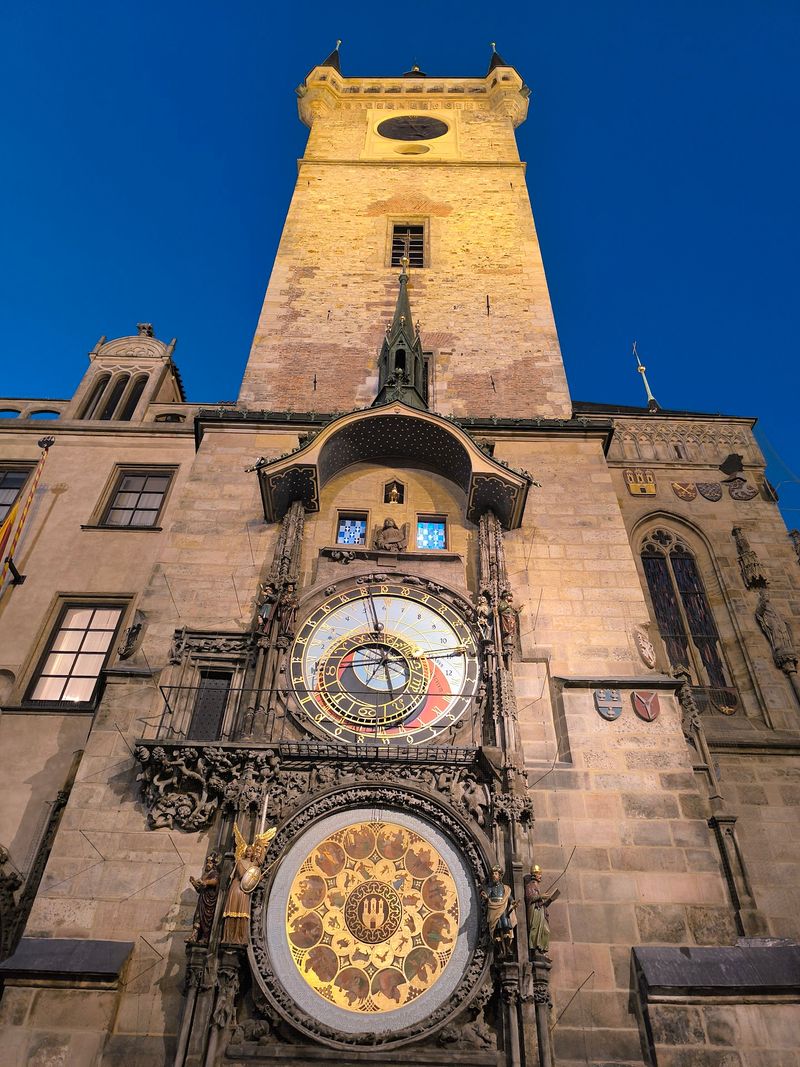
Six centuries of punctuality is a hard record to beat. Prague’s Orloj has been marking time on the Old Town Hall since 1410, making it the oldest astronomical clock of its kind still working.
Clockmaker Mikuláš of Kadaň and astronomer Jan Šindel designed it. The astronomical dial shows the positions of the sun and moon, plus three different time systems, including Old Czech Time.
Below sits a calendar dial added around 1490. Painter Josef Mánes created its month medallions in 1865.
From 9 a.m. to 11 p.m., the Walk of the Apostles runs every hour. Two windows open, the Twelve Apostles rotate past, and a golden rooster wraps things up.
The show lasts about 45 seconds, so arrive early for a good spot. A paid ticket gets you into the tower for city views and a look at the mechanism.
2. National Watch and Clock Museum, Columbia, Pennsylvania, USA
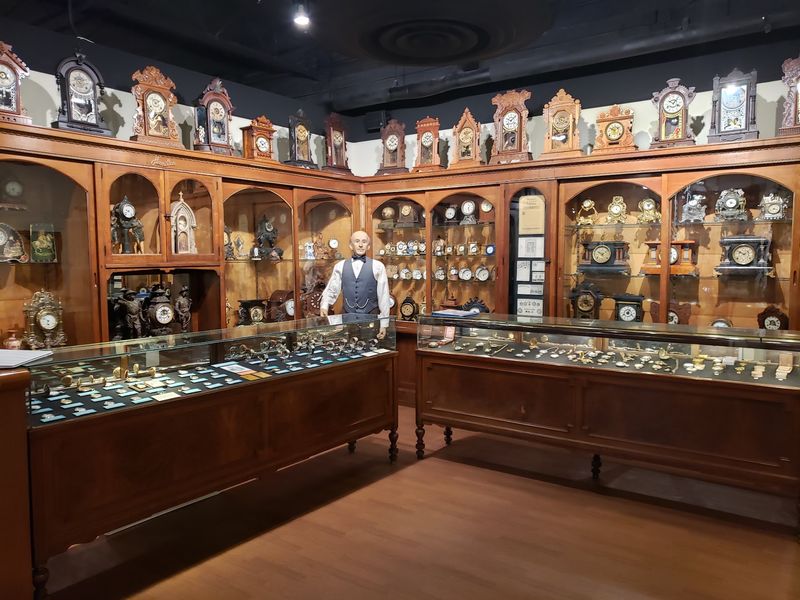
Thousands of timepieces share one roof in a small Pennsylvania river town. The National Watch and Clock Museum holds one of the largest horology collections in North America.
Exhibits trace timekeeping from sundials and early mechanical designs to fancy decorative pieces and modern watches. Tall case clocks line the halls, while glass cases hold tiny pocket watches with impressive detail.
A highlight is the Engle Clock, a huge American monument clock from the late 1800s. It once toured the country as a traveling attraction, complete with moving figures.
Families will enjoy the hands-on areas that explain how gears and pendulums work. Kids often leave knowing more about escapements than their parents.
Plan around two hours for a visit. Columbia also sits close to Lancaster County, so you can easily pair the museum with a day of local sightseeing.
3. Zytglogge, Bern, Switzerland
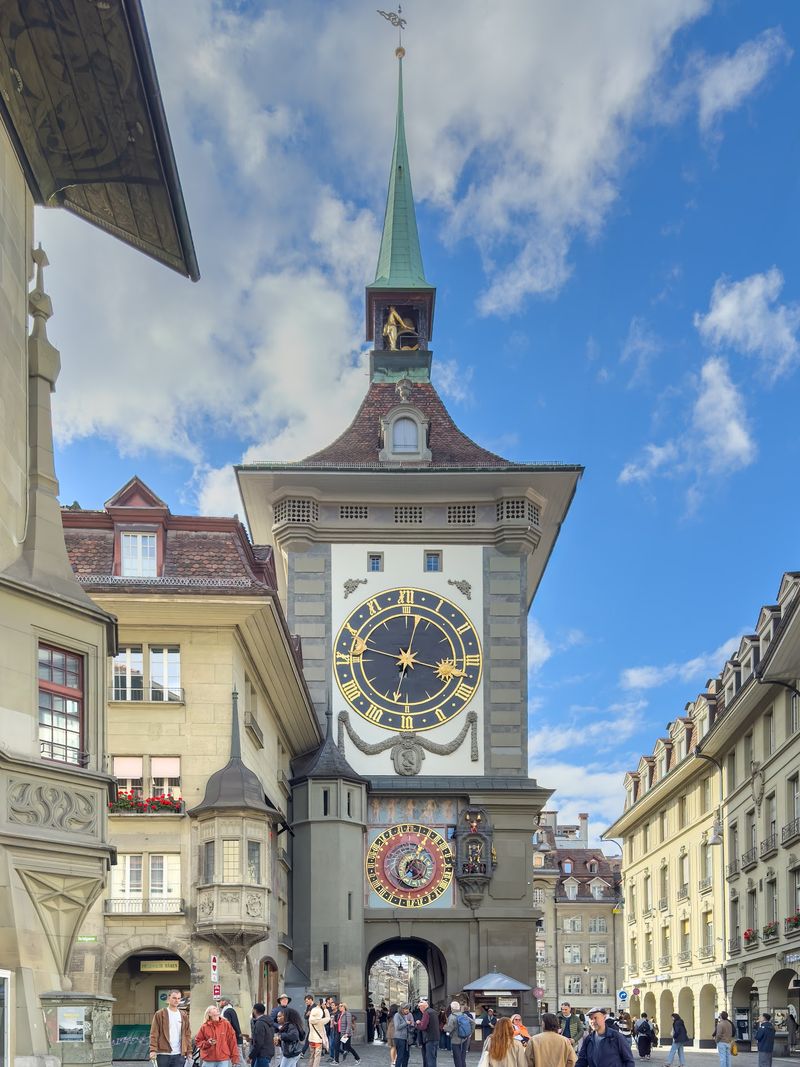
Bern’s oldest celebrity has been standing guard since the early 1200s. The Zytglogge started life as a city gate and later became a jail before turning into a clock tower.
Its astronomical clock was added in the 1530s. The dial shows the zodiac, the moon phase, and the day of the week.
About four minutes before each hour, the show begins. A rooster crows, a jester rings bells, bears march in a circle, and a golden figure strikes the hour on a bell.
Bears appear for good reason, since they are the symbol of Bern. Locals still enjoy watching tourists crane their necks at the tower.
Guided tours take small groups inside to see the clockwork up close. Tickets are sold through the Bern tourist office, and tours fill quickly in summer, so book ahead.
4. German Clock Museum, Furtwangen, Germany
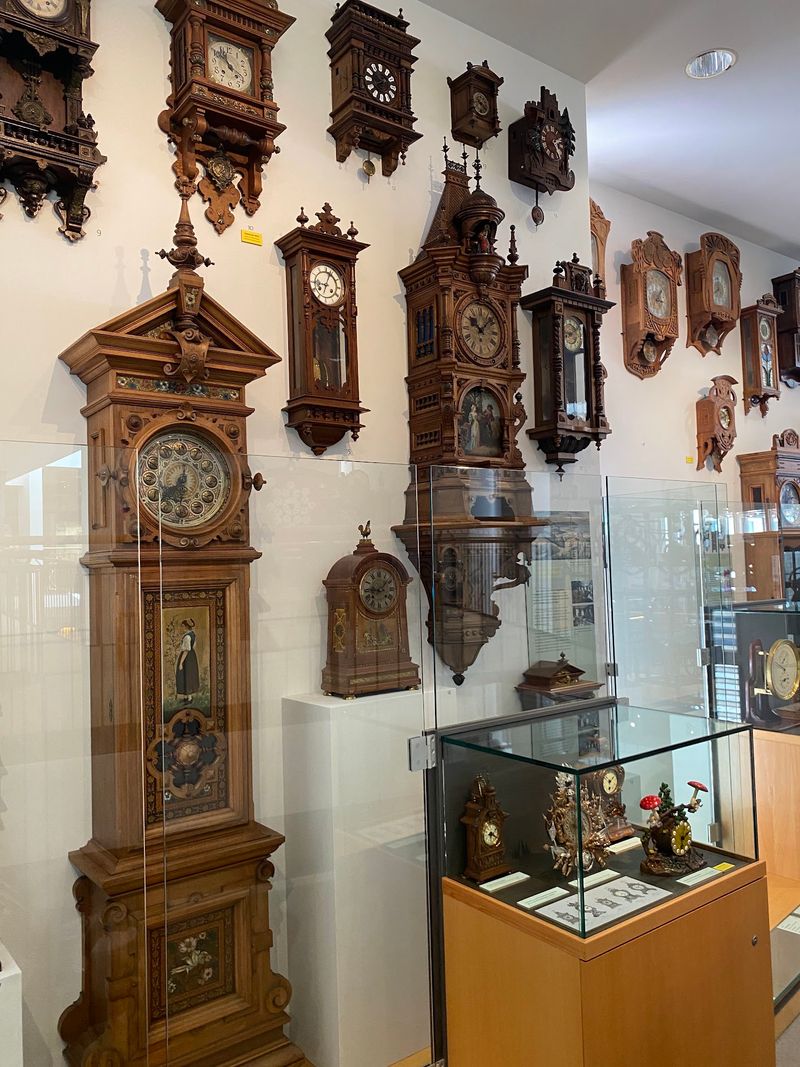
Cuckoo clocks did not appear out of nowhere, and this museum proves it. Furtwangen sits in the Black Forest, where clockmaking became a major local trade in the 1700s.
The German Clock Museum, or Deutsches Uhrenmuseum, was founded in 1852 as part of a clockmaking school. Today it holds thousands of pieces from around the world.
Visitors see early wooden clocks made by farm families during long winters. Painted shield clocks, musical orchestrions, and classic cuckoos fill the galleries.
Some exhibits show how Black Forest clocks were carried on peddlers’ backs and sold across Europe. That bit of history explains how the region’s clocks traveled so far.
Musical clocks are often demonstrated for visitors. The town is also part of the German Clock Route, a scenic drive connecting clock shops and workshops throughout the area.
5. Rathaus-Glockenspiel, Munich, Germany
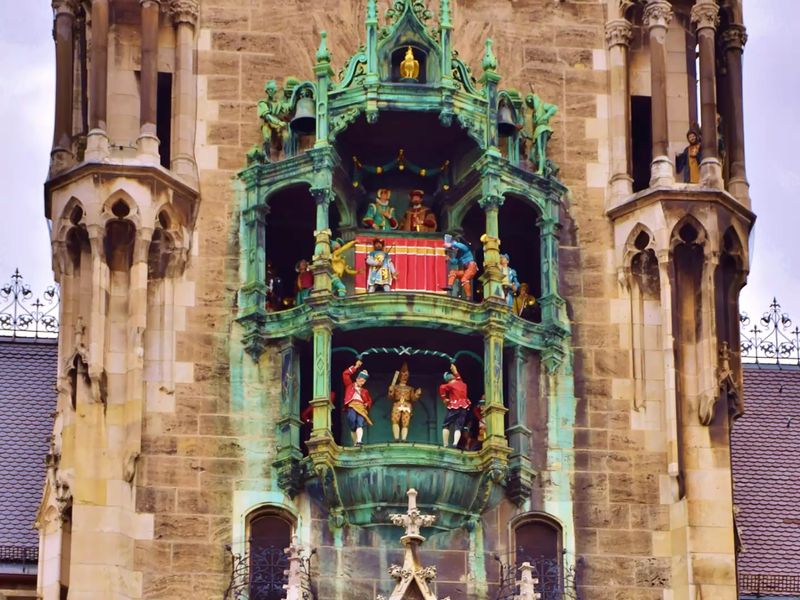
Munich’s busiest square stops in its tracks a few times a day. Everyone in Marienplatz looks up at the New Town Hall when the Glockenspiel starts.
It has 43 bells and 32 life-size figures. The show runs about 12 to 15 minutes, which is long for a clock.
The top level retells the 1568 wedding of Duke Wilhelm V and Renata of Lorraine. A jousting match ends with the Bavarian knight winning, every single time.
Below, coopers perform their famous dance. It recalls the barrel makers who danced through the streets after a plague ended in the 1500s.
Shows run at 11 a.m. and noon year round, with an extra 5 p.m. show in summer. Watching is free, and the crowd fills up fast.
Tip: find a spot near the column of Mary for a clear view.
6. Strasbourg Astronomical Clock, Strasbourg, France
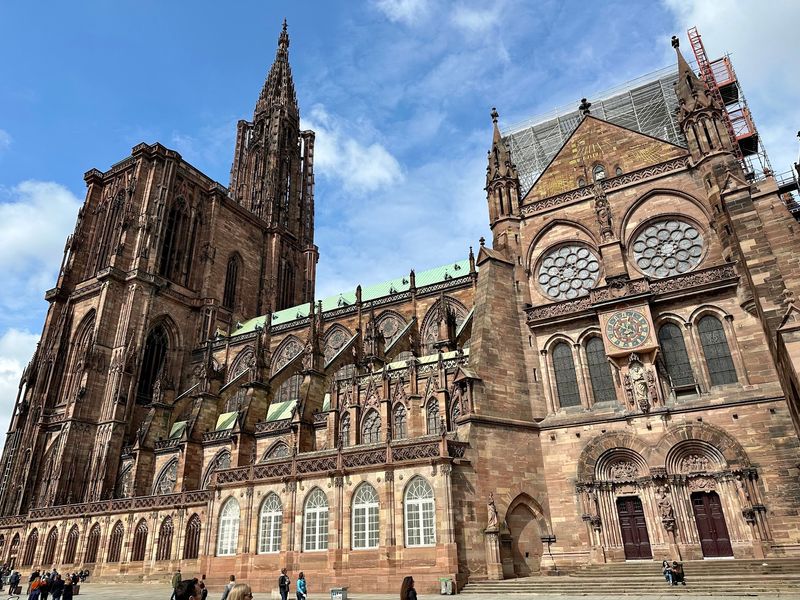
Tucked inside a Gothic cathedral is a clock that can calculate Easter. Strasbourg’s astronomical clock includes a perpetual calendar that handles moving church dates on its own.
The current mechanism was built by Jean-Baptiste Schwilgué and finished in 1842. Earlier versions existed on the same spot as far back as the 1350s.
Its dials show planets, solar time, and eclipses. Animated figures represent the stages of life, from a child to an old man.
The big moment comes at 12:30 p.m. The Apostles parade past Christ while a mechanical rooster flaps its wings and crows three times.
Tickets for the noon show are sold at the cathedral’s south entrance. Many visitors also watch a short film beforehand that explains what each dial does, which makes the show far easier to follow.
7. World’s Largest Cuckoo Clock, Sugarcreek, Ohio, USA
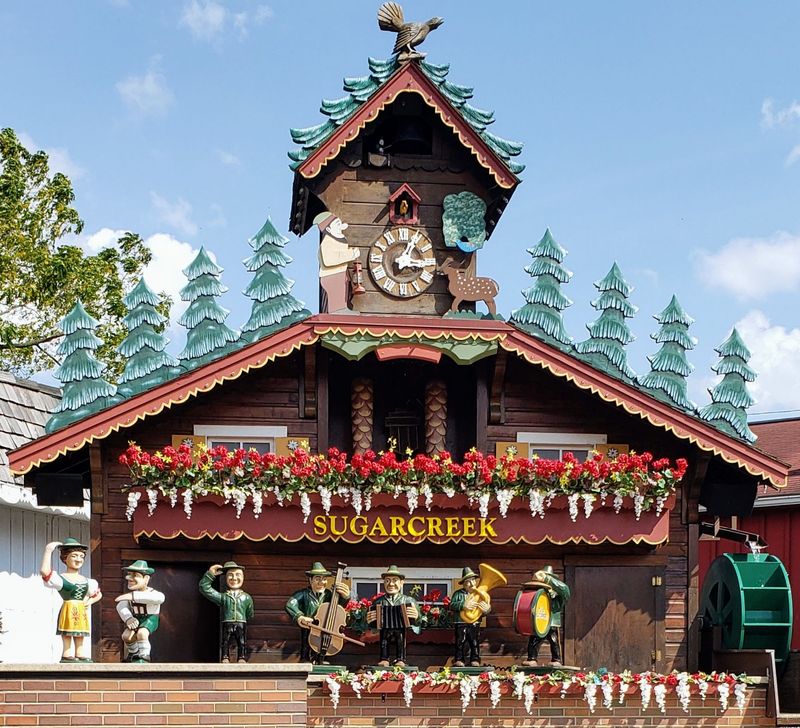
Ohio has a cuckoo clock bigger than most garages. The World’s Largest Cuckoo Clock stands more than 23 feet tall in downtown Sugarcreek, known as the Little Switzerland of Ohio.
It was built in 1972 for a restaurant in nearby Wilmot. Sugarcreek bought it, restored it, and gave it a new home in 2012.
Every half hour during its season, the show starts. A large cuckoo bird pops out, a small band plays a polka, and a couple dances around the base.
The clock sits in the middle of Ohio’s Amish Country. Visitors often combine it with cheese shops, bakeries, and local craft stores nearby.
Operating season usually runs spring through fall. Check the village website before you go, and bring a camera, since this is one photo your friends will ask about.
8. Vienna Clock Museum, Vienna, Austria
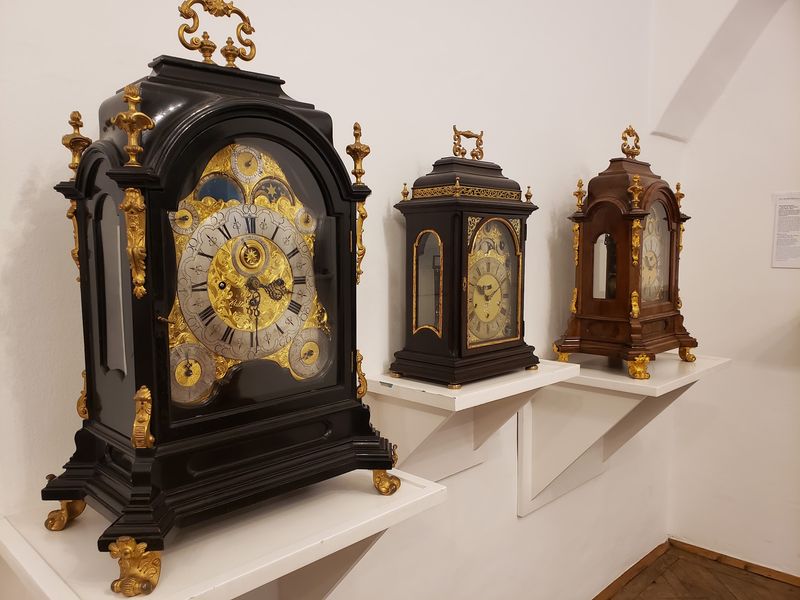
Some clocks show the hour. One clock in Vienna shows the movement of the planets and predicts eclipses.
That astronomical masterpiece belongs to the Vienna Clock Museum, or Uhrenmuseum, set in a historic house near the old city center. More than 700 timepieces fill three floors.
Visitors can see a huge tower clock that once worked in St. Stephen’s Cathedral. It dates back to 1699 and is big enough to fill a room.
Pocket watches, pendulum clocks, and picture clocks with tiny moving scenes are also on display. The collection spans more than 400 years of Austrian craftsmanship.
Try to visit near the top of the hour. Many working clocks chime together, and staff are happy to explain which ones are original.
Entry is affordable, and it is included with the Vienna City Card discounts.
9. Willard House and Clock Museum, North Grafton, Massachusetts, USA
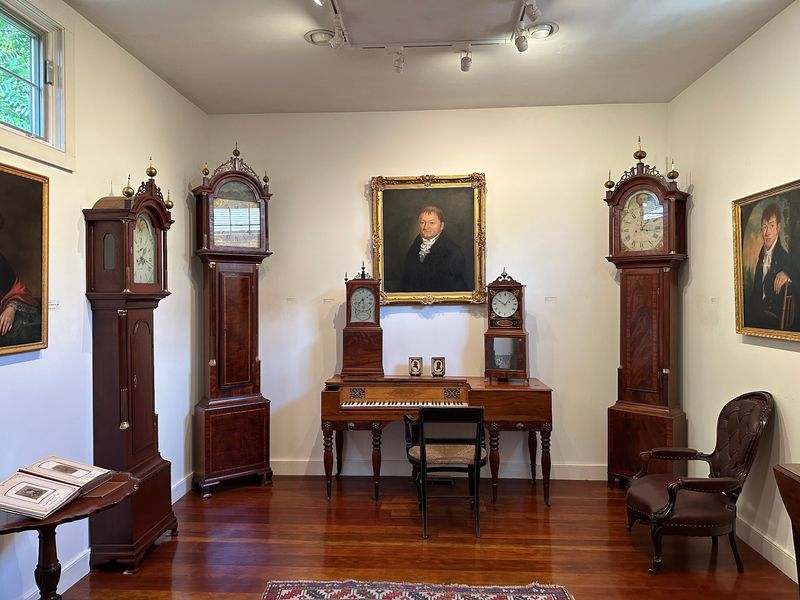
Picture a farmhouse where four brothers changed American clockmaking. The Willard family lived and worked here in the 1700s, and their home now holds a museum.
More than 90 Willard clocks are on display. Simon Willard patented the banjo clock in 1802, a slim wall clock shaped a bit like the musical instrument.
Rooms are set with period furniture, so visitors see clocks the way families once used them. The original workshop is part of the tour.
Guided tours are led by staff who know the family history well. Expect stories about apprentices, customers, and the brothers’ rivalries in business.
The museum sits on a quiet country road about an hour from Boston. Hours are limited, so call or check the website first.
It pairs well with a fall foliage drive through central Massachusetts.
10. International Museum of Horology, La Chaux-de-Fonds, Switzerland
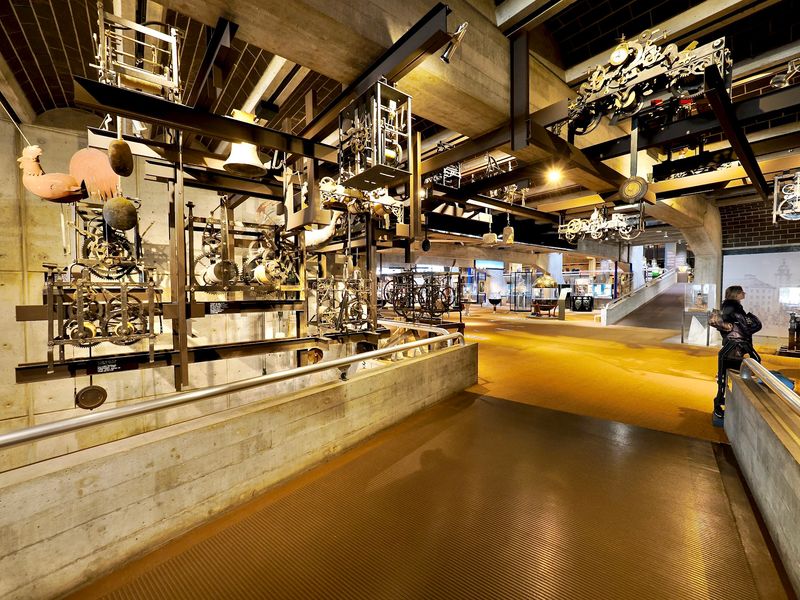
Over 10,000 objects make this one of the largest time museums anywhere. The Musée International d’Horlogerie sits in La Chaux-de-Fonds, a town built around watchmaking.
The town’s grid layout was planned to help watch workshops get daylight. That planning earned it a UNESCO World Heritage listing in 2009.
Inside, visitors find pocket watches, marine chronometers, atomic clocks, and charming automata. A restoration workshop lets you watch experts repair delicate pieces.
Much of the museum sits partly underground, an unusual design from the 1970s. Outside, a tall steel carillon plays at set times through the day.
Plan at least half a day. Students and kids get reduced prices, and the audio guide is worth it for the background stories.
A nearby watch trail through town shows historic workshops too.
11. The Seiko Museum Ginza, Tokyo, Japan
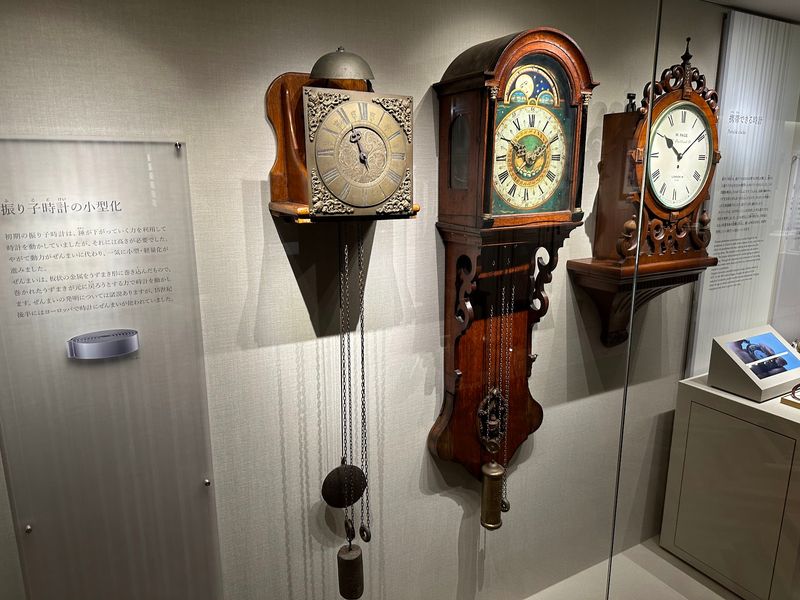
Free admission and centuries of history make an easy sell in pricey Ginza. The Seiko Museum moved to this shopping district in 2020, close to where the company began.
Kintaro Hattori opened his first shop in Tokyo in 1881. Exhibits tell his story, including how the company rebuilt after the 1923 earthquake.
Floors cover traditional Japanese clocks that adjusted for changing day lengths. Others show the first quartz wristwatch, the Seiko Astron from 1969.
Sports fans will enjoy the timing gear used at Olympic Games. A fun quiz area tests how well you can sense seconds passing.
Reservations are recommended and can be made online. Photos are allowed in most areas.
Afterward, the famous Wako clock tower sits just a short walk away, so you can add one more timepiece to the day.
12. American Clock and Watch Museum, Bristol, Connecticut, USA
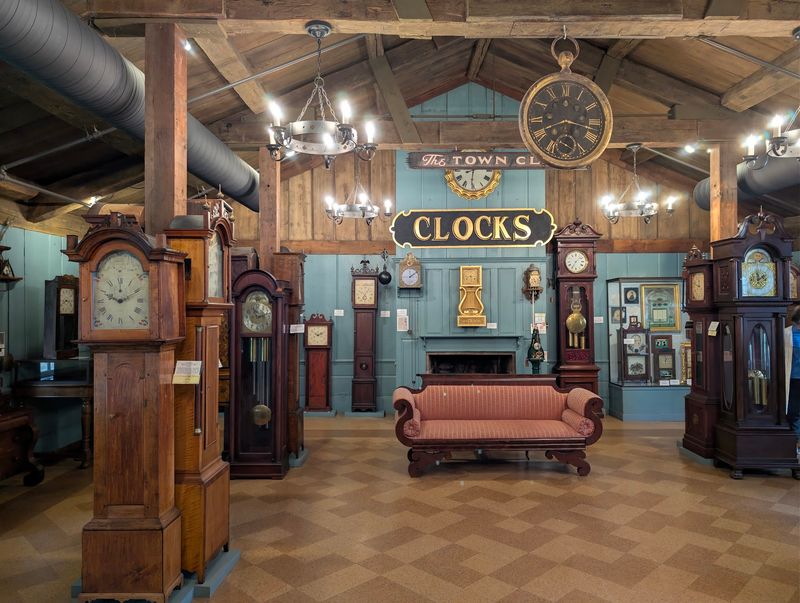
Connecticut was once the clock capital of America. Bristol alone had dozens of clock companies in the 1800s.
The American Clock and Watch Museum opened in 1952 inside the Miles Lewis House, built in 1801. Its collection holds over 5,500 clocks and watches.
Visitors learn how makers like Eli Terry used wooden gears and mass production. That approach turned clocks from luxury items into something regular families could afford.
Shelf clocks, mantel clocks, and novelty pieces fill the rooms. Some look exactly like the ones grandparents kept on the fireplace.
The museum is usually open spring through fall. A sundial garden outside adds a nice break between galleries.
Guides can point out which clocks were made just a few streets away, giving the visit a strong local feel.
13. Musée du Temps, Besançon, France
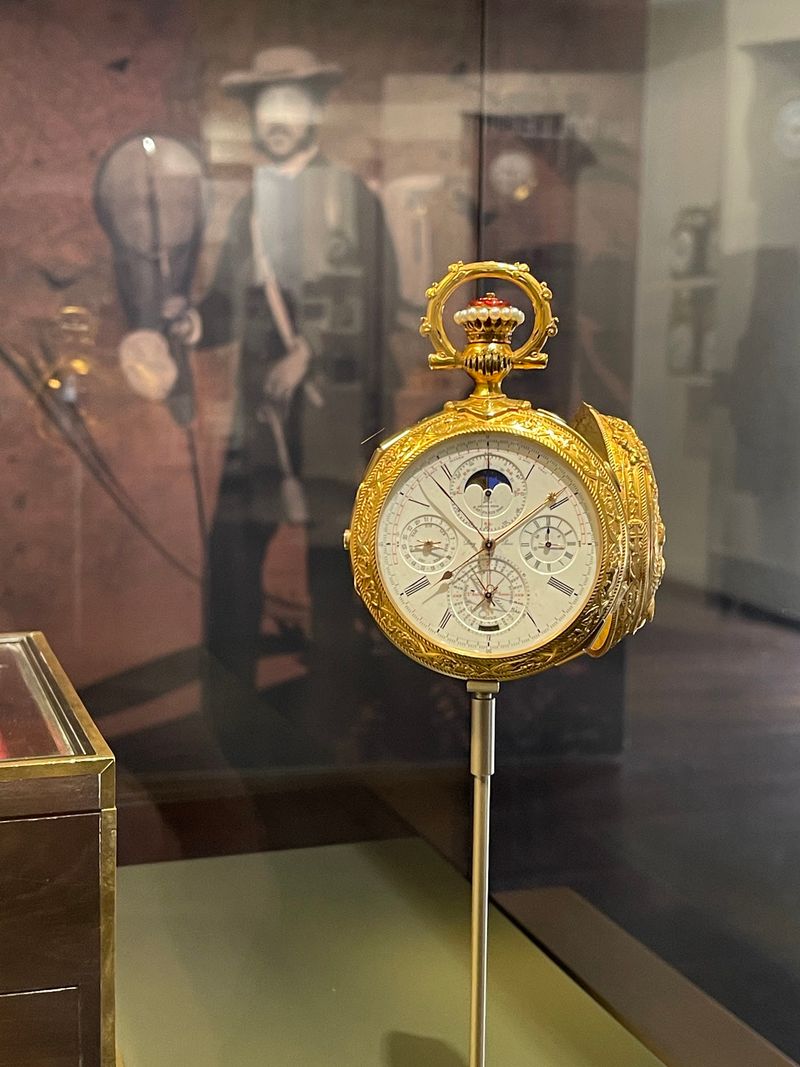
A 16th century palace makes a stylish home for a museum about time. The Musée du Temps fills the Palais Granvelle in Besançon.
Besançon became France’s watchmaking center in the late 1700s. Swiss craftsmen moved there and built a strong industry that lasted for generations.
Exhibits include precision watches, scientific tools, and early clocks. One famous piece is the Leroy 01, once called the most complicated watch in the world.
A Foucault pendulum shows the Earth turning in real time. It swings slowly, yet it proves something huge.
Visitors can also climb to an observation area for city views. Pair the trip with the astronomical clock at Saint-Jean Cathedral nearby, which has 30,000 parts.
Together, the two stops make a full day of French clock history.
14. National Maritime Museum, Greenwich, London, England, United Kingdom
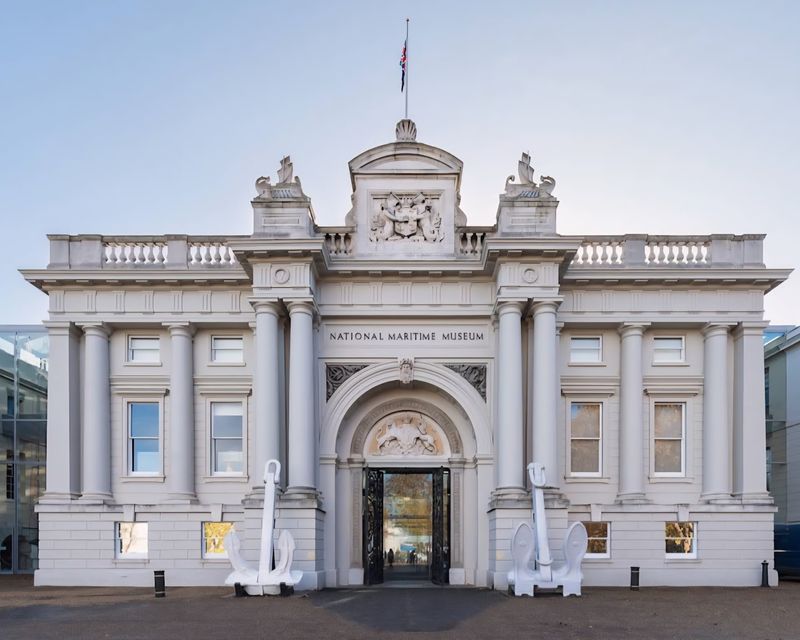
Sailors in the 1700s had a serious problem. They could not figure out longitude, which meant ships often got lost at sea.
The solution was a clock. The National Maritime Museum in Greenwich explains how accurate timekeeping finally solved the puzzle.
A carpenter named John Harrison spent decades building marine timekeepers. His clocks kept time on rolling ships, which earlier clocks could not do.
The British government offered a huge prize for a solution. Harrison’s work earned recognition, though the process involved years of arguments.
Exhibits show ship models, navigation tools, and maps alongside the story. General admission is free, which makes it an easy stop.
The museum sits in the same park as the Royal Observatory, so planning both in one day works well for most visitors.
15. Royal Observatory Greenwich, London, England, United Kingdom
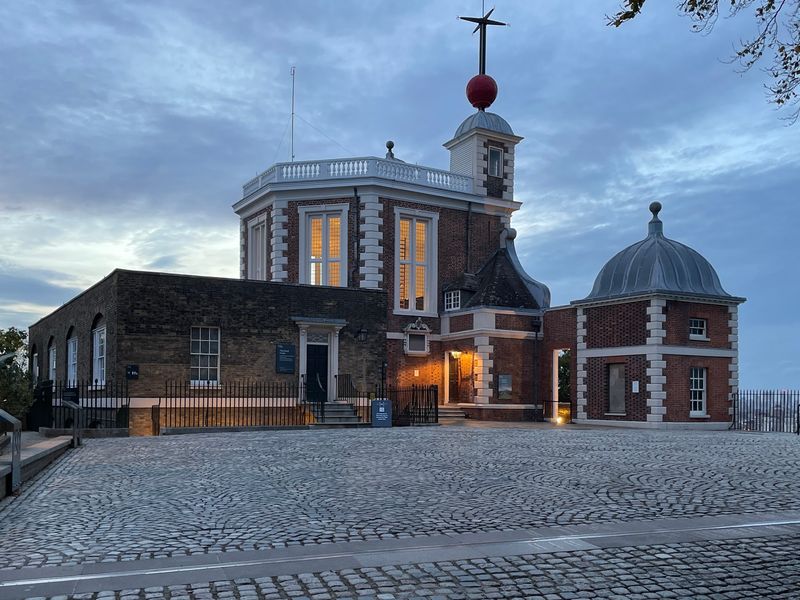
One brass line splits the world into east and west. Visitors at the Royal Observatory love standing with one foot on each side.
That line marks the Prime Meridian. Since 1884, it has been the starting point for longitude and Greenwich Mean Time.
Outside the gate stands the Shepherd Gate Clock, installed in 1852. Its dial runs on 24 hours, so noon sits at the bottom.
On top of Flamsteed House, a red time ball drops every day at 1 p.m. Ships on the Thames once used it to set their clocks.
Inside, Harrison’s original timekeepers H1 through H4 are on display. Tickets are required, and mornings are less crowded.
It is a fitting final stop for anyone curious about how the whole planet learned to agree on the time.
Share this story