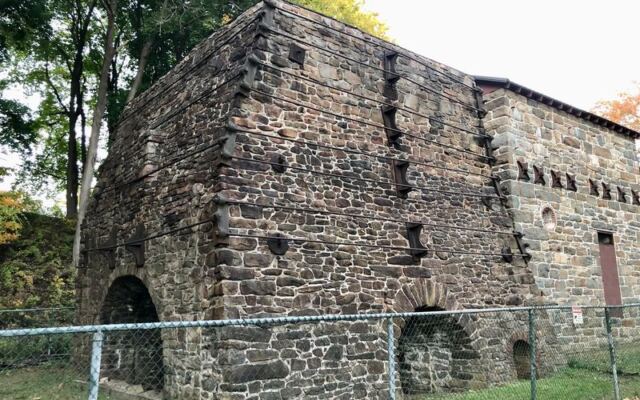
An old furnace might not sound like much of a day trip, but its story can change how a whole town makes sense. In New Jersey, one historic landmark dates to 1741 and helps explain how iron production shaped the community around it.
The surprise is not a long list of activities, but how much history rests in one place. Come curious about what came before today’s town, and there is plenty to unpack.
An Industrial Landmark in Oxford
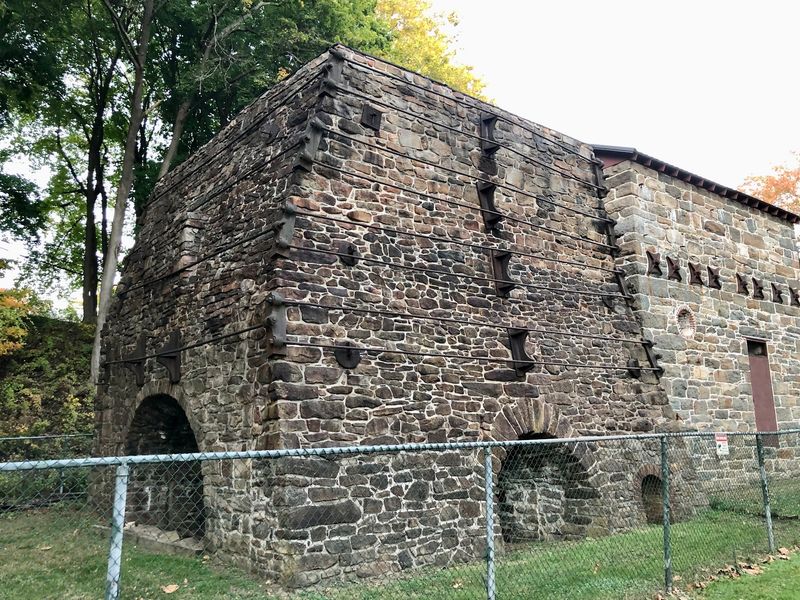
A town’s industrial story has a specific starting point here: Oxford Furnace, at 35 Washington Ave, Oxford, NJ 07863, United States. The historical landmark is the focus of this outing, rather than a larger museum complex or a full schedule of activities.
Its importance comes from the work once carried out here and the community that developed around that work. Iron mines, a furnace, and rolling mills were linked parts of Oxford’s industrial life.
That connection gives the place more meaning than its age alone might suggest. A furnace needed other operations, and those operations helped shape the town around it.
Start with that relationship rather than expecting a long attraction checklist. The useful question is not simply how old the structure is, but why so much activity gathered around this particular site.
The following chapters make that question easier to answer.
The Beginning in 1741
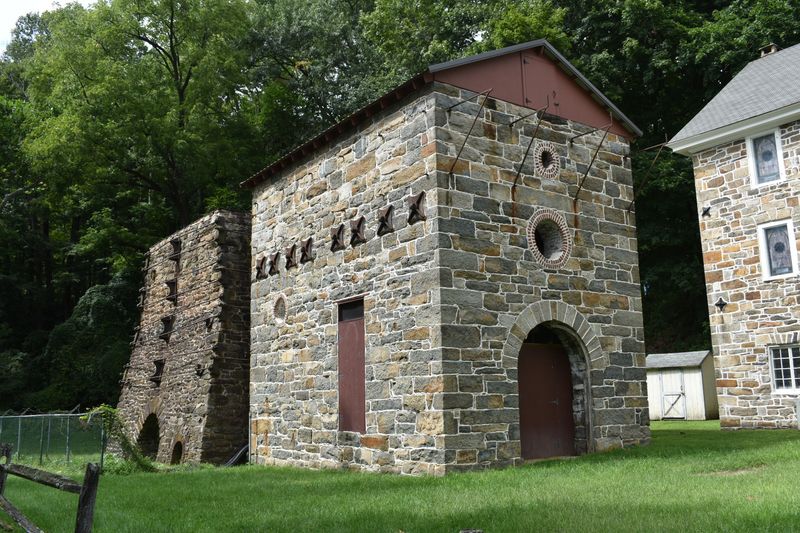
1741 gives this landmark an unusually long timeline to consider. Construction placed it within New Jersey’s early iron industry, well before the later period when the town’s industrial network reached its height.
The date is worth pausing over because it changes the scale of the story. Rather than starting with a fully developed industrial town, the account begins with a furnace that would help organize activity around itself.
Age alone does not explain why a place matters, of course. Here, the construction date becomes meaningful when connected to the years of production and change that followed.
Keep that starting year in mind throughout the visit. Each later detail, including new technology and links to other iron operations, adds another chapter to the same site.
A single date begins the story, but the furnace’s long working life is what gives that date its weight.
New Jersey’s Third Iron Furnace
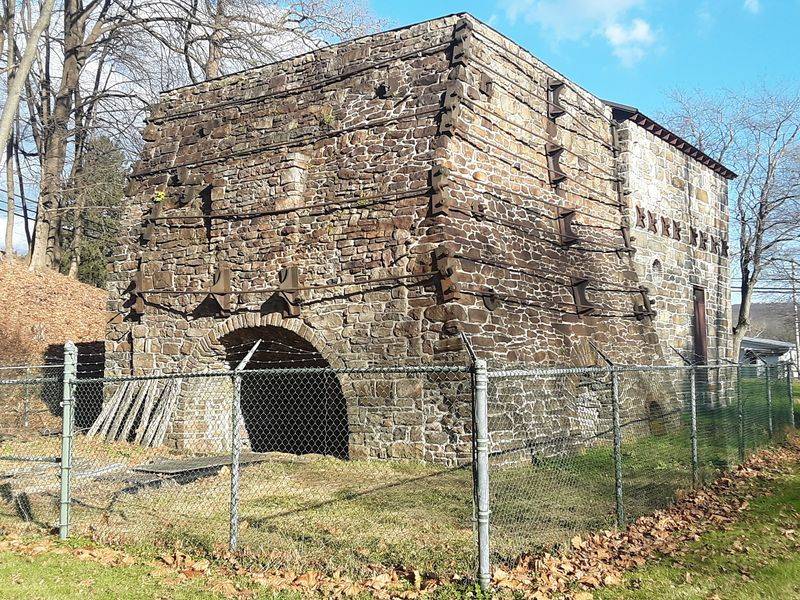
Third is a small number with a large role in this story. Oxford was the third iron furnace constructed in New Jersey, placing it among the state’s early ironmaking sites.
That distinction helps explain why the landmark deserves attention beyond its immediate neighborhood. Its history belongs to a broader account of how iron production became established in the state.
The useful comparison is about sequence, not a contest over which historic place deserves the most praise. Being an early furnace gives Oxford a clear position in that developing industry without requiring exaggerated claims about its size.
For a local day trip, that is a satisfying piece of context to bring along. The structure represents more than one town’s working past; it also marks an early stage in New Jersey’s industrial development.
Sometimes a simple place in the timeline tells more than a grand label.
A Town Organized Around Iron
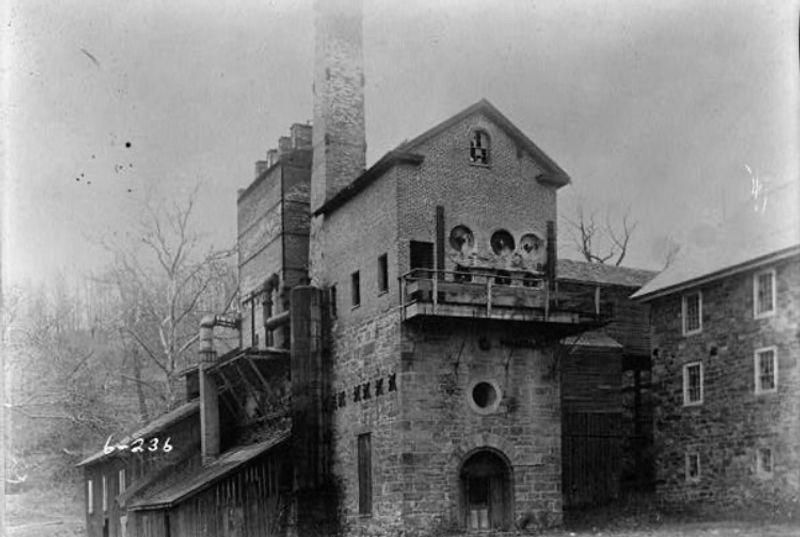
Oxford’s development is the real surprise behind the furnace’s construction date. At its height, the operation was a center of local activity, with the town developing around it.
That turns the usual way of thinking about an old building around. The furnace was not merely placed within an established community; its work helped shape the community’s development.
The supplied history connects it with iron mines and rolling mills, giving substance to the title’s industrial theme. The significance lies in that connected activity, rather than an unsupported claim about national size or rank.
Consider the landmark as evidence of a town organized around making and processing iron. Its role becomes clearer when the surrounding community is part of the discussion.
The most interesting discovery here is not just that Oxford had a furnace, but that the furnace helped explain why Oxford developed as it did.
Mines, Mills, and Connected Work
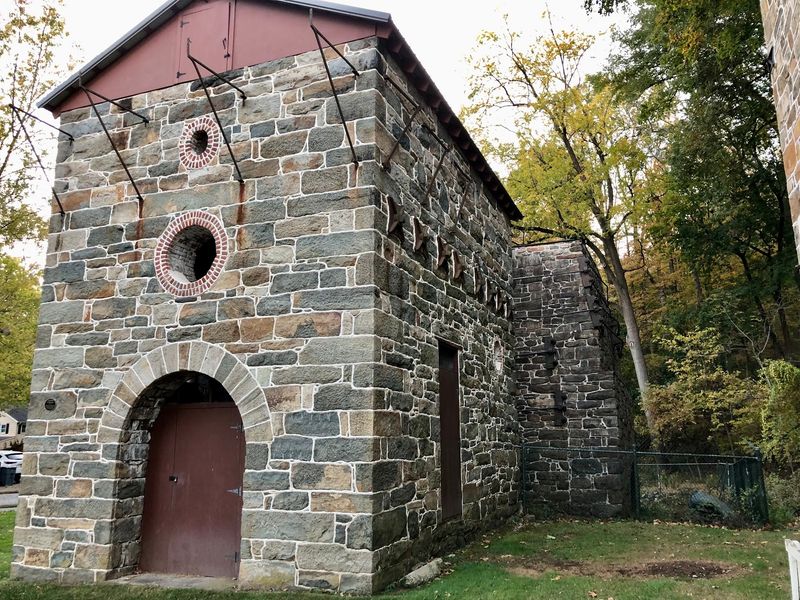
No furnace tells its full story in isolation. The historical account of this site links iron mines and rolling mills to the furnace, showing that Oxford’s industry involved several connected operations.
Each part had a different role within that broader activity. The important point for a casual history outing is the connection itself, not a technical lesson filled with unfamiliar terms.
Those links also help explain why the furnace became a center of town life. Its importance extended beyond the structure, reaching other places where iron was obtained or processed.
A useful way to approach the landmark is to keep those relationships in mind while considering its history. The surviving site is the destination, but the story involves more than one stage of work.
That broader context turns a brief stop into a chance to understand how an industrial community functioned through connected tasks.
An Early Hot Blast Chapter
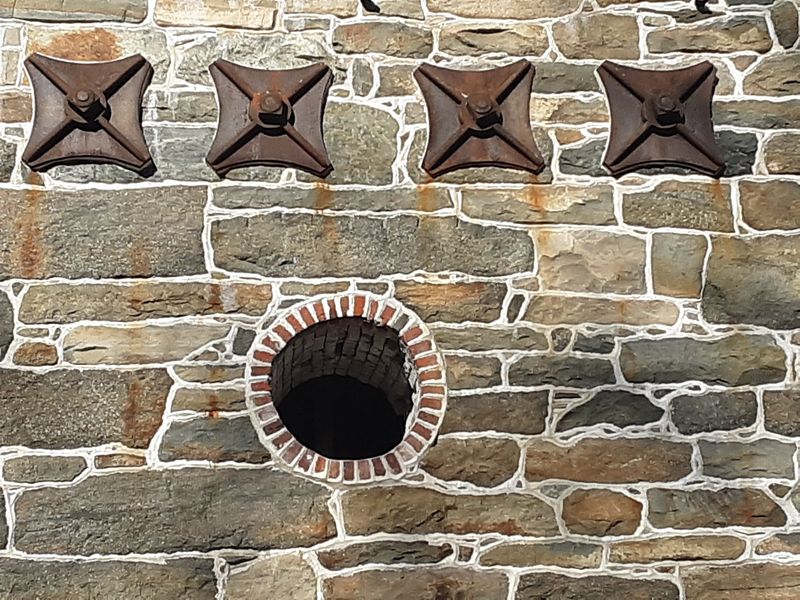
Technology gives the story a turn beyond the founding year. The supplied historical account identifies Oxford Furnace with early hot blast technology in the early 1800s.
For readers who do not spend weekends studying iron production, the term need not become a hurdle. The important takeaway is that the furnace’s history included technological change, rather than one unchanged method across its entire working life.
That makes the site useful for thinking about industry as an ongoing process. A place established in 1741 could remain part of later developments, connecting an early operation with a new chapter in production.
The technical detail also adds variety to a visit centered on a single landmark. There is a founding story, a town-building story, and a technology story to consider.
Oxford’s interest comes partly from how those subjects meet at the same address, without needing a separate attraction for each one.
A Working Life Through 1884
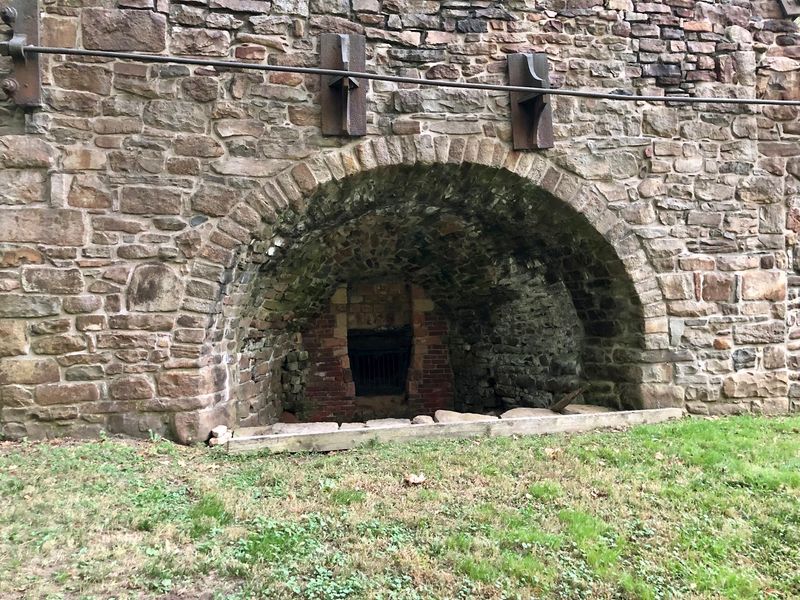
More than a century separates the furnace’s construction from the end of its operation. The supplied account places its working life between 1741 and 1884, when serious damage to an inner wall brought production to a close.
That span matters because it keeps the story from becoming a single moment frozen around the founding date. Oxford’s furnace remained part of local industrial activity across many decades.
The end date provides another useful boundary for understanding the landmark. Its importance today rests on the history of a former working operation, not on a promise of current production demonstrations.
Hold both dates together when considering the site: one marks the beginning, while the other defines the length of its working chapter. Between them lies the stronger story of continued activity and change.
The furnace’s age is notable, but its lengthy role in the town is equally worth attention.
The Structure as the Main Attraction
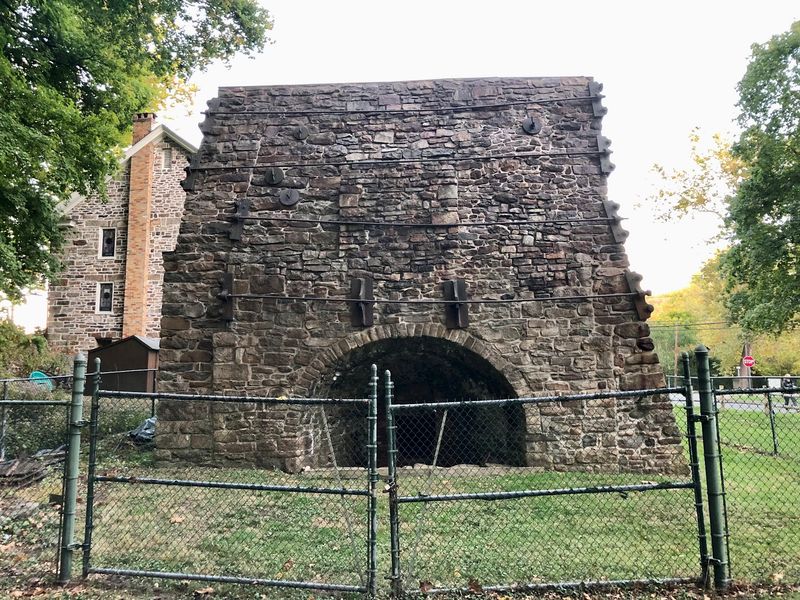
The landmark itself carries the outing, so expectations matter. Available descriptions emphasize an old building and its history rather than a long program of activities.
That makes a difference when planning the day. The supplied information does not establish exhibits, demonstrations, guided tours, or access inside the structure, so none should be treated as part of the experience.
Instead, give the existing furnace attention as the subject of the stop. Its connection to early ironmaking, later technology, and town development provides several ways to think about the same place.
There is also room for photography as an interest, since the supplied accounts include discovering the landmark while seeking photographic subjects. Any photographs should reflect the access available at the time.
The strongest reason to come remains straightforward: an interest in an actual historic structure and the industrial story attached to it, without extra attractions doing the explaining.
A Stop for Curious History Fans
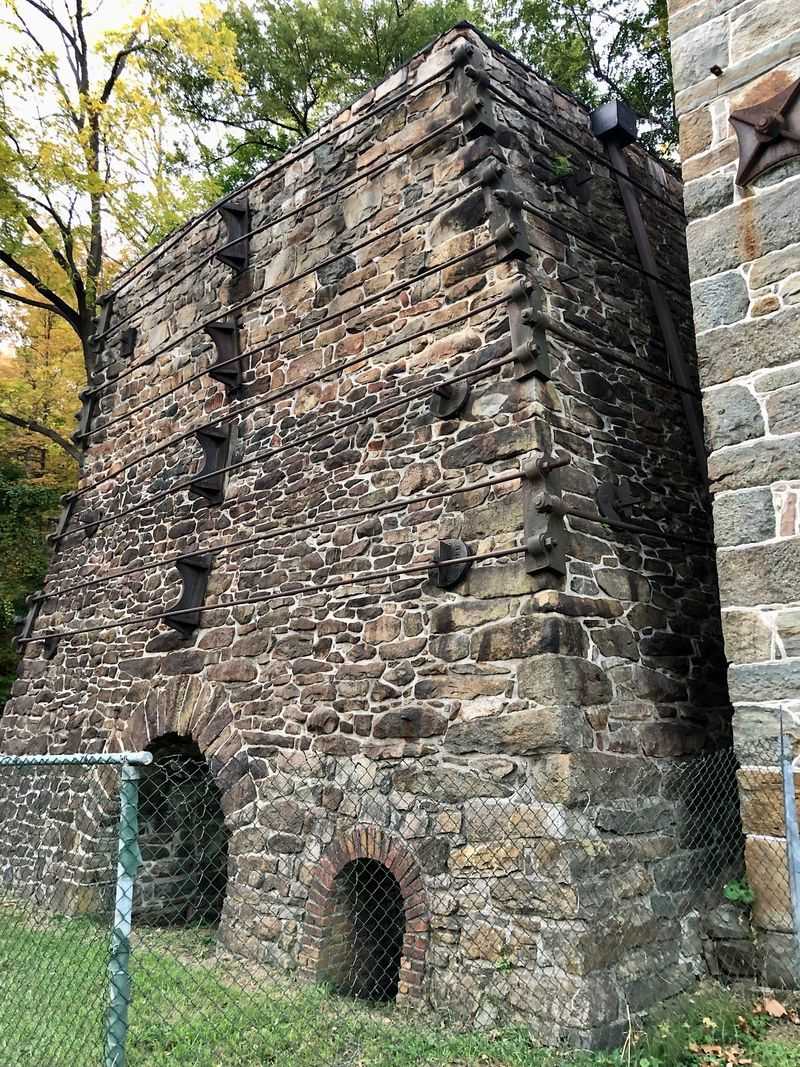
Curiosity will do more for this outing than a packed activity list. The site is best approached as a local-history stop, especially by people interested in how a town’s work shaped its development.
A person seeking scheduled entertainment may find a different type of destination more suitable. Nothing in the supplied information establishes a program designed to occupy several hours.
History enthusiasts, meanwhile, have several clear subjects to consider: the 1741 beginning, its early position in New Jersey ironmaking, technological change, and its connections with mines and mills. Those topics give the stop purpose without adding unsupported attractions.
The appeal is specific rather than universal, and that is useful to know before setting out. Choose it because the subject interests you, not because age alone guarantees a full day.
A focused outing can be worthwhile when the destination and the expectations agree from the start.
Hours and Admission to Confirm
A little advance checking belongs on the itinerary. The supplied information includes a website, njskylands.com/hsoxfordfurnace, but does not provide confirmed opening hours or an admission charge.
That means neither free entry nor unrestricted access should be assumed. A historical-landmark listing identifies the place, but it does not establish when particular areas are available to the public.
Consult the listed resource before traveling and seek current access details if the information there is incomplete. Special arrangements, guided activities, and interior entry are also unconfirmed in the material provided.
This is practical caution rather than a reason to dismiss the stop. A brief check can help keep the plan realistic and prevent an outing from depending on facilities or activities that have not been established.
Let verified access information set the schedule, then give the history your attention once the practical questions have clear answers.
Directions Without Guesswork
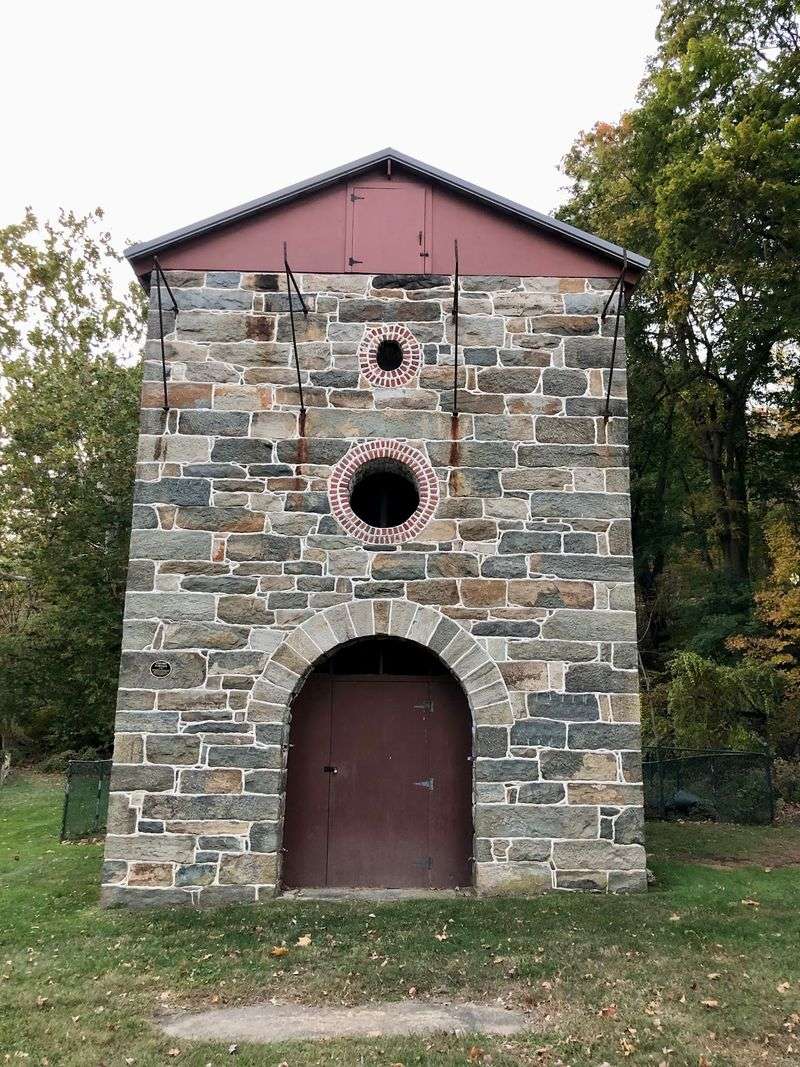
Use the full address in the opening section as the destination when planning your route. It identifies the furnace precisely without requiring assumptions about nearby attractions or a larger historic district.
The supplied material does not confirm parking arrangements, public transportation connections, restrooms, or step-free access. Anyone whose plans depend on those details should establish them separately before departure.
A flexible schedule is sensible because there is no verified visit duration. The historical content supports a focused stop, but the available information does not justify promising either a quick appointment or several hours of activities.
Keep the travel plan centered on what is known: one historical landmark with a clear street address and a substantial industrial story. Directions can get you to the destination, while a little practical checking helps determine how comfortably it fits your day.
Avoid building the trip around amenities that have not been confirmed.
A Small Stop With Substantial Context
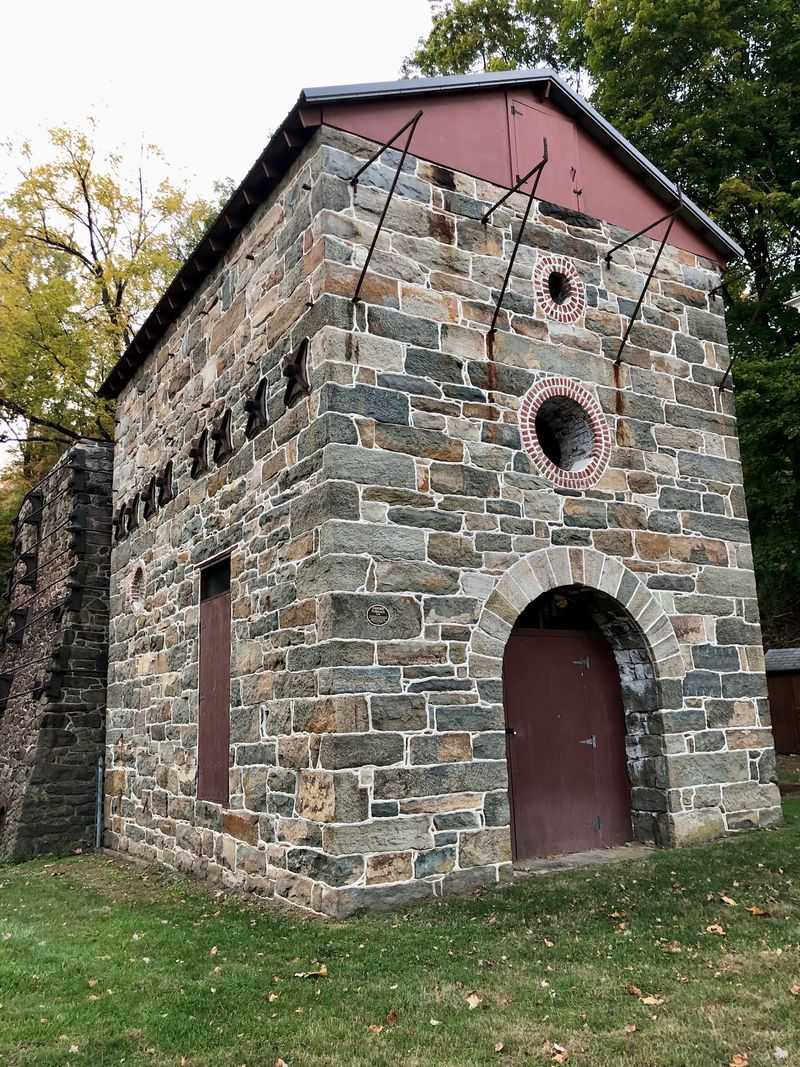
One furnace cannot explain every chapter of a town, but it can provide a strong beginning. Here, the connection between a historic structure and the community around it is the central reason to make the trip.
The clearest facts are enough to support that interest: construction in 1741, an early place in the state’s iron industry, links with mines and mills, and operation through 1884. Together, they offer more substance than age alone.
The title’s industrial ambition is best understood through those connections, not as a claim that a national ranking has been established. Oxford’s importance in this account rests on the furnace’s role in local development.
Come for a focused encounter with that history, with access details checked and expectations kept sensible. The reward is a clearer understanding of how one working site helped organize a town, and why its story still deserves a place on a New Jersey itinerary.
Share this story