An ordinary government building might not lead the day-trip wish list, but New Jersey has one that rewards a little curiosity. Behind its official purpose is a guided outing filled with state history, architecture, and explanations that make government easier to understand.
The real discovery starts with planning ahead, because this is not a place to simply arrive and wander.
A State Government Address With More to Explore

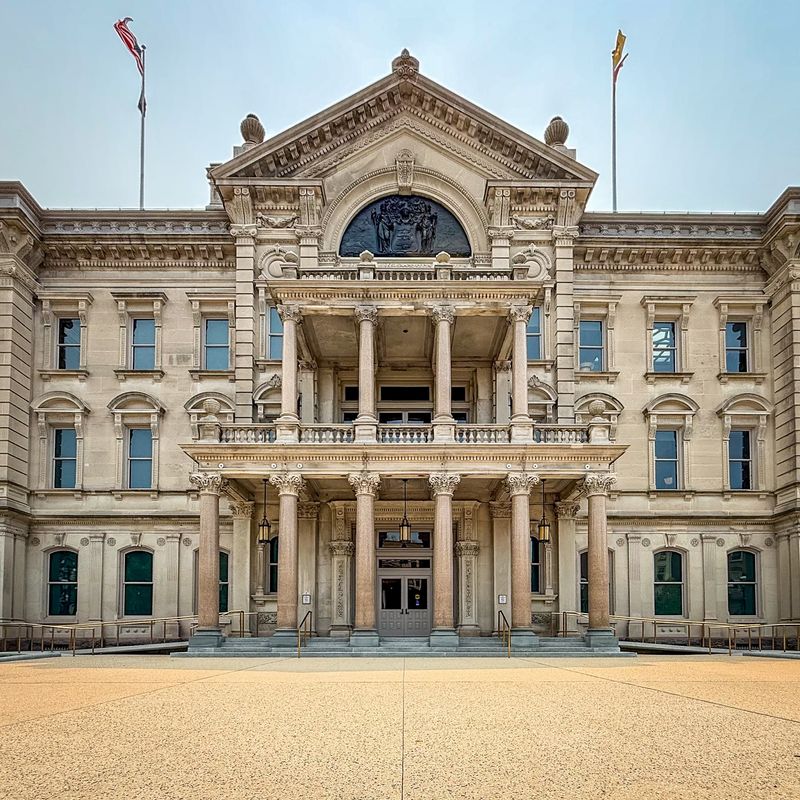
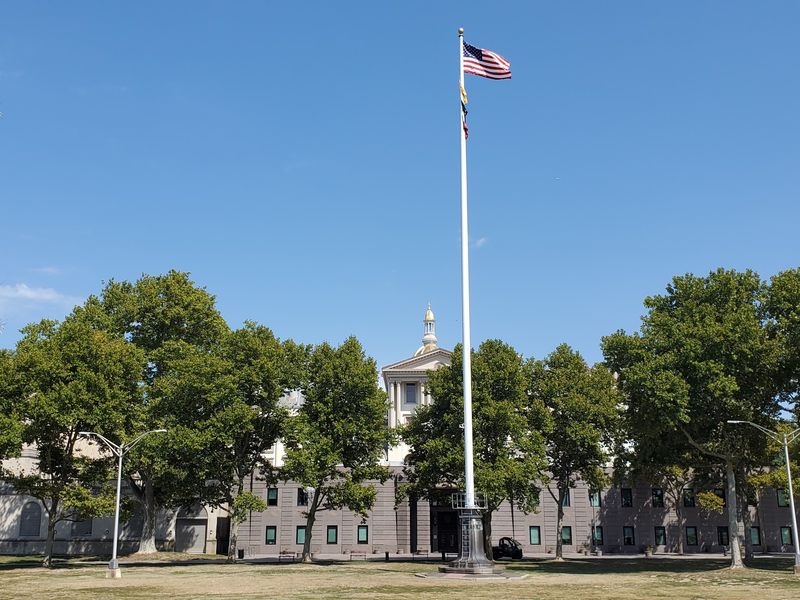
A government address can hold more than paperwork. The New Jersey State House, at 125 W State St, Trenton, NJ 08608, United States, offers scheduled guided tours that connect its public role with its history and architecture.
The building is a working state government office, so the experience differs from an attraction designed for unrestricted wandering. Entry for a tour requires advance arrangements rather than a casual decision at the door.
That distinction helps set the right expectations early. The purpose is not simply to enter an impressive building, but to understand something about the state and the work associated with this address.
For local residents, the appeal is especially direct: a familiar institution becomes a place to learn about their own government. Day-trippers get a focused introduction to New Jersey without needing an entire vacation itinerary.
Start with a reservation, and let the building supply the subject matter.
State History With a Human Guide
Dates alone rarely explain why a public building matters. A guided tour here adds context by connecting the State House with New Jersey history, its legacy, and its continuing government role.
The historical material is a central part of the experience, not an optional detail saved for the end. Tour accounts describe explanations of both past and current state history, giving the outing a broader purpose than an architectural walk.
No advance expertise is needed to find a useful starting point. The guide supplies the framework, while the building gives those explanations a specific setting.
A productive approach is to arrive with one subject in mind, such as how the institution connects to the state today. Ask what the tour can explain rather than expecting every period to receive equal attention.
The reward is a clearer introduction to local history, with room for further curiosity after the scheduled visit ends.
Architecture Beyond the Headline Feature
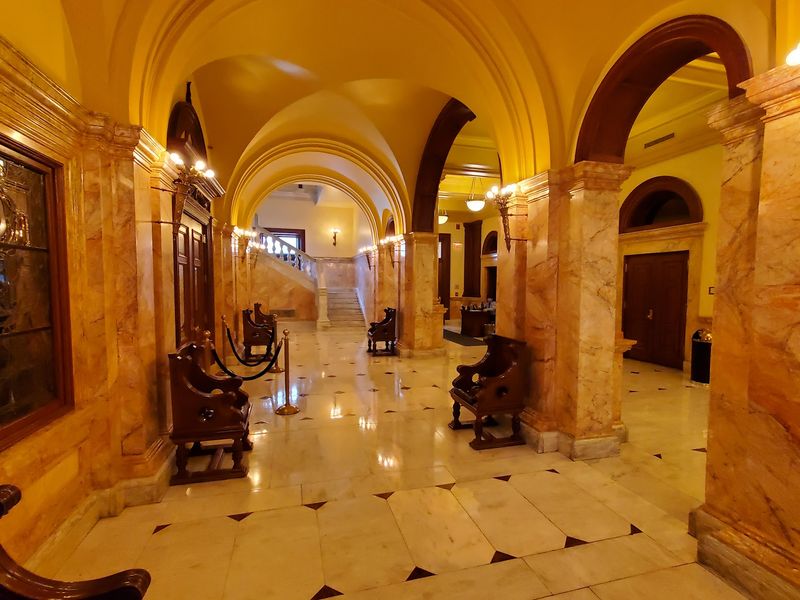
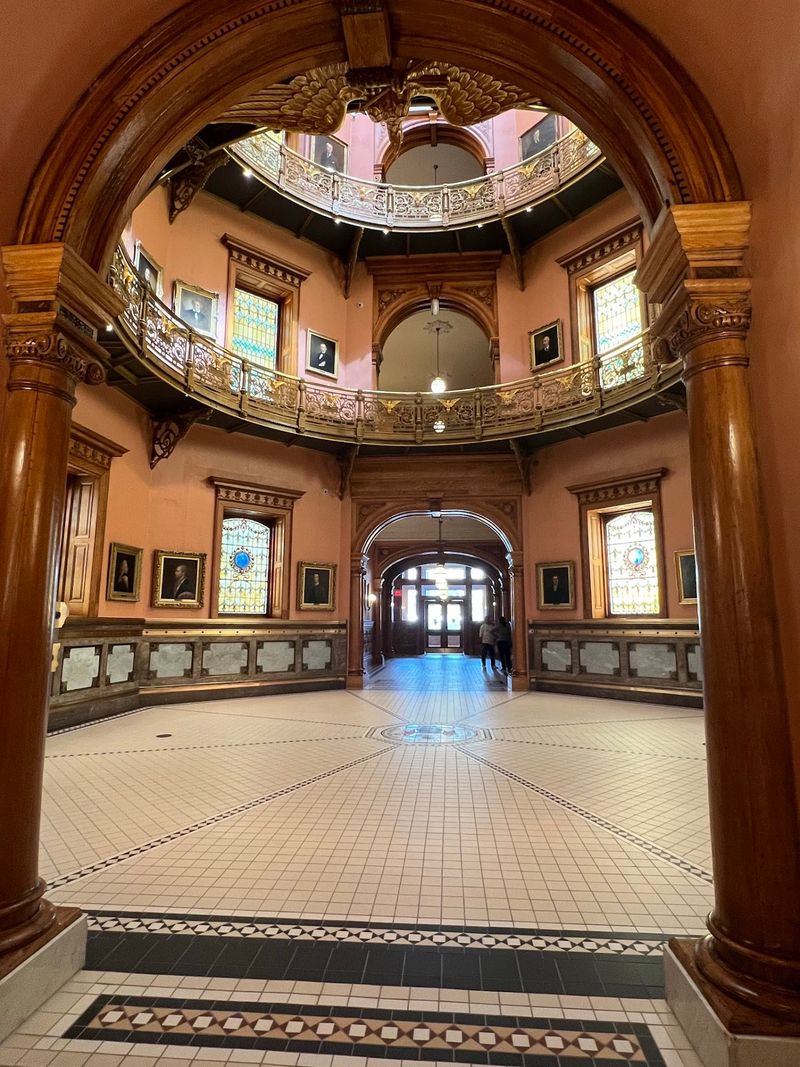
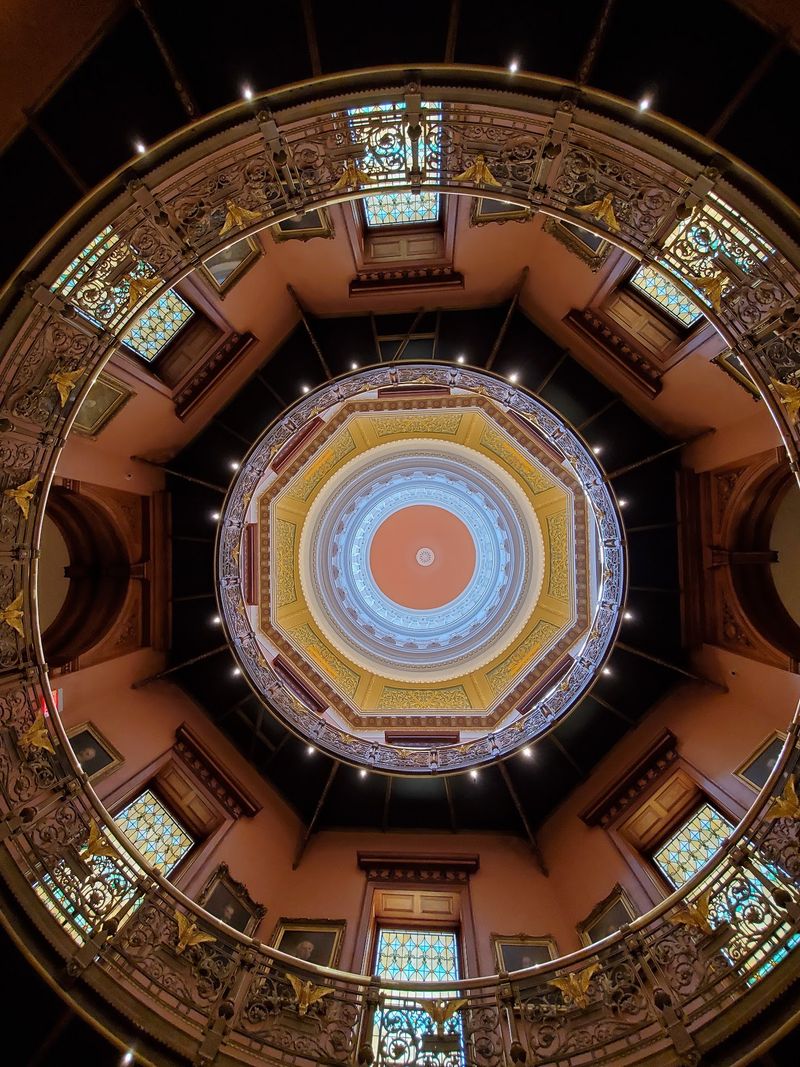
Architecture earns its own attention on this tour. The building’s details are part of the guided explanation, giving participants something more useful than a quick appreciation of an important government address.
Rather than treating the interior as a backdrop, the tour brings architecture into the story. That makes it especially appealing to people who enjoy understanding buildings but do not arrive with a specialist’s vocabulary.
A guide can help keep the visit focused on details included along the permitted route. Access should not be confused with permission to explore every room, and no particular interior stop should be assumed before booking.
For an architecture-minded outing, ask what the scheduled tour currently includes. That simple question avoids building expectations around photographs or older accounts.
The strongest reason to go is the chance to connect the building’s design with an explanation, not merely collect another exterior photograph before heading to the next stop.
Civics Without the Homework
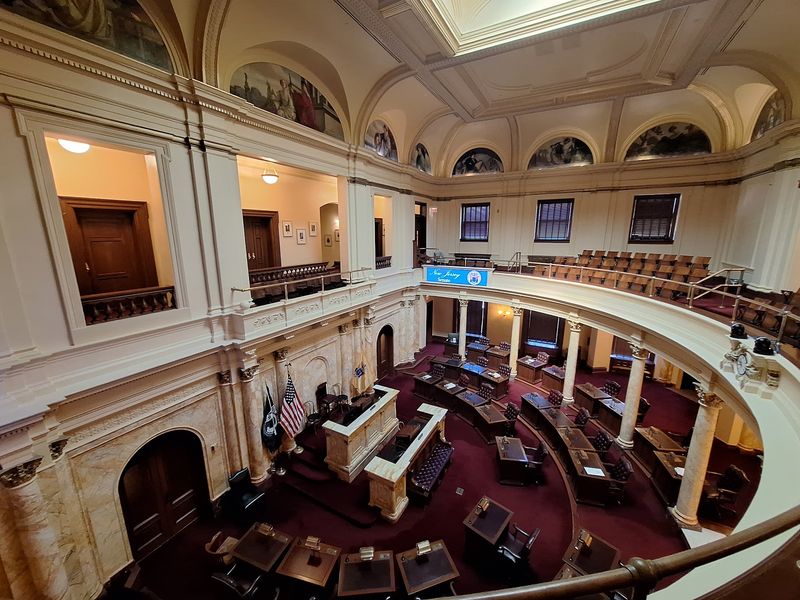
Government becomes easier to follow when someone explains it in context. The guided experience covers New Jersey government alongside the building’s history and architecture, giving the visit a practical educational purpose.
That combination suits adults whose school civics lessons need refreshing as well as younger learners meeting these ideas for the first time. There is no need to pretend that everyone arrives remembering how state government works.
The most useful preparation is simple: bring a genuine question. Ask about a subject covered during the tour rather than assuming that every government topic will fit into one appointment.
Keep expectations focused on an introduction, not a complete course. Around an hour was reported for one tour, which gives a helpful planning reference without establishing a fixed duration.
A short guided visit can provide a starting point for learning, especially when the explanation is tied to the place where public business happens.
An Approachable Outing for Curious Families
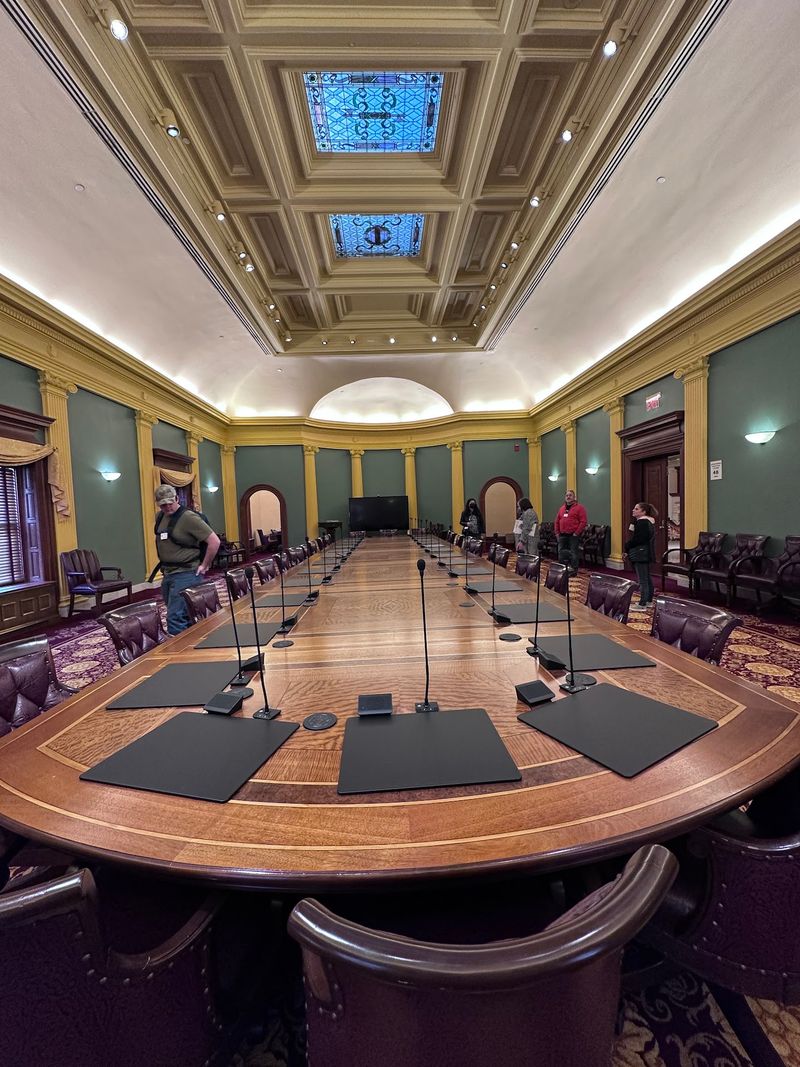
A serious public setting does not require a stiff presentation. Accounts of the guided experience describe knowledgeable guides, friendly staff, local humor, and patience with energetic children.
Those qualities make the outing worth considering for families who want an educational stop without expecting a formal classroom session. They also give adults a reason to ask questions instead of worrying about sounding unprepared.
The walking commitment may be manageable for some groups. One account describes less walking than at other state capitols, although that comparison should not replace a direct conversation about the current route and individual needs.
Children who enjoy explanations may get more from the visit than those expecting independent exploration. A little preparation helps: explain that the group follows a guide and enters by appointment.
The best fit is a curious group comfortable with a structured outing, where questions and attention matter more than covering lots of ground.
Accessibility That Benefits From Advance Planning
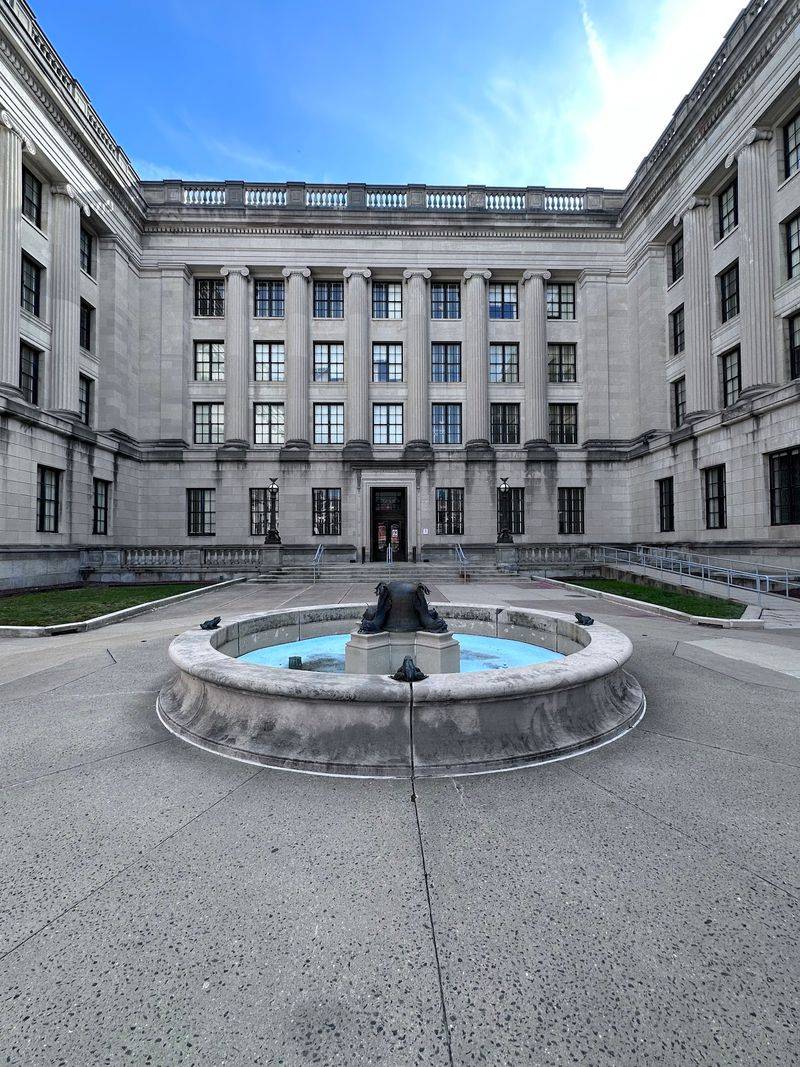
Access questions deserve attention before the reservation is complete. The supplied information identifies a ramp and power-assisted doors at the Annex entrance on West State Street, plus power-assisted doors at the Welcome Center.
Marked accessible parking spaces are reported in the Capitol Complex Parking Garage and on the south side of West State Street. Confirm the appropriate entrance and route when arranging the tour.
Public galleries are described as not wheelchair accessible. Chamber-floor access may be possible for wheelchair users when representatives are not in session, but that accommodation needs an advance request and should not be assumed.
Adapted tours for people who are blind or have low vision, and for people with developmental disabilities, are reported as available through advance registration. Sign language interpreters require at least five days of notice.
Discuss specific needs directly during booking so the arrangements match the person, rather than relying on a general access description.
Reservations Before the Front Door
The most important detail is settled before departure: book the tour ahead of time. The supplied accounts consistently describe scheduled entry and no self-guided touring, so an open building does not mean unrestricted access.
Guided tours are described as free. That makes the outing appealing for a modest day-trip budget, but a free tour still requires planning and confirmation.
Photo identification, such as a passport or driver’s license, is listed as required for entry. Confirm identification rules for everyone in the party, particularly children, when arranging the appointment.
Security procedures are also part of arrival, so leave room in the plan for entry rather than aiming to reach the door at the exact starting minute. The official New Jersey Legislature website, https://njleg.state.nj.us/, is the place to check current arrangements.
A confirmed appointment is far more useful than an assumption based on ordinary office hours or someone else’s past experience.
Weekday Hours and Parking Details
Weekdays are the starting point for a realistic plan. Listed office hours are Monday through Friday, 9 a.m. to 5 p.m., with Saturday and Sunday marked closed.
Those hours are not a published tour timetable. Confirm the actual appointment options rather than assuming a tour starts whenever the building is open.
Free parking is reported at the Capitol Complex Parking Garage, and reserved parking is mentioned in the supplied accounts. Ask which spaces are available for the scheduled visit and where the group should enter afterward.
A late-afternoon arrival without a booking is a poor strategy. The supplied experience includes unsuccessful entry before the listed closing time, underlining the difference between office hours and tour access.
Confirm the arrival instructions before setting out, keep the reservation details handy, and avoid making the final hour of the workday the foundation of the plan. Here, a little scheduling prevents a wasted journey.
A Worthwhile Stop With a Small Planning Catch
A capitol booklet adds one more reason to prepare. Dated stamps are mentioned in the supplied information, but access to a stamp should be confirmed rather than treated as guaranteed throughout office hours.
Ask about availability when booking, especially if collecting one is a major reason for the trip. An unsuccessful late arrival in the supplied accounts shows why a stamp-only stop should not be left to chance.
The broader appeal is stronger than a souvenir, though. A free guided outing combines state history, architectural explanation, and an introduction to government in one working public building.
For New Jersey residents and nearby day-trippers, that makes a solid case for setting aside time. The catch is straightforward: reserve first, clarify access needs, and follow the arrival instructions.
With those pieces settled, the State House offers a focused way to learn more about a place whose official role is familiar but whose story may not be.
Share this story