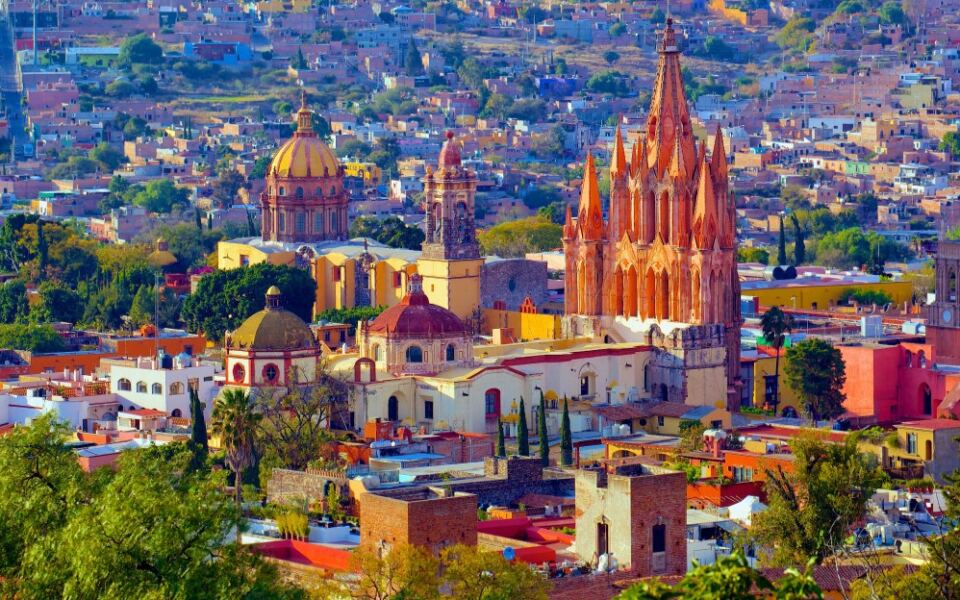
Pink stone towers that look like they belong in a storybook rise above a leafy plaza high in the Mexican mountains. Travelers have voted this small town the best city in the world in a major readers’ poll, and it did so three years in a row.
The streets are cobblestone, the churches are centuries old, and the art is everywhere. Here is a look at what makes San Miguel de Allende so special.
The Pink Towers That Steal the Skyline
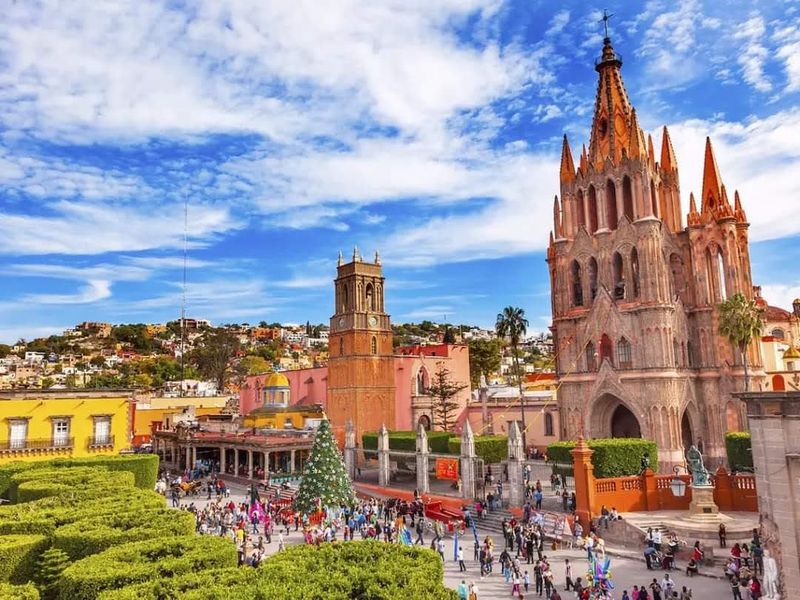
Look up from almost anywhere in the center, and you will spot them. The pink spires of the Parroquia de San Miguel Arcangel rise over the main plaza like a pair of sharpened pencils.
The church has a neo-Gothic look, which is unusual in a town full of baroque buildings. Its rosy stone seems to change color through the day, glowing soft peach in the morning and deeper rose near sunset.
I suggest arriving early, before the crowds fill the square. The light is gentle then, and photos come out beautifully.
Step inside afterward to see the quiet interior and cool air. It is a nice break from the sun.
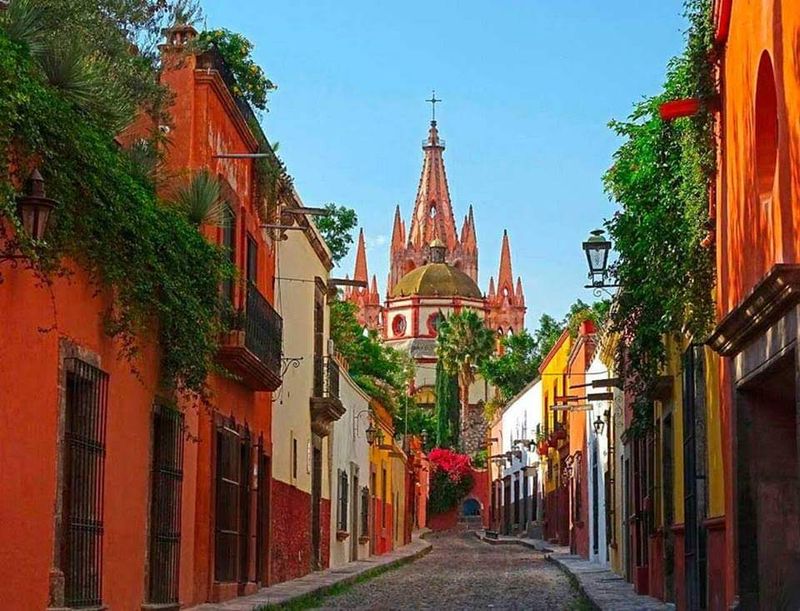
Keep your camera ready, because the best angles are often from the side streets nearby, where the towers peek between rooftops.
A Town Voted Best in the World
Here is the headline that put this place on the map for many travelers. Readers of a well-known travel magazine voted San Miguel de Allende the best city in the world three years in a row.
That is a big honor for a town in Mexico’s central highlands that feels more like a village. It sits in the state of Guanajuato, and its historic center is a protected World Heritage site.
So what do voters love? Many point to the walkable streets, the old architecture, and the creative spirit that fills every corner.
As you read on, you will see how each piece fits together. I found that the title makes more sense once you wander the cobblestones yourself and see how easy it is to lose track of time here.
Cobblestone Streets Made for Wandering
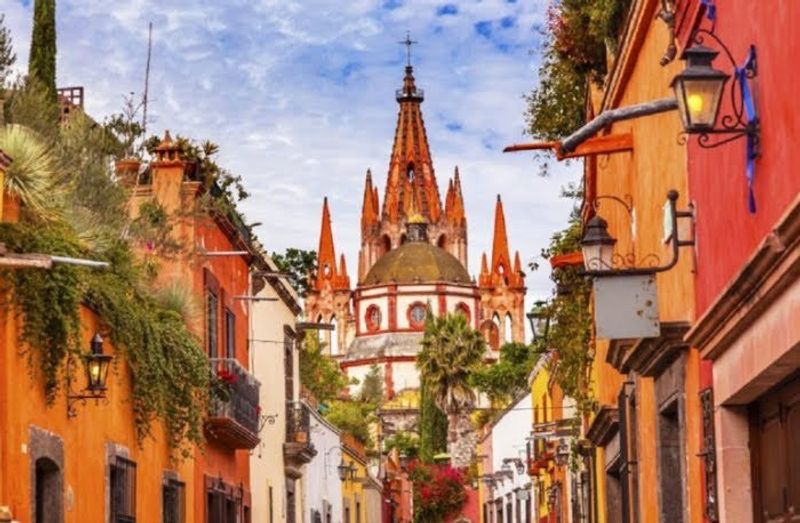
Comfortable shoes matter more than any other item in your suitcase. The streets in the historic center are cobblestone, and many of them slope up and down.
Walls glow in warm shades of ochre, terracotta, and deep blue. Bright flowers spill over doorways, and heavy wooden doors hide courtyards you can only glimpse in passing.
I like to leave the map in my pocket for a few hours. Every turn brings a new view, and the center is small enough that you will not get far from the main plaza.
Evenings are especially pleasant, when lamps come on and the stone turns golden. Bring a light jacket too, since the highland air can cool off quickly after the sun goes down.
El Jardin, the Heart of Town Life
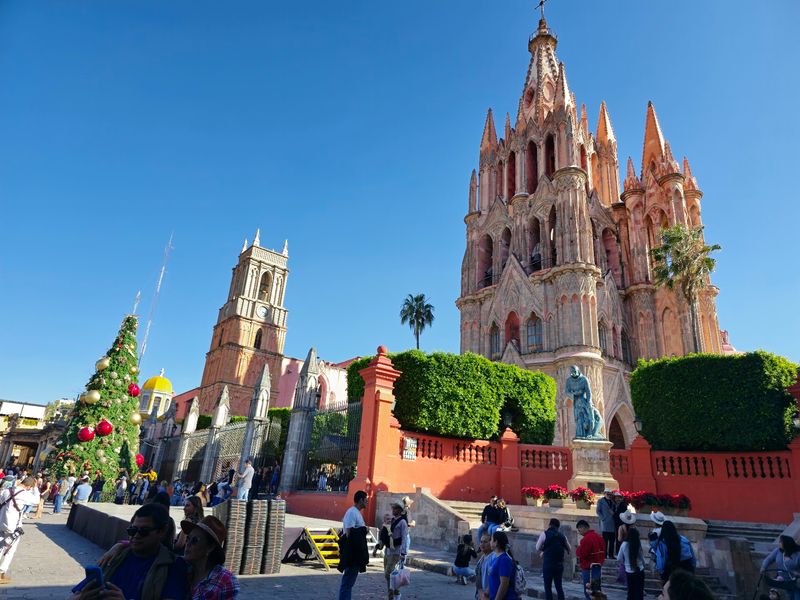
Everything seems to circle back to the main square. El Jardin is shaded by neatly trimmed trees and ringed with iron benches, and it is where locals and visitors cross paths all day.
Vendors sell balloons, snacks, and handmade crafts around its edges. Musicians often play nearby, and families gather in the late afternoon.
I grabbed a bench and simply watched for a while. It is one of the best free activities in town, and it gives you a feel for the daily rhythm.
Arcaded buildings surround the plaza, with shops and cafes under their covered walkways. Sit here once at midday and again at dusk.
The mood shifts from lively to relaxed, and both versions are worth seeing.
Baroque Architecture and a Carved Facade
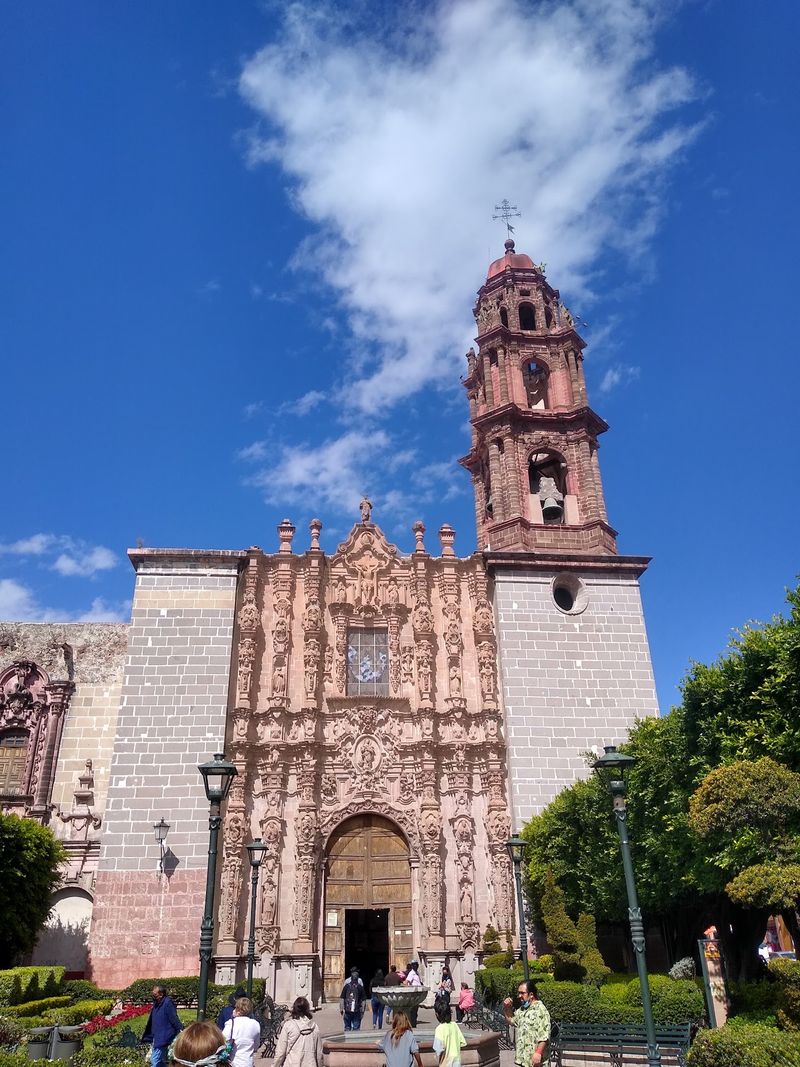
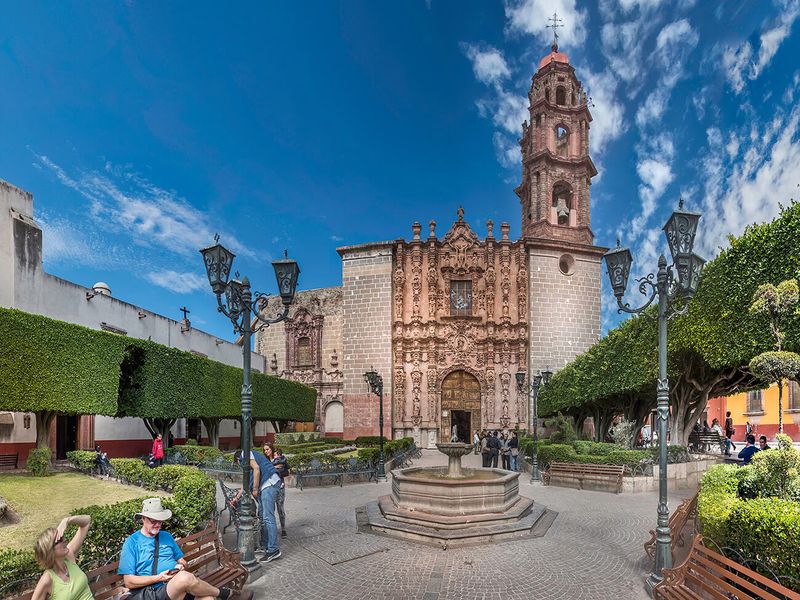
Just a short walk from the plaza, the Templo de San Francisco shows off a different style. Its 18th-century churrigueresque facade is packed with carved stone details.
Churrigueresque is a lavish form of Spanish baroque, and you can see why. Columns, curves, and decorative figures crowd the front of the church.
I stood across the small plaza for a long time, noticing new details with each glance. The facade looks best when sunlight hits it from the side, which brings out the depth of the carving.
Compare it with the pink parish church, and you get a quick lesson in how many building styles share one small downtown. Pair the visit with a stroll through the nearby streets, where more colonial buildings wait around every corner.
A Thriving Arts Scene
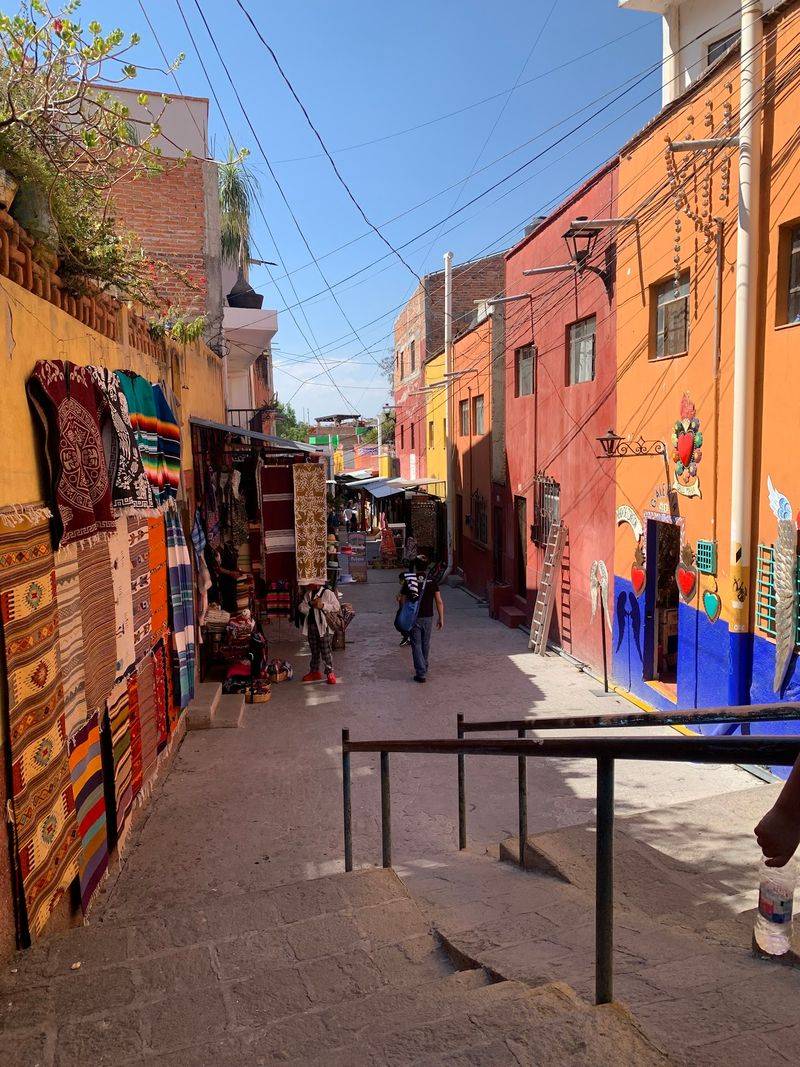
Artists have shaped this town for decades, and you can feel it in the galleries tucked into old courtyards. Paintings, ceramics, textiles, and jewelry fill rooms behind heavy wooden doors.
Many shops showcase work by local makers, so you can often see the craft up close. Browsing is half the fun, even if you do not buy anything.
I found that the best galleries are the ones you stumble upon by accident. A small sign, an open door, and suddenly you are inside a quiet courtyard full of color.
Give yourself an afternoon for this. Wander without a plan, ask about the materials, and take your time.
The creative energy here is part of why so many travelers return again and again.
Festivals That Fill the Calendar
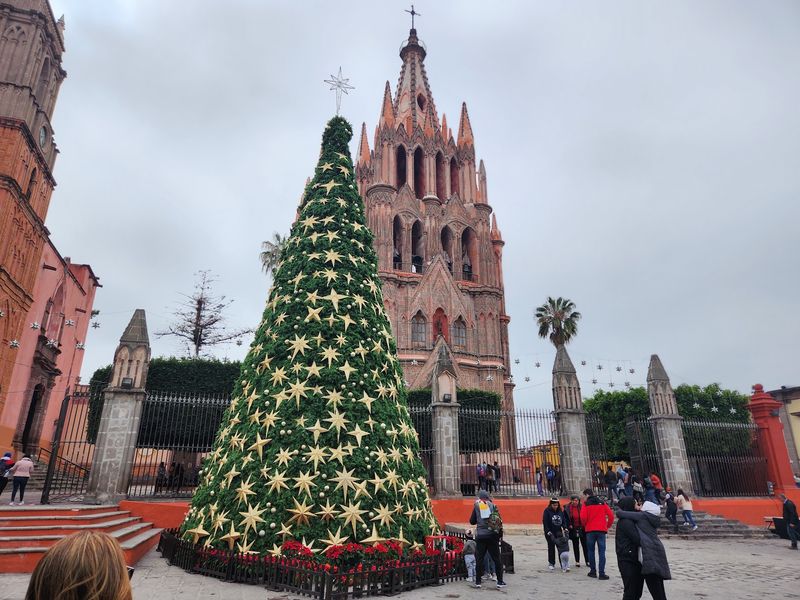
Cultural festivals are a big reason this town stays lively all year. Streets fill with music, color, and celebration, and the historic center becomes a stage.
Many events tie into local traditions and religious holidays, so the mood feels rooted in the community rather than staged for tourists. Banners and decorations often line the plaza.
If you can, check the local calendar before booking a trip. Timing your visit around a festival adds a layer of energy that is hard to match on an ordinary weekday.
Keep in mind that busy event days mean larger crowds and fuller hotels. Reserve a place to stay early, arrive with patience, and enjoy the parade of sounds and sights as they fill the old streets.
Colonial History Written in Stone
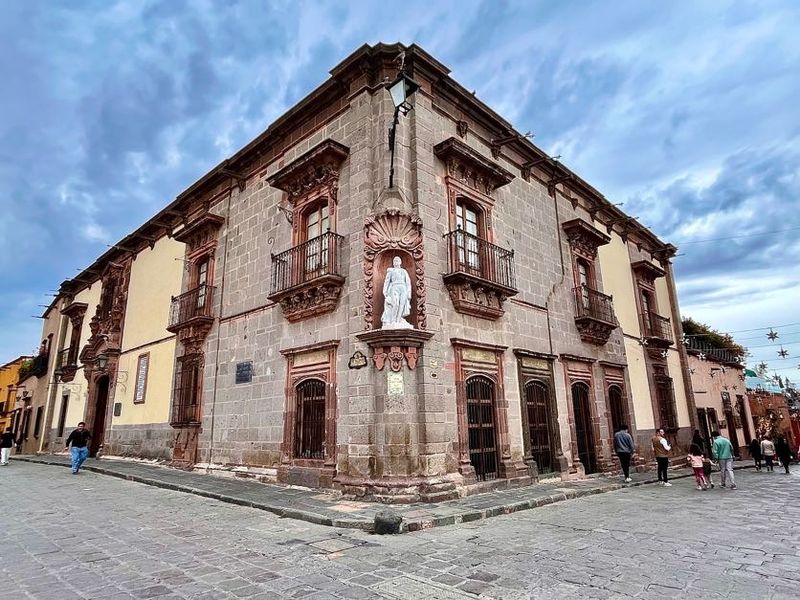
History here is not tucked away in a museum. It is built right into the walls you pass on the way to breakfast.
The city grew up in the colonial era, and the historic center keeps that look. Thick stone walls, arched doorways, and tiled courtyards remain from those centuries.
San Miguel de Allende’s old center is recognized as a UNESCO World Heritage site, which helps explain why it looks so well preserved. Strict care for the old buildings keeps the character intact.
Take a slow walk and read the details. Notice the iron balconies, carved doorframes, and worn steps.
A guided walking tour can add stories behind the buildings, and it is a great way to spend a morning.
Rooftop Views Over the Highlands
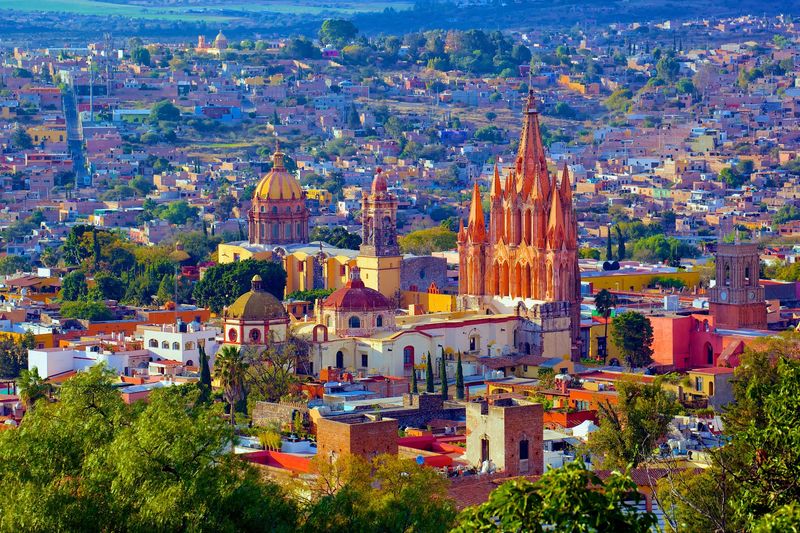
To really understand the layout of town, climb higher. Rooftop terraces give you a sweeping look at domes, spires, and red-tiled roofs spreading across the hillside.
Sunset is the prime time. The sky turns orange and pink, and the parish towers glow against it.
I made a point of finding a terrace on my first evening. It helped me spot landmarks I wanted to visit later, and the cool highland breeze was a bonus.
Many hotels and restaurants have open-air rooftops, so look for one when planning your day. Arrive a little early to claim a good view.
Bring a camera, and keep a sweater handy for when the temperature drops.
Practical Tips for Your First Visit
A few simple choices can make your trip smoother. Start with footwear, since sturdy, flat shoes handle cobblestones far better than sandals or heels.
The town sits in Mexico’s central highlands, so the sun can feel strong while evenings run cool. Layers, sunscreen, and a refillable bottle are smart to pack.
The historic center is compact, which means most main sights are within walking distance of each other. Stay close to the plaza if you want to skip taxis.
Mornings are calmer for exploring, while afternoons are great for relaxing in a courtyard or cafe. Plan one big sight per day and leave room to wander.
That pace is where this town truly shines, and it is the secret to enjoying it fully.
Share this story