Some people from thousands of years ago still shape how we live. The calendar on your wall, the laws we debate, and the ideas taught in schools all trace back to ancient rulers and thinkers.
This list brings together kings, queens, emperors, and one famous teacher whose choices echoed across centuries. Some built giant empires, some wrote laws in stone, and some changed minds without ever wearing a crown.
Each story shows how one person can leave a mark that lasts far longer than a single lifetime.
Julius Caesar
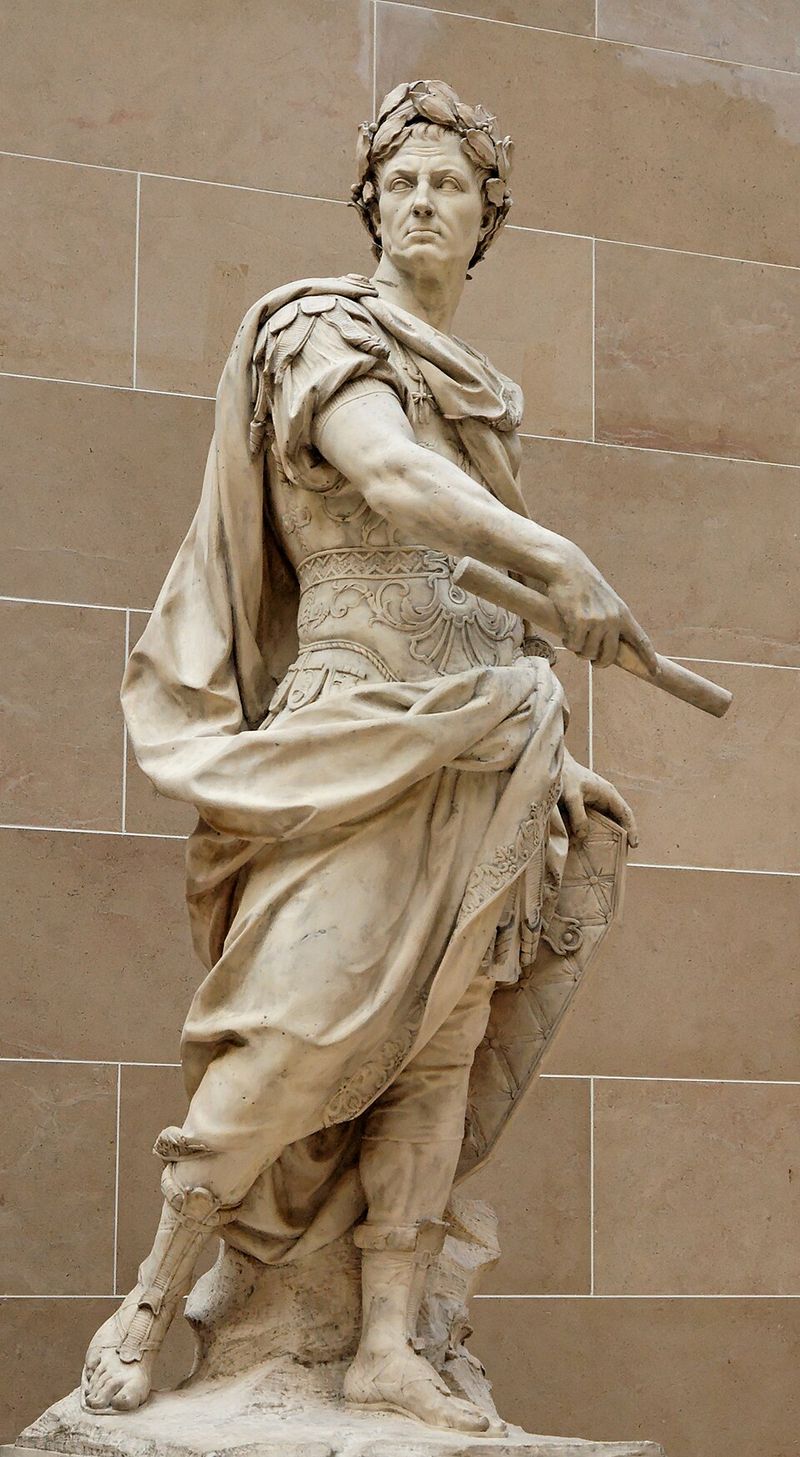
Ever wonder why a year has twelve months and a leap day? Thank Julius Caesar.
His Julian calendar guided timekeeping for centuries.
Caesar was a sharp military commander who conquered Gaul and rose to enormous power in the Roman Republic. In 49 BCE he crossed the Rubicon River, which set off a civil war that left him in charge of Rome.
That much power worried many senators. They feared the end of republican government, and his rule challenged Rome’s old political habits.
His assassination in 44 BCE did not bring the old system back. Instead it started another stretch of conflict, and that conflict eventually led to the Roman Empire.
One leader’s bold moves, and the reaction to them, reshaped a whole civilization and left reforms that people still use in some form today.
Cleopatra VII
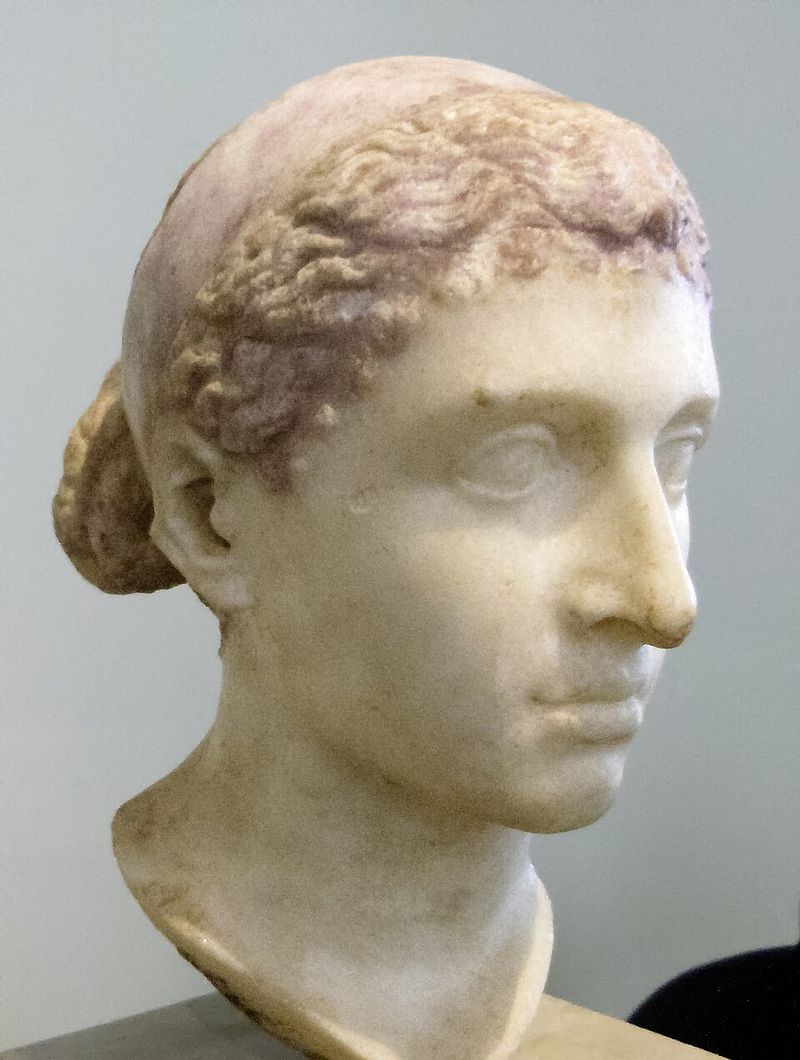
Forget the movie version for a moment. Cleopatra VII was a smart ruler who knew how to handle powerful neighbors.
She was the last active ruler of Ptolemaic Egypt and came from a Greek-speaking royal family. She was known for her education, diplomatic skill, and ability to communicate across cultures.
Her ties to Julius Caesar and Mark Antony were closely linked to her efforts to keep Egypt independent while Rome kept growing. The struggle between Antony and Octavian finally ended in defeat for her side.
After her death in 30 BCE, Egypt became a Roman province. Her reign closed the Ptolemaic dynasty, and her story remains one of the most talked about political tales from the ancient world.
Alexander the Great
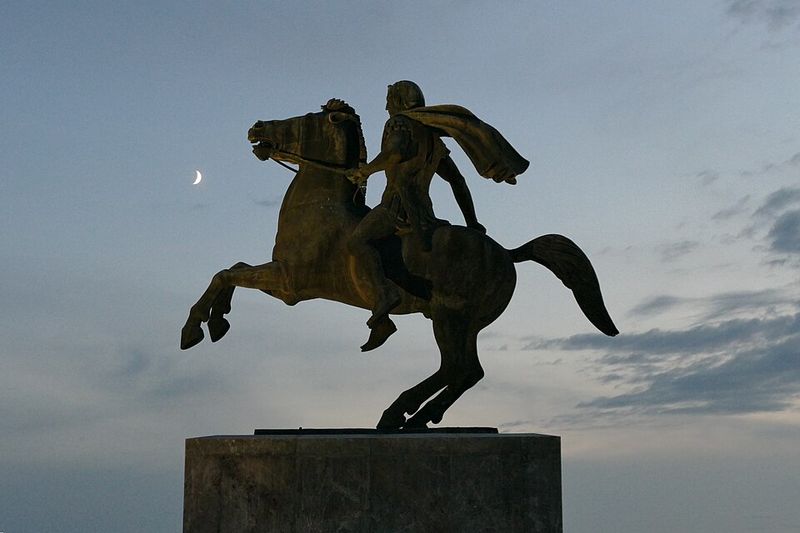
By age 33, Alexander the Great had built one of the largest empires the ancient world had seen. That is a pretty full résumé for someone who started as king of Macedonia in 336 BCE.
His armies destroyed the Persian Empire and pushed as far as northwestern India. Along the way they crossed mountains, deserts, and rivers while facing some of the strongest forces of the age.
He also founded or refounded many cities. Alexandria in Egypt became a major center of learning and trade.
His empire broke apart after he died in 323 BCE. Even so, his conquests helped spread Greek language, art, and ideas across the eastern Mediterranean and parts of Asia, creating the Hellenistic world that influenced politics, science, and culture for centuries.
Hatshepsut
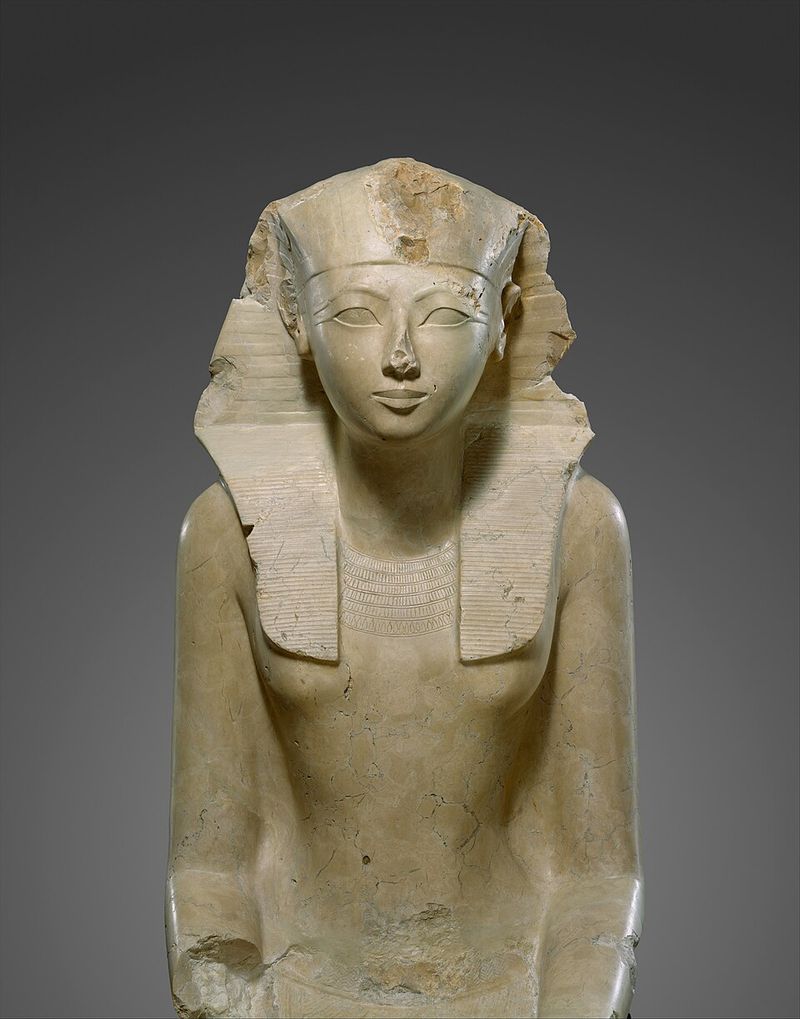
Trade ships, not battle chariots, were the highlight of Hatshepsut’s reign. She became one of ancient Egypt’s most successful female pharaohs during the 18th Dynasty.
Over time she took on the full titles and authority usually held by male kings. Instead of focusing on conquest, she put her energy into prosperity, grand building, and international trade.
Her famous expedition to Punt brought incense and other valuable goods back to Egypt. She also commissioned her mortuary temple at Deir el-Bahari near Luxor, which still stands as a showpiece.
After her death, some of her images and inscriptions were deliberately changed or erased. Still, surviving monuments keep the record of her remarkable time as ruler.
Cyrus the Great
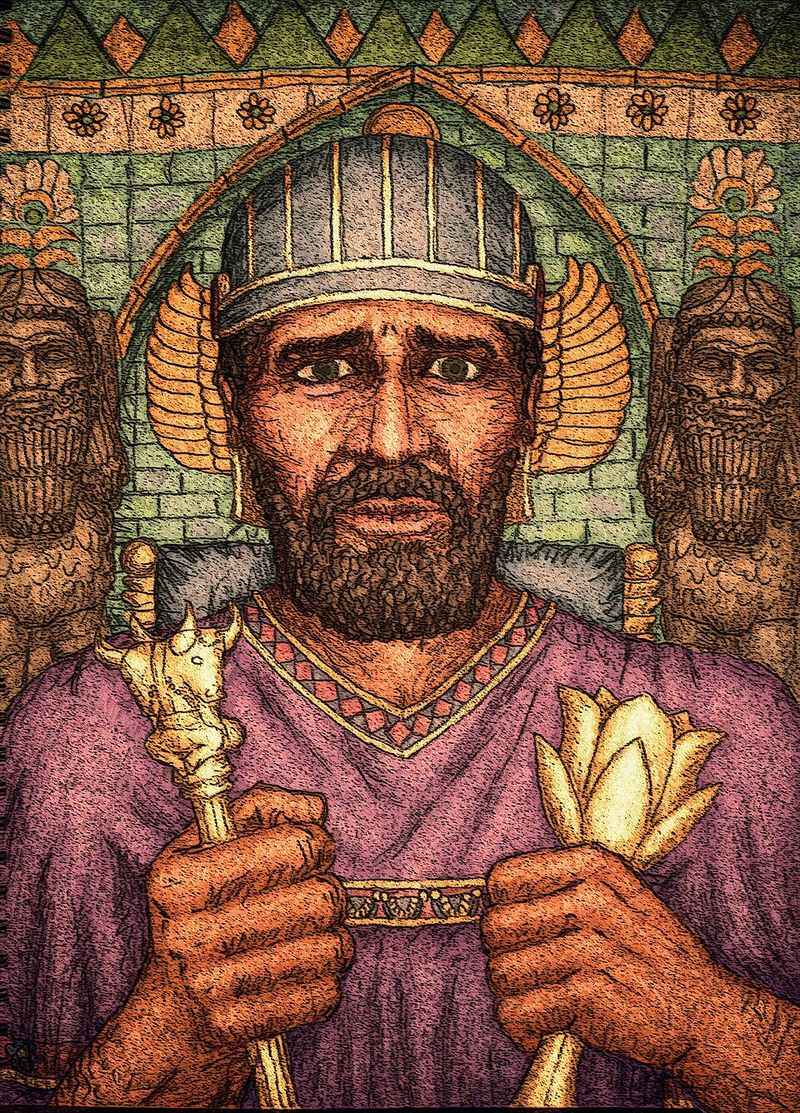
A small clay object in a museum helps tell the story of Cyrus the Great. It is called the Cyrus Cylinder, and it records parts of his conquest of Babylon.
In the sixth century BCE he founded the Achaemenid Persian Empire. He defeated the Medes, conquered Lydia, and captured Babylon in 539 BCE, then ruled lands with many languages, religions, and customs.
His rule is linked to policies that let some displaced communities return home and supported the restoration of religious institutions. The cylinder mentions temple restoration, though historians caution against calling it a modern human rights document.
It fits the political traditions of ancient Mesopotamia.
The empire he built set the stage for later Persian rulers, who expanded it into a vast administrative system.
Ramses II
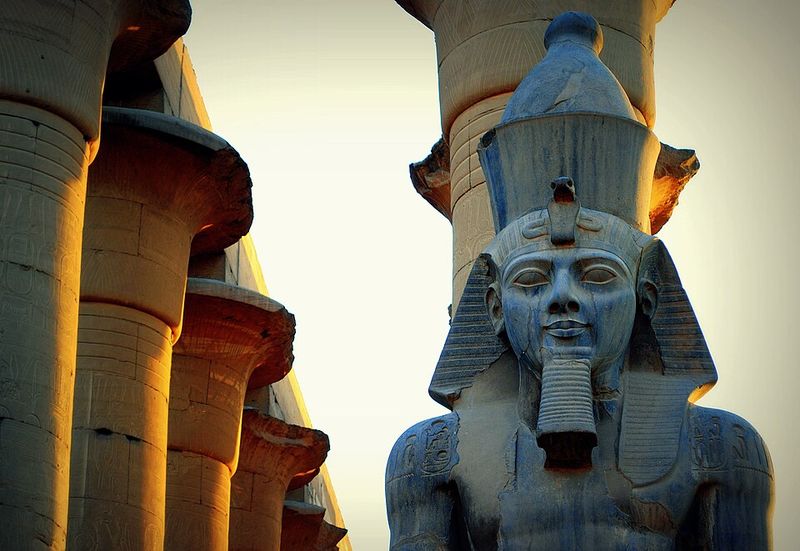
Sixty-six years on the throne is hard to beat. Ramses II ruled Egypt in the 13th century BCE and became one of its best-known pharaohs.
Often called Ramses the Great, he ordered huge temples, statues, and monuments to celebrate his authority and support Egypt’s religious traditions. The temples at Abu Simbel, with their giant seated statues of him, still wow visitors.
He also led Egyptian forces against the Hittites at the Battle of Kadesh. Egyptian inscriptions praised his achievements, though the battle did not end with a clear victory.
A later peace treaty between Egypt and the Hittites became one of the earliest surviving international peace agreements. His long reign helped shape the lasting image of Egyptian royal power.
Ashoka the Great
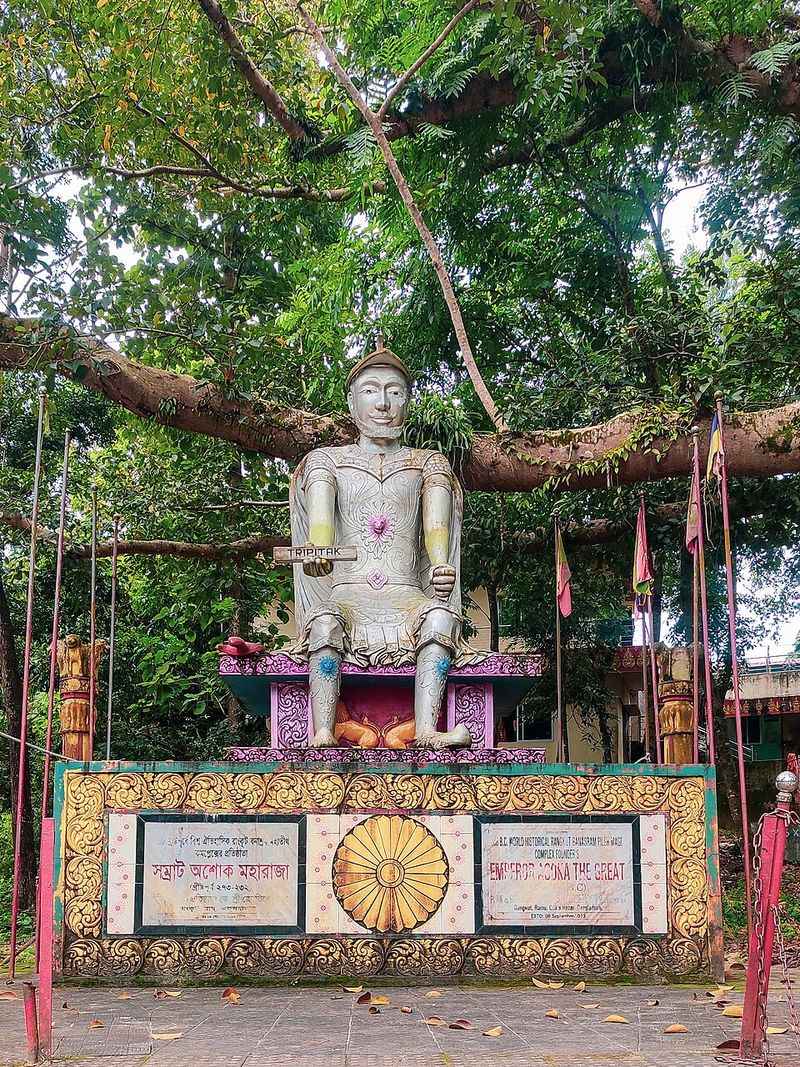
A war made Ashoka rethink everything. He ruled the Maurya Empire in the third century BCE, and his early reign included military expansion.
The conquest of Kalinga was a turning point. According to his own inscriptions, the suffering it caused troubled him deeply and pushed him toward dhamma, a moral policy built on ethical conduct, compassion, and restraint.
Ashoka supported Buddhism while also urging respect for other religious communities. He had messages about moral behavior, public welfare, and responsible government carved into rocks and pillars across his empire.
Those inscriptions remain valuable historical records today. His influence on Buddhist traditions and on political ethics reached far beyond the borders of his kingdom.
Pericles
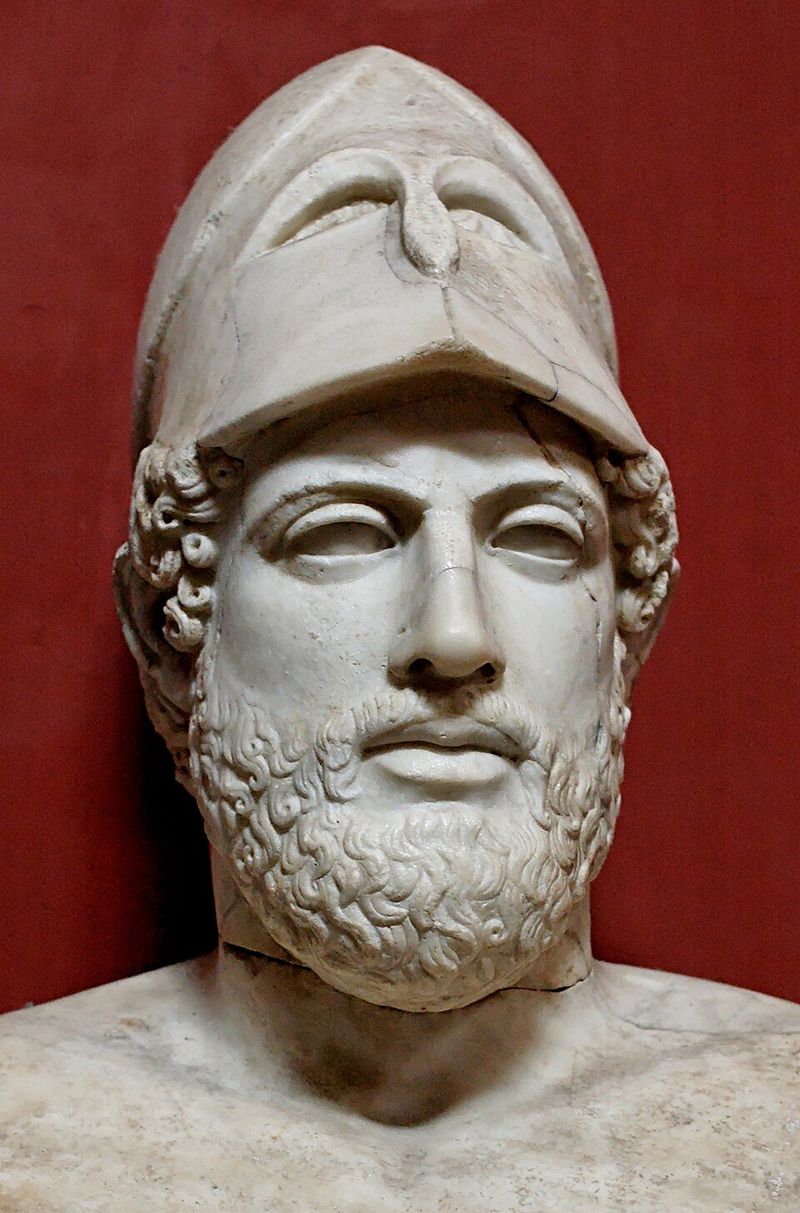
Look at the Parthenon and you are looking at part of the legacy of Pericles. He was a leading statesman during the Golden Age of Athens in the fifth century BCE.
Under his leadership, Athens grew into a powerful center of democracy, art, and learning. Civic participation expanded among eligible male citizens, and the city invested heavily in ambitious public construction, including the Acropolis building program.
The picture had gaps, though. Athenian democracy left out women, enslaved people, and foreign residents.
Pericles also backed Athens’ imperial ambitions, which added to tensions with Sparta and its allies. Despite those contradictions, his era strongly influenced later conversations about democratic government, architecture, philosophy, and civic duty.
Qin Shi Huang
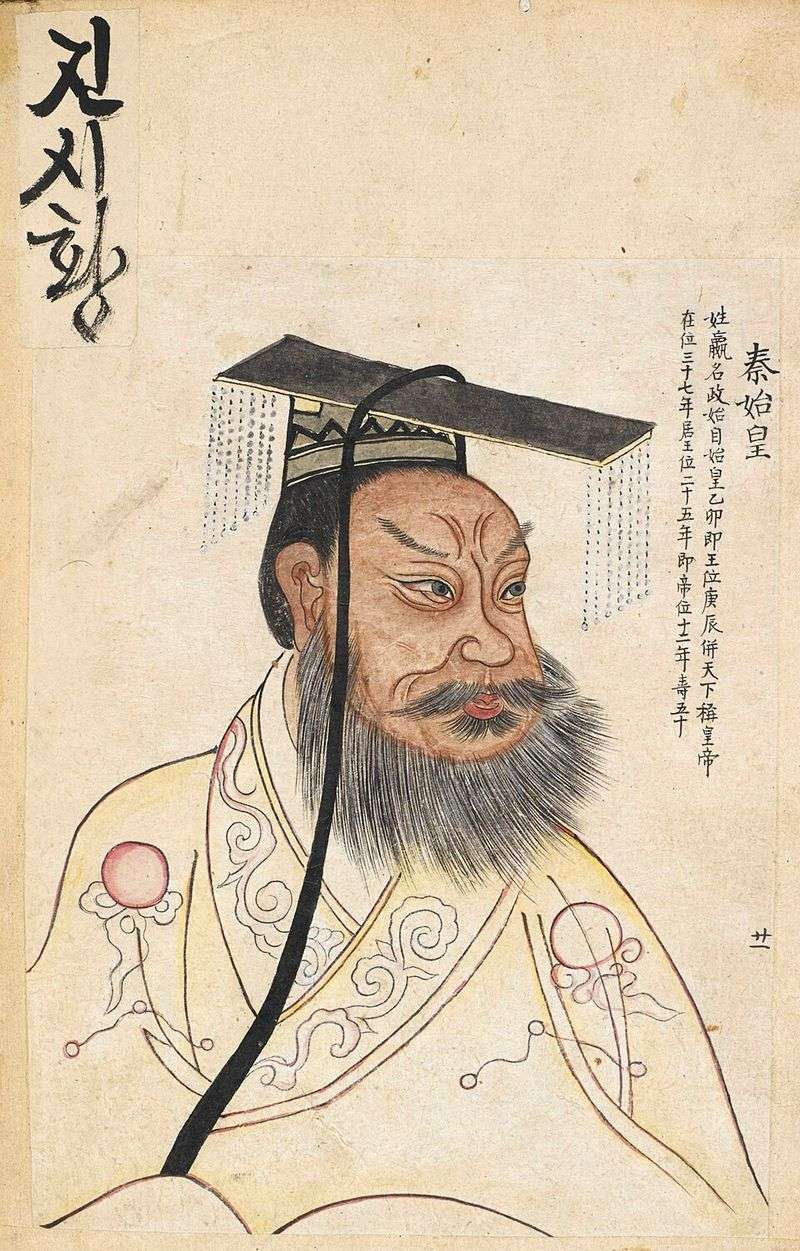
Thousands of life-sized clay soldiers stand near his tomb, and that is only part of the story. Qin Shi Huang became China’s first emperor in 221 BCE after uniting competing states.
His government centralized authority, standardized weights and measures, and built a more unified administrative system. The Qin dynasty also standardized the writing system and oversaw big projects connecting regions.
Older defensive walls were linked and extended, adding to the long development of what became the Great Wall.
His methods were often harsh, with strict laws, forced labor, and severe punishments. His dynasty collapsed soon after his death, yet the imperial system he set up shaped Chinese history for centuries.
Augustus
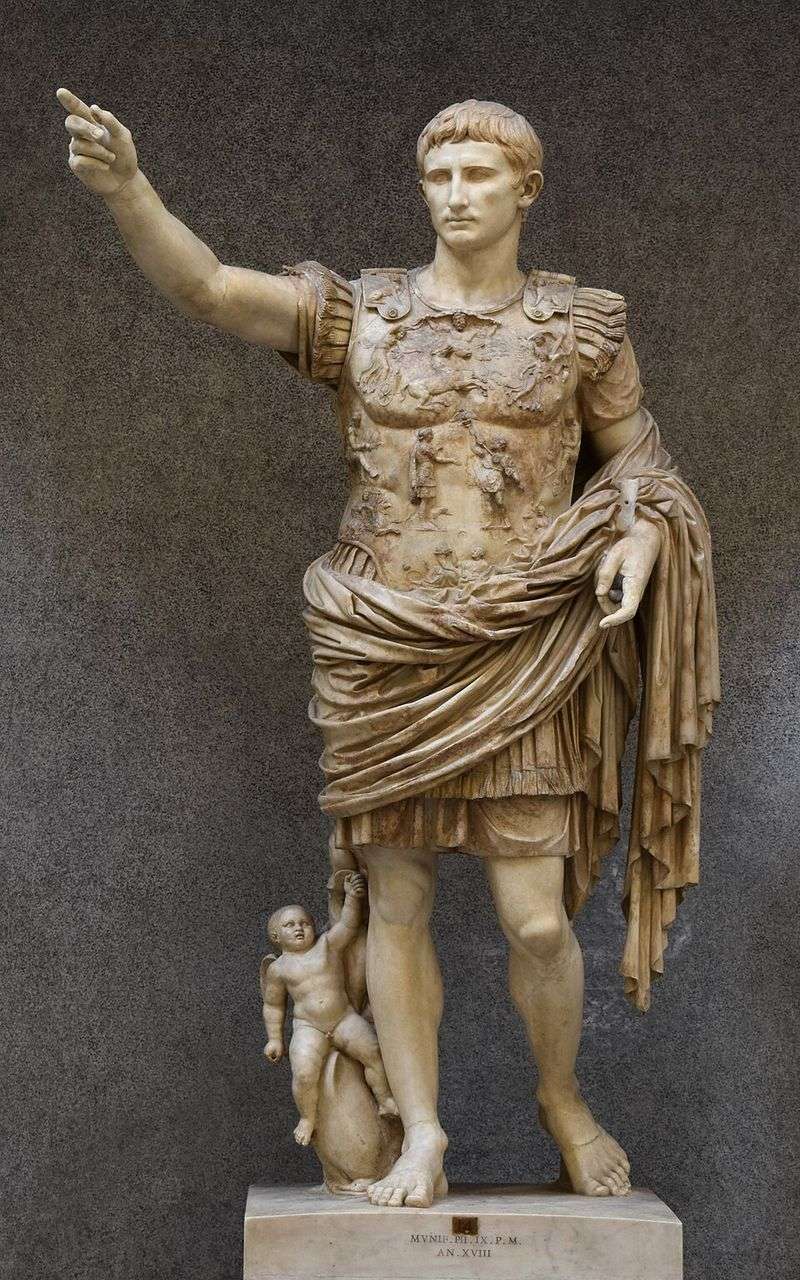
Born Gaius Octavius, Augustus started out as the adopted heir of Julius Caesar. He ended up as Rome’s first emperor in 27 BCE.
He came out on top after the struggles that followed Caesar’s assassination. His defeat of Mark Antony and Cleopatra at Actium in 31 BCE cleared the way for his dominance.
Augustus kept many traditional republican institutions while gathering huge political and military power in his own hands. His reign laid the foundations of the Pax Romana, a long period of relative stability across much of the Roman world.
With administrative reforms, military organization, public building projects, and careful political messaging, he created a model of imperial leadership that later emperors followed.
Hammurabi
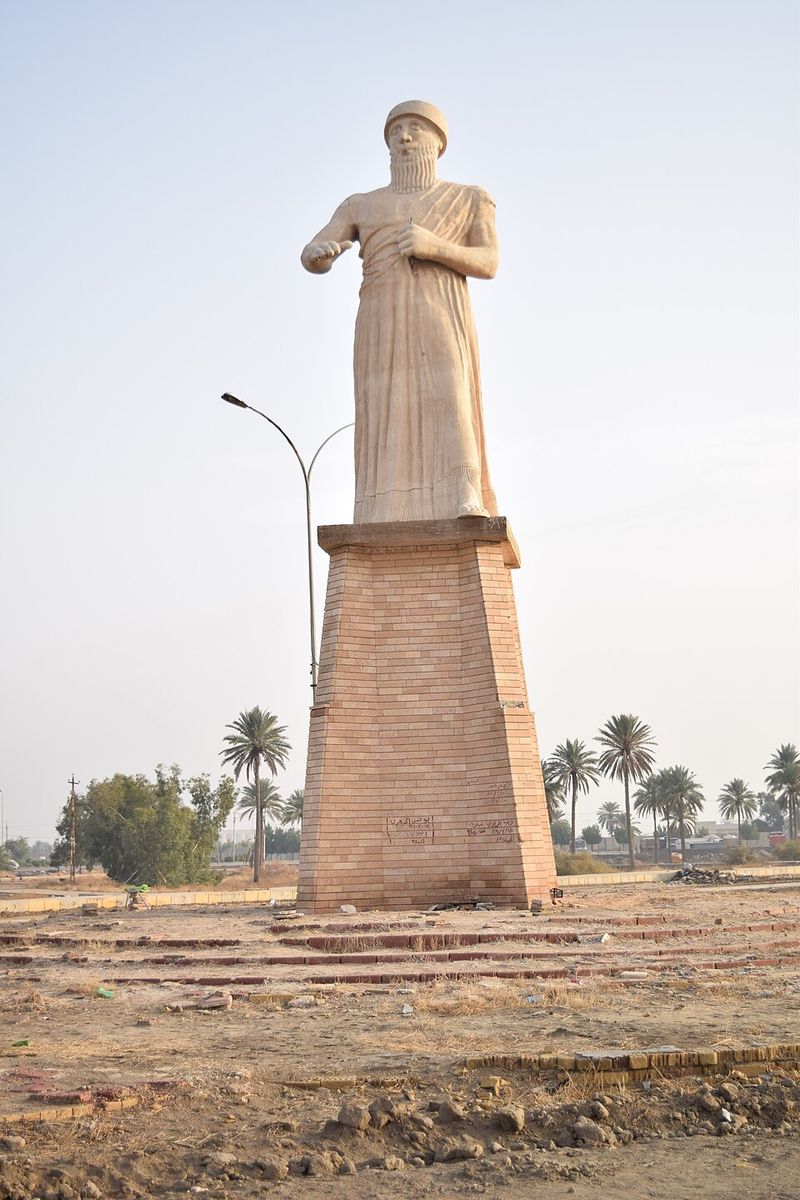
Hundreds of laws carved into one big stone make for a pretty unusual monument. The Code of Hammurabi covered property, trade, marriage, inheritance, employment, and criminal offenses.
Hammurabi ruled Babylon in the 18th century BCE. The stone gives us a rare look at the structure and values of Babylonian society.
His laws did not create equality before the law as we think of it today. Punishments often depended on a person’s social standing.
Beyond law, Hammurabi expanded Babylonian control over much of southern Mesopotamia through military campaigns and diplomacy. His reign helped make Babylon a major political center, and his legal collection is still an important source for understanding ancient ideas of justice and authority.
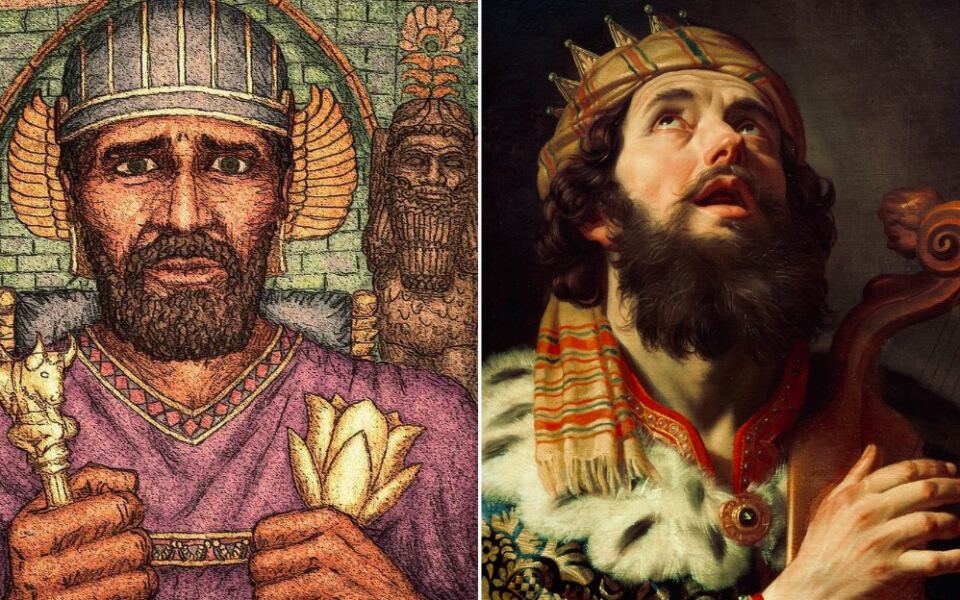
King David
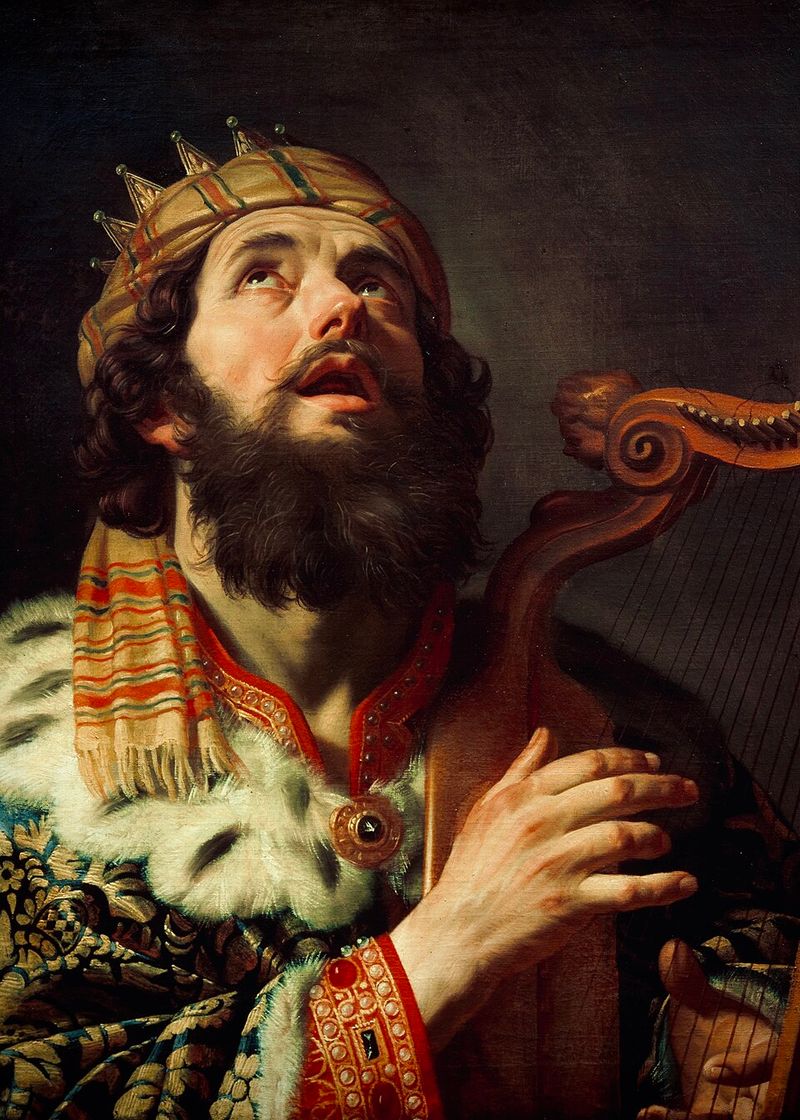
Few royal names carry as much weight in religious history as King David. He holds an extraordinary place in the traditions of ancient Israel.
According to the Hebrew Bible, he rose from humble beginnings to become king and made Jerusalem a central political and religious location. The biblical narratives describe his military achievements, family struggles, and efforts to strengthen royal authority.
David is also traditionally linked with many Psalms, though their authorship and composition have a complicated history.
Archaeology adds a clue. The Tel Dan Stele mentions the House of David, which supports the importance of a Davidic dynasty, although scholars still debate the size and details of his kingdom.
His influence runs through both Judaism and Christianity.
Nebuchadnezzar II
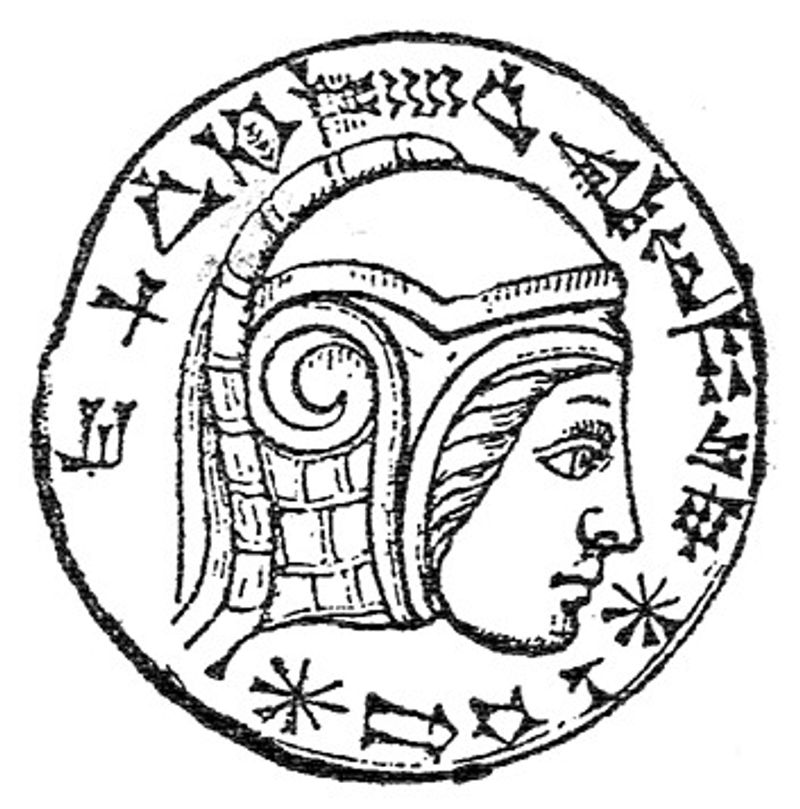
Babylon’s famous blue-tiled grandeur owes a lot to Nebuchadnezzar II. He ruled the Neo-Babylonian Empire from 605 to 562 BCE during a time of military expansion and big construction.
He strengthened Babylon’s place as one of the most powerful cities in the ancient Near East. His building projects included fortifications, religious buildings, and improvements to ceremonial spaces.
His campaigns against Judah included the destruction of Jerusalem in 587/586 BCE and the deportation of part of its population. Those events had lasting consequences for Jewish history.
He is traditionally linked to the legendary Hanging Gardens of Babylon, but historians have not established that the gardens existed in Babylon or that he built them.
Confucius
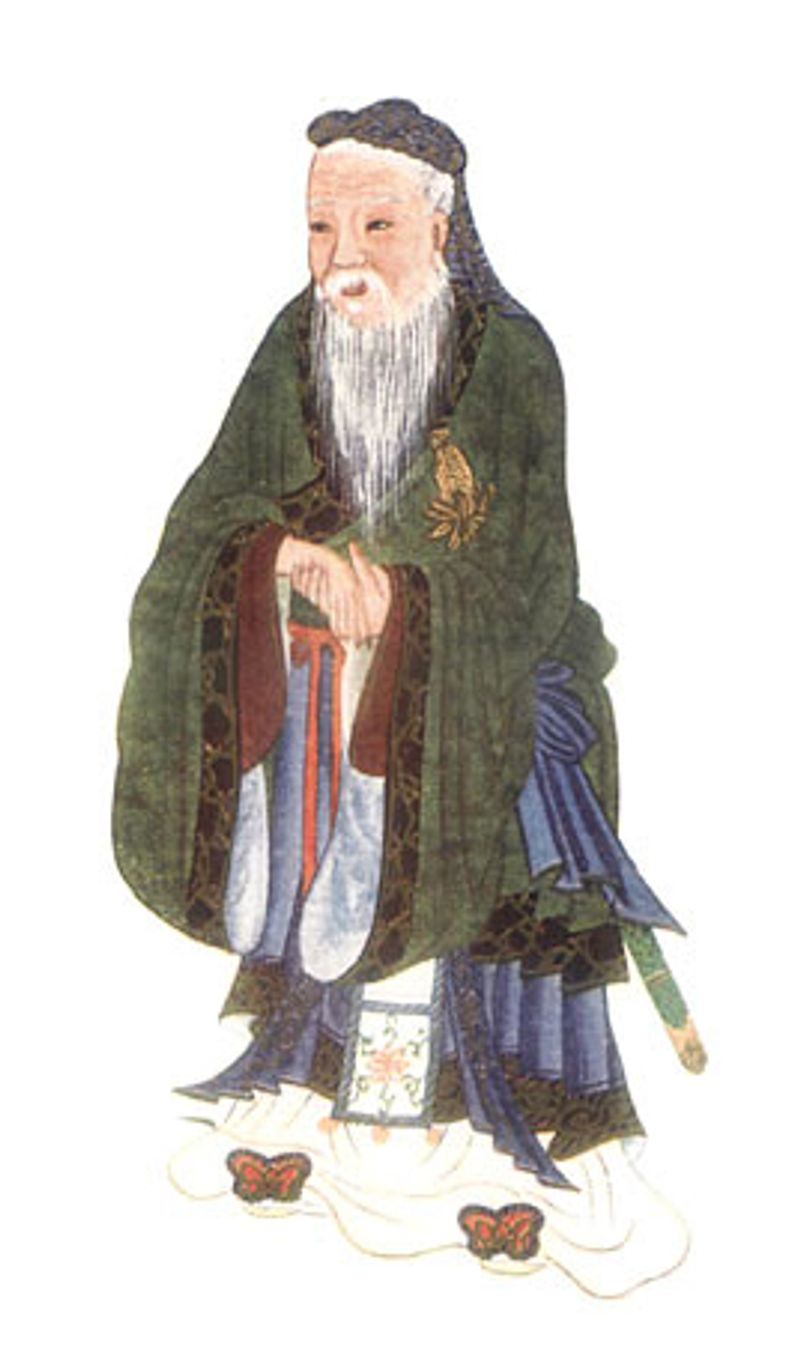
No army, no throne, and still a huge impact. Confucius never became a monarch or built an empire, yet his teachings strongly influenced government and society.
Born in China in 551 BCE, he stressed education, ethical leadership, family responsibility, and moral behavior. He believed rulers should lead through personal virtue and proper conduct instead of relying only on punishment.
Followers preserved and developed his ideas, especially in the collection known as the Analects. Over time, Confucian thought became deeply rooted in Chinese political philosophy and education.
Its reach spread across East Asia, shaping institutions, family relationships, and ideas about social responsibility. Confucius showed that ideas can change civilizations as powerfully as military victories.
Leonidas I
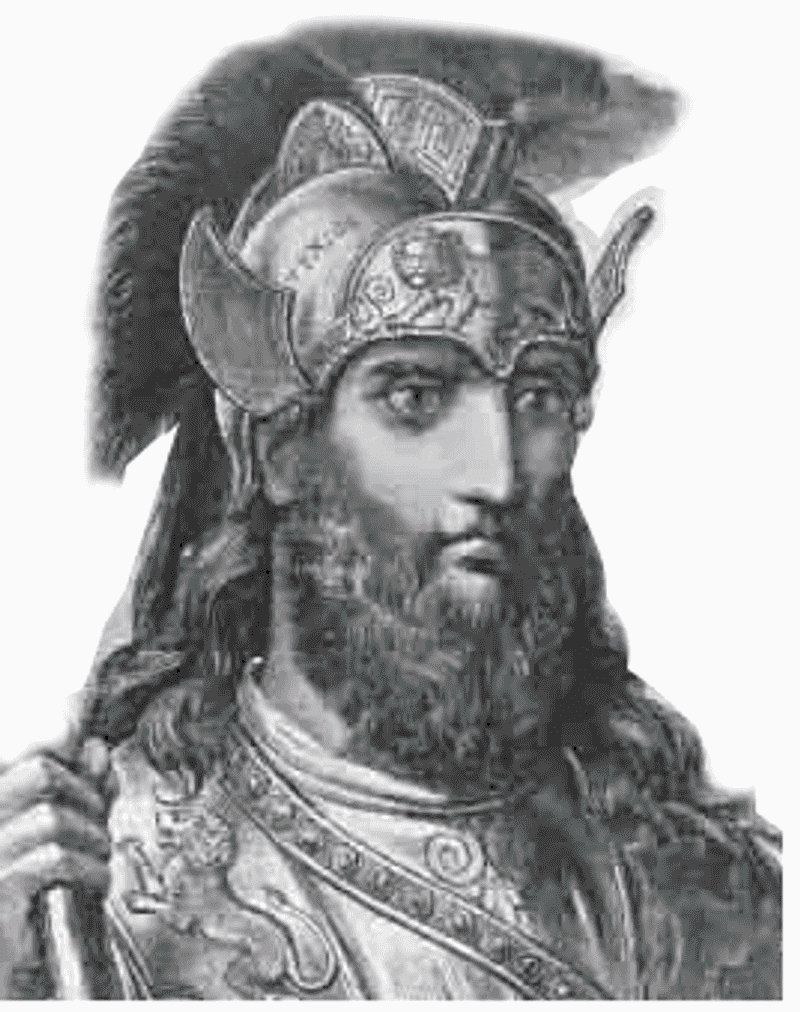
Movies love the number 300, but the real story of Thermopylae is bigger. In 480 BCE, Leonidas I, king of Sparta, led a Greek defensive force trying to delay the much larger Persian army of Xerxes I.
He fought alongside thousands of soldiers from other Greek communities, not only Spartans. When Persian forces found a route around the Greek position, Leonidas stayed behind with a smaller group that included Spartan and Thespian troops.
The Persian army finally broke through, and Leonidas fell in the battle.
Even in defeat, the stand at Thermopylae became one of history’s best-known examples of determination. His story still shapes talk about leadership, courage, and the tricky line between history and legend.
Share this story