Many classic American dinner table dishes once took a whole day to prepare, and families gladly spent the time. Today, busy schedules and store-bought shortcuts mean fewer people make these recipes by hand.
Here is a look at twelve old-fashioned dishes that take real effort, along with what makes each one special. You might even feel inspired to try one this weekend.
1. Homemade Head Cheese
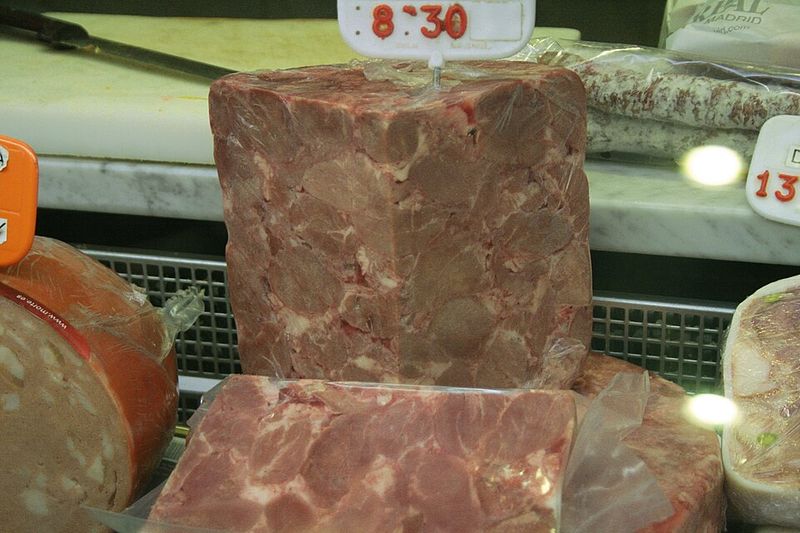
Long before supermarkets stocked packaged deli meats, cooks turned every part of the animal into food. Head cheese is a great example, and despite the name, it contains no dairy at all.
The process starts with simmering pork pieces for hours until the meat is tender and the broth turns rich and gelatinous. Next, the cook removes the bones, chops the meat, and mixes it with spices and a splash of vinegar.
The mixture then goes into a mold and chills until it sets into a firm, sliceable loaf. Each slice shows a mosaic of meat held together by natural gelatin.
Families in Europe and the American South served it cold with mustard, pickles, and crusty bread. It takes patience and a willingness to work with unfamiliar cuts, which is why most people now pick up sliced lunch meat instead.
2. Chicken and Dumplings From Scratch
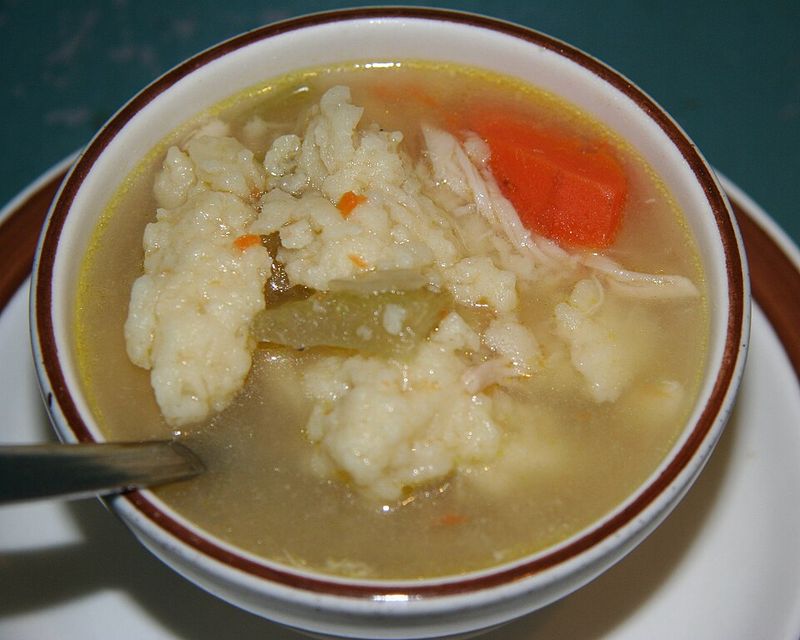
Few meals say comfort like a bubbling pot of chicken and dumplings on a chilly night. The old-fashioned way begins with a whole chicken simmered gently with onion, celery, and carrots.
After a couple of hours, the cook lifts out the bird, pulls the meat from the bones, and returns it to the flavorful broth. That broth is the heart of the dish, and no canned version quite matches it.
Then come the dumplings. A simple dough of flour, baking powder, salt, and milk or butter gets dropped by the spoonful into the hot pot, where it puffs up and turns tender.
A helpful tip: keep the lid on while the dumplings cook so steam can do its work. Many home cooks now use rotisserie chicken and biscuit mix, but the slow version has a depth worth tasting.
3. Traditional Mince Pies
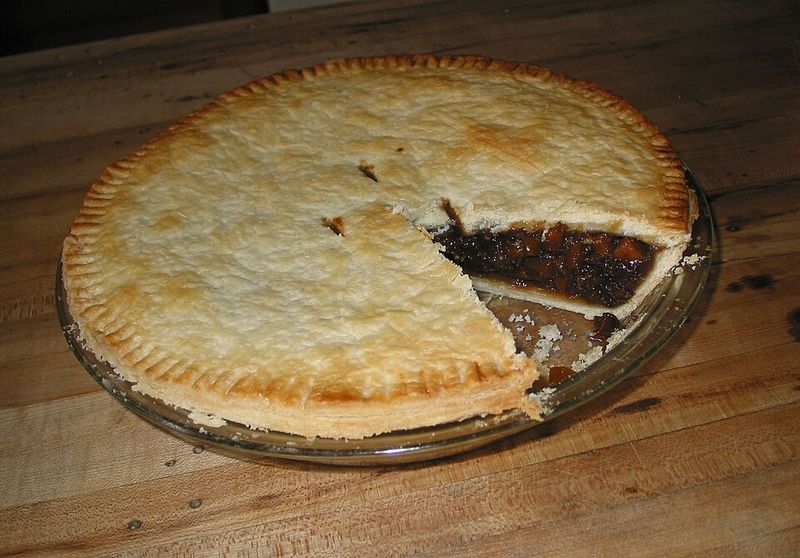
Mince pies have been a holiday treat for centuries, and the earliest versions really did contain meat. Cooks mixed chopped beef or mutton with suet, dried fruit, sugar, and warm spices like cinnamon, nutmeg, and cloves.
The filling was often made weeks ahead and stored in a cool place. That waiting time let the flavors blend and deepen, much like a good stew tastes better the next day.
Modern recipes usually skip the meat, but many still use suet, raisins, currants, apples, and a splash of brandy. The cook then makes a buttery pastry, cuts small rounds, fills them, and bakes until golden.
Because the filling takes planning and the pastry takes care, most people today buy a jar of mincemeat or skip the pie entirely. Making it from scratch brings back a taste of old holiday tables.
4. Homemade Tamales
Ask anyone who grew up making tamales, and they will likely describe a busy kitchen full of relatives, each with a job. That teamwork is part of the tradition, especially around the holidays.
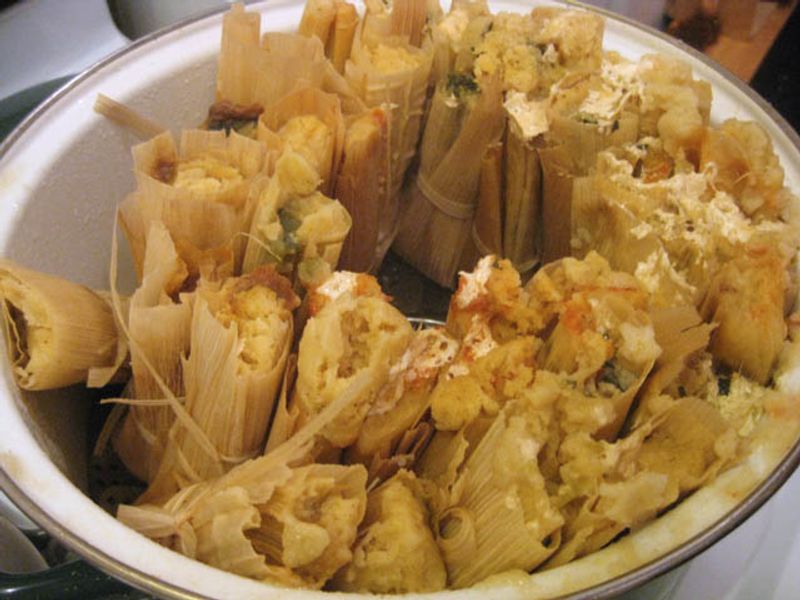
The work begins by soaking dried corn husks until they turn soft and bendable. Meanwhile, the cook mixes masa with lard or oil, broth, and salt until it feels light and fluffy, and prepares fillings such as pork in red chile, chicken, or cheese with peppers.
Each husk gets a layer of masa and a spoonful of filling before it is folded into a neat bundle. The tamales stand upright in a steamer pot and cook for about an hour or more.
With dozens to make, the job can fill an entire day. Many families now buy them from local makers, but a homemade batch tastes special.
5. Handmade Pierogi
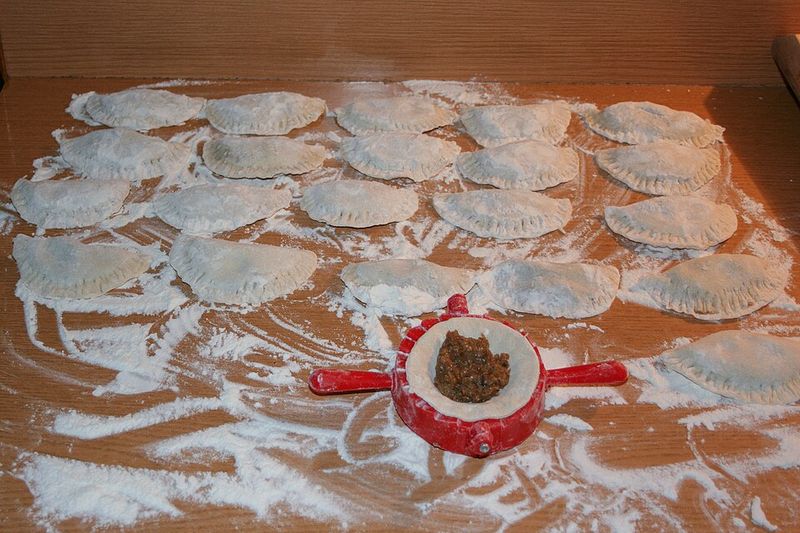
Flour on the counter, a rolling pin in hand, and a stack of little dough circles waiting to be filled: that is a classic pierogi afternoon. These dumplings came to America with Polish and other Eastern European immigrants, and they remain a favorite at church suppers and festivals.
The dough is simple, made from flour, eggs, sour cream or water, and a pinch of salt. After resting, it is rolled thin and cut into rounds with a glass or cutter.
Popular fillings include potato and cheese, sauerkraut, mushrooms, and sweet farmer cheese. Each round is stuffed and pinched shut so nothing leaks out in the boiling water.
Many cooks finish them in a pan with butter and onions for a golden edge. Making several dozen takes time, so frozen boxes from the store are far more common now.
6. Old-Fashioned Christmas Plum Pudding
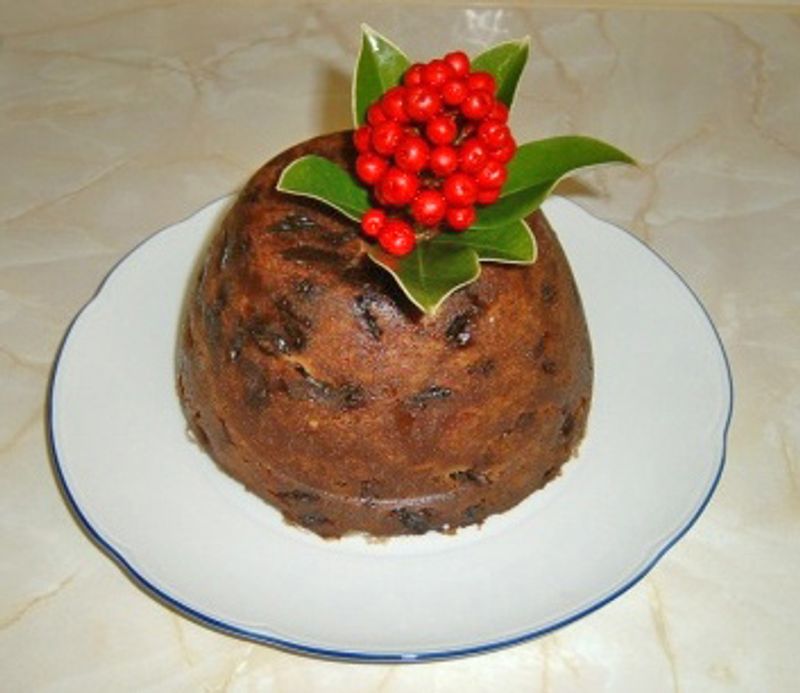
Here is a surprise: a traditional plum pudding contains no plums. The name comes from an older English habit of calling raisins and other dried fruits plums.
The recipe is a long list of ingredients, including suet, breadcrumbs, flour, eggs, molasses or brown sugar, spices, raisins, currants, and often a splash of brandy or rum. Everything is mixed in a big bowl, and in some families, each person takes a turn stirring and makes a wish.
The batter is packed into a cloth or a basin and steamed for several hours. Afterward, the pudding is wrapped and stored for weeks, which lets the flavors mellow and deepen.
On Christmas Day, it is steamed again, topped with holly, and sometimes set aflame with warm brandy. Because of the time and planning it needs, it has faded from many modern tables.
7. Homemade Scrapple
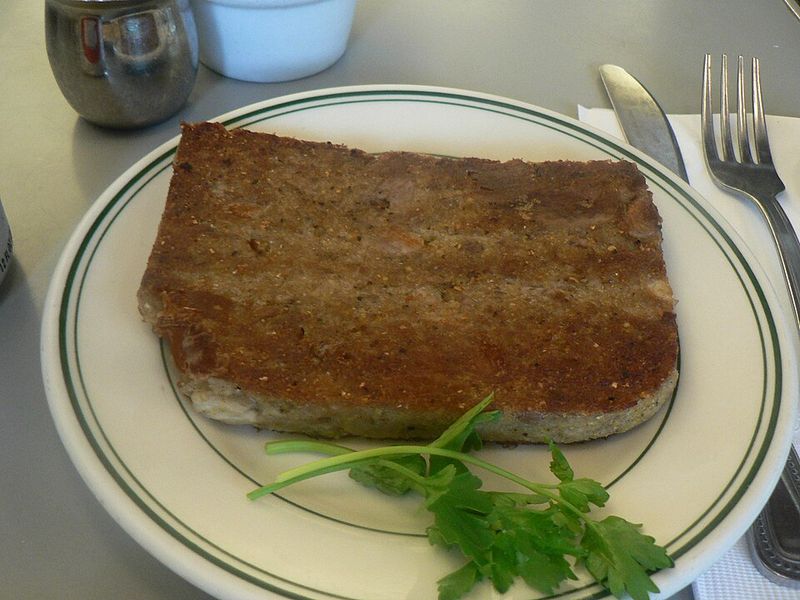
Pennsylvania Dutch farmers believed in wasting nothing, and scrapple is the delicious proof. It turns pork trimmings and broth into a hearty breakfast food that fries up crisp on the outside.
The cook simmers pork until it is very tender, then removes the bones and chops the meat finely. The strained broth is brought back to a simmer and thickened with cornmeal, sometimes with buckwheat flour, and seasoned with sage, pepper, and other spices.
Stirring is key, since cornmeal mush can stick and scorch. Once thick, the mixture is poured into loaf pans and chilled overnight until firm.
The next morning, slices are dusted with flour and fried in a hot pan until deeply browned. Scrapple is still sold in stores around Pennsylvania and nearby states, but making it at home is now a rare skill.
8. Traditional Chicken Pot Pie From Scratch
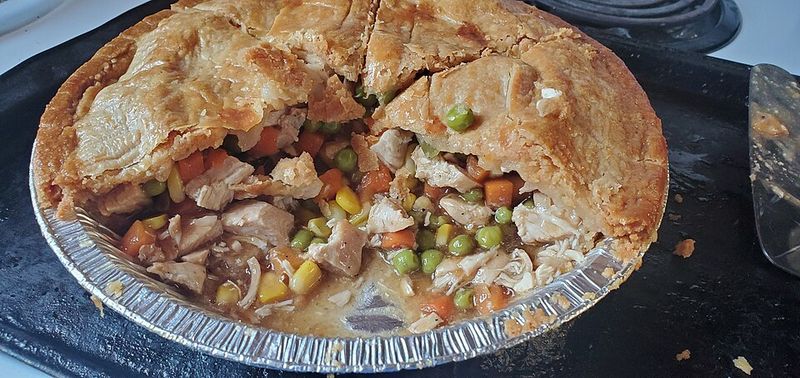
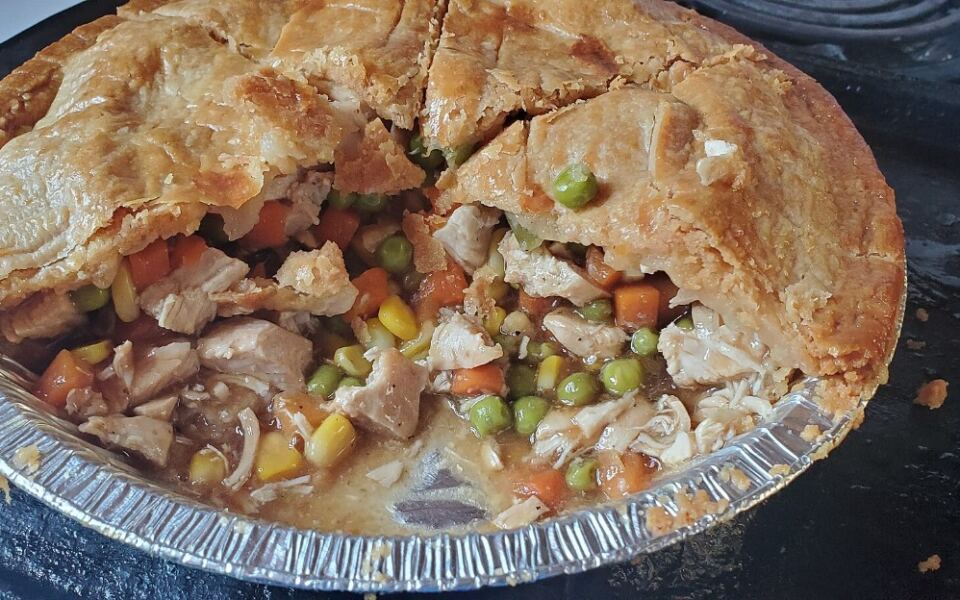
Nothing beats cracking through a flaky crust to find a creamy, steaming filling underneath. A true scratch pot pie takes a bit of planning, but the payoff is a dinner that feels like a hug.
It starts with homemade stock, made by simmering chicken with onion, carrots, and herbs. The meat is pulled from the bones, and the vegetables, such as peas, carrots, and potatoes, are cooked until just tender.
A smooth sauce of butter, flour, and stock brings the filling together. Meanwhile, the pastry, made with cold butter and flour, is rolled out for the bottom and top.
Keeping the butter cold is the secret to a flaky crust. Frozen pot pies are easy to find, but the homemade kind has a richer flavor and a tender crust that store versions rarely match.
9. Homemade Baked Alaska
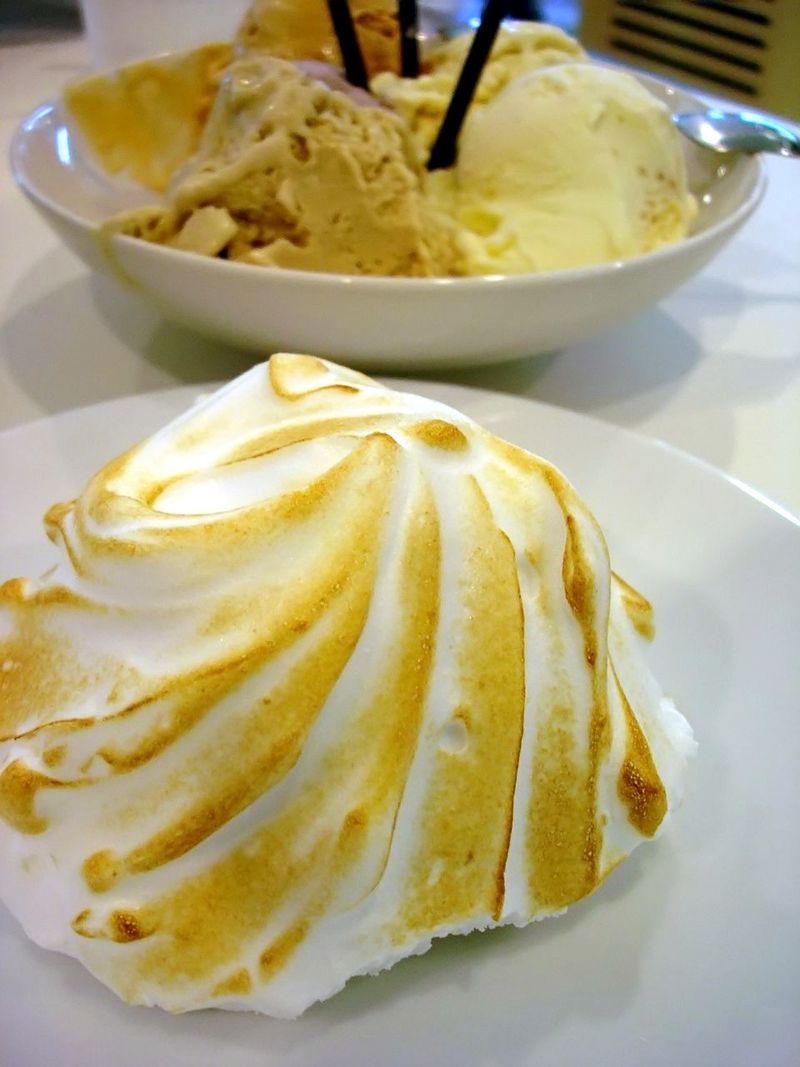
Hot meringue on the outside and frozen ice cream on the inside sounds impossible, yet that is the magic of Baked Alaska. The dessert became famous in the 1800s, and a New York restaurant, Delmonico’s, is often credited with popularizing it.
The cook bakes a thin cake layer to serve as the base. Next, softened ice cream is shaped into a dome on top and the whole thing is frozen until rock solid.
Just before serving, a thick blanket of whipped meringue covers the cake and ice cream completely. A quick trip to a hot oven or a pass with a kitchen torch browns the peaks.
The meringue acts as insulation, so the ice cream stays frozen. Timing and freezer space make it tricky, so it is mostly a restaurant treat today.
10. Old-Fashioned Stuffed Cabbage Rolls
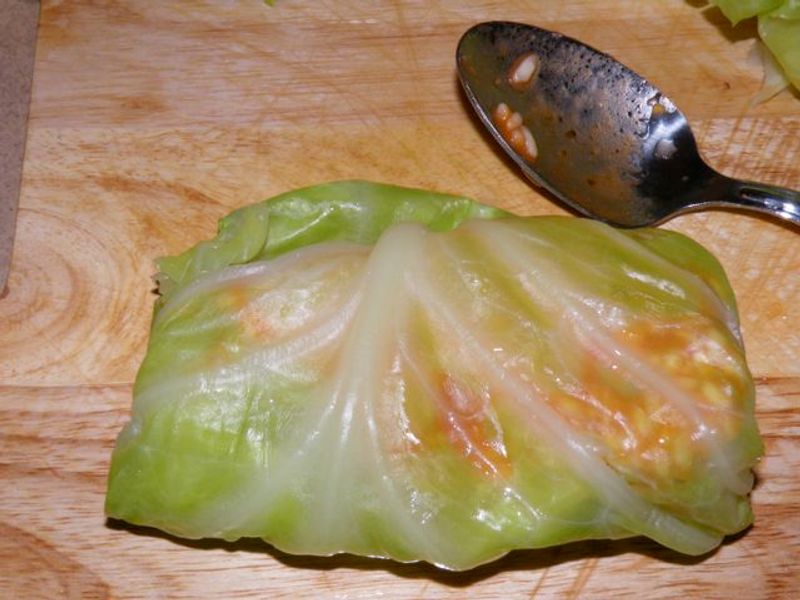
Grandmothers across many cultures, from Polish to Hungarian to Lebanese, have rolled cabbage around a savory filling for generations. The dish is humble, filling, and endlessly adaptable.
First, the cabbage head is boiled briefly so the leaves soften enough to peel away. The thick center rib is trimmed so each leaf rolls easily.
The filling usually blends ground meat, rice, onion, and seasoning. A spoonful goes onto each leaf, which is folded and tucked into a neat package.
The rolls are packed snugly into a pot or baking dish, covered with tomato sauce, and cooked low and slow until tender. The sauce turns slightly sweet and tangy as it simmers.
Because every roll is shaped by hand, a large batch takes real time. Leftovers often taste even better the following day.
11. Traditional Beef Wellington
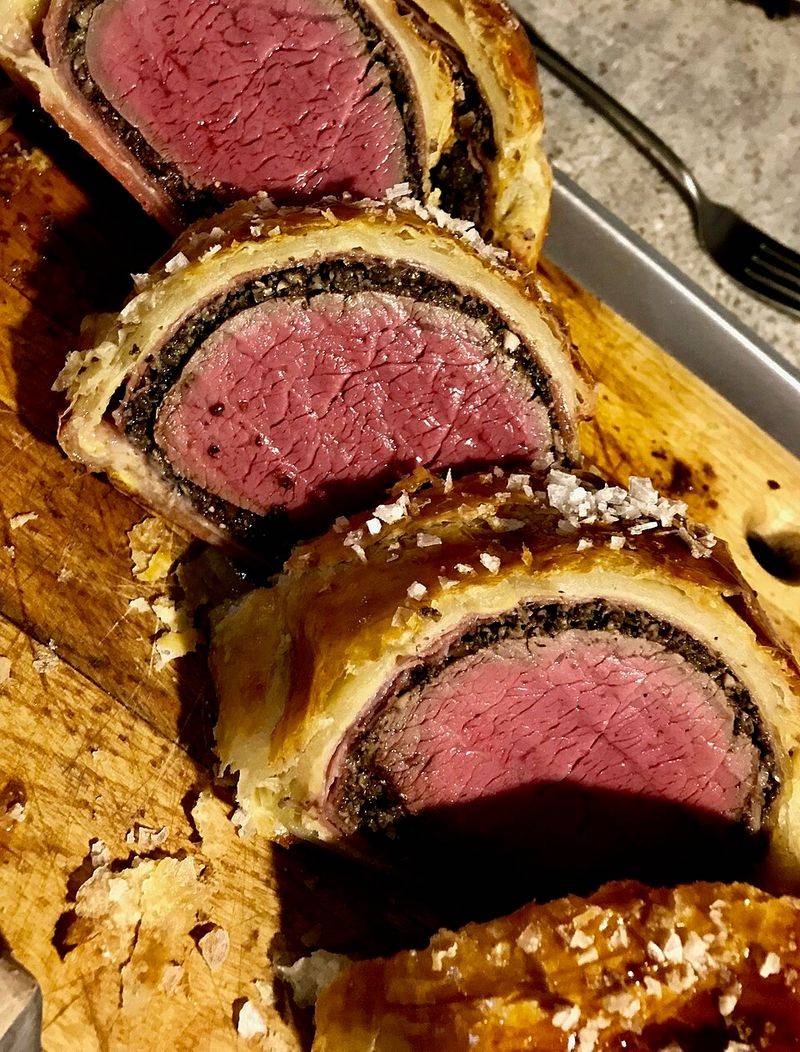
Few dishes carry as much drama at the table as Beef Wellington. When the golden pastry is sliced open to reveal rosy beef, guests tend to go quiet for a moment.
The cook begins by searing a beef tenderloin to lock in flavor. Next comes duxelles, a finely chopped mushroom mixture cooked until nearly dry, which is spread over the beef, often with a layer of ham or prosciutto.
The whole bundle is wrapped in puff pastry, chilled, brushed with egg wash, and baked. Timing matters a great deal, since the beef should reach the right temperature just as the pastry turns golden.
A meat thermometer helps avoid guesswork. Because the cut of beef is costly and one mistake can spoil it, most home cooks save this recipe for rare special occasions or skip it altogether.
12. Homemade Croissants

Bakers often say croissants test patience more than skill. The reward is a crisp, flaky crust that shatters at the first bite, with a tender, airy inside.
The secret is lamination, a method of folding cold butter into dough again and again. The cook rolls out the dough, encases a flat block of butter, then folds and rolls it several times, chilling between each turn.
Those repeated folds create dozens of thin layers. In the oven, the butter melts and releases steam, which puffs the layers apart.
After the final roll, the dough is cut into triangles, shaped, and left to proof until puffy. The process can stretch over two days, and warm kitchens can make the butter too soft.
Since good bakeries are easy to find, few people try it at home, but it is a rewarding project.
Share this story