Somewhere in New Jersey, you can putt a nine-hole course with old-timey clubs and balls that feel like they belong in a sepia photograph. That alone sounds like a great reason to take a drive.
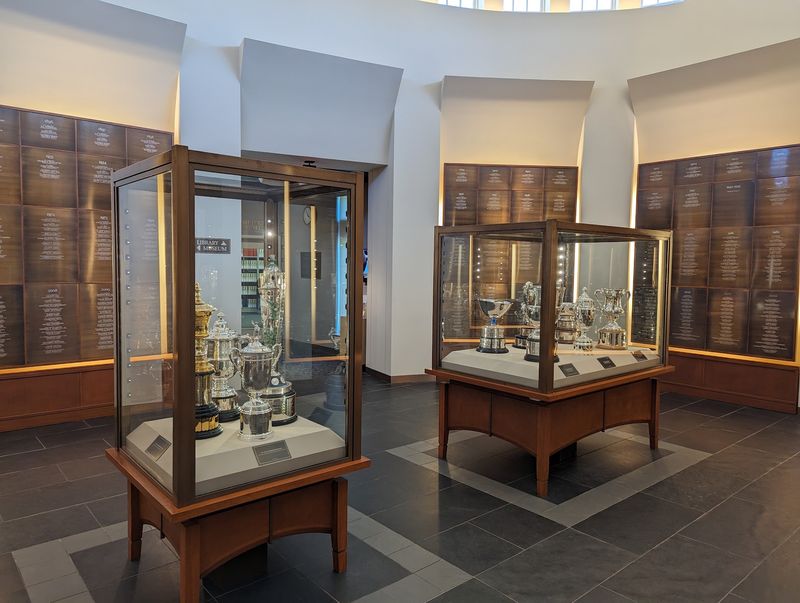
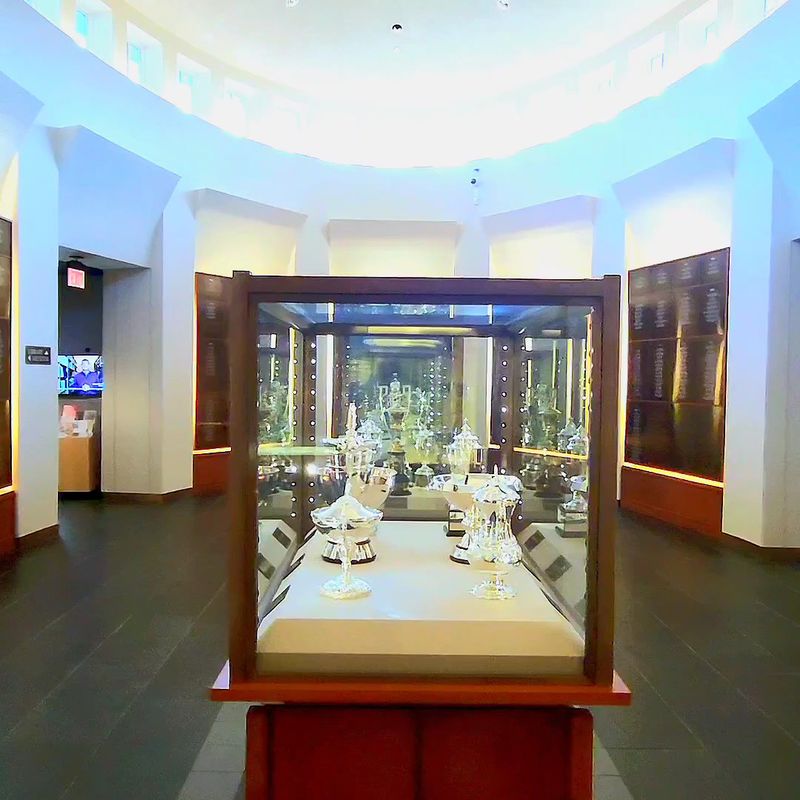
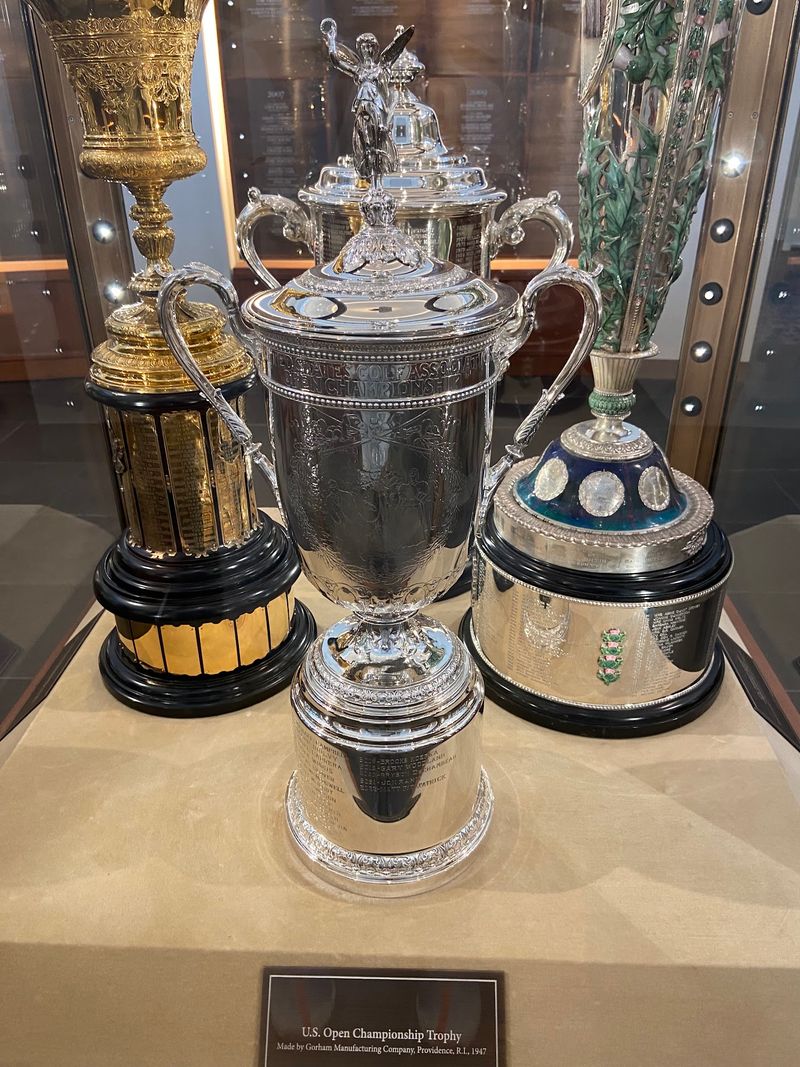
The same building also holds the actual trophies from national golf championships. I mean the real ones, gleaming in cases inside an oval rotunda.
One display even includes a golf club that went to the Moon.
I like how this place blends serious history with a playful hands-on twist. You don’t need a single round of golf under your belt to enjoy it.
Curiosity is enough.
The road there winds past green meadows and quiet country scenery. The brown signs are small and easy to miss.
So what happens when you finally find it and pick up one of those antique-style putters?
A Golf Treasure House on a Quiet New Jersey Road

Few people expect a national golf shrine at the end of a country road. Yet the USGA Golf Museum and Library sits right there in Liberty Corner, New Jersey.
It belongs to the United States Golf Association, the group behind the U.S. Open and many amateur championships.
That connection explains why the collection feels so official and so deep.
The museum lives inside a building that was once a private home. Walking from room to room feels more like touring a grand house than wandering a big modern gallery.
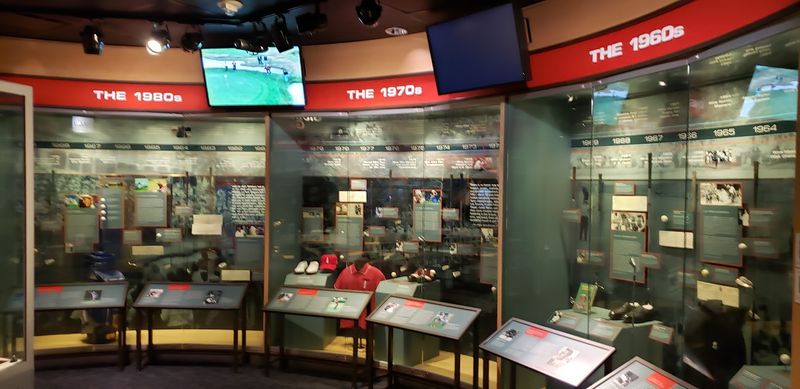
Inside, you’ll find trophies, clubs, golf balls, photographs, and personal items from famous champions. Rooms are dedicated to eras of the sport or to individual legends.
Videos and interactive displays fill in the stories along the way.
Then there’s the twist that gives this trip its personality. Outside, a nine-hole putting course invites you to try old-style putters and balls.
Suddenly, history stops being something behind glass.
For New Jersey residents, it’s a satisfying find close to home. For day-trippers, it’s a reason to explore the rolling Somerset Hills.
Either way, you leave knowing far more about golf than you expected.
Putters From Another Century, Greens From Today
Hand someone a putter that looks a century old, and the whole game changes. That’s the charm of the putting course at the USGA museum.
The course has nine holes, and you play it with old-fashioned putters and balls. The clubs mimic equipment from golf’s early days, so modern habits don’t always help.
Expect a real challenge. The greens can humble seasoned golfers, and newcomers may find themselves laughing at every lip-out.
Honestly, that’s half the fun.
Playing this way gives you a feel for what early champions faced. After seeing their clubs in the galleries, you get to test similar tools yourself.
History suddenly has weight in your hands.
The putting course carries its own fee separate from museum admission. Check current pricing before you go, since costs can change over time.
It’s a smart way to break up a museum visit, especially with kids or grandkids along. Everyone gets a turn, scores matter only as much as you want, and nobody needs a tee time.
Ready to see if your stroke survives the old school treatment?
Room After Room Built Like a Storybook
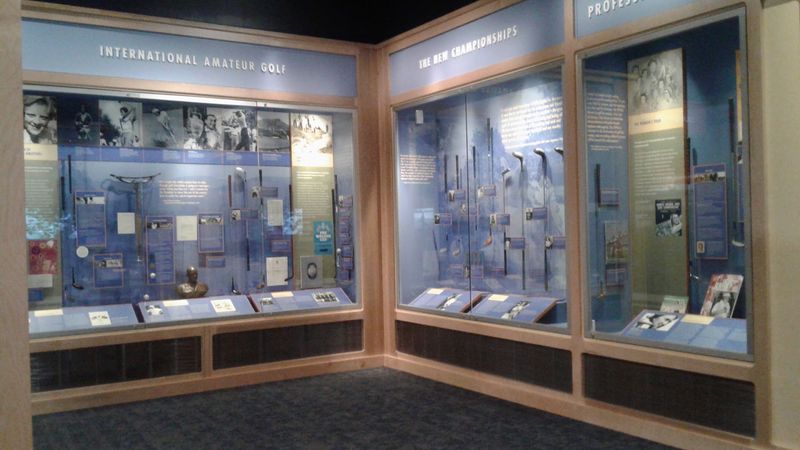
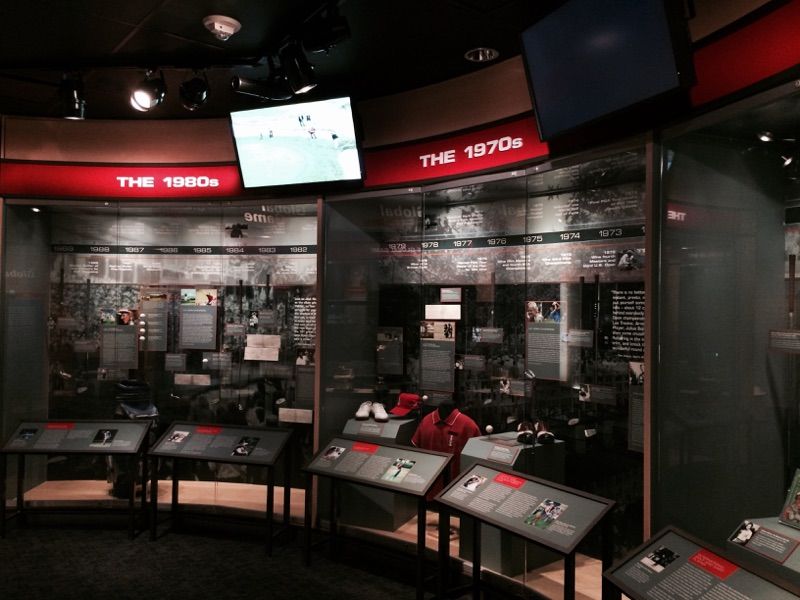
Chronological order sounds dull until it’s done well. Here, the galleries flow from golf’s early days toward the modern game, so the story builds naturally.
That layout makes the museum easy to follow, even if you can’t name a single major champion. Each room picks up where the last one left off.
You’ll see clubs used by pros and amateurs, along with historic golf balls and artifacts. Photographs and personal items add a human side to the equipment.
The museum is not huge, but it’s packed with things to look at. Some spaces feel snug, which suits the house-like setting.
Take your time and the details reward you.
Many exhibits include audio and video. Those clips help explain moments you might otherwise skim past, like a famous shot or a change in equipment.
A map helps guide your self-guided tour. Plan on at least two hours, and three if you love reading every label.
It’s the kind of place where you’ll likely spot something new on a return visit, which makes coming back easy to justify.
Legends Who Got Their Own Galleries
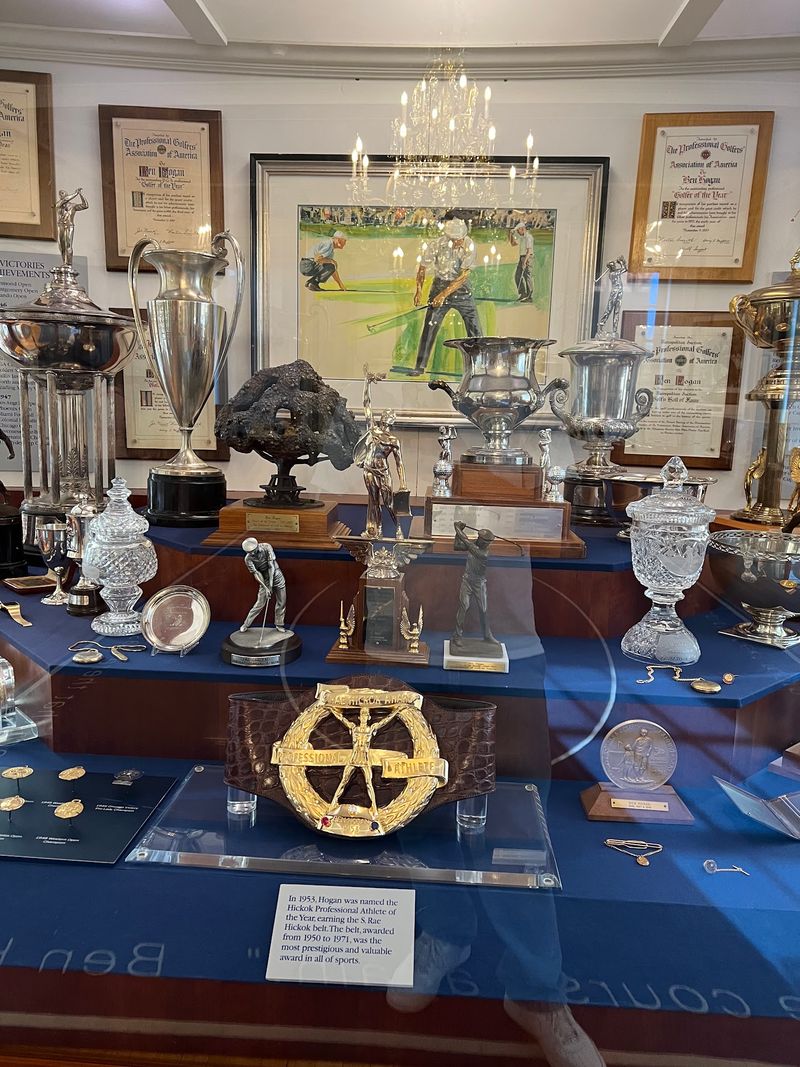
Bobby Jones, Ben Hogan, Arnold Palmer, Mickey Wright, and Jack Nicklaus each get dedicated spaces. That’s a heavyweight lineup for one house.
Each gallery mixes photographs, awards, personal items, and video about the golfer. The result feels personal rather than just a list of wins.
Jack Nicklaus’s room includes a story many visitors don’t know. It covers his experience with polio, adding a human chapter to a famous career.
Earlier stars get attention as well. Francis Ouimet and Babe Didrikson Zaharias appear with information, displays, and video of their own.
Their stories show how the game grew long before television made golf a weekend habit.
Having Mickey Wright and Babe Didrikson Zaharias in the mix matters. Women’s golf history isn’t tucked in a corner here, and that balance makes the museum richer.
Even if you only know one of these names, the galleries do a good job introducing the rest. You might arrive a Palmer fan and leave curious about Hogan.
That’s a fair trade for a few hours of browsing.
One Club That Traveled Farther Than Any Drive
Yes, a golf club went to the Moon. And you can see it here.
The Moon golf club ranks among the museum’s most talked-about artifacts. It connects the sport to space history in a way few people expect.
Standing in front of it, you start doing the math. How far does a ball travel with less gravity?
The display makes even non-golfers stop and wonder.
It’s a perfect example of how the collection reaches beyond tournament results. Golf shows up in surprising corners of American culture, and this museum gathers those moments.
Kids especially tend to latch onto stories like this one. A club with a space mission on its resume makes the rest of the exhibits feel more exciting.
Pair it with the other historic clubs nearby for a fun comparison. Some look delicate and simple, while others show how designs evolved.
Then head outside to the putting course and try your own luck with old-style equipment. Fair warning, your shots will stay firmly on Earth, though bragging rights still count.
Designing a Green With a Legend Looking Over Your Shoulder
Here’s a question most of us never ask. Where should the green go?
An interactive display in the Jack Nicklaus room lets you decide. You pick a spot for the green, and Nicklaus explains the pros and cons of your choice.
It’s a clever peek into golf course design, one of Nicklaus’s big passions after his playing days. Suddenly a hole becomes a puzzle instead of just grass and sand.
Interactive features appear throughout the museum, not just in this one room. Videos and hands-on exhibits keep younger visitors engaged between the trophy cases.
That variety helps the museum suit mixed groups. A golf-obsessed parent can read every caption while a teen experiments with screens.
Everyone stays busy.
Spend a few minutes trying different placements. You may find yourself rethinking holes on courses you’ve played for years.
Then carry that new perspective outside, where the putting course lets you feel how slopes and distance affect every roll. It’s a neat one-two punch of theory and practice.
Grounds and Meadows Worth a Slow Stroll

Green meadows set the scene before you even open the front door. The grounds around the museum are a big part of its appeal.
The building itself was once a private home, and it still carries that stately feel. Its classic look adds character you won’t find in a glass-box gallery.
Outside, open lawns and meadows stretch around the property. On a nice day, a walk around the grounds makes a relaxing bonus after the exhibits.
The surrounding Somerset Hills area of New Jersey is known for pretty homes and horse farms. White fences and rolling fields give the drive a calm, countryside mood.
Inside, the museum stays cool on hot summer days. That makes it a comfortable pick when the weather turns steamy.
Bring a camera, because the house and grounds photograph beautifully. Just remember the putting course is part of the outdoor fun, so leave time for it.
Between the lawns, the architecture, and the views, the setting feels like a reward all its own, even before the golf history starts.
Who Will Love It and Who Might Be Surprised
Serious golfers will feel right at home, obviously. Every trophy, club, and champion story speaks their language.
Less obvious is how well it works for museum fans who don’t play. Clear explanations and a logical layout make the history easy to understand.
Families with kids can mix galleries, videos, and the putting course for variety. Grandparents and grandkids can share the fun, since nobody needs real skill to enjoy it.
Staff here are known for being friendly, helpful, and knowledgeable. A warm welcome at the front counter sets a pleasant tone for the visit.
History buffs get plenty too. The story of American golf ties into broader moments, from early amateur heroes to the club that went to space.
The space can feel compact in places, so very large groups may want to pace themselves. Smaller groups will likely have an easier time lingering.
Think of it as a relaxed afternoon outing rather than a rushed stop. That pace lets you notice the small personal items, which often tell the best stories.
Hours, Directions, and Small Brown Signs

Mondays are off the table, so plan around that. The museum opens Tuesday through Sunday from 10 AM to 5 PM.
You’ll find it at 77 Liberty Corner Rd, Liberty Corner, NJ 07938. The setting feels rural, even though major highways run nearby.
Interstate 287 gets you close, with Exit 26 for Mt. Airy Road or Exit 22 farther south.
From there, follow local roads to Liberty Corner Road.
Watch closely for small brown signs pointing to the museum. They’re easy to miss, so a GPS or phone map helps a lot.
Admission is charged, and the putting course costs extra. Prices have changed over the years, so check the official page before heading out.
Give yourself at least two hours, and more if you want the putting course and gift shop. Arriving earlier in the day leaves room to slow down in your favorite galleries.
Cutting it close to 5 PM means rushing past trophies you’d rather savor, and that feels like leaving a round on the eighth hole.
A Friendly Nudge Toward Your Next Afternoon Out
Real trophies, a club that visited the Moon, and a putting course with throwback gear. That’s a strong lineup for one stop in New Jersey.
The USGA Golf Museum and Library balances reverence and play nicely. You can admire championship history, then grab an old-style putter and test yourself.
It won’t overwhelm you with size, and that’s part of its charm. The former home setting keeps things personal, with rooms that each tell a focused story.
Golfers will treat it like a pilgrimage. Everyone else gets a well-explained slice of American sports history plus a surprisingly tough little putting challenge.
Pair your visit with a drive through the surrounding Somerset Hills countryside. The horse farms and white fences make the trip feel like a mini getaway.
Bring curiosity, a sense of humor about your putting, and a few unhurried hours. Then see how those vintage clubs treat you on hole nine.
Odds are, you’ll head home with a new respect for golf’s early champions and a story to tell about that one putt that almost dropped.
Share this story