Peace is more than quiet streets. It means feeling calm when you walk home, ride a train, or relax in a park.
No official list ranks cities by peacefulness, so this guide uses the HelloSafe City Safety Index 2026, which looks at low violent crime and a stable country around each city. Ready to meet 15 cities where daily life feels secure and calm?
Singapore, Singapore
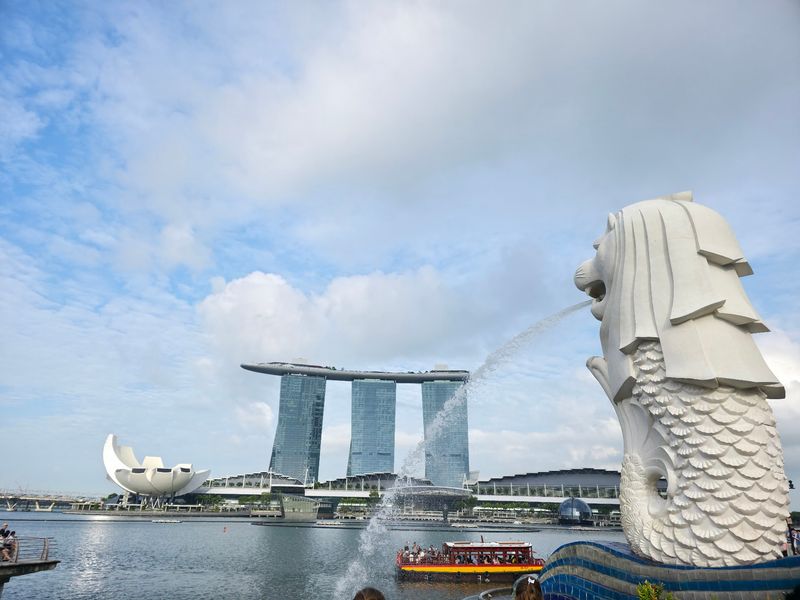
Seven homicides among about 6.1 million people in 2025. That tiny number gives Singapore a rate of just 0.11 per 100,000, the lowest of all 60 cities in the index.
The city scored 97.9 out of 100 and took first place by a wide margin. It also scores above 95 on every national measure, including health, environment, politics, and digital security.
Even with skyscrapers and a busy financial center, Singapore feels softened by greenery. Waterfront promenades, botanical spaces, and large parks are woven right into the streets, so a quiet break is never far away.
Visitors often notice how relaxed the pace feels for such a big business hub. A stroll through the gardens at sunset is a perfect way to see it for yourself.
The country also ranks eighth in the 2026 Global Peace Index, which backs up the city’s strong reputation. Pack comfy shoes, because exploring the green corners is half the fun.
Bring water too, since the air stays warm and humid all year long, and plan breaks in shady spots along the way.
Tokyo, Japan
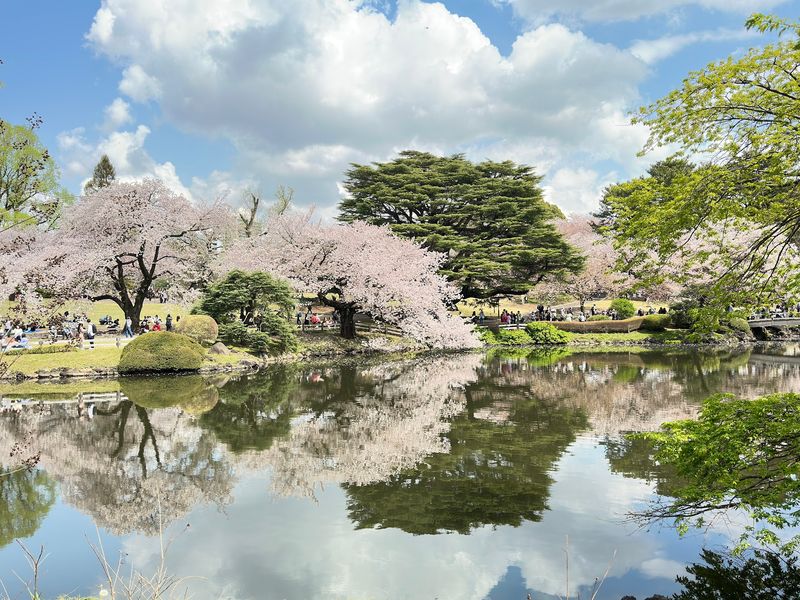
Fourteen million people live in Tokyo’s prefecture, yet the city feels surprisingly relaxed. Its homicide rate is about 0.22 per 100,000, which earns it second place worldwide with a score of 94.9.
Japan ranks 10th in the 2026 Global Peace Index, so the national backdrop is steady too. That mix helps explain why people ride late trains and walk home without much worry.
The real magic is how easily calm hides inside the chaos. Hibiya Park sits near the Imperial Palace and Ginza, offering shade, ponds, and benches just steps from busy crossings.
Shrine forests, traditional gardens, and riverside paths add more escapes. Many quieter neighborhoods keep a small-town feel, with tiny cafes and narrow lanes.
A smart traveler plans one slow morning in a garden between the big sights. You will see office workers eating lunch on benches, and that tells you everything about the city’s easygoing side.
Try going early, before the crowds arrive, and enjoy the quiet stillness first.
Geneva, Switzerland
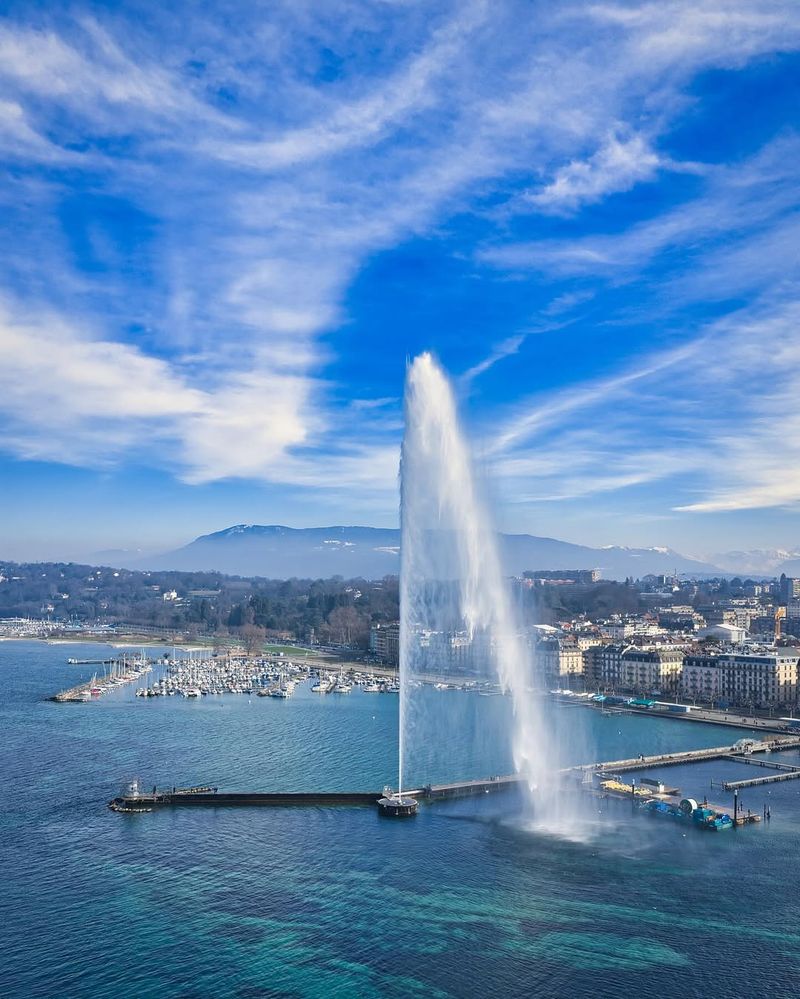
Home to the United Nations Office and many humanitarian groups, Geneva is practically a capital of cooperation. It scored 94.8 and is the safest European city in the 2026 HelloSafe comparison.
Switzerland ranks third in the Global Peace Index, behind only Iceland and New Zealand. Geneva fits that national picture neatly.
The calm is not only political, though. Lakeside parkland wraps around Lake Geneva, and spots like Parc de l’Ariana, Parc La Grange, and Parc des Bastions give the city a leafy feel.
The Botanical Garden adds another green pause. Few diplomatic centers offer so many places to sit, breathe, and watch swans glide by.
Try a morning walk along the water before the meetings and tourists begin. Bring a picnic, grab local bread and cheese, and settle on a bench with mountain views.
It is an easy way to see why people here seem so unhurried. Evenings along the shore are lovely too, with soft light on the water.
Stockholm, Sweden
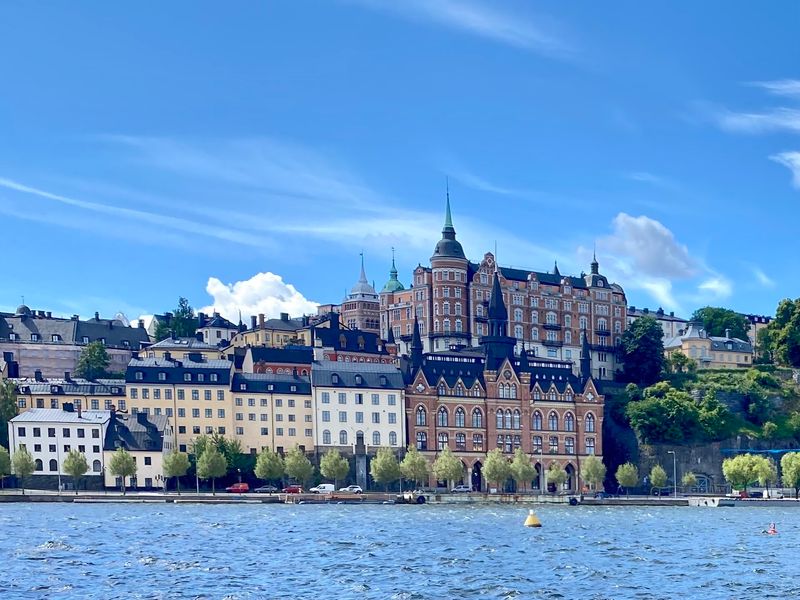
Count the islands and you will see why Stockholm feels so easy to escape. The capital spreads across 14 islands, and the wider archipelago reaches more than 30,000.
Here is a twist: Sweden ranks only 40th in the 2026 Global Peace Index, yet Stockholm lands fourth in the city index with 92.2. That gap shows why city numbers can differ from national ones, since official local homicide data carries real weight.
Waterfront promenades, parks, and museums fill the center. Djurgarden is a favorite, mixing green paths with famous attractions.
A short boat ride can take you from busy streets to rocky islets with only gulls for company. Locals do this on summer weekends with a bag of snacks and a swim towel.
If you visit, hop on a commuter ferry and watch the city shrink behind you. It costs little and delivers big calm.
Cafes along the water are perfect for a fika break, and sunsets in summer last wonderfully late.
Oslo, Norway
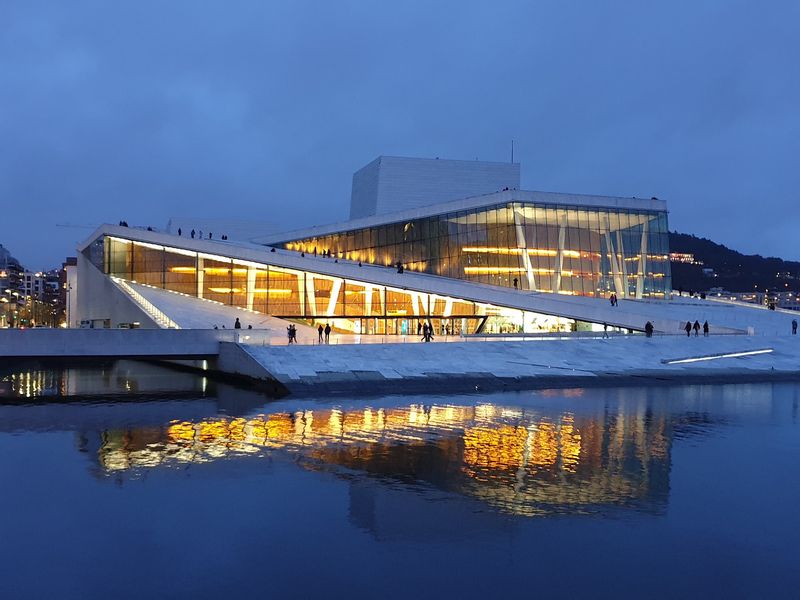
Imagine hopping on a train and ending up in a forest. In Oslo, that is just a normal Tuesday.
The capital scored 92.1 and ranks fifth in the 2026 city index. Norway also sits in the more peaceful group of countries in the Global Peace Index.
Nordmarka covers roughly 430 square kilometers north of the city. It holds hiking routes, swimming lakes, public cabins, and cycling trails.
Winter changes the scene completely, with more than 450 kilometers of prepared ski routes. Locals carry skis right onto the metro.
The Oslofjord adds even more open space, with islands and swimming spots close to downtown. A national capital rarely feels this small and breezy.
Tip for visitors: rent a bike or buy a transit pass and aim for a forest lake. Pack a thermos of something warm, because the air can turn crisp fast.
You will return to town feeling refreshed and a little smug about your choices. Locals will happily point you toward the best trail if you ask nicely.
Zurich, Switzerland
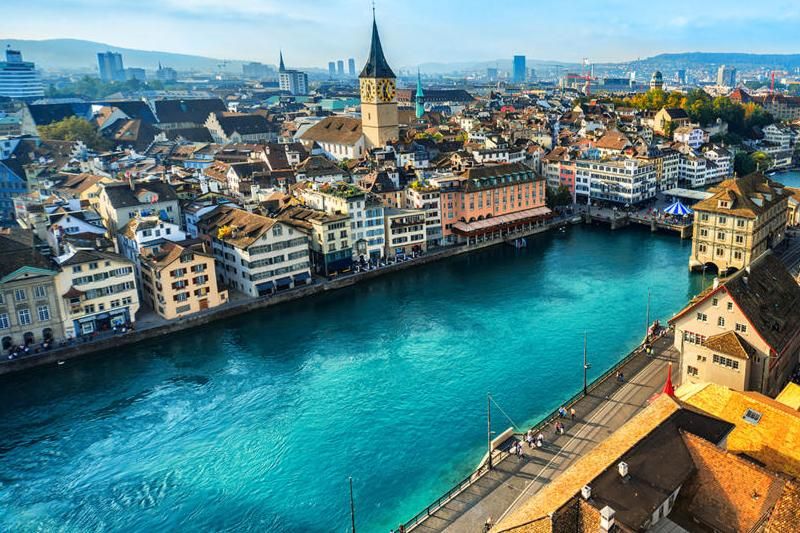
Switzerland lands two cities in the top six, and Zurich is the second one. Its score of 91.9 comes from strong national stability plus a very good public safety measure of its own.
Zurich is a major banking and business center, yet it rarely feels frantic. Around 70 public parks and green areas give people places to walk, picnic, or read.
Lake Zurich and the Limmat River are part of daily life, not just postcard scenery. On warm days, locals swim in the river and sunbathe on the banks.
Trams glide along tidy streets, and nature is never far from the central railway station. A short ride can put you on a hillside with sweeping views.
Want a simple plan? Grab a pastry, walk the lakefront, and watch the sailboats drift by.
Finish with a stop in the old town, where cobbled lanes and quiet squares invite you to slow down. Many of the riverside spots are free, which makes the day even sweeter.
Edinburgh, Scotland
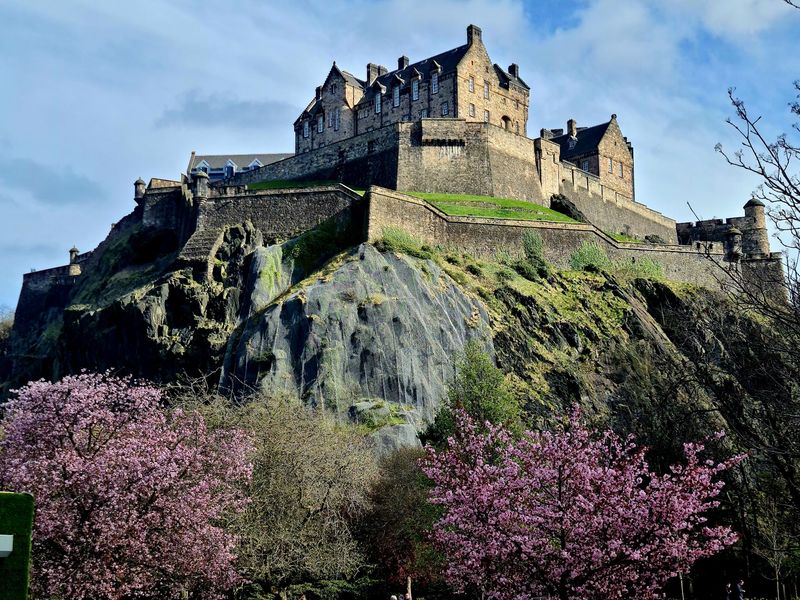
Festival crowds can pack the Royal Mile, but Edinburgh hides its quiet side well. It is the top UK city in the 2026 index and one of only 10 cities worldwide to score at least 90, landing at 90.8.
Low lethal violence, walkable streets, and a strong cultural scene all help the score. The compact historic core is easy to explore on foot.
For peace, head away from the tourist center. Cammo Estate offers quiet trails and old ruins, while Starbank Park gives coastal views over the water.
The Meadows is one of the city’s biggest open green areas, perfect for a lazy afternoon. Students toss frisbees there, and families spread out blankets.
My advice: visit outside festival season if you crave silence. Early mornings on a hill path, with the castle glowing in the distance, feel like having the whole city to yourself.
Bring a warm jacket, because Scottish weather loves surprises. A hot drink afterward is a lovely reward.
Copenhagen, Denmark
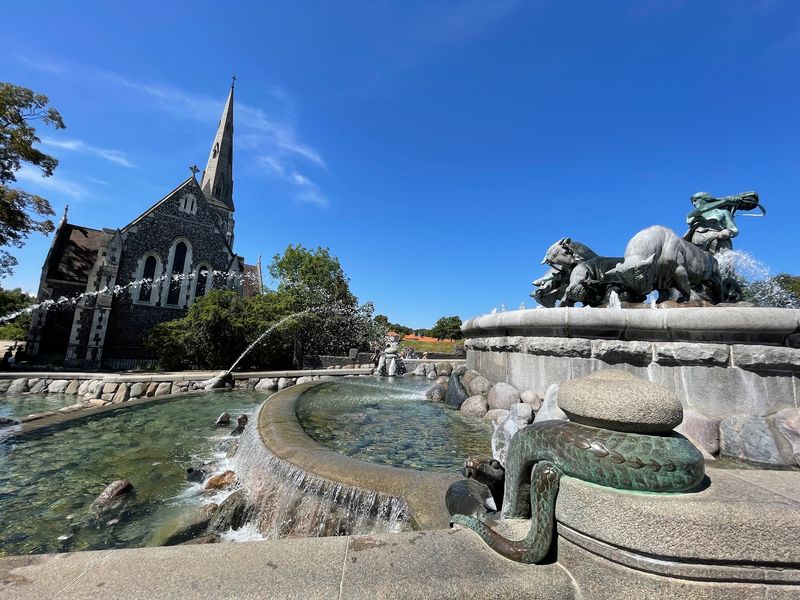
More than 62 percent of Copenhagen residents bike to work or school. That number, from the city’s tourism organization, says a lot about the daily rhythm here.
About 390 kilometers of dedicated cycling routes keep traffic gentle and streets quieter. The city ties Edinburgh at 90.8 in the 2026 index.
Parks and gardens are scattered everywhere. Visit Copenhagen points travelers toward King’s Garden, Frederiksberg Garden, Kalvebod Faelled, and the Deer Park for tranquility.
Harbor paths and waterways add more room to breathe. Some locals even swim in the harbor baths on warm days.
Denmark ranks 11th in the 2026 Global Peace Index, which supports the capital’s calm image. Rent a bike and follow the water at your own speed.
Stop for a pastry in a park, and you will understand why people here seem so relaxed. Look out for the bike traffic lights, which are a charming touch.
Remember to signal your turns like the locals do.
Sydney, Australia
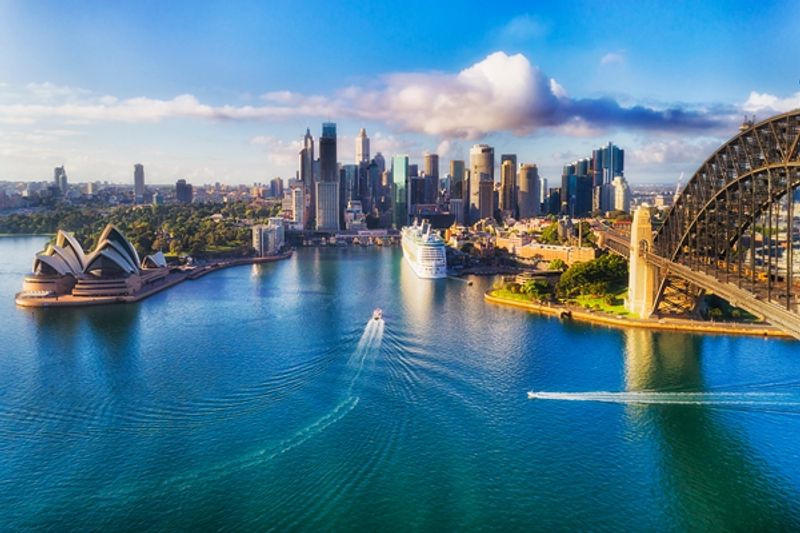
Sydney is huge, but its heart beats near the water. Ninth place worldwide with a score of 90.6 makes it the top city from Australia and Oceania in this ranking.
Beaches, parks, and outdoor fun shape everyday life. Protected harbor beaches like Balmoral offer calm water for swimming, kayaking, and paddleboarding.
Coastal walking routes link many neighborhoods, so a seaside stroll is easy to fit in. You can start at a sandy cove and end at a cliff lookout.
Australia ranks 20th in the 2026 Global Peace Index. The score for Sydney blends low city-level lethal violence with a stable country and easy access to nature.
For a mellow day, pack sunscreen, a towel, and a snack. Catch a ferry across the harbor and pick a quiet beach away from the busiest spots.
Locals say the early hours are best, when the water is glassy and the crowds are still asleep. Pelicans sometimes drop by to say hello.
Palma, Spain
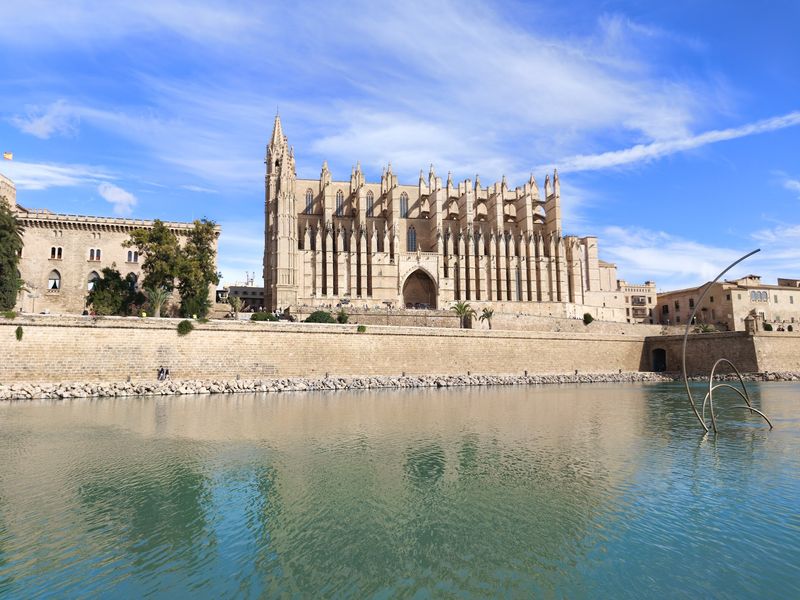
Surprise of the top 10: Palma, the capital of Mallorca. Its low city-level homicide numbers helped it beat far larger European destinations, scoring 90.1.
Spain ranks 27th in the 2026 Global Peace Index, so the city’s strength shows up clearly at the local level.
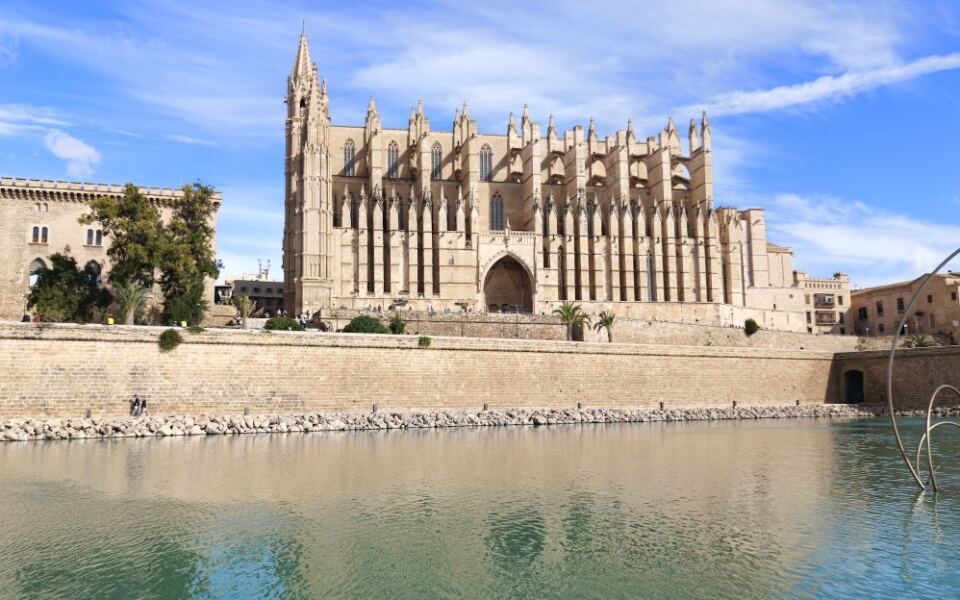
The old quarter is a star. Palma’s tourism authority calls it one of the largest and best preserved historic centers of its kind in the Mediterranean and Europe.
Medieval streets, mansion courtyards, museums, and galleries climb uphill from the sea. Wandering without a map is half the pleasure.
Several beaches sit inside the municipality, so sightseeing can turn into a quiet seaside walk in minutes. Imagine finishing a museum visit and dipping your toes in the sea before dinner.
Plan a slow day. Peek into hidden courtyards, sip a coffee in a shady square, and end at the waterfront as the light turns golden.
Siesta hours are a good time to stroll, since the streets feel hushed and sleepy.
Munich, Germany
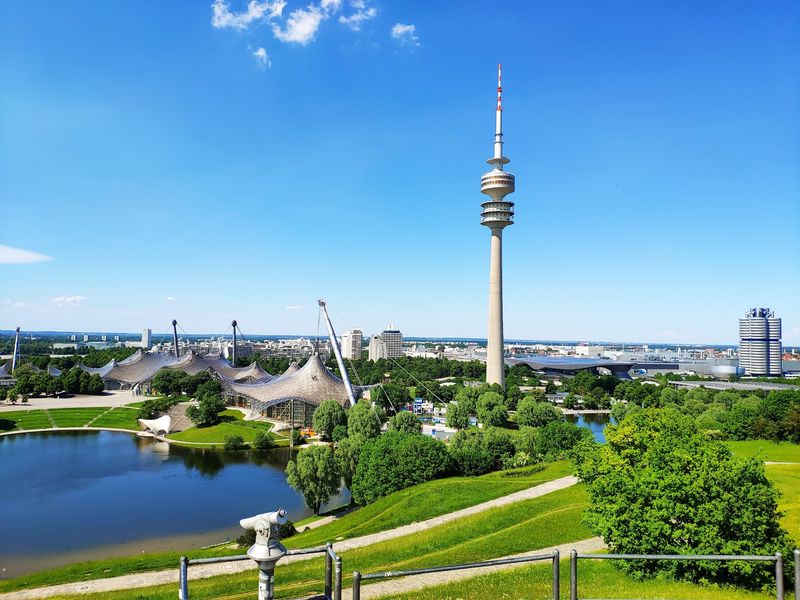
Picture a park so large it stretches about 5.5 kilometers. That is the Englischer Garten, and it covers roughly 375 hectares in Munich.
Munich scores 89.5, just shy of the 90-point mark, yet it ranks 11th worldwide. Germany sits 28th in the 2026 Global Peace Index, so the city’s own safety numbers lift it higher.
Green space helps the Bavarian capital feel less intense than its size suggests. More than 20 percent of the city’s area is green space or water.
The quieter corners of the Englischer Garten hold woods, meadows, waterways, and lakes. You can find a spot to read without hearing much more than birds.
Walk in from the old center and keep going north until the crowds thin out. Bring a picnic and maybe a pretzel.
Spring and early autumn are especially pleasant, when the air is cool and the leaves put on a show. Rivers like the Isar also offer lovely trails nearby.
Seoul, South Korea
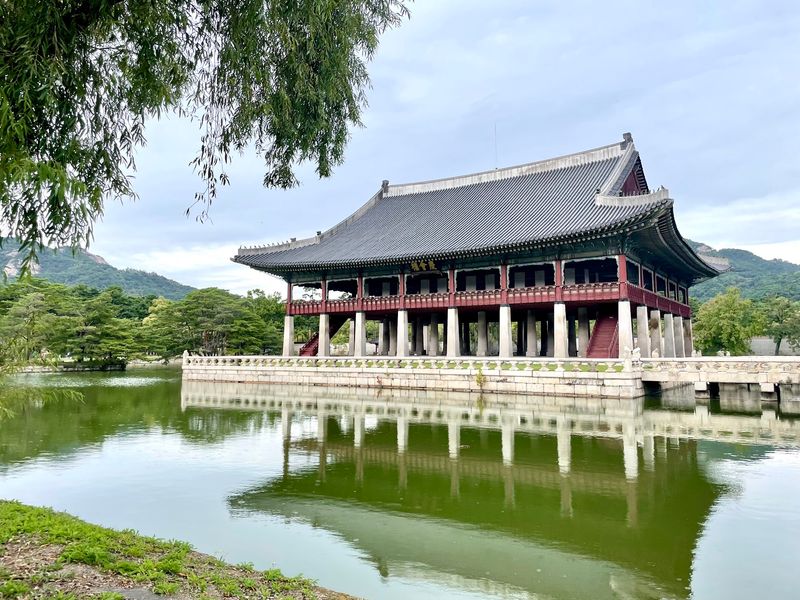
About 10 million people call Seoul home, and it still places 12th with a score of 89.3. Its city-level safety beats every North American city in the ranking.
South Korea sits lower at 57th in the Global Peace Index. That index also weighs militarization and geopolitical conditions, which city crime numbers do not capture.
Inside Seoul, the Hangang River forms a giant recreation corridor. Parks along its banks invite cycling, walking, swimming, and bird-watching.
Seoul Forest adds nearly 496,000 square meters of green space. Bukhansan National Park brings real mountain trails right to the edge of town.
Locals love riverside evenings with takeout noodles and a convenience store snack. Try joining them as the city lights flicker on across the water.
For a quieter outing, hike an early trail up Bukhansan. The view of the sprawling skyline from above makes the busy streets below feel wonderfully far away.
Trains and buses make the trip simple and cheap, so no car is needed.
Dublin, Ireland
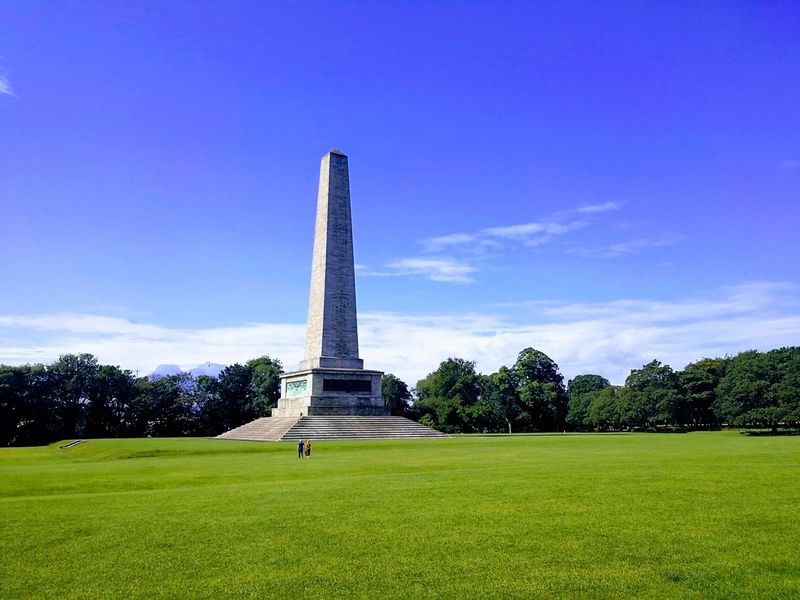
Deer wander freely through a park inside the capital. That is Phoenix Park, and it is one of Dublin’s best secrets for quiet time.
The park covers more than 1,750 acres inside an 11-kilometer perimeter wall. You will find woodland, gardens, historic monuments, and those fallow deer.
Dublin ranks 13th with a score of 88.9. Ireland does even better nationally, placing fifth in the 2026 Global Peace Index.
Temple Bar and the busiest shopping streets buzz with energy, but green spaces break up the bustle. Iveagh Gardens and St. Patrick’s Park offer calm retreats close to the center.
Coastal rail lines make seaside towns and nature reserves reachable without a car. A short ride can land you beside crashing waves.
Spend a morning in Phoenix Park, then hop on a train to the coast for fresh sea air. Pack a rain jacket, because Irish skies change moods quickly, and enjoy every sunny moment that appears.
Friendly locals will gladly chat about the best walks.
Reykjavik, Iceland
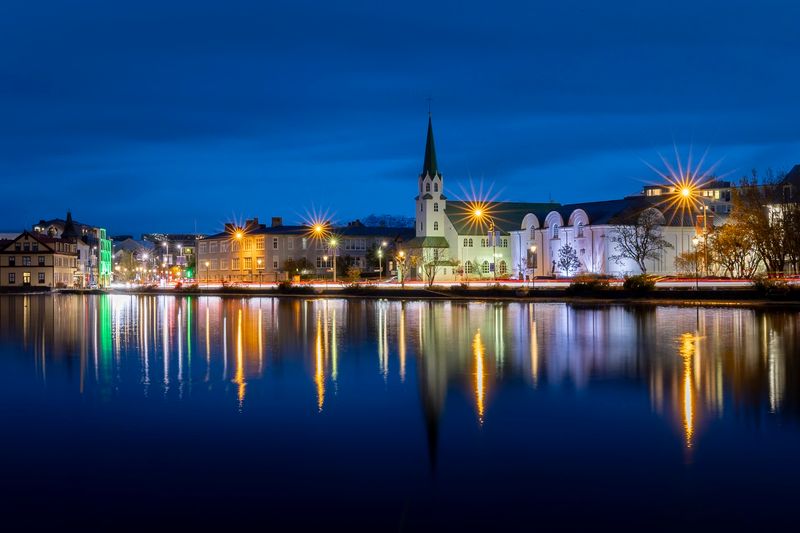
Nineteen years in a row, Iceland has been named the most peaceful country on Earth in the Global Peace Index. Reykjavik lives inside that calm bubble.
At the city level it ranks 14th with a score of 88.0. The capital is small, so it lacks the scale and intensity of most places on this list, and visitors often feel that quiet right away.
Walking and cycling routes link neighborhoods, parks, coastline, and recreation areas. Nature is always close by.
Mountains, the Atlantic Ocean, and geothermal landscapes can be reached easily from the urban core. Even northern-lights viewing spots are not far.
Many locals soak in warm geothermal pools after work, chatting about the day. It is a simple joy you can share.
Plan a stroll along the seafront, then warm up in a pool. If the sky cooperates, chase the aurora on a clear winter night.
Dress in layers, because the wind loves to blow, and keep your camera ready for sunsets over the bay.
Amsterdam, Netherlands
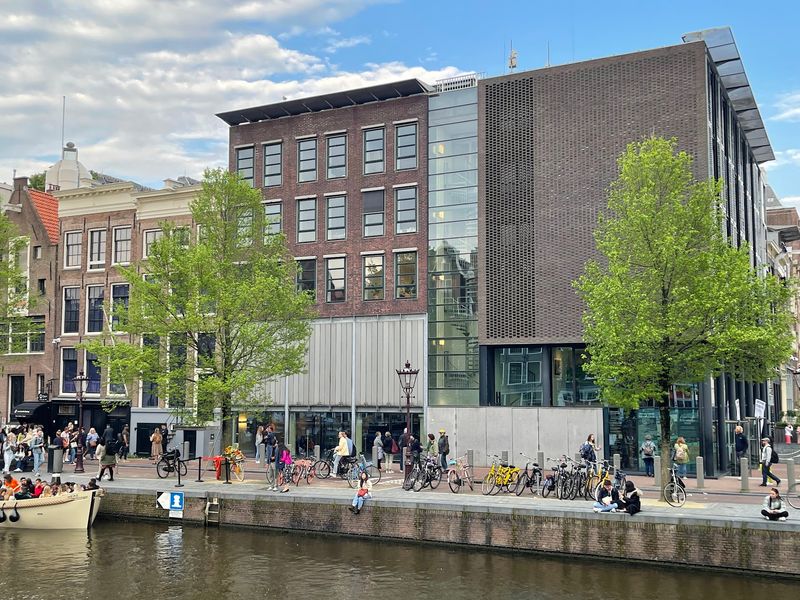
Bells ring, bikes whiz by, and somehow Amsterdam still earns a spot among the safest cities. It rounds out the top 15 with a score of 87.8.
The Netherlands ranks 17th in the 2026 Global Peace Index, adding national stability to the mix. The center can get very busy near major attractions, but the wider city offers many ways to slip away.
Roughly 400 kilometers of cycle lanes make biking an easy choice. Tree-lined canals invite slow walks too.
Amsterdamse Bos is a vast forested playground for runners, rowers, and picnickers. Amstelpark, Beatrixpark, Flevopark, and Rembrandtpark spread more greenery around town.
This city proves something neat: a place can be lively, crowded, and world famous while still ranking very high for measurable safety.
For a peaceful day, rent a bike and head away from the main sights. Pause at a canal bench, watch the boats drift past, and enjoy a warm stroopwafel.
Early mornings are the quietest, when mist still hangs over the water.
Share this story