Chili peppers have traveled far from their American roots and now shape meals on nearly every continent. In some countries, bold heat is not a dare but a daily habit built into family recipes.
Looking at these food traditions shows how climate, history, and taste come together on the plate. Here are ten countries known for some of the hottest cooking in the world.
1. Thailand
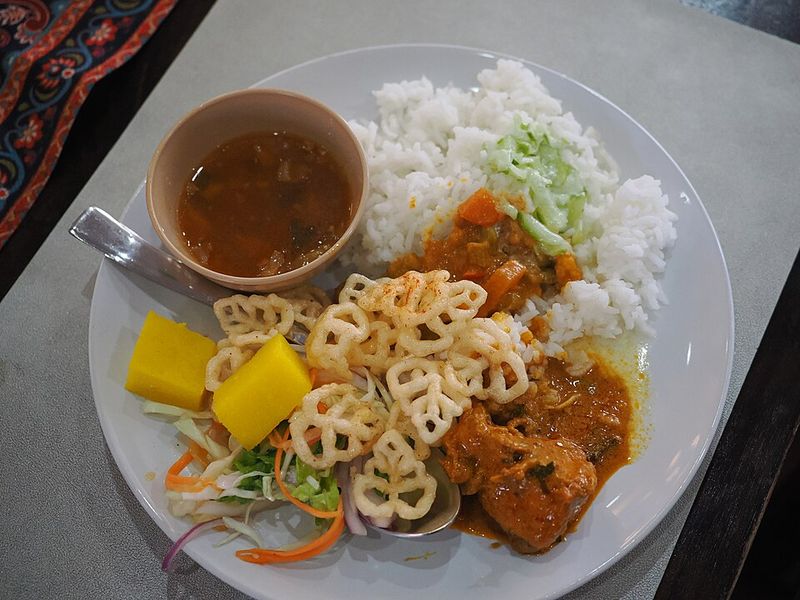
Walk past a Thai market stall and you may hear it before you see it: the steady thump of a pestle in a clay mortar. That sound often means som tam, a papaya salad, is being made with fresh chilies.
Thai cooks lean on bird’s eye chilies, which are small but powerful. They are often mixed with lime juice, fish sauce, garlic, and fresh herbs, so the heat comes with sour, salty, and fragrant notes.
Pad kra pao, a stir-fry with holy basil, can also bring strong heat when made with plenty of chilies. Southern Thai curries are known for being especially intense.
If you are new to these dishes, ask for a milder version. Many vendors will happily adjust the amount of chili.
Plain rice or cucumber slices on the side can help cool your mouth between bites.
2. India
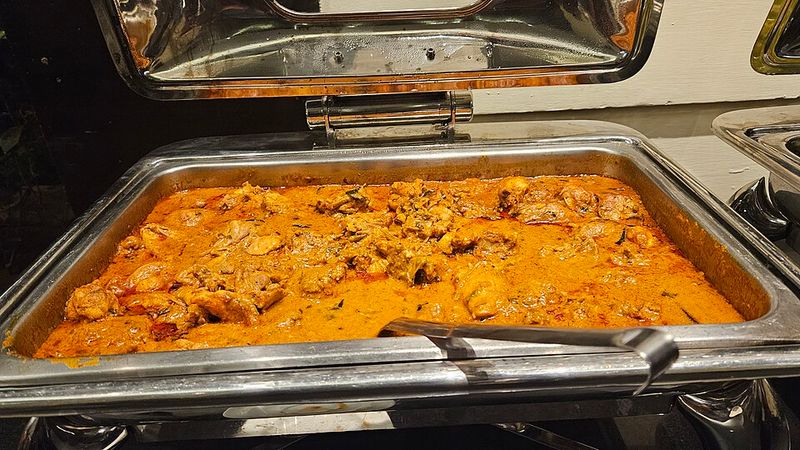
India is not one cuisine but many, and a few regions are famous for serious fire. Andhra Pradesh, in the southeast, is often named as a home of some of the country’s spiciest meals.
In the northeast, Naga cooks make chutneys with local chilies that pack a strong punch. The bhut jolokia, once ranked among the hottest peppers on Earth, comes from this part of the country.
Fun fact: the bhut jolokia is also called the ghost pepper, and it has been used in everything from pickles to smoke-based pest deterrents.
Still, heat is only part of the story. Many Indian regional cuisines favor mild, creamy, or sweet dishes.
Yogurt, rice, and flatbreads are common partners that soften the burn for anyone who needs a break.
3. Bhutan
In most kitchens, chilies are a pinch of flavor. In Bhutan, they are often the main vegetable on the plate.
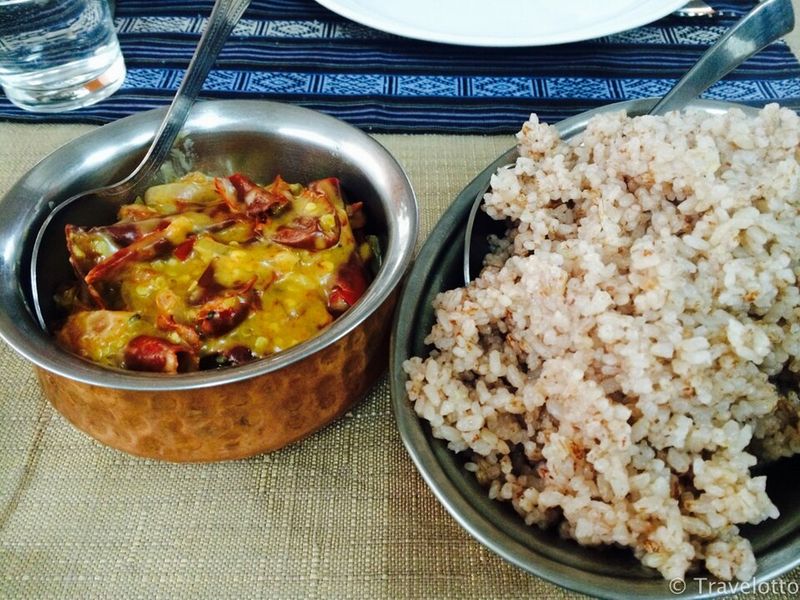
The national dish, ema datshi, is a stew of whole chilies simmered with cheese. The word ema means chili, which tells you how central the pepper is to daily meals.
The cheese gives a rich, soft base, yet the chilies still bring noticeable heat. Cooks may use fresh green or dried red peppers depending on the season.
Many Bhutanese families serve it with red rice, which helps balance the spice. Visitors are often surprised that a dish this simple can taste so bold.
Chilies are also dried on rooftops in the countryside, creating bright red patches against the mountain scenery.
4. China
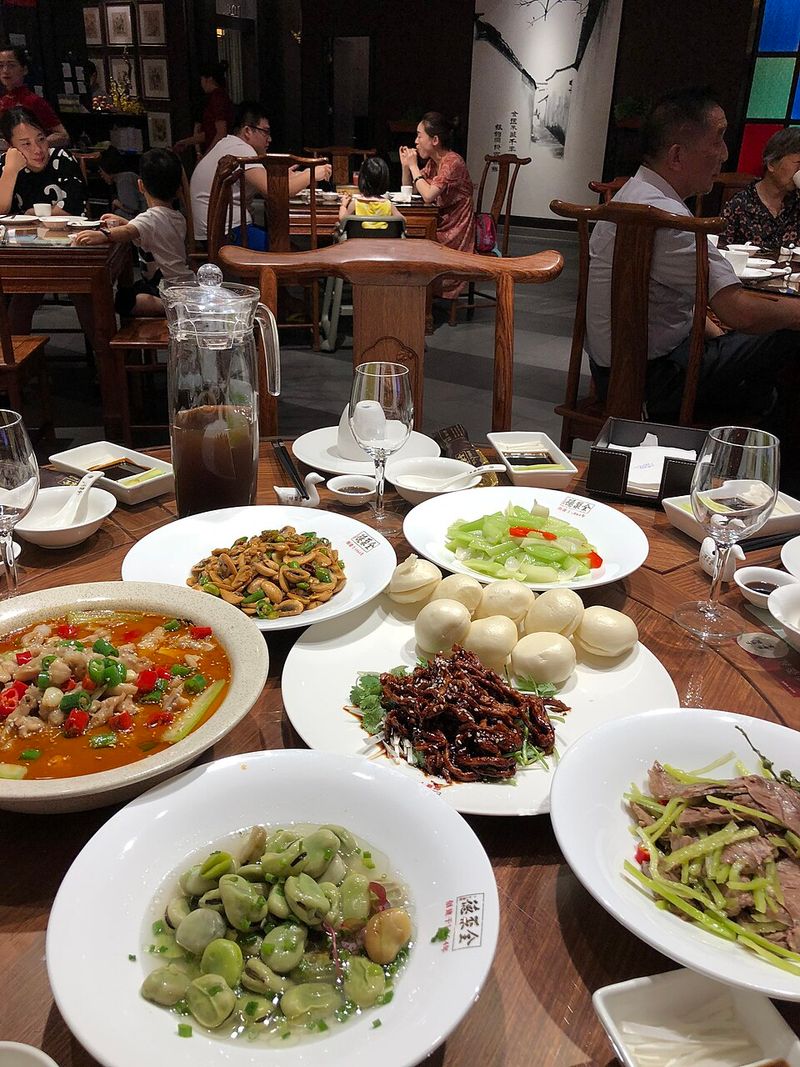
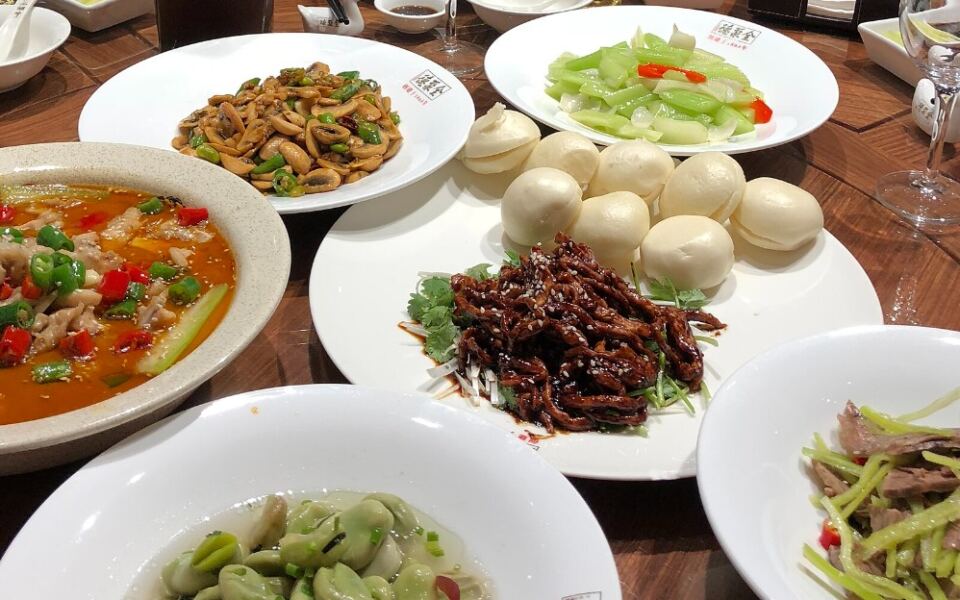
Few flavors are as memorable as the tingle of Sichuan cooking. It comes from a one-two punch of chilies and Sichuan peppercorns, which leave a buzzing, numbing feeling on the tongue.
Chinese food holds more than one style of heat. Hunan cooks often favor fresh chilies, giving a sharp, direct burn.
Guizhou cuisine is known for sour and spicy flavors, often using fermented peppers.
Dishes like mapo tofu and chili-laced hot pots show how bold these regional tastes can be.
If you try Sichuan food, start slowly. The numbing effect can surprise first-timers, though many people come to love it.
Tea, rice, or a cold drink makes a helpful companion at the table.
5. Mexico
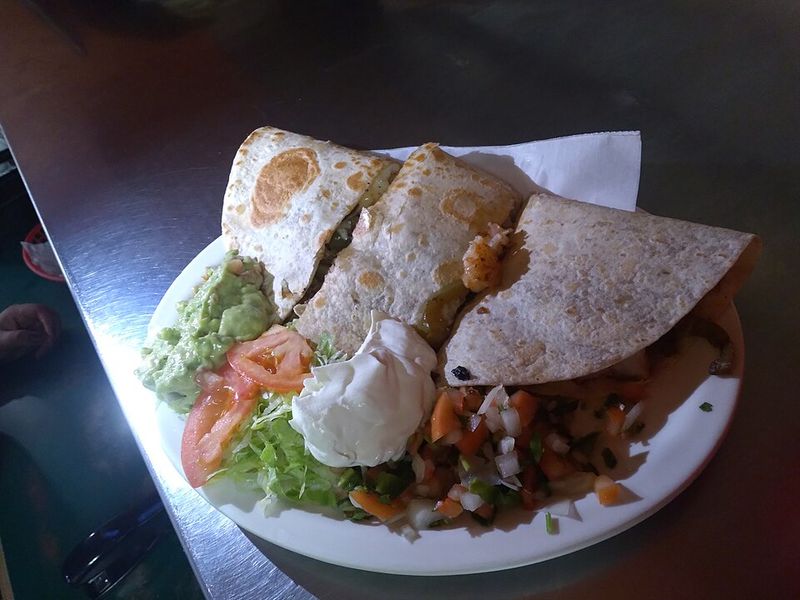
Mexico is where chili peppers were first cultivated, and the variety today is astonishing. Cooks use jalapenos, serranos, chiltepines, habaneros, and many more.
The Yucatan Peninsula is known for habanero salsas, which are bright, fruity, and very hot. Chiltepines, tiny wild peppers, can deliver a sharp burst of heat in a single bite.
Even so, Mexican food does not always mean fire. Many dishes are mild, and chilies are often chosen for smoky, earthy, or sweet flavors instead of pure heat.
Salsas are usually served on the side, so diners can control how much they add. That habit makes it easy to enjoy the cuisine whether you like a gentle warmth or a real challenge.
6. Sri Lanka
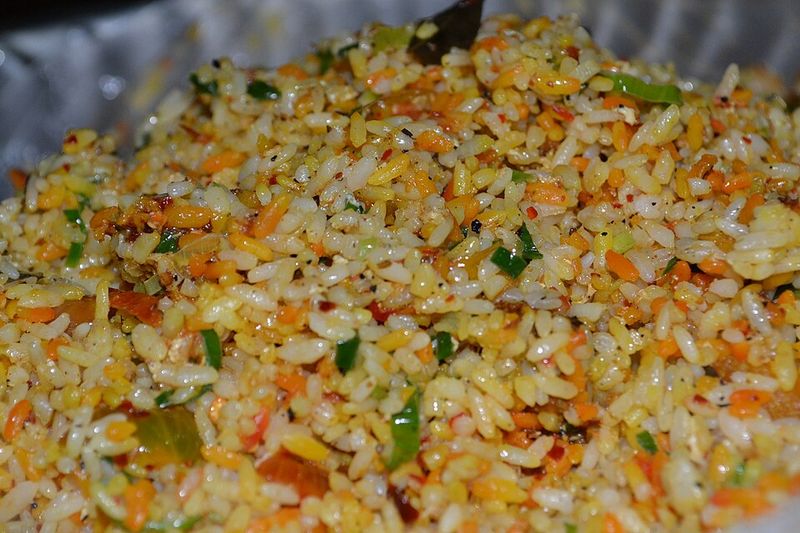
Ask a Sri Lankan home cook about spice and you may get a knowing smile. Heat is part of everyday meals on this island nation.
Pol sambol is a good example. It blends grated coconut, red chili, lime, and onion into a bright side dish that can burn more than you expect.
Lunu miris, a paste of chilies and onions, is another fiery favorite. Meat and seafood curries are often built on dried chilies and strong spice blends.
Home-style cooking tends to be hotter than what is served to tourists. If you want to try it, order rice and curry and add the sambol in small amounts.
Coconut and rice help soften the heat while keeping the flavors lively.
7. Indonesia
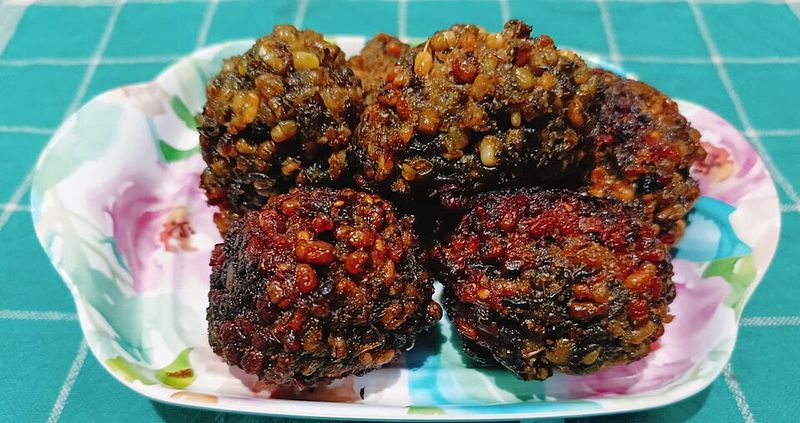
What is on the table at an Indonesian meal? Almost always, there is a bowl of sambal.
Sambal is a chili-based sauce, and there are hundreds of versions across the islands. Sambal rawit uses small, fiery bird’s eye chilies.
Sambal bawang adds plenty of garlic or shallots to the mix.
In Manado, in North Sulawesi, cooks are known for fresh, hot sambals that go with grilled fish and other seafood.
Most sambals are made by crushing ingredients in a stone mortar, which gives a rough, rich texture.
Because sambal is served on the side, you can start with a tiny spoonful. A little goes a long way, and it can turn a plain plate of rice into something special.
8. Ethiopia
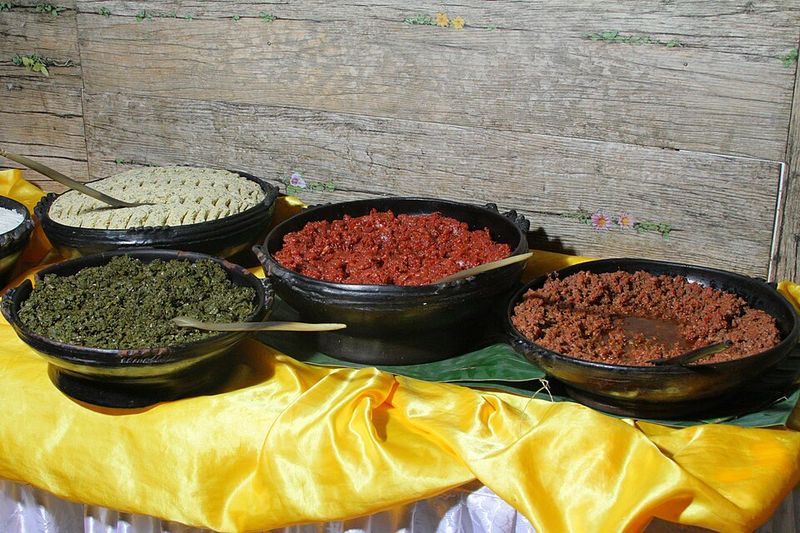
Berbere is the heart of many Ethiopian kitchens. This deep red spice blend can include dried chilies, garlic, ginger, fenugreek, and other warm spices.
Doro wat, a slow-cooked chicken stew, is one of the best-known dishes using it. The sauce is thick, rich, and often quite hot, and it is served with hard-boiled eggs and injera, a soft sourdough flatbread.
Spicy tibs, made with sauteed meat, can bring heat as well.
The level of spice depends a lot on the cook and the region. Some families make berbere at home each year, adjusting the recipe to their own taste.
Eating with injera is part of the fun. Tear off a piece, scoop up the stew, and enjoy the shared plate with friends.
9. Nigeria
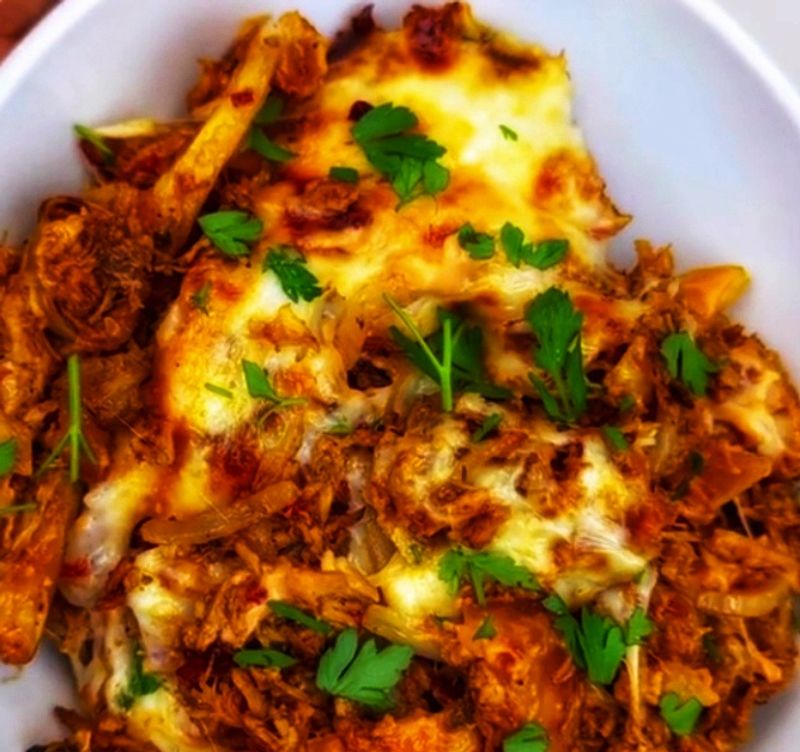
In Nigerian markets, baskets of bright scotch bonnet peppers, known as ata rodo, are hard to miss. They are a key ingredient in many home kitchens.
Pepper soup is a famous example. It is a thin, aromatic broth with strong heat, often made with fish or goat meat and warming spices.
Ayamase, sometimes called designer stew, is made with green peppers and has a deep, spicy flavor. Many Nigerian pepper sauces and stews start with blended peppers, tomatoes, and onions.
Scotch bonnets are hot, but they also have a fruity taste that gives dishes extra depth.
For a gentler experience, cooks sometimes remove the seeds or use fewer peppers, though many Nigerians happily enjoy the full kick.
10. Trinidad and Tobago
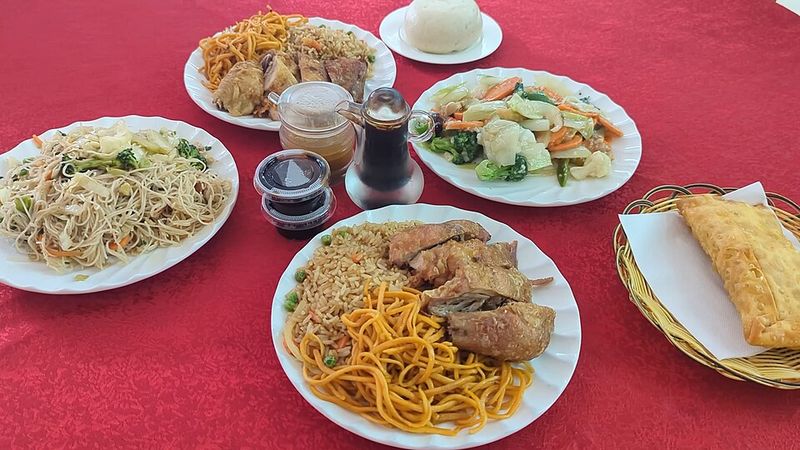
The Trinidad Moruga Scorpion once held the title of the hottest pepper in the world, and it grows right here. That alone says a lot about the island’s relationship with heat.
Cooks on Trinidad and Tobago use Scotch bonnets and Congo peppers in many dishes and sauces. Homemade pepper sauce is common, and nearly every family has its own recipe.
Doubles, a popular street food of curried chickpeas in soft fried bread, is usually served with a choice of pepper sauce. Ask for slight pepper if you are unsure.
Vendors are used to the request and will adjust it for you.
With such strong peppers growing nearby, locals take pride in both the flavor and the fire, treating chilies as a cherished part of national food culture.
Share this story